Hydraulic Press Vs Bending Machine: ’s Difference In Metal Forming?


Comparison Summary: Understanding the Core Differences
In the world of metal fabrication, choosing the right equipment is the difference between a high-efficiency production line and a bottlenecked workshop. The debate of Hydraulic Press Vs Bending Machine: ’s Difference In Metal Forming? often arises because both machines utilize hydraulic power to manipulate metal. However, their mechanical intent, structural design, and output capabilities are vastly different. A hydraulic press is essentially a multi-purpose powerhouse designed to apply massive vertical force over a specific area, whereas a bending machine—commonly referred to as a press brake—is a precision instrument designed specifically to create linear bends in sheet metal.
At its simplest, a hydraulic press is used for tasks like deep drawing, punching, molding, and straightening. It exerts pressure evenly across a die to reshape the material entirely. Conversely, a bending machine uses a long, narrow bed and a matching punch and die set to fold metal at specific angles. While a hydraulic press can technically be fitted with bending tools, it lacks the specialized backgauge systems and long-bed architecture that make a bending machine efficient for large-scale sheet metal work. Understanding these nuances is critical for manufacturers looking to optimize their ROI and production quality.
HARSLE, a leader in metalworking machinery, emphasizes that the choice depends on the geometry of the final product. If you are creating a car door panel or a kitchen sink, you need the deep-forming capabilities of a hydraulic press. If you are manufacturing electrical cabinets, ductwork, or structural brackets, the bending machine is your primary tool. This guide will delve deep into the technical specifications, operational mechanics, and application scenarios for both machines to help you make an informed decision.
Hydraulic Press Overview: The Powerhouse of Versatility
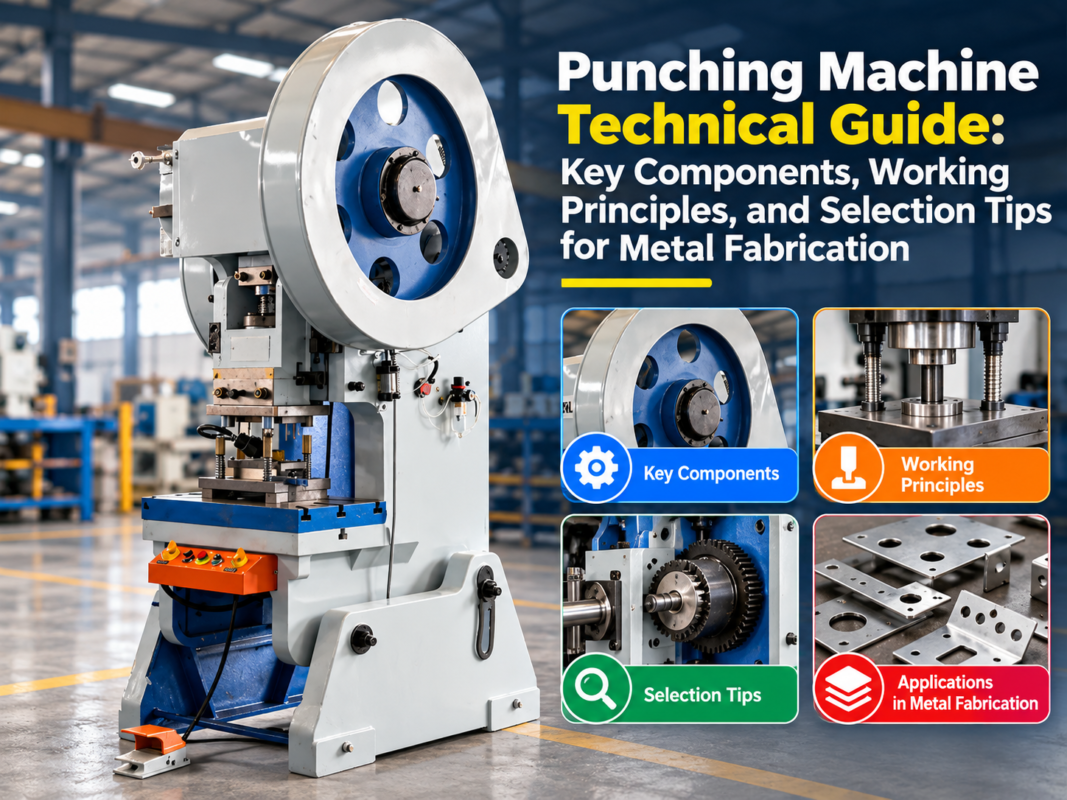
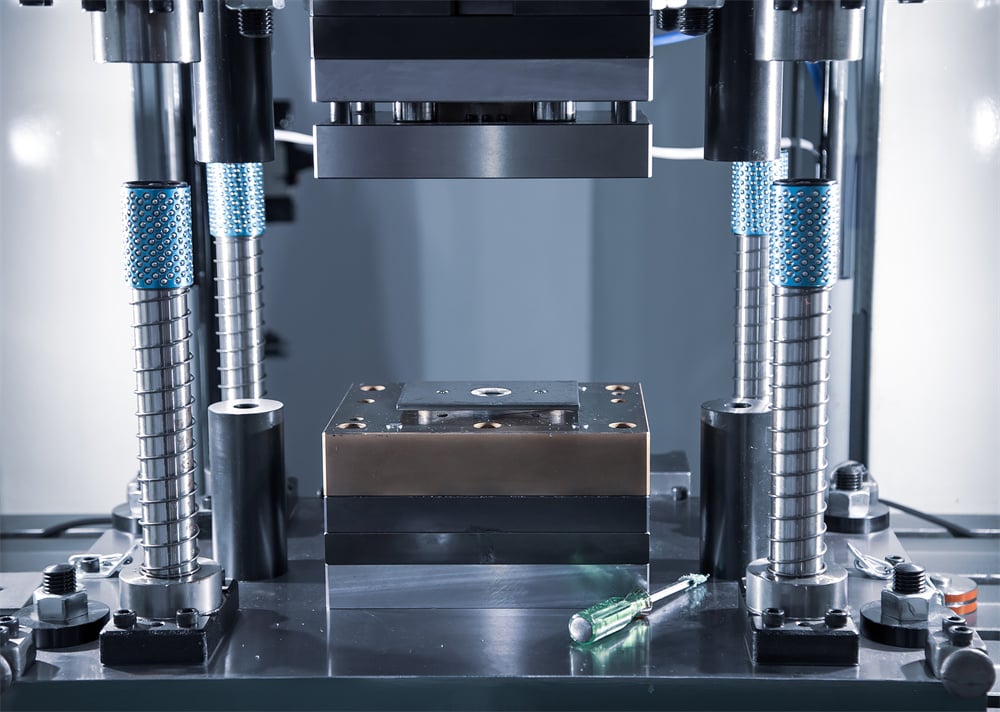
The hydraulic press operates on Pascal’s Principle, which states that pressure exerted anywhere in a confined incompressible fluid is transmitted equally in all directions throughout the fluid. In practical terms, this allows a small amount of force to be multiplied into hundreds or even thousands of tons of pressure. This machine consists of a frame (often H-frame, C-frame, or four-column), a hydraulic cylinder, a bolster plate, and a ram. The ram moves vertically to compress the workpiece against a die placed on the bolster plate.
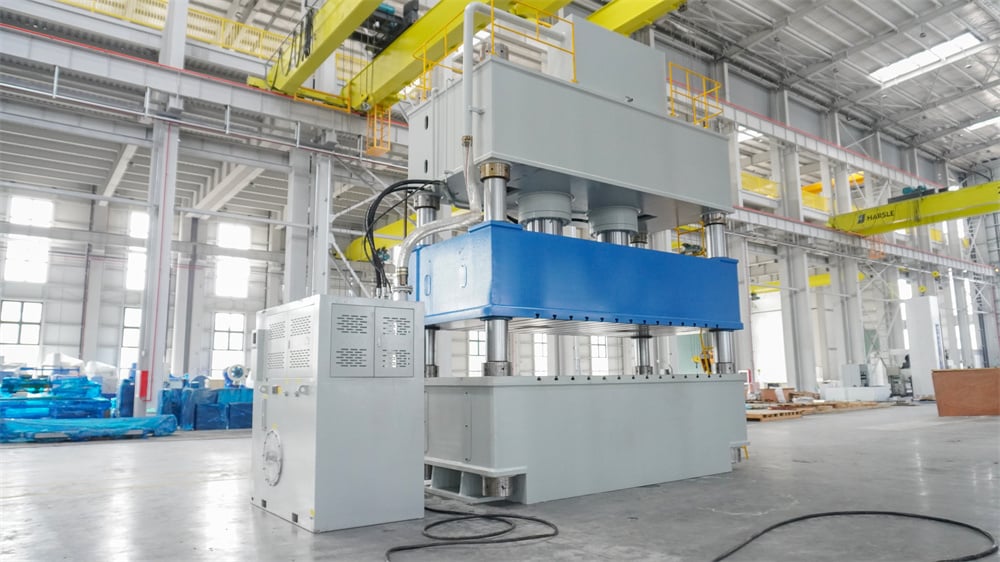
One of the defining characteristics of the hydraulic press is its ability to maintain full tonnage throughout the entire stroke. Unlike mechanical presses, which only reach peak force at the bottom of the stroke, a hydraulic press provides consistent pressure. This makes it ideal for deep drawing, where metal needs to be stretched into a mold over a long distance without tearing. HARSLE’s four-column hydraulic presses are particularly favored for their stability and precision in these high-pressure environments.
Furthermore, hydraulic presses are highly adaptable. By changing the die set, a single machine can perform stamping, blanking, embossing, and even powder compaction. This versatility makes it a staple in industries ranging from automotive manufacturing to aerospace. However, this versatility comes with a trade-off in speed; hydraulic presses are generally slower than mechanical presses or specialized bending machines when it comes to repetitive, high-speed cycling. They are built for power and controlled deformation rather than rapid-fire repetition.
Safety and control are also paramount in modern hydraulic press design. Advanced CNC systems allow operators to control the speed of the ram, the dwell time at the bottom of the stroke, and the pressure sensitivity. This prevents damage to delicate dies and ensures that the material is formed correctly every time. For complex shapes that require multiple stages of forming, the hydraulic press is the undisputed king of the workshop.
Bending Machine (Press Brake) Overview: Precision in Every Fold
A bending machine, or press brake, is a specialized type of press designed specifically for bending sheet and plate material. It features a long, narrow work surface and a ram that holds a punch. The material is placed over a V-shaped die, and as the ram descends, it forces the metal into the die to create a bend. The primary goal of a bending machine is accuracy—specifically, the accuracy of the bend angle and the position of the bend relative to the edge of the sheet.
The modern CNC bending machine is a marvel of engineering. It utilizes a backgauge system—a set of motorized fingers that move in multiple axes (X, R, Z1, Z2)—to position the metal sheet with sub-millimeter precision. This allows for complex, multi-bend sequences to be performed quickly and accurately. HARSLE’s CNC press brakes often feature sophisticated controllers like Delem or Cybelec, which can simulate the bending process in 3D to prevent collisions and ensure the first part is as perfect as the last.
There are two main types of bending: air bending and bottoming. In air bending, the punch does not press the metal all the way into the bottom of the die; the angle is determined by how deep the punch descends. This allows a single toolset to create multiple angles. Bottoming, on the other hand, requires the punch to press the metal fully into the die, resulting in higher accuracy but requiring specific tools for every angle. The bending machine’s architecture is optimized for these linear operations, providing the rigidity needed to prevent “bowing” in the middle of a long bend.
Another critical feature of the bending machine is the crowning system. Because the long bed of a press brake can deflect slightly under high pressure, crowning systems (either mechanical or hydraulic) compensate for this deflection to ensure the bend angle is consistent across the entire length of the machine. This is a feature you won’t typically find on a standard hydraulic press, highlighting the specialized nature of the bending machine for sheet metal work.
Specification Comparison Table
To better understand the Hydraulic Press Vs Bending Machine: ’s Difference In Metal Forming, let’s look at the technical specifications side-by-side. This table highlights why one machine cannot easily replace the other in a professional setting.
| Feature | Hydraulic Press | Bending Machine (Press Brake) |
|---|---|---|
| Primary Function | Deep drawing, stamping, molding, punching | Linear bending and folding of sheet metal |
| Force Direction | Vertical (concentrated or distributed) | Vertical (linear along the bed) |
| Bed Shape | Square or Rectangular (Bolster plate) | Long and Narrow |
| Tooling Type | Custom die sets (Male/Female molds) | Standardized Punches and V-Dies |
| Precision Control | Pressure and Stroke depth | Angle accuracy and Backgauge positioning |
| Material Handling | Manual or Robotic transfer | CNC Backgauge for edge positioning |
| Stroke Length | Typically long (for deep forming) | Short to Medium (optimized for speed) |
| Crowning System | Rarely required | Essential for long-length accuracy |
Best-fit Applications: Choosing the Right Tool for the Job
When deciding between these two machines, the application is the most significant factor. A hydraulic press is the go-to for 3D forming. For example, in the automotive industry, parts like oil pans, fenders, and hoods are created using hydraulic presses because they require the metal to be stretched and shaped into complex, non-linear geometries. The ability to apply high pressure over a large surface area allows the press to flow the metal into the die without fracturing it.
In contrast, the bending machine is the workhorse of the fabrication shop for 2D-to-3D transitions. If you are taking a flat sheet of steel and turning it into a box, a bracket, or a frame, the press brake is the correct choice. Its strength lies in its ability to handle long pieces of metal—sometimes up to 6 meters or more—and create perfectly straight folds. This is essential for industries like HVAC, where long ducting sections are required, or in the construction of metal cabinets and enclosures.
There are also niche applications where the lines blur. For instance, a hydraulic press can be used for “press-fit” applications, such as inserting bearings into housings, which a bending machine cannot do. Conversely, a bending machine can be used for “hemming” (folding the edge of a sheet back on itself for safety and strength), a task that would be inefficient on a standard hydraulic press. HARSLE recommends evaluating your product portfolio: if 80% of your work involves folding flat sheets, invest in a high-quality CNC bending machine. If your work involves molding or heavy-duty stamping, the hydraulic press is your priority.
Cost and Maintenance Comparison
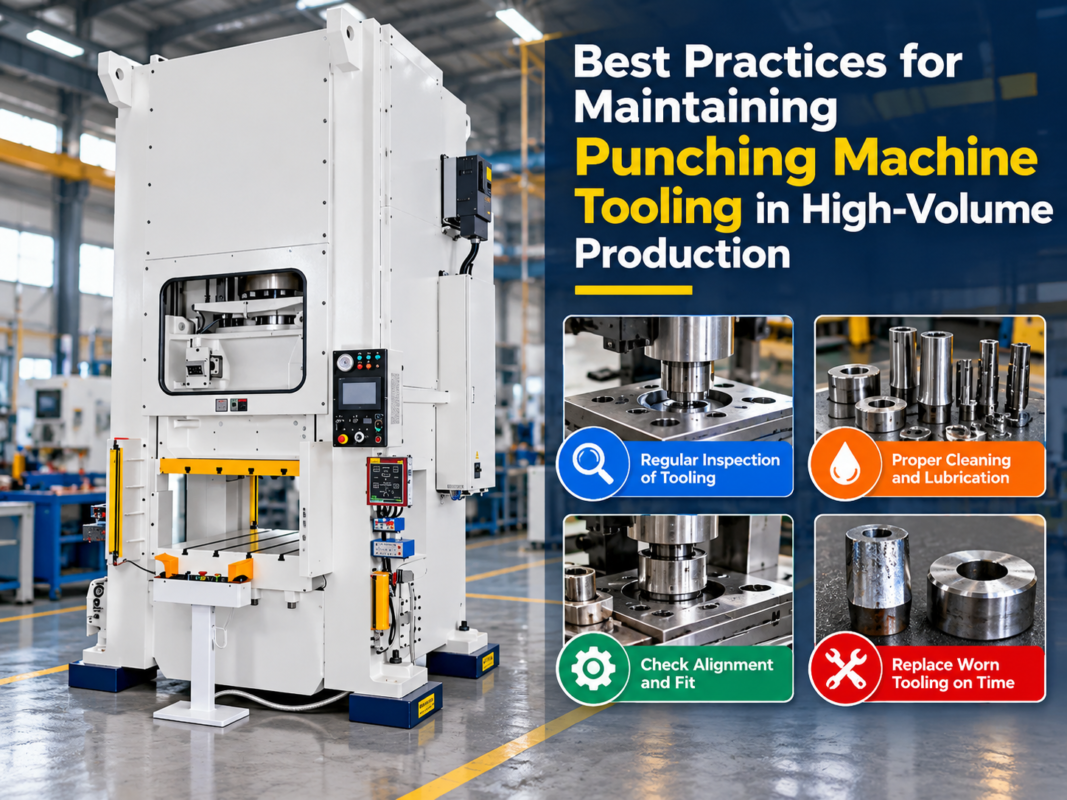
The financial investment for both machines varies significantly based on tonnage, bed length, and automation levels. Generally, a basic hydraulic press is less expensive than a CNC bending machine of similar tonnage because it lacks the complex backgauge and multi-axis control systems. However, the cost of tooling for a hydraulic press can be much higher. Since each product usually requires a custom-made die set, the initial setup cost for a new part can be substantial.
Bending machines, while having a higher machine cost due to the CNC technology, utilize standardized tooling. A single set of punches and V-dies can be used to create hundreds of different parts, making the per-part tooling cost much lower. Maintenance for both machines centers on the hydraulic system. Regular oil changes, seal inspections, and filter replacements are mandatory. For the bending machine, there is the added layer of maintaining the CNC backgauge—ensuring the lead screws are lubricated and the sensors are calibrated.
Energy consumption is another factor. Modern HARSLE machines often feature servo-hybrid drives, which only run the hydraulic pump when the machine is actually moving. This can save up to 50% in energy costs compared to traditional “always-on” hydraulic systems. When calculating the total cost of ownership, consider the skill level of the operator. A CNC bending machine requires an operator who understands bend deductions and software programming, whereas a hydraulic press operator may focus more on die setup and material flow.
Recommendation: How to Decide?
To conclude the Hydraulic Press Vs Bending Machine: ’s Difference In Metal Forming analysis, your decision should be based on a “Form vs. Fold” philosophy. If your production requires the metal to change its thickness or be molded into a deep cavity, the hydraulic press is the only viable option. Its structural integrity and uniform pressure distribution are designed for the high-stress environment of metal drawing and heavy stamping.
If your production involves taking flat sheets and creating structural shapes through angular folds, the bending machine is the superior choice. Its speed, backgauge precision, and ability to handle long workpieces make it indispensable for modern sheet metal fabrication. For many growing shops, the answer isn’t “either/or” but rather “which one first?” Most comprehensive fabrication facilities will eventually require both to handle a full range of customer demands.
Before purchasing, HARSLE suggests creating a checklist: What is the maximum material thickness? What is the longest part you need to process? Do you need custom shapes or standard bends? Answering these will point you directly to the machine that will most effectively grow your business. Always opt for a manufacturer that provides robust after-sales support and training, as the complexity of CNC systems requires a learning curve for your staff.
Frequently Asked Questions (FAQ)
1. Can I use a hydraulic press to bend sheet metal?
Yes, you can install a punch and die on a hydraulic press to perform bends. However, it is much less efficient than a bending machine because it lacks a backgauge for precise positioning and the bed is usually not long enough for standard sheet metal sizes. It is only recommended for small, simple parts or low-volume prototypes.
2. Which machine is safer to operate?
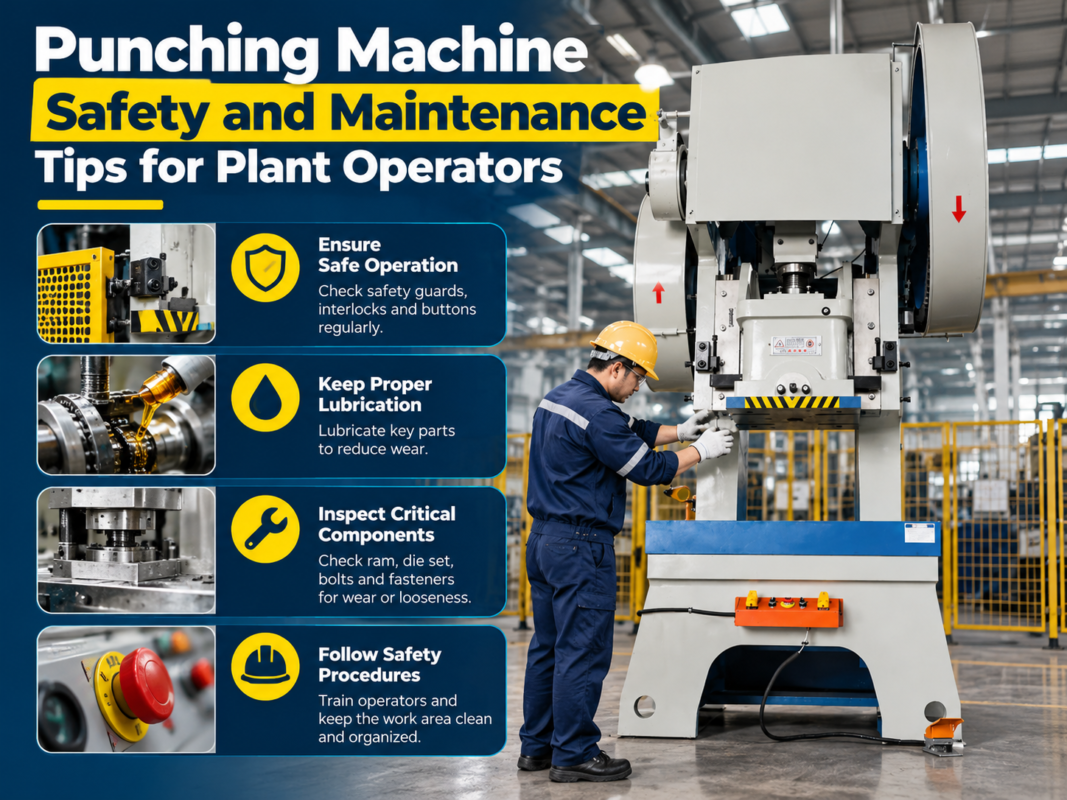
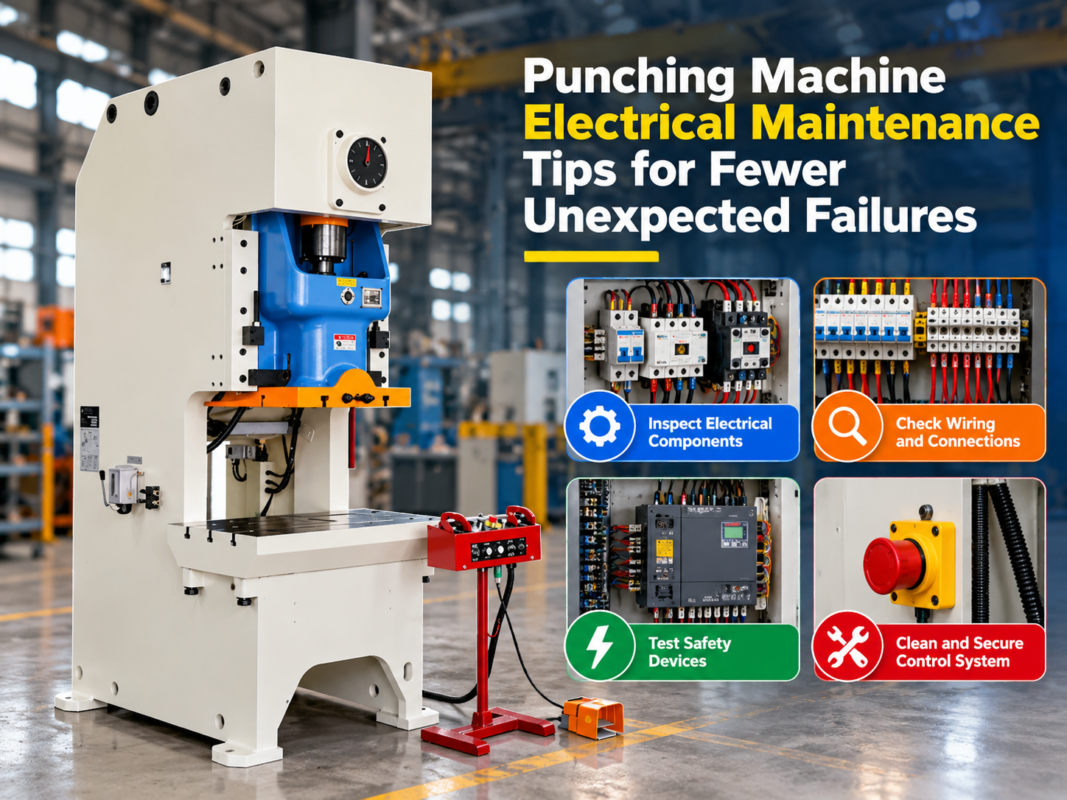
Both machines are powerful and require strict safety protocols. Modern machines from HARSLE come equipped with light curtains, emergency stop buttons, and two-hand operation controls. Generally, bending machines are considered higher risk for finger pinch points due to the proximity of the operator to the workpiece, which is why laser guarding systems are standard on high-end CNC models.
3. What is the maintenance schedule for a hydraulic press?
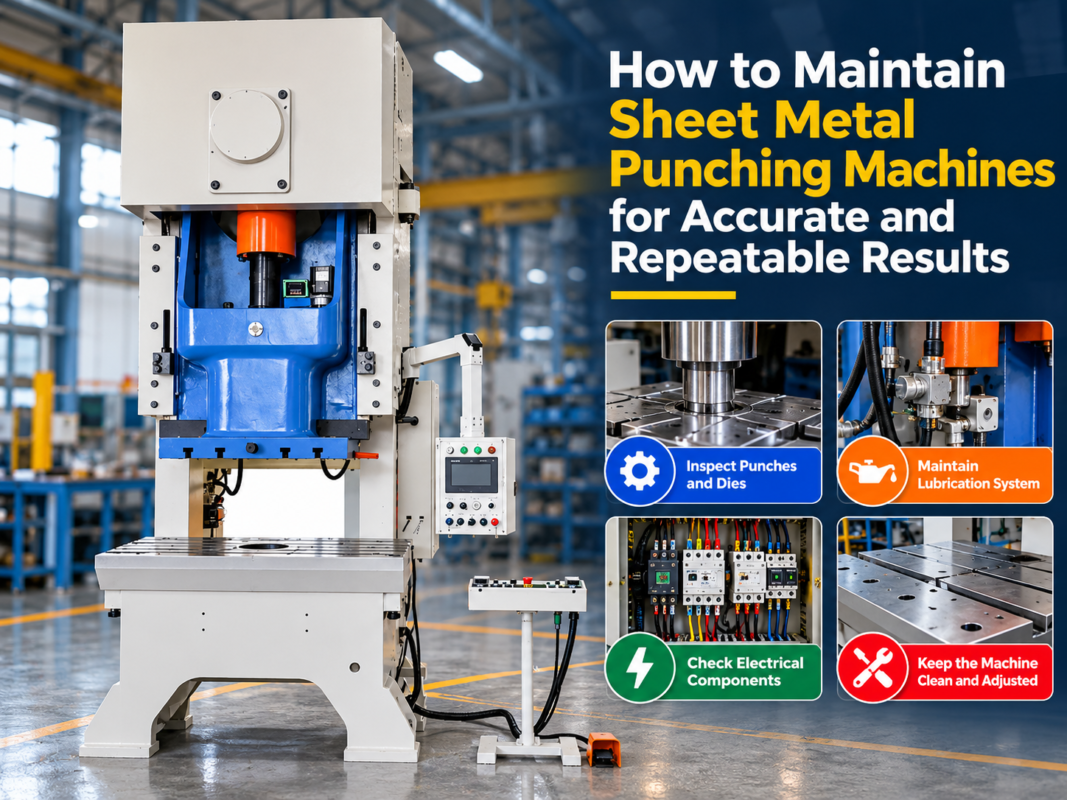
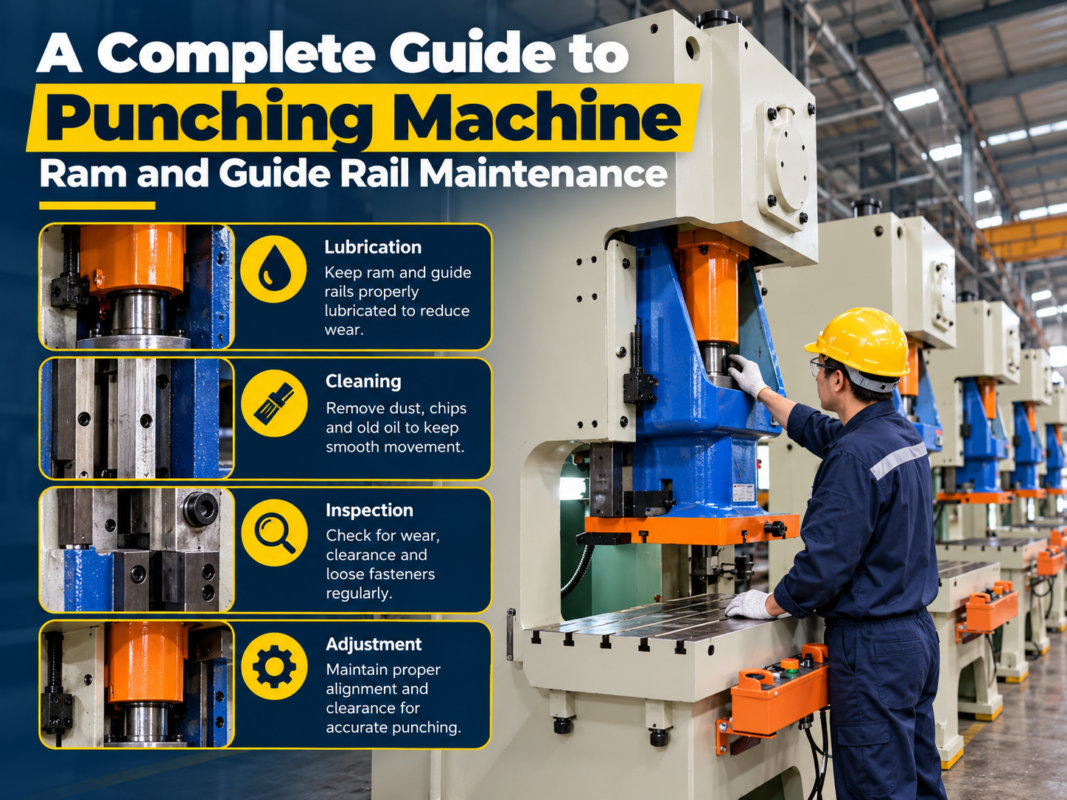
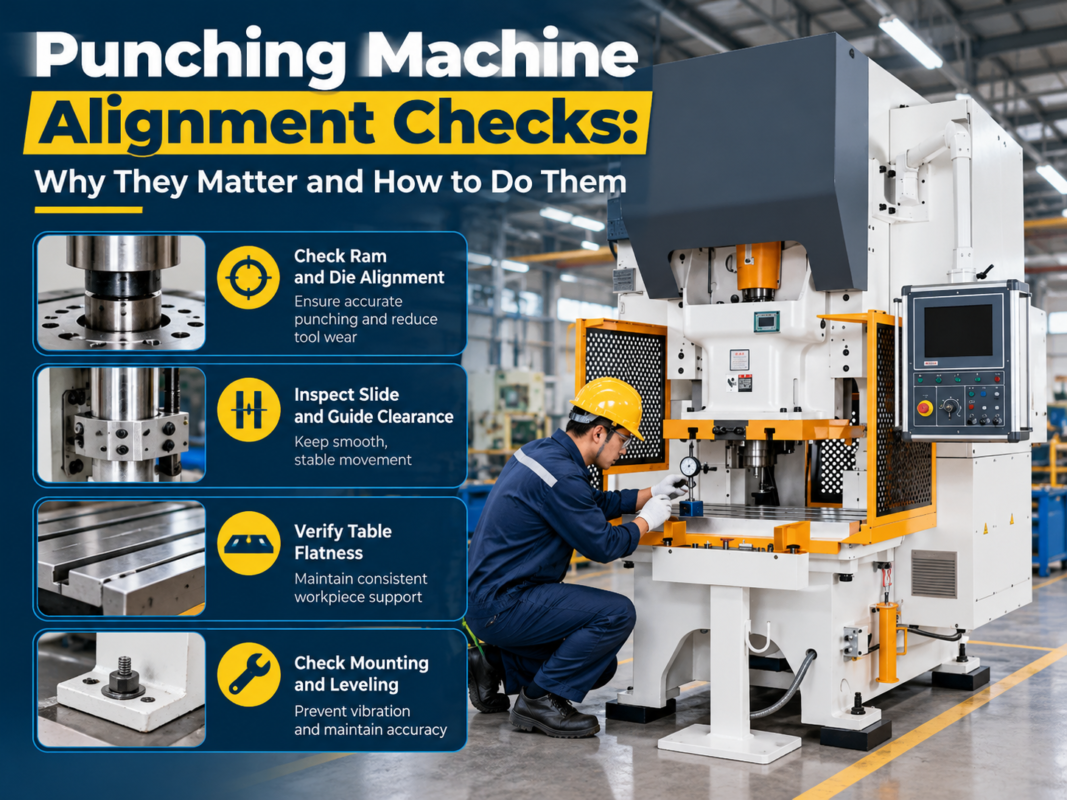
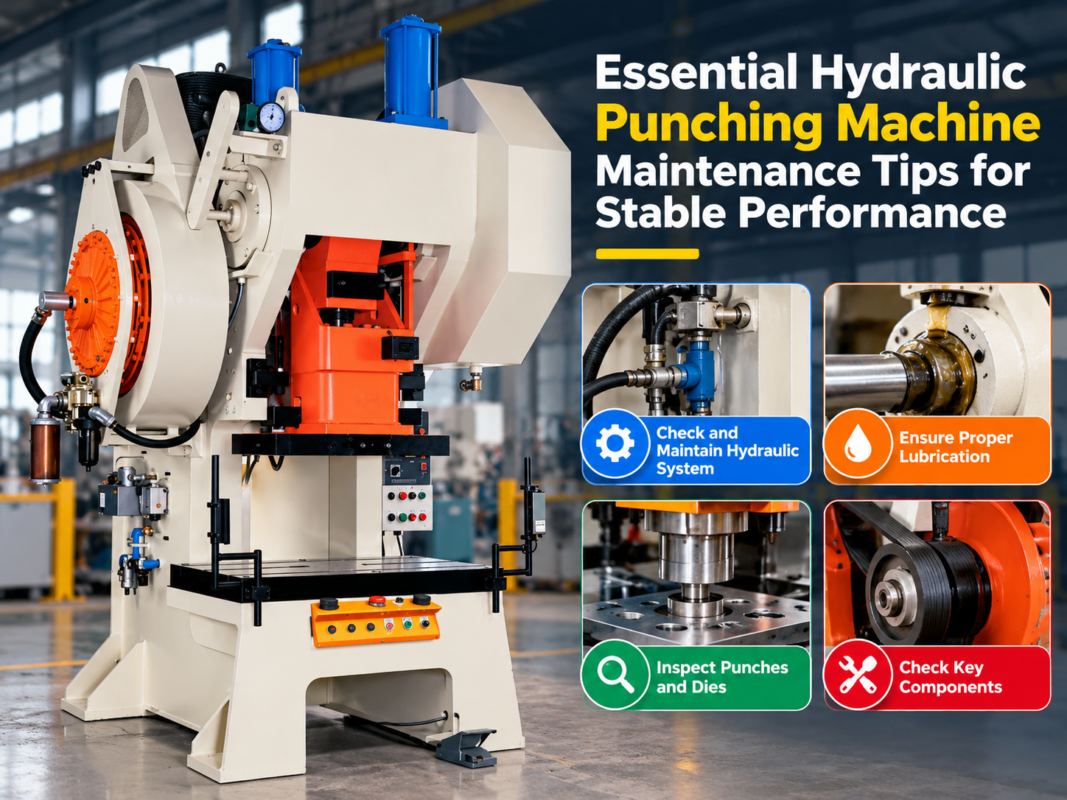
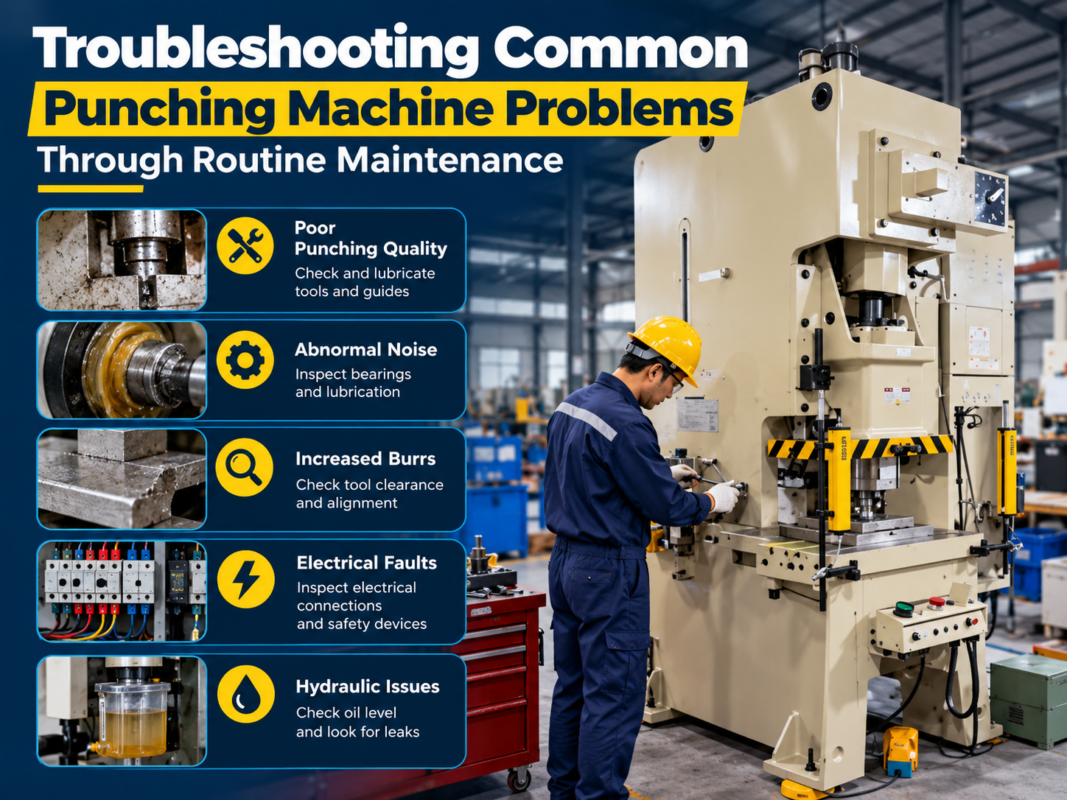
Maintenance should include daily checks of oil levels and leaks, monthly inspections of the ram’s alignment and lubrication of the guides, and annual hydraulic oil filtration or replacement. Keeping the hydraulic fluid clean is the single most important factor in extending the life of the pumps and valves.
4. How does a CNC controller improve a bending machine?
A CNC controller automates the positioning of the backgauge and the depth of the punch. It calculates the “bend allowance” and “springback” based on the material type and thickness, significantly reducing the time spent on trial-and-error and reducing material waste.
5. Can a bending machine do deep drawing?
No. A bending machine is not designed for the concentrated vertical pressure and long-stroke requirements of deep drawing. Attempting to use a press brake for deep drawing could damage the frame and the hydraulic cylinders, as the force is not distributed in a way the machine was engineered to handle.