How One Fabrication Shop Increased Output Using An Industrial Laser Cutting Machine


Introduction: The Evolution of Metal Fabrication
In the competitive landscape of modern manufacturing, efficiency is not just a goal; it is a necessity for survival. For many years, traditional fabrication shops relied on mechanical shears, plasma cutters, and manual punching machines to process sheet metal. While these methods were the backbone of the industry for decades, they often created bottlenecks that limited growth and profitability. This article explores a real-world transformation, detailing how one fabrication shop increased output using an industrial laser cutting machine, and how this technology has become the gold standard for precision and speed.
The shop in question, a mid-sized facility specializing in custom enclosures and structural components, faced a common dilemma: their order volume was growing, but their production capacity was stagnant. Their existing CO2 laser and plasma systems were slow, required frequent maintenance, and produced edges that needed significant secondary finishing. By transitioning to a high-power fiber laser cutting machine, they didn’t just improve their speed; they fundamentally changed their workflow. This shift allowed them to take on more complex projects and meet tighter deadlines that were previously impossible.
The adoption of fiber laser technology represents a paradigm shift in metalworking. Unlike older technologies, fiber lasers use a solid-state laser source to generate a beam that is delivered via fiber optic cable. This results in a much higher energy density and a smaller focal spot, allowing for incredibly fast cutting speeds on thin to medium-thickness materials. As we delve into the specifics of this case study, we will see that the decision to upgrade was driven by the need for precision, the desire to reduce waste, and the pressure to lower labor costs per part.
Key Considerations: Why One Fabrication Shop Increased Output Using An Industrial Laser Cutting Machine
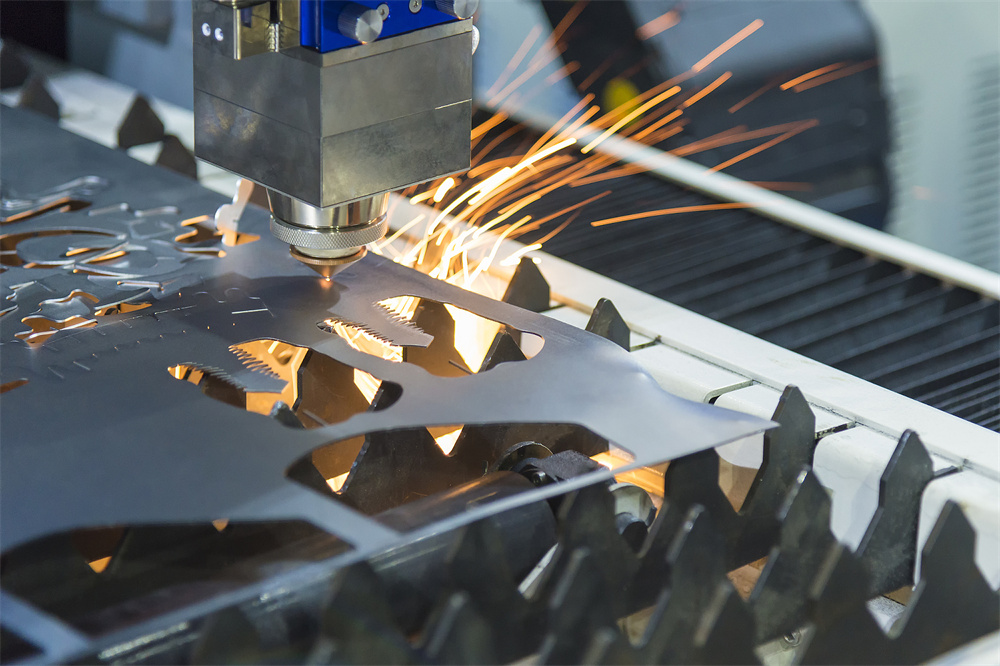
When analyzing how one fabrication shop increased output using an industrial laser cutting machine, several key considerations emerge. The first and most significant factor was the elimination of secondary processes. With traditional plasma or mechanical cutting, parts often emerged with dross, burrs, or heat-affected zones that required manual grinding or deburring. The fiber laser produces a clean, finished edge that is ready for welding or painting immediately after cutting. This alone saved the shop hundreds of man-hours every month.
Another critical consideration was material utilization. Industrial laser cutting machines are paired with advanced nesting software that optimizes the layout of parts on a single sheet of metal. By reducing the skeleton (the scrap metal left after cutting), the shop was able to get more parts out of every sheet. In an era where raw material prices are volatile, a 10% to 15% improvement in material yield translates directly into thousands of dollars in monthly savings. This efficiency is a cornerstone of how the shop managed to scale its output without a proportional increase in material costs.
Labor dynamics also played a massive role. The shop struggled to find skilled operators for their older, more temperamental machinery. Modern industrial laser cutting machines, such as those offered by HARSLE, feature intuitive CNC interfaces like CypCut, which are much easier for new operators to learn. By automating the cutting process and utilizing features like automatic nozzle cleaning and exchange tables, the shop could keep the machine running with minimal human intervention. This allowed their skilled workers to focus on higher-value tasks like design and assembly.
Finally, the versatility of the fiber laser cannot be overstated. While their old CO2 laser struggled with reflective materials like aluminum, brass, and copper, the new fiber laser handled them with ease. This expanded the shop’s service offerings, allowing them to bid on contracts for the electronics and aerospace industries that they previously had to turn down. The ability to cut a wider range of materials at higher speeds was the catalyst for their rapid increase in total output.
Technical Details: The Engine Behind the Efficiency
To understand how one fabrication shop increased output using an industrial laser cutting machine, one must look at the technical specifications that make these machines so powerful. At the heart of the system is the fiber laser source, typically ranging from 1kW to 30kW or more. For the shop in our case study, a 6kW source provided the perfect balance between speed and the ability to cut thicker carbon steel plates up to 25mm. The fiber laser’s electrical efficiency is also significantly higher than CO2 lasers, consuming about 70% less power while delivering faster results.
The motion system is another technical marvel. High-output machines utilize precision rack and pinion systems or linear motors combined with high-torque servo motors. This allows the cutting head to move at speeds exceeding 100 meters per minute with accelerations of up to 1.5G. When you combine this physical speed with a high-speed CNC controller, the machine can process complex geometries—such as intricate lace-like patterns or small holes—with incredible accuracy. The repeatability of these machines is often within ±0.02mm, ensuring that the first part is identical to the thousandth.
The cutting head itself is equipped with autofocus sensors that maintain a constant distance from the material, even if the sheet is slightly warped. This prevents collisions and ensures a consistent cut quality across the entire work area. Furthermore, the use of assist gases plays a vital role. Nitrogen is used for clean, oxide-free cuts in stainless steel and aluminum, while oxygen is used to facilitate the burning process in thicker carbon steel. Some shops are now even using high-pressure compressed air to cut thinner materials, which significantly reduces the cost per part by eliminating the need for bottled gases.
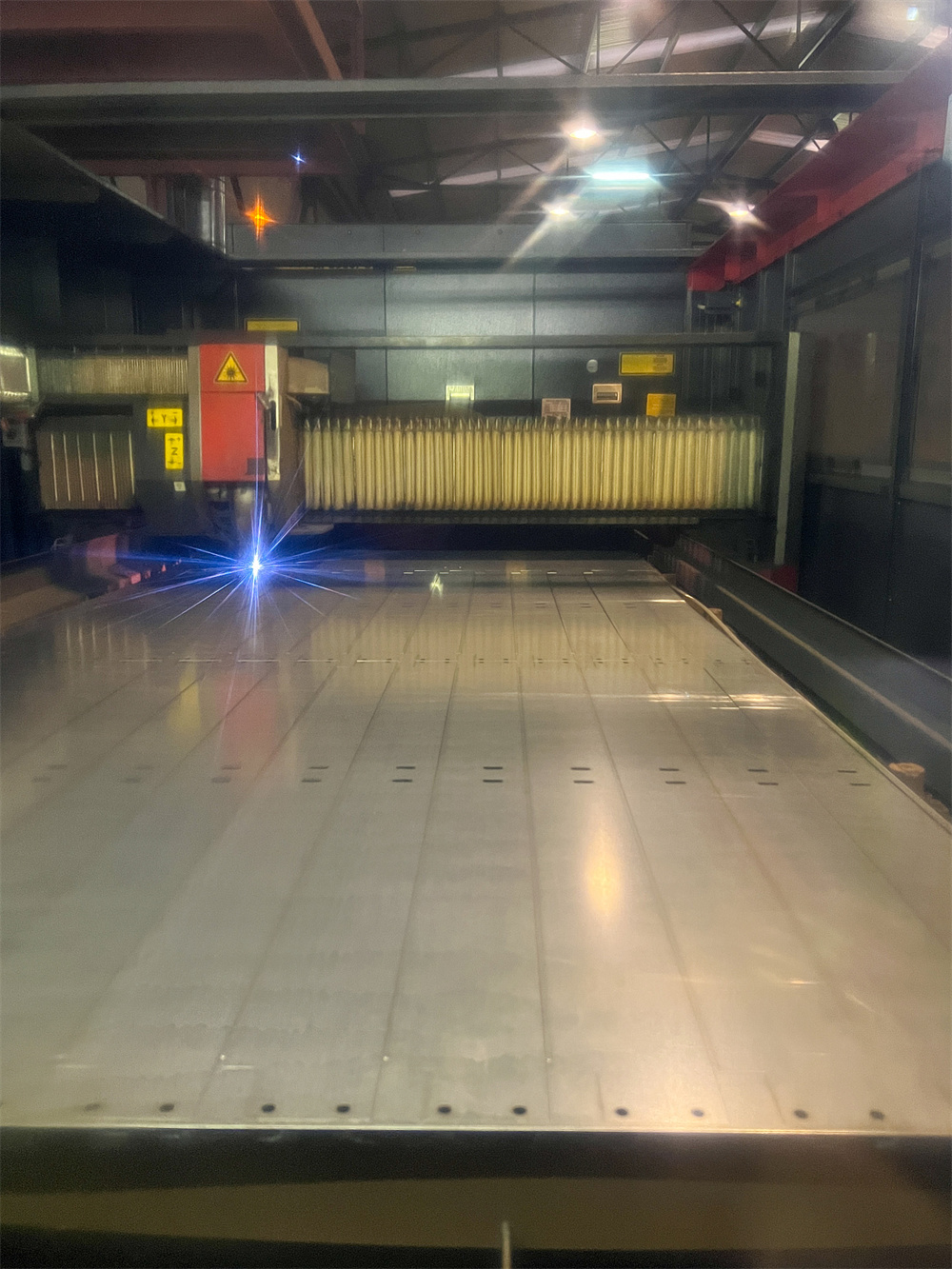
The bed design and frame construction are also critical for maintaining output over the long term. A heavy-duty, heat-treated steel plate welded frame provides the necessary rigidity to handle high-speed movements without vibration. Many industrial machines also feature an exchange table (shuttle table) system. This allows the operator to load a new sheet of metal while the machine is still cutting on the other table. This feature alone can increase daily output by 30% to 50% by eliminating the downtime associated with loading and unloading materials.
Selection Advice: Choosing the Right Laser for Your Shop
If you are looking to replicate the success of how one fabrication shop increased output using an industrial laser cutting machine, the selection process is crucial. Not all machines are created equal, and the “biggest” machine isn’t always the best for every shop. The first step is to analyze your material mix. If you primarily cut thin gauge sheet metal (under 3mm), a 2kW or 3kW machine might be more cost-effective. However, if your work involves heavy structural plates, you will need the piercing power of a 12kW or higher source.
Consider the following checklist when selecting an industrial laser cutting machine:
- Power Source: Choose a reputable brand like Raycus or IPG. Ensure the wattage matches your thickest material requirements with some headroom for speed.
- Table Size: Standard sizes are 3015 (3m x 1.5m) and 4020 (4m x 2m). Choose a size that accommodates your most common sheet dimensions to minimize pre-cutting.
- Automation Features: Does the machine include an exchange table? Is it compatible with automated sheet loaders? For high-output shops, automation is the key to ROI.
- Software Integration: Ensure the CNC system is compatible with your existing CAD/CAM software. Features like “Fly Cutting” and “Frog Leap” positioning can shave seconds off every part.
- After-Sales Support: Laser machines are complex. Choose a manufacturer like HARSLE that provides robust technical support, spare parts availability, and operator training.
Another often overlooked factor is the cooling system. A high-power laser generates significant heat, and a high-quality industrial chiller is essential for maintaining the stability of the laser source and the cutting head. Without proper cooling, the laser’s lifespan will be shortened, and cut quality will degrade during long production runs. Additionally, consider the dust extraction system. Cutting metal generates fine particulates and fumes; a powerful filtration system is necessary to keep the workspace clean and comply with environmental regulations.
Frequently Asked Questions (FAQ)
1. How much faster is a fiber laser compared to a CO2 laser?
In thin materials (under 6mm), a fiber laser can be 3 to 4 times faster than a CO2 laser of equivalent power. This is due to the fiber laser’s higher absorption rate in metals. As the material gets thicker, the speed advantage narrows, but the fiber laser remains more energy-efficient and requires less maintenance.
2. What is the typical ROI for an industrial laser cutting machine?
Most fabrication shops see a return on investment (ROI) within 12 to 24 months. This is achieved through a combination of increased production speed, reduced secondary labor (grinding/deburring), lower energy bills, and better material utilization through nesting software. The ability to take on more complex work also increases the shop’s hourly billing rate.
3. Can a fiber laser cut reflective materials like copper and brass?
Yes. Unlike older CO2 lasers, which could be damaged by the beam reflecting back into the resonator, modern fiber lasers are designed to handle reflective materials. This makes them ideal for electrical components, decorative architectural pieces, and specialized industrial parts.
4. What maintenance is required for these machines?
Fiber lasers are relatively low-maintenance compared to CO2 lasers because they don’t have mirrors that need aligning or gas tubes that need refilling. Daily maintenance usually involves cleaning the protective lens, checking the nozzle condition, and ensuring the water chiller is at the correct level. Periodic lubrication of the rails and gears is also required.
5. Is it difficult to learn how to operate the CNC software?
Modern systems like CypCut are designed with user-friendliness in mind. Most operators with basic computer skills can learn the fundamentals of loading a file and starting a cut within a few days. However, mastering the nuances of nesting and parameter optimization for different materials may take a few weeks of hands-on experience.
Conclusion: The Future of High-Output Fabrication
The story of how one fabrication shop increased output using an industrial laser cutting machine is becoming increasingly common across the globe. The transition from manual or legacy processes to high-speed fiber laser technology is no longer a luxury—it is a strategic requirement for any shop looking to remain competitive. By significantly reducing lead times, improving part accuracy, and slashing operational costs, these machines provide a foundation for sustainable business growth.
As we have seen, the increase in output is not just about the speed of the laser beam itself. It is the result of a holistic improvement in the fabrication ecosystem: from the intelligent nesting of parts to the rapid exchange of material tables and the elimination of tedious secondary finishing. For the shop in our case study, the investment in a HARSLE fiber laser cutting machine didn’t just solve their immediate production bottleneck; it opened doors to new industries and higher-margin projects.
Looking forward, the integration of AI and even higher power levels (up to 60kW and beyond) will continue to push the boundaries of what is possible in metal fabrication. For shop owners, the message is clear: the technology to transform your production capacity is available today. By carefully selecting the right machine and embracing the digital workflow of modern CNC cutting, any fabrication shop can achieve the same dramatic results and secure their place in the future of manufacturing.