How a Modern Laser Cutting Machine Helped a Fabricator Win More Orders


Introduction: The Competitive Edge in Modern Metal Fabrication
In the rapidly evolving landscape of industrial manufacturing, the difference between a thriving fabrication shop and one that is struggling to stay afloat often comes down to a single factor: technology. For years, traditional methods like plasma cutting, waterjet cutting, and mechanical shearing served the industry well. However, as client demands for tighter tolerances, faster turnaround times, and lower costs have intensified, these legacy systems have begun to show their limitations. This is the story of how a modern laser cutting machine helped a fabricator win more orders and transform their business from a local workshop into a regional powerhouse.
The journey begins with the realization that the market has changed. Today’s clients—ranging from automotive giants to boutique architectural firms—are no longer satisfied with “good enough.” They require precision that can only be measured in microns and lead times that were once thought impossible. When a fabricator invests in a modern fiber laser cutting machine, they aren’t just buying a piece of equipment; they are investing in a capability that fundamentally alters their value proposition. This article explores the multifaceted ways in which modern laser technology serves as a catalyst for business growth and operational excellence.
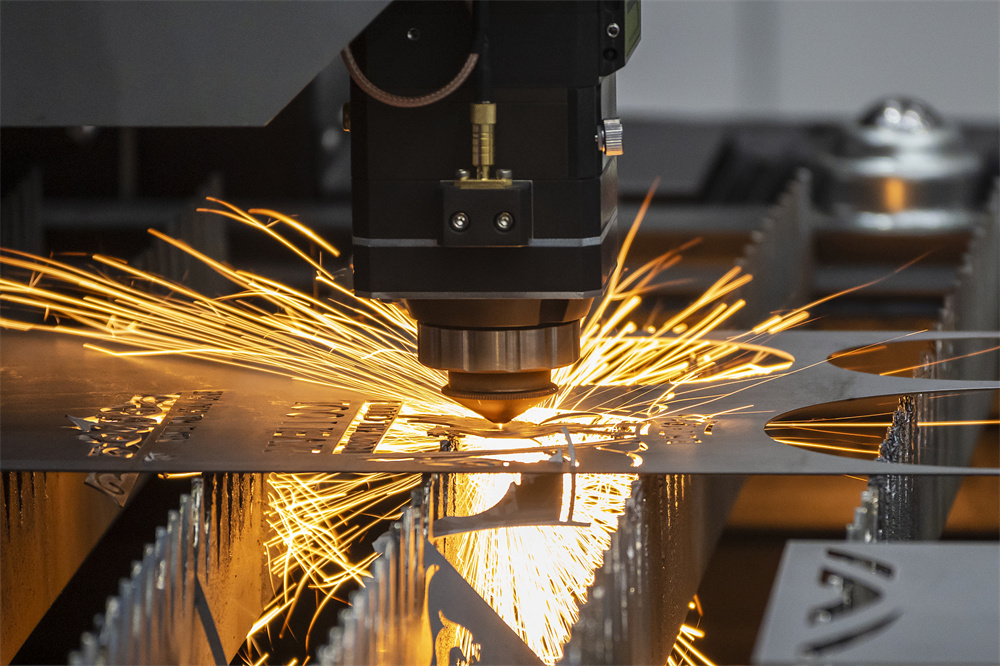
By examining the technical advantages, the economic impact, and the strategic shifts that occur after implementing such technology, we can see a clear roadmap for success. Whether you are a small shop owner looking to take the next step or a production manager at a large facility, understanding how a modern laser cutting machine helped a fabricator win more orders is essential for navigating the future of metal fabrication.
Key Considerations: Why Modern Laser Technology is a Game Changer
Unmatched Precision and Edge Quality
One of the primary reasons a modern laser cutting machine helped a fabricator win more orders is the sheer quality of the finished product. Traditional cutting methods often leave burrs, dross, or heat-affected zones (HAZ) that require extensive secondary processing, such as grinding or deburring. Modern fiber lasers, particularly those offered by HARSLE, utilize high-density energy beams that vaporize material almost instantly, resulting in a clean, narrow kerf and a mirror-like edge finish.
This precision allows fabricators to take on jobs that were previously impossible. For instance, intricate decorative panels, complex gears, and components for medical devices require a level of detail that only a laser can provide. When a potential client sees that a fabricator can deliver parts that are ready for assembly straight off the machine, the trust factor increases exponentially. This eliminates the need for the client to worry about fitment issues or additional finishing costs, making the fabricator the preferred choice for high-precision projects.
Drastic Reduction in Lead Times
In the world of contract manufacturing, speed is often more important than price. A modern laser cutting machine helped a fabricator win more orders by slashing production times. Fiber lasers are significantly faster than CO2 lasers or plasma cutters, especially when working with thin to medium-gauge metals. With rapid traverse speeds and high acceleration rates, these machines can complete complex nests in a fraction of the time it took older equipment.
Furthermore, modern machines are equipped with advanced CNC controllers and nesting software. This software optimizes the cutting path and material usage, ensuring that the machine is always working at peak efficiency. For a fabricator, this means the ability to offer “next-day” or even “same-day” service on certain orders. In a competitive bidding situation, being able to promise a delivery date that is a week ahead of the competition is often the deciding factor in winning the contract.
Versatility Across Materials
Historically, certain materials like copper, brass, and aluminum were difficult to cut with lasers due to their reflective nature. However, modern fiber laser technology has overcome these hurdles. A modern laser cutting machine helped a fabricator win more orders by allowing them to diversify their service offerings. Instead of turning away jobs that involve non-ferrous metals, the fabricator can now handle a wide variety of materials with the same machine.
This versatility is a massive selling point. A client who needs stainless steel brackets, aluminum housings, and copper busbars would much rather deal with a single vendor who can do it all. By becoming a “one-stop-shop” for laser cutting, the fabricator increases their value to the client and secures a larger share of the client’s total spend. This capability also opens doors to new industries, such as electronics and aerospace, where diverse material requirements are the norm.
Technical Details: The Engine of Productivity
The Power of Fiber Laser Sources
The heart of any modern laser cutting machine is the laser source. Unlike CO2 lasers that use a gas mixture and mirrors, fiber lasers generate the beam through a series of laser diodes and deliver it via a flexible fiber optic cable. This design is not only more energy-efficient but also requires significantly less maintenance. For the fabricator, this translates to higher uptime and lower operational costs.
Modern machines typically range from 1kW to over 30kW in power. A higher wattage doesn’t just mean the ability to cut thicker materials; it also means significantly faster cutting speeds on thinner materials. For example, a 12kW laser can cut 3mm stainless steel at speeds that are nearly triple that of a 4kW machine. This technical advantage is a core component of how a modern laser cutting machine helped a fabricator win more orders, as it allows for higher throughput without increasing labor costs.
Advanced Cutting Heads and Auto-Focus Technology
The cutting head is where the magic happens. Modern heads are equipped with sensors that monitor the distance between the nozzle and the workpiece in real-time. Auto-focus technology allows the machine to adjust the focal point automatically based on the material type and thickness. This ensures consistent cut quality throughout the entire sheet, even if the material is slightly warped.
Additionally, features like “pierce sensing” and “collision protection” minimize the risk of machine damage and wasted material. If the machine detects a potential collision with a tipped-up part, it can pause or reroute instantly. These technical safeguards ensure that the machine can run unattended or with minimal supervision, further driving down the cost per part and allowing the fabricator to offer more competitive pricing.

Table: Comparison of Laser Cutting vs. Traditional Methods
| Feature | Fiber Laser Cutting | Plasma Cutting | Waterjet Cutting |
|---|---|---|---|
| Precision (Tolerance) | ±0.05 mm | ±0.5 mm | ±0.1 mm |
| Cutting Speed (Thin Metal) | Extremely High | High | Low |
| Heat Affected Zone (HAZ) | Minimal | Large | None |
| Operating Cost | Low | Medium | High |
| Material Versatility | High (All Metals) | Conductive Metals Only | Almost All Materials |
Selection Advice: Choosing the Right Machine for Your Business
Assessing Your Material Needs
When looking to replicate the success of how a modern laser cutting machine helped a fabricator win more orders, the first step is a thorough assessment of your current and future material needs. Don’t just buy a machine for the jobs you have today; buy for the jobs you want tomorrow. If you currently cut mostly 3mm mild steel but see an opportunity in 12mm aluminum, you need to ensure your chosen machine has the wattage and gas pressure capabilities to handle both efficiently.
Consider the bed size as well. While a standard 3015 (3m x 1.5m) table is the industry workhorse, larger formats like 4020 or 6025 can allow you to process oversized sheets or nest more parts per sheet, reducing material handling time. HARSLE offers a variety of table sizes and configurations, including shuttle tables that allow for loading and unloading while the machine is cutting, which is crucial for high-volume production.
Evaluating Software and Integration
The hardware is only half the battle. The software that drives the machine is equally important. Look for a system that integrates seamlessly with your existing CAD/CAM workflow. Modern laser machines should come with intuitive nesting software that maximizes material yield and minimizes scrap. Features like common-line cutting (where two parts share a single cut line) can save significant time and gas.
Furthermore, consider the “Industry 4.0” capabilities of the machine. Can it be connected to your network for remote monitoring? Does it provide data on gas consumption, power usage, and cutting time? This data is invaluable for accurate job costing. A fabricator who knows exactly how much it costs to run a specific job can bid more aggressively without risking their profit margins.
The Importance of After-Sales Support
No matter how advanced a machine is, it will eventually require maintenance or troubleshooting. One of the reasons a modern laser cutting machine helped a fabricator win more orders is the reliability of the equipment, but that reliability is backed by strong manufacturer support. When choosing a partner like HARSLE, ensure they provide comprehensive training for your operators and have a robust supply chain for consumables like nozzles, lenses, and ceramic rings.
Downtime is the enemy of profitability. A machine that sits idle because of a missing part or a software glitch is a machine that isn’t winning orders. Prioritize manufacturers that offer remote diagnostics and fast on-site service. This peace of mind allows you to commit to tight deadlines with confidence, knowing that your production line is supported by experts.
FAQ: Common Questions About Upgrading to Modern Laser Machines
How long does it take to see a Return on Investment (ROI)?
While the initial investment in a modern fiber laser can be significant, most fabricators see an ROI within 12 to 24 months. This is achieved through a combination of increased cutting speeds, lower energy bills (fiber lasers are up to 3 times more efficient than CO2), and the elimination of secondary finishing processes. Additionally, the ability to win higher-value orders that were previously out of reach accelerates the payback period.
Is it difficult to train operators on a new CNC laser?
Modern CNC interfaces are designed with user-friendliness in mind. Many systems use touchscreens and graphical interfaces that are as intuitive as a smartphone. While there is a learning curve for optimizing cutting parameters and nesting, most operators with basic computer skills can become proficient within a week of training. Manufacturers like HARSLE provide detailed manuals and hands-on training sessions to ensure a smooth transition.
What are the maintenance requirements for a fiber laser?
Compared to CO2 lasers, fiber lasers have very low maintenance requirements. There are no mirrors to align or clean, and the laser source itself is solid-state with a lifespan often exceeding 100,000 hours. Routine maintenance typically involves checking the chiller’s water levels, cleaning the protective windows in the cutting head, and ensuring the machine’s rails and racks are lubricated. This low maintenance profile is a key reason why a modern laser cutting machine helped a fabricator win more orders by keeping operational costs predictable.
Can a laser cutting machine handle thick materials?
Yes, modern high-power fiber lasers (12kW and above) can easily cut mild steel up to 30mm or 40mm and stainless steel up to 25mm. While plasma is still often used for extremely thick plates (over 50mm), the laser provides a much better edge quality and tighter tolerances for the majority of industrial applications. For most fabricators, a 6kW to 12kW machine provides the perfect balance of speed and thickness capability.
Conclusion: Transforming Your Business for the Future
The story of how a modern laser cutting machine helped a fabricator win more orders is not an isolated incident; it is a reflection of the broader trend toward digitalization and precision in manufacturing. By embracing fiber laser technology, fabricators can overcome the limitations of traditional methods, offering their clients faster lead times, superior quality, and more competitive pricing. The investment in a high-quality machine from a reputable manufacturer like HARSLE is more than just a capital expenditure—it is a strategic move that positions a business for long-term growth.
In a market where the competition is always just one click away, having the best tools for the job is essential. A modern laser cutting machine provides the flexibility to handle diverse materials, the speed to meet demanding schedules, and the precision to satisfy the most rigorous quality standards. As we have seen, these factors combine to create a powerful competitive advantage that allows fabricators to not only win more orders but also to build lasting relationships with high-value clients. The future of metal fabrication is bright, and it is being cut with a laser.
If you are ready to see how a modern laser cutting machine can help your business win more orders, now is the time to explore the options available. From entry-level machines to high-power automated systems, there is a solution that fits your needs and budget. Don’t let your competition outpace you—invest in the technology that will define the next decade of manufacturing excellence.