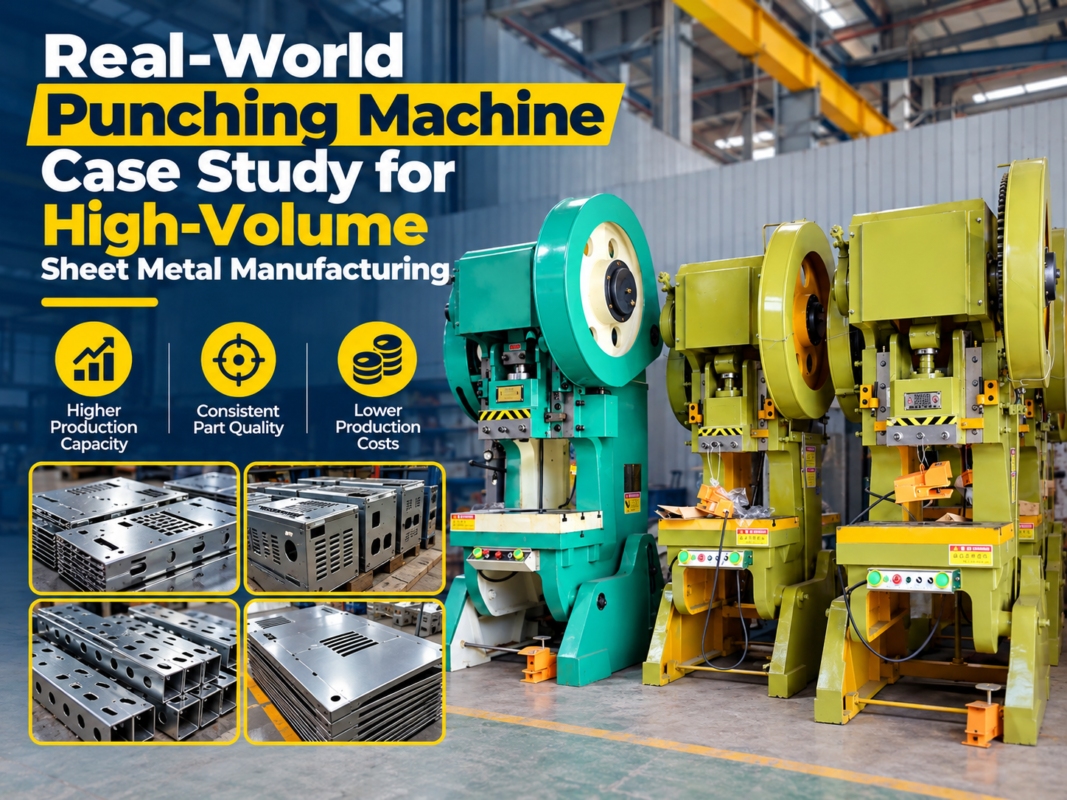
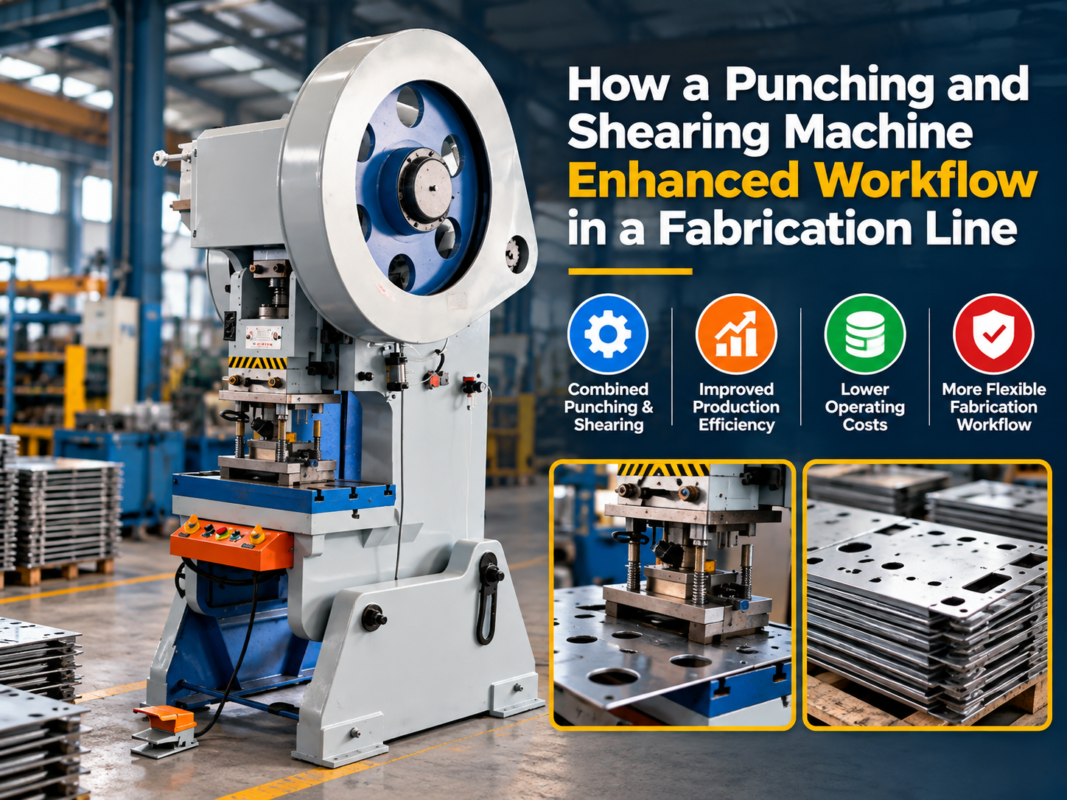
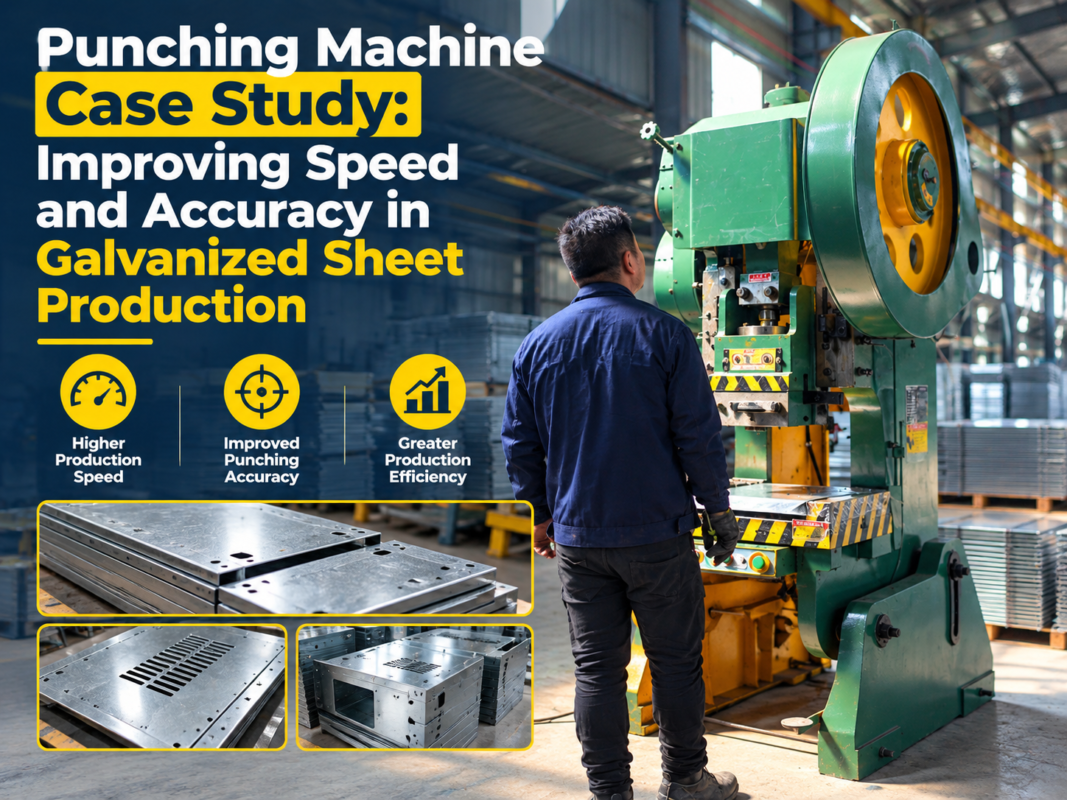
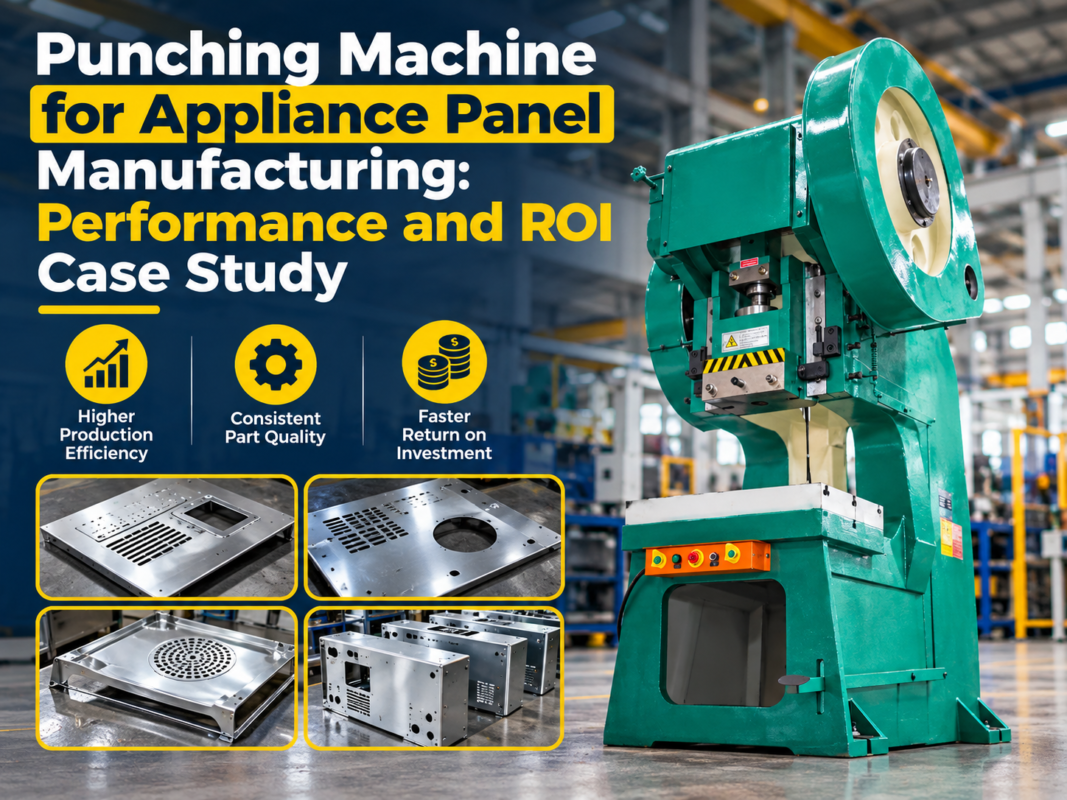
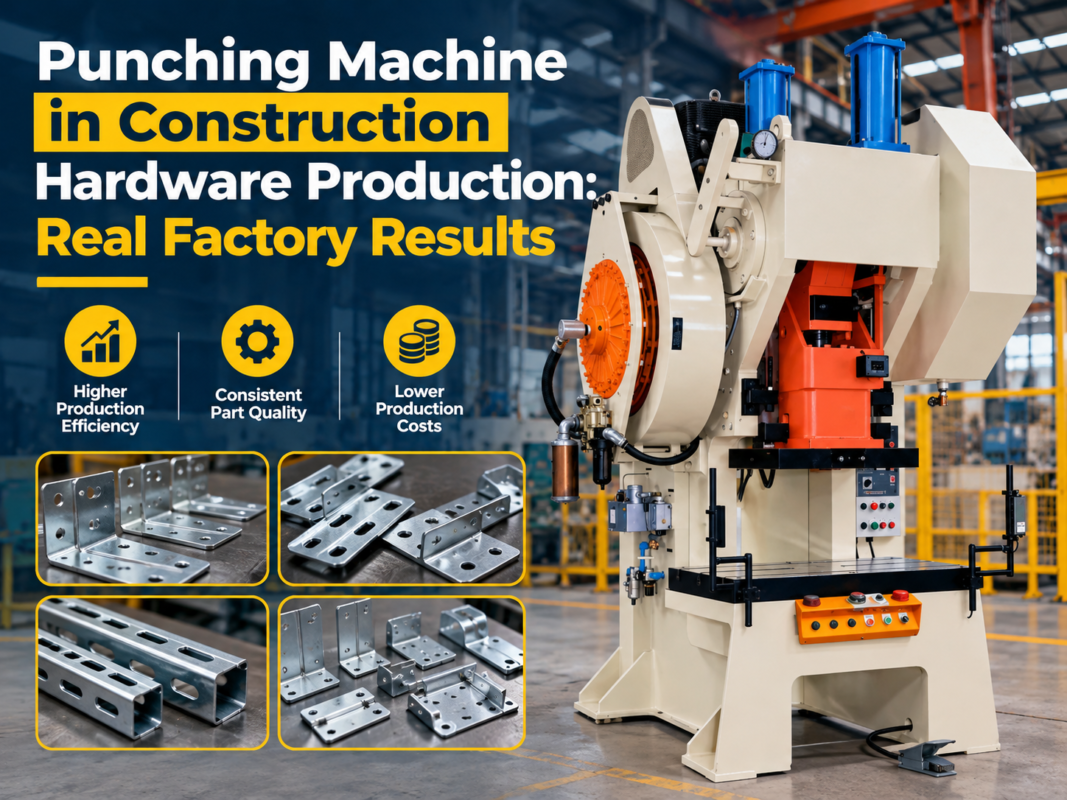
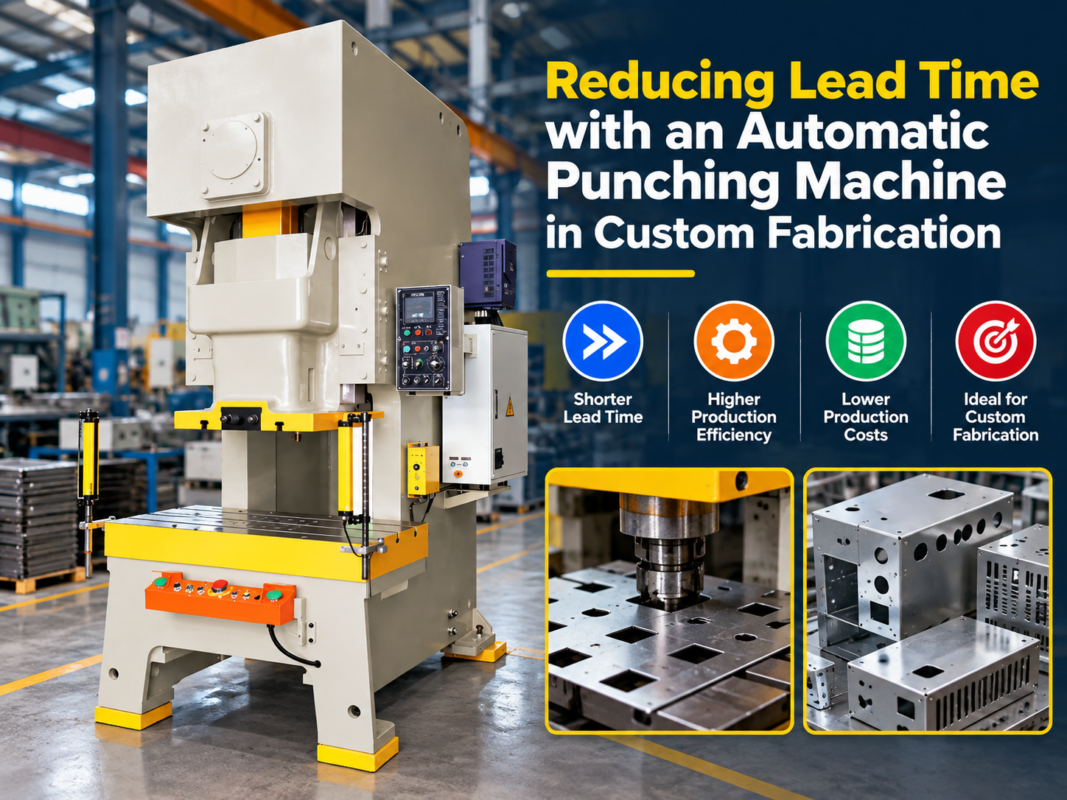
How a Hydraulic Press Improved Production Efficiency in a Metal Fabrication Plant


Introduction to Modern Metal Fabrication Efficiency
In the competitive landscape of modern manufacturing, the quest for higher throughput and lower operational costs is never-ending. For many metal fabrication plants, the transition from traditional mechanical methods to advanced hydraulic systems marks a pivotal turning point. This article explores a comprehensive case study on how A Hydraulic Press Improved Production Efficiency In A Metal Fabrication Plant, detailing the technical shifts, strategic decisions, and measurable outcomes that define success in the industry today.
Metal fabrication involves complex processes such as deep drawing, punching, blanking, and forming. Historically, mechanical presses were the workhorses of the industry, valued for their speed in high-volume, short-stroke applications. However, as product designs became more intricate and material requirements more demanding, the limitations of mechanical systems—such as fixed stroke lengths and inconsistent pressure application—became apparent. This is where the versatility of the hydraulic press comes into play, offering a solution that balances power with precision.
HARSLE, a leader in metalworking machinery, has observed that plants integrating modern hydraulic presses often see a dramatic shift in their production capabilities. By providing full tonnage throughout the entire stroke, hydraulic presses allow for more complex forming operations in a single setup. This capability is a cornerstone of how a hydraulic press improved production efficiency in a metal fabrication plant, reducing the need for multiple machines and secondary handling.
The following sections will delve into the specific considerations that lead a plant to upgrade, the technical specifications that drive performance, and a detailed guide on selecting the right equipment to replicate these efficiency gains in your own facility.
Key Considerations for Upgrading to Hydraulic Systems
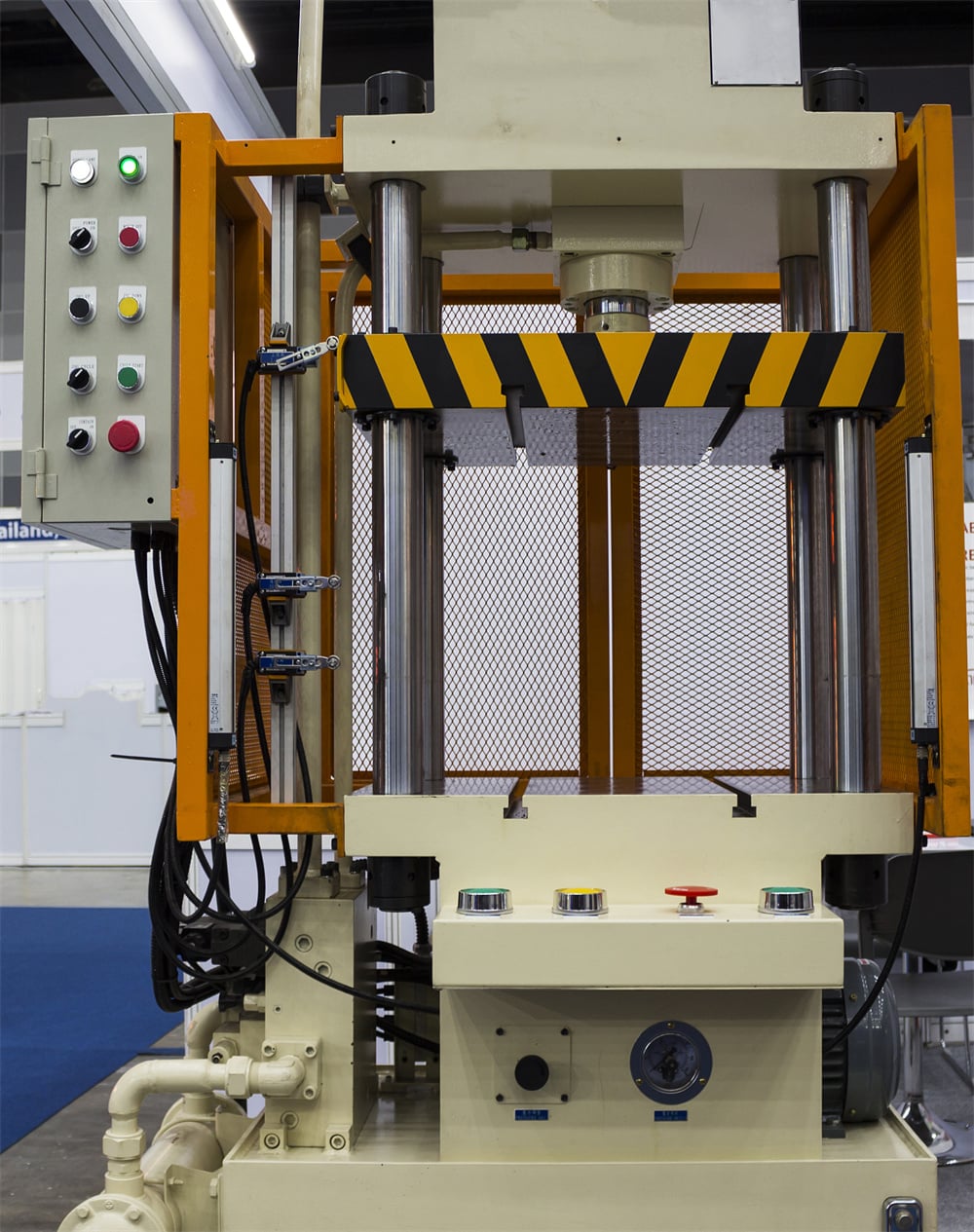
When a metal fabrication plant evaluates its production line, several key factors typically trigger the move toward hydraulic technology. The first is the need for versatility. Unlike mechanical presses, which are often dedicated to a single type of part, a hydraulic press can be easily adjusted for different stroke lengths, pressures, and speeds. This flexibility is essential for job shops that handle a wide variety of contracts with varying material thicknesses and complexities.
Another critical consideration is the quality of the finished product. Hydraulic presses provide a consistent, controlled pressure that is ideal for delicate forming tasks. In the case study of how a hydraulic press improved production efficiency in a metal fabrication plant, the facility reported a 30% reduction in scrap rates. This was primarily due to the press’s ability to maintain uniform pressure, preventing the material tearing or wrinkling often associated with the sudden impact of mechanical hammers.
Energy efficiency and maintenance costs also play a significant role. Modern hydraulic systems, such as those manufactured by HARSLE, utilize variable displacement pumps and energy-saving motors. These components ensure that the machine only consumes significant power during the actual pressing cycle, rather than running at full capacity constantly. Furthermore, the simplified mechanical structure of a hydraulic press—fewer moving parts compared to a complex flywheel and clutch system—leads to lower long-term maintenance overhead.
Finally, operator safety and ease of use cannot be overlooked. Modern hydraulic presses are equipped with advanced PLC (Programmable Logic Controller) systems and light curtains. These features not only protect the workforce but also allow for faster setup times. By storing specific job profiles in the PLC memory, operators can switch between different production runs in minutes rather than hours, which is a primary reason why a hydraulic press improved production efficiency in a metal fabrication plant.
Technical Details of High-Efficiency Hydraulic Presses
To understand how a hydraulic press improved production efficiency in a metal fabrication plant, one must look at the underlying technology. At its core, the hydraulic press operates on Pascal’s Principle, which states that pressure applied to a confined fluid is transmitted undiminished in every direction. In a manufacturing context, this allows for the generation of massive force using relatively small input energy.
The Hydraulic Circuit and Control Systems
The heart of the machine is the hydraulic circuit, consisting of a reservoir, pumps, valves, and cylinders. High-efficiency plants often opt for “closed-loop” systems. These systems use sensors to provide real-time feedback to the PLC, allowing the machine to adjust its speed and pressure mid-stroke. This level of control is vital for deep drawing operations where the metal must flow into the die at a specific rate to avoid thinning or cracking.
Frame Design and Rigidity
The structural integrity of the press frame is another technical marvel. HARSLE utilizes finite element analysis (FEA) to design frames that can withstand hundreds of tons of force with minimal deflection. Whether it is a C-frame (gap frame) for easy access or an H-frame (four-column) for maximum stability, the rigidity of the machine ensures that the upper and lower dies remain perfectly aligned. This alignment is crucial for extending tool life and ensuring part repeatability.
| Feature | Mechanical Press | HARSLE Hydraulic Press |
|---|---|---|
| Force Delivery | Peak force only at bottom of stroke | Full tonnage throughout the entire stroke |
| Stroke Control | Fixed stroke length | Fully adjustable stroke and position |
| Overload Protection | Shear pins or complex clutches | Built-in hydraulic relief valves |
| Setup Time | High (manual adjustments) | Low (PLC-based digital presets) |
| Noise Levels | High (impact noise) | Low (smooth fluid transition) |
The integration of CNC (Computer Numerical Control) technology has further revolutionized these machines. A CNC hydraulic press can synchronize multiple cylinders to ensure the slide remains perfectly level, even with off-center loading. This technical capability is a major factor in how a hydraulic press improved production efficiency in a metal fabrication plant, as it allows for the use of multi-stage progressive dies that would be impossible on less sophisticated equipment.
Selection Advice: Choosing the Right Press for Your Plant
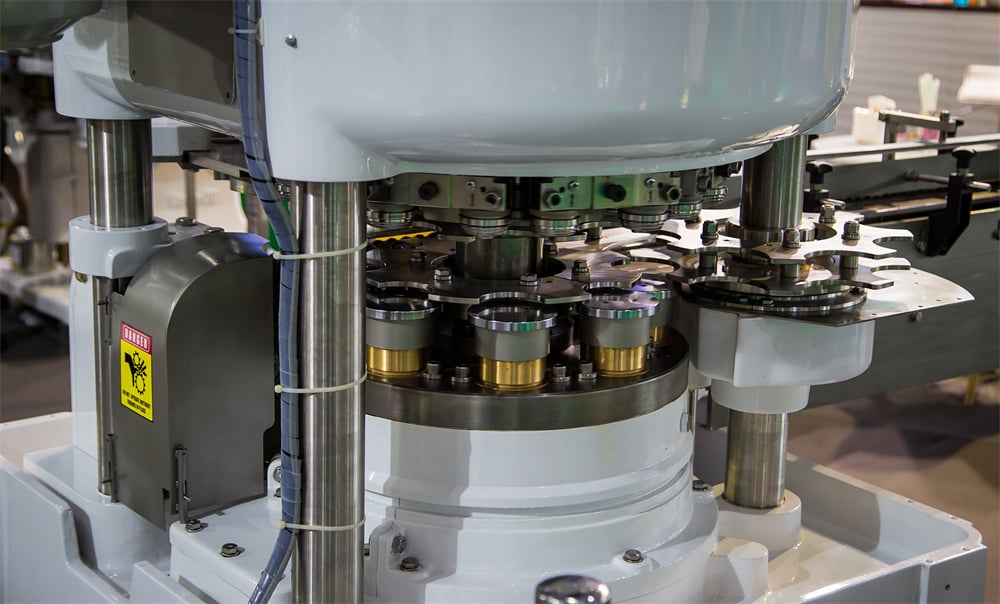
Selecting the right machinery is the most critical step in ensuring that a hydraulic press improves production efficiency in your metal fabrication plant. It is not simply about buying the largest machine available; it is about matching the machine’s specifications to your specific production needs. Here is a guide to the essential selection criteria.
Determining Tonnage and Bed Size
The first step is calculating the required tonnage. This is based on the material type, thickness, and the perimeter of the cut or form. It is generally recommended to select a press with 20% more capacity than your maximum requirement to avoid running the machine at its absolute limit, which can lead to premature wear. Similarly, the bed size (bolster area) must accommodate your largest dies while allowing enough room for automated transfer systems or manual loading.
Speed and Cycle Times
While hydraulic presses are traditionally slower than mechanical ones, modern “high-speed” hydraulic models have closed the gap. Look for machines with fast approach and return speeds. The actual pressing speed should be adjustable to suit the material’s flow characteristics. A machine that can transition quickly between these phases will significantly reduce cycle times, directly contributing to how a hydraulic press improved production efficiency in a metal fabrication plant.
Customization and Automation Integration
Consider whether the press can be integrated into an automated cell. Features like hydraulic die cushions, robotic arm interfaces, and automatic coil feeders are essential for high-volume environments. HARSLE offers customizable options that allow the press to communicate with other machines on the floor, creating a seamless flow of material and data. This connectivity is a hallmark of Industry 4.0 and a key driver of modern efficiency.
- Check for PLC Brand: Ensure the machine uses reputable electronics (like Siemens or Schneider) for easy sourcing of parts and software updates.
- Evaluate the Hydraulic Manifold: A well-designed manifold reduces the number of pipes and fittings, which in turn reduces the risk of leaks.
- Safety Compliance: Ensure the machine meets CE or local safety standards, including dual-hand start buttons and emergency stop circuits.
Case Study: The Transformation of a Mid-Sized Fabrication Facility
To illustrate how a hydraulic press improved production efficiency in a metal fabrication plant, let us look at a real-world scenario involving a manufacturer of automotive components. This facility was struggling with an aging fleet of mechanical presses that required frequent downtime for repairs and tool adjustments. Their primary product—a complex structural bracket—had a high rejection rate due to inconsistent forming.
After consulting with HARSLE, the plant replaced two 200-ton mechanical presses with a single 400-ton H-frame CNC hydraulic press equipped with a die cushion. The results were immediate. Because the hydraulic press could perform a deep draw and a secondary trim in a single cycle (thanks to the programmable stroke), the total production time per part dropped by 45%. Furthermore, the ability to control the speed of the draw eliminated the micro-cracking issues they had previously faced.
The plant also utilized the press’s digital memory to store die settings. Previously, switching between different bracket models took four hours of manual calibration. With the new HARSLE system, the changeover was reduced to 20 minutes. This drastic reduction in downtime meant the machine was actually producing parts for a much larger percentage of the workday. This is a textbook example of how a hydraulic press improved production efficiency in a metal fabrication plant by addressing both the speed of the operation and the efficiency of the surrounding processes.
Frequently Asked Questions (FAQ)
1. How does a hydraulic press improve production efficiency compared to a mechanical press?
A hydraulic press improves efficiency by offering full tonnage at any point in the stroke, allowing for more complex forms in fewer steps. It also features faster setup times through PLC controls and requires less maintenance due to fewer moving mechanical parts.
2. Can a hydraulic press be used for high-speed blanking?
While mechanical presses are traditionally faster for simple blanking, modern high-speed hydraulic presses from HARSLE are designed with rapid-acting valves that make them highly competitive for blanking, especially when material thickness varies.
3. What maintenance is required to keep a hydraulic press efficient?
Key maintenance tasks include regular oil filtration and changes, checking seal integrity, monitoring pump pressure, and ensuring the cooling system is functioning. Proper maintenance prevents the pressure drops that can lead to inefficient forming.
4. Is it difficult to train operators to use a CNC hydraulic press?
No, most modern HARSLE presses feature intuitive touch-screen interfaces. Operators who are familiar with basic metalworking can usually be trained to operate the CNC system and load programs within a few days.
5. How does a hydraulic press reduce scrap rates?
By providing consistent and controllable pressure, the press prevents common defects like wrinkling, tearing, or spring-back. The ability to slow down the press at the point of contact with the metal ensures a smoother material flow.
6. What is the typical ROI for a new hydraulic press?
Most plants see a Return on Investment (ROI) within 18 to 24 months. This is achieved through a combination of reduced labor costs, lower scrap rates, decreased energy consumption, and the ability to take on more complex, higher-margin work.
Conclusion: The Future of Fabrication with HARSLE
The evidence is clear: the strategic implementation of hydraulic technology is a game-changer for the metalworking industry. As we have seen, the way A Hydraulic Press Improved Production Efficiency In A Metal Fabrication Plant involves more than just raw power; it is about the intelligent application of force, the reduction of setup times, and the integration of smart control systems. By moving away from the rigid limitations of older technology, manufacturers can achieve a level of precision and flexibility that was previously impossible.
HARSLE remains committed to pushing the boundaries of what hydraulic machinery can achieve. Whether you are a small shop looking to increase your capabilities or a large-scale manufacturer aiming to optimize your production line, the transition to a modern hydraulic press offers a clear path to increased profitability and competitive advantage. Investing in quality machinery is not just a capital expense; it is a long-term strategy for excellence in metal fabrication.
As the industry moves toward further automation and data-driven manufacturing, the role of the hydraulic press will only grow. Its ability to serve as a versatile, reliable, and efficient core of the production floor makes it an indispensable tool for any plant serious about its future. Explore the range of HARSLE hydraulic solutions today and take the first step toward transforming your production efficiency.