Hydraulic Press Case Study: Reducing Cycle Time in Sheet Metal Forming Operations


Introduction to Efficiency in Sheet Metal Forming
In the competitive landscape of modern manufacturing, efficiency is the cornerstone of profitability. For facilities specializing in sheet metal forming, the hydraulic press remains an indispensable workhorse. However, the traditional perception of hydraulic presses often involves slower cycle times compared to their mechanical counterparts. This Hydraulic Press Case Study: Reducing Cycle Time In Sheet Metal Forming Operations examines how advanced engineering, integrated control systems, and optimized hydraulic circuits can transform production speeds without sacrificing the inherent versatility and power of hydraulic technology.
Reducing cycle time is not merely about moving the ram faster; it is a holistic approach that encompasses material handling, pressure build-up speed, decompression rates, and the integration of automation. As manufacturers face increasing pressure to deliver high-volume orders with tighter tolerances, the demand for high-speed hydraulic solutions has skyrocketed. HARSLE, a leader in metal fabrication machinery, has been at the forefront of this evolution, developing presses that bridge the gap between high-force capacity and rapid-fire production cycles.
This article provides a deep dive into the technical strategies used to minimize idle time and maximize throughput. We will explore the mechanics of the hydraulic cycle, the role of servo-driven pumps, and how specific case studies demonstrate a significant reduction in seconds-per-part. By understanding these variables, facility managers and engineers can make informed decisions that directly impact their bottom line and operational capacity.
Key Considerations for Reducing Cycle Time
When analyzing a Hydraulic Press Case Study: Reducing Cycle Time In Sheet Metal Forming Operations, several critical factors emerge as primary drivers of efficiency. The total cycle time of a hydraulic press is the sum of several distinct phases: the fast approach, the pressing stroke, the dwell time, decompression, and the return stroke. To reduce the overall time, each of these phases must be optimized individually and collectively.
1. Fast Approach and Return Speeds
The majority of a press cycle is often spent moving the ram to and from the workpiece. In older hydraulic systems, these movements were relatively slow due to limited pump flow and valve response times. Modern high-speed presses utilize pre-fill valves and large-diameter piping to allow the ram to descend under gravity or high-flow low-pressure conditions. By increasing the fast approach speed from 100mm/s to 300mm/s or more, manufacturers can shave seconds off every single stroke, which adds up to thousands of additional parts per month.
2. Optimized Decompression Cycles
One of the most overlooked aspects of hydraulic press operation is the decompression phase. When a press reaches its target tonnage, the hydraulic fluid and the machine frame itself store a significant amount of energy. Releasing this pressure too quickly can cause hydraulic shock, damaging valves and piping. However, releasing it too slowly adds unnecessary dead time. Advanced PLC (Programmable Logic Controller) systems now allow for “ramped decompression,” where the pressure is bled off in a controlled yet rapid manner, ensuring safety while minimizing the wait time before the return stroke begins.
3. Integration of Servo-Hydraulic Technology
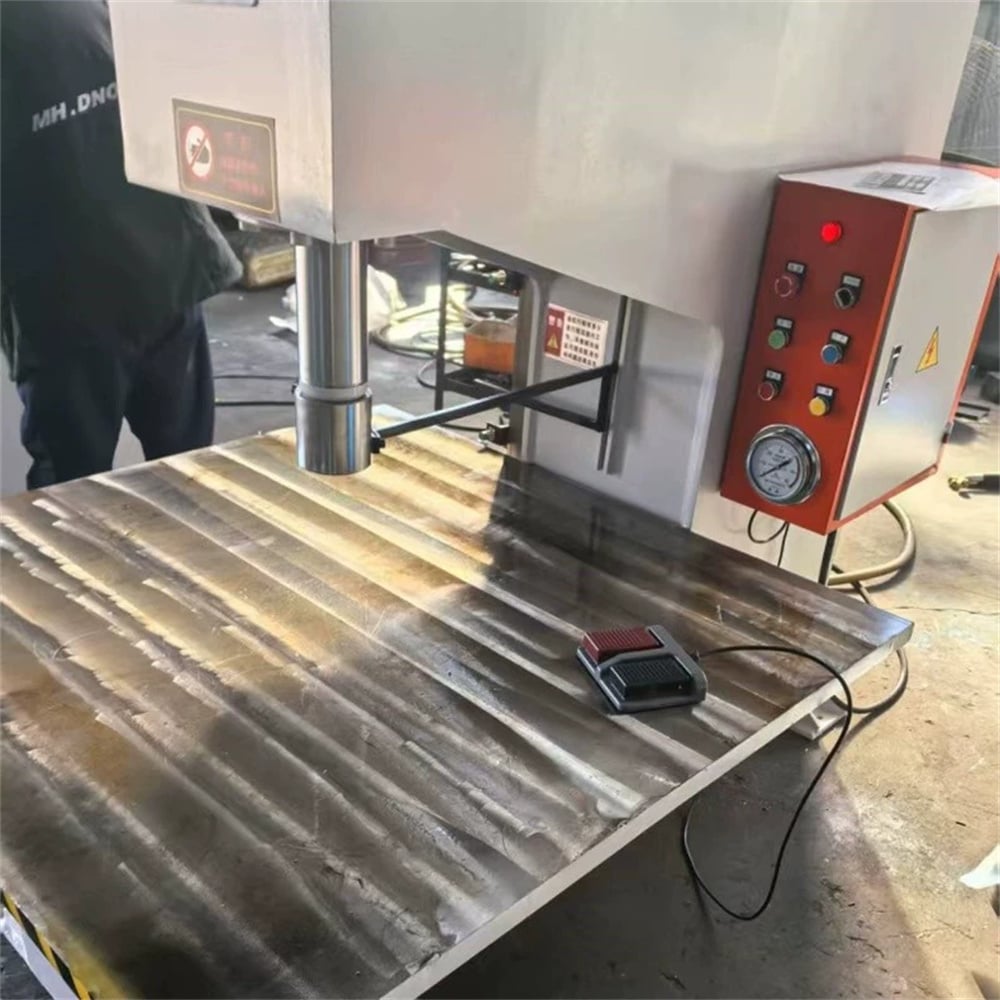
The transition from standard induction motors to servo-driven hydraulic pumps is perhaps the most significant advancement in reducing cycle time. Servo motors can accelerate and decelerate almost instantaneously, providing the exact flow required at each micro-second of the cycle. This eliminates the lag time associated with traditional valve shifting and allows for much higher precision in stroke positioning, which in turn reduces the safety margins needed between the tool and the workpiece.
4. Material Handling and Automation
A fast press is only as efficient as the system feeding it. Reducing cycle time often involves looking outside the press itself. Integrating robotic arm loaders, coil feeders, or transfer systems ensures that the press is never waiting for a part. In our Hydraulic Press Case Study: Reducing Cycle Time In Sheet Metal Forming Operations, we found that synchronizing the press’s “Top Dead Center” signal with an automated feeder reduced the inter-cycle delay by over 40%.
Technical Details of High-Efficiency Hydraulic Systems
To achieve the results discussed in this Hydraulic Press Case Study: Reducing Cycle Time In Sheet Metal Forming Operations, one must look at the internal components that facilitate high-speed movement. The engineering behind a HARSLE high-speed press involves a combination of fluid mechanics and electronic control that surpasses standard industrial requirements.
The Role of Pre-fill Valves
In high-tonnage presses, the volume of oil required to fill the main cylinder during the fast approach is immense. A pre-fill valve sits between the main oil tank (usually located on top of the press) and the cylinder. During the fast descent, the valve opens, allowing oil to flow into the cylinder by gravity. This bypasses the main pumps, which are then reserved for the high-pressure pressing stage. The speed at which this valve opens and closes is a major factor in the transition time between approach and pressing.
Proportional Valve Control
Unlike standard on/off valves, proportional valves allow for infinitely variable flow rates. This is crucial for smoothing out the transitions between different phases of the cycle. By using proportional technology, the press can slow down just millimeters before contacting the material, preventing impact damage, and then immediately ramp up to full pressing speed. This “soft touch” capability allows for higher overall speeds because the machine doesn’t need to be operated conservatively to avoid mechanical shock.
| Feature | Standard Hydraulic Press | High-Speed Servo-Hydraulic Press |
|---|---|---|
| Approach Speed | 80 – 120 mm/s | 200 – 500 mm/s |
| Pressing Speed | 5 – 10 mm/s | 15 – 30 mm/s |
| Return Speed | 70 – 100 mm/s | 180 – 400 mm/s |
| Energy Consumption | High (Constant Motor Run) | Low (Power on Demand) |
| Positioning Accuracy | +/- 0.1 mm | +/- 0.01 mm |
The table above illustrates the stark difference in performance metrics. In a high-volume sheet metal forming environment, these speed increases can result in a 30% to 50% increase in total daily output. Furthermore, the precision of servo-hydraulic systems reduces the rate of scrap, as the depth of the draw or the force of the bend is controlled with extreme repeatability.
Heat Management and Fluid Longevity
High-speed operations generate significant heat within the hydraulic fluid. Excessive heat leads to a drop in viscosity, which causes internal leakage and slows down the cycle. High-efficiency presses incorporate oversized heat exchangers and high-flow filtration systems. By maintaining a constant oil temperature, the system ensures that the cycle time remains consistent from the first shift in the morning to the end of the night shift. Consistency is just as important as speed in a professional Hydraulic Press Case Study: Reducing Cycle Time In Sheet Metal Forming Operations.
Selection Advice: Choosing the Right Press for Speed
Selecting a machine based on this Hydraulic Press Case Study: Reducing Cycle Time In Sheet Metal Forming Operations requires a shift in focus from just “tonnage” to “dynamics.” When evaluating a new hydraulic press for your facility, consider the following technical criteria to ensure you are getting a machine capable of high-speed operation.
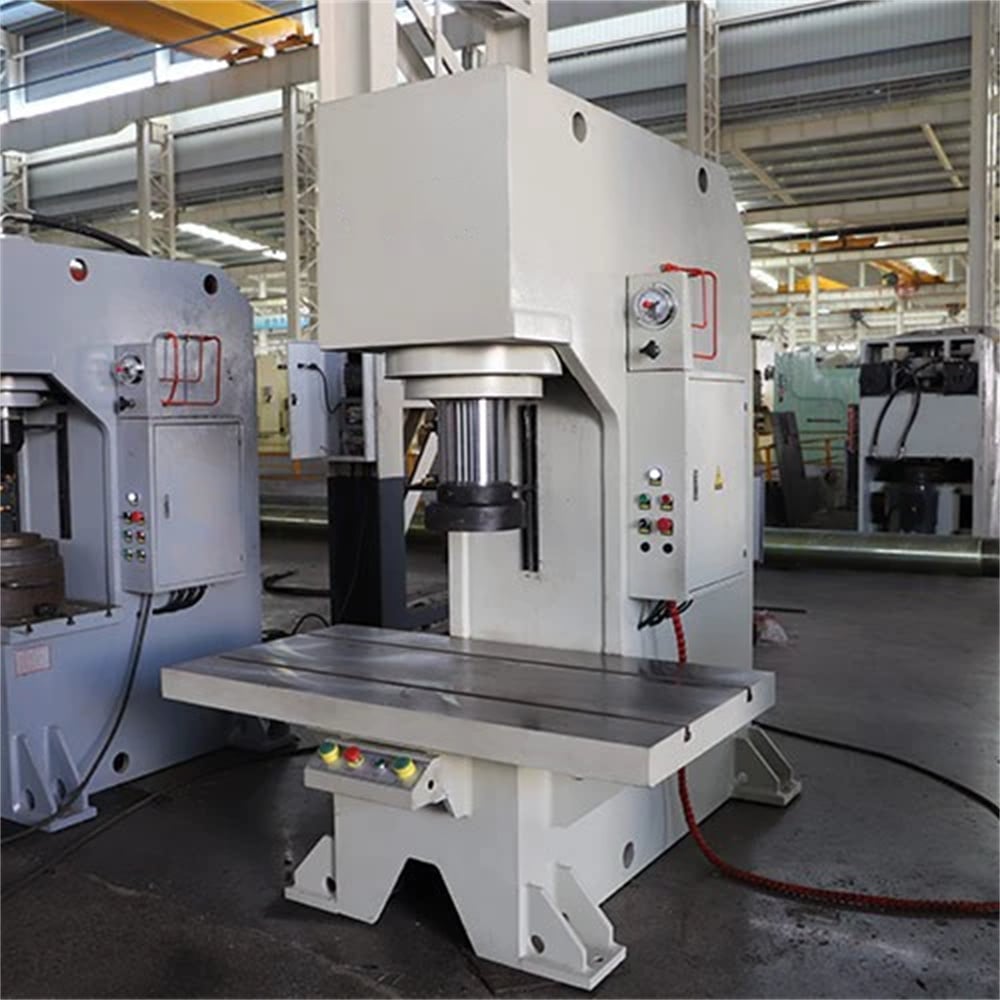
- Frame Rigidity: High-speed movement and rapid decompression create significant vibrations. A heavy-duty H-frame or four-column design is preferable over a C-frame for high-speed applications to maintain alignment and reduce wear on the seals and guides.
- Controller Capabilities: Ensure the PLC is capable of high-speed processing. A controller with a slow scan time will introduce delays in valve actuation, negating the benefits of high-flow hydraulics. Look for systems that support fieldbus communication (like EtherCAT) for near-instantaneous response.
- Stroke Customization: The ability to limit the stroke to only what is necessary for the part is vital. If a part only requires 50mm of clearance for removal, but the press returns 200mm every time, you are wasting valuable seconds. Modern HARSLE presses allow for digital setting of the return point.
- Regenerative Circuits: Ask if the press uses regenerative hydraulic circuits. These circuits redirect oil from the rod side of the cylinder back to the cap side during the fast approach, effectively increasing speed without requiring a larger pump.
Additionally, consider the long-term maintenance requirements. High-speed machines work harder. Choosing a manufacturer like HARSLE ensures that components are sourced from reputable global brands (such as Rexroth or Schneider), making it easier to find replacement parts and maintain the machine’s peak performance over its lifespan. A machine that is down for maintenance is the ultimate cycle time killer.
Frequently Asked Questions (FAQ)
How does a hydraulic press compare to a mechanical press for cycle time?
Historically, mechanical presses were much faster. However, modern high-speed hydraulic presses have closed the gap significantly. While a mechanical press has a fixed stroke and speed, a hydraulic press offers full tonnage throughout the entire stroke and adjustable speeds. For deep drawing or complex forming where speed must be controlled during the actual metal flow, a hydraulic press can actually be more efficient by reducing scrap and allowing for faster non-pressing movements.
Can I retrofit my old hydraulic press to reduce cycle time?
Yes, to an extent. Retrofitting an older press with a modern PLC, proportional valves, and a servo-motor drive system can significantly improve performance. However, the physical limitations of the old piping and the frame’s rigidity may limit the maximum speeds you can safely achieve compared to a purpose-built high-speed press.
What is the most common cause of slow cycle times?
The most common causes are inefficient decompression cycles and slow manual loading/unloading. Often, the press is capable of moving faster, but the settings are tuned conservatively to prevent hydraulic shock, or the operator cannot keep up with the machine’s potential speed. Automation and professional tuning of the hydraulic ramp-down are the quickest ways to see improvements.
Does reducing cycle time affect the quality of the sheet metal part?
If done correctly, it improves quality. High-speed hydraulic presses use precise electronic controls that ensure every stroke is identical. The “soft touch” approach prevents the tool from slamming into the material, which reduces surface marking and extends the life of the dies.
Is a servo-hydraulic press worth the extra investment?
For high-volume production, absolutely. The combination of reduced cycle times (often 20-40% faster) and significant energy savings (up to 50-70% less power consumption during idle times) usually results in a return on investment (ROI) within 12 to 24 months.
Conclusion: The Future of Hydraulic Press Operations
As demonstrated in this Hydraulic Press Case Study: Reducing Cycle Time In Sheet Metal Forming Operations, the path to higher productivity lies in the intelligent integration of speed, precision, and automation. The days of the “slow and steady” hydraulic press are being replaced by a new generation of machines that offer the brute force of hydraulics with the agility of electronic control. By focusing on the optimization of every millisecond of the press cycle—from the fast approach to the final decompression—manufacturers can achieve unprecedented levels of throughput.
HARSLE continues to lead the industry by providing solutions that address these specific challenges. Whether you are forming automotive components, appliance panels, or intricate aerospace parts, the ability to shave seconds off your cycle time is a competitive advantage that cannot be ignored. Investing in high-speed hydraulic technology is not just an upgrade to your machinery; it is an upgrade to your entire production philosophy. By choosing the right equipment and focusing on the technical details of the hydraulic cycle, you ensure that your facility remains at the cutting edge of the metal fabrication industry.
In conclusion, reducing cycle time is a multi-faceted challenge that requires the right hardware, the right software, and a deep understanding of the forming process. As we have seen, the results of such optimization are clear: higher output, lower costs, and a more sustainable manufacturing process. For any business looking to grow in the sheet metal sector, the lessons from this case study provide a clear roadmap for future success.