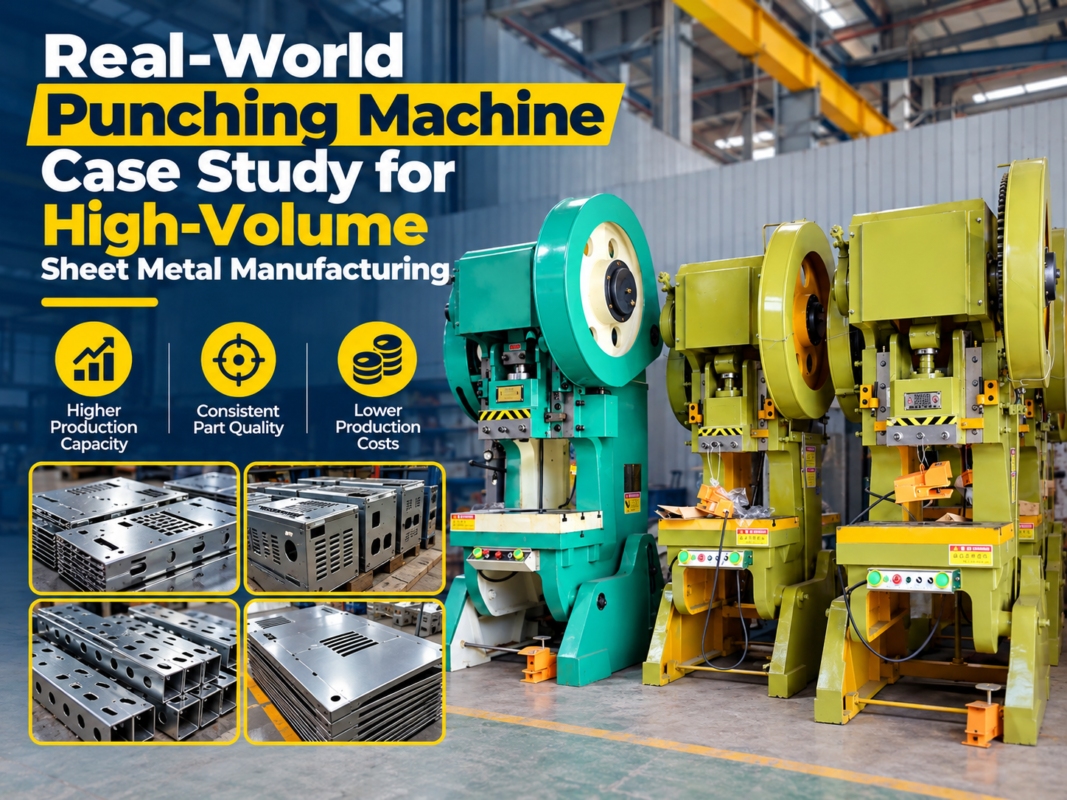
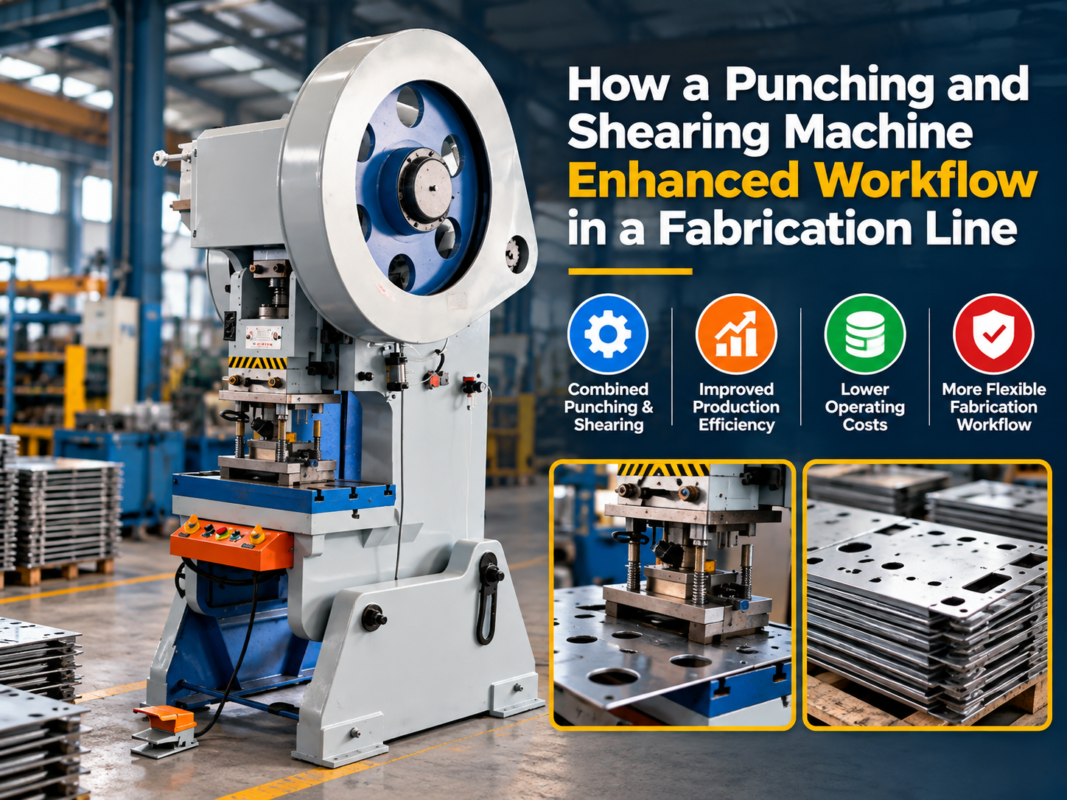
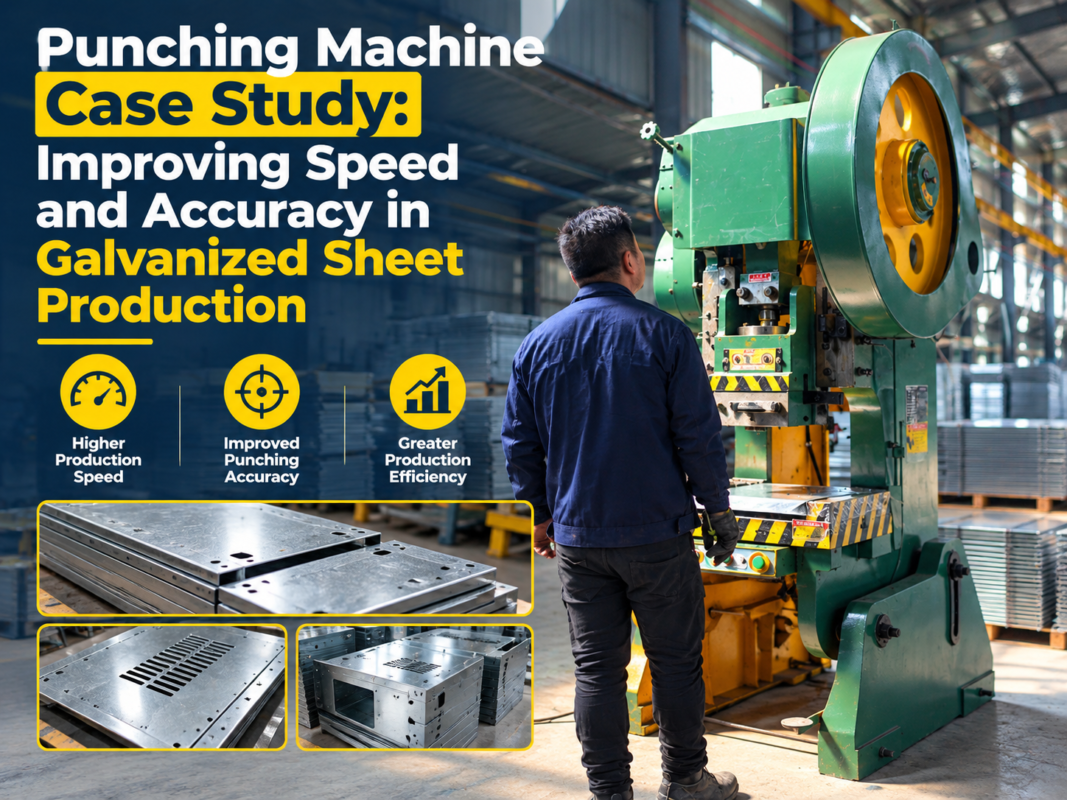
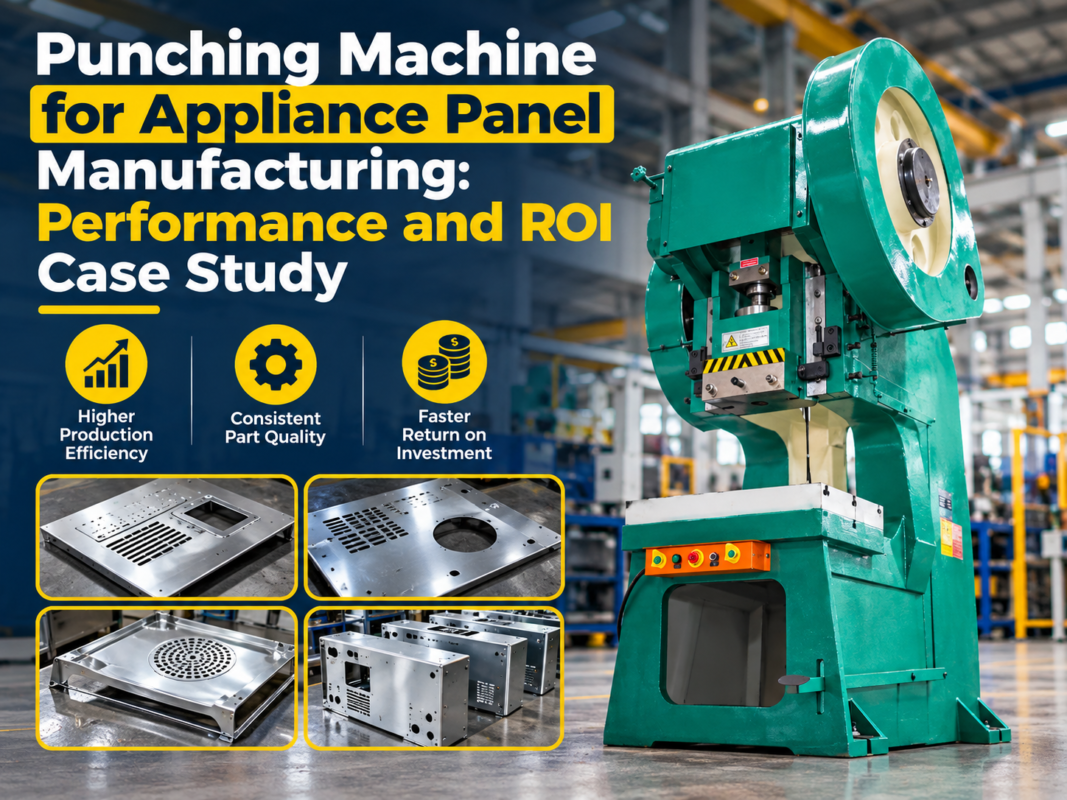
Hydraulic Press in Action: A Case Study on Heavy-Duty Stamping Performance


Introduction to Hydraulic Press Performance in Modern Manufacturing
In the realm of industrial metal fabrication, the hydraulic press stands as a cornerstone of power, versatility, and precision. When we discuss the topic of Hydraulic Press In Action: A Case Study On Heavy-Duty Stamping Performance, we are looking at the intersection of mechanical engineering and high-volume production efficiency. Hydraulic presses utilize the principles of fluid mechanics—specifically Pascal’s Law—to generate immense force, allowing manufacturers to shape, mold, and stamp thick metal sheets into complex components used in the automotive, aerospace, and appliance industries.
The evolution of hydraulic technology has transitioned from simple manual pumps to sophisticated, PLC-controlled systems capable of delivering thousands of tons of pressure with sub-millimeter accuracy. This case study focuses on how heavy-duty stamping performance is optimized through advanced hydraulic circuitry, rigid frame construction, and intelligent control systems. For companies like HARSLE, providing equipment that can withstand the rigors of continuous heavy-duty operation while maintaining tight tolerances is the primary objective.
Heavy-duty stamping is not merely about raw power; it is about the controlled application of that power. In this article, we will examine the critical factors that contribute to the success of a hydraulic press in a high-stakes production environment. From the initial design phase to the final output on the factory floor, every component of the press must work in harmony to ensure longevity and cost-effectiveness.
As global manufacturing demands increase, the need for reliable stamping solutions becomes more acute. Whether it is deep drawing a car door panel or punching thick structural steel, the hydraulic press remains the preferred choice for applications requiring high force over a long stroke. This guide will delve into the technicalities that make these machines indispensable and provide a roadmap for selecting the right equipment for your specific industrial needs.
Key Considerations for Heavy-Duty Stamping Operations
When evaluating a hydraulic press for heavy-duty stamping, several key considerations must be addressed to ensure the machine meets the production requirements. The first and most obvious factor is the tonnage. Tonnage refers to the maximum force the press can exert. In heavy-duty applications, calculating the required tonnage involves understanding the material’s shear strength, thickness, and the total perimeter of the cut or the surface area of the form. Underestimating tonnage leads to machine strain and poor part quality, while overestimating can result in unnecessary energy expenditure and higher capital costs.
Frame rigidity is another critical consideration. In heavy-duty stamping, the press frame is subjected to massive reactionary forces. If the frame deflects or ‘yawns’ during the stroke, it can lead to misalignment of the dies, resulting in premature tool wear and inconsistent parts. H-frame (or four-column) designs are typically preferred for heavy-duty work because they provide superior stability and minimize deflection compared to C-frame models. The structural integrity of the press ensures that the force is applied perpendicular to the workpiece, which is essential for precision stamping.
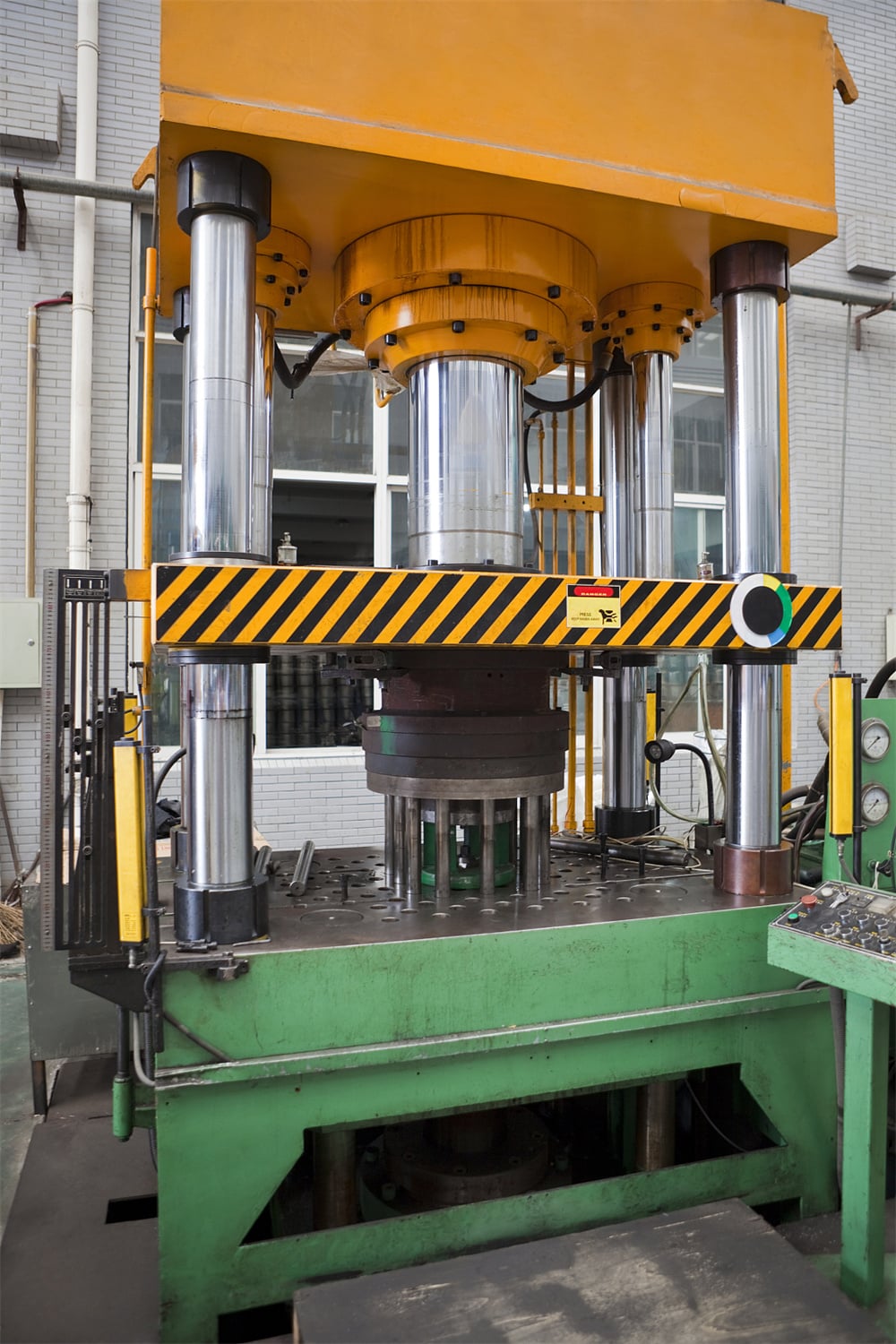
Stroke control and speed are also vital. Unlike mechanical presses, which have a fixed stroke determined by a crankshaft, hydraulic presses offer a fully adjustable stroke. This flexibility allows operators to optimize the cycle time by minimizing the ‘air travel’ of the ram. For heavy-duty stamping, the ability to control the pressing speed—slowing down just before contact with the material—reduces shock to the machine and the tooling, extending the life of both. This ‘soft-touch’ capability is a hallmark of modern hydraulic systems.
Furthermore, the integration of safety systems cannot be overlooked. Heavy-duty stamping involves significant risks due to the forces involved. Modern presses must be equipped with light curtains, dual-hand start buttons, and emergency stop circuits that meet international safety standards (such as CE or OSHA). A well-designed hydraulic press incorporates redundant safety valves to prevent the ram from falling in the event of a power failure or hydraulic leak, ensuring the protection of both the operator and the equipment.
Technical Details: The Anatomy of a High-Performance Press
To understand the performance of a hydraulic press in action, one must look at its internal components. The heart of the machine is the hydraulic power unit (HPU). This unit consists of a high-pressure pump, a reservoir for hydraulic oil, and a series of valves that direct the flow of fluid. In heavy-duty stamping, variable displacement piston pumps are often used because they can adjust their output based on the pressure demand, improving energy efficiency. These pumps are capable of generating pressures upwards of 300 bar, which is then converted into linear force by the hydraulic cylinders.
The hydraulic cylinder itself is a masterpiece of precision engineering. For heavy-duty applications, the cylinder walls must be thick enough to withstand internal pressure without deforming, and the piston rod must be chrome-plated and polished to reduce friction and prevent seal wear. The seals are perhaps the most critical ‘small’ component; they must maintain a perfect tight fit under extreme pressure and temperature fluctuations. High-quality seals prevent internal bypassing, which would otherwise cause the ram to lose pressure during a critical stamping phase.
Control Systems and Automation
Modern hydraulic presses are governed by Programmable Logic Controllers (PLCs). The PLC acts as the brain of the machine, coordinating the movement of the ram, the pressure of the hydraulic fluid, and the timing of auxiliary equipment like sheet feeders or robotic arms. Through a Human-Machine Interface (HMI), operators can set specific parameters for different dies, such as dwell time at the bottom of the stroke, which is crucial for materials that require time to ‘set’ to prevent spring-back.
| Feature | Technical Specification | Benefit for Stamping |
|---|---|---|
| Drive System | Servo-Hydraulic Hybrid | Up to 50% energy savings and reduced noise |
| Control Interface | Siemens/Delta PLC with Touchscreen | Easy recipe management and precision control |
| Frame Type | Welded Steel Plate (Stress Relieved) | Maximum rigidity and long-term accuracy |
| Stroke Adjustment | Digital Linear Transducers | 0.01mm precision in ram positioning |
| Safety Rating | Category 4 / PL e | Highest level of operator protection |
Another technical advancement is the use of servo-hydraulic systems. By using a servo motor to drive the hydraulic pump, the machine only consumes energy when the ram is moving. This eliminates the energy waste associated with traditional motors that run constantly. In a heavy-duty stamping case study, servo-driven presses have shown to reduce electricity costs by up to 40-60% while also reducing the heat generated in the hydraulic oil, which in turn extends the life of the oil and the seals.
Selection Advice: Choosing the Right Press for Your Project
Selecting a hydraulic press for heavy-duty stamping requires a deep dive into your production goals. The first step is to define the maximum material thickness and type. For example, stamping stainless steel requires significantly more force than aluminum of the same thickness. You should also consider the largest die size you plan to use, as this dictates the bed area and the distance between the columns. It is always advisable to choose a press with a slightly larger bed and higher tonnage than your current maximum requirement to allow for future growth and heavier projects.
Consider the production volume. If you are running high-volume, 24/7 operations, you need a machine built for high-cycle durability. This means looking for presses with oversized cooling systems for the hydraulic oil and heavy-duty filtration units to keep the fluid clean. Contamination is the leading cause of hydraulic failure, so a robust filtration system is a non-negotiable feature for industrial-grade performance. Additionally, look for machines that offer easy access to maintenance points, such as the pump and valve manifold.
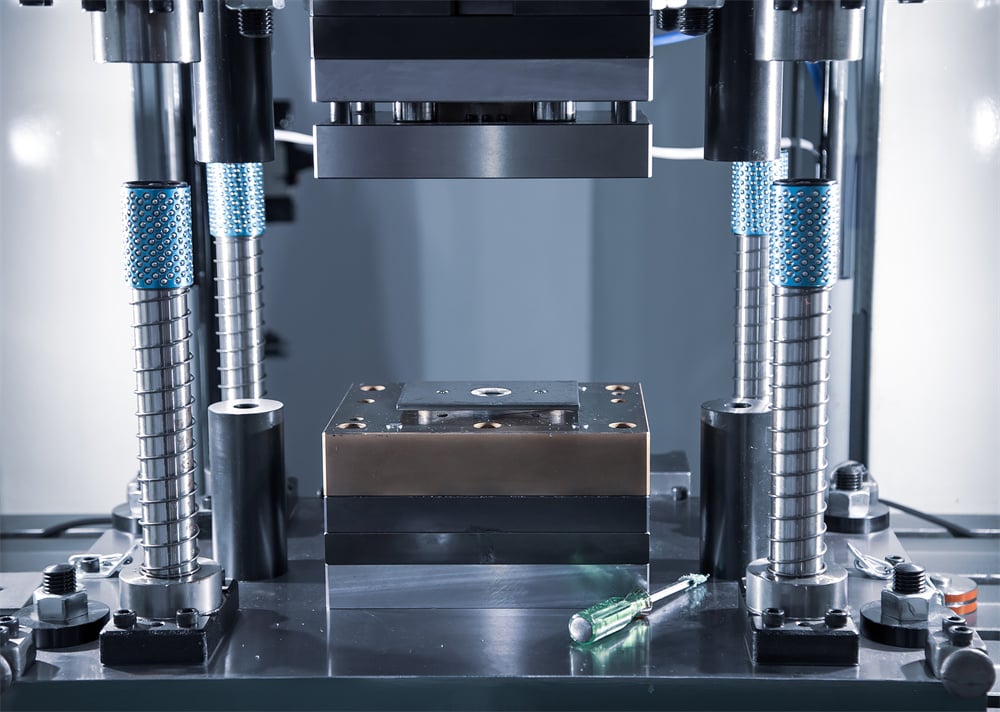
Customization is another factor. Many manufacturers, including HARSLE, offer customized solutions such as moving bolsters for quick die changes, hydraulic cushions for deep drawing, and integrated blanking dampers to reduce noise and vibration during high-impact punching. If your process involves deep drawing, a hydraulic cushion is essential as it provides the necessary holding force to prevent wrinkling of the metal as it is pulled into the die cavity.
Finally, evaluate the manufacturer’s reputation and after-sales support. A hydraulic press is a long-term investment that should last 20 years or more. Ensure that the supplier provides comprehensive manuals, readily available spare parts, and technical support. In our case study observations, the total cost of ownership is often lower for a high-quality machine with excellent support than for a cheaper alternative that suffers from frequent downtime and lack of parts availability.
Frequently Asked Questions (FAQ)
1. What is the main advantage of a hydraulic press over a mechanical press for stamping?
The primary advantage is flexibility. A hydraulic press provides full tonnage throughout the entire stroke, whereas a mechanical press only reaches its rated tonnage at the bottom of the stroke. Additionally, hydraulic presses have adjustable stroke lengths and speeds, making them better suited for deep drawing and complex forming tasks where controlled pressure is required.
2. How often should the hydraulic oil be changed in a heavy-duty press?
Generally, hydraulic oil should be tested every 2,000 to 4,000 hours of operation. A full change is usually required every year or two, depending on the environment and usage. However, using high-quality filtration and monitoring oil temperature can significantly extend the life of the oil. Always check for signs of oxidation or contamination (cloudiness).
3. Can a hydraulic press be used for high-speed blanking?
While traditional hydraulic presses are slower than mechanical presses, modern high-speed hydraulic presses equipped with advanced valves and accumulators can achieve impressive cycle rates. For heavy-duty blanking, it is important to use shock absorbers (blanking dampers) to protect the hydraulic system from the sudden release of energy when the material shears.
4. What causes a hydraulic press to lose pressure?
Pressure loss is typically caused by internal or external leaks. Internal leaks often occur when piston seals or valve spools are worn, allowing fluid to bypass the intended circuit. External leaks are usually found at hose fittings or cylinder glands. Regular maintenance and using high-quality seals are the best ways to prevent these issues.
5. Is it possible to automate a hydraulic press?
Yes, absolutely. Most modern hydraulic presses are designed to be integrated into automated production lines. They can be equipped with robotic loaders, coil feeders, and conveyor systems. The PLC-based control systems allow the press to communicate with other machines in the cell for a fully synchronized manufacturing process.
Conclusion: The Future of Heavy-Duty Stamping
The Hydraulic Press In Action: A Case Study On Heavy-Duty Stamping Performance demonstrates that these machines are more than just ‘dumb’ iron and oil. They are sophisticated instruments of production that provide the backbone for modern industrial manufacturing. By combining massive force with precise control, hydraulic presses enable the creation of the products we rely on every day, from the cars we drive to the appliances in our homes.
As we look to the future, the integration of Industry 4.0 technologies will further enhance the performance of these machines. Predictive maintenance, powered by IoT sensors, will allow manufacturers to identify potential failures before they cause downtime. Real-time data analytics will optimize cycle times and energy consumption, making hydraulic stamping even more efficient and sustainable. For companies looking to stay competitive, investing in high-quality hydraulic press technology is not just an option; it is a necessity.
At HARSLE, we remain committed to pushing the boundaries of what is possible in metal forming. Our range of hydraulic presses is designed with the user in mind, focusing on durability, precision, and ease of operation. Whether you are a small workshop or a large-scale industrial plant, understanding the technical nuances and selection criteria outlined in this guide will help you achieve peak performance in your stamping operations. The power of hydraulics, when harnessed correctly, is an unstoppable force in the world of manufacturing.