Case Study: Faster Production Cycles with a Guillotine Shearing Machine


Introduction: The Quest for Efficiency in Metal Fabrication
In the competitive landscape of modern manufacturing, the ability to reduce lead times while maintaining high precision is the difference between a thriving enterprise and one that struggles to keep pace. This Case Study: Faster Production Cycles A Guillotine Shearing Machine examines how a mid-sized metal fabrication facility transformed its throughput by upgrading from legacy equipment to a high-performance hydraulic guillotine shearing machine. The primary bottleneck in many workshops is the initial cutting phase; if the raw material isn’t sized quickly and accurately, every subsequent process—from bending to welding—is delayed.
The guillotine shearing machine has long been a staple of the industry, but recent technological advancements have elevated its role from a simple cutting tool to a sophisticated piece of CNC-integrated machinery. By focusing on the mechanics of the vertical cut, these machines minimize distortion and maximize edge quality. In this case study, we will look at the specific variables that contribute to faster production cycles, including stroke speed, backgauge positioning, and automated material handling. For companies looking to scale, understanding these dynamics is essential for making an informed investment.
Furthermore, the transition to a modern guillotine shear isn’t just about speed; it’s about the consistency of that speed. Manual adjustments in older machines often lead to human error and inconsistent cycle times. By implementing a system with programmable logic and high-speed hydraulics, the facility in our study was able to achieve a 35% increase in daily output. This article serves as a comprehensive guide for manufacturers seeking similar results, detailing the technical nuances and strategic considerations involved in optimizing the shearing process.

Key Considerations for Optimizing Production Cycles
When analyzing the efficiency of a shearing operation, several key factors must be considered. First and foremost is the material compatibility. Not all shears are created equal; a machine optimized for thin aluminum may struggle with high-tensile stainless steel. The Case Study: Faster Production Cycles A Guillotine Shearing Machine highlights that the ability to quickly adjust the rake angle and blade gap is critical. When a machine can automatically calibrate these settings based on the material thickness entered into the CNC, the setup time is virtually eliminated, allowing for a seamless transition between different jobs.
Another major consideration is the ergonomics of the workspace. A faster machine is only useful if the operators can feed it and clear the finished parts at a matching pace. This involves looking at the front support arms, the ball transfers on the worktable, and the rear stacking systems. In our case study, the implementation of a pneumatic rear support system prevented thin sheets from sagging before the cut, which eliminated the need for manual repositioning and significantly sped up the cycle. Efficiency is a holistic metric that encompasses the entire movement of the material through the machine.
Safety also plays a pivotal role in production speed. It might seem counterintuitive, but a safer machine is often a faster machine. When operators feel secure behind light curtains and emergency stop protocols, they can focus on the rhythm of the production run rather than worrying about mechanical failures or hazards. Modern guillotine shears incorporate integrated safety sensors that do not obstruct the workflow but provide a fail-safe environment. This reduces downtime caused by accidents or near-misses, ensuring that the production line remains active throughout the shift.
Finally, the durability of the blades and the frequency of maintenance must be factored into the production cycle. A machine that requires constant blade flipping or hydraulic fluid top-offs will inevitably fall behind. High-quality chrome-alloy blades and robust hydraulic manifolds are essential for long-term reliability. In the context of our case study, the facility chose a machine with a centralized lubrication system, which reduced weekly maintenance time by two hours—time that was directly converted into additional production capacity.
Technical Details: The Mechanics of Speed and Precision
The technical superiority of a guillotine shearing machine lies in its vertical cutting action. Unlike swing beam shears, which move in an arc, the guillotine blade moves straight down. This minimizes the “twist” and “bow” common in heavy-duty cutting. To achieve faster production cycles, the hydraulic system must be capable of high-speed approach and return strokes. This is often achieved through a nitrogen-return cylinder system, which provides a faster and smoother return than traditional mechanical springs.
Hydraulic System and Valve Integration
The heart of the machine is the hydraulic block. Modern units utilize integrated cartridge valves which reduce the number of pipe connections, thereby lowering the risk of leaks and pressure drops. A stable pressure environment allows the machine to maintain a consistent cutting force even at high speeds. In the Case Study: Faster Production Cycles A Guillotine Shearing Machine, the use of a high-pressure Rexroth or Hoerbiger valve system ensured that the blade moved with millisecond precision, allowing for rapid-fire cutting on smaller strips of metal.
CNC Control and Backgauge Accuracy
The backgauge is perhaps the most critical component for speed. A high-speed, ball-screw driven backgauge can move at speeds of up to 300mm/s. When paired with a CNC controller like the Delem DAC-360T, the machine can store hundreds of programs. This means that for recurring jobs, the operator simply selects the program, and the backgauge automatically moves to the correct position. This eliminates the need for manual measurements with a tape measure, which is both slow and prone to error. The precision of these systems is typically within ±0.05mm, ensuring that every part is identical.
Blade Gap and Rake Angle Adjustment
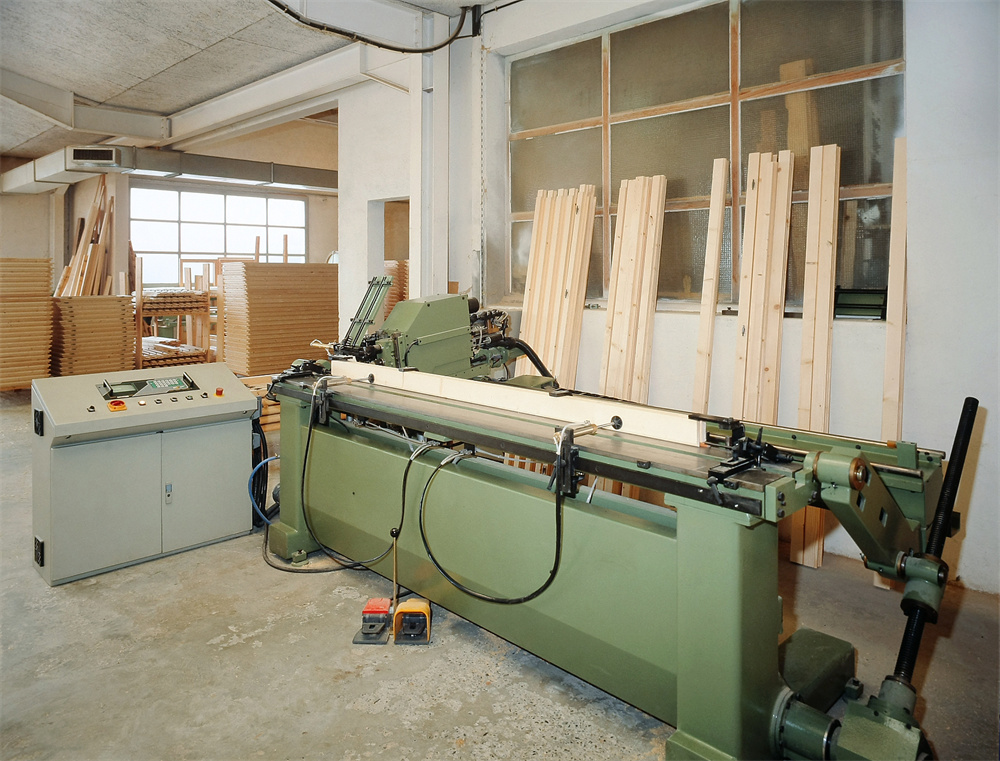
To prevent material deformation, the rake angle (the angle of the upper blade) must be adjusted according to the thickness. A higher rake angle is used for thicker materials to reduce the required cutting force, while a lower rake angle is used for thinner materials to prevent twisting. In a high-speed production environment, manual rake adjustment is a significant time-sink. Modern guillotine shears feature motorized rake adjustment controlled directly via the CNC interface. Similarly, the blade gap—the distance between the upper and lower blades—must be precise. Automated blade gap adjustment ensures that the cut is clean, reducing the need for secondary grinding or deburring processes.
Selection Advice: Choosing the Right Machine for Your Shop
Selecting the right guillotine shearing machine requires a deep dive into your current and future production needs. The first step is to define your maximum material thickness and width. It is always advisable to choose a machine with a capacity slightly higher than your thickest material to avoid running the hydraulics at 100% load constantly, which can lead to premature wear. For instance, if you primarily cut 6mm carbon steel, an 8mm capacity machine will offer a longer service life and better performance stability.
Consider the level of automation required. If your shop does high-volume runs of the same part, a basic NC controller might suffice. However, if you are a job shop dealing with diverse materials and complex cutting lists, a full CNC system is a mandatory investment for achieving Faster Production Cycles A Guillotine Shearing Machine. Look for features like “Return to Sender” or “Front Feeding” systems if you are dealing with large sheets that are difficult for a single operator to handle. These features can effectively halve the labor required for certain tasks.
Don’t overlook the importance of local support and spare parts availability. A machine is only an asset when it’s running. Ensure that the manufacturer, such as HARSLE, provides comprehensive manuals, remote technical support, and a robust warranty. The quality of the electrical components (Schneider, Siemens) and the hydraulic seals (SKF, NOK) are good indicators of the machine’s build quality. A lower upfront price often masks higher long-term costs in the form of downtime and expensive repairs.
| Feature | Impact on Production Cycle | Recommended Specification |
|---|---|---|
| Backgauge Speed | Reduces positioning time between cuts. | >200 mm/s with Ball Screw |
| Blade Gap Adjustment | Ensures clean cuts and reduces secondary processing. | Motorized/CNC Controlled |
| Rake Angle Control | Minimizes material distortion on different thicknesses. | 0.5° – 2.5° Adjustable |
| Return System | Speeds up the upward stroke of the blade. | Nitrogen Accumulator Return |
Frequently Asked Questions (FAQ)
How does a guillotine shear differ from a swing beam shear?
The primary difference is the movement of the blade. A guillotine shear moves in a straight vertical line, which allows for adjustable rake angles and results in less material distortion, especially on thicker plates. A swing beam shear moves in an arc and has a fixed rake angle. For high-precision and high-speed production cycles, the guillotine design is generally superior because it can be fine-tuned for a wider variety of materials.
Can a guillotine shearing machine be integrated into an automated line?
Yes, modern CNC guillotine shears are designed with integration in mind. They can be equipped with rear conveyor systems, scrap separators, and even robotic loading arms. By automating the material flow into and out of the shear, manufacturers can achieve a truly continuous production cycle, significantly reducing the cost per part.
What maintenance is required to keep the production cycle fast?
Regular maintenance is crucial. This includes checking hydraulic oil levels and cleanliness, lubricating the backgauge guideways, and inspecting the blade sharpness. Dull blades require more force to cut, which slows down the machine and puts unnecessary strain on the hydraulic system. Most modern machines feature a stroke counter and maintenance alerts on the CNC screen to help operators stay on top of these tasks.
Is it worth upgrading from an NC to a CNC shearing machine?
If you find that your operators are spending more than 15-20 minutes a day manually adjusting backgauges or rake angles, then a CNC upgrade will likely pay for itself within a year. The ability to save programs and automate the setup process is the single biggest factor in achieving Faster Production Cycles A Guillotine Shearing Machine. It also reduces the skill level required to operate the machine accurately.
Conclusion: Driving Growth Through Technical Excellence
As demonstrated in this Case Study: Faster Production Cycles A Guillotine Shearing Machine, the path to increased profitability in metal fabrication lies in the strategic application of technology. By moving away from manual processes and embracing the precision of CNC-controlled hydraulic guillotine shears, businesses can drastically reduce their cycle times, improve product quality, and lower operational costs. The ability to deliver high-quality cut parts faster than the competition is a powerful market advantage.
Investing in a HARSLE guillotine shearing machine means investing in a future-proof solution. With robust construction, cutting-edge hydraulics, and intuitive control systems, these machines are built to handle the rigors of high-volume production. Whether you are cutting thin sheets for HVAC ducting or heavy plates for structural steel, the principles of efficiency remain the same: minimize setup, maximize stroke speed, and ensure every cut is perfect the first time. By following the selection advice and technical insights provided in this guide, you can transform your production floor into a high-efficiency powerhouse.
Ultimately, the goal of any equipment upgrade is to provide a better service to your customers. Faster production cycles mean shorter lead times, which in turn leads to higher customer satisfaction and repeat business. In the world of industrial manufacturing, time is the most valuable commodity. A high-performance guillotine shearing machine is the tool that allows you to reclaim that time and reinvest it into the growth and innovation of your business.