How a Shearing Machine Improved Cutting Performance for Aluminum Sheet Processing


Introduction to Aluminum Sheet Processing and Shearing Technology
In the modern landscape of metal fabrication, aluminum has emerged as a cornerstone material for industries ranging from aerospace and automotive to electronics and construction. Its high strength-to-weight ratio, corrosion resistance, and excellent thermal conductivity make it indispensable. However, processing aluminum presents unique challenges that differ significantly from carbon steel or stainless steel. The primary challenge lies in its relative softness and ductility, which can lead to issues like burring, galling, and surface scratching during the cutting process. This is where the implementation of a high-quality shearing machine becomes critical. In this comprehensive guide, we explore how a shearing machine improved cutting performance aluminum sheet processing, ensuring precision, efficiency, and material integrity.
For many years, fabricators relied on traditional sawing or manual shearing methods, which often resulted in inconsistent edges and high waste rates. As production demands increased, the need for automated, high-precision solutions became apparent. HARSLE, a leader in metal fabrication machinery, has developed advanced hydraulic shearing machines specifically engineered to handle the nuances of non-ferrous metals. By integrating CNC controls, optimized blade geometries, and specialized material handling features, these machines have revolutionized how aluminum is processed in high-volume environments.
The transition to a dedicated shearing machine is not merely about speed; it is about the quality of the finished part. Aluminum sheets are often used in aesthetic applications or components requiring tight tolerances for subsequent welding or assembly. Any deviation in the squareness of the cut or the presence of a heavy burr can lead to costly secondary operations. Throughout this article, we will delve into the technical reasons why a shearing machine is the superior choice for aluminum and how it optimizes the entire production workflow.
Key Considerations for Shearing Aluminum Sheets
When discussing how a shearing machine improved cutting performance aluminum sheet processing, one must first understand the metallurgical behavior of aluminum under shear stress. Unlike steel, which tends to snap cleanly once the shear force exceeds its tensile strength, aluminum has a tendency to “smear” or stick to the cutting blades. This phenomenon, known as galling, can quickly degrade the quality of the cut and damage the machine’s blades if not managed correctly.
Material Grade and Temper
Aluminum comes in various grades, from the soft 1xxx series to the high-strength 7xxx series used in aerospace. The temper of the material (e.g., T4, T6, or H14) also dictates how it reacts to the shear blade. A shearing machine must be versatile enough to adjust its parameters based on these variations. For instance, softer alloys require a tighter blade gap to prevent the material from being pulled into the space between the blades, which causes a “rolled edge.” Conversely, harder alloys require more force and a slightly wider gap to prevent blade chipping.
Blade Gap and Rake Angle
The two most critical mechanical settings in a shearing machine are the blade gap and the rake angle. The blade gap is the distance between the upper and lower blades as they pass each other. For aluminum, this gap is typically set to 5-7% of the material thickness. Modern HARSLE machines feature rapid blade gap adjustment mechanisms, often controlled via a CNC interface, allowing operators to switch between different sheet thicknesses in seconds. The rake angle—the angle of the upper blade relative to the lower blade—also plays a vital role. A lower rake angle reduces distortion and “twist” in the sheared strip, which is particularly important for thin aluminum sheets used in signage or paneling.
Surface Protection and Handling
Aluminum is highly susceptible to surface damage. Scratches incurred during the loading or shearing process can render a part unusable, especially if it is intended for anodizing or painting. To combat this, high-performance shearing machines are equipped with ball transfers in the worktable. These stainless steel balls allow the aluminum sheet to glide across the surface with minimal friction. Furthermore, the hold-down cylinders (the hydraulic feet that clamp the metal) are often fitted with non-marring nylon or rubber pads to prevent indentations on the soft aluminum surface.

Technical Details of Modern Shearing Machines
To understand how a shearing machine improved cutting performance aluminum sheet processing, we must look under the hood at the engineering that drives these machines. HARSLE utilizes a combination of hydraulic power and electronic precision to achieve results that were previously impossible with mechanical shears.
Hydraulic Swing Beam vs. Guillotine Design
There are two primary designs for hydraulic shears: the swing beam (QC12Y series) and the guillotine (QC11Y series). The swing beam design uses a circular arc movement for the upper blade, which is excellent for general-purpose shearing and offers high reliability due to fewer moving parts. However, for high-precision aluminum processing, the hydraulic guillotine shear is often preferred. The guillotine design moves the upper blade in a perfectly vertical plane, allowing for adjustable rake angles. This adjustability is crucial for minimizing the “bow, twist, and camber” effects that are common when shearing narrow strips of aluminum.
CNC Integration and Backgauge Precision
The integration of CNC systems like the E21S, DAC360T, or Cybelec Touch series has been a game-changer. These controllers manage the backgauge position, stroke length, and sometimes the blade gap automatically. For aluminum processing, where precision is paramount, a CNC-controlled backgauge with a ball screw and linear guide ensures that every cut is accurate to within ±0.05mm. This level of repeatability reduces scrap and ensures that large batches of parts are identical, which is essential for downstream CNC bending or laser welding processes.
Blade Material and Geometry
The blades used in a HARSLE shearing machine are typically made from high-carbon, high-chrome steel (such as D2 or SKD11). These materials provide the hardness necessary to maintain a sharp edge while resisting the abrasive nature of some aluminum alloys. For aluminum, the blades are often ground with a specific relief angle to reduce the contact area between the blade and the material, thereby minimizing the heat generated during the cut and preventing the aluminum from welding itself to the blade edge.
| Feature | Benefit for Aluminum Processing | Technical Specification |
|---|---|---|
| Adjustable Rake Angle | Reduces twisting and bowing in thin sheets | 0.5° to 3.0° |
| Ball Transfer Table | Prevents surface scratching and marring | Heavy-duty stainless steel balls |
| Pneumatic Rear Support | Supports thin sheets to prevent sagging | Dual-cylinder synchronization |
| CNC Blade Gap | Ensures clean cuts across various gauges | Automatic motorized adjustment |
Selection Advice for Aluminum Shearing Equipment
Choosing the right machine is essential for achieving the goal of how a shearing machine improved cutting performance aluminum sheet processing. Fabricators must look beyond the maximum cutting thickness and consider the specific requirements of their production line. Here are several factors to consider when selecting a HARSLE shearing machine for aluminum.
Capacity Planning
When sizing a machine, always consider the “aluminum factor.” While a machine might be rated for 6mm carbon steel, it can typically handle thicker aluminum due to the lower tensile strength of the material. However, the machine’s frame and hydraulics must still be robust enough to handle the high speeds often associated with aluminum production. It is generally recommended to choose a machine with a capacity slightly higher than your thickest material to ensure longevity and reduce strain on the hydraulic system.
Automation and Rear Support Systems
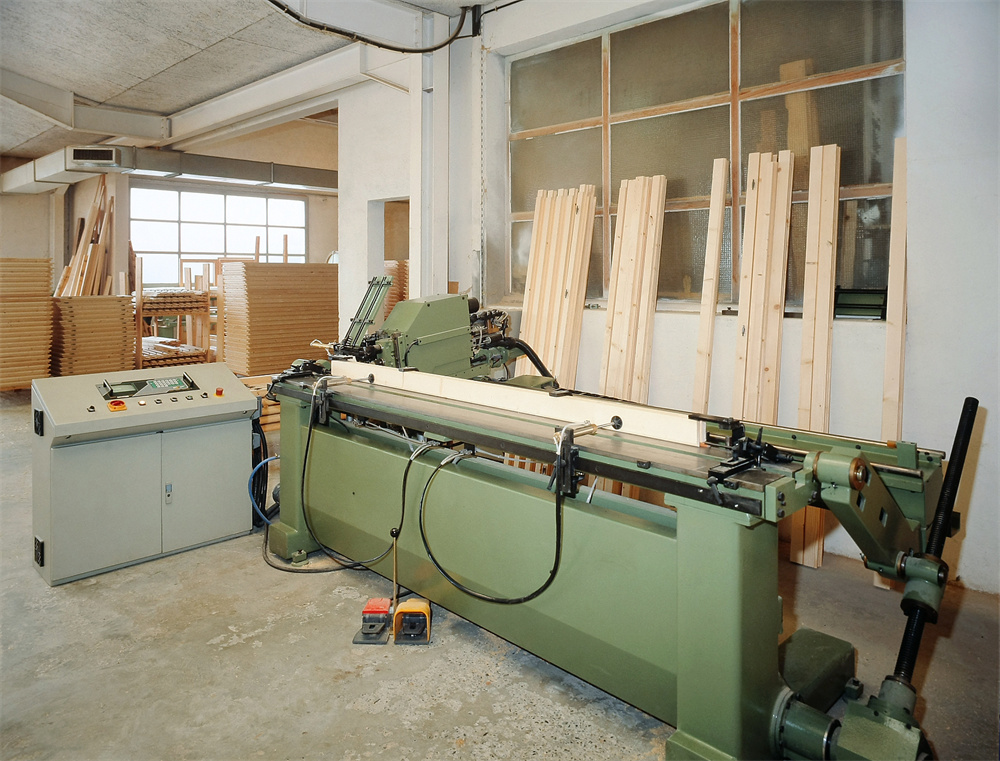
Thin aluminum sheets (under 2mm) have a tendency to sag under their own weight. If the sheet sags before it hits the backgauge, the cut will be inaccurate. To solve this, HARSLE offers pneumatic rear support systems. These supports hold the sheet level with the table until the moment the cut begins, then drop away to allow the sheared piece to fall into a collection bin or onto a conveyor. This feature is indispensable for high-speed aluminum processing where manual handling would slow down the cycle time.
Safety and Ergonomics
Modern shearing machines must adhere to strict safety standards, such as CE certification. This includes light curtains at the rear of the machine to prevent access during operation, emergency stop buttons, and finger guards at the front. For the operator, ergonomic features like a mobile foot pedal and a brightly lit cutting zone improve comfort and reduce fatigue, which indirectly leads to better quality control and fewer errors during long shifts.
Maintenance for Long-Term Performance
To ensure that a shearing machine improved cutting performance aluminum sheet processing remains a reality for years to come, a strict maintenance schedule is required. Aluminum dust and chips can be surprisingly abrasive and can clog hydraulic filters or interfere with the precision of the backgauge if not cleaned regularly.
- Blade Rotation: Most HARSLE blades have four cutting edges. Regularly rotating the blades ensures that you are always working with a sharp edge, which is the single most important factor in preventing burrs on aluminum.
- Hydraulic Fluid Management: Aluminum processing often involves high cycle rates, which can heat the hydraulic oil. Ensure the oil is changed according to the manufacturer’s recommendations and that the cooling system (if equipped) is functioning correctly.
- Lubrication: The backgauge ball screws and the sliding ways of the ram must be lubricated daily to maintain the micron-level precision required for high-quality aluminum parts.
Frequently Asked Questions (FAQ)
Why is my aluminum sheet twisting after being sheared?
Twisting is usually caused by a rake angle that is too high for the thickness of the material. By reducing the rake angle on a hydraulic guillotine shear, you can minimize the internal stresses applied to the strip during the cut, resulting in a flatter part. Additionally, ensure the blade gap is not too wide, as this can also contribute to deformation.
How often should I sharpen the blades when cutting aluminum?
Aluminum is less abrasive than stainless steel, so blades typically last longer. However, because aluminum is soft, any dullness in the blade will immediately result in a large burr. We recommend checking the edge quality every week and rotating or sharpening the blades as soon as the cut quality begins to degrade.
Can I use the same shearing machine for both steel and aluminum?
Yes, HARSLE shearing machines are designed to be versatile. The key is to adjust the blade gap and rake angle when switching between materials. Most CNC controllers allow you to save “programs” or material profiles, making it easy to switch from 3mm steel to 3mm aluminum with the push of a button.
What is the benefit of a pneumatic rear support for aluminum?
As mentioned earlier, aluminum is lightweight and flexible. Without support, thin sheets will droop before reaching the backgauge, leading to inconsistent widths. The pneumatic support ensures the sheet stays flat, allowing for a precise measurement and a square cut every time.
Conclusion: The HARSLE Advantage in Aluminum Processing
In conclusion, the evidence is clear: a shearing machine improved cutting performance aluminum sheet processing by providing the precision, speed, and surface protection that manual methods simply cannot match. By investing in a HARSLE hydraulic shear, fabricators can significantly reduce waste, eliminate costly secondary deburring operations, and meet the stringent quality demands of modern industry.
The combination of advanced hydraulic systems, intuitive CNC controls, and specialized features like ball transfer tables and pneumatic supports makes HARSLE machines the ideal choice for any facility looking to optimize their aluminum workflow. Whether you are producing small components for electronics or large panels for architectural cladding, the right shearing technology is the foundation of a successful fabrication process. As material costs continue to rise, the ability to cut accurately the first time, every time, is not just an advantage—it is a necessity for staying competitive in the global market.