How a Shearing Machine Helped a Steel Processing Plant Meet Tight Delivery Deadlines


Introduction: The Pressure of Modern Steel Processing
In the fast-paced world of metal fabrication, the ability to deliver high-quality products on time is the cornerstone of a successful business. For many steel processing plants, the challenge lies not just in the volume of orders, but in the complexity and precision required for each piece. Recently, a mid-sized steel processing plant faced a significant crisis: a surge in demand for custom-cut steel plates coincided with the failure of their aging mechanical shears. The plant was at risk of missing critical deadlines for major infrastructure projects, which would have resulted in heavy penalties and a damaged reputation.
The solution came in the form of a high-performance HARSLE hydraulic shearing machine. By integrating advanced technology and robust engineering, this machine didn’t just replace the old equipment; it transformed the plant’s entire production workflow. This article explores how A Shearing Machine Helped A Steel Processing Plant Meet Tight Delivery Deadlines, detailing the technical advantages, selection criteria, and operational shifts that made it possible.
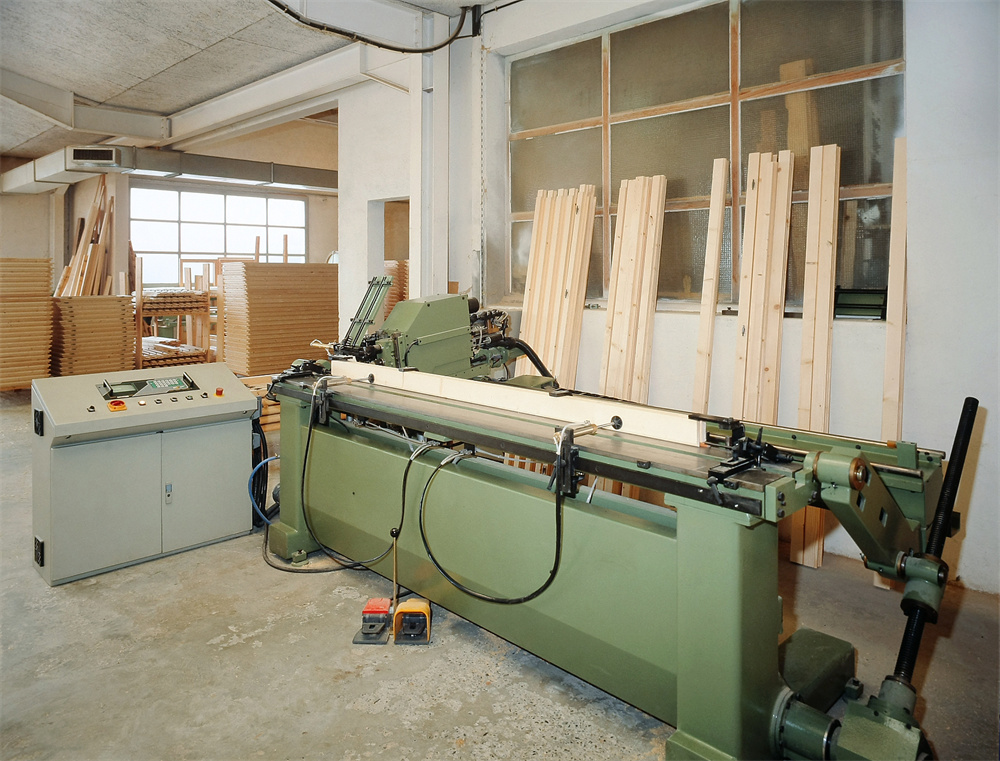
The transition from traditional cutting methods to modern hydraulic shearing is more than just an upgrade in power. It represents a shift toward precision, repeatability, and safety. In the case of our steel processing plant, the introduction of the HARSLE shearing machine allowed for a 40% increase in throughput within the first month. This was achieved by reducing setup times, minimizing material waste, and ensuring that every cut met the exact specifications of the client on the first attempt.
Key Considerations for High-Volume Steel Processing
When a plant is operating under tight deadlines, every second counts. The primary bottleneck in many facilities is the preparation phase—specifically, the cutting of raw metal sheets into workable sizes. To overcome these bottlenecks, several key considerations must be addressed when selecting and implementing a shearing machine.
1. Throughput and Cycle Speed
The speed at which a shearing machine can complete a cycle (the downward stroke and the return) directly impacts the daily output. Modern hydraulic shears are designed with high-speed valves and optimized cylinder movements to maximize cycles per minute without compromising the quality of the cut. For the plant in our case study, the ability to perform rapid, continuous cuts was essential for clearing the backlog of orders.
2. Precision and Accuracy
Meeting tight deadlines is impossible if parts have to be reworked or scrapped due to inaccuracies. A shearing machine must maintain consistent precision across hundreds of cuts. This involves high-quality backgauge systems, often controlled by CNC units, which allow for adjustments down to a fraction of a millimeter. When the cut is perfect the first time, the subsequent stages of fabrication—such as bending or welding—can proceed without delay.
3. Material Versatility
Steel processing plants often handle a variety of materials, from soft aluminum to high-tensile stainless steel. A machine that can quickly adapt to different thicknesses and material types is invaluable. Features like rapid blade gap adjustment allow operators to switch between 2mm carbon steel and 10mm stainless steel in seconds, ensuring that the production line never grinds to a halt.
4. Reliability and Maintenance
A machine that breaks down during a peak production period is a liability. Reliability is built into the machine through the use of high-quality components, such as Bosch-Rexroth hydraulics and Schneider electrics. Furthermore, ease of maintenance ensures that routine checks don’t eat into production time. The plant’s decision to invest in a HARSLE machine was heavily influenced by the brand’s reputation for durability in heavy-duty environments.
Technical Details of Modern Shearing Machines
To understand how A Shearing Machine Helped A Steel Processing Plant Meet Tight Delivery Deadlines, we must look under the hood at the technical specifications that drive performance. Modern shears generally fall into two categories: Swing Beam and Guillotine.
Hydraulic Swing Beam Shears
The swing beam shear uses a circular movement for the upper blade. This design is inherently robust and requires less maintenance because it has fewer moving parts and no sliding guides. The HARSLE QC12Y series is a prime example, featuring a hydraulic drive and a nitrogen cylinder return system. This setup provides a smooth, fast cutting action that is ideal for high-speed production environments.
Hydraulic Guillotine Shears
For even greater precision and the ability to handle thicker materials, guillotine shears (like the QC11K series) are preferred. These machines move the upper blade in a perfectly vertical line. This allows for an adjustable rake angle, which minimizes the twisting and bowing of the cut piece—a common issue when shearing long, narrow strips. By reducing material distortion, the plant saved hours of time that would otherwise have been spent straightening parts.
The Role of CNC Controllers
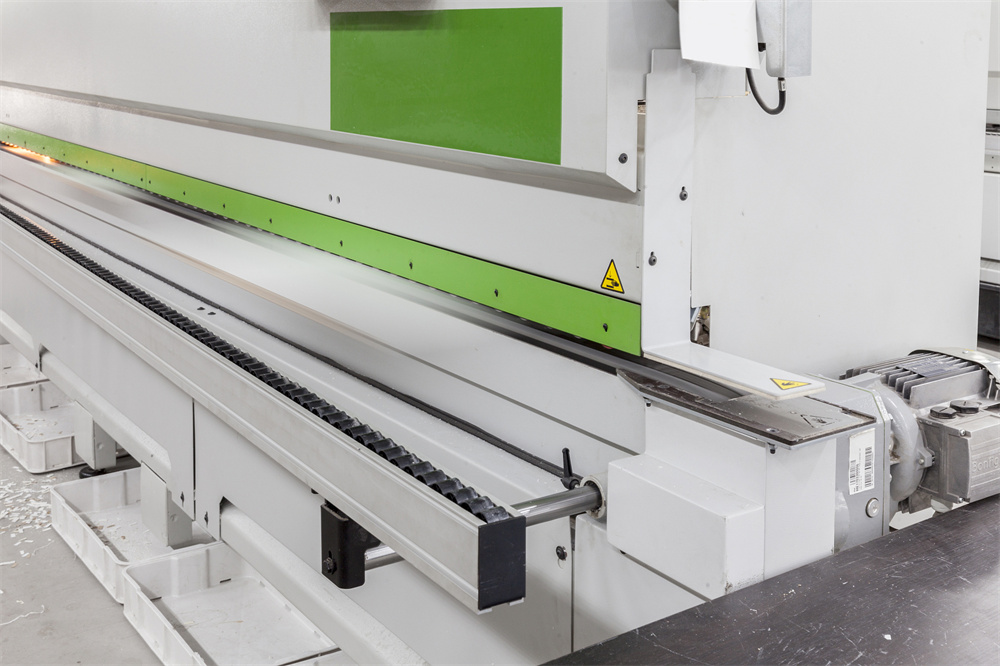
The integration of CNC controllers, such as the E21S or the more advanced DAC-360T, is perhaps the most significant technological leap. These controllers manage the backgauge position, the stroke length, and the number of cuts. Operators can program complex cutting sequences, which the machine executes automatically. This reduces the cognitive load on the operator and eliminates the human error associated with manual measurements.
| Feature | Swing Beam (QC12Y) | Guillotine (QC11K) |
|---|---|---|
| Cutting Action | Arc/Swing | Vertical/Straight |
| Rake Angle | Fixed | Adjustable |
| Precision | High | Ultra-High |
| Maintenance | Low | Moderate |
| Best For | General Fabrication | High-Precision/Heavy Plate |
Selection Advice: Choosing the Right Shear for Your Plant
Selecting the right shearing machine is a strategic decision that affects the plant’s profitability for years. Based on the success of the steel processing plant in our case study, here is a guide for making an informed choice.
Assess Your Material Requirements
Before looking at machines, analyze your most common orders. What is the maximum thickness and length you need to cut? It is always advisable to choose a machine with a capacity slightly higher than your current maximum to allow for future growth. For instance, if you primarily cut 6mm steel, an 8mm or 10mm capacity machine will provide a safety margin and reduce strain on the hydraulic system.
Evaluate the Control System
If your plant handles a high volume of varied orders, a CNC controller is non-negotiable. The ability to store programs for recurring jobs can save dozens of hours per month. For simpler, repetitive tasks, a digital display (NC) controller might suffice, but the long-term trend in the industry is toward full automation.
Consider the Safety Features
Safety is not just about compliance; it’s about maintaining a steady workflow. An injury on the shop floor can stop production for days. Look for machines with light curtains, emergency stop buttons, and protective fences. HARSLE machines are designed with CE-standard safety features that protect the operator without hindering their productivity.
Check the Blade Quality
The blades are the most critical wear parts of the machine. High-carbon, high-chrome blades (such as Cr12MoV or 6CrW2Si) offer the best balance of hardness and toughness. Ensure the machine allows for easy blade flipping (most blades have 2 or 4 cutting edges) to extend the time between sharpenings.
How the Plant Optimized Workflow with the New Machine
Once the HARSLE shearing machine was installed, the steel processing plant didn’t just continue with business as usual. They optimized their entire workflow to leverage the machine’s capabilities. This is a crucial part of how A Shearing Machine Helped A Steel Processing Plant Meet Tight Delivery Deadlines.
- Batch Processing: Using the CNC controller, the plant began batching orders by material thickness. This minimized the time spent adjusting the blade gap and rake angle.
- Material Handling: The plant added ball transfers to the front worktable, allowing operators to slide heavy plates into position with minimal effort. This reduced fatigue and increased the speed of loading.
- Real-Time Tracking: The digital counter on the machine allowed managers to track production targets in real-time, ensuring that the team stayed on schedule throughout the shift.
- Scrap Management: The precision of the new shear allowed for tighter nesting of parts, significantly reducing the amount of scrap metal and lowering material costs.
By the end of the first quarter, the plant had not only met all its delivery deadlines but had also secured three new contracts based on their improved lead times and product quality. The investment in the shearing machine paid for itself in less than a year through increased revenue and reduced waste.
Frequently Asked Questions (FAQ)
What is the difference between a mechanical and a hydraulic shearing machine?
Mechanical shears use a flywheel and clutch system to deliver the cutting force. They are fast but lack the control and safety features of hydraulic shears. Hydraulic shearing machines use fluid power, allowing for adjustable pressure, stroke length, and better protection against overloading. Most modern plants prefer hydraulic systems for their versatility and precision.
How often should shearing machine blades be sharpened?
The frequency of sharpening depends on the material being cut and the volume of production. For standard carbon steel, blades can often last for thousands of cuts before needing to be flipped or sharpened. Cutting stainless steel will dull blades faster. Regular inspection of the cut quality (looking for burrs or deformation) is the best way to determine when sharpening is needed.
Can a shearing machine cut materials other than steel?
Yes, shearing machines can cut a variety of non-ferrous metals, including aluminum, copper, and brass. However, the blade gap and rake angle must be adjusted specifically for each material to ensure a clean cut and prevent damage to the machine.
What is ‘rake angle’ and why does it matter?
The rake angle is the angle of the upper blade relative to the lower blade. A higher rake angle reduces the force required to cut thick material but can cause the metal to twist or bow. A lower rake angle provides a flatter cut but requires more power. Guillotine shears with adjustable rake angles allow you to find the perfect balance for every job.
How does a CNC controller improve shearing efficiency?
A CNC controller automates the movement of the backgauge and the adjustment of the blade gap. It allows operators to save specific settings for different jobs, reducing setup time from minutes to seconds. It also tracks the number of cuts, helping with production management.
Conclusion: Investing in the Future of Fabrication
The story of how A Shearing Machine Helped A Steel Processing Plant Meet Tight Delivery Deadlines is a testament to the power of modern industrial technology. In an era where global supply chains are under constant pressure, the ability to maintain a reliable, high-speed production line is a significant competitive advantage. For the steel processing plant in our case study, the HARSLE shearing machine was more than just a piece of hardware; it was the key to unlocking their full potential.
By focusing on precision, throughput, and reliability, metal fabrication businesses can overcome the challenges of tight deadlines and demanding clients. Whether you are looking to replace an old machine or expand your current capabilities, choosing a high-quality hydraulic shear is an investment that pays dividends in efficiency, safety, and customer satisfaction. As the industry continues to evolve, those who embrace advanced shearing technology will be best positioned to lead the market and deliver excellence, every time.