Case Study: Optimizing Workshop Workflow A High-Speed Shearing Machine


Introduction to Workflow Optimization in Metal Fabrication
In the competitive landscape of modern metal fabrication, efficiency is no longer just a goal—it is a necessity for survival. As manufacturers face increasing pressure to deliver high-quality components with shorter lead times, the role of primary processing equipment becomes critical. This Case Study: Optimizing Workshop Workflow A High-Speed Shearing Machine examines how the transition from traditional cutting methods to advanced high-speed shearing technology can transform a production floor. By focusing on the integration of HARSLE’s high-speed shearing solutions, we can see a clear path from bottlenecked operations to a streamlined, high-output environment.
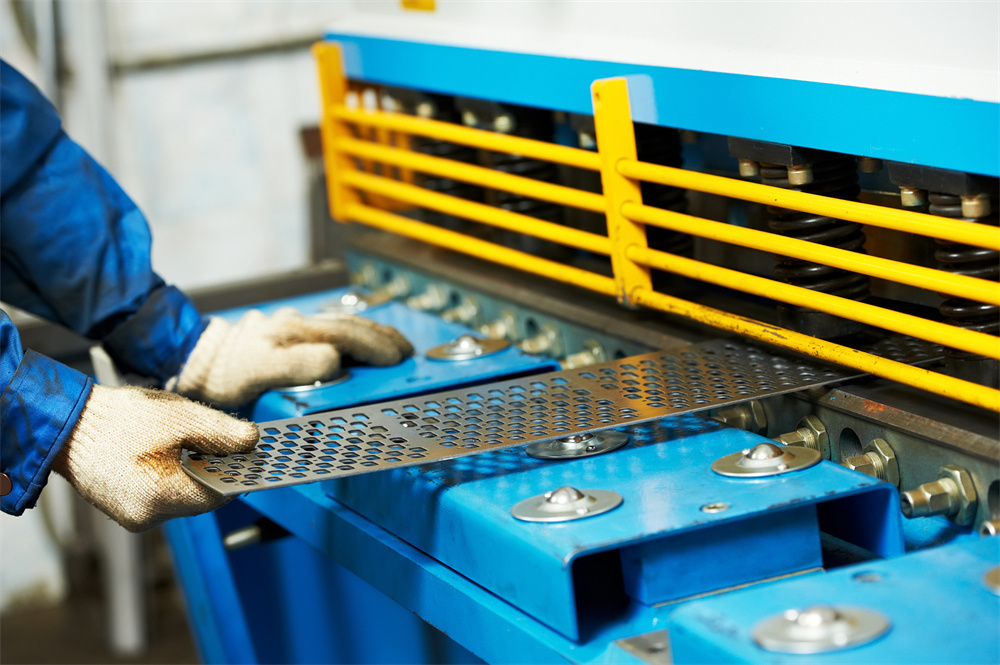
The shearing process is often the first step in the fabrication chain. If this stage is slow or inaccurate, the delay ripples through every subsequent department, from bending and welding to finishing and assembly. Traditional shears often suffer from slow cycle times, manual adjustment delays, and inconsistent accuracy, which lead to material waste and increased labor costs. A high-speed shearing machine addresses these issues by combining rapid stroke rates with precision CNC controls, ensuring that the rest of the workshop is never waiting for material.
Throughout this article, we will delve into the specific technical advantages, strategic considerations, and real-world applications of high-speed shearing. We will explore how a mid-sized fabrication shop successfully implemented these machines to double their daily throughput while maintaining tighter tolerances than ever before. This case study serves as a blueprint for any facility looking to modernize its operations and achieve a higher level of industrial performance.
Key Considerations for High-Speed Shearing Integration
Identifying Bottlenecks in Traditional Shearing
Before implementing a new solution, it is vital to understand the limitations of existing systems. In many workshops, the shearing department is characterized by a “stop-and-go” rhythm. Operators spend significant time manually measuring sheets, adjusting blade gaps for different thicknesses, and clearing scrap. These manual interventions are the primary source of downtime. In our Case Study: Optimizing Workshop Workflow A High-Speed Shearing Machine, the initial audit revealed that for every hour of machine operation, nearly twenty minutes were lost to manual adjustments and material handling.
Furthermore, traditional machines often lack the rigidity required for high-speed operation. When pushed beyond their design limits, they produce burred edges or distorted cuts, necessitating secondary grinding processes. This not only adds to the labor cost but also slows down the entire production line. By identifying these specific pain points, management can better appreciate the ROI offered by a high-speed, automated alternative that eliminates these non-value-added steps.
The Impact of Speed on Downstream Processes
Speed in shearing is not just about the number of strokes per minute; it is about the consistency of the output. When a high-speed shearing machine provides perfectly square, clean-cut blanks at a rapid pace, the bending department (press brakes) can operate at peak efficiency. There is no need for operators to sort through stacks of material to find pieces that meet the required dimensions. Every piece is identical, allowing for faster setup times on CNC press brakes.
Moreover, the reduction in material distortion is a key factor. High-speed shears often utilize advanced hold-down systems that prevent the sheet from shifting during the cut. This precision ensures that the subsequent welding and assembly stages are seamless. In our case study, the client reported a 15% reduction in welding jig adjustments because the input parts were consistently within a 0.05mm tolerance. This holistic view of the workshop workflow demonstrates that the benefits of a high-speed shear extend far beyond the cutting station itself.
Safety and Ergonomics in High-Volume Environments
As production speeds increase, safety becomes even more paramount. Modern high-speed shearing machines are equipped with sophisticated safety features such as light curtains, emergency stop buttons, and rear-guarded areas. These features are designed to protect the operator without hindering the workflow. Ergonomics also play a role; automated backgauges and front support arms reduce the physical strain on workers, allowing them to maintain high productivity levels throughout their shift without fatigue-related errors.
Integrating these machines also allows for better shop floor organization. Because the high-speed shear processes material so quickly, there is less need for large “work-in-progress” (WIP) inventories cluttering the floor. Material moves quickly from the shear to the next station, promoting a “Just-In-Time” (JIT) manufacturing philosophy. This leads to a cleaner, safer, and more organized workshop environment, which is a hallmark of a world-class fabrication facility.
Technical Details of Modern High-Speed Shearing Machines
Hydraulic Systems and Cycle Times
The heart of any high-speed shearing machine is its hydraulic system. Unlike standard shears that may use basic gear pumps, high-speed models often feature high-frequency logic valves and variable displacement pumps. These components allow for rapid cylinder movement and quick pressure buildup, resulting in a significantly higher stroke rate. For instance, while a standard hydraulic shear might manage 8-10 strokes per minute on a 2-meter sheet, a high-speed HARSLE model can achieve 20-30 strokes per minute under similar conditions.
The hydraulic system is also designed for thermal stability. High-speed operation generates heat, which can thin the hydraulic oil and lead to inconsistent pressure. Advanced machines include integrated cooling systems and high-quality seals (often from brands like NOK or SKF) to ensure that the machine performs identically during the first hour of the shift as it does during the eighth. This reliability is crucial for maintaining the workflow optimization discussed in this Case Study: Optimizing Workshop Workflow A High-Speed Shearing Machine.
Precision Control and CNC Integration
Modern shearing machines have evolved from simple mechanical devices into sophisticated CNC-controlled systems. Controllers like the E21S, DAC360T, or specialized HARSLE interfaces allow operators to program complex cutting sequences in seconds. The CNC system manages the backgauge position, stroke length, and even the blade gap adjustment automatically based on the material type and thickness entered by the operator.
This level of automation is what truly drives the “high-speed” aspect of the machine. Instead of a technician spending five minutes with a feeler gauge and a wrench to adjust the blade gap for a change from 3mm to 6mm steel, the machine adjusts itself in under ten seconds. The backgauge, driven by high-precision ball screws and servo motors, moves at speeds of up to 300mm/s with a positioning accuracy of ±0.1mm. This ensures that every cut is perfect, eliminating the need for manual checks and re-cuts.

Blade Technology and Material Versatility
The quality of the cut is heavily dependent on the blades. High-speed shearing machines typically use high-carbon, high-chrome blades (such as 6CrW2Si or Cr12MoV) that are heat-treated for maximum hardness and wear resistance. These blades feature four cutting edges, allowing them to be rotated before needing a full regrind, which maximizes machine uptime. The ability to handle a wide range of materials—from soft aluminum to high-tensile stainless steel—without changing the blade set is a significant advantage for versatile workshops.
Furthermore, the shear angle adjustment is a critical technical feature. By optimizing the rake angle (the angle at which the upper blade meets the material), the machine can minimize the “twist” and “bow” common in thin-sheet shearing. High-speed machines often allow for electronic adjustment of this angle, ensuring that even at high velocities, the material remains flat and usable for precision downstream processes like laser welding or robotic bending.
Selection Advice: Choosing the Right Shearing Solution
Material Compatibility and Capacity Planning
When selecting a high-speed shearing machine, the first step is a thorough analysis of your current and future material needs. You must consider the maximum thickness and the maximum length of the sheets you intend to cut. It is generally advisable to choose a machine with a capacity slightly higher than your thickest material to ensure the machine isn’t constantly running at its absolute limit, which can lead to premature wear. For example, if you primarily cut 6mm mild steel, a machine rated for 8mm or 10mm will provide a greater margin of safety and longevity.
Additionally, consider the material type. Stainless steel requires significantly more shearing force than mild steel or aluminum. A machine designed for high-speed operation must have a robust frame—typically a heavy-duty welded steel structure that has been stress-relieved—to handle the vibrations and forces associated with rapid cutting of hard alloys. In our Case Study: Optimizing Workshop Workflow A High-Speed Shearing Machine, the selection of a machine with a rigid “C-frame” design was key to maintaining accuracy over years of high-volume production.
Automation Levels and Budgetary Considerations
High-speed shearing machines come with various levels of automation. A basic CNC model might only control the backgauge, while a fully automated system could include sheet support systems, scrap conveyors, and even robotic loading/unloading. Your choice should be guided by your production volume and labor costs. In regions with high labor costs, the extra investment in a rear pneumatic sheet support system (which prevents thin sheets from sagging and ensures accurate measurement) often pays for itself within months through reduced scrap and faster cycle times.
It is also important to look at the total cost of ownership, not just the initial purchase price. Consider the availability of spare parts, the reputation of the manufacturer for after-sales support, and the energy efficiency of the hydraulic system. HARSLE machines, for instance, are known for using standard international components (like Schneider electrics), making them easy to maintain anywhere in the world. A slightly higher upfront cost for a well-built, high-speed machine is almost always more economical than a cheaper, slower machine that requires frequent repairs and slows down your entire workshop.
Checklist for Buyers
- Stroke Rate: Does the machine meet your required parts-per-hour target?
- Controller Ease of Use: Can your operators be trained quickly on the CNC interface?
- Accuracy: What are the guaranteed tolerances for backgauge positioning and cut squareness?
- Safety Compliance: Does the machine meet local safety standards (CE, OSHA, etc.)?
- Footprint: Does the machine fit into your existing workflow layout without creating new bottlenecks?
- Support: Does the manufacturer provide installation, training, and a robust warranty?
FAQ: Common Questions on High-Speed Shearing
How does a high-speed shear differ from a standard hydraulic shear?
The primary differences lie in the hydraulic valve response time, the power of the motor, and the speed of the backgauge. High-speed shears are engineered to minimize the “dwell time” between strokes. They also typically feature more advanced CNC controls that automate adjustments (like blade gap and rake angle) which would be manual on a standard machine. This results in a much higher throughput and better integration into a fast-paced production environment.
Can high-speed shearing machines handle stainless steel?
Yes, provided the machine is rated for the appropriate thickness. Stainless steel is harder and requires more force to shear than mild steel. When cutting stainless, it is crucial to have high-quality, sharp blades and to adjust the blade gap correctly. Most modern high-speed shears allow for these adjustments to be made via the CNC controller, making it easy to switch between different material types without significant downtime.
What maintenance is required for a high-speed shearing machine?
Regular maintenance is essential to keep the machine running at peak performance. This includes checking and changing the hydraulic oil, lubricating the moving parts (like the backgauge ball screws and the slide ways), and inspecting the blades for wear. Because high-speed machines perform more cycles in a shorter period, the frequency of these checks should be higher than for a standard machine. Many HARSLE machines feature centralized lubrication systems to simplify this process.
Is training difficult for the CNC controllers?
Most modern controllers, such as the E21S or the DAC series, are designed with user-friendliness in mind. They feature intuitive interfaces and often include a library of pre-set programs for common materials. A typical operator can become proficient in basic operations within a few hours of training. Advanced programming for complex sequences may take a few days of practice, but the overall learning curve is much shorter than it was for older, manual machines.
What is the expected ROI for a high-speed shearing machine?
While the ROI varies depending on the shop’s volume, many businesses see a full return on investment within 12 to 24 months. This is achieved through a combination of increased production capacity, reduced labor costs per part, lower scrap rates, and the elimination of secondary finishing processes. In our Case Study: Optimizing Workshop Workflow A High-Speed Shearing Machine, the client saw a 40% increase in overall shop productivity, which significantly accelerated their ROI.
Conclusion: The Future of Workshop Efficiency
As we have explored in this Case Study: Optimizing Workshop Workflow A High-Speed Shearing Machine, the integration of advanced shearing technology is a transformative step for any metal fabrication business. By addressing the fundamental bottlenecks at the start of the production line, manufacturers can unlock hidden capacity throughout their entire facility. The combination of high-speed hydraulics, precision CNC controls, and robust mechanical design ensures that the shearing process is no longer a point of delay, but a source of competitive advantage.
The transition to high-speed shearing is more than just an equipment upgrade; it is a strategic move toward a more automated, data-driven, and efficient future. As industry standards continue to rise, the ability to produce high-precision blanks at scale will be the defining characteristic of successful fabrication shops. HARSLE remains at the forefront of this evolution, providing the tools and expertise necessary for workshops to thrive in an increasingly demanding global market. By investing in the right technology today, you are not just optimizing your current workflow—you are building the foundation for long-term growth and profitability.
In conclusion, whether you are a small job shop or a large-scale industrial manufacturer, the lessons from this case study are clear: speed, precision, and integration are the keys to modern manufacturing success. High-speed shearing machines offer a proven path to achieving these goals, ensuring that your workshop remains agile, productive, and ready for whatever challenges the future may hold.