Real Results: Better Productivity and Less Scrap with a Sheet Metal Shearing Machine


Introduction: The Competitive Edge in Metal Fabrication
In the modern industrial landscape, the pressure to deliver high-quality components at lower costs is relentless. Metal fabrication shops are constantly searching for ways to optimize their workflows, and one of the most critical areas for improvement is the initial cutting phase. This is where the impact of a high-performance sheet metal shearing machine becomes undeniable. When we talk about Real Results: Better Productivity Less Scrap A Sheet Metal Shearing Machine, we are referring to a fundamental shift in how materials are handled, processed, and utilized.
HARSLE has long been at the forefront of providing machinery that doesn’t just cut metal but transforms the economic viability of a workshop. A shearing machine is often the first point of entry for raw material in a production line. If this stage is inefficient or inaccurate, the errors cascade through every subsequent process—bending, welding, and finishing. By investing in advanced shearing technology, manufacturers can ensure that every piece of metal is cut to precise specifications, minimizing the need for rework and maximizing the output per hour.
The transition from manual or outdated mechanical shears to modern hydraulic or CNC-controlled systems represents a significant leap in capability. These machines are designed to handle a variety of materials, from mild steel to stainless steel and aluminum, with consistent results. In this guide, we will explore how the right shearing machine delivers real-world results, focusing on the dual goals of increasing productivity and drastically reducing material waste.
Key Considerations for High-Efficiency Shearing
Achieving Real Results: Better Productivity Less Scrap A Sheet Metal Shearing Machine requires more than just purchasing a piece of equipment; it requires understanding the variables that influence cutting performance. The first consideration is the material thickness and type. Different metals have different tensile strengths, which dictates the shearing force required. A machine that is underpowered for the material will not only produce poor cuts but will also suffer from premature wear and tear.
Another critical factor is the blade gap adjustment. In older machines, adjusting the gap between the upper and lower blades was a manual, time-consuming process that often led to operators “making do” with a sub-optimal setting. Modern HARSLE machines often feature rapid or even automated blade gap adjustment. This ensures that whether you are cutting 1mm or 10mm plate, the edge quality remains clean, burr-free, and perfectly square. Proper blade gap is the single most important factor in reducing scrap caused by edge deformation.
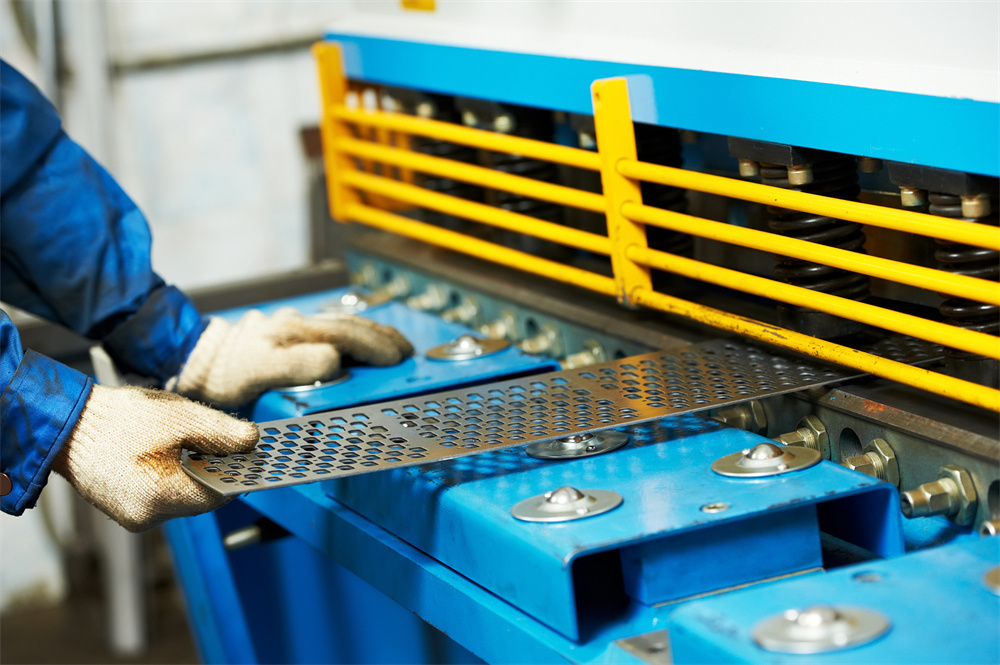
The backgauge system is the heart of productivity. A high-speed, CNC-controlled backgauge allows the operator to program multiple cuts of varying lengths in a single sequence. This eliminates the need for manual measurements and repeated setups, which are the primary sources of human error and wasted time. Furthermore, the inclusion of pneumatic sheet support systems prevents thin sheets from sagging before they reach the backgauge, ensuring that every cut is accurate to within fractions of a millimeter.
Finally, safety and ergonomics cannot be overlooked. A machine that is easy and safe to operate allows the worker to maintain a steady pace without fatigue. Features like shadow line lighting, which projects a clear line where the cut will occur, help in positioning marked sheets quickly. When the operator feels confident and the machine responds predictably, productivity naturally rises while the likelihood of “mistake-driven” scrap falls to near zero.
Technical Details: The Mechanics of Precision
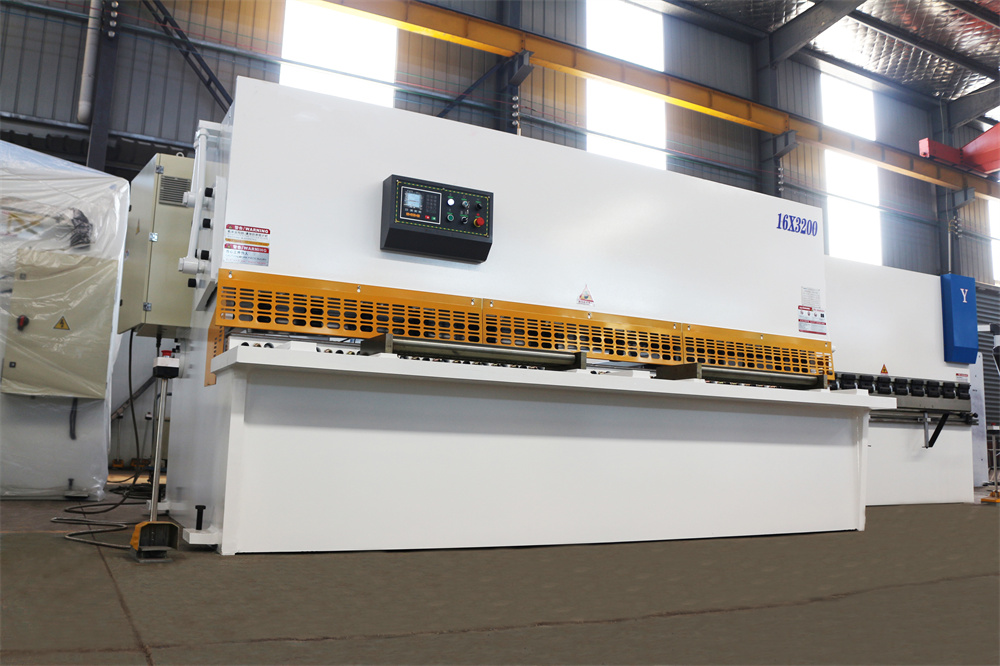
To understand how these machines deliver Real Results: Better Productivity Less Scrap A Sheet Metal Shearing Machine, we must look at the technical components that drive their performance. There are two primary types of hydraulic shears: the Swing Beam Shear and the Guillotine Shear. Each has its specific advantages depending on the application.
Swing Beam vs. Guillotine Shears
The Swing Beam shear utilizes a pivoting motion for the upper blade. This design is robust and requires less maintenance because it has fewer moving parts. It is ideal for general-purpose shearing where the material thickness is relatively consistent. However, the Guillotine shear moves the upper blade in a strictly vertical path. This allows for an adjustable rake angle (the angle of the blade relative to the sheet). By reducing the rake angle for thinner materials, the machine can minimize “twist” and “bow” in the cut pieces, which is essential for maintaining high quality in narrow strips.
Hydraulic Systems and Control Units
The hydraulic system in a HARSLE shearing machine is engineered for reliability and speed. High-quality valves and pumps ensure that the pressure is applied evenly across the entire length of the cut. This prevents the sheet from shifting during the shearing process. Integrated with this is the CNC controller, such as the E21S or DAC-310T. These controllers manage the backgauge position, cut counting, and sometimes the rake angle and blade gap. The ability to store programs for recurring jobs means that a shop can switch from one project to another in seconds, not minutes.
| Feature | Benefit for Productivity | Impact on Scrap Reduction |
|---|---|---|
| CNC Backgauge | Faster setup and cycle times | Eliminates manual measurement errors |
| Adjustable Rake Angle | Allows for faster cutting of thin materials | Prevents twisting and bowing of strips |
| Pneumatic Sheet Support | Supports thin sheets for high-speed feeding | Ensures accurate positioning against backgauge |
| Automatic Blade Gap | Reduces downtime between different thicknesses | Ensures clean edges and prevents burrs |
The blades themselves are typically made from high-carbon, high-chrome steel (such as Cr12MoV or 6CrW2Si). These materials are chosen for their ability to hold a sharp edge over thousands of cycles. A sharp blade requires less force to cut, which puts less strain on the machine’s frame and hydraulic system, leading to a longer overall machine lifespan and more consistent results over time.
Selection Advice: Choosing the Right Shearing Machine
Selecting the right machine is the first step toward achieving Real Results: Better Productivity Less Scrap A Sheet Metal Shearing Machine. The process should begin with a thorough audit of your current and future production needs. Don’t just buy for the work you have today; buy for the work you want to have tomorrow. If you currently process 6mm mild steel but see a trend toward 8mm or 10mm, investing in a higher-capacity machine now will save you from a costly upgrade later.
Consider the following checklist when evaluating a shearing machine:
- Maximum Cutting Length: Ensure the machine can handle your widest sheets. Standard lengths are 2500mm, 3200mm, and 4000mm, but custom sizes are available.
- Material Capacity: Check the rating for both mild steel and stainless steel. Stainless steel requires significantly more force and harder blades.
- Backgauge Range: If you produce long parts, ensure the backgauge has enough travel. Look for “swing-away” backgauges that allow for cutting sheets longer than the gauge’s maximum reach.
- Control Sophistication: Do you need a simple digital display (NC) or a full touch-screen CNC? For high-mix, low-volume shops, CNC is almost always the better investment.
- After-Sales Support: A machine is only productive when it’s running. Choose a manufacturer like HARSLE that provides robust technical support and readily available spare parts.
Furthermore, look at the frame construction. A heavy, welded steel frame provides the rigidity necessary to prevent deflection during heavy cuts. Deflection is the enemy of accuracy; if the frame flexes, the blade gap changes mid-cut, leading to a poor finish and potential scrap. A well-built machine should feel solid and operate with minimal vibration.
FAQ: Maximizing Your Shearing Investment
How often should I rotate or sharpen the shearing blades?
This depends entirely on the material being cut and the volume of production. Generally, most shearing blades have four cutting edges (for the lower blade) and two or four for the upper. You should rotate the blades as soon as you notice a decrease in cut quality or an increase in burr height. Regular inspection every few months is recommended for high-volume shops.
Can a shearing machine cut materials other than steel?
Yes, shearing machines can cut aluminum, copper, brass, and even some plastics. However, the blade gap and rake angle must be adjusted specifically for these materials. Aluminum, for example, is much softer and can “smear” if the gap is too tight, while harder alloys might require specialized blade materials.
What is the main cause of “bowing” in sheared strips?
Bowing is usually caused by an excessively high rake angle. While a high rake angle reduces the force needed to cut thick material, it increases the distortion in narrow strips. To reduce bowing, you should use a machine with an adjustable rake angle and set it as low as possible for the material thickness you are cutting.
How does a CNC controller actually improve productivity?
A CNC controller automates the positioning of the backgauge and, in advanced models, the blade gap and rake angle. This means the operator doesn’t have to stop and manually adjust the machine between different types of cuts. It also allows for the storage of “programs,” so complex jobs can be repeated perfectly every time without re-measuring.
Is hydraulic oil maintenance really that important?
Absolutely. The hydraulic system is the lifeblood of the machine. Contaminated or overheated oil can damage valves and seals, leading to pressure loss and inaccurate cuts. Regularly changing the oil and filters, and ensuring the cooling system is functional, will prevent expensive downtime and maintain the machine’s precision.
Conclusion: The Path to Operational Excellence
In conclusion, achieving Real Results: Better Productivity Less Scrap A Sheet Metal Shearing Machine is a tangible goal for any fabrication business willing to invest in quality technology. By focusing on precision, automation, and robust mechanical design, HARSLE shearing machines provide the foundation for a more efficient production line. The reduction in scrap alone can often pay for the machine over its first few years of operation, as material costs continue to rise and margins remain tight.
Productivity is not just about speed; it’s about the consistent delivery of perfect parts. When every cut is square, every dimension is accurate, and every edge is clean, the entire shop floor runs more smoothly. Welders spend less time filling gaps, and assembly teams spend less time forcing parts to fit. This holistic improvement in the manufacturing process is the true value of a high-quality shearing machine.
Whether you are a small job shop or a large-scale industrial manufacturer, the principles remain the same: choose the right tool for the job, maintain it diligently, and leverage the power of modern control systems. With HARSLE, you are not just buying a machine; you are investing in a partnership dedicated to your long-term success and operational excellence. The results—better productivity and less scrap—are waiting for you.