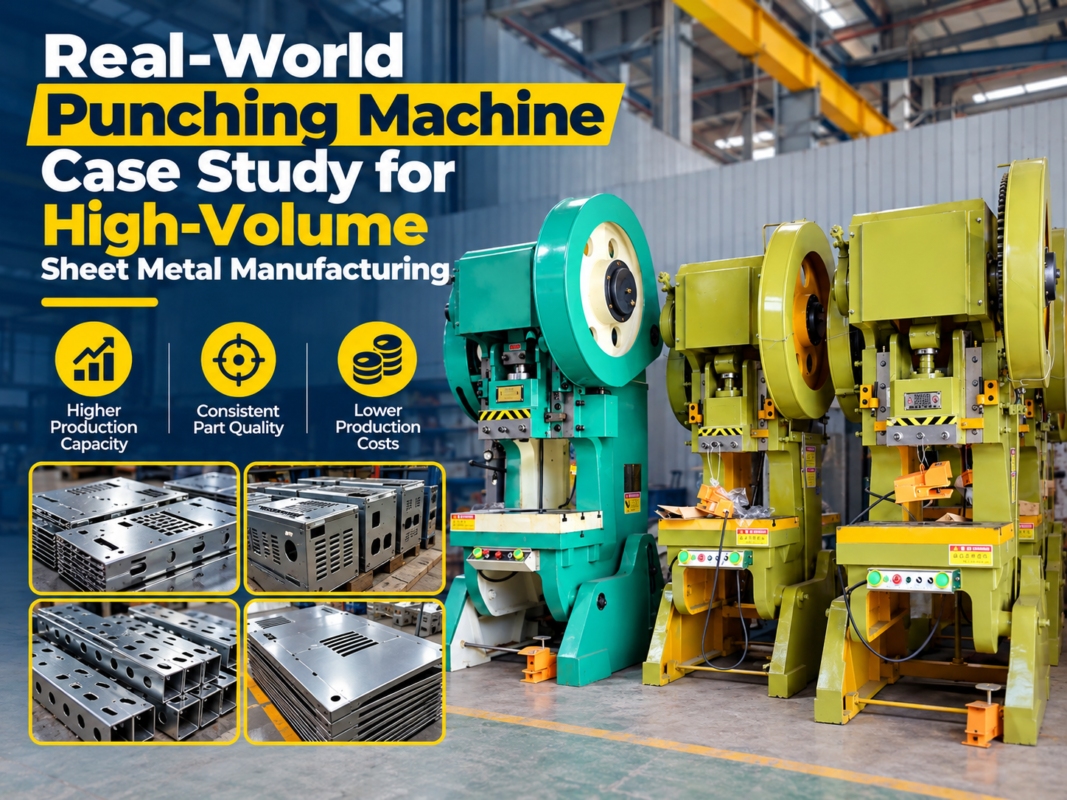
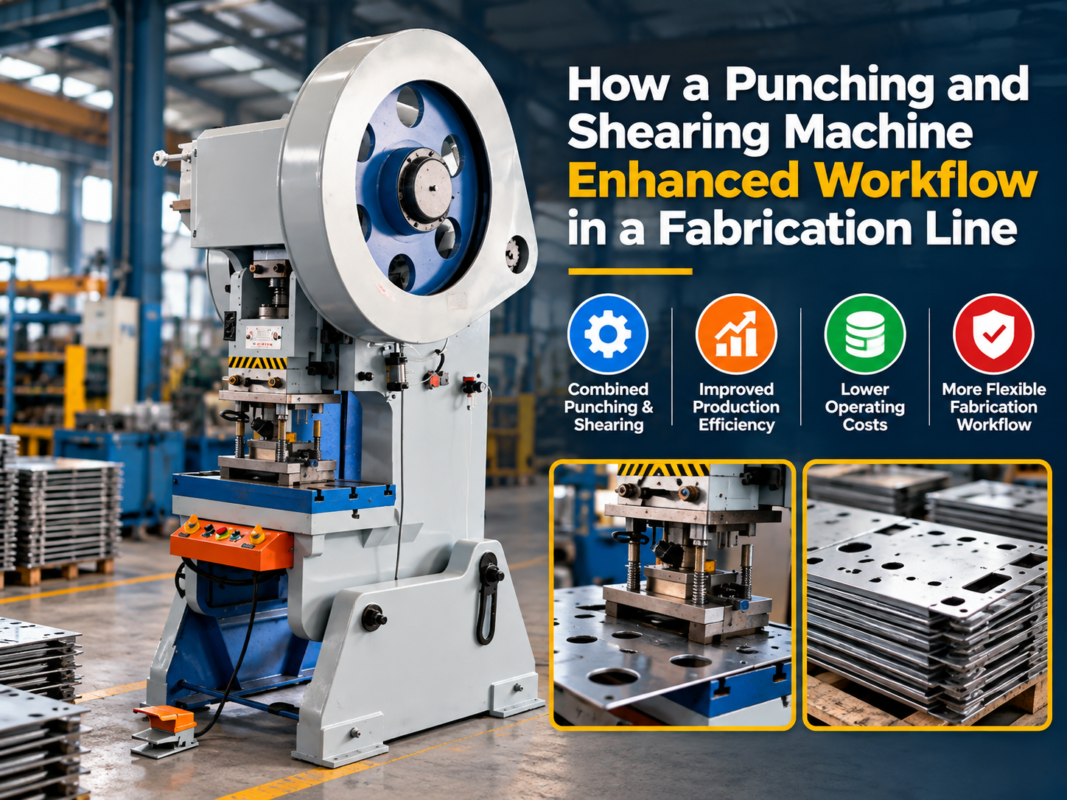
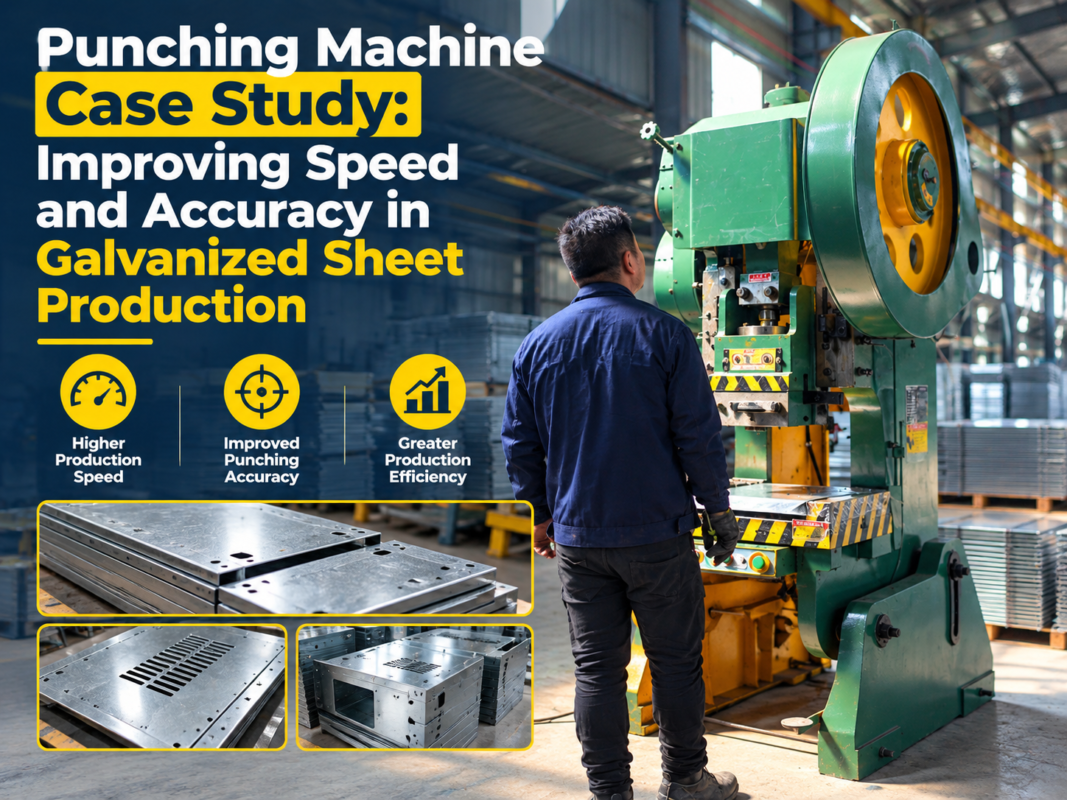
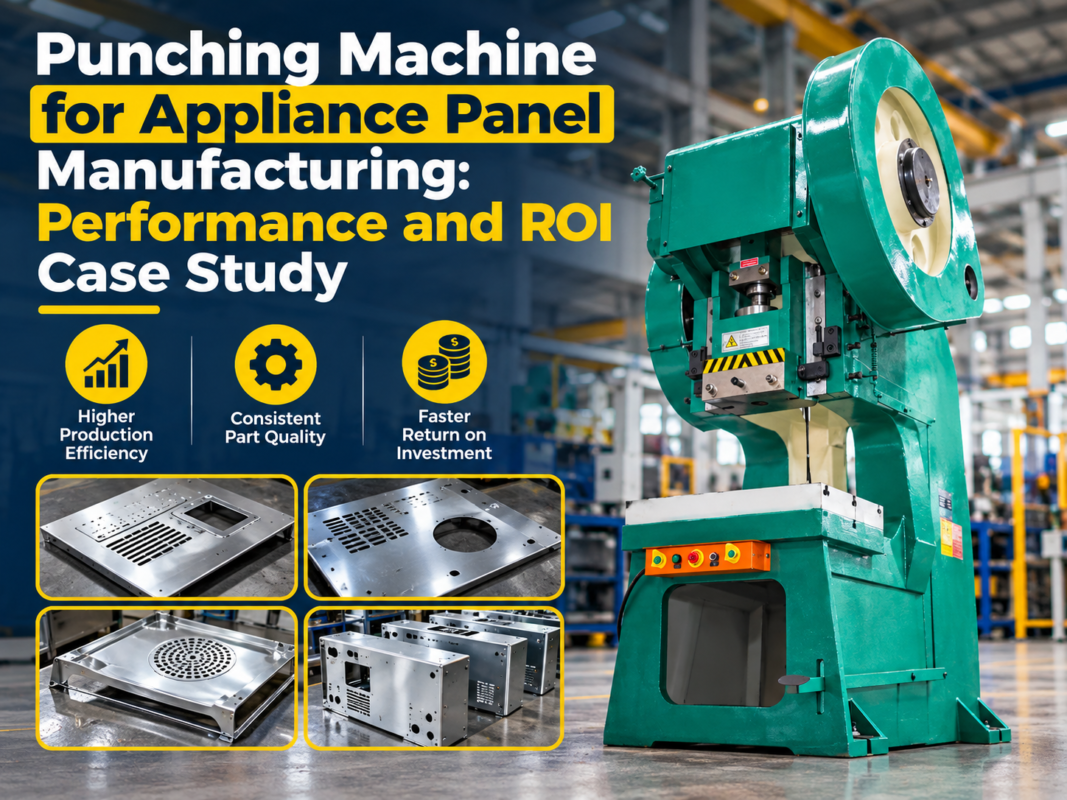
Hydraulic Press Case Study: Optimizing Production for Custom Metal Enclosures


Introduction: The Evolution of Metal Enclosure Fabrication
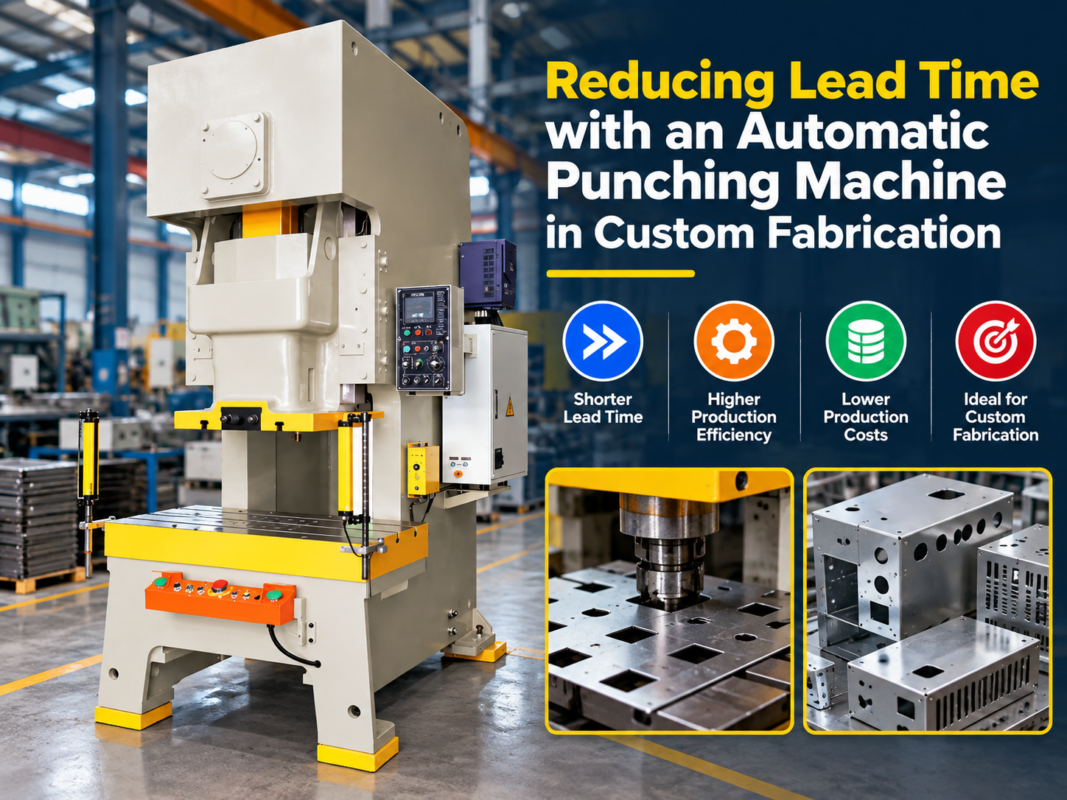
In the modern industrial landscape, the demand for custom metal enclosures has skyrocketed. From telecommunications cabinets and electrical junction boxes to specialized medical equipment housings and renewable energy battery storage units, the need for precision-engineered enclosures is more critical than ever. Manufacturers are no longer just looking for basic boxes; they require complex geometries, high-strength materials, and impeccable surface finishes. This shift has placed immense pressure on traditional fabrication methods, leading many industry leaders to turn toward advanced hydraulic press technology.
This Hydraulic Press Case Study: Optimizing Production Custom Metal Enclosures examines how the integration of high-performance hydraulic presses can transform a production line. By moving away from labor-intensive manual processes or outdated mechanical presses, manufacturers can achieve a level of consistency and efficiency that was previously unattainable. The hydraulic press offers a unique combination of controllable force, long stroke lengths, and the ability to handle various material thicknesses, making it the ideal tool for the diverse requirements of custom enclosure fabrication.
HARSLE has been at the forefront of this technological shift, providing custom-tailored hydraulic solutions that address the specific pain points of enclosure manufacturers. Whether it is reducing cycle times, minimizing material waste, or ensuring the structural integrity of deep-drawn components, the right hydraulic press setup serves as the backbone of a modern fabrication facility. In the following sections, we will delve into the technical nuances and strategic considerations that define a successful enclosure production optimization project.
Key Considerations for Optimizing Enclosure Production
When optimizing production for custom metal enclosures, several factors must be balanced to ensure both quality and profitability. The first consideration is material versatility. Enclosures are often made from a variety of metals, including cold-rolled steel, stainless steel, and aluminum. Each material reacts differently under pressure. For instance, stainless steel requires significantly higher tonnage and more precise speed control to prevent work hardening and cracking, whereas aluminum demands a gentler touch to avoid surface marring. A versatile hydraulic press allows for the fine-tuning of these parameters.
Another critical factor is the complexity of the enclosure design. Modern enclosures often feature integrated cooling vents, recessed mounting points, and complex flanges. Achieving these features in a single hit or a streamlined sequence requires a press with high repeatability and advanced die-cushion capabilities. The ability to control the blank holder force independently of the main ram pressure is essential for deep-drawing operations, ensuring that the metal flows smoothly into the die without wrinkling or tearing.
Production volume and cycle time also play a pivotal role. While custom enclosures often imply lower volumes than mass-produced consumer goods, the “custom” aspect usually means a high mix of parts. Therefore, the optimization strategy must focus on reducing setup times. Features like Quick Die Change (QDC) systems and programmable logic controllers (PLCs) that store multiple job profiles allow operators to switch between different enclosure models in minutes rather than hours. This flexibility is the cornerstone of a lean manufacturing approach in the enclosure industry.
Finally, the structural integrity and aesthetic finish of the final product cannot be overlooked. Enclosures often serve as the protective shell for sensitive electronics or high-voltage components. Any structural weakness or aesthetic defect, such as uneven bends or tool marks, can lead to product rejection. A well-optimized hydraulic press setup ensures that the force is distributed evenly across the workpiece, resulting in uniform wall thickness and clean, sharp corners that meet the most stringent industrial standards.
Technical Details: The Mechanics of Precision Pressing
The technical superiority of a hydraulic press in enclosure fabrication lies in its fundamental mechanics. Unlike mechanical presses, which have a fixed stroke and a force that varies depending on the position of the ram, a hydraulic press delivers full rated tonnage at any point in the stroke. This is particularly advantageous for deep-drawing enclosures, where consistent pressure is required throughout the entire forming process. The ability to dwell at the bottom of the stroke also helps in setting the shape and reducing springback, a common issue with high-strength alloys.
Modern HARSLE hydraulic presses utilize advanced hydraulic circuits equipped with proportional valves. These valves allow for the precise control of the ram’s approach speed, pressing speed, and return speed. By slowing down the ram just before it contacts the material, the system reduces the impact shock, which extends tool life and improves the surface finish of the enclosure. Furthermore, the integration of linear encoders provides real-time feedback on the ram’s position, allowing for tolerances within fractions of a millimeter.
Comparison of Press Types for Enclosure Fabrication
| Feature | H-Frame Hydraulic Press | C-Frame Hydraulic Press | Servo-Hydraulic Press |
|---|---|---|---|
| Structural Rigidity | Very High (4-column support) | Moderate (Open throat) | High to Very High |
| Best Application | Large, deep-drawn enclosures | Small components & punching | High-precision, energy-efficient |
| Footprint | Large | Compact | Moderate |
| Control Precision | High | Standard | Ultra-High |
The hydraulic system’s cooling and filtration units are also vital technical components. During continuous production runs, hydraulic oil can heat up, leading to changes in viscosity and potential fluctuations in pressure. High-end presses include integrated oil coolers and multi-stage filtration systems to maintain consistent oil properties, ensuring that the first enclosure produced in the morning is identical to the last one produced at the end of the shift. This thermal stability is a key factor in maintaining long-term process capability (Cpk) levels.
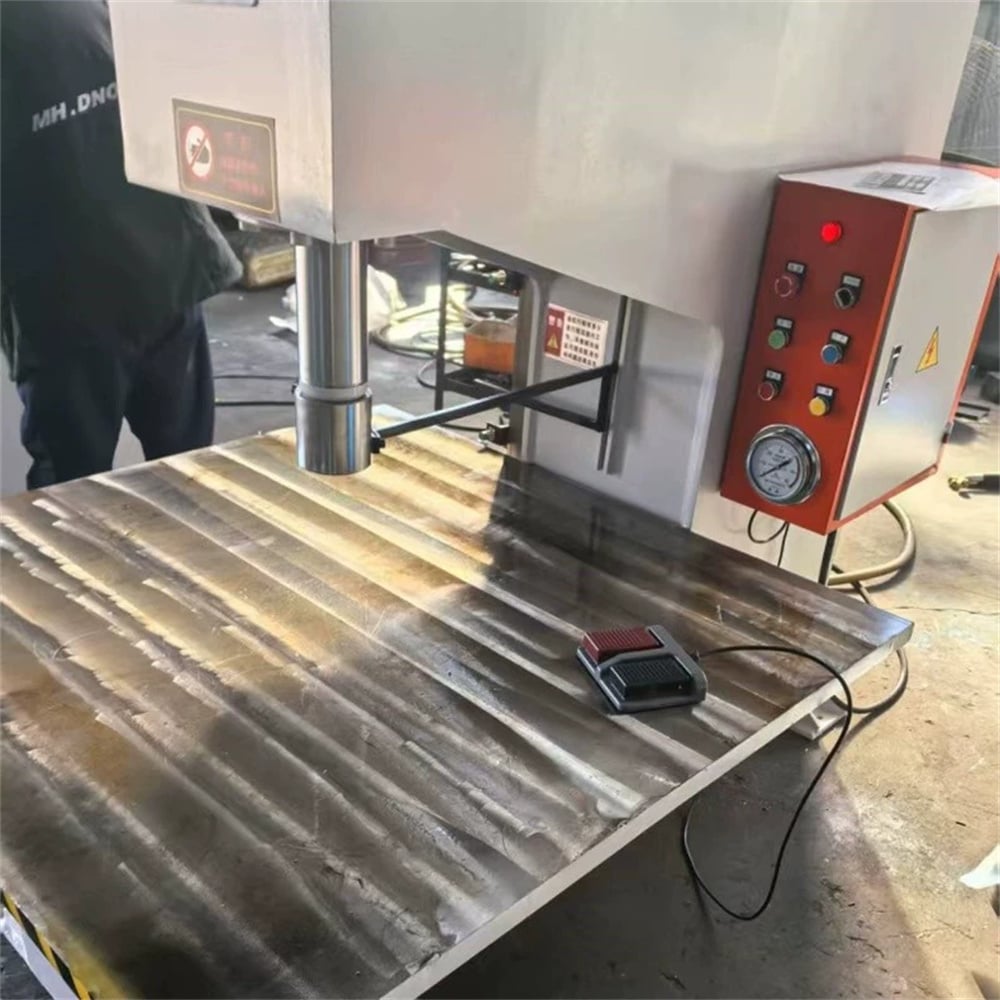
Furthermore, the safety systems integrated into these machines have evolved significantly. Light curtains, dual-hand reset buttons, and hydraulic interlocking blocks are standard features that protect the operator without significantly hindering the production flow. In the context of our Hydraulic Press Case Study: Optimizing Production Custom Metal Enclosures, these safety features also contribute to uptime by preventing accidents that could lead to machine damage or regulatory shutdowns.
Selection Advice: Choosing the Right Press for Your Enclosures
Selecting the right hydraulic press for custom metal enclosures requires a deep understanding of your current product portfolio and future growth plans. The first step is to determine the maximum tonnage required. This is calculated based on the material type, thickness, and the total length of the bends or the surface area of the draw. It is always advisable to select a press with a capacity roughly 20-25% higher than your maximum calculated requirement to avoid running the machine at its absolute limit, which can lead to premature wear.
The dimensions of the bolster and the daylight (the distance between the bed and the ram in the open position) are equally important. For custom enclosures, which can range from small handheld device covers to large industrial server racks, a large bolster area provides the flexibility to mount various die sets. If you plan on performing multi-stage forming within a single press, ensure the bed is wide enough to accommodate progressive or transfer dies. Additionally, a generous daylight measurement is necessary for removing deep-drawn parts easily.
Consider the level of automation required. If your production involves high volumes of a few specific enclosure types, integrating the press with a coil feeding line or a robotic arm for part loading/unloading can drastically increase throughput. However, for highly customized, low-volume work, focus more on the ease of setup and the user-friendliness of the CNC interface. A press that allows for the storage of hundreds of different tool configurations will provide a better return on investment in a high-mix environment.
Lastly, evaluate the manufacturer’s support and the machine’s maintainability. A hydraulic press is a long-term investment that should last for decades. Choosing a reputable brand like HARSLE ensures that you have access to technical expertise, spare parts, and software updates. Look for machines designed with standard, high-quality hydraulic components (such as Rexroth or Vickers valves) that are easily accessible for routine maintenance. A well-maintained press is not only more reliable but also retains a higher resale value.
FAQ: Common Questions on Enclosure Fabrication
What is the advantage of a hydraulic press over a press brake for enclosures?
While a press brake is excellent for simple flanging and bending, a hydraulic press is superior for enclosures that require deep drawing, complex embossing, or multiple operations in a single stroke. A hydraulic press provides more uniform pressure across the entire surface of the part, which is essential for maintaining structural integrity in deep-drawn boxes.
How do I prevent wrinkling when drawing stainless steel enclosures?
Wrinkling is usually caused by insufficient blank holder pressure. Using a hydraulic press with a programmable die cushion allows you to apply specific pressure to the edges of the blank, controlling the flow of metal into the die cavity. Proper lubrication and ensuring the correct draw bead design also play significant roles in preventing wrinkles.
Can one hydraulic press handle different material thicknesses?
Yes, one of the primary benefits of a hydraulic press is its adaptability. Unlike mechanical presses that have a fixed energy curve, a hydraulic press can be programmed to deliver the exact force needed for a 1mm aluminum sheet or a 5mm steel plate. The operator simply adjusts the pressure settings on the PLC.
What maintenance is required for a high-production hydraulic press?
Routine maintenance includes monitoring oil levels and quality, checking for leaks in hydraulic lines, inspecting seal integrity, and ensuring the lubrication of the ram guides. Regularly scheduled professional inspections of the hydraulic valves and electrical systems are also recommended to prevent unexpected downtime.
Is a servo-hydraulic press worth the extra investment?
For many manufacturers, yes. Servo-hydraulic presses offer significant energy savings (up to 50% in some cases) because the motor only runs when the press is actively moving. They also provide even greater precision in speed and position control, which can reduce scrap rates for very complex or expensive custom enclosures.
Conclusion: Achieving Excellence in Metal Fabrication
As we have explored in this Hydraulic Press Case Study: Optimizing Production Custom Metal Enclosures, the path to manufacturing excellence lies in the strategic application of technology. The transition from traditional forming methods to advanced hydraulic pressing is not merely an upgrade in machinery; it is a fundamental shift in how a business approaches quality, efficiency, and market responsiveness. By leveraging the controllable power and versatility of a HARSLE hydraulic press, manufacturers can tackle the most challenging enclosure designs with confidence.
The optimization of production is a continuous journey. It begins with selecting the right equipment, but it thrives through the fine-tuning of processes, the training of skilled operators, and the commitment to maintaining the highest technical standards. In an era where customization is king, the ability to produce high-quality metal enclosures quickly and cost-effectively is a powerful competitive advantage. Whether you are producing small electronic housings or massive industrial cabinets, the right hydraulic solution ensures that your production line is as robust and adaptable as the products you create.
Ultimately, the success of any fabrication project depends on the synergy between the machine and the manufacturer’s vision. By focusing on the technical details, considering the long-term selection criteria, and addressing the practical challenges of the shop floor, businesses can transform their enclosure production from a bottleneck into a high-performance engine of growth. HARSLE remains committed to providing the tools and expertise necessary to make that transformation a reality for fabricators worldwide.