Shearing Machine Safety Guard Problems: Causes and Quick Checks


Introduction to Shearing Machine Safety Guard Problems
In the high-stakes environment of metal fabrication, the shearing machine stands as a cornerstone of production. Whether it is a hydraulic swing beam shear or a high-precision guillotine shear, these machines exert immense force to cut through heavy steel plates. However, with great power comes significant risk. The safety guard is the most critical component of any shearing machine, designed to protect operators from catastrophic injuries. Despite their importance, Shearing Machine Safety Guard Problems: Causes Quick Checks are often overlooked until a malfunction occurs or an inspection is failed.
Safety guards are not merely physical barriers; they are integrated systems involving mechanical structures, electrical sensors, and hydraulic interlocks. When these systems fail, the machine becomes a liability. Understanding the root causes of safety guard failures is essential for any shop manager or maintenance engineer. This guide delves deep into the common issues encountered with shearing machine guards, providing technical insights and actionable quick checks to ensure your workplace remains safe and compliant with international standards like OSHA and CE.
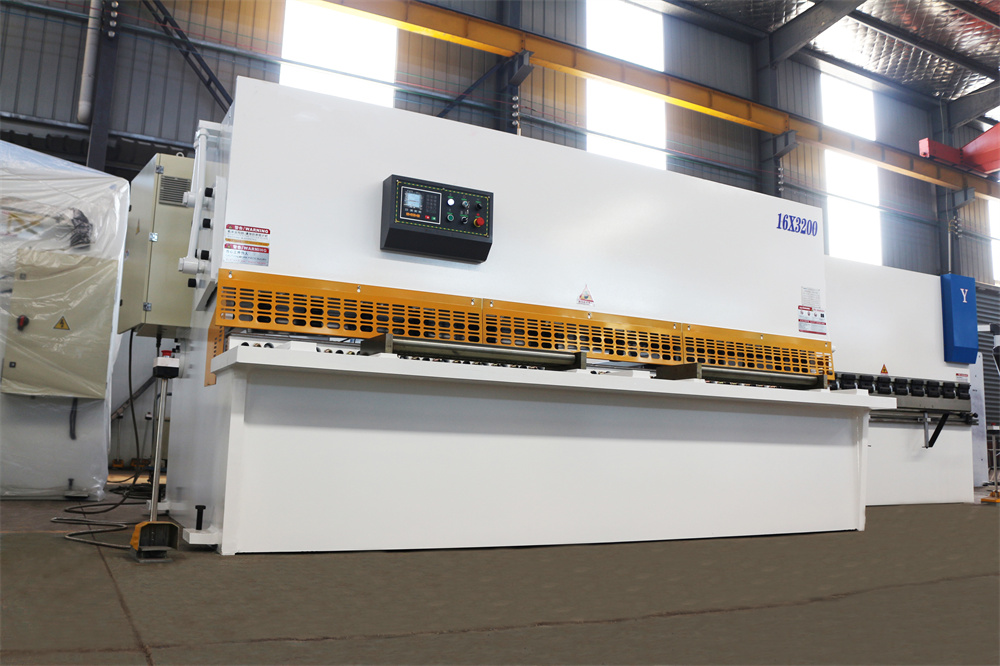
At HARSLE, we prioritize the integration of advanced safety features in our machinery. However, even the best-engineered guards require regular maintenance and troubleshooting. By identifying problems early through systematic checks, manufacturers can avoid costly downtime and, more importantly, prevent workplace accidents. This article serves as a comprehensive resource for identifying, diagnosing, and resolving safety guard issues in industrial shearing environments.
Key Considerations for Shearing Machine Safety
When addressing Shearing Machine Safety Guard Problems: Causes Quick Checks, one must first consider the regulatory landscape. Safety is not just a best practice; it is a legal requirement. In the United States, OSHA 1910.212 provides general requirements for all machines, stating that point-of-operation guarding is mandatory. In Europe, the Machinery Directive (2006/42/EC) sets even more stringent standards for safety circuits and interlocking devices. Failure to maintain these guards can lead to heavy fines and legal repercussions.
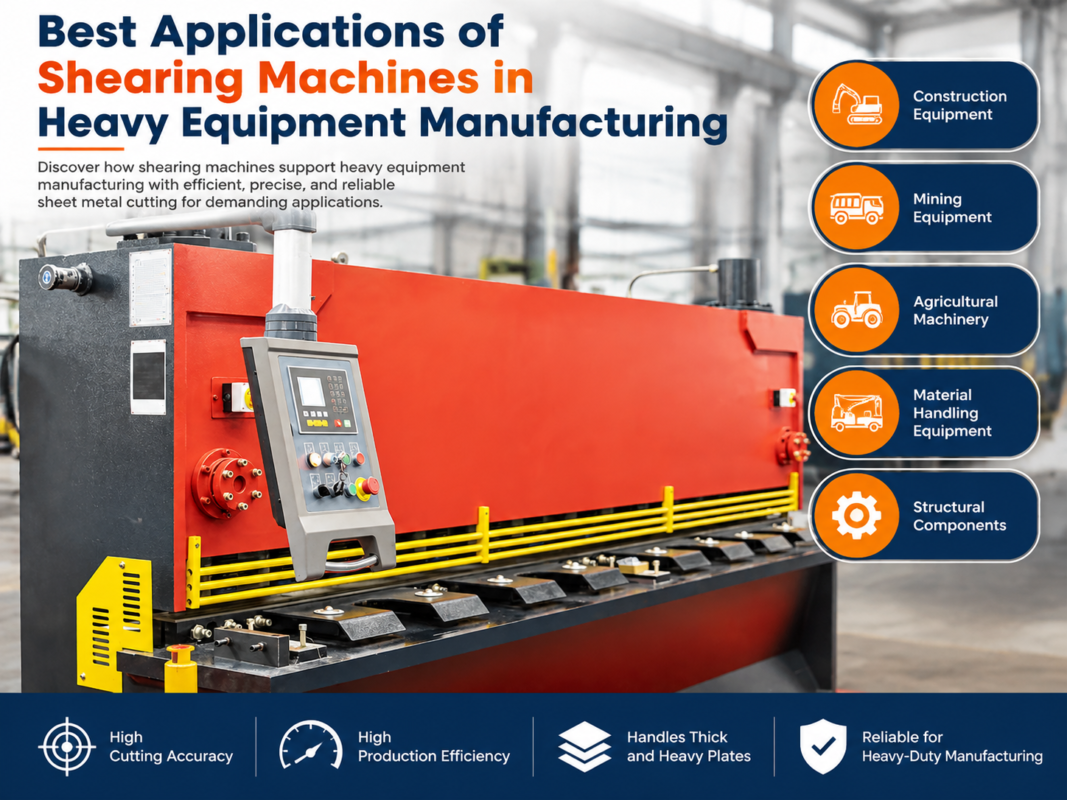
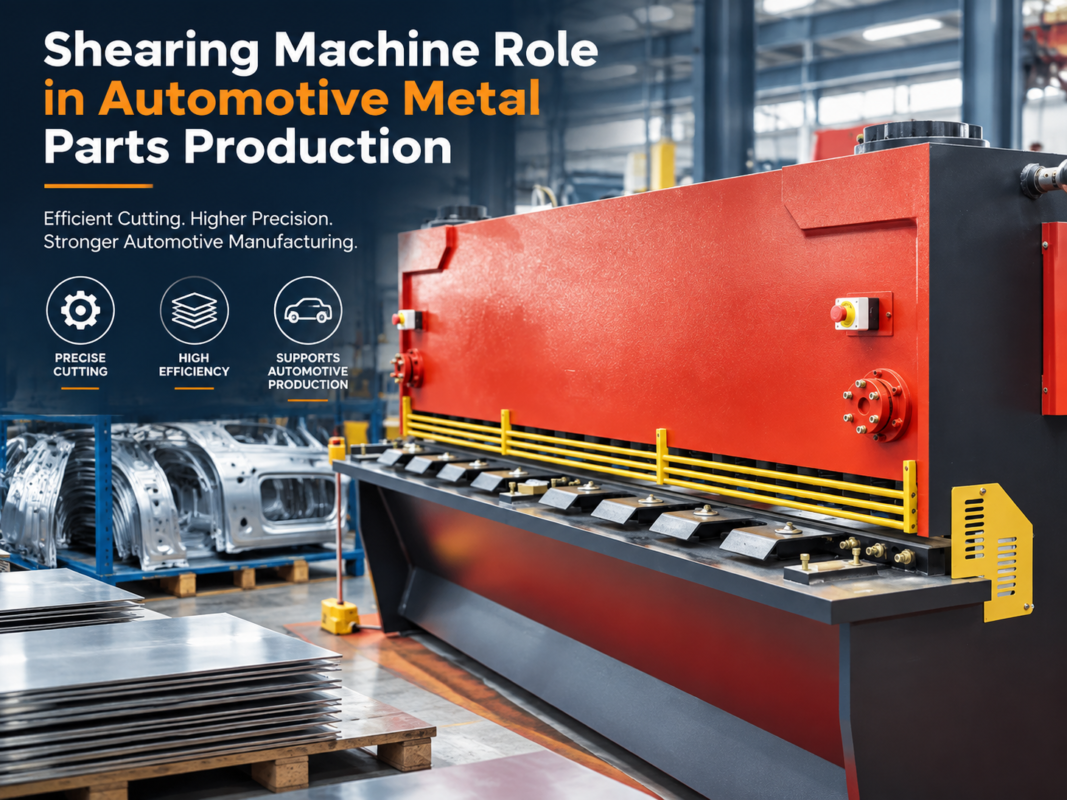
Another key consideration is the type of guard being used. Fixed guards are the simplest, providing a permanent physical barrier. However, they can sometimes obstruct the operator’s view or make material handling difficult, leading some workers to attempt to bypass them. Interlocked guards are more complex; they disable the machine’s power source when the guard is opened. Light curtains (photoelectric guards) offer a non-physical barrier that stops the machine if the light beam is broken. Each type has its own set of common failure points that must be understood.
The psychological aspect of safety is also vital. If a safety guard is poorly designed or frequently malfunctions, operators may view it as a hindrance to productivity. This leads to “workarounds” where guards are taped back or sensors are jumped. A robust safety culture involves ensuring that guards are functional, easy to work with, and regularly inspected. If the guard is causing a bottleneck, the problem might not be the operator, but a technical misalignment or a poor choice of guarding technology for that specific application.
Finally, environmental factors play a massive role in guard reliability. Metal fabrication shops are often dusty, oily, and subject to high vibrations. These conditions are hostile to sensitive electronic sensors and precision mechanical hinges. Regular cleaning and vibration dampening are essential considerations that are often missed in standard maintenance routines. Without addressing the environment, any fix to a safety guard problem will likely be temporary.
Technical Details: Causes of Safety Guard Failures
Mechanical Wear and Vibration
The primary cause of physical guard failure is mechanical fatigue. Shearing machines generate significant vibration during the cutting cycle. Over time, this vibration can loosen the bolts holding fixed guards in place, causing them to rattle or shift. If a guard shifts even a few millimeters, it may no longer provide the necessary protection or might interfere with the movement of the ram or the backgauge. Furthermore, hinges on swinging or sliding guards can wear out, leading to misalignment that prevents interlocking switches from engaging correctly.
In hydraulic shears, the shockwaves produced when the blade hits the metal can be particularly damaging. This constant pounding can cause hairline cracks in the mounting brackets of the safety guards. If these cracks are not detected during routine inspections, the entire guard assembly could fail during a machine malfunction, failing to contain flying debris or preventing accidental entry into the cutting zone.
Electrical and Sensor Malfunctions
Modern shearing machines rely heavily on photoelectric sensors and magnetic interlocks. A common issue in the context of Shearing Machine Safety Guard Problems: Causes Quick Checks is the misalignment of light curtains. If the transmitter and receiver are not perfectly aligned, the safety circuit will remain open, preventing the machine from starting. This is often caused by accidental bumps from forklifts or material handling equipment. Additionally, dust and oil mist can accumulate on the lenses of these sensors, scattering the light beam and causing intermittent “ghost” trips that halt production for no apparent reason.

Wiring issues are another technical hurdle. The cables connecting the safety guards to the main control PLC (Programmable Logic Controller) are often subjected to flexing and environmental degradation. A frayed wire or a loose terminal in the junction box can cause the safety system to fail in a “non-safe” mode, or more commonly, cause the machine to shut down unexpectedly. Ensuring that all wiring is housed in protective conduits and that terminals are tightened to the correct torque is a critical technical requirement.
Hydraulic Interlock Failures
In many high-end shearing machines, the safety guard is tied directly into the hydraulic system via a safety valve. If the guard is breached, the valve redirects hydraulic fluid back to the tank, instantly stopping the downward motion of the blade. Problems arise when these safety valves become clogged with contaminated hydraulic oil. If the valve sticks in the open position, the safety guard may appear to be functional, but it will fail to stop the machine in an emergency. This is a hidden danger that can only be detected through functional testing of the safety circuit.
Quick Checks and Troubleshooting Guide
To maintain a safe working environment, operators and maintenance staff should perform regular “Quick Checks.” Below is a systematic approach to diagnosing Shearing Machine Safety Guard Problems: Causes Quick Checks:
- Visual Inspection of Physical Barriers: Check all fixed and movable guards for cracks, loose bolts, or deformation. Ensure that the mesh size of the guard is small enough to prevent fingers from reaching the hazard zone.
- Light Curtain Alignment Test: Check the status LEDs on the light curtain. A green light usually indicates proper alignment, while red or amber indicates a fault. Clean the lenses with a soft, lint-free cloth and specialized cleaner to remove oil and dust.
- Interlock Functionality Test: With the machine in a safe state, attempt to cycle the machine while the guard is open. The machine should not respond. If it does, the interlock switch is likely bypassed or faulty.
- Emergency Stop (E-Stop) Verification: Press every E-stop button on the machine individually. Verify that the machine stops immediately and requires a manual reset before restarting.
- Response Time Check: Observe the time it takes for the blade to stop once a safety barrier is breached. If the stop time is noticeably slower than usual, it may indicate air in the hydraulic lines or a failing safety valve.
| Problem | Potential Cause | Quick Check / Solution |
|---|---|---|
| Machine won’t start | Light curtain misalignment or dirty lens | Clean lenses and check alignment LEDs |
| Intermittent stopping | Loose wiring or vibrating interlock switch | Tighten electrical terminals and mounting bolts |
| Guard doesn’t lock | Mechanical misalignment of the door/gate | Re-align hinges and check for debris in tracks |
| Slow safety response | Hydraulic safety valve contamination | Inspect hydraulic fluid and clean safety valves |
Selection Advice for Shearing Machine Safety Systems
When purchasing a new shearing machine or retrofitting an old one, selecting the right safety system is paramount. For high-volume production environments, light curtains are often the best choice. They allow for rapid material loading and unloading without the need to manually open and close gates. However, ensure the light curtain has a high enough resolution (the distance between beams) to detect a finger or hand, depending on the distance from the hazard.
For heavy-duty applications where large plates are being sheared, physical fencing with interlocked gates provides the highest level of protection against flying debris or material kickback. When selecting these, look for “trapped key” systems or high-coded magnetic switches that are difficult to defeat or bypass. The material of the guard itself should be robust—polycarbonate shields offer great visibility while being impact-resistant, whereas steel mesh is better for ventilation and durability.
Consider the integration level. A safety system that is fully integrated into the machine’s CNC controller, such as those found on HARSLE’s premium models, provides better diagnostic feedback. Instead of just a “machine won’t run” error, the screen can specifically identify which safety sensor is tripped or misaligned, drastically reducing troubleshooting time. Always choose components from reputable brands like Sick, Pilz, or Omron, as these meet global safety integrity levels (SIL).
Finally, think about the future. As safety regulations evolve, your machine should be capable of being upgraded. A modular safety PLC is a wise investment, allowing you to add more sensors or E-stops as your shop floor layout changes. When consulting with a manufacturer like HARSLE, ask about the “Safety Category” of the machine to ensure it matches the risk profile of your specific operations.
Frequently Asked Questions (FAQ)
1. How often should I check my shearing machine safety guards?
Daily checks should be performed by the operator at the start of every shift. This includes a visual inspection and a functional test of the E-stops and interlocks. A more thorough technical inspection by a qualified maintenance technician should be conducted monthly.
2. Can I bypass a safety guard if it’s slowing down production?
Absolutely not. Bypassing a safety guard is a violation of safety regulations and puts the operator at extreme risk. If a guard is slowing down production, the solution is to re-evaluate the guarding method or the workflow, not to disable the safety device.
3. What is the difference between a Type 2 and Type 4 light curtain?
Type 4 light curtains are designed for high-risk applications like shearing machines. They have higher levels of redundancy and self-checking capabilities compared to Type 2, which are intended for lower-risk areas. Always use Type 4 for point-of-operation guarding on shears.
4. Why does my light curtain trip when there is nothing in the way?
This is usually due to environmental interference. Check for highly reflective surfaces (like polished stainless steel) near the beam, heavy dust accumulation, or intense ambient light (like direct sunlight or welding arcs) hitting the receiver.
5. How do I know if my safety guard meets OSHA standards?
OSHA requires that the guard prevents any part of the operator’s body from entering the danger zone during the operating cycle. You can use a “tapered probe” test to see if a finger, hand, or arm can reach the blade through or under the guard.
Conclusion: Prioritizing Safety in Metal Fabrication
Addressing Shearing Machine Safety Guard Problems: Causes Quick Checks is a continuous process that requires diligence, technical knowledge, and a commitment to workplace safety. A well-maintained safety guard does more than just prevent accidents; it builds confidence in your operators, reduces insurance premiums, and ensures uninterrupted production. By understanding the mechanical, electrical, and hydraulic factors that lead to guard failure, you can implement a proactive maintenance strategy that catches problems before they escalate.
At HARSLE, we understand that a shearing machine is only as good as its safety systems. Our machines are designed with the latest in guarding technology, ensuring that your facility remains at the forefront of safety and efficiency. Whether you are troubleshooting an existing machine or looking to invest in new equipment, always remember that safety is the foundation of industrial excellence. Regular quick checks and a deep understanding of your machine’s safety architecture are the best tools you have to protect your most valuable asset: your people.