Seasonal Maintenance Tips for Shearing Machines in Heavy-Duty Fabrication


The Critical Importance of Seasonal Maintenance in Heavy-Duty Fabrication
In the world of heavy-duty metal fabrication, the shearing machine is the workhorse that sets the pace for the entire production line. Whether you are processing thick carbon steel plates or high-tensile stainless steel, the precision and reliability of your shear are paramount. However, many fabrication shops overlook the profound impact that seasonal changes have on industrial machinery. Seasonal Maintenance Tips Shearing Machines In Heavy-Duty Fabrication are not just suggestions; they are essential protocols to prevent costly downtime and ensure operator safety.
Environmental factors such as fluctuating temperatures, humidity levels, and airborne dust can significantly alter the performance of hydraulic fluids, electrical components, and mechanical tolerances. For instance, during the transition from a humid summer to a dry, cold winter, the viscosity of hydraulic oil changes, which can lead to sluggish ram movement or pump cavitation. Conversely, summer heat can cause electrical components to overheat, leading to intermittent control failures. By implementing a rigorous seasonal maintenance strategy, fabricators can extend the lifespan of their HARSLE equipment and maintain a competitive edge in output quality.
Furthermore, heavy-duty fabrication often involves high-volume cycles that put immense stress on the machine’s structural integrity. Seasonal check-ups provide a scheduled opportunity to inspect the frame, blade gap, and hold-down cylinders for signs of fatigue that might be missed during daily operations. This proactive approach transforms maintenance from a reactive ‘fix-it-when-it-breaks’ mentality into a strategic asset management plan. In the following sections, we will delve into the specific technical requirements for keeping your shearing machine in peak condition throughout the year.
Daily Inspection: The Foundation of Machine Longevity
Before diving into deep seasonal overhauls, it is vital to establish a robust daily inspection routine. This serves as the first line of defense against mechanical failure. Every shift should begin with a visual walkthrough of the machine. Operators should check for any visible oil leaks around the hydraulic cylinders and hose connections. In heavy-duty environments, even a small weep can quickly escalate into a major pressure loss under high-tonnage shearing operations.
Safety systems must be tested daily without exception. This includes verifying the functionality of the emergency stop buttons, light curtains, and rear physical guards. In a shearing environment, the risk of injury is high; therefore, ensuring that the machine stops instantly when a safety perimeter is breached is non-negotiable. Additionally, the operator should clear any metal chips or debris from the table and the throat of the machine. Accumulated slag or offcuts can interfere with the backgauge movement or cause the workpiece to sit unevenly, leading to inaccurate cuts.
Another critical daily task is checking the blade sharpness and the cleanliness of the cutting area. If the machine has been cutting scaly hot-rolled steel, the scale can build up on the bed, affecting the precision of the material positioning. A quick wipe-down and a check of the shadow line or laser cutting guide ensure that the first cut of the day is as accurate as the last. These small daily habits create a baseline of performance that makes seasonal variations much easier to identify and rectify.
Hydraulic System Checks: Managing Viscosity and Pressure
The hydraulic system is the heart of a shearing machine. In heavy-duty fabrication, the hydraulic oil is subjected to extreme pressures and thermal cycling. Seasonal maintenance must focus heavily on oil health. As temperatures drop in winter, hydraulic oil thickens. If the oil is too viscous, the pump must work harder, leading to increased wear and potential cavitation. For shops in colder climates, it may be necessary to switch to a lower viscosity oil (such as ISO VG 32) or utilize tank heaters to maintain an optimal operating temperature.
During the summer months, the challenge shifts to heat dissipation. High ambient temperatures combined with the heat generated by high-frequency shearing can cause the oil to thin out excessively, reducing its lubricating properties and leading to internal leakage within valves. Seasonal maintenance should include a thorough cleaning of the oil cooler or heat exchanger. Dust and grease buildup on the cooling fins can significantly reduce heat transfer efficiency. If your shearing machine is equipped with a fan-cooled system, ensure the fan blades are clean and the motor is functioning correctly.
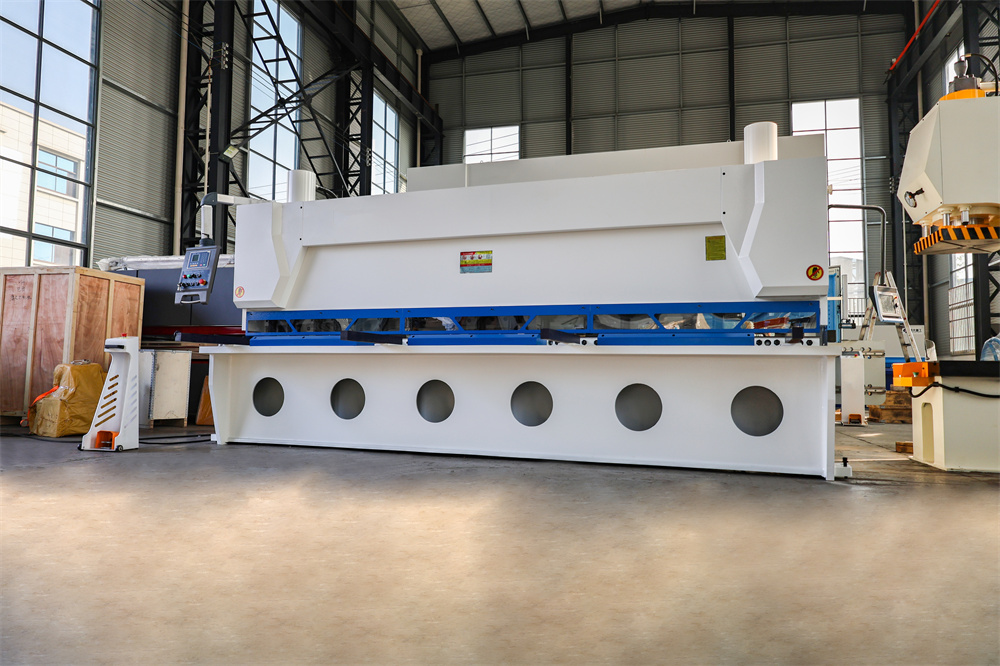
Beyond temperature management, seasonal checks must include a comprehensive filtration audit. Hydraulic filters should be replaced at least twice a year, ideally during the spring and autumn transitions. Contaminants like microscopic metal particles and moisture can degrade the oil’s chemical stability. A professional oil analysis is also recommended for heavy-duty machines. This test can detect early signs of component wear by identifying the types of metals present in the oil, allowing for preemptive repairs before a catastrophic failure occurs.
Electrical and Control System Maintenance
Modern shearing machines rely on sophisticated PLC (Programmable Logic Controller) systems and sensitive electronic sensors to manage backgauge positioning and stroke length. These components are particularly vulnerable to seasonal environmental changes. Humidity is a major enemy of electrical systems, as it can lead to corrosion on contact points and terminals. During your seasonal maintenance, open the electrical cabinet and inspect for any signs of moisture or ‘green’ corrosion on the wiring.
Dust accumulation is another significant factor in heavy-duty fabrication shops. Fine metallic dust can be conductive; if it settles on circuit boards, it can cause short circuits. Use low-pressure compressed air or a specialized vacuum to clean the interior of the control cabinet. While the cabinet is open, check the tightness of all terminal screws. Vibrations from the shearing process can loosen these connections over time, leading to intermittent signals or ‘ghost’ errors in the CNC system.
Finally, calibrate the backgauge and the stroke sensors. Seasonal temperature swings can cause the metal components of the backgauge assembly to expand or contract slightly. While this might seem negligible, in high-precision fabrication, a deviation of 0.5mm can result in rejected parts. Re-zeroing the backgauge against a physical stop and verifying the accuracy with a calibrated tape or vernier caliper ensures that your seasonal output remains within tolerance.
Mechanical Integrity: Blades, Guides, and Frame
The mechanical components of a shearing machine bear the brunt of the physical force during the cutting process. The most critical mechanical element is the blade. Seasonal maintenance is the perfect time to rotate or sharpen the shearing blades. Most HARSLE shearing machines feature four-sided blades. If you notice increased burring on the cut edges or if the machine requires more pressure to cut the same thickness of material, it is time to flip the blades to a fresh edge.
Blade gap adjustment is another vital seasonal task. The gap between the upper and lower blades must be adjusted based on the material thickness and type. However, the mechanical linkages that control this gap can wear or shift. Using feeler gauges, check the gap at multiple points along the length of the bed. Inconsistent gaps can cause ‘twisting’ or ‘bowing’ of the sheared strips, especially in heavy-duty plates. Ensure that the adjustment mechanism—whether manual or motorized—moves smoothly and locks securely.
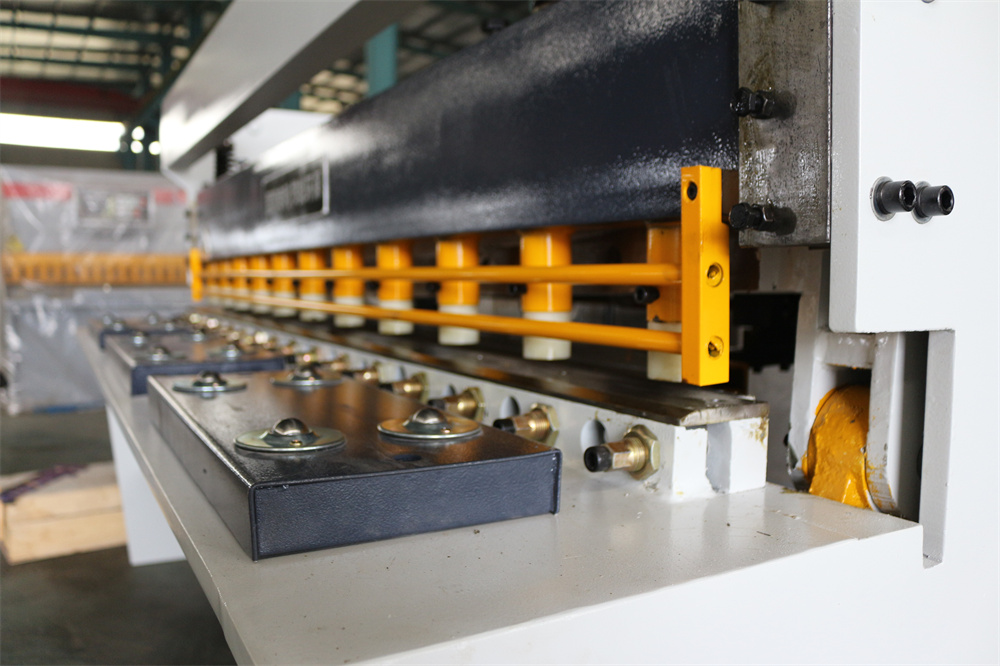
Inspect the ram guides (gibs) for wear. These guides ensure the upper beam moves in a perfectly vertical or slightly inclined path. If the gibs are loose, the beam can ‘kick’ during the cut, leading to poor quality and excessive blade wear. Tighten and lubricate the gibs according to the manufacturer’s specifications. Also, examine the hold-down cylinders. These hydraulic feet must apply uniform pressure to the plate before the cut begins. If the rubber pads are worn or the cylinders are leaking, the material may shift during the shear, resulting in an inaccurate or crooked cut.
Comprehensive Lubrication Plan
Lubrication is the lifeblood of mechanical movement. In a heavy-duty shearing machine, there are numerous pivot points, bearings, and sliding surfaces that require regular grease or oil. A seasonal lubrication plan should go beyond the daily ‘squirt’ of grease. It involves cleaning out old, contaminated grease that may have hardened or trapped abrasive dust. Use a high-quality lithium-based grease or the specific lubricant recommended in your HARSLE manual.
Key areas for seasonal lubrication include the backgauge lead screws and linear guides. These components move frequently and are often exposed to the environment. If they become dry, the friction increases, putting strain on the drive motors and reducing positioning accuracy. Wipe the screws clean and apply a fresh, thin layer of lubricant. Similarly, the main pivot pins of the swing beam (on swing-beam shears) or the vertical guides (on guillotine shears) must be thoroughly lubricated to ensure smooth, silent operation.
Don’t forget the lubrication of the motor bearings and the foot pedal linkage. Often, the foot pedal is neglected until it becomes stiff or unresponsive. A small amount of oil on the pivot points can prevent operator fatigue and ensure the machine triggers reliably. By documenting each lubrication point in a seasonal checklist, you ensure that no component is overlooked, thereby minimizing the risk of frictional heat damage or premature part failure.
Troubleshooting Signals: What to Watch For
Even with the best maintenance, machines will occasionally signal that they need attention. Learning to interpret these signals is a key part of Seasonal Maintenance Tips Shearing Machines In Heavy-Duty Fabrication. One of the most common signals is a change in the sound of the machine. A high-pitched whine from the pump often indicates air in the hydraulic line or a clogged suction filter. A heavy ‘thud’ or ‘bang’ at the end of the stroke might suggest that the nitrogen return cylinders are low on pressure and need recharging.
Observe the quality of the cut. If the sheared edge shows a heavy burr on one side but not the other, your blade gap is likely uneven. If the material shows ‘crushing’ marks, your hold-downs may be applying too much pressure or the blade is extremely dull. Another troubleshooting signal is the temperature of the hydraulic tank. If the tank is too hot to touch comfortably (above 60°C), your cooling system is failing or your relief valve is set incorrectly, causing the oil to bypass and heat up.
Watch the backgauge display. If the numbers jump or the gauge fails to reach the programmed position, it could indicate a failing encoder or a loose coupling on the drive motor. Addressing these ‘soft’ failures during a seasonal check prevents them from becoming ‘hard’ failures that stop production entirely. Always keep a logbook of these occurrences; patterns often emerge that can point to a specific component nearing the end of its service life.
Maintenance Schedule Table
| Frequency | Component | Action Required | Goal |
|---|---|---|---|
| Daily | Safety Guards & E-Stops | Functional Test | Operator Safety |
| Daily | Hydraulic Lines | Visual Leak Inspection | Prevent Fluid Loss |
| Weekly | Backgauge Screws | Clean and Light Lubrication | Positioning Accuracy |
| Monthly | Blade Gap | Verify with Feeler Gauges | Cut Quality |
| Seasonal (6 Mo) | Hydraulic Oil | Filter Replacement & Oil Analysis | System Longevity |
| Seasonal (6 Mo) | Electrical Cabinet | Dust Removal & Terminal Tightening | Control Reliability |
| Seasonal (6 Mo) | Shearing Blades | Rotate or Sharpen | Efficiency & Precision |
| Yearly | Main Frame | Check Foundation Bolts & Leveling | Structural Integrity |
| Yearly | Nitrogen Cylinders | Check and Refill Pressure | Smooth Ram Return |
Frequently Asked Questions (FAQ)
1. How often should I change the hydraulic oil in my shearing machine?
For heavy-duty fabrication, it is generally recommended to change the hydraulic oil every 2,000 to 4,000 operating hours, or at least once a year. However, seasonal oil analysis is the best way to determine the exact timing. If the oil appears cloudy (indicating water) or smells burnt, it should be changed immediately regardless of the hours logged.
2. Why is my shearing machine leaving a large burr on the metal?
A large burr is typically caused by one of two things: a blade gap that is too wide for the material thickness, or dull blades. Check your gap settings first. If the gap is correct for the gauge of metal you are cutting, inspect the blade edges for rounding or chipping. Rotating the blades to a new edge usually resolves this issue.
3. Can I use any type of grease for the lubrication points?
No, you should use the lubricant specified in your HARSLE operator’s manual. Most heavy-duty shears require a high-pressure lithium-based grease (NLGI Grade 2) for bearings and guides. Using the wrong grease can lead to ‘gumming’ or inadequate protection under high loads, which can damage precision surfaces.
4. What should I do if the machine’s hydraulic system is overheating in the summer?
First, check the oil level; low oil levels cause the remaining fluid to circulate more frequently and heat up faster. Second, clean the cooling fins on the heat exchanger. If the problem persists, check the pressure settings on the relief valves. If they are set too low, the pump may be constantly dumping oil over the relief valve, generating excessive heat.
5. How do I know if my nitrogen return cylinders need recharging?
If the upper beam (ram) returns to the top position slowly or fails to reach the full ‘up’ position, the nitrogen pressure is likely low. You will need a specialized charging kit and a nitrogen bottle to refill them to the pressure specified on the machine’s nameplate. Never use compressed air or oxygen to charge these cylinders, as this is extremely dangerous.
6. Is it necessary to level the machine every season?
While you don’t need to do a full leveling every season, you should check it once a year or if you notice the machine ‘walking’ or vibrating excessively. In shops with concrete floors subject to frost heave or settling, seasonal checks of the foundation bolts are a wise precaution to ensure the frame remains unstressed and the cuts remain square.