How to Budget for a Metal Shearing Machine Purchase in 2025


Introduction to Budgeting for Metal Shearing Machines in 2025
As we move into 2025, the metal fabrication industry continues to evolve with advancements in automation, energy efficiency, and precision engineering. For workshop owners and industrial procurement managers, the decision to budget a metal shearing machine purchase in 2025 requires a nuanced understanding of both the upfront capital expenditure and the long-term operational costs. A metal shearing machine is a foundational investment; it dictates the speed and quality of your initial material preparation, which in turn affects every subsequent stage of production, from bending to welding.
In the current economic climate, budgeting is no longer just about finding the lowest sticker price. It involves analyzing total cost of ownership (TCO), considering the impact of fluctuating raw material prices, and evaluating how modern CNC technologies can offset rising labor costs. Whether you are looking for a compact hydraulic swing beam shear or a heavy-duty CNC guillotine, this guide will provide the comprehensive data points needed to build an accurate and effective budget for the coming year.
Price Range Overview: What to Expect in 2025
The market for metal shearing machines is diverse, spanning from basic manual units to highly sophisticated automated systems. To budget a metal shearing machine purchase in 2025, you must first categorize your needs based on the machine’s mechanical design and control level. Prices have stabilized somewhat after the supply chain volatility of previous years, but technological integration has pushed the ceiling higher for premium equipment.
Entry-Level and Manual Shears
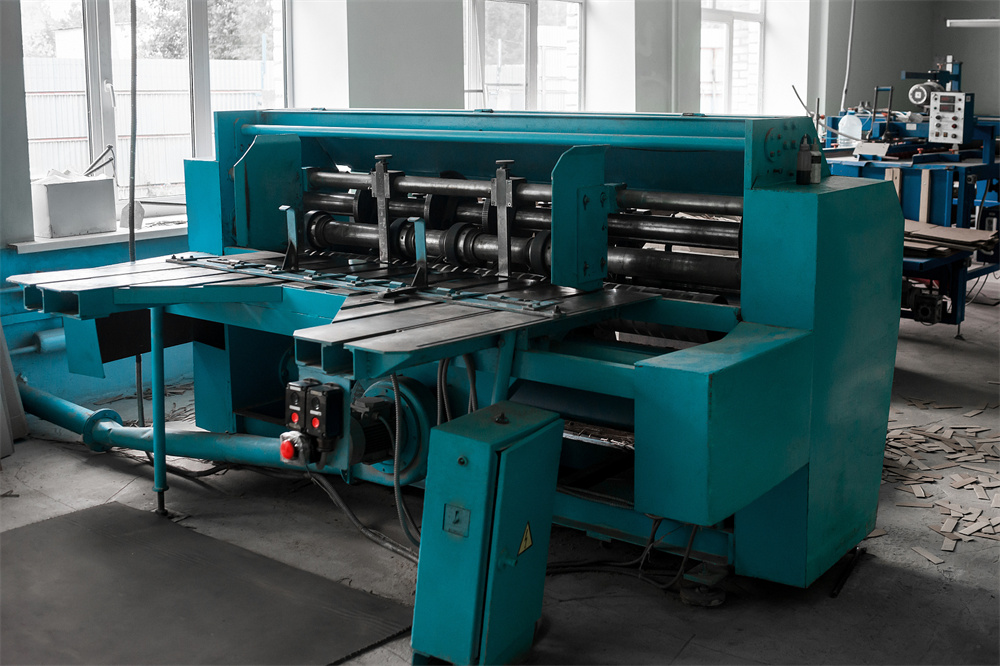
For small workshops or maintenance departments, manual or foot-operated shears remain a viable option for thin-gauge materials. These machines typically range from $2,000 to $5,000. However, for any production-oriented environment, hydraulic power is the standard. Entry-level hydraulic swing beam shears (NC controlled) generally start around $8,000 to $12,000 for basic models capable of cutting 4mm to 6mm mild steel at lengths of 2500mm.
Mid-Range Hydraulic Swing Beam Shears
The “workhorse” of the industry is the hydraulic swing beam shear. In 2025, a well-configured machine with a 6mm to 12mm capacity and a 3200mm cutting length will likely cost between $15,000 and $28,000. These units often feature NC controllers like the Estun E21, which manage the backgauge position and cutting stroke. This price range offers a balance between durability and affordability for most SME fabricators.
High-End CNC Guillotine Shears
Hydraulic guillotine shears offer superior precision and the ability to adjust the rake angle, which minimizes distortion in thin strips. High-end CNC models, equipped with systems like the Delem DAC-360T, automatic blade gap adjustment, and pneumatic sheet support, can range from $35,000 to over $100,000. These machines are designed for high-volume environments where accuracy and material savings are paramount.
| Machine Type | Typical Capacity | Estimated Price (2025) | Best For |
|---|---|---|---|
| NC Swing Beam | 6mm x 2500mm | $9,000 – $14,000 | General Job Shops |
| NC Guillotine | 10mm x 3200mm | $18,000 – $30,000 | Heavy Plate Cutting |
| CNC Guillotine | 12mm x 4000mm | $45,000 – $75,000 | High Precision / Automation |
| Heavy Duty CNC | 20mm+ x 6000mm | $110,000+ | Shipbuilding / Infrastructure |
Main Cost Drivers: Why Prices Vary
When you budget a metal shearing machine purchase in 2025, you will notice significant price discrepancies between seemingly similar models. Understanding the underlying cost drivers is essential for making an informed decision. The primary factor is the cutting capacity, which includes both the maximum thickness of the material and the maximum cutting length. A machine designed to cut 20mm plate requires a significantly more robust frame, larger hydraulic cylinders, and higher-torque motors than a 6mm machine.
The quality of the hydraulic and electrical components also plays a major role. Machines equipped with world-class brands like Bosch-Rexroth valves, Schneider electrics, and Sunny pumps command a premium because they offer higher reliability and easier sourcing of spare parts. In 2025, the “brand tax” is often a reflection of the global service network and the quality of the engineering support provided by the manufacturer.
Furthermore, the frame construction method impacts the price. A heavy-duty, stress-relieved, all-welded steel frame ensures the machine maintains its alignment over decades of use. Cheaper machines may use lighter frames that can flex under load, leading to inaccurate cuts and premature blade wear. Investing in a machine with a superior frame design is a critical part of a long-term budget strategy.
Configuration Impact: Customizing for Performance
The specific configuration of your shearing machine can swing the price by 20% to 40%. One of the most significant choices is the control system. A basic NC controller (like the E21) provides simple “go-to” positioning for the backgauge. In contrast, a full CNC system (like the DAC-360T) can automatically calculate the required blade gap, rake angle, and stroke length based on the material type and thickness entered by the operator. This automation reduces setup time and eliminates human error.
Blade material is another configuration variable. Standard blades are suitable for mild steel, but if your shop frequently processes stainless steel, you will need high-carbon, high-chrome blades (such as Cr12MoV or 6CrW2Si). These blades are more expensive but are necessary to handle the increased hardness of stainless steel without chipping or dulling rapidly. Budgeting for the correct blade grade at the time of purchase prevents costly upgrades later.
Optional features like pneumatic rear sheet support systems are increasingly popular in 2025. These systems prevent thin sheets from sagging before they reach the backgauge, ensuring an accurate cut. While this can add $3,000 to $7,000 to the purchase price, the reduction in wasted material and the improvement in part accuracy often justify the cost for precision-focused shops.
Hidden Costs: Beyond the Sticker Price
A common mistake when trying to budget a metal shearing machine purchase in 2025 is overlooking the “hidden” costs associated with industrial equipment. These expenses can easily add 15% to 25% to your total initial investment. Logistics is the first major hurdle. Shipping a multi-ton machine requires specialized freight, and in 2025, international shipping rates and port fees remain variable. You must also account for the cost of a rigger and a crane to move the machine from the truck to its final position in your shop.
Installation and commissioning are equally critical. While some manufacturers include this in the price, others charge daily rates for technicians. You will also need to prepare your facility. This might include pouring a reinforced concrete foundation to handle the machine’s weight and vibration, as well as upgrading your electrical service to meet the machine’s KVA requirements. Don’t forget the cost of the initial fill of hydraulic oil, which for a large machine can be several hundred liters.
Finally, consider training and software. Even the most intuitive CNC shear requires operator training to maximize efficiency. Budgeting for a few days of professional onsite training ensures your team can operate the machine safely and effectively from day one. Additionally, if the machine integrates with your shop’s ERP or CAD/CAM systems, there may be software licensing or integration fees to consider.
ROI Calculation: Justifying the Investment
To successfully budget a metal shearing machine purchase in 2025, you must present a clear Return on Investment (ROI) to stakeholders. The ROI of a new shear is typically realized through three main avenues: labor savings, material efficiency, and increased throughput. A modern CNC shear can reduce setup times by up to 50% compared to manual adjustments, allowing one operator to do the work of two on older equipment.
Material efficiency is another major factor. Precision backgauges and automatic blade gap adjustment reduce the number of “bad cuts” and scrap pieces. If your shop processes $500,000 worth of steel annually, even a 2% reduction in scrap saves $10,000 per year. Over the 15-to-20-year lifespan of a HARSLE shearing machine, these savings are substantial.
Furthermore, consider the “downstream” benefits. Accurately sheared blanks make the bending and welding processes much faster and more consistent. If your blanks are perfectly square and sized to within 0.1mm, your press brake operators won’t waste time fighting with inconsistent parts. This holistic view of production efficiency is the key to justifying a higher-end machine purchase in your 2025 budget.
Buying Advice for 2025
When you are ready to budget a metal shearing machine purchase in 2025, follow these strategic steps to ensure you get the best value for your money. First, accurately define your maximum requirements. Don’t buy a machine that is exactly at your current limit; allow for 20% extra capacity to handle future growth. However, don’t over-buy; a machine that is significantly larger than what you need will consume more floor space and electricity than necessary.
Second, evaluate the manufacturer’s reputation for service and parts. In 2025, the ability to get a replacement sensor or a set of blades quickly is more important than saving a few dollars on the initial purchase. HARSLE, for example, has built a reputation for providing robust machinery with globally recognized components, ensuring that maintenance is straightforward and downtime is minimized.
Third, consider the resale value. High-quality hydraulic shears hold their value well on the used market. When you budget, think of the machine as an asset that will retain 40-60% of its value even after five to seven years of use. This residual value is an important part of the long-term financial planning for any fabrication business.
Frequently Asked Questions (FAQ)
1. How long does a typical hydraulic shearing machine last?
With proper maintenance, a high-quality hydraulic shearing machine from a reputable manufacturer like HARSLE can last 20 to 25 years. Key components like the hydraulic pumps and seals may need replacement every 7-10 years, and blades will require periodic sharpening depending on usage volume and material type.
2. Should I choose a Swing Beam or a Guillotine shear?
Swing beam shears are generally more affordable and easier to maintain, making them ideal for standard fabrication tasks. Guillotine shears offer a variable rake angle, which is essential for high-precision cutting and for minimizing the “twist” or “bow” in thin strips of metal. If your budget allows and precision is your priority, the guillotine is the better choice.
3. What are the maintenance costs for a shearing machine?
Annual maintenance costs typically range from 1% to 3% of the machine’s purchase price. This includes hydraulic oil changes, filter replacements, blade sharpening, and lubrication of the backgauge and moving parts. Regular maintenance is the best way to protect your investment and prevent expensive emergency repairs.
4. Is CNC worth the extra cost for a shearing machine?
Yes, for most production environments. CNC controls allow for faster job changeovers, automatic calculations of blade gaps, and the storage of cutting programs. This reduces the skill level required for the operator and significantly increases the consistency of the finished parts, providing a faster ROI.
5. How can I finance a metal shearing machine in 2025?
Many fabricators use equipment leasing or specialized industrial loans. In 2025, look for financing options that offer flexible terms or tax incentives (such as Section 179 in the US) that allow you to deduct the full purchase price of the equipment in the year it is placed in service. Always consult with a financial advisor to determine the best strategy for your business.
Conclusion
To budget a metal shearing machine purchase in 2025 effectively, you must look beyond the initial price tag and consider the total impact on your production ecosystem. By understanding the price ranges, identifying the technical drivers of cost, and accounting for hidden expenses, you can make a strategic investment that enhances your shop’s capability and profitability for years to come. HARSLE remains committed to providing high-performance shearing solutions that offer the perfect balance of technology, durability, and value for the modern fabricator.