Hydraulic vs Mechanical Punching Machine: Which One Fits Your Production Needs?


Introduction to the Punching Machine Dilemma
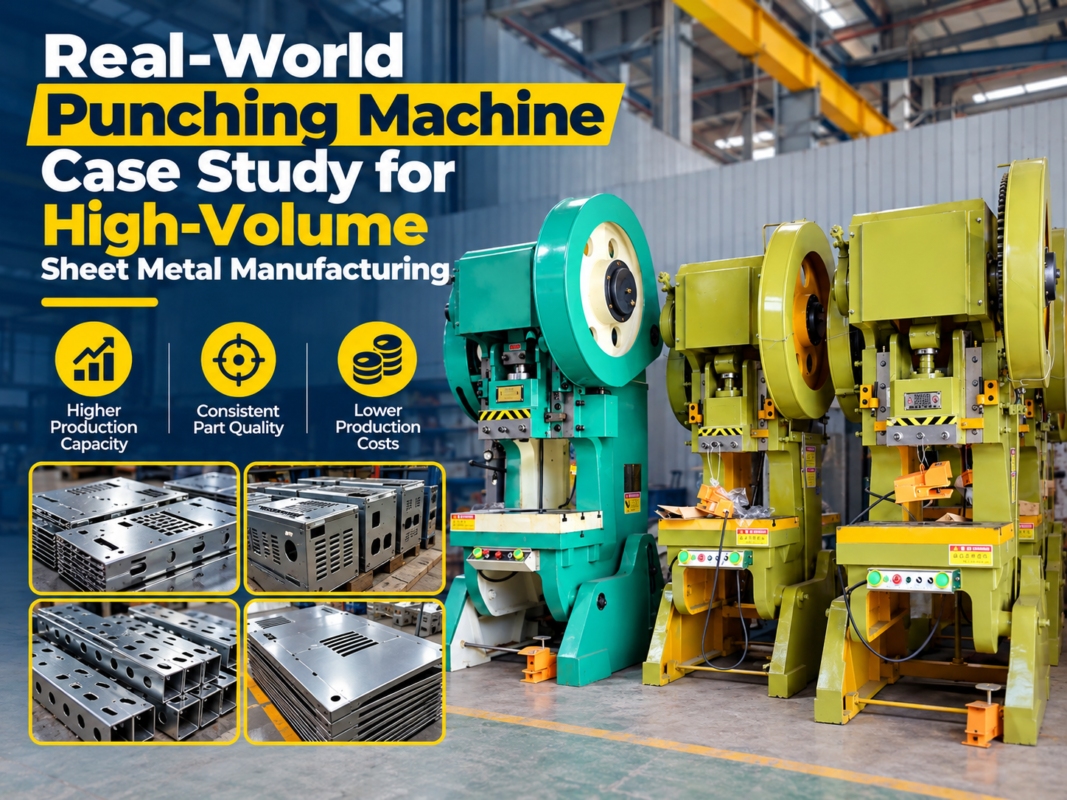
In the world of metal fabrication, the choice between a hydraulic and a mechanical punching machine is one of the most critical decisions a production manager can make. Both technologies have been the backbone of the industry for decades, yet they operate on fundamentally different principles. A mechanical punching machine relies on a flywheel and a crankshaft to deliver a sudden, high-energy impact, while a hydraulic punching machine uses fluid pressure to provide a controlled, consistent force throughout the entire stroke. Choosing the wrong one can lead to inefficient production cycles, excessive maintenance costs, or a machine that simply cannot handle the material thickness required for your projects.
HARSLE, a leader in metalworking machinery, understands that every workshop has unique requirements. Whether you are producing high-volume small parts or low-volume heavy-duty components, the distinction between these two types of machines will dictate your long-term profitability. This guide provides an in-depth analysis of the price ranges, cost drivers, configurations, and ROI calculations to help you determine which punching machine fits your production needs.
Price Range Overview: Initial Investment Costs
When evaluating the financial aspect of a new punching machine, it is essential to categorize them by their technological complexity and capacity. Generally, mechanical punching machines are seen as the more traditional, cost-effective entry point for high-speed operations, whereas hydraulic systems represent a higher initial investment due to their sophisticated fluid dynamics and control systems.
Entry-Level Machines ($5,000 – $15,000)
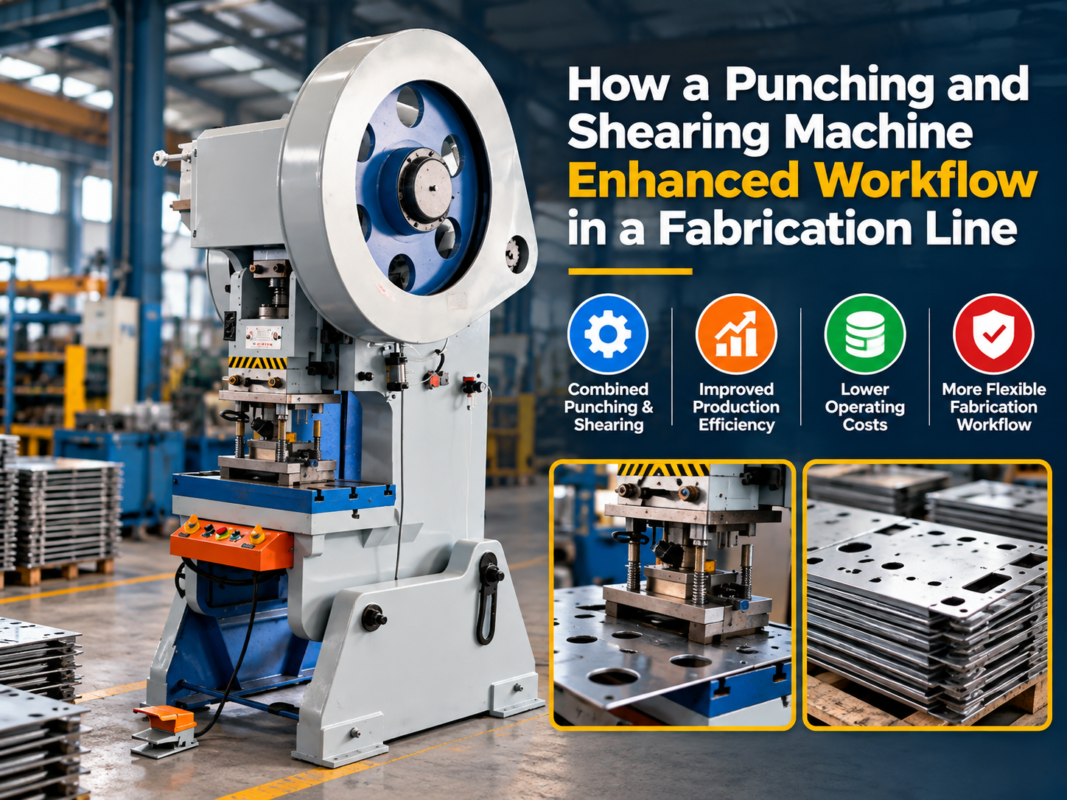
At the lower end of the spectrum, you will find manual or semi-automatic mechanical presses. these are often used for simple hole-punching tasks in thin-gauge sheet metal. They are robust and simple but lack the precision and safety features of modern CNC systems. Small hydraulic ironworkers also fall into this price range, offering versatility for small shops that need to punch, shear, and notch.
Mid-Range Production Units ($20,000 – $60,000)
This is where most professional fabrication shops operate. In this bracket, you can find high-speed mechanical presses with pneumatic clutches and NC (Numerical Control) hydraulic punching machines. These machines offer better repeatability and are capable of handling 20 to 60 tons of pressure. They often include basic safety light curtains and automated lubrication systems.
High-End CNC Systems ($70,000 – $250,000+)
Top-tier machines are almost exclusively CNC-controlled. High-end mechanical turret punches are prized for their incredible speed (often exceeding 600 hits per minute), while high-end hydraulic CNC punching machines are valued for their ability to handle thick plates and perform complex forming operations like louvers or ribs. These machines feature automatic tool changers, large worktables, and sophisticated software integration.
Main Cost Drivers in Punching Machinery
The sticker price of a punching machine is influenced by several technical factors. Understanding these drivers allows you to prioritize features that actually contribute to your bottom line while avoiding over-specification.
- Tonnage Capacity: The most significant driver. A 100-ton machine requires a much heavier frame, larger cylinders (for hydraulic) or a bigger flywheel (for mechanical), and more robust internal components than a 25-ton machine.
- Stroke Speed (SPM): Strokes per minute define your throughput. Mechanical machines naturally excel here, but high-speed hydraulic valves are expensive and drive up the cost of hydraulic units that attempt to match mechanical speeds.
- CNC Integration: The complexity of the controller (e.g., Fanuc, Siemens, or proprietary HARSLE systems) adds significant cost but reduces labor time and scrap rates.
- Frame Construction: C-frame machines are generally cheaper and offer better access to the workpiece, while H-frame (or bridge frame) machines are more expensive but provide superior rigidity, reducing tool wear and increasing precision.
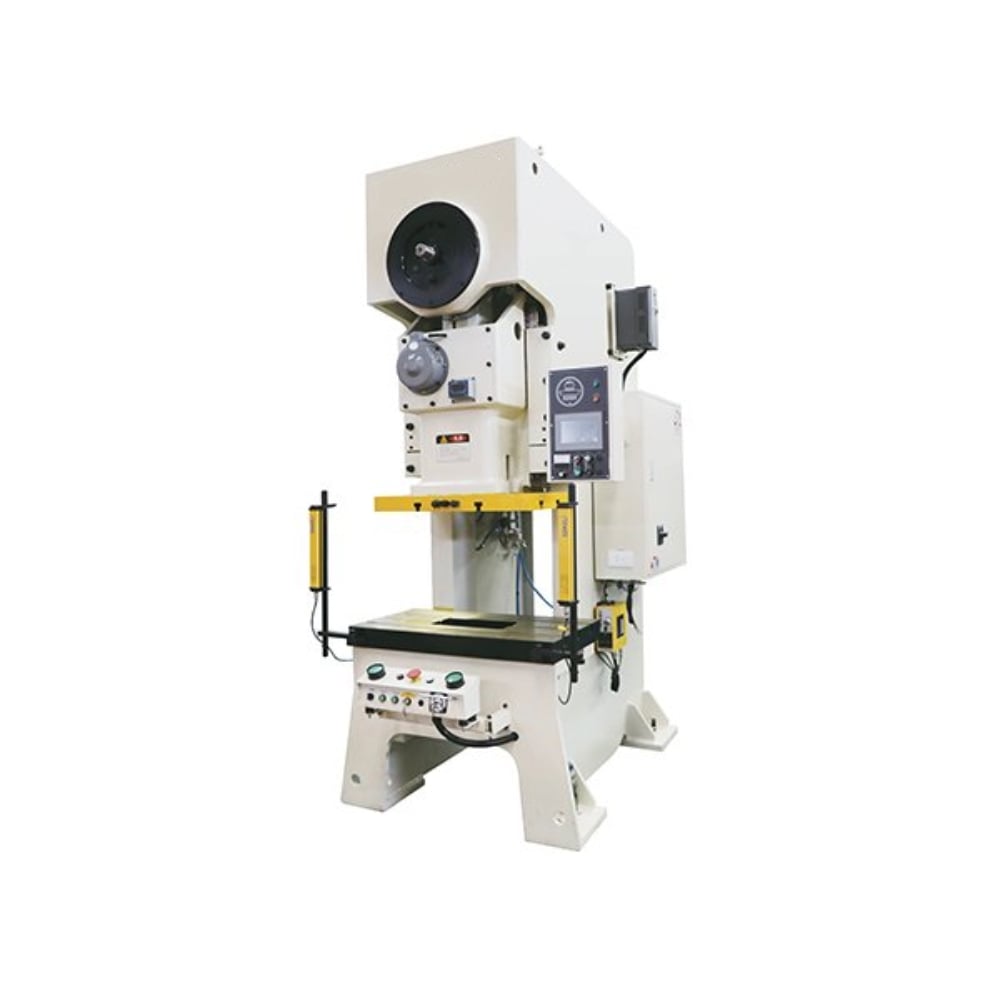
Configuration Impact: Mechanical vs. Hydraulic Mechanics
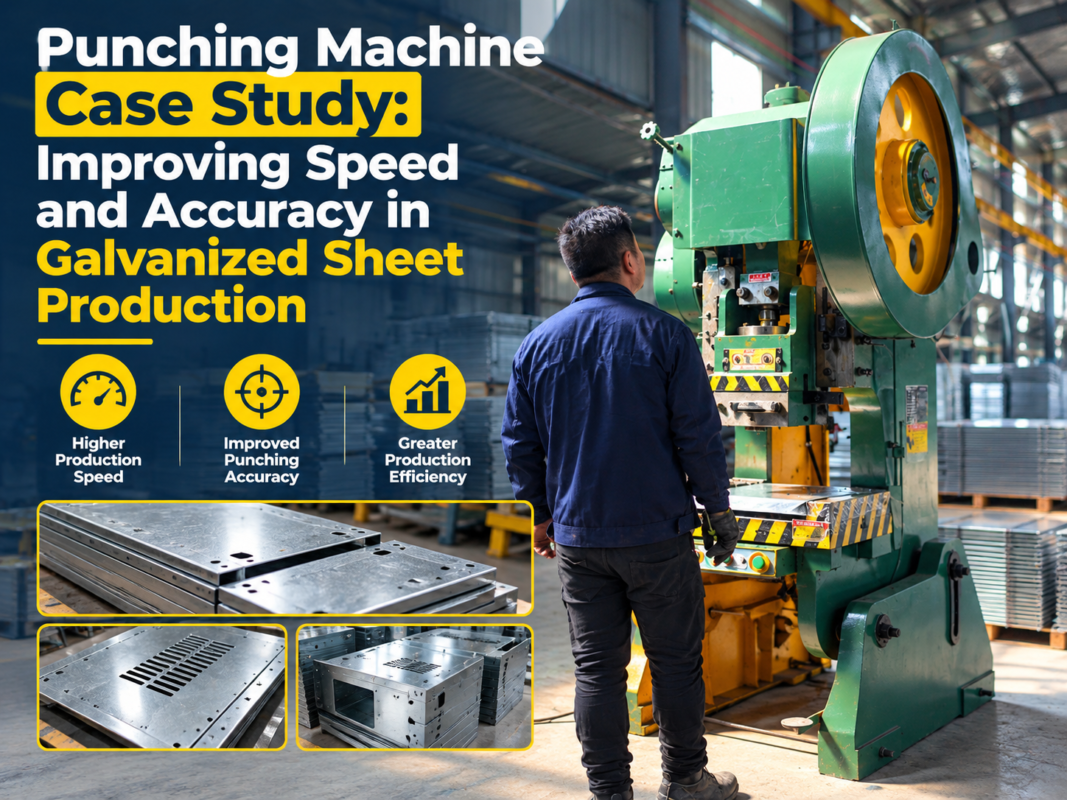
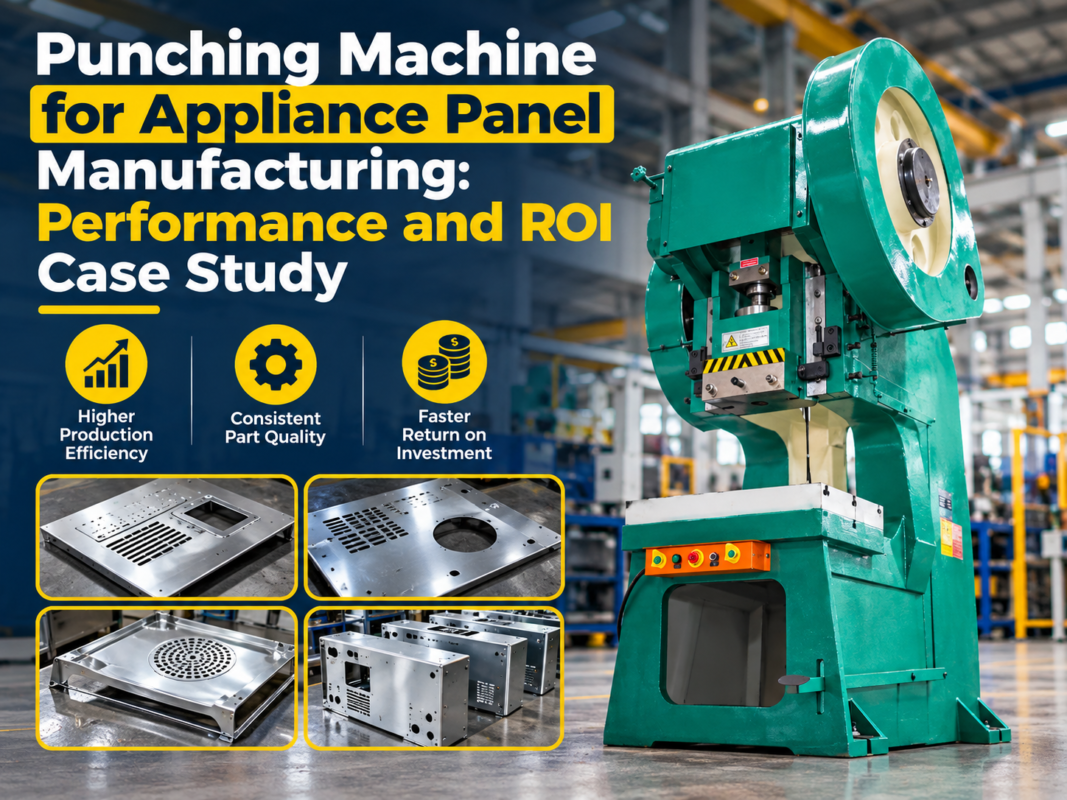
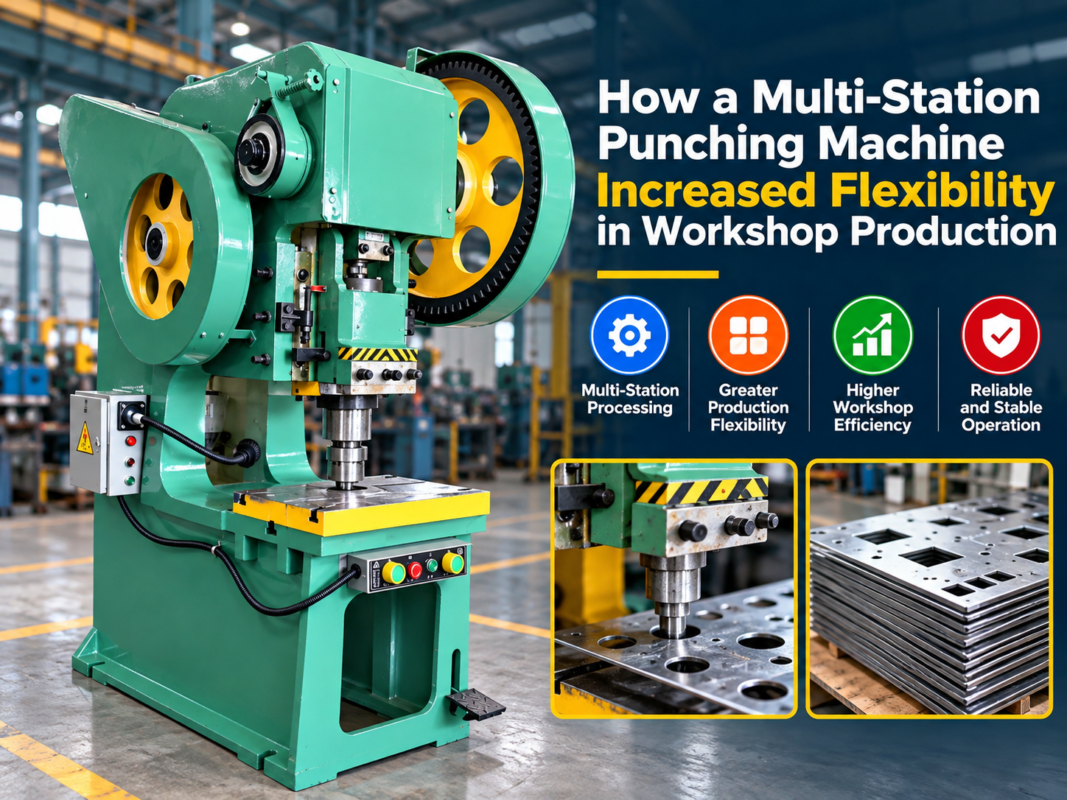
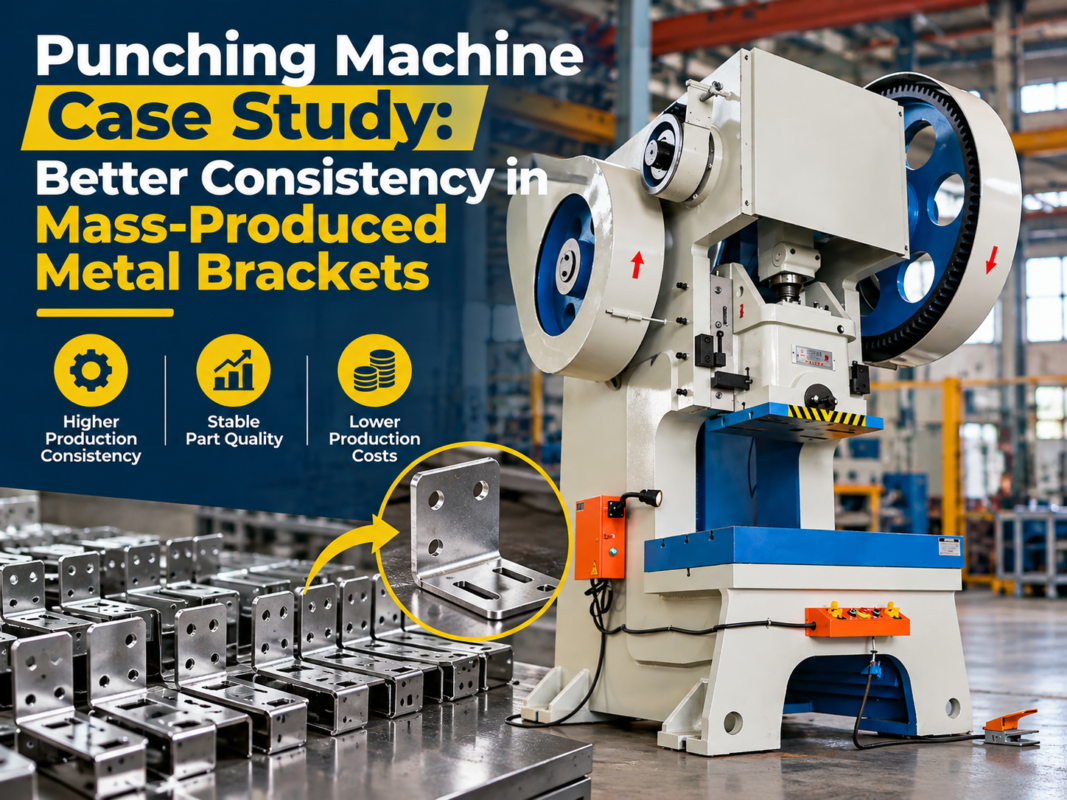
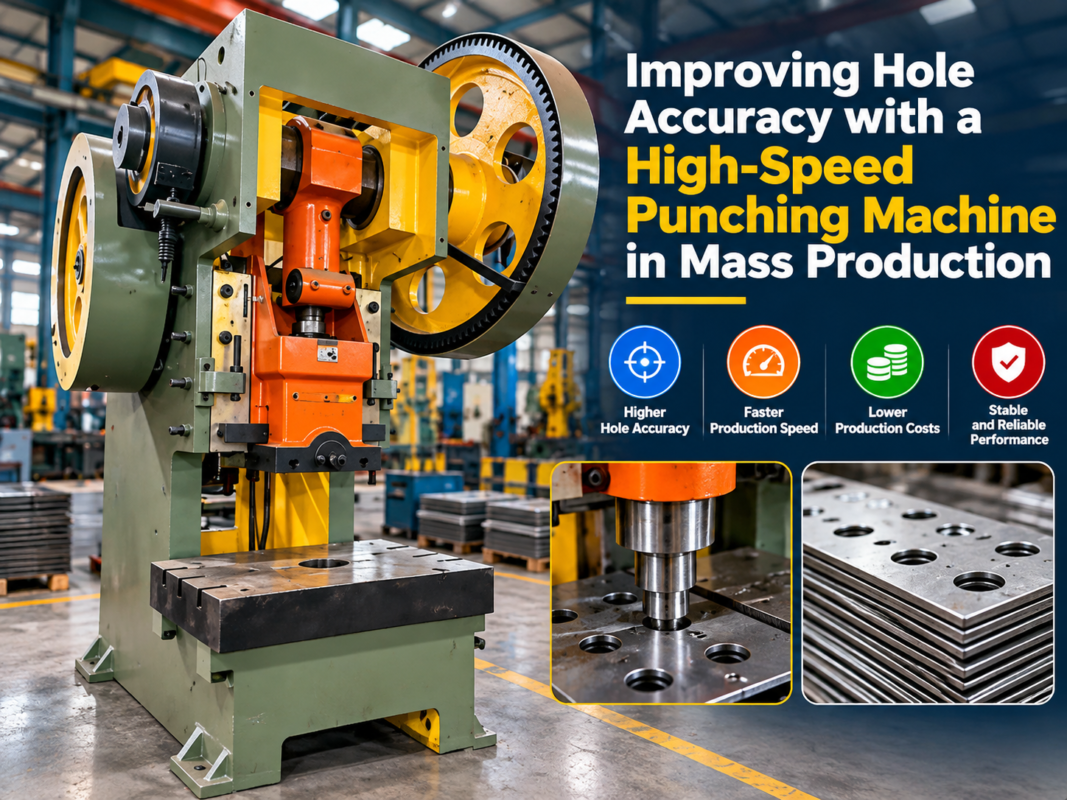
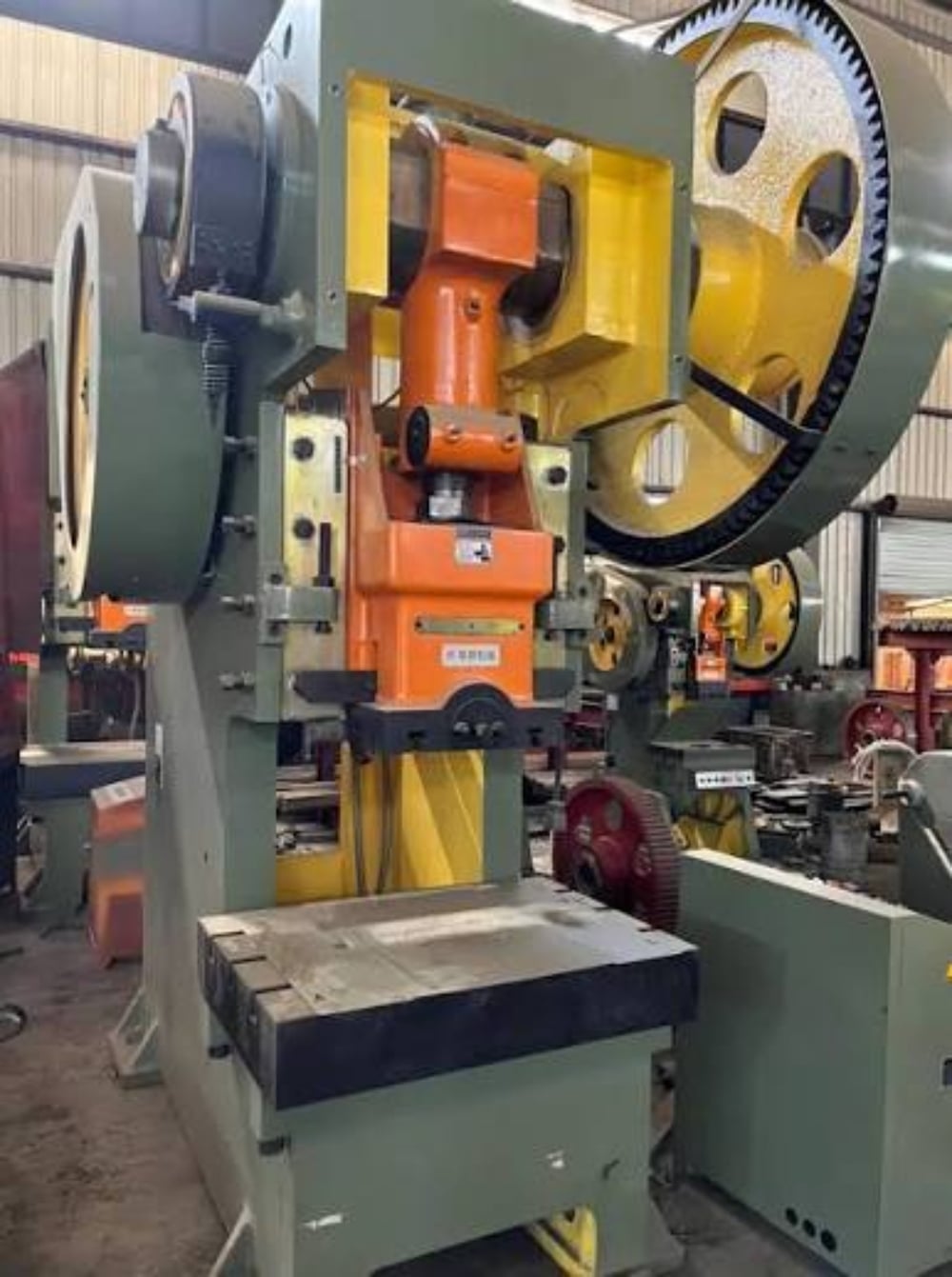
The configuration of the machine determines its physical capabilities and limitations. A mechanical punching machine uses a motor to spin a flywheel, which stores kinetic energy. When the clutch is engaged, this energy is transferred through a crankshaft to the ram. This results in a fixed stroke length and a force that peaks at the bottom of the stroke. This is ideal for high-speed, repetitive tasks where the material thickness is consistent.
In contrast, a hydraulic punching machine uses a motor to drive a pump, which moves oil into a cylinder to push the ram. This configuration allows for a constant force throughout the entire stroke. Furthermore, the stroke length is fully adjustable. If you only need to punch through 2mm of material, you can set the stroke to 5mm, whereas a mechanical machine must complete its full cycle (e.g., 50mm) every time. This adjustability makes hydraulic machines much more versatile for forming, deep drawing, and working with varying material thicknesses.
Another configuration difference lies in the “dwell” capability. Hydraulic machines can hold pressure at the bottom of the stroke, which is essential for certain forming operations. Mechanical machines cannot do this without specialized and expensive link-motion configurations. However, mechanical machines are generally simpler to repair from a purely mechanical standpoint, as they do not involve complex seals, valves, and high-pressure hoses.
Hidden Costs of Ownership
The purchase price is only the beginning. To truly understand which machine fits your needs, you must account for the ongoing expenses that don’t appear on the initial quote.
Maintenance and Consumables
Mechanical machines require regular inspection of the clutch and brake systems. These are wear items that will eventually need replacement. Hydraulic machines, on the other hand, require periodic oil changes, filter replacements, and seal monitoring. A leak in a hydraulic system can lead to significant downtime and environmental cleanup costs.
Tooling Longevity
Hydraulic machines are generally “gentler” on tooling. Because the force is controlled and the breakthrough shock is dampened by the hydraulic fluid, punches and dies tend to last longer. Mechanical machines deliver a violent snap-through, which can lead to micro-cracking in the tooling over hundreds of thousands of cycles.
Energy Consumption
Mechanical presses are highly efficient when running at full capacity because the flywheel acts as an energy reservoir. However, they consume significant power just to keep the flywheel spinning while idling. Modern hydraulic systems use variable-speed drives (VFDs) that only consume significant power when the ram is actually moving, potentially saving thousands in annual electricity costs for intermittent production schedules.
ROI Calculation: Measuring the Payback
To calculate the Return on Investment (ROI), you must look beyond the machine’s cost and evaluate its impact on your total production cycle. Use the following formula as a starting point:
ROI = (Total Annual Savings + Increased Revenue) / Total Investment Cost
Consider a scenario where a shop upgrades from a manual mechanical punch to a CNC hydraulic punching machine. The initial cost is $80,000. However, the CNC system reduces setup time by 70%, and the hydraulic precision reduces scrap by 5%. If these efficiencies allow the shop to take on $100,000 more in contracts per year while saving $10,000 in labor and material, the machine pays for itself in less than a year.
When comparing the two types, if your production is 24/7 high-speed stamping of the same part, the mechanical machine’s lower cost and higher SPM will likely yield a faster ROI. If your production involves 50 different parts a week with varying thicknesses, the hydraulic machine’s quick setup and versatility will provide the better return.
Buying Advice: Which One Should You Choose?
Choosing between hydraulic and mechanical comes down to your specific application. Here is a quick checklist to guide your decision:
- Choose Mechanical if: You are doing high-volume mass production, your material thickness is consistent, you need the highest possible strokes per minute, and you have a dedicated maintenance team familiar with mechanical linkages.
- Choose Hydraulic if: You need versatility for different material thicknesses, you perform forming operations (like louvers), you require a quieter work environment, or you want precise control over the stroke depth.
At HARSLE, we recommend that buyers also consider the future of their business. While a mechanical press might be cheaper today, a hydraulic CNC machine offers the flexibility to pivot to new markets and more complex parts tomorrow. Always ask for a sample punch test on your specific material before finalizing a purchase to ensure the edge quality meets your standards.
Frequently Asked Questions (FAQ)
1. Which machine is louder, hydraulic or mechanical?
Mechanical punching machines are significantly louder. The impact of the flywheel and the “snap-through” when the punch breaks through the metal create a high-decibel thud. Hydraulic machines are much quieter, as the force is applied more gradually.
2. Can I use the same tooling for both?
In many cases, yes. Standard thick-turret or thin-turret tooling can be used on both types of machines, provided the tool holders and station configurations are compatible. However, always check the machine’s specifications for tool shank size and height.
3. Is a hydraulic machine slower than a mechanical one?
Generally, yes. Mechanical machines can reach speeds that hydraulic systems struggle to match because of the time required for hydraulic fluid to cycle through valves. However, for most standard fabrication tasks, modern high-speed hydraulic valves have narrowed this gap significantly.
4. Which requires more operator skill?
Mechanical machines often require more “feel” and manual adjustment for setup, especially older models. Modern CNC hydraulic machines are more software-driven, meaning the operator needs more computer literacy but less manual mechanical adjustment skill.
5. How long do these machines typically last?
Both can last 20-30 years with proper maintenance. Mechanical machines are known for their longevity due to their simple, heavy-duty iron construction. Hydraulic machines are also long-lived, but they may require more frequent component replacements like pumps or seals over a 20-year lifespan.
6. What is the maintenance schedule for a hydraulic punching machine?
You should check oil levels daily, inspect for leaks weekly, and perform a full oil and filter change every 2,000 to 4,000 operating hours. It is also vital to check the cooling system to ensure the oil does not overheat, which can degrade seals.
7. Can a mechanical punch do forming?
It is limited. Because a mechanical punch has a fixed stroke and cannot dwell at the bottom, it is difficult to perform precise forming or deep drawing. It is primarily designed for “hit and retract” operations.