How to Choose a Punching Machine for High-Volume Production: A Comprehensive Guide


Introduction to High-Volume Punching Solutions
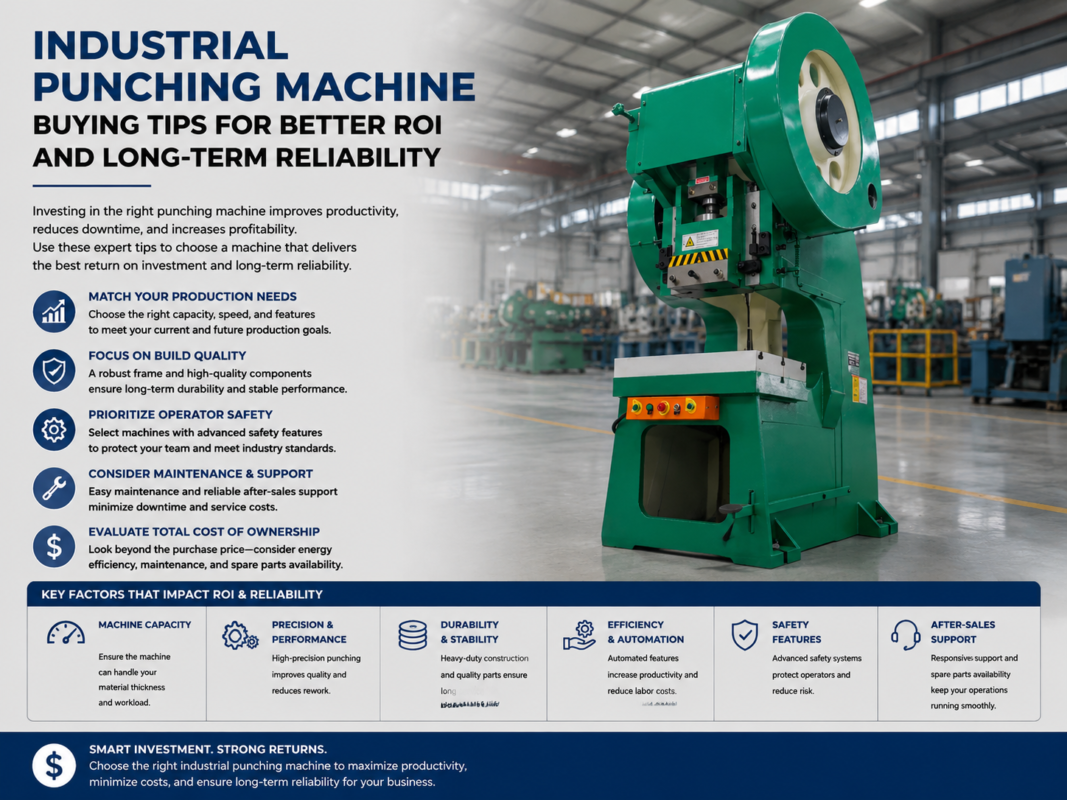
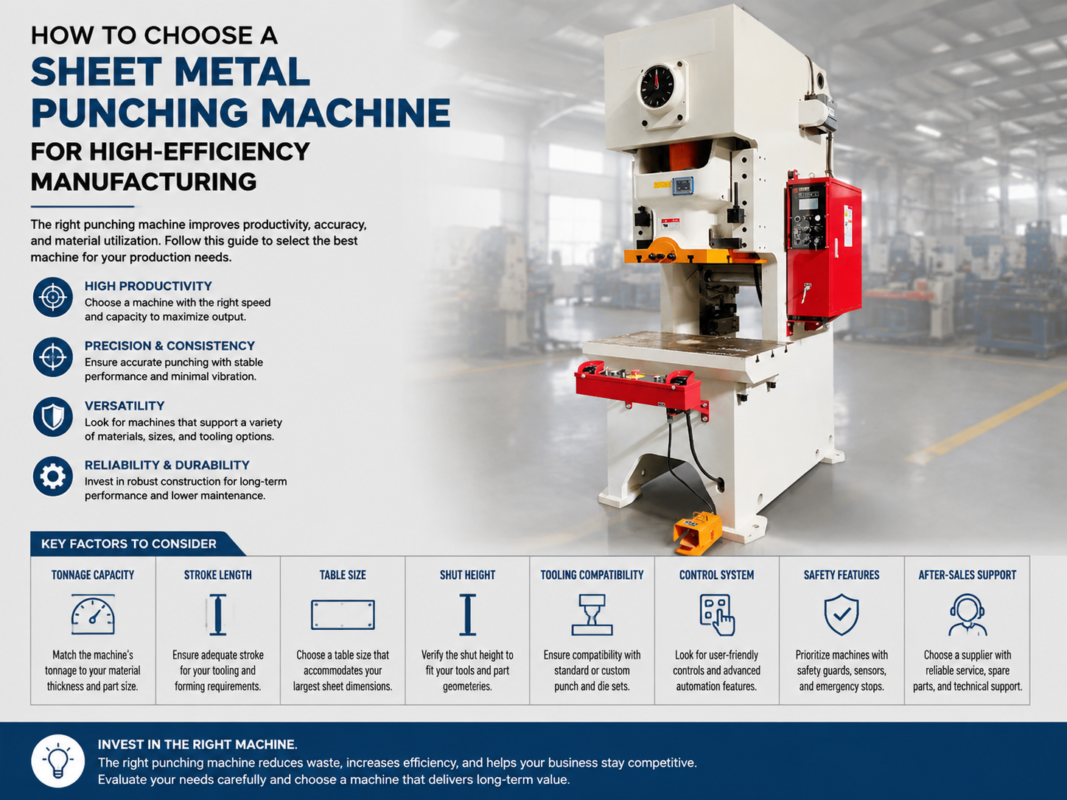
In the competitive landscape of modern metal fabrication, the ability to process large quantities of sheet metal with precision and speed is the cornerstone of profitability. When a facility transitions from prototype work or small batches to large-scale manufacturing, the requirements for machinery change drastically. Choosing a punching machine for high-volume production is not merely about finding the fastest motor; it involves a holistic evaluation of duty cycles, automation compatibility, energy efficiency, and long-term reliability. A machine that performs well for ten parts a day may fail miserably when tasked with ten thousand.
High-volume production environments demand equipment that can operate 24/7 with minimal downtime. This means that factors like thermal stability, tool wear management, and software integration become just as important as the raw tonnage of the press. For manufacturers, the goal is to achieve the lowest possible cost-per-part while maintaining the highest quality standards. This guide will walk you through the intricate process of selecting the right punching machine, ensuring your investment yields the maximum return for your specific production needs.
Price Range Overview for Industrial Punching Machines
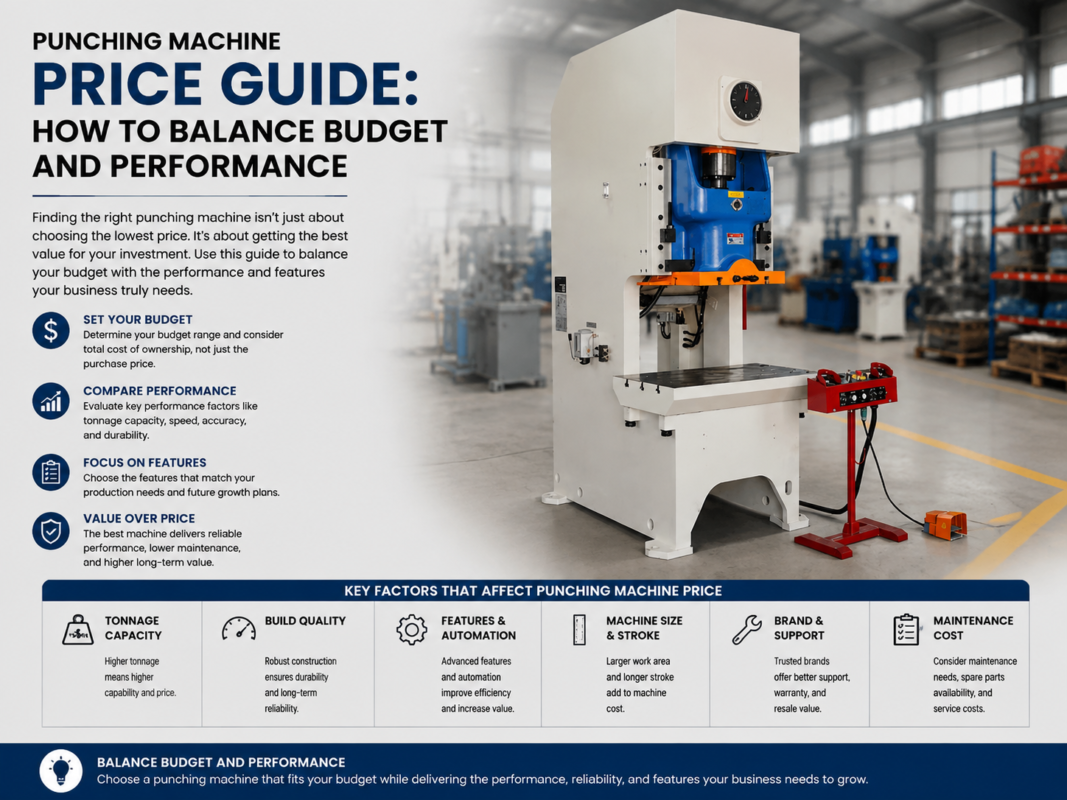
The financial commitment required to acquire a punching machine varies significantly based on technology and capacity. For high-volume production, entry-level manual or semi-automatic machines are rarely sufficient. Instead, manufacturers typically look at CNC (Computer Numerical Control) turret punch presses or high-speed servo-electric models. Understanding the price tiers helps in setting a realistic budget for your facility’s expansion.
At the lower end of the spectrum, basic CNC punching machines designed for medium-duty work typically range from $40,000 to $80,000. These machines are capable but may lack the rapid hit rates or the robust frames required for continuous three-shift operations. They are often hydraulic-driven and may have limited turret stations, which can slow down production if frequent tool changes are required. While they offer a lower barrier to entry, their long-term operating costs in a high-volume setting can be higher due to maintenance and energy consumption.
Mid-range machines, costing between $100,000 and $250,000, represent the sweet spot for many growing fabrication shops. These units often feature advanced hydraulic systems or entry-level servo-electric drives. They offer higher hit rates (often exceeding 600 hits per minute) and larger turret capacities, allowing for more complex parts to be finished in a single setup. In this range, you also begin to see better integration with automated loading and unloading systems, which is a critical component for high-volume efficiency.
High-end, fully automated punching cells can exceed $500,000. These are the titans of the industry, featuring ultra-fast servo-electric actuators, massive tool libraries with hundreds of tools, and integrated laser cutting capabilities (punch-laser combos). These machines are designed for lights-out manufacturing, where the machine operates autonomously overnight. While the initial investment is steep, the productivity gains and labor savings in a high-volume environment often justify the cost within a few years.
Main Cost Drivers in High-Volume Punching
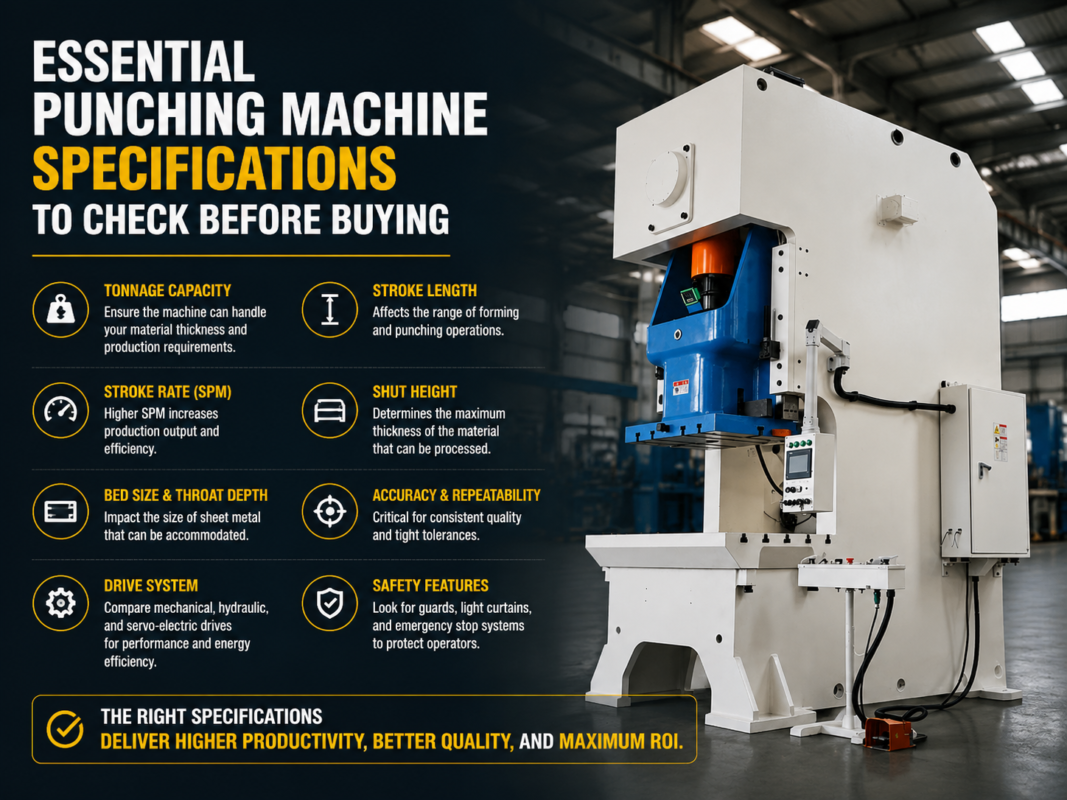
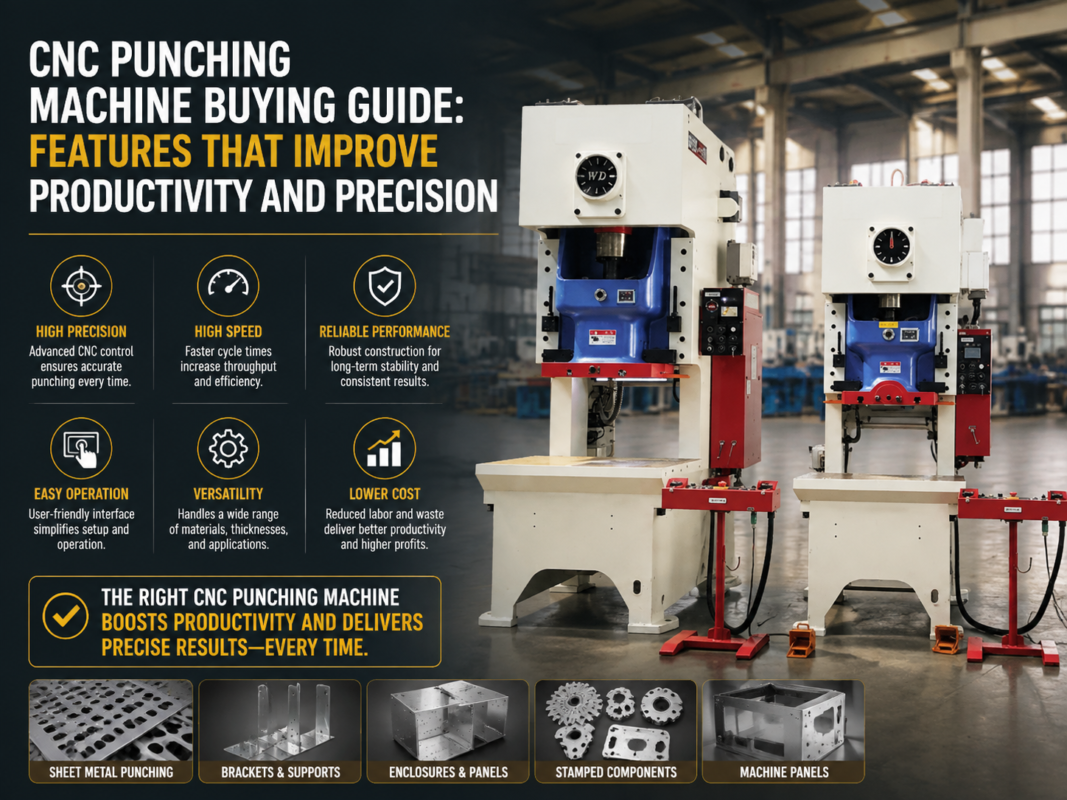
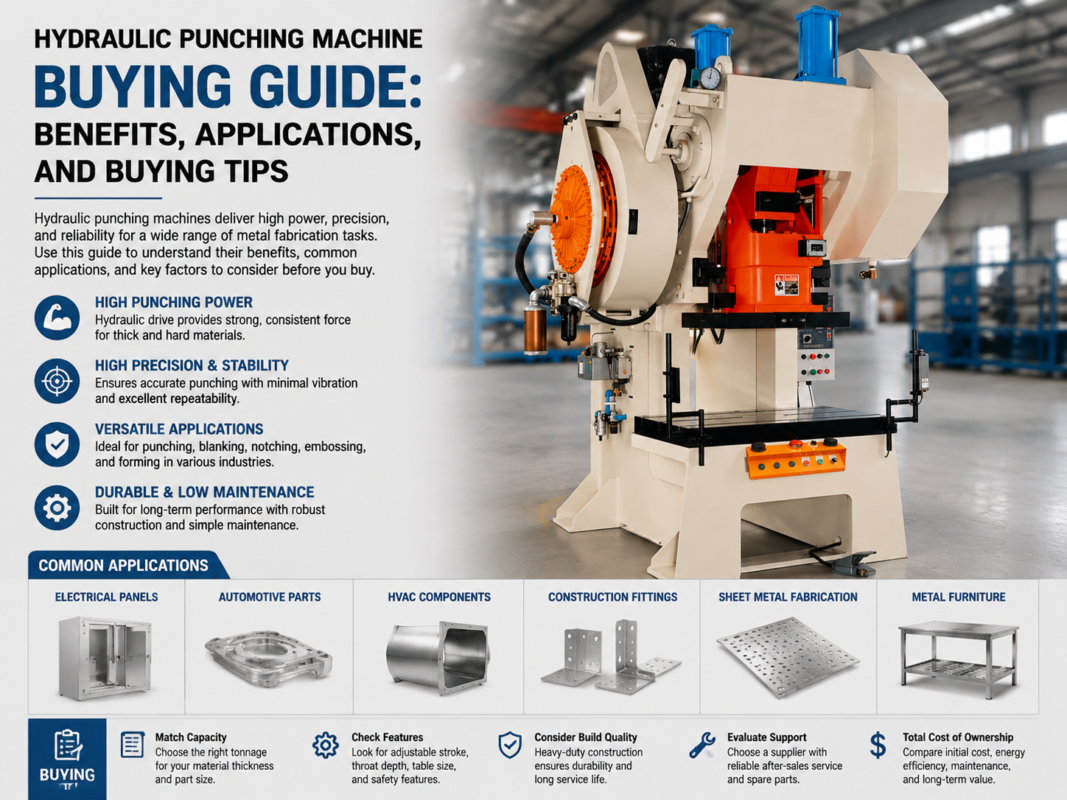
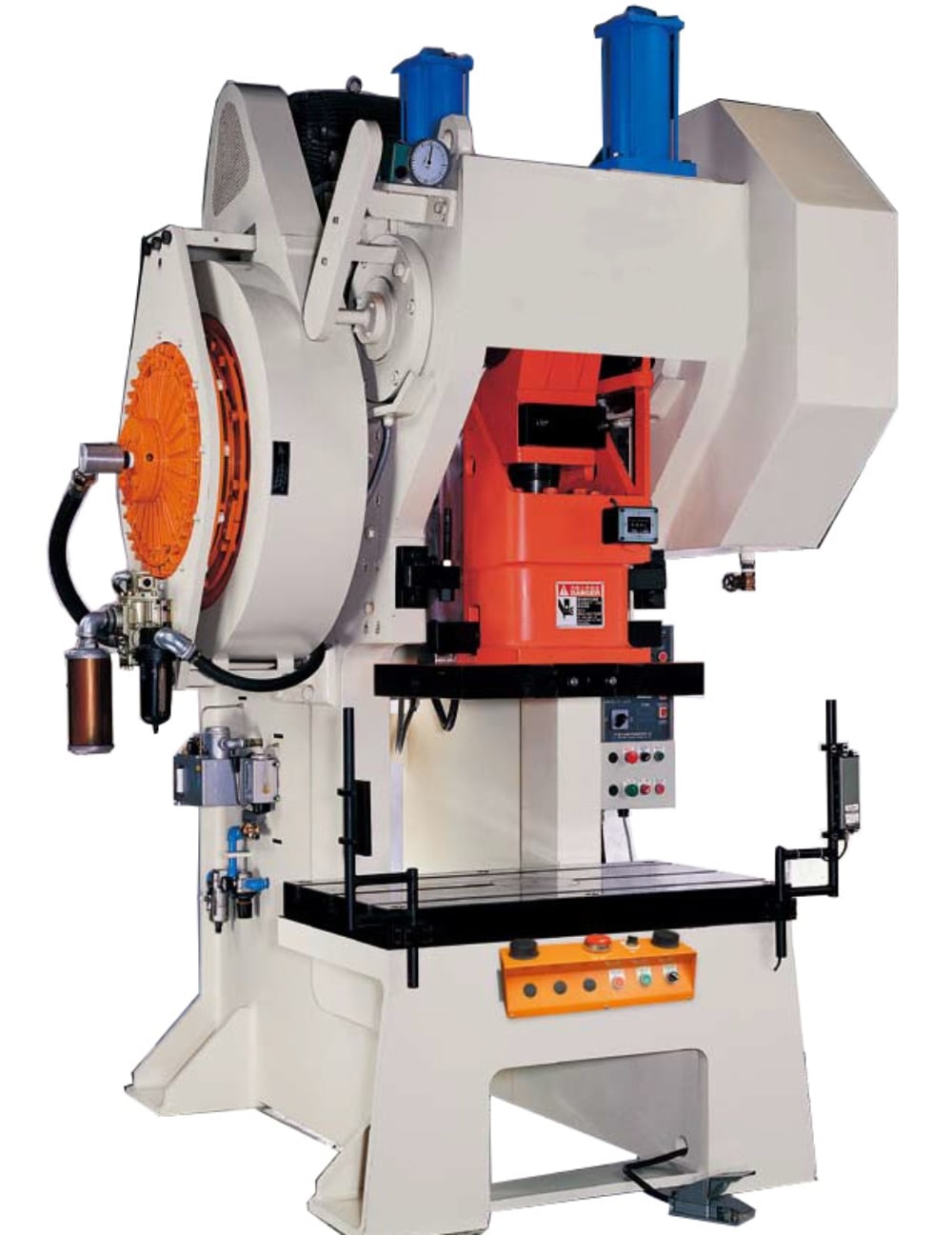
When you choose a punching machine for high-volume production, several technical factors drive the final price tag. The most prominent of these is the drive system. Traditional hydraulic systems are powerful and reliable but can be energy-intensive and require cooling systems to maintain oil temperature during long runs. In contrast, servo-electric drives use electricity only when the ram is moving, offering significant energy savings and higher precision, though at a higher initial purchase price.
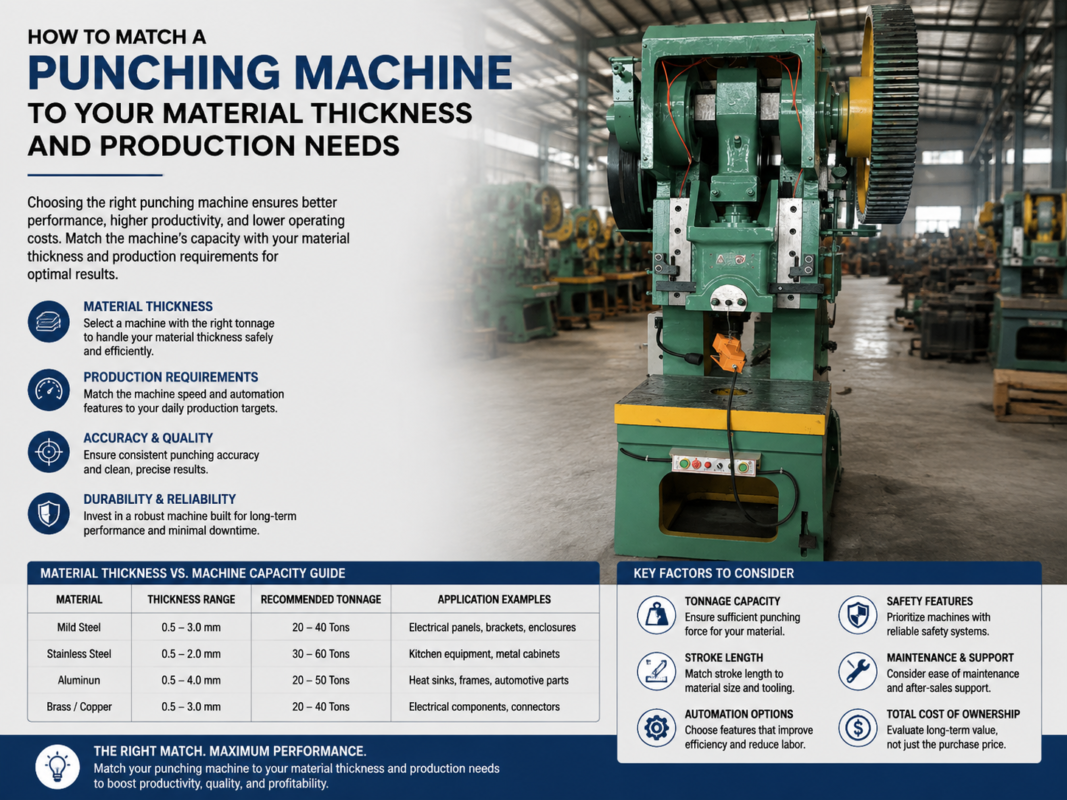
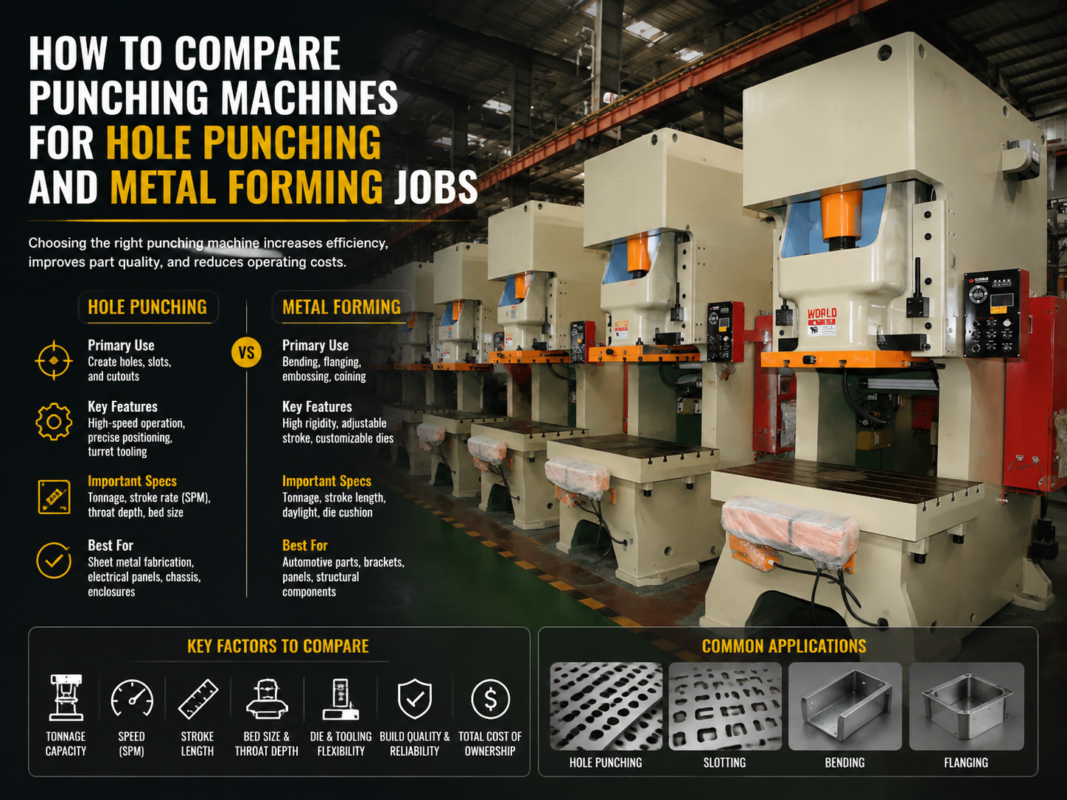
Tonnage is another major cost driver. Most sheet metal applications require between 20 and 30 tons of force. However, if you are working with thicker materials or high-strength alloys, you may need a 50-ton machine. Increasing the tonnage requires a heavier, more rigid frame to withstand the forces involved without flexing, which adds to the manufacturing cost of the machine itself. For high-volume work, a rigid frame is essential to prevent vibration, which can lead to premature tool wear and inaccuracies.
The complexity of the turret and the number of stations also impact the price. A machine with 24 stations is cheaper than one with 48 or 58 stations. However, in high-volume production, having more stations means you can keep all your standard tools in the machine at once, eliminating the downtime associated with manual tool changes. Furthermore, the inclusion of “Auto-Index” stations—which allow tools to rotate to any angle—adds significant cost but provides the flexibility needed to nest parts efficiently and reduce scrap material.
Configuration Impact on Production Efficiency
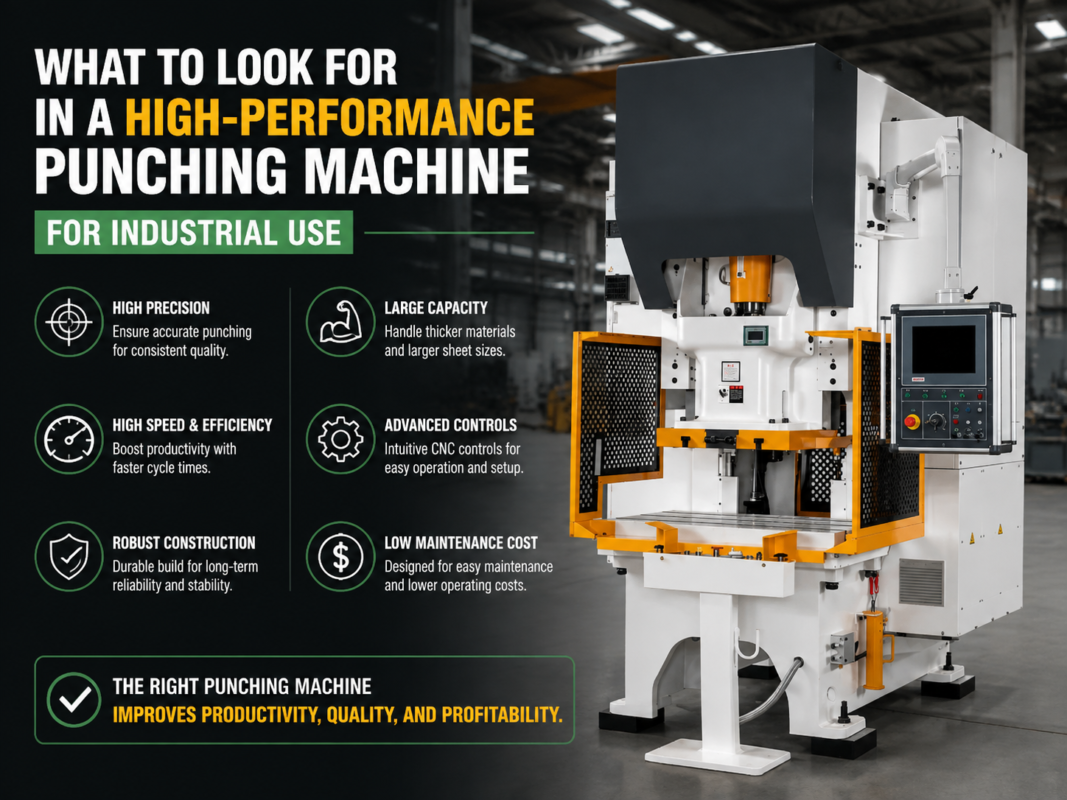
The configuration of your punching machine dictates how smoothly your production line will run. One of the first decisions is between a mechanical, hydraulic, or servo-electric ram. For high-volume work, servo-electric is increasingly the preferred choice. It allows for precise control over the stroke length and speed, enabling “hovering” techniques where the ram stays close to the material surface between hits, drastically increasing the hits-per-minute (HPM) for marking and nibbling operations.
Another configuration factor is the table design. High-volume machines often use brush tables rather than ball tables. Brush tables support the sheet metal on a bed of dense bristles, which prevents scratching of sensitive materials like stainless steel or pre-painted aluminum. This is vital for high-volume production where aesthetic quality is a requirement, as it reduces the need for secondary finishing processes that could bottleneck the production line.
Furthermore, the integration of automation should be considered during the initial configuration. Even if you don’t buy a loader/unloader immediately, choosing a machine that is “automation-ready” is a smart move. This includes having the necessary software interfaces and physical clearance for robotic arms or sheet lifters. In a high-volume scenario, the time spent manually loading a sheet (which can take 30-60 seconds) is time the machine isn’t punching. Over a year, this adds up to hundreds of hours of lost production.
Hidden Costs of Operating a Punching Machine
The purchase price is only the beginning of the total cost of ownership. One of the most significant hidden costs in high-volume punching is tooling. Unlike a laser cutter where the “tool” is a beam of light, a punching machine uses physical dies that wear down. In a high-volume environment, tools may need to be reground every few days. The cost of high-quality long-life tooling, along with the equipment needed to sharpen them, must be factored into the budget.
Electricity consumption is another factor that is often overlooked. A hydraulic machine running three shifts can consume a massive amount of power, especially if the hydraulic pump runs continuously. Servo-electric machines are much more efficient, but they still require a stable power supply and often specialized surge protection. Additionally, the cost of compressed air for sheet floating and slug removal can be substantial over time, requiring a high-capacity, dry air supply to prevent machine malfunctions.
Floor space and facility requirements also carry costs. A high-volume punching machine is a large piece of equipment that requires a reinforced concrete foundation to handle the vibrations. You also need space for raw material storage and finished part pallets. If the machine is part of an automated cell, the footprint grows even larger. Finally, don’t forget the cost of specialized software. Advanced nesting software that optimizes material usage can cost thousands of dollars but is essential for minimizing scrap in high-volume runs.
ROI Calculation: When Does the Investment Pay Off?
Calculating the Return on Investment (ROI) for a high-volume punching machine involves more than just looking at the monthly lease payment. You must calculate the cost-per-hit or cost-per-part. Start by determining the total operating cost per hour, including labor, electricity, tooling wear, and maintenance. Then, divide this by the number of parts the machine can produce in an hour. A more expensive, faster machine often results in a lower cost-per-part than a cheaper, slower one.
Consider the following example: Machine A costs $150,000 and produces 500 parts per hour. Machine B costs $250,000 but produces 900 parts per hour due to higher hit rates and automation. While Machine B is $100,000 more expensive, its increased throughput means you can fulfill orders faster, take on more work, and reduce the labor cost allocated to each part. In many high-volume scenarios, the more expensive machine pays for itself 12-18 months sooner than the budget option.
Another factor in ROI is scrap reduction. Advanced CNC controls and precise servo drives reduce the margin of error. In high-volume production, a 1% reduction in scrap can save tens of thousands of dollars in material costs annually. When you choose a punching machine for high-volume production, look for features like “slug suction” and “sheet sensors” that prevent common errors, as these features directly contribute to a faster ROI by ensuring every hit is a good hit.
Expert Buying Advice for High-Volume Success
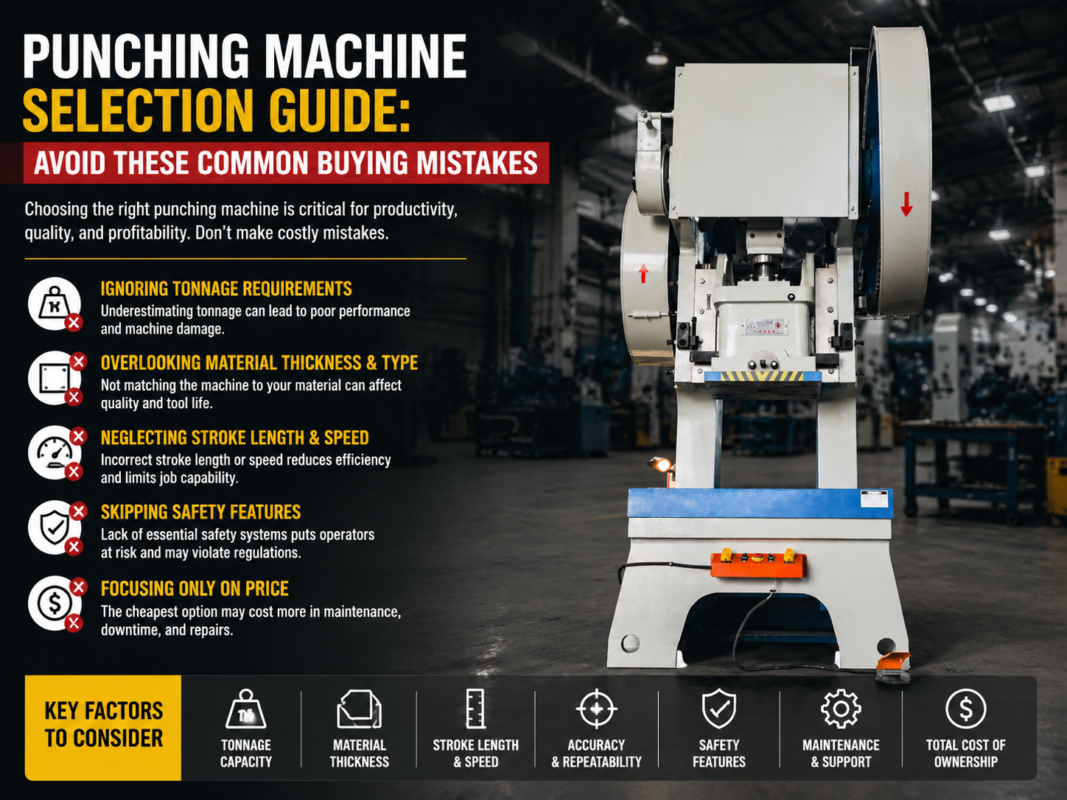
When you are ready to make a purchase, start by analyzing your most common parts. What is the average material thickness? How many tool changes are required per part? If your parts are complex, prioritize a machine with a large turret and many auto-index stations. If your parts are simple but needed in massive quantities, prioritize raw hit speed and automation compatibility. Always ask for a live demonstration using your own CAD files to see the actual cycle time the machine can achieve.
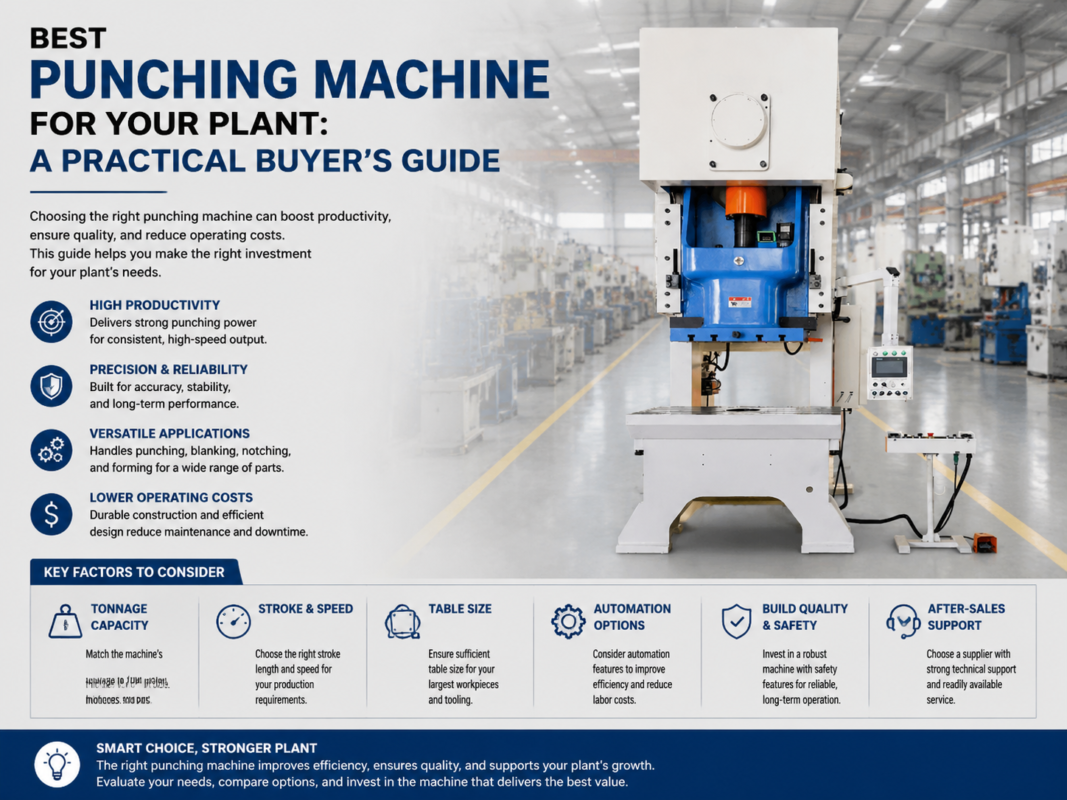
Brand reputation and after-sales support are paramount. In a high-volume environment, a machine being down for a week waiting for a part can be catastrophic. Choose a manufacturer like HARSLE that offers robust technical support, readily available spare parts, and comprehensive training for your operators. Check reviews and talk to other fabrication shop owners about the reliability of the specific model you are considering. A machine is only as good as the support team behind it.
Finally, think about the future. The machine you buy today should be able to handle your projected growth for the next five to ten years. It is often better to over-specify a machine slightly—buying more tonnage or a larger table size than you currently need—than to find yourself limited by your equipment two years down the road. High-volume production is about scalability, and your machinery should be the engine of that growth, not a bottleneck.
Frequently Asked Questions (FAQ)
1. What is the difference between a turret punch press and a single-station punch?
A turret punch press holds multiple tools in a rotating turret, allowing the machine to switch between different shapes and sizes of punches automatically. A single-station punch requires the operator to manually change the tool for every different hole or shape. For high-volume production, a turret punch press is essential because it eliminates the massive downtime associated with manual tool changes.
2. How often do I need to sharpen the tools in a high-volume punching machine?
The frequency of sharpening depends on the material type, thickness, and the number of hits. In high-volume environments, tools are typically checked every shift and may be sharpened every 50,000 to 100,000 hits. Using high-quality coatings on tools can extend this interval. Regular sharpening is crucial because dull tools increase the load on the machine and produce burrs on the finished parts.
3. Is servo-electric really better than hydraulic for high-volume work?
Generally, yes. Servo-electric machines offer higher precision, faster hit rates, and significantly lower energy consumption. They also have fewer moving parts and no oil to leak or overheat, which leads to higher uptime. However, hydraulic machines can sometimes offer higher tonnage at a lower initial price point, which might be preferable for very thick materials where extreme speed is not the primary concern.
4. Can I automate an older punching machine?
While it is technically possible to add some automation to older machines, it is often difficult and expensive. Modern machines are designed with integrated controllers that communicate seamlessly with loaders, unloaders, and robotic stackers. If high-volume production is your goal, it is usually more cost-effective to invest in a new, automation-ready machine than to try and retrofit an older hydraulic unit.
5. What software do I need for a CNC punching machine?
You will need CAD (Computer-Aided Design) software to create your part drawings and CAM (Computer-Aided Manufacturing) software to convert those drawings into G-code that the machine understands. For high-volume work, “Nesting Software” is critical; it automatically arranges parts on a sheet of metal to minimize waste and optimize the punching path for the fastest possible production time.
6. How does material type affect the choice of a punching machine?
Harder materials like stainless steel require more tonnage and cause faster tool wear, necessitating a more robust machine frame. Softer materials like aluminum are easier to punch but can be easily scratched, making a brush table configuration more important. When choosing a machine, ensure its tonnage and table type are rated for the specific materials you plan to process in high volumes.