
How CNC Punching Machines Are Used in Modern Manufacturing: A Comprehensive Guide


Introduction to CNC Punching in the Industrial Era
In the rapidly evolving landscape of industrial production, understanding how CNC punching machines are used in modern manufacturing is essential for any fabrication professional. Computer Numerical Control (CNC) punching has transitioned from a basic mechanical process into a highly sophisticated, automated system capable of producing complex components with unmatched speed and accuracy. At its core, a CNC punching machine uses a programmed sequence to move a sheet of metal under a punching head, which then drives a tool through the material to create holes, notches, or even 3D forms like louvers and ribs.
The significance of this technology lies in its ability to bridge the gap between manual labor and high-volume automation. For decades, manufacturers relied on manual presses that required constant human intervention, leading to higher error rates and slower turnaround times. Today, HARSLE and other industry leaders have integrated advanced software and servo-electric drives to ensure that every stroke is precise. This evolution has made CNC punching a cornerstone of sectors ranging from telecommunications to heavy machinery.
As we delve deeper into the mechanics and applications, it becomes clear that the versatility of these machines is their greatest asset. Whether it is processing thin aluminum for electronics or thick stainless steel for industrial enclosures, the adaptability of the turret and the precision of the CNC controller allow for a seamless transition between different jobs. This guide explores the intricate details of how these machines function and why they remain indispensable in the modern factory floor.
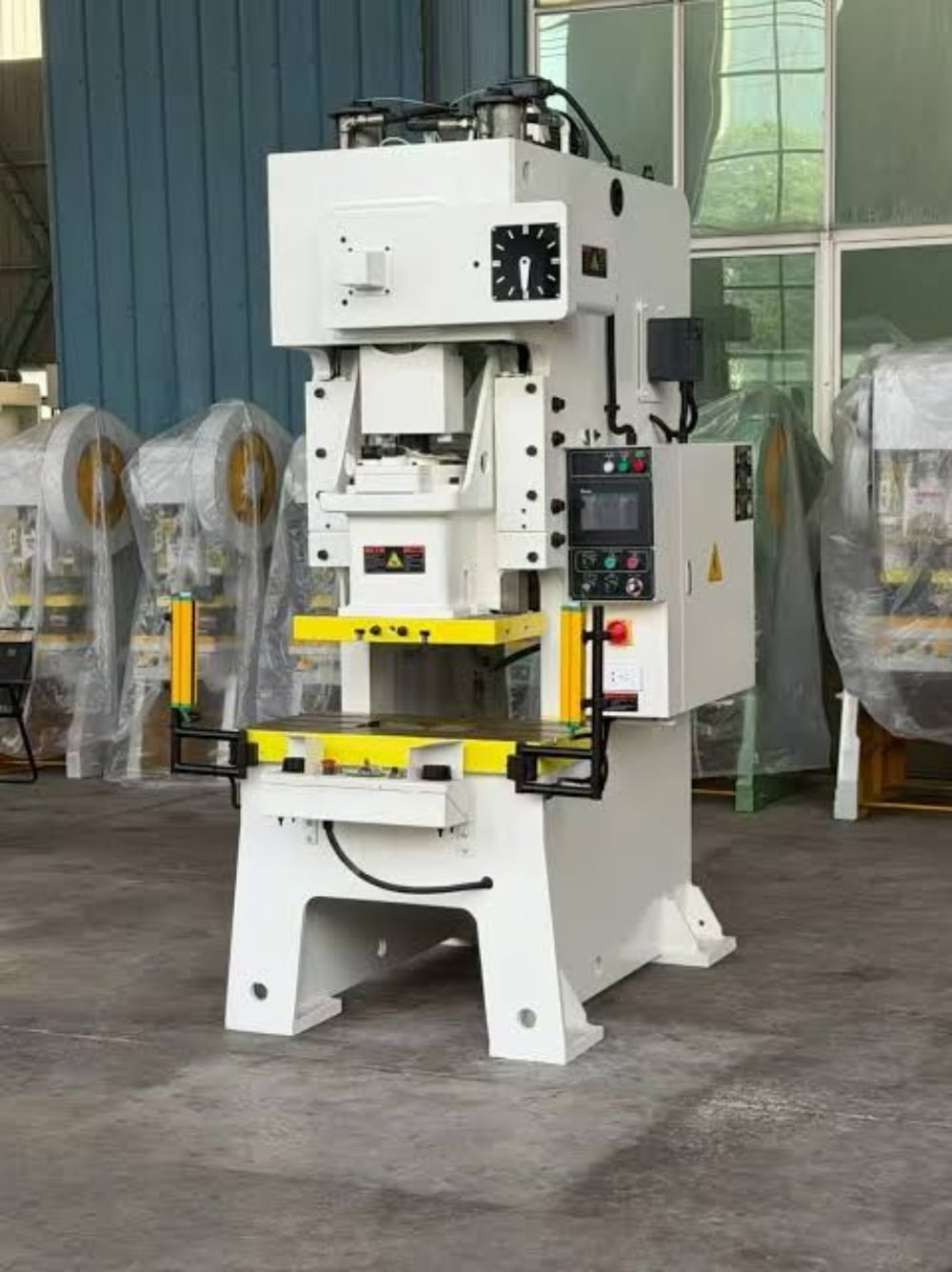
Key Considerations for CNC Punching Operations
When analyzing how CNC punching machines are used in modern manufacturing, several critical factors must be considered to maximize ROI and operational efficiency. The first is material compatibility. While CNC punches are exceptionally efficient with mild steel, aluminum, and stainless steel, the thickness and tensile strength of the material dictate the required tonnage of the machine. A machine that is underpowered for the material will suffer from premature tool wear and mechanical fatigue, while an overpowered machine may lead to unnecessary energy consumption.
Another vital consideration is tool management. Modern turret punch presses feature multiple stations that can hold dozens of different tools simultaneously. The ability to use “Auto-Index” stations—where the tool can rotate to any angle—drastically reduces the number of tools needed and allows for the creation of complex geometries without manual tool changes. This capability is a primary reason why CNC punching is often preferred over laser cutting for parts that require forming operations like countersinking or threading.
Furthermore, the integration of CAD/CAM software cannot be overlooked. The efficiency of a CNC punch is only as good as the nesting software driving it. High-end software optimizes the layout of parts on a single sheet of metal to minimize waste (scrap) and calculates the most efficient path for the punching head to travel. This “path optimization” reduces the cycle time per part, directly impacting the manufacturer’s bottom line. In a competitive market, saving even a few seconds per sheet can result in significant cost advantages over long production runs.
Lastly, environmental and noise considerations are becoming increasingly important. Older hydraulic systems were notorious for being loud and oil-dependent. Modern servo-electric CNC punching machines, however, are significantly quieter and more energy-efficient. They only consume power during the actual punch stroke, unlike hydraulic systems that require the pump to run continuously. This shift not only lowers utility costs but also creates a better working environment for machine operators.
Technical Details: The Mechanics of Precision
To truly understand how CNC punching machines are used in modern manufacturing, one must look at the technical specifications that define their performance. The heart of the machine is the drive system. There are generally two types: hydraulic and servo-electric. Hydraulic systems are known for their brute force and reliability in heavy-duty applications, while servo-electric systems offer superior control over the ram’s position, allowing for delicate forming operations and higher hit rates on thin materials.
The Turret and Tooling System
The turret is the rotating component that houses the punching tools. Turrets are categorized by the number of stations they contain, often ranging from 12 to over 50. These stations are further divided into sizes (A, B, C, D, etc.) to accommodate different tool diameters. A key technical advancement is the “Multi-Tool” holder, which allows a single station to hold up to 8 or 24 smaller punches, effectively multiplying the machine’s tool capacity without increasing its physical footprint.
| Feature | Hydraulic CNC Punch | Servo-Electric CNC Punch |
|---|---|---|
| Energy Efficiency | Moderate (Continuous Pump) | High (Power on Demand) |
| Stroke Control | Good | Excellent (Micron Precision) |
| Maintenance | Requires Oil Changes/Filters | Low (Fewer Moving Parts) |
| Noise Level | High | Low |
The CNC Controller and Software
The “brain” of the machine is the CNC controller, often powered by systems like Fanuc or Siemens. This controller interprets G-code—the language of CNC—to coordinate the movement of the X and Y axes (the sheet metal) with the Z-axis (the punching ram). Modern controllers feature touch-screen interfaces, 3D simulations of the punching process, and real-time diagnostics. This allows operators to catch potential errors, such as tool collisions or sheet interference, before the first punch is even made.
Nesting software plays a parallel role by managing the “hit sequence.” For instance, the software might decide to punch all the small holes first with one tool before switching to a larger tool for the perimeter. This minimizes turret rotation and maximizes speed. Additionally, modern software can handle “common line cutting,” where two parts share a single punch line, further reducing material waste and processing time.
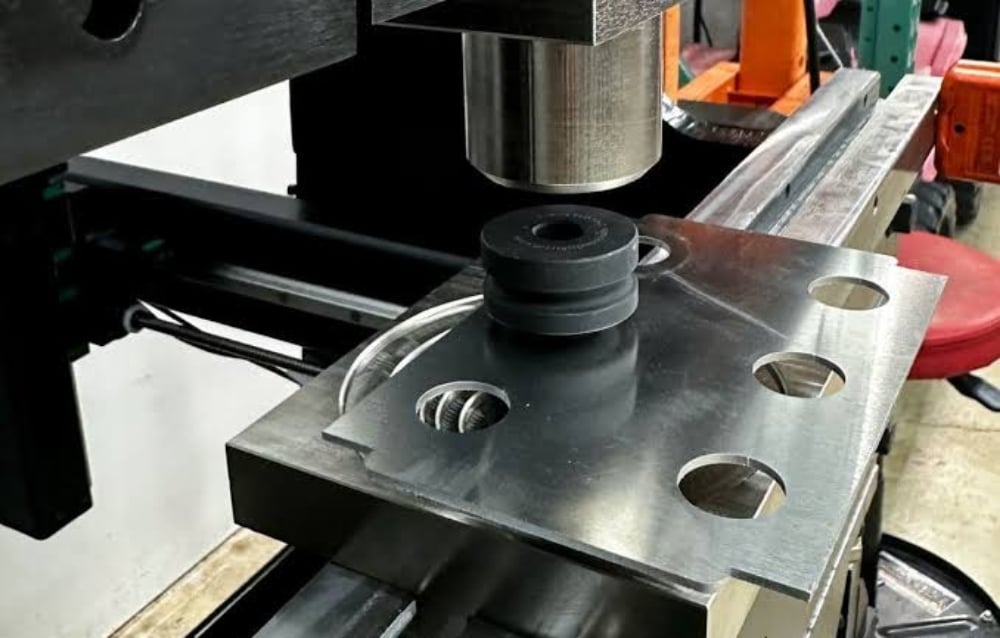
Selection Advice: Choosing the Right Machine for Your Shop
Selecting a machine requires a deep dive into your specific production needs. If your facility focuses on high-volume production of standard electrical boxes, a high-speed servo-electric punch with a large turret capacity is ideal. However, if you are a job shop dealing with varying material thicknesses and short runs, a hydraulic machine with high tonnage might offer more flexibility. When evaluating how CNC punching machines are used in modern manufacturing within your own context, consider the following checklist:
- Tonnage Requirements: Calculate the maximum force needed based on your thickest material and largest hole diameter. A 30-ton machine is standard for most sheet metal work, but 50-ton models are available for heavy-duty tasks.
- Sheet Size and Repositioning: Ensure the machine’s throat depth and table size can accommodate your largest sheets. Some machines offer “auto-repositioning,” which allows the clamps to move the sheet so you can punch areas longer than the physical travel of the axes.
- Forming Capabilities: If your parts require louvers, knockouts, or extruded holes, ensure the machine has a programmable ram that can precisely control the depth of the stroke.
- Automation Options: Consider whether you need automatic loading and unloading systems. For shops running 24/7, “lights-out” manufacturing is only possible with automated sheet handling.
- After-Sales Support: Brands like HARSLE provide extensive training and technical support, which is crucial for maintaining uptime and ensuring your staff can operate the complex CNC interface effectively.
It is also important to look at the frame construction. An “O-frame” (closed-loop) design typically offers more rigidity and less deflection than a “C-frame” (open) design. This rigidity translates directly into tool life; if the frame flexes, the punch and die may become misaligned, leading to burrs on the part and rapid tool dulling. Investing in a rigid frame is a long-term strategy for maintaining part quality.
Applications Across Diverse Industries
The question of how CNC punching machines are used in modern manufacturing is best answered by looking at the products we use every day. In the automotive industry, CNC punches are used to create brackets, heat shields, and internal structural components. The speed of the punch press makes it much more cost-effective than laser cutting for these high-volume, relatively simple parts.
In the electronics and telecommunications sector, the ability to punch thousands of small ventilation holes in a server rack enclosure is a task perfectly suited for a CNC punch. A laser would take significantly longer to “pierce” and cut each hole, whereas a punch can perform several hits per second. Furthermore, the punch can create the “bridge” forms and “lances” necessary for mounting components inside the chassis in the same operation.
The HVAC industry also relies heavily on this technology. Ductwork, air conditioner housings, and furnace components require large sheets of galvanized steel to be processed quickly. CNC punching machines can handle these large sheets with ease, providing the necessary notches for folding and the holes for assembly rivets. The consistency of the CNC process ensures that every part fits perfectly during final assembly, reducing the need for manual adjustments on the factory floor.
Maintenance and Longevity of CNC Punching Equipment
To ensure that how CNC punching machines are used in modern manufacturing remains efficient, a strict maintenance schedule is mandatory. The most critical aspect is tool maintenance. Dull tools increase the load on the machine and produce poor-quality parts with excessive burrs. Implementing a regular sharpening schedule using a dedicated tool grinder can extend tool life by up to 500%.
Lubrication is another pillar of machine longevity. The X and Y-axis ball screws and linear guides must be kept clean and well-lubricated to prevent friction-induced wear. Most modern HARSLE machines feature automatic lubrication systems, but operators must still monitor oil levels and ensure the lines are not clogged. For hydraulic models, regular oil analysis and filter changes are necessary to prevent contamination from damaging the sensitive valves in the hydraulic manifold.
Finally, software and controller backups are often overlooked. As the machine’s “brain,” the controller stores vital parameters and custom programs. Regularly backing up this data to a secure server ensures that in the event of a hardware failure, the machine can be restored to operation quickly. Keeping the software updated also allows the manufacturer to take advantage of new features and security patches provided by the CNC manufacturer.
Frequently Asked Questions
1. Is CNC punching better than laser cutting?
It depends on the application. CNC punching is generally faster and more cost-effective for high-volume runs and parts that require forming (like louvers). Laser cutting is better for very complex shapes, thick materials, and low-volume prototypes where tool costs would be prohibitive.
2. What materials can be processed on a CNC punching machine?
Most commonly, mild steel, stainless steel, aluminum, copper, and brass. Some specialized applications even involve punching certain types of plastics and composites, provided the tooling is designed correctly.
3. How long do the tools last?
Tool life varies based on the material being punched and the maintenance routine. With proper lubrication and regular sharpening, a high-quality punch and die set can last for hundreds of thousands of hits.
4. Can a CNC punch create 3D shapes?
Yes, through a process called “forming.” By using specific tools and controlling the ram’s stroke depth, the machine can create ribs, louvers, countersinks, and even small bends or threads (using a tapping tool).
5. What is the typical accuracy of a modern CNC punch?
Most high-end CNC punching machines offer positioning accuracy within +/- 0.1mm and repeatability within +/- 0.05mm, making them suitable for precision engineering components.
Conclusion: The Future of CNC Punching
Understanding how CNC punching machines are used in modern manufacturing reveals a technology that is far from obsolete. Despite the rise of laser and waterjet cutting, the CNC punch press remains the workhorse of the sheet metal industry due to its speed, forming capabilities, and cost-efficiency. As we move toward Industry 4.0, we can expect even greater integration of AI for predictive maintenance and even more efficient servo-drive systems that further reduce the carbon footprint of fabrication shops.
For manufacturers looking to stay competitive, investing in a high-quality CNC punching machine from a reputable brand like HARSLE is a strategic move. By combining robust mechanical engineering with cutting-edge control software, these machines provide the precision and reliability needed to meet the demands of today’s global market. Whether you are producing simple washers or complex aerospace enclosures, the CNC punch press is a versatile tool that will continue to shape the future of manufacturing for decades to come.












