How to Select the Best Punching Machine for Metal Hole Punching: A Comprehensive Industrial Guide


Introduction to Metal Hole Punching Technology
In the modern metal fabrication landscape, the ability to create precise, repeatable holes in sheet metal and plate is fundamental to production efficiency. Whether you are manufacturing electrical enclosures, automotive components, or architectural panels, the decision to select the best punching machine for metal hole punching can dictate your shop’s profitability for the next decade. A punching machine is not merely a tool; it is a critical investment in throughput, accuracy, and versatility.
HARSLE understands that the market is flooded with various technologies, from traditional mechanical presses to advanced CNC turret punch presses. Navigating these options requires a deep understanding of your specific production needs, material types, and long-term growth projections. This guide is designed to provide a technical and financial roadmap for procurement officers and shop managers looking to optimize their metalworking capabilities.
Price Range Overview: Understanding the Market Tiers
The financial commitment required to select the best punching machine for metal hole punching varies significantly based on the level of automation and force required. Generally, the market is divided into four distinct price tiers, each serving a specific production volume and complexity level.
Entry-Level Manual and Semi-Automatic Machines ($2,000 – $15,000)
At the lower end of the spectrum, you will find manual hydraulic punches and small-scale mechanical ironworkers. These machines are ideal for small workshops or maintenance departments where hole punching is an occasional requirement rather than a continuous production process. While affordable, they lack the speed and precision required for high-volume industrial applications.
Mid-Range Hydraulic Punching Machines ($15,000 – $45,000)
Mid-range machines often feature NC (Numerical Control) systems and higher tonnage capacities. These are the workhorses of many medium-sized fabrication shops. They offer a balance between cost and performance, providing enough power to punch through thicker plates (up to 20mm or more) while maintaining a relatively small footprint. HARSLE’s hydraulic series often falls into this category, offering robust reliability for heavy-duty tasks.
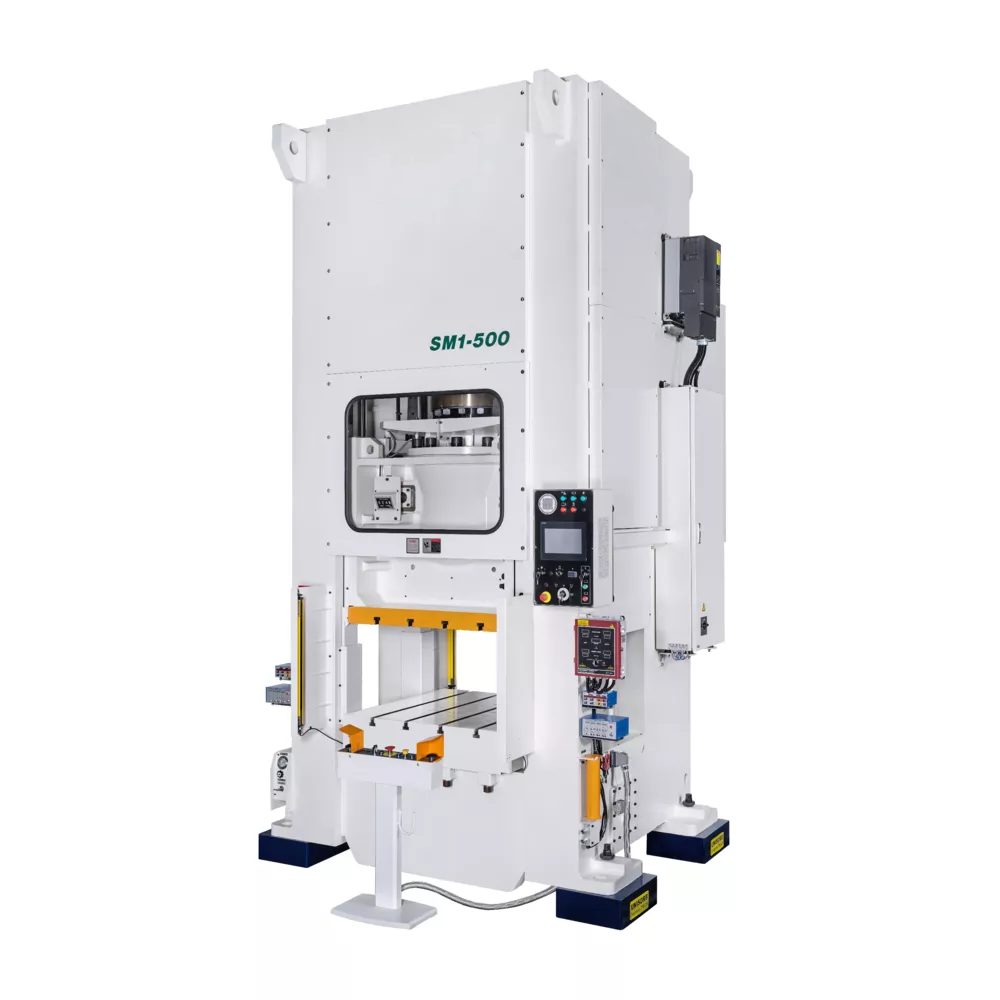
High-End CNC Turret Punch Presses ($60,000 – $250,000+)
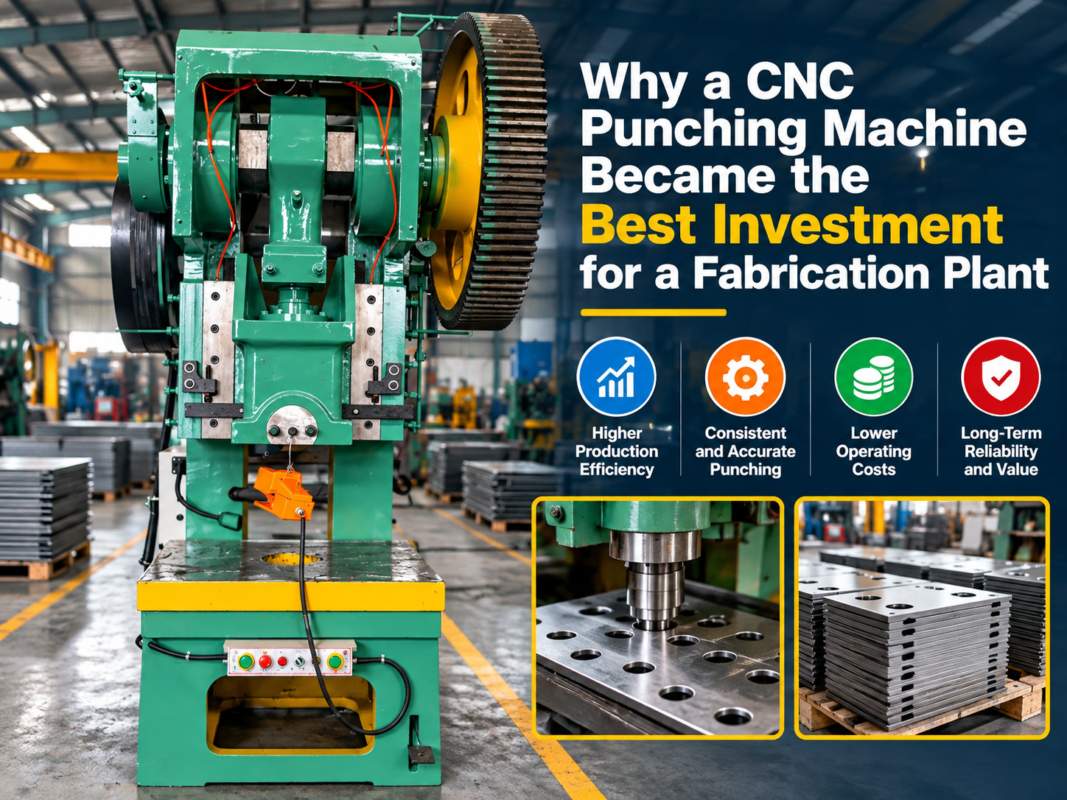
For high-speed production and complex hole patterns, CNC turret punch presses are the industry standard. These machines feature a rotating turret that holds dozens of different tools, allowing the machine to switch between hole sizes and shapes in milliseconds. The high price tag reflects the sophisticated software, high-speed servo motors, and massive frame stability required for precision at high velocities.
Specialized and Automated Cells ($300,000+)
At the pinnacle of the industry are fully automated punching cells integrated with loading/unloading robots and material storage systems. These are designed for 24/7 “lights-out” manufacturing environments where labor costs must be minimized and output maximized.
Main Cost Drivers in Punching Machine Procurement
When you look to select the best punching machine for metal hole punching, the sticker price is influenced by several technical specifications. Understanding these drivers helps you avoid overpaying for features you don’t need or under-investing in critical capabilities.
- Tonnage (Press Force): The amount of force the machine can exert is the primary cost driver. Punching a 50mm hole through 10mm mild steel requires significantly more tonnage than punching the same hole through 2mm aluminum. Higher tonnage requires heavier frames and more powerful hydraulic or servo systems.
- Stroke Rate (Speed): In high-volume environments, hits-per-minute (HPM) is a vital metric. Machines capable of 600 to 1,000 HPM command a premium because they require advanced vibration dampening and high-speed control systems.
- Accuracy and Repeatability: The precision of the X and Y axis movement determines the quality of the finished part. High-precision ball screws and linear guides increase the machine’s cost but reduce scrap rates.
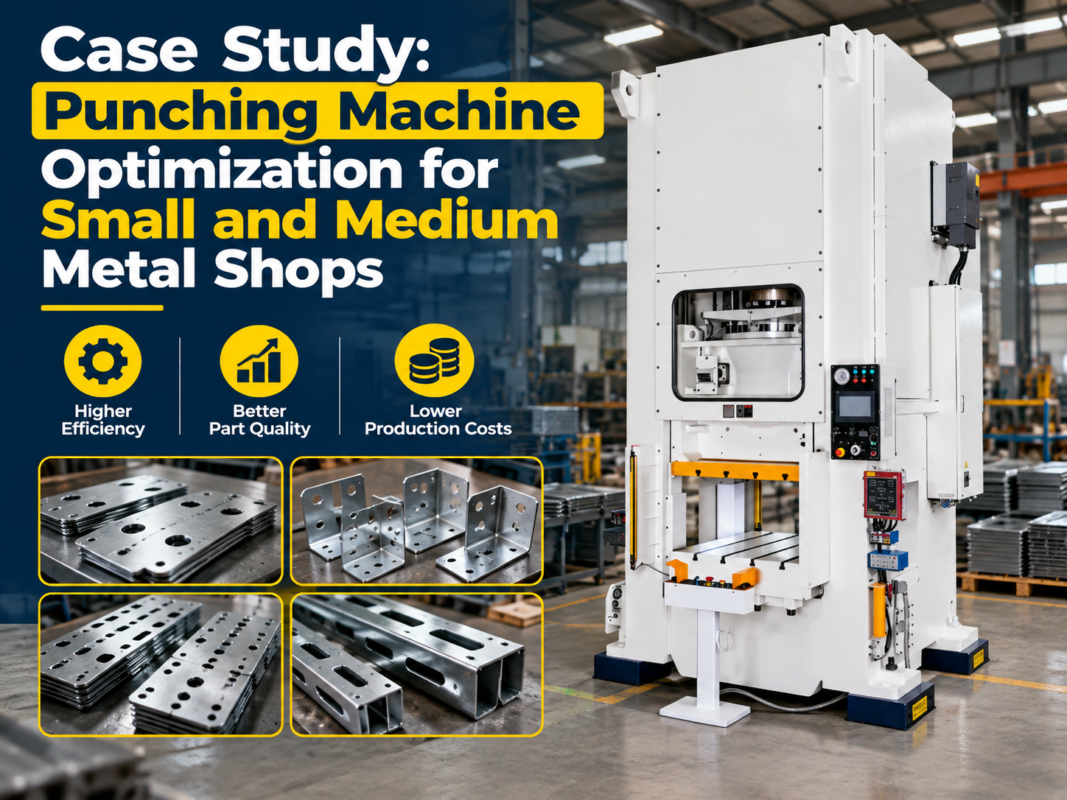
- Frame Construction: A “C-frame” machine offers better accessibility but may suffer from “yaw” or deflection under high loads. An “H-frame” or closed-bridge frame is more rigid and expensive, ensuring better tool alignment and longer tool life.
Configuration Impact: Tailoring the Machine to Your Workflow
The configuration of your punching machine determines its versatility. To select the best punching machine for metal hole punching, you must evaluate how the machine’s setup aligns with your typical part geometry.
Tooling Capacity and Turret Design
In CNC turret presses, the number of stations in the turret is crucial. A larger turret allows you to keep more tools loaded, reducing setup time between different jobs. Furthermore, “Auto-Index” stations allow the tool to rotate to any angle, which is essential for complex shapes and nesting parts to save material.
Control Systems: NC vs. CNC
NC systems are suitable for simple, repetitive tasks where the operator manually positions the sheet or uses simple backgauges. CNC (Computer Numerical Control) systems allow for complex programming, CAD/CAM integration, and remote monitoring. For modern fabrication, a user-friendly CNC interface like those provided by HARSLE can significantly reduce the learning curve for new operators.
Throat Depth and Sheet Handling
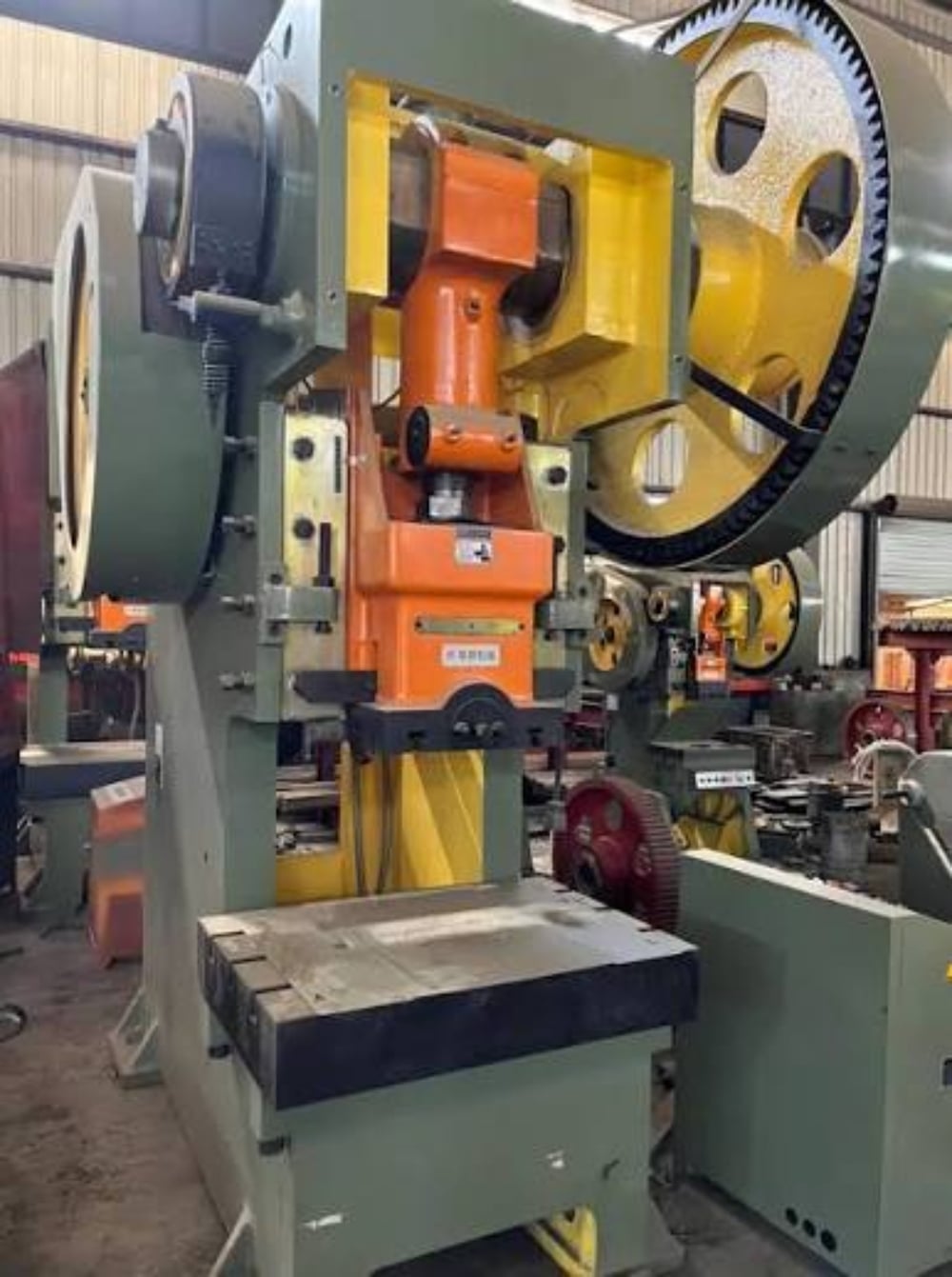
The throat depth determines the maximum width of the sheet the machine can handle. If you work with large 1500mm x 3000mm sheets, you need a machine with a deep throat or a repositioning system that allows the machine to move the sheet and continue punching beyond its initial reach.
Hidden Costs of Ownership
The initial purchase price is only part of the Total Cost of Ownership (TCO). When you select the best punching machine for metal hole punching, you must account for the following ongoing expenses:
- Tooling Consumables: Punches and dies wear out. The cost of high-quality tool steel and the frequency of sharpening can add up. Using poor-quality tooling can also damage the machine’s ram or turret.
- Electricity Consumption: Hydraulic machines require pumps to run constantly, whereas newer servo-electric models only consume significant power during the actual punch stroke. Over five years, the energy savings of a servo-electric machine can be tens of thousands of dollars.
- Maintenance and Spare Parts: Hydraulic seals, filters, and oil changes are standard for hydraulic machines. CNC machines require periodic calibration of the axes and lubrication of the ball screws.
- Floor Space and Foundation: Large punching machines exert massive dynamic forces. You may need to pour a reinforced concrete foundation to prevent the machine from vibrating and losing accuracy, which is a significant hidden installation cost.
ROI Calculation: When Does the Investment Pay Off?
Calculating the Return on Investment (ROI) is essential for justifying the purchase of a new punching machine. To select the best punching machine for metal hole punching from a financial perspective, use the following framework:
1. Labor Savings: Compare the time taken to produce a batch of parts on your current equipment versus the new machine. If a CNC turret punch replaces three manual machines, the labor savings alone might cover the monthly finance payment.
2. Material Utilization: Advanced CNC software allows for better nesting. If you can squeeze 10% more parts out of every sheet of steel, the material savings over a year can be substantial, especially with high-cost materials like stainless steel or copper.
3. Secondary Process Elimination: Modern punching machines can also perform forming, ribbing, and tapping. If the machine can punch the hole and tap the thread in one operation, you eliminate the need for a secondary workstation and the labor associated with moving parts between machines.
4. Scrap Reduction: High precision means fewer rejected parts. Calculate your current scrap rate and estimate the savings based on the improved accuracy of a new HARSLE machine.
Buying Advice: Step-by-Step Selection Strategy
To ensure you select the best punching machine for metal hole punching, follow this professional checklist:
- Analyze Your Material: Document the maximum thickness and tensile strength of the materials you work with. Always choose a machine with a tonnage capacity at least 20% higher than your maximum calculated requirement to avoid running the machine at its limit.
- Evaluate Production Volume: If you punch 100 holes a day, a manual machine is fine. If you punch 100,000, you need a CNC turret press. Don’t buy more speed than you can realistically feed with material.
- Check Supplier Reputation: Look for manufacturers like HARSLE who provide comprehensive after-sales support, readily available spare parts, and clear technical documentation. A machine is only an asset if it’s running.
- Request a Test Cut: Send your most complex part drawing to the manufacturer. Ask them to punch it and provide a report on the cycle time and hole quality. This is the best way to verify the machine’s real-world performance.
- Consider Future-Proofing: Your needs today might not be your needs in three years. If you anticipate growth, consider a machine with a larger turret or the ability to add automation later.
Frequently Asked Questions (FAQ)
1. What is the difference between a mechanical and a hydraulic punching machine?
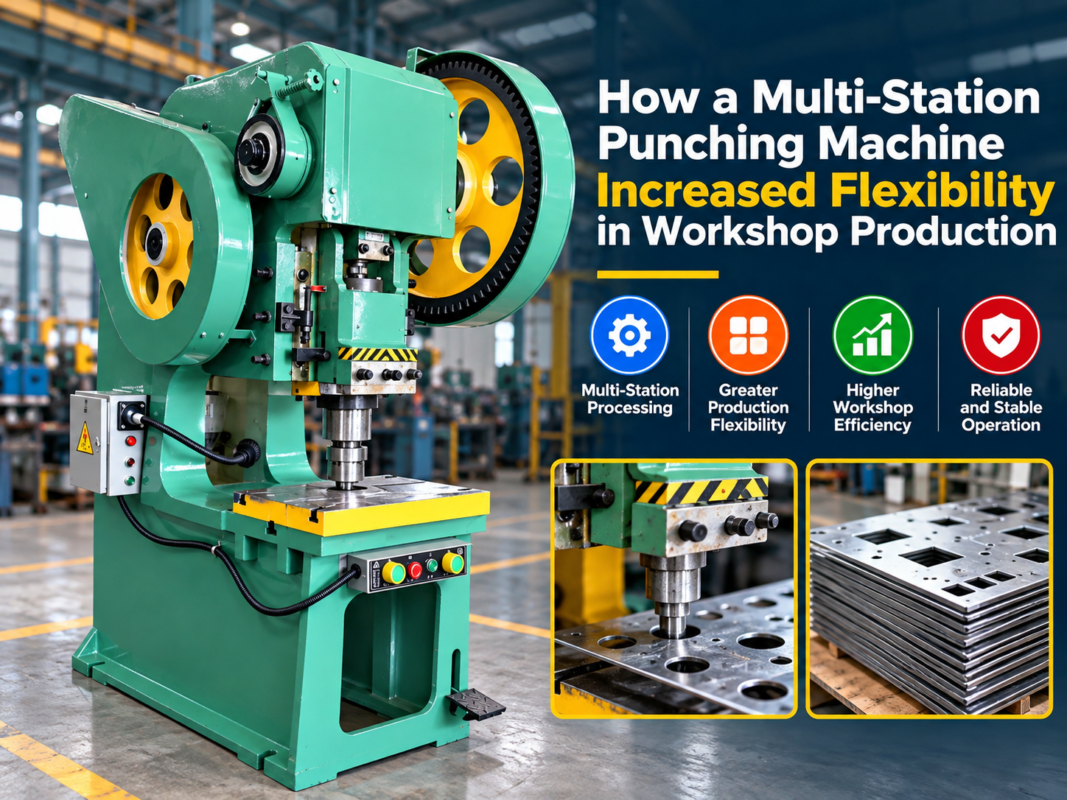
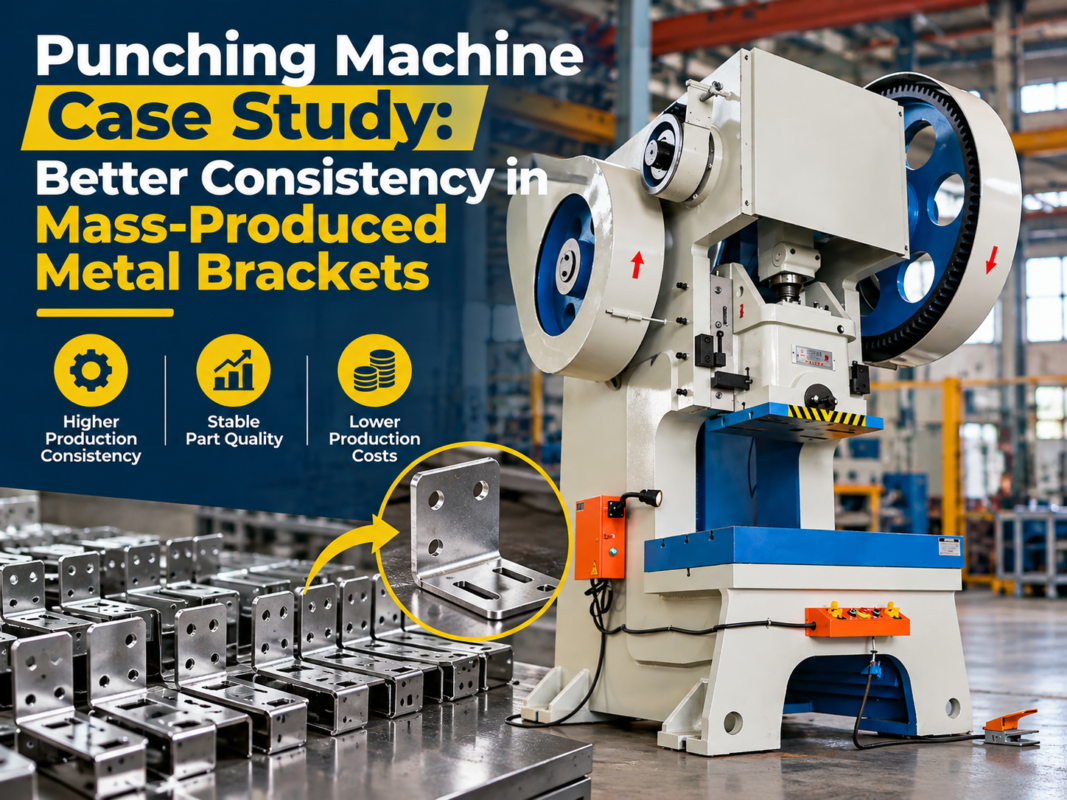
Mechanical punching machines use a flywheel to store energy, providing a very fast and powerful hit, but with a fixed stroke. Hydraulic machines use fluid power, allowing for a controllable stroke and full tonnage at any point in the movement. Hydraulic machines are generally more versatile and easier to set up for different material thicknesses.
2. How do I calculate the tonnage required for a specific hole?
The formula is: Tonnage = (Perimeter of Hole x Material Thickness x Shear Strength) / 2000 (for US tons). For example, a round hole has a perimeter of π x diameter. Always ensure your machine exceeds this value to prevent frame fatigue.
3. Can a punching machine cut shapes other than circles?
Yes. By using different shaped dies (squares, rectangles, obrounds) and a process called “nibbling” (taking many small overlapping hits), a punching machine can cut almost any 2D shape, including large cutouts and complex contours.
4. How often should I sharpen my punching tools?
Tooling should be sharpened as soon as you notice a “burr” on the edge of the hole or an increase in punching noise. Regular sharpening (removing only 0.1mm to 0.2mm) extends the total life of the tool significantly compared to waiting until the tool is dull and requires a heavy grind.
5. Is a laser cutter better than a punching machine?
It depends on the application. Laser cutters are better for very complex geometries and thick materials. However, for high-volume hole punching and simple shapes, a punching machine is significantly faster and cheaper per part. Additionally, punching machines can perform forming operations (like louvers or countersinks) that lasers cannot.
6. What safety features should I look for?
Modern machines should include light curtains, emergency stop buttons, and interlocked guarding. For CNC machines, software-based safety zones that prevent the punch from hitting the work clamps are essential to prevent expensive machine damage.
Conclusion
To select the best punching machine for metal hole punching, you must balance technical capability with financial reality. By focusing on tonnage, speed, and the total cost of ownership, you can choose a machine that not only meets your current production demands but also provides a platform for future growth. HARSLE remains committed to providing high-quality, reliable punching solutions that empower fabricators to achieve higher precision and efficiency in their daily operations. Invest wisely, maintain your equipment diligently, and your punching machine will serve as the backbone of your production floor for years to come.