Punching Machine Overheating: Main Causes and Preventive Fixes


Introduction to Punching Machine Thermal Management
In the high-stakes world of metal fabrication, the reliability of a punching machine is paramount. These machines, whether mechanical or hydraulic, are designed to deliver immense force with precision. However, one of the most common challenges faced by operators and maintenance teams is Punching Machine Overheating: Main Causes and Preventive Fixes. Excessive heat is not merely a nuisance; it is a precursor to component failure, reduced accuracy, and costly downtime. When a machine operates beyond its designed thermal limits, the physical properties of its components change, leading to accelerated wear and tear.
At HARSLE, we understand that maintaining optimal operating temperatures is critical for the longevity of industrial machinery. Overheating can stem from a variety of sources, ranging from environmental conditions to internal mechanical friction. Understanding these factors is the first step toward implementing a robust maintenance strategy. This article provides an in-depth exploration of why punching machines overheat and offers professional-grade solutions to keep your production line running smoothly. By addressing thermal issues proactively, fabricators can ensure that their equipment delivers consistent results even under heavy workloads.
Thermal management involves more than just installing a fan. It requires a holistic view of the machine’s duty cycle, the materials being processed, and the integrity of the hydraulic and electrical systems. As we delve into the technicalities of heat generation in punching machines, we will highlight how modern engineering has evolved to combat these issues and what steps you can take today to safeguard your investment. Whether you are operating a high-speed CNC turret punch or a standard hydraulic press, the principles of heat dissipation remain a cornerstone of industrial efficiency.
Key Considerations for Identifying Overheating
Before diving into technical fixes, it is essential to recognize the signs and external factors that contribute to Punching Machine Overheating: Main Causes and Preventive Fixes. The environment in which a machine operates plays a significant role. For instance, a workshop with poor ventilation or high ambient temperatures will naturally struggle to dissipate heat from heavy machinery. During summer months, the baseline temperature of the hydraulic oil can rise significantly even before the machine starts its first cycle. Operators must be trained to monitor temperature gauges and recognize the smell of scorched oil or the sound of a struggling pump.
Another key consideration is the duty cycle of the machine. Every punching machine has a rated capacity and a recommended duty cycle. Pushing a machine beyond these limits—such as running a high-frequency punching operation on thick stainless steel for extended periods—generates immense internal friction. This friction manifests as heat in the ram guides, the flywheel bearings, and the hydraulic fluid. If the machine is not given adequate time to cool down or if the cooling system is not scaled for such intensive use, overheating is inevitable. Understanding the relationship between material thickness, stroke frequency, and heat generation is vital for production planning.
Lubrication is perhaps the most critical factor in preventing friction-related heat. Without proper lubrication, metal-on-metal contact increases, leading to rapid temperature spikes. However, the type of lubricant used also matters. Using oil with the wrong viscosity can lead to increased resistance within the hydraulic lines or inadequate protection for moving parts. Furthermore, contaminated oil can act as an abrasive, further increasing friction and heat. Regular oil analysis and adherence to manufacturer-specified lubrication schedules are non-negotiable for preventing thermal issues.
Technical Details: The Mechanics of Heat Generation
To effectively address Punching Machine Overheating: Main Causes and Preventive Fixes, one must understand the physics behind it. In hydraulic punching machines, the primary source of heat is the energy loss within the hydraulic system. As oil is forced through valves, orifices, and long stretches of piping at high pressure, a portion of the mechanical energy is converted into heat. This is known as fluid friction. If the hydraulic circuit is inefficient—perhaps due to a worn-out pump or a malfunctioning relief valve—the amount of heat generated increases exponentially. The hydraulic oil’s viscosity drops as it heats up, which can lead to internal leakage, further reducing efficiency and creating a feedback loop of rising temperatures.
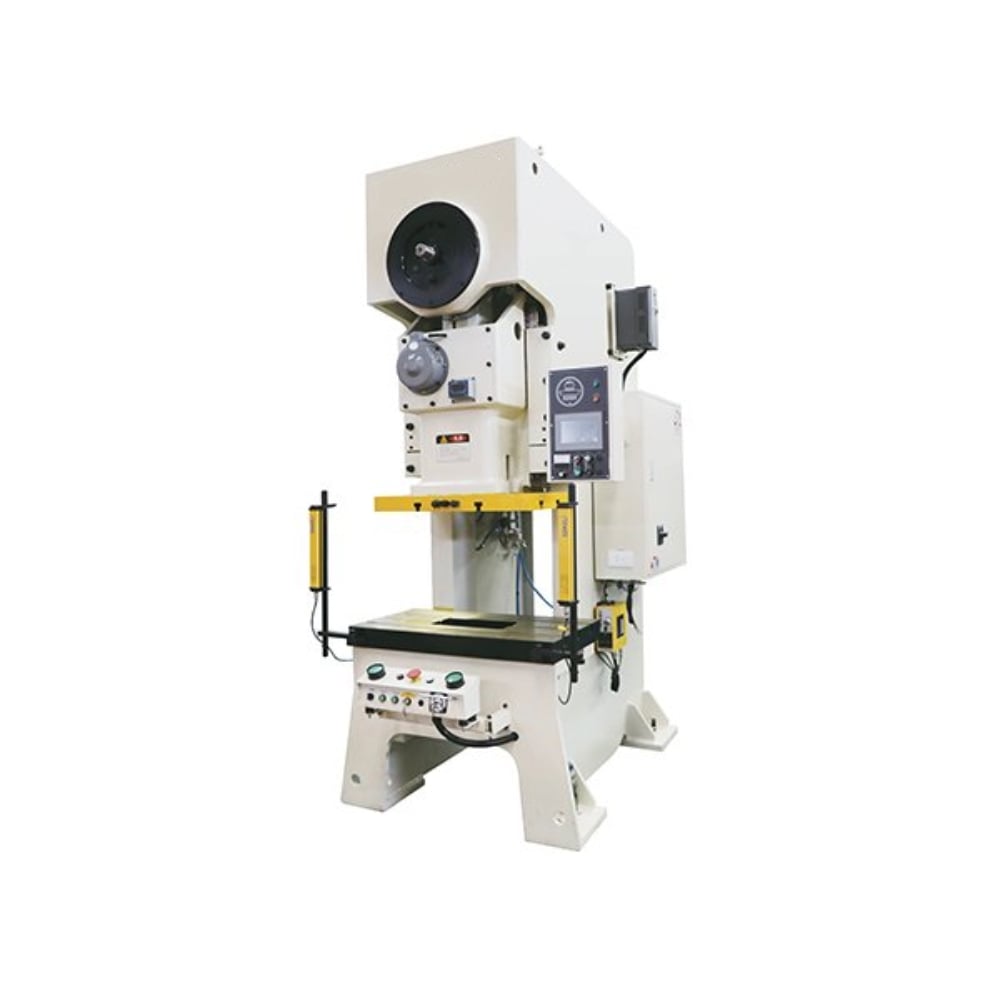
Mechanical punching machines, on the other hand, generate heat primarily through friction in the drivetrain. The flywheel, clutch, and brake assemblies are high-friction zones. During the engagement and disengagement of the clutch, significant thermal energy is released. If the clutch is slipping or if the brake is not releasing fully, the heat buildup can be rapid enough to damage the friction plates. Additionally, the ram guides (gibs) require a thin film of oil to slide smoothly. If the gibs are adjusted too tightly or if the lubrication system fails, the resulting friction can cause the ram to seize or the motor to overheat due to the increased load.
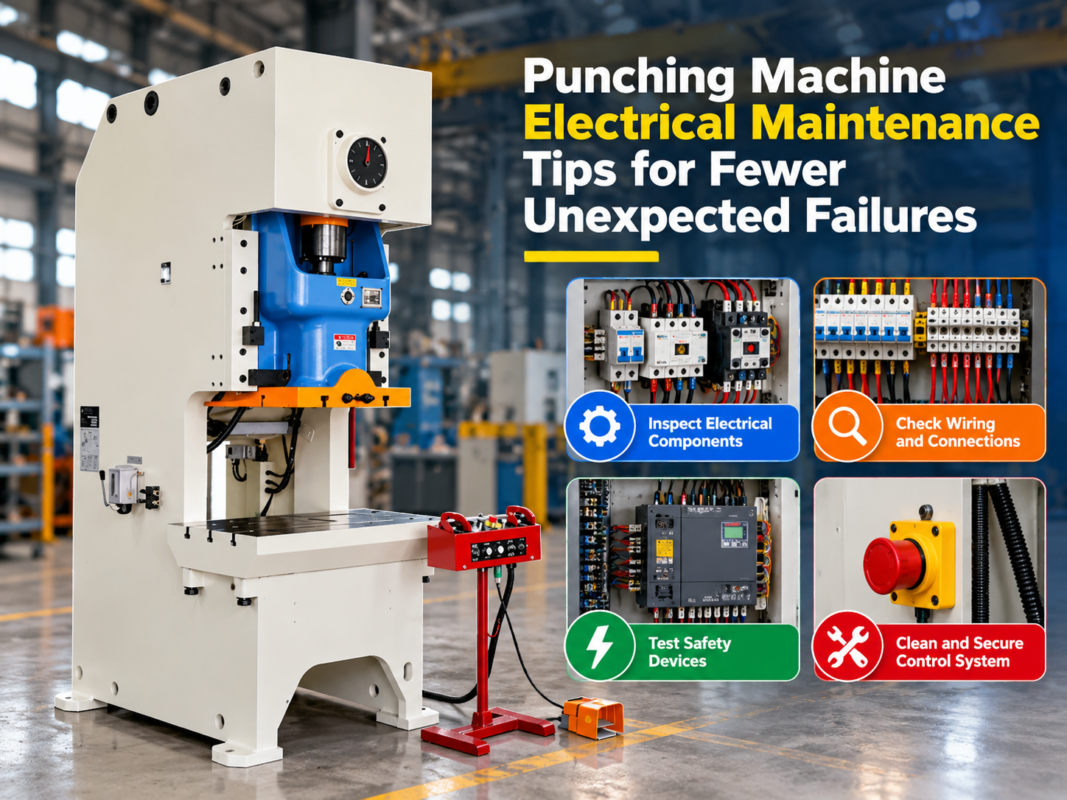
Electrical components are also susceptible to overheating. The control cabinet houses the PLC, motor drives, and power supplies, all of which generate heat during operation. If the cabinet’s cooling fans are clogged with dust or if the heat sinks are poorly ventilated, the electronic components can reach critical temperatures. This often leads to erratic machine behavior, unexpected shutdowns, or permanent damage to sensitive circuits. Modern CNC punching machines utilize sophisticated sensors to monitor these temperatures, but the underlying cause—poor airflow or excessive ambient heat—must still be addressed by the maintenance team.
The Role of Hydraulic Oil Viscosity
Hydraulic oil is the lifeblood of many punching machines. Its ability to transmit power while lubricating components is highly dependent on its viscosity. When the oil overheats, its viscosity decreases, making it “thinner.” This thin oil cannot maintain the necessary protective film between moving parts, leading to increased wear. Moreover, thin oil leaks more easily past seals and valves, which reduces the machine’s punching force and precision. Maintaining the oil within the manufacturer’s recommended temperature range (usually between 40°C and 55°C) is essential for consistent performance.
Cooling System Components and Failures
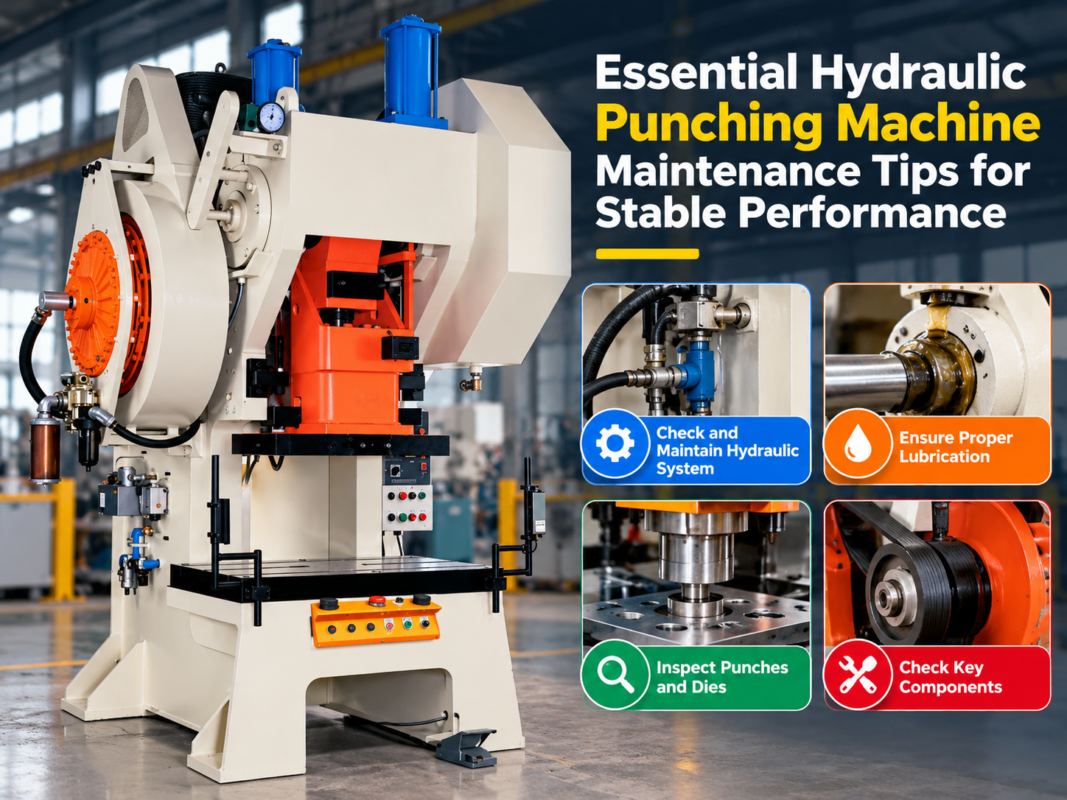
Most industrial punching machines are equipped with either air-cooled or water-cooled heat exchangers. An air-cooled system uses a radiator and a fan to dissipate heat from the oil. Common failures include clogged radiator fins, broken fan blades, or a faulty thermostat. Water-cooled systems are more efficient but require a consistent supply of clean, cool water. Scaling within the heat exchanger pipes can significantly reduce heat transfer efficiency. Regular inspection and cleaning of these cooling components are fundamental preventive fixes that can save thousands of dollars in repair costs.
Selection Advice: Choosing the Right Machine for Thermal Stability
When purchasing a new punching machine, thermal stability should be a top priority. Not all machines are created equal in their ability to handle heat. At HARSLE, we design our machines with oversized hydraulic reservoirs, which allow for better natural heat dissipation. A larger volume of oil takes longer to heat up and provides a larger surface area for cooling. Additionally, look for machines that utilize high-efficiency motors and variable-displacement pumps. These components only deliver the power required for the specific task, reducing the amount of wasted energy that turns into heat.
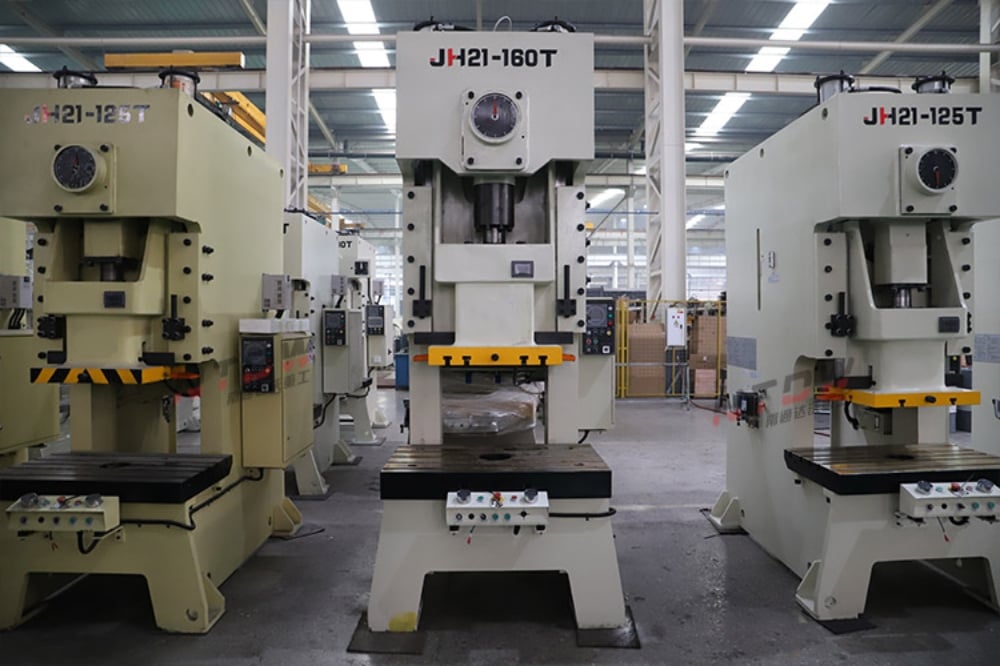
Another factor to consider is the frame design. Thermal expansion can cause the machine frame to distort slightly, affecting the alignment of the punch and die. Machines built with heavy-duty, heat-treated steel frames are less susceptible to these microscopic shifts. Furthermore, modern CNC systems often include thermal compensation software. This technology uses sensors to monitor the machine’s temperature and automatically adjusts the punch position to account for any thermal expansion, ensuring that accuracy is maintained from the first hit of the day to the last.
For high-volume shops, investing in an auxiliary cooling unit or a chiller is often a wise decision. While the standard cooling system might suffice for moderate use, a dedicated chiller provides precise temperature control, which is vital for maintaining tight tolerances in precision metal fabrication. When evaluating different models, ask the manufacturer about the cooling capacity (measured in kW or BTU) and whether the machine includes automatic shut-off features if the temperature exceeds a safe threshold. This protection is a critical safeguard against catastrophic failure.
Checklist for Buyers
- Reservoir Capacity: Is the hydraulic tank large enough for the intended duty cycle?
- Cooling Type: Does the machine use an integrated oil cooler? Is it air or water-cooled?
- Pump Efficiency: Does it feature a variable displacement pump to minimize energy waste?
- Thermal Sensors: Are there built-in sensors for oil and motor temperature monitoring?
- Frame Material: Is the frame designed to resist thermal deformation?
Preventive Fixes and Maintenance Strategies
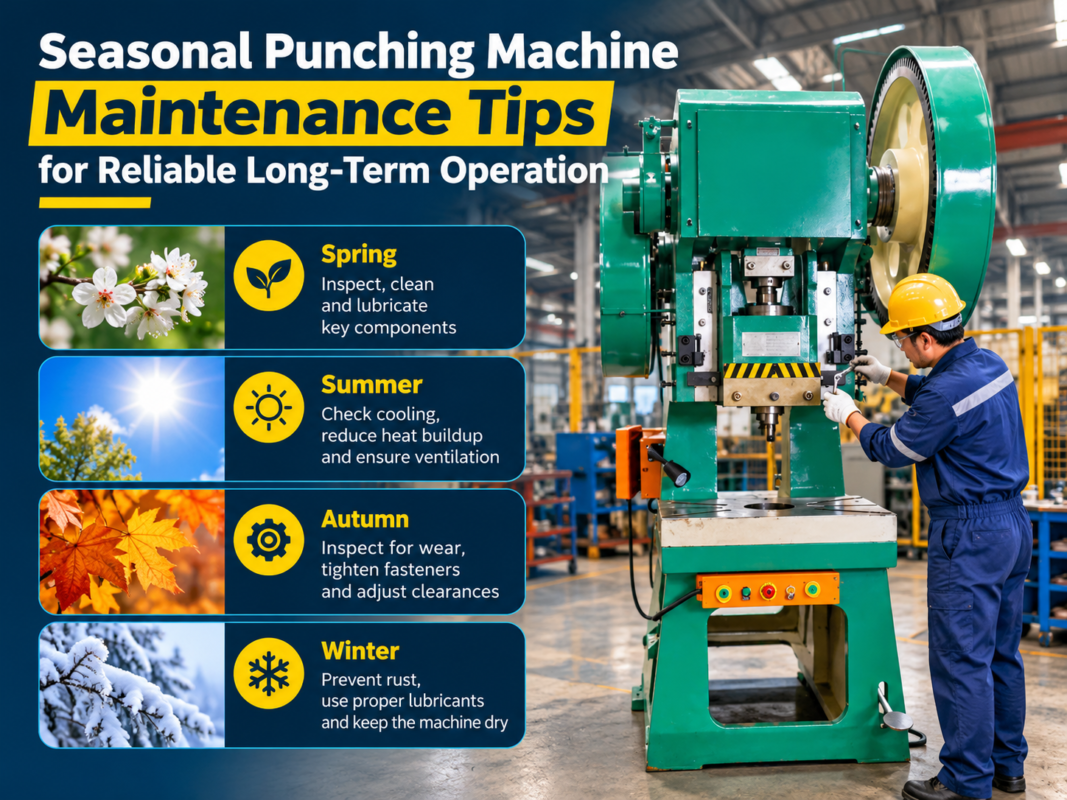
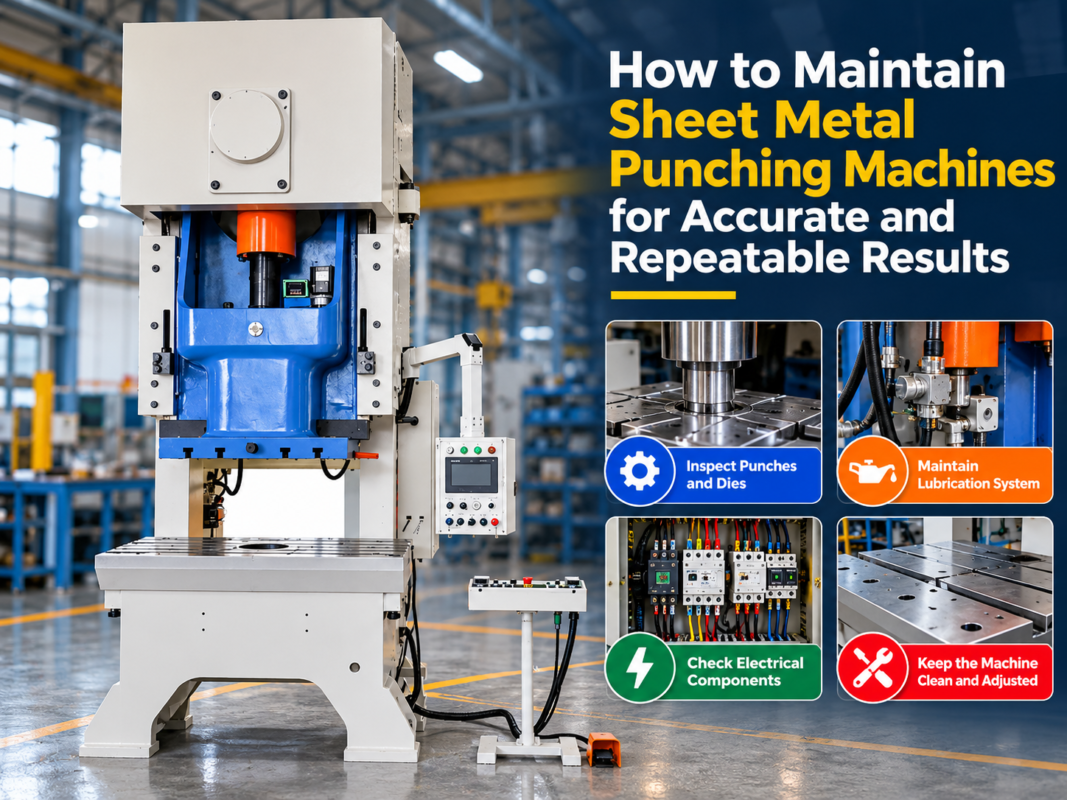
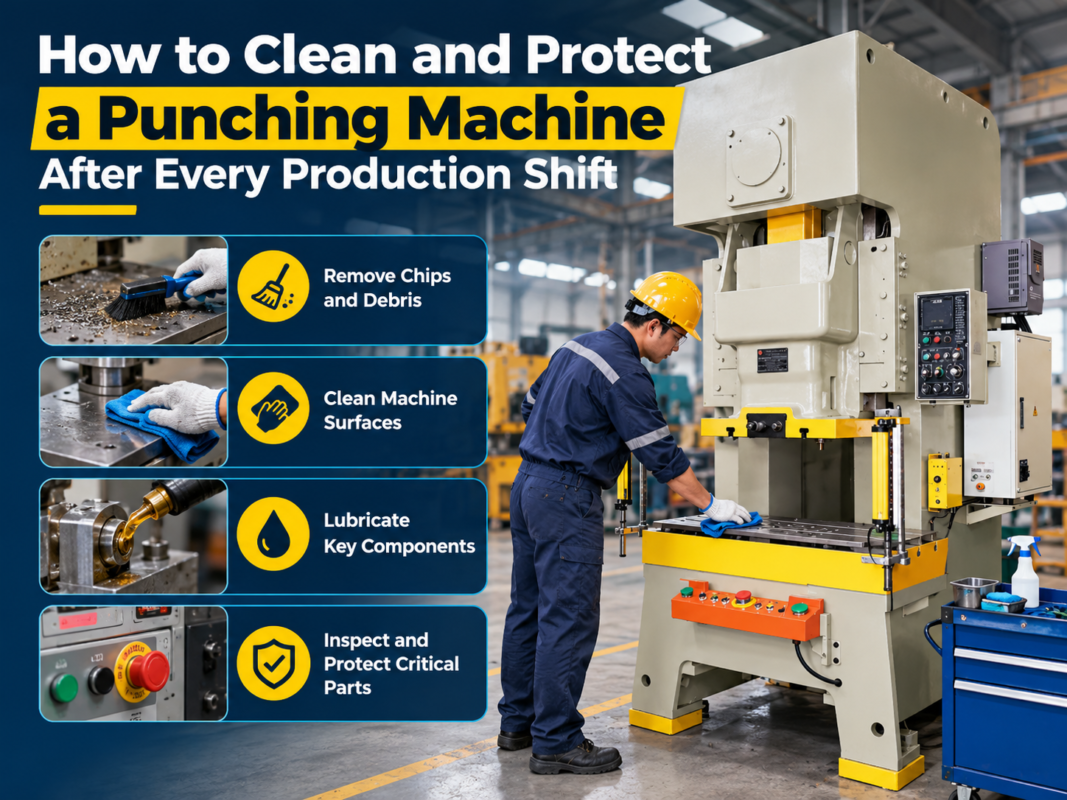
Implementing a proactive maintenance schedule is the most effective way to handle Punching Machine Overheating: Main Causes and Preventive Fixes. The first step is a daily inspection of the cooling system. Ensure that fans are spinning freely and that there are no obstructions to airflow. For water-cooled systems, check for leaks and ensure the coolant levels are adequate. Cleaning the heat exchanger should be a monthly task, especially in dusty environments like metal workshops where metal shavings and oil mist can quickly clog radiators.
Oil management is the next pillar of prevention. Change the hydraulic oil and filters according to the manufacturer’s recommendations, or more frequently if the machine is used in high-heat conditions. Using high-quality, anti-wear hydraulic oil with the correct viscosity index will significantly reduce internal friction. It is also beneficial to install a temperature alarm that alerts the operator if the oil reaches a pre-set limit. This allows the operator to pause production and let the machine cool down before any damage occurs, rather than waiting for the machine to shut down automatically.
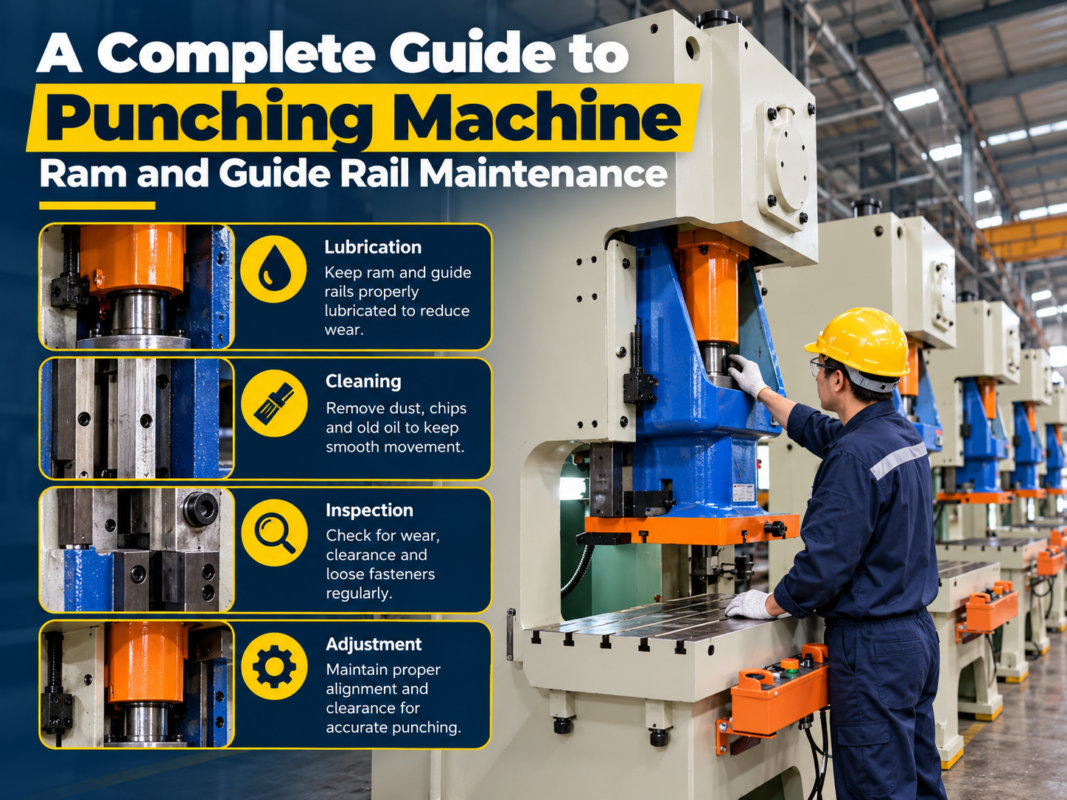
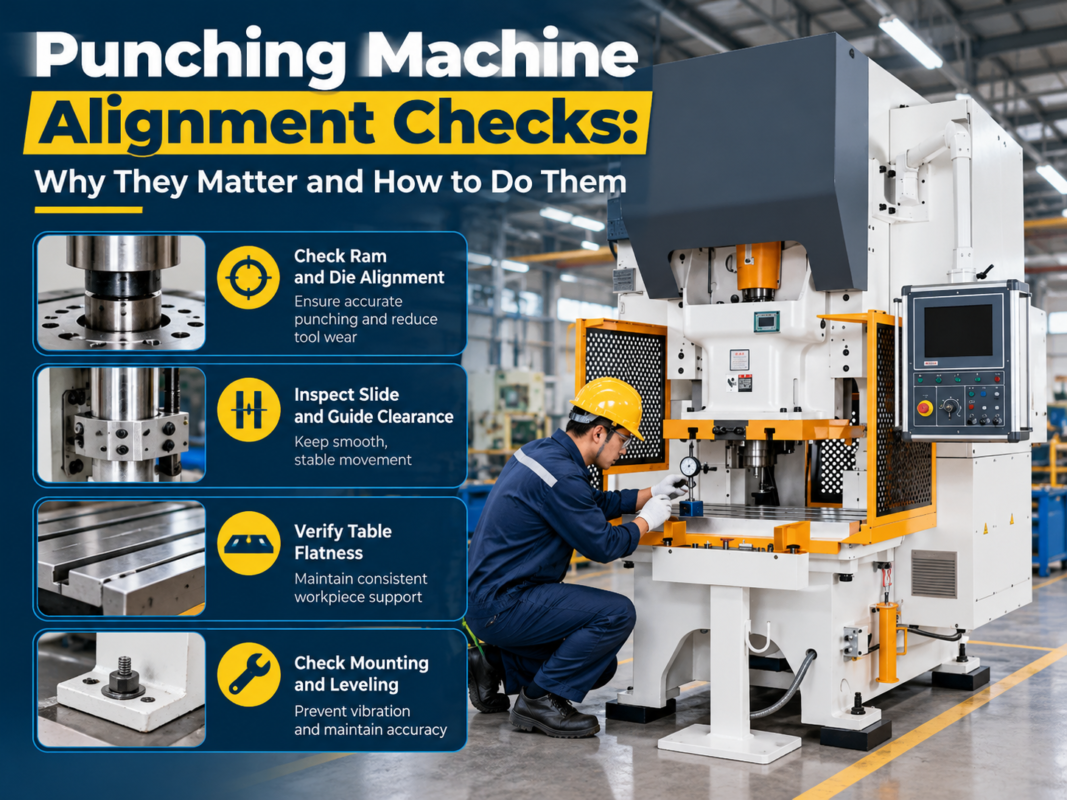
Finally, consider the mechanical adjustments. Ensure that the ram guides are properly lubricated and adjusted. If they are too tight, they will generate excessive heat; if they are too loose, they will cause vibration and poor punch quality. Similarly, check the tension on drive belts and the condition of the clutch and brake. A well-tuned machine operates with less resistance, which naturally results in lower operating temperatures. Training operators to recognize the early signs of overheating—such as a change in the sound of the hydraulic pump or a slight loss in punching speed—can prevent minor issues from escalating into major repairs.
Frequently Asked Questions (FAQ)
1. What is the ideal operating temperature for a hydraulic punching machine?
Most hydraulic punching machines are designed to operate between 40°C and 55°C (104°F to 131°F). If the temperature exceeds 60°C (140°F), the oil begins to degrade rapidly, seals may soften, and the risk of component damage increases significantly.
2. Why does my machine overheat even when it’s not under heavy load?
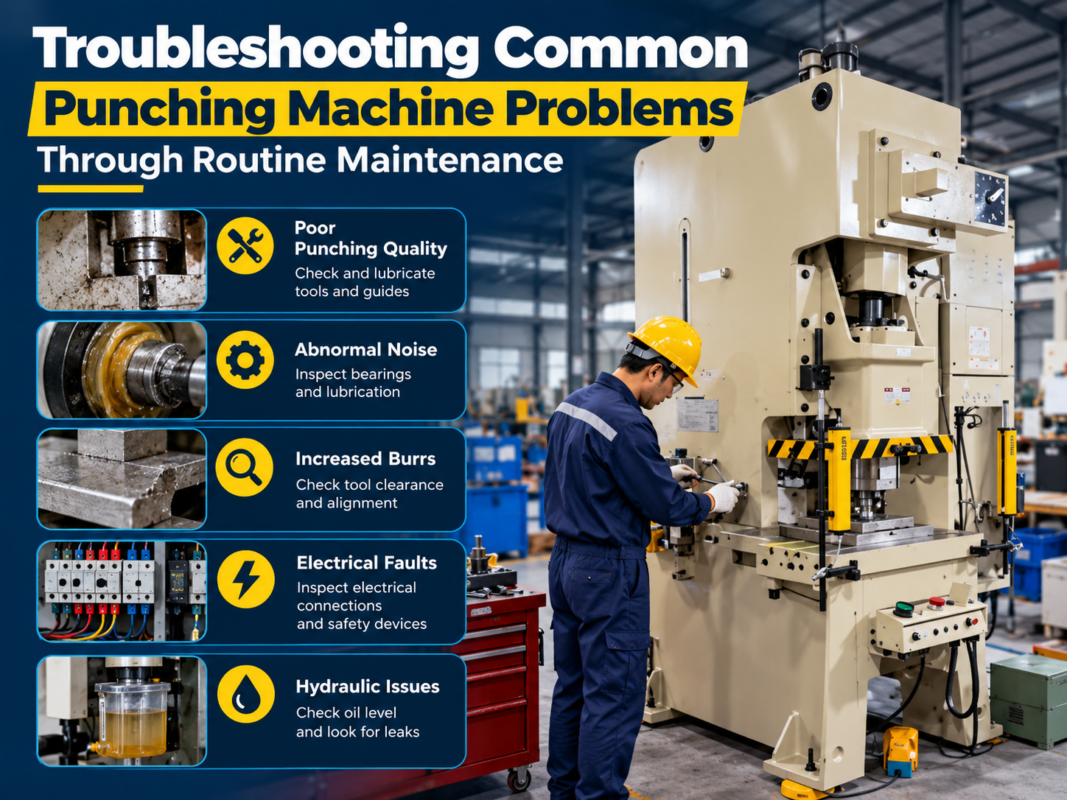
This could be due to a malfunctioning relief valve that is constantly bypassing oil at high pressure, which generates heat. It could also be caused by a clogged oil cooler or a pump that is worn out and experiencing high internal leakage.
3. Can I use a higher viscosity oil to stop overheating?
No, using a higher viscosity oil than recommended can actually increase heat generation because the pump has to work harder to move the thicker fluid. Always stick to the viscosity grade specified by the manufacturer, such as ISO VG 32 or 46.
4. How often should I clean the oil cooler?
In a typical industrial environment, the oil cooler should be inspected weekly and cleaned at least once a month. If your shop is particularly dusty or has a lot of airborne oil mist, you may need to clean it more frequently to maintain efficiency.
5. Does the ambient temperature of the shop really matter?
Yes, significantly. If the ambient temperature is 35°C, the cooling system has a much harder time keeping the oil at 50°C compared to a shop at 20°C. In hot climates, additional shop ventilation or dedicated machine chillers are often necessary.
6. What are the signs of electrical cabinet overheating?
Common signs include frequent “nuisance” trips of circuit breakers, erratic behavior from the PLC, or error codes on the servo drives. If the cabinet feels hot to the touch or you hear the internal fans struggling, it needs immediate attention.
Conclusion: Ensuring Long-Term Machine Health
Managing Punching Machine Overheating: Main Causes and Preventive Fixes is an ongoing commitment to machine health and operational efficiency. By understanding the technical sources of heat—whether hydraulic, mechanical, or electrical—and implementing the preventive measures discussed, fabricators can significantly extend the lifespan of their equipment. Overheating is rarely a standalone problem; it is usually a symptom of underlying issues like poor lubrication, inadequate cooling, or excessive workloads. Addressing these symptoms early prevents the catastrophic failures that lead to expensive repairs and lost production time.
At HARSLE, we are dedicated to providing not only high-quality punching machines but also the knowledge required to keep them running at peak performance. Our machines are engineered with advanced thermal management features, but the human element of regular maintenance remains irreplaceable. We encourage all operators to stay vigilant, monitor their machine’s vitals, and never ignore the warning signs of rising temperatures. With the right combination of robust machinery and proactive care, your punching operations will remain precise, productive, and profitable for years to come.
In summary, the key to success lies in a three-pronged approach: selecting the right equipment with adequate cooling capacity, maintaining a clean and well-lubricated system, and training staff to respond to thermal issues before they become critical. By following these guidelines, you can turn the challenge of overheating into a manageable aspect of your daily operations, ensuring that your HARSLE punching machine remains a reliable cornerstone of your fabrication shop.