
Punching Machine Lubrication Problems: How They Affect Performance


Introduction to Punching Machine Lubrication Dynamics
In the high-stakes world of metal fabrication, the efficiency of a punching machine is often the deciding factor between a profitable project and a costly delay. Among the various maintenance protocols, lubrication stands out as the most critical yet frequently overlooked aspect of machine health. When we discuss Punching Machine Lubrication Problems: They Affect Performance, we are not just talking about a squeaky hinge; we are addressing the fundamental mechanical integrity of high-pressure industrial equipment. HARSLE, a leader in metal fabrication technology, emphasizes that a well-lubricated machine is a precise, durable, and safe machine.
Lubrication serves multiple roles: it reduces friction between moving parts, dissipates heat generated during high-speed operations, prevents corrosion, and flushes out microscopic debris that can cause abrasive wear. Without a consistent and appropriate lubrication film, the metal-on-metal contact within the ram, crankshaft, and guideways leads to rapid degradation. This article delves deep into the technicalities of how lubrication failures manifest and the cascading effects they have on your production floor.
Understanding the relationship between lubricant quality and machine output is essential for any facility manager or operator. As punching machines evolve to handle thicker materials and faster cycle times, the demands on the lubrication system increase exponentially. A failure to adapt maintenance schedules or lubricant types to these modern demands can lead to catastrophic mechanical failure, unplanned downtime, and significant financial loss. By the end of this guide, you will have a comprehensive understanding of how to identify, mitigate, and prevent lubrication-related performance drops.
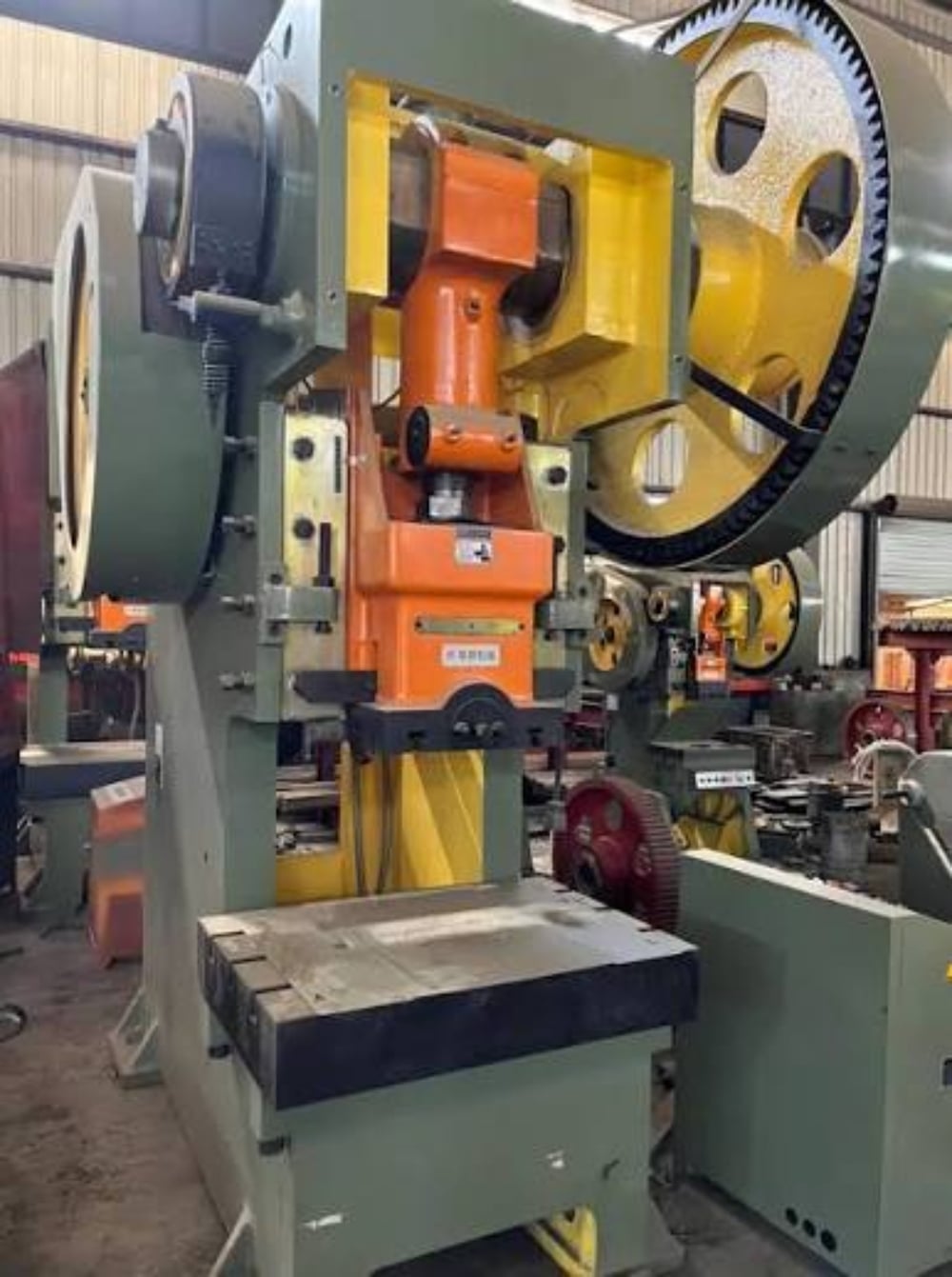
Key Considerations: Identifying Lubrication Problems
The first step in addressing Punching Machine Lubrication Problems: They Affect Performance is recognizing the symptoms before they escalate into full-scale breakdowns. One of the most common indicators is an increase in operating temperature. When the lubricant film breaks down, friction increases, converting kinetic energy into heat. This heat can cause thermal expansion of the machine components, leading to tighter tolerances and even further friction—a dangerous feedback loop that can seize the machine.
Another key consideration is the presence of unusual noise or vibration. A well-lubricated punching machine operates with a rhythmic, controlled sound. Grinding, squealing, or irregular thumping often points to “boundary lubrication” conditions, where the lubricant layer is too thin to prevent metal-to-metal contact. Over time, this results in pitting and scoring of the guideways and bearings, which directly compromises the accuracy of the punch. If your holes are no longer perfectly centered or if the edges show excessive burring, the root cause may be mechanical play caused by worn, under-lubricated parts.
Contamination is a silent killer in lubrication systems. In a metal fabrication environment, metal shavings, dust, and coolant overspray can easily find their way into the oil or grease reservoirs. These contaminants act as abrasives, turning the lubricant into a grinding paste that accelerates wear rather than preventing it. Regular inspection of the lubricant’s color and consistency is vital. Dark, cloudy, or gritty oil is a clear sign that the system is compromised and requires immediate flushing and replacement.
Finally, the delivery system itself must be considered. Many modern HARSLE machines utilize automated lubrication systems. While these are highly efficient, they are not “set and forget.” Clogged nozzles, broken lines, or failed pumps can lead to specific zones of the machine being starved of oil while others are over-saturated. Operators must verify that all lubrication points are receiving the correct volume of fluid at the specified intervals to ensure uniform performance across all mechanical axes.
Technical Details: The Physics of Lubrication and Performance
Friction Reduction and Energy Efficiency
At a microscopic level, even the smoothest metal surfaces are covered in peaks and valleys called asperities. When two surfaces slide against each other, these asperities collide, creating resistance known as friction. Lubricants work by creating a hydrodynamic or hydrostatic film that separates these surfaces. In a punching machine, the ram moves at high velocities and under immense pressure. If the lubricant fails, the energy required to overcome friction increases, leading to higher power consumption and reduced motor efficiency. This not only increases operational costs but also puts undue stress on the electrical components of the machine.
Heat Dissipation and Thermal Stability
Punching operations generate significant heat, particularly during high-frequency cycles. The lubricant acts as a heat transfer medium, carrying thermal energy away from the friction zone and toward the reservoir or a dedicated cooling unit. If the lubricant has degraded or if the flow rate is insufficient, the localized heat can reach levels that alter the metallurgical properties of the tools and the machine’s internal components. This can lead to “softening” of hardened surfaces, making them more susceptible to deformation and wear. Maintaining thermal stability through proper lubrication is essential for preserving the machine’s structural integrity over decades of use.
Precision and Tolerance Management
Precision is the hallmark of quality metal fabrication. Punching machines rely on tight clearances between the punch and the die, as well as precise movement of the slide. Lubrication problems directly affect these tolerances. When bearings or guideways wear down due to lack of oil, “slop” or mechanical play is introduced into the system. Even a deviation of a few microns can result in off-center hits, increased tool wear, and rejected parts. Furthermore, the thickness of the lubricant film itself contributes to the positioning accuracy. Inconsistent lubrication can lead to variations in the ram’s stroke depth, affecting the quality of forming or countersinking operations.
| Lubrication Issue | Technical Impact | Performance Consequence |
|---|---|---|
| Low Viscosity Oil | Inadequate film thickness under high load | Increased wear, potential seizing of parts |
| Contaminated Grease | Abrasive particles introduced to bearings | Pitting, scoring, and loss of precision |
| Clogged Delivery Lines | Localized starvation of lubricant | Overheating and catastrophic component failure |
| Over-Lubrication | Fluid churning and heat buildup | Seal leakage and messy workspace hazards |
Selection Advice: Choosing the Right Lubricant for HARSLE Machines
Selecting the correct lubricant is not a one-size-fits-all decision. It requires a careful analysis of the machine’s design, the materials being processed, and the environmental conditions of the workshop. The primary factor to consider is viscosity. Viscosity is a measure of a fluid’s resistance to flow. For high-speed punching machines, a lower viscosity oil may be required to ensure rapid flow to all components, whereas heavy-duty, slow-speed presses might require a higher viscosity oil or even specialized grease to withstand extreme pressures without being squeezed out of the contact zone.
Additives play a crucial role in modern industrial lubricants. Extreme Pressure (EP) additives are particularly important for punching machines, as they form a chemical layer on metal surfaces that prevents welding and galling under high-impact loads. Anti-wear (AW) additives, rust inhibitors, and anti-foaming agents are also essential for maintaining the longevity of both the lubricant and the machine. When sourcing lubricants, always refer to the manufacturer’s specifications provided by HARSLE to ensure compatibility with seals and internal coatings.
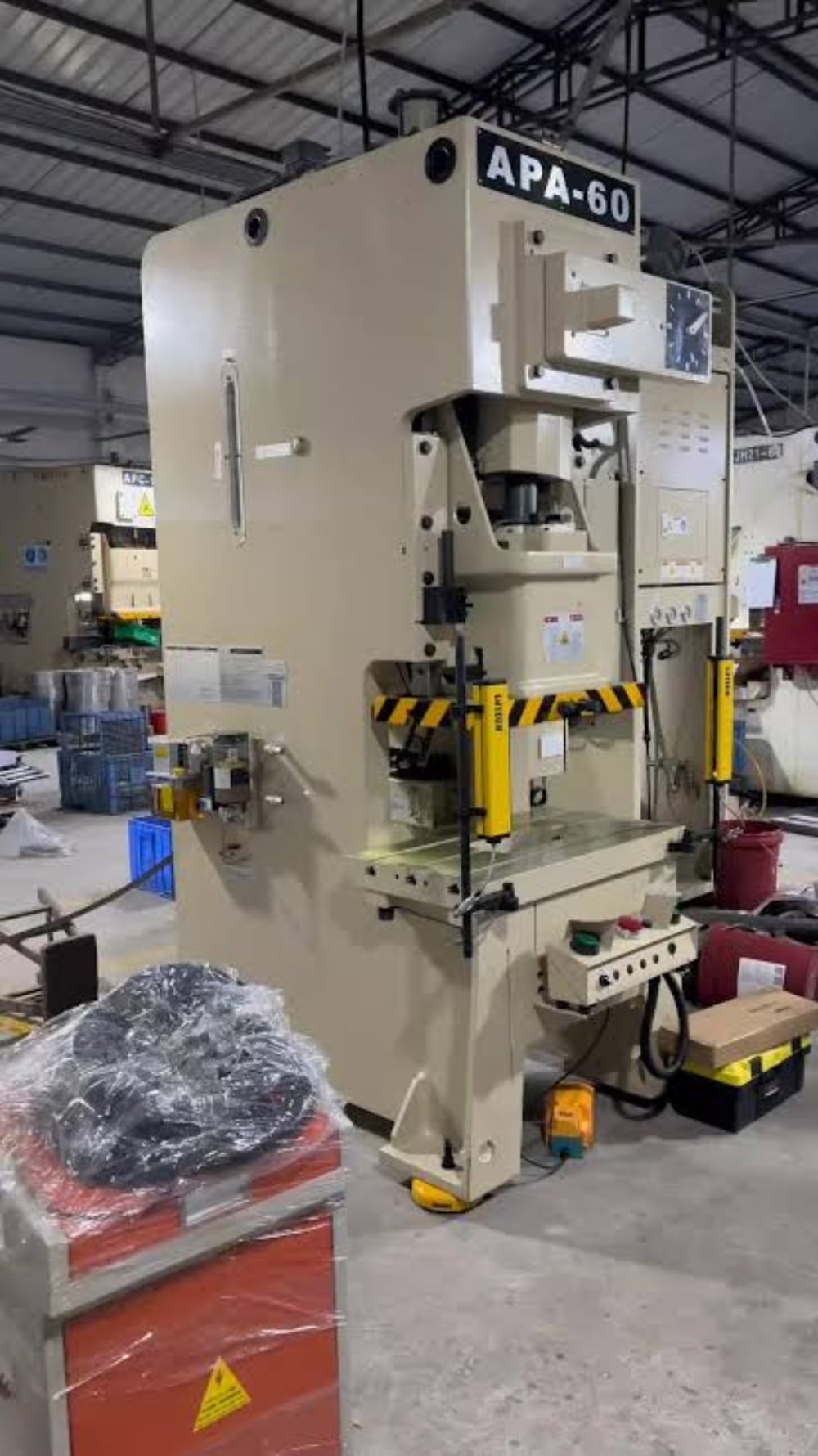
Environmental factors such as ambient temperature and humidity also influence lubricant selection. In colder climates, oil can become too thick to flow properly during startup, necessitating the use of synthetic oils with a high viscosity index. Conversely, in hot environments, oil can thin out excessively, failing to provide an adequate protective barrier. Synthetic lubricants, while more expensive, often offer superior performance across a wider temperature range and have longer service lives compared to mineral-based oils, potentially reducing the total cost of ownership through extended drain intervals.
Finally, consider the application method. If your machine uses a manual lubrication system, ease of application and visibility of the lubricant are important. For automated systems, the lubricant must be filtered to a high degree to prevent clogging the fine orifices of the distribution blocks. HARSLE recommends a proactive approach: implement a regular oil analysis program to monitor the health of your lubricant. This allows you to change the oil based on its actual condition rather than a generic calendar schedule, optimizing both machine protection and maintenance costs.
Maintenance Checklist for Optimal Lubrication
- Daily: Check lubricant levels in all reservoirs and top up with the specified grade if necessary. Observe the machine for any visible leaks or unusual oil spots on the floor.
- Weekly: Inspect the automated lubrication pump’s operation. Ensure that the pressure gauges are within the normal operating range during the lubrication cycle.
- Monthly: Clean the areas around lubrication points to prevent dirt ingress. Check the condition of flexible hoses for cracks or signs of aging.
- Quarterly: Take an oil sample for laboratory analysis if operating in high-volume production environments. Check for water content, acidity, and metal particle count.
- Annually: Perform a full system flush. Replace all filters and clean the main reservoir to remove accumulated sludge and contaminants.
FAQ: Common Questions About Punching Machine Lubrication
1. How often should I lubricate my manual punching machine?
For manual machines, lubrication should typically occur at the start of every shift. High-friction areas like the ram guideways may require additional lubrication every 4 hours of continuous operation. Always follow the specific intervals outlined in your HARSLE user manual, as these are tailored to the machine’s specific load ratings.
2. Can I mix different brands of lubricants?
It is generally discouraged to mix different brands or types of lubricants. Even if they have the same viscosity, the additive packages may be chemically incompatible, leading to the formation of sludge or the neutralization of protective properties. If you must switch brands, it is best to perform a complete flush of the system first.
3. What are the signs that my lubrication pump is failing?
Common signs include a drop in system pressure, increased noise from the pump motor, or specific lubrication points remaining dry despite the pump running. Many modern machines will trigger an alarm or error code if the lubrication pressure does not reach the required threshold within a set time.
4. Why is my machine using more oil than usual?
Excessive oil consumption usually indicates a leak in the distribution lines or failed seals in the cylinders or bearings. It could also be a sign that the automated lubrication timer is set too frequently. Inspect the machine thoroughly for “wet” spots and check the settings on your control panel.
5. Does the type of material I punch affect lubrication needs?
Yes. Punching harder materials like stainless steel generates more heat and requires higher forces, which puts more stress on the lubrication film. In these cases, using a lubricant with stronger Extreme Pressure (EP) additives is highly recommended to prevent premature wear of the machine’s internal components.
Conclusion: The Long-Term Value of Proper Lubrication
In summary, Punching Machine Lubrication Problems: They Affect Performance in ways that touch every aspect of your production, from the precision of the final part to the electricity bill at the end of the month. Neglecting this simple yet vital task leads to a rapid decline in machine value and a significant increase in operational risks. By understanding the technical requirements of your equipment and adhering to a rigorous maintenance schedule, you ensure that your HARSLE punching machine remains a reliable asset for years to come.
Investing in high-quality lubricants and advanced delivery systems is not just a maintenance cost; it is an investment in the uptime and reputation of your business. A machine that runs smoothly, stays cool, and maintains its precision is a machine that delivers a competitive edge in the demanding metal fabrication industry. Stay proactive, stay informed, and let proper lubrication be the foundation of your workshop’s success.












