How to Choose the Right Punching Machine for Your Fabrication Application


Introduction to Modern Punching Technology
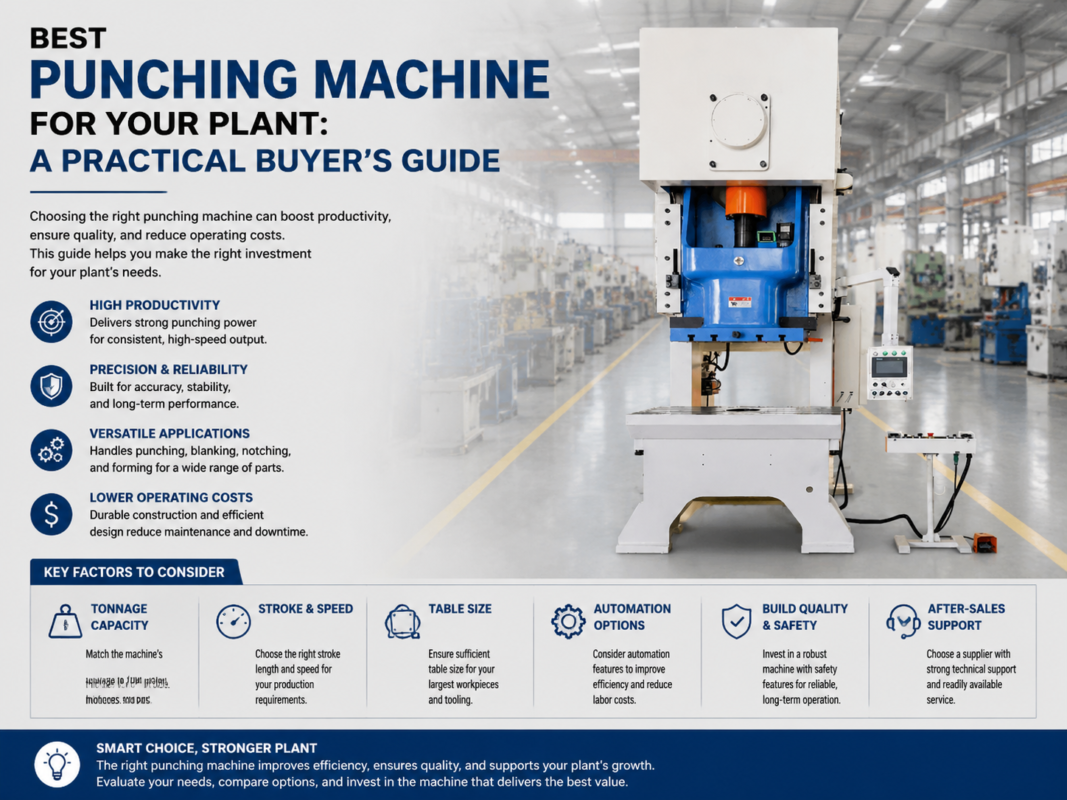
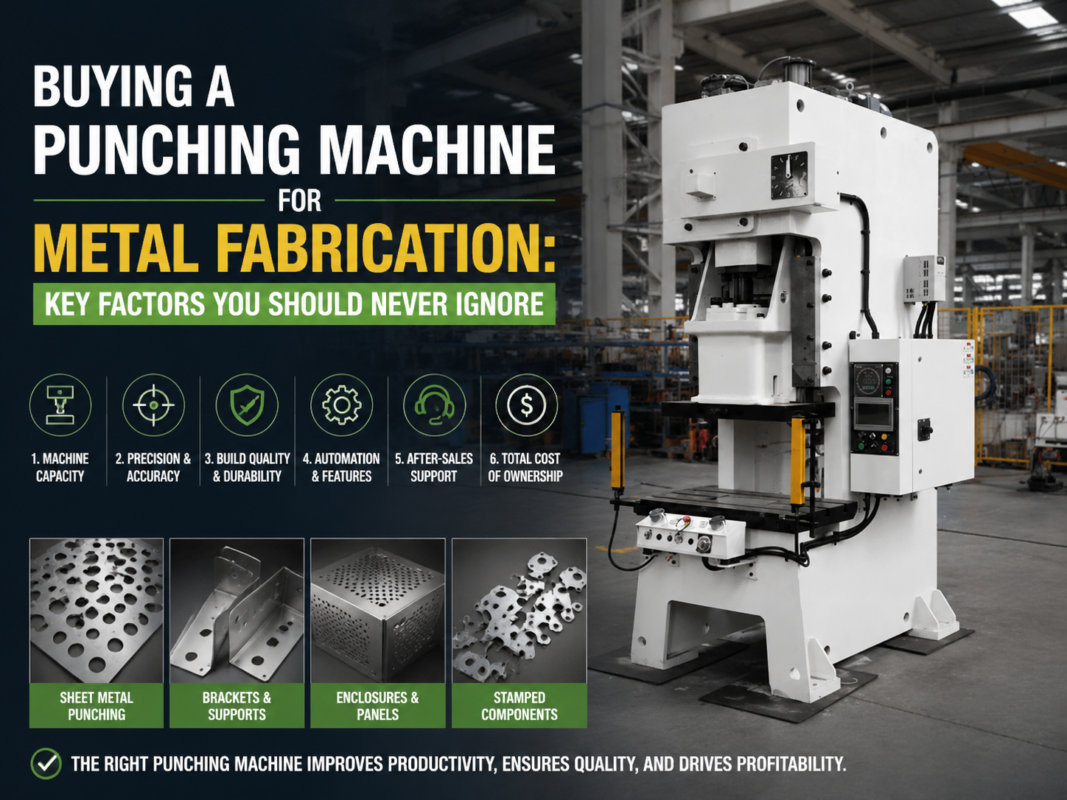
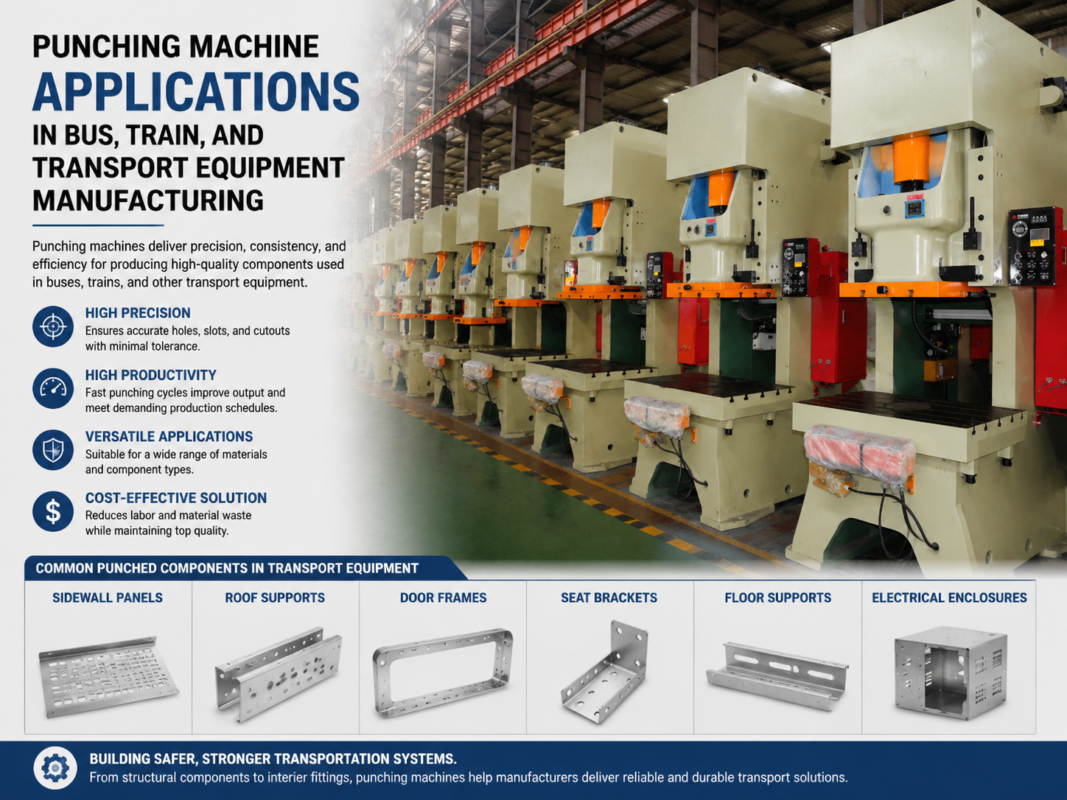
In the competitive landscape of modern metalworking, the ability to produce high-quality components quickly and efficiently is the cornerstone of success. Central to this efficiency is the punching machine, a versatile workhorse capable of creating holes, notches, and complex forms in sheet metal with remarkable speed. However, the market is flooded with various types of equipment, ranging from simple manual presses to sophisticated CNC turret punch presses. Understanding how to choose the right punching machine for your fabrication application is not just a matter of budget; it is a strategic decision that affects your production capacity, part quality, and long-term profitability.
Fabricators often face the dilemma of balancing initial investment costs with the technical requirements of their specific projects. A machine that is underpowered will lead to frequent breakdowns and poor edge quality, while an over-specified machine represents wasted capital that could have been invested elsewhere. HARSLE, a leader in industrial machinery, recognizes that every fabrication shop has unique needs. Whether you are a small job shop or a large-scale automotive supplier, the selection process requires a deep dive into material science, mechanical engineering, and production workflow analysis.
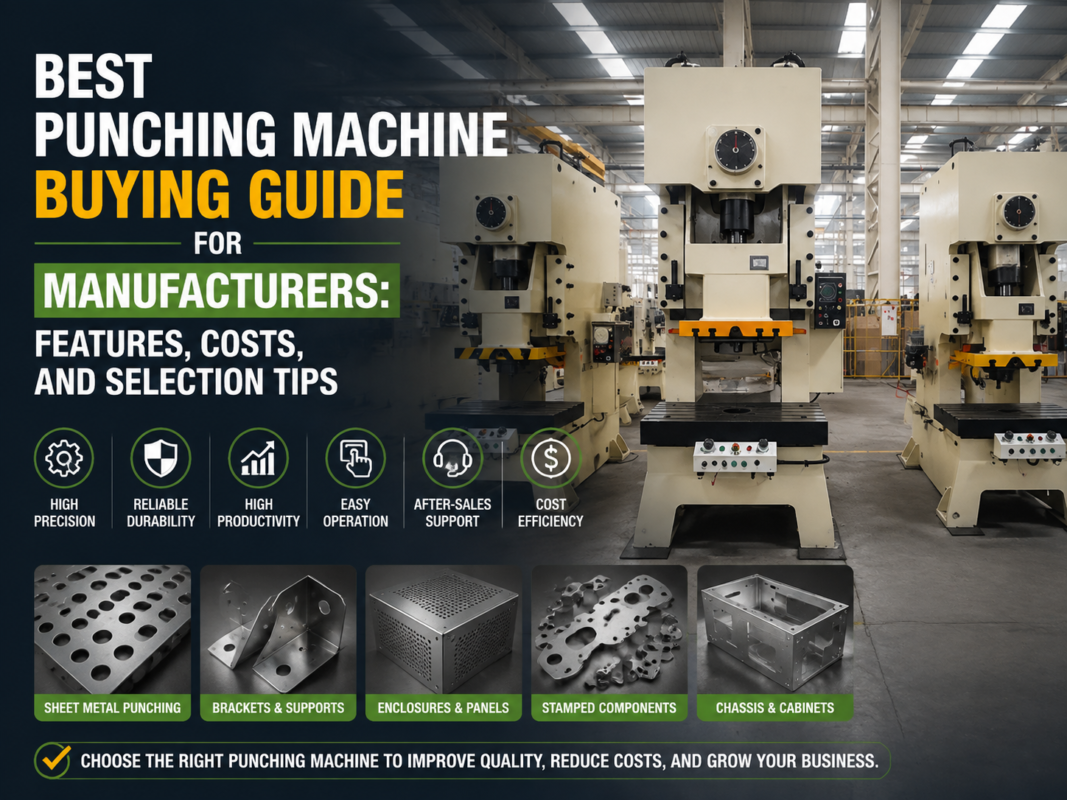
This comprehensive guide is designed to walk you through the critical factors involved in the selection process. We will explore the nuances of tonnage, the differences between drive systems, and the importance of software integration. By the end of this article, you will have a clear roadmap to identify the equipment that aligns perfectly with your operational goals, ensuring that your investment in a punching machine yields the highest possible return.
Key Considerations for Your Fabrication Needs
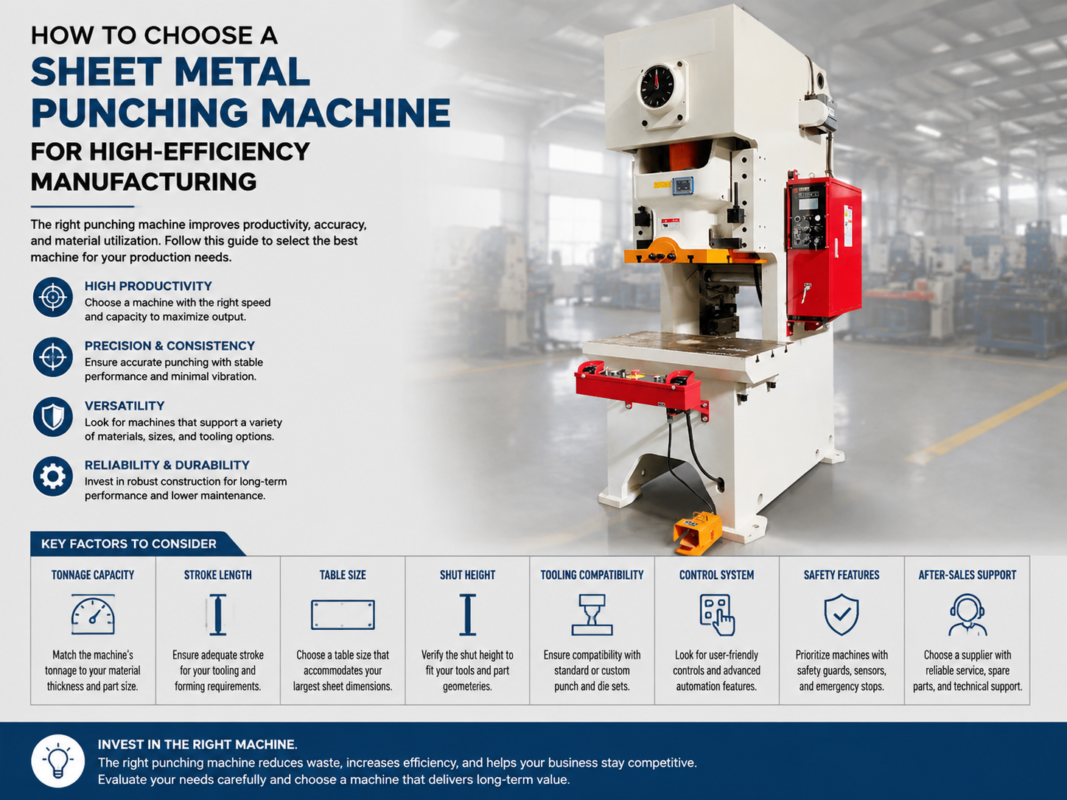
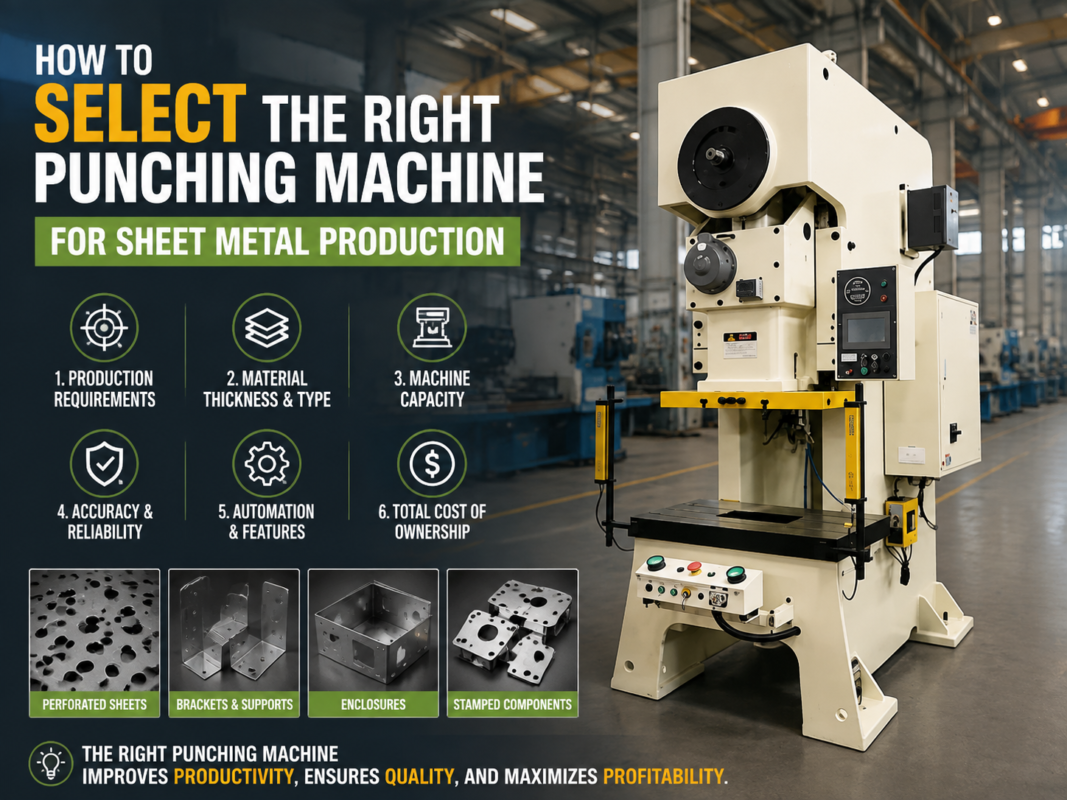
Before looking at machine specifications, you must perform a thorough audit of your current and projected fabrication requirements. The first and most critical factor is the material type and thickness. Different metals—such as aluminum, stainless steel, and carbon steel—have varying tensile strengths. A machine that easily punches through 3mm aluminum may struggle with 3mm stainless steel due to the latter’s higher shear strength. You must ensure the machine’s tonnage is rated for the toughest material you plan to process regularly.
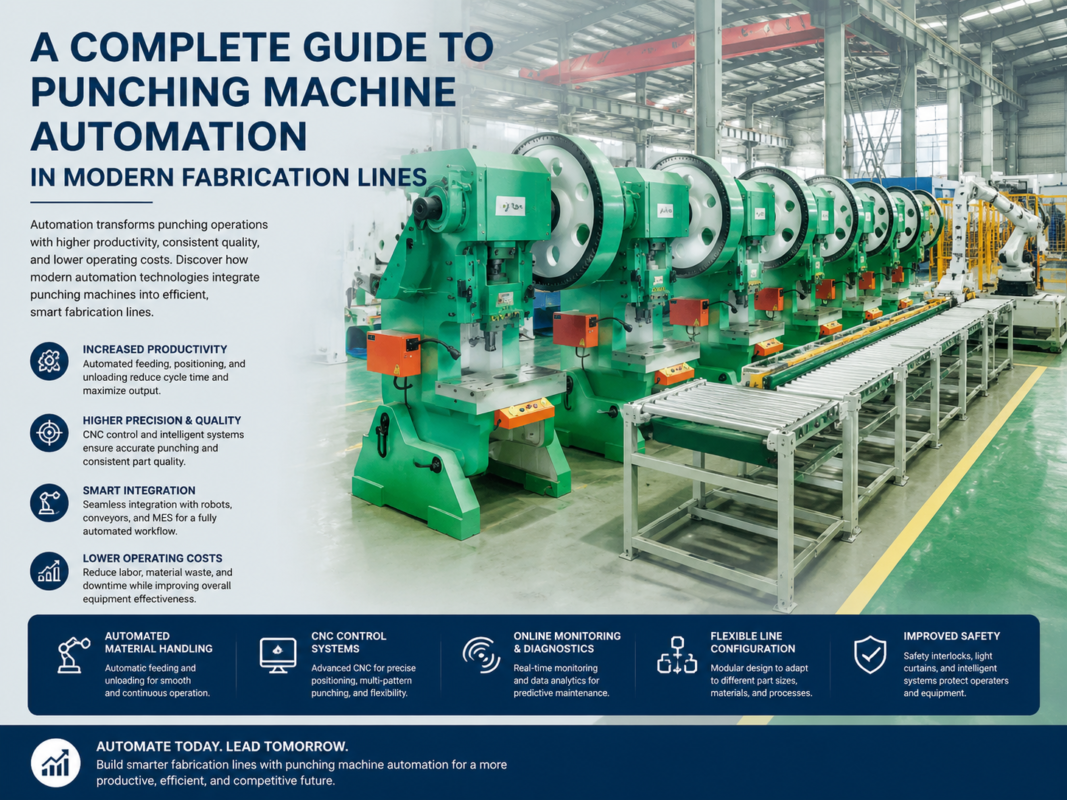
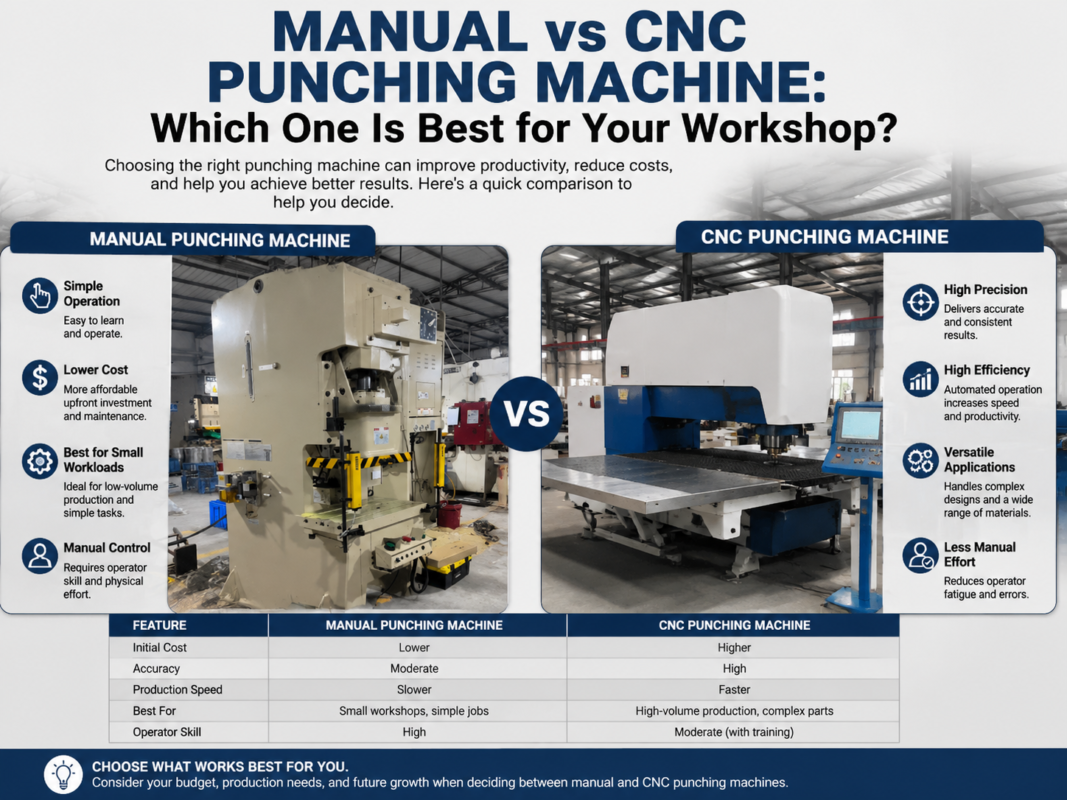
Production volume is the next major consideration. If your shop handles low-volume, highly customized prototypes, a single-station hydraulic punching machine might be sufficient. However, for high-volume production where speed and repeatability are paramount, a CNC turret punch press is indispensable. These machines can hold dozens of tools simultaneously, allowing for complex sequences without manual tool changes, significantly reducing cycle times and labor costs.
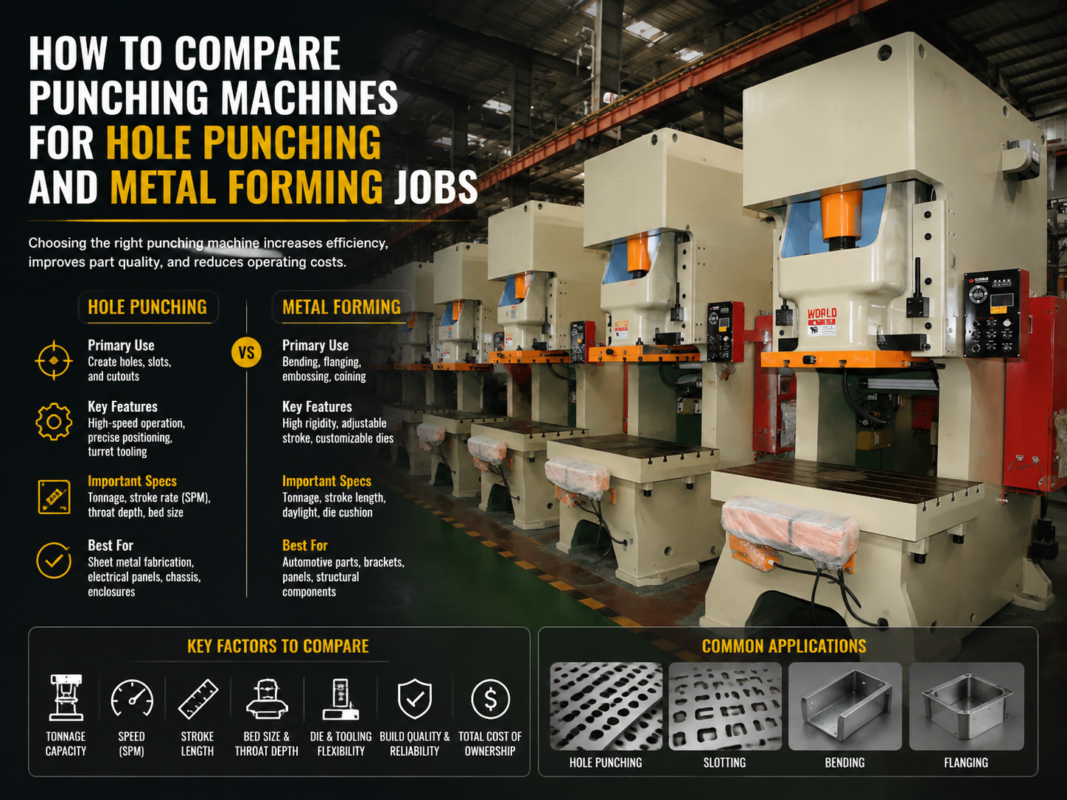
Accuracy and tolerance requirements also dictate the level of technology needed. Precision components for the aerospace or electronics industries require machines with high-end linear guides and sophisticated control systems to ensure hole placement is accurate within microns. Conversely, for structural steel applications where tolerances are more relaxed, a robust mechanical press might be the more cost-effective choice. Consider the complexity of the shapes you need to create; if your designs involve intricate patterns or louvers, you will need a machine with advanced forming capabilities.
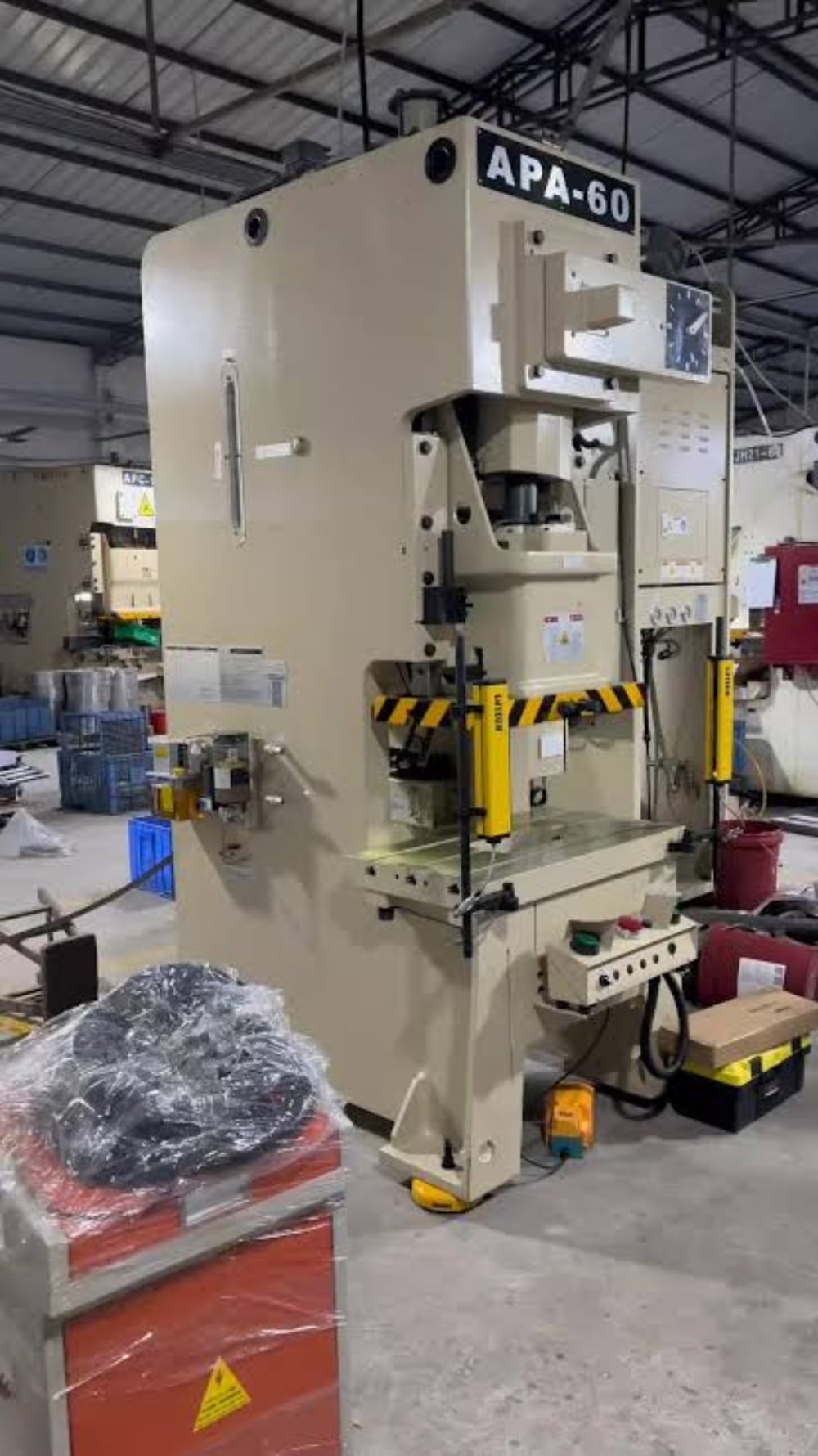
Finally, consider the physical footprint and power requirements of the machine. Industrial punching machines can be massive and require specific foundation reinforcements and high-voltage power supplies. Ensure your facility can accommodate the machine’s dimensions, including the necessary clearance for loading and unloading large sheets of metal. Evaluating these logistical factors early in the process prevents costly installation delays and facility modifications.
Technical Details: Tonnage, Drives, and Tooling
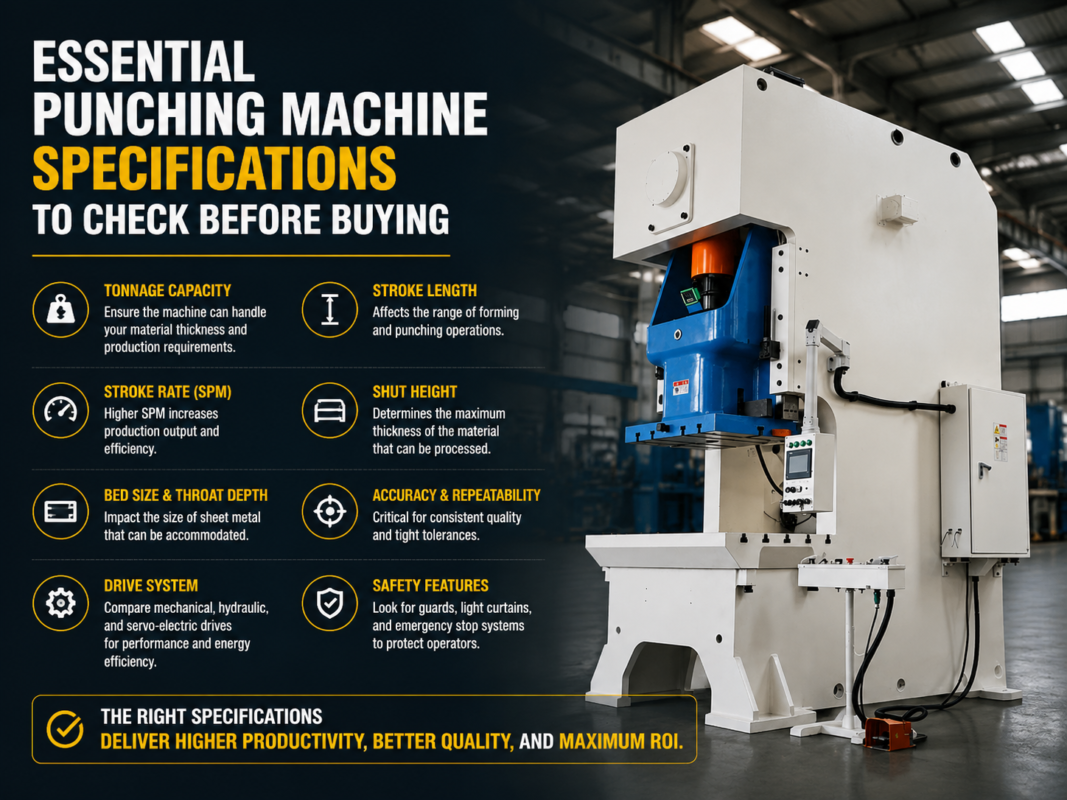
The technical specifications of a punching machine are the primary indicators of its performance. Tonnage is perhaps the most vital metric. It represents the maximum force the machine can apply to the workpiece. To calculate the required tonnage for a specific hole, you can use the formula: Tonnage = (Perimeter of Hole × Material Thickness × Shear Strength) / 2000. It is always advisable to choose a machine with a tonnage capacity at least 20% higher than your maximum requirement to avoid straining the frame and drive components.
Drive systems are another critical technical aspect. Traditionally, mechanical punching machines used flywheels to store energy, providing a rapid and powerful strike. While effective, they offer limited control over the stroke. Modern hydraulic systems provide full tonnage throughout the entire stroke and allow for adjustable stroke lengths, which is essential for forming operations like ribbing or countersinking. The latest innovation is the servo-electric drive, which combines the speed of mechanical presses with the precision and energy efficiency of hydraulic systems, offering the lowest operating costs in the long run.
| Feature | Mechanical Punch | Hydraulic Punch | Servo-Electric CNC |
|---|---|---|---|
| Speed | Very High | Moderate to High | Extremely High |
| Control | Limited | High (Adjustable Stroke) | Maximum (Programmable) |
| Energy Efficiency | Low | Moderate | High |
| Maintenance | High (Clutch/Brake) | Moderate (Oil/Seals) | Low |
Tooling systems significantly impact the versatility of the machine. Turret punch presses feature a rotating turret that houses multiple tool sets. The number of stations in the turret—ranging from 12 to over 50—determines how many different holes or shapes can be punched without stopping the machine. Additionally, look for machines that support “Auto-Index” stations. These stations allow the tool to rotate 360 degrees, enabling the machine to punch at any angle, which reduces the total number of tools required and increases design flexibility.
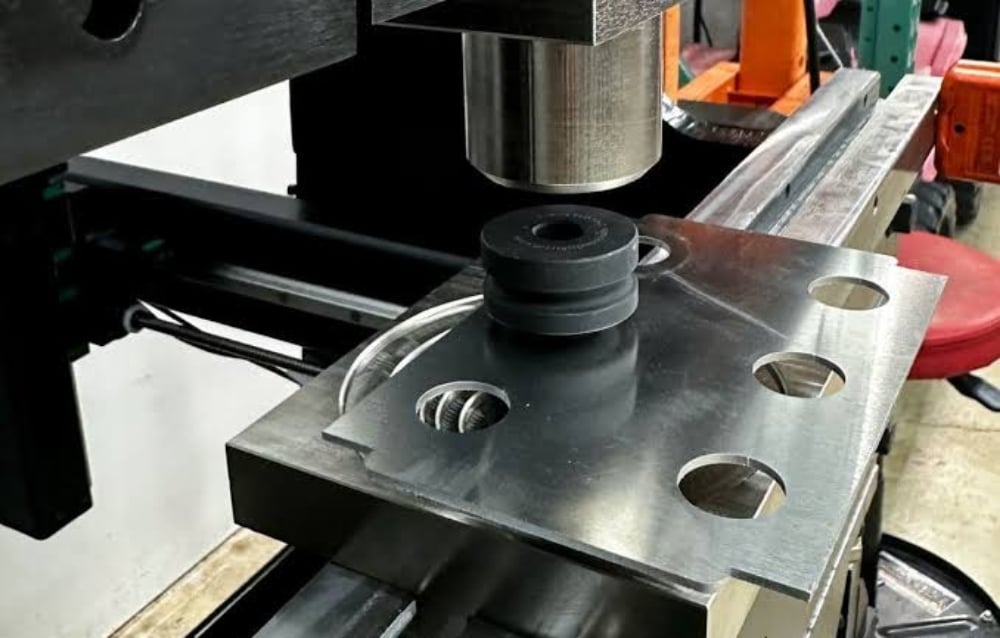
The CNC controller is the brain of the machine. A user-friendly interface with powerful nesting software can drastically reduce material waste and programming time. Modern controllers, such as those from Fanuc or Siemens, offer graphical simulations that allow operators to visualize the punching process before the first hit, preventing costly errors and tool collisions. Integration with CAD/CAM software is also essential for a seamless transition from design to production.
Selection Advice: Matching Machine to Application
Choosing the right punching machine for your fabrication application requires matching the machine’s strengths to your specific industry needs. For example, in the HVAC industry, where large sheets of thin galvanized steel are common, a machine with a large throat depth and high hit rates is ideal. The ability to perform rapid nibbling and create large rectangular openings efficiently is more important than high tonnage.
In contrast, heavy equipment manufacturing often involves thicker plates of high-strength steel. Here, a high-tonnage hydraulic punching machine or a dedicated plate processor is required. These machines are built with heavy-duty frames to withstand the massive vibrations generated when punching through 12mm or 16mm steel. For these applications, durability and structural integrity are the primary selection criteria.
When evaluating manufacturers like HARSLE, look beyond the machine itself and consider the ecosystem of support. Does the manufacturer provide comprehensive training for your operators? Is there a reliable supply of spare parts and tooling? A machine is only as good as the support behind it. Investing in a brand with a global presence and a reputation for reliability ensures that your production line stays up and running. Furthermore, consider the resale value of the machine; well-known brands tend to hold their value better in the secondary market.
Future-proofing is another vital aspect of selection advice. Even if your current projects only require basic punching, consider whether you might need forming, tapping, or marking capabilities in the future. Many modern CNC punching machines can be equipped with multi-tools or specialized forming tools that allow you to complete a part in a single setup. This “done-in-one” philosophy reduces material handling and eliminates the need for secondary operations, which is a significant competitive advantage.
Frequently Asked Questions (FAQ)
1. How do I determine the correct tonnage for my application?
Tonnage is determined by the perimeter of the cut, the thickness of the material, and its shear strength. You should always calculate the maximum force required for your largest hole in your thickest material and then add a 20% safety margin. HARSLE provides tonnage calculators and charts to help customers make this determination accurately.
2. What is the difference between a turret punch and a single-station punch?
A turret punch press holds multiple tools in a rotating turret, allowing for automated, high-speed production of complex parts. A single-station punch requires the operator to manually change tools for different hole sizes or shapes, making it better suited for simple parts or low-volume prototyping.
3. Can a punching machine handle stainless steel?
Yes, but stainless steel has a much higher shear strength than mild steel or aluminum. You will need a machine with higher tonnage and specialized, hardened tooling to prevent premature wear. Proper lubrication is also critical when punching stainless steel to dissipate heat.
4. How important is the CNC software?
CNC software is crucial for maximizing efficiency. Good nesting software minimizes material scrap, while intuitive control interfaces reduce the learning curve for operators. Advanced software can also predict tool wear and schedule maintenance, preventing unexpected downtime.
5. What maintenance is required for a punching machine?
Regular maintenance includes lubricating moving parts, checking hydraulic oil levels and filters, inspecting electrical connections, and sharpening tools. Keeping the machine clean and following the manufacturer’s maintenance schedule is the best way to ensure a long service life.
Conclusion: Making an Informed Investment
Choosing the right punching machine for your fabrication application is a multi-faceted process that requires a balance of technical knowledge and business foresight. By carefully analyzing your material requirements, production volumes, and precision needs, you can narrow down the vast array of options to the one that best fits your shop’s DNA. Remember that the cheapest machine is rarely the most cost-effective in the long run if it cannot keep up with your growth or requires constant repairs.
Technological advancements in servo-electric drives and sophisticated CNC controls have made modern punching machines more efficient and versatile than ever before. Whether you prioritize the raw power of a hydraulic press or the lightning-fast speed of a turret punch, the goal remains the same: to produce high-quality parts at the lowest possible cost per hit. HARSLE remains committed to providing fabricators with the tools and knowledge they need to excel in an ever-changing market.
Ultimately, the right machine is an investment in your company’s future. By following the guidelines outlined in this guide—calculating tonnage accurately, choosing the right drive system, and considering the long-term support of the manufacturer—you can make a confident decision that will drive your fabrication business toward greater success and profitability for years to come.