Best Punching Machine Buying Guide for Manufacturers: Features, Costs, and Selection Tips


Introduction to Modern Punching Technology
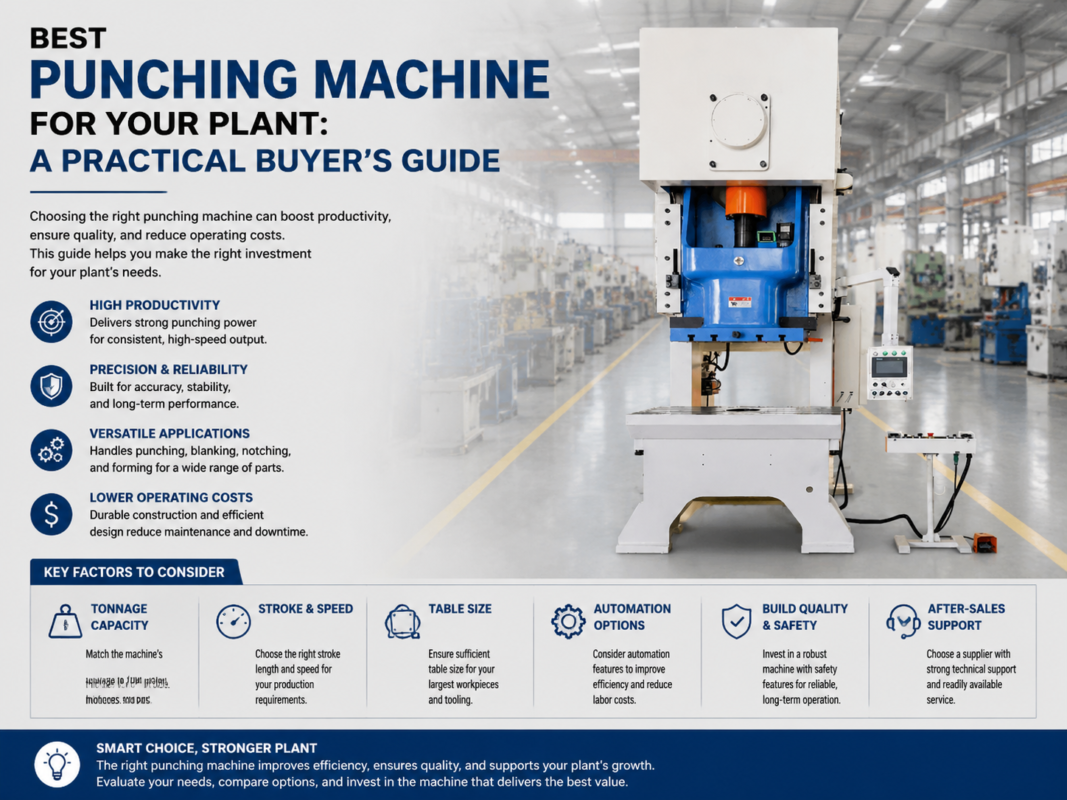
In the competitive landscape of modern metal fabrication, the ability to produce high-precision components at scale is the difference between a thriving workshop and one that struggles to keep up. The punching machine remains a cornerstone of this industry. Whether you are producing simple brackets or complex perforated panels, selecting the right equipment is a critical capital investment. This guide, presented by HARSLE, aims to provide manufacturers with a comprehensive roadmap for navigating the complexities of the Best Punching Machine Buying Manufacturers: Features, Costs, Selection Tips.
Punching machines have evolved significantly from the simple manual presses of the past. Today, they integrate advanced CNC (Computer Numerical Control) systems, servo-electric drives, and automated tool changers that allow for unprecedented speed and accuracy. For a manufacturer, the challenge lies in balancing the initial acquisition cost with the long-term operational efficiency and versatility required by their specific production niche. By understanding the technical nuances and market variables, you can ensure that your investment yields the highest possible return.
Price Range Overview: What to Expect in the Market
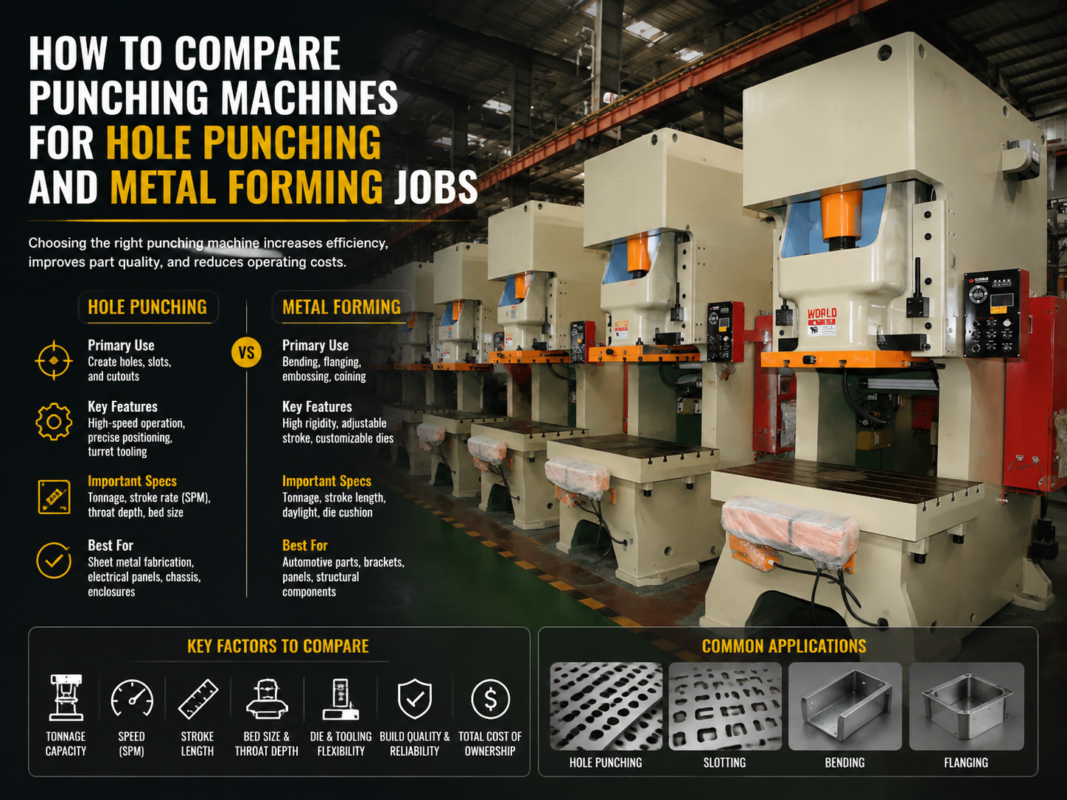
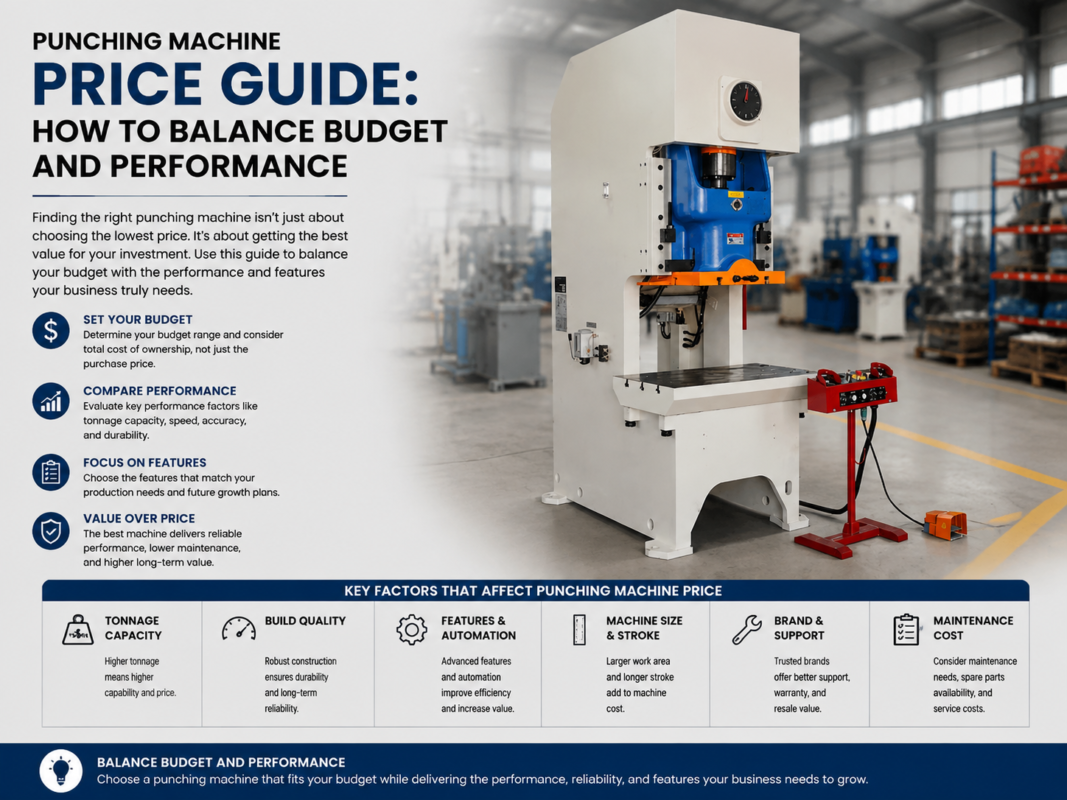
The price of a punching machine varies drastically based on its technology, tonnage, and level of automation. Understanding these price brackets is the first step in budgeting for your facility. Generally, the market is divided into three primary categories: mechanical power presses, hydraulic punching machines, and CNC turret punch presses.
Entry-Level Mechanical and Manual Presses
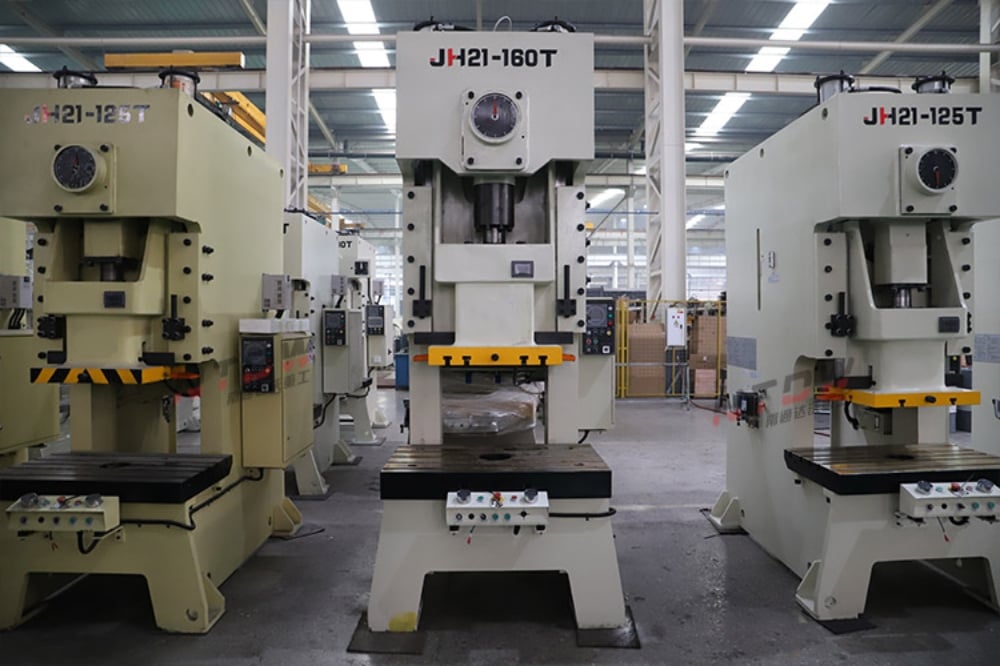
For small workshops or those performing simple, repetitive tasks, mechanical power presses (like the HARSLE J23 series) are the most cost-effective option. These machines typically range from $2,000 to $15,000. They are valued for their simplicity and durability, though they lack the versatility of CNC systems. They are ideal for high-volume production of a single part where setup changes are infrequent.
Mid-Range Hydraulic Punching Machines
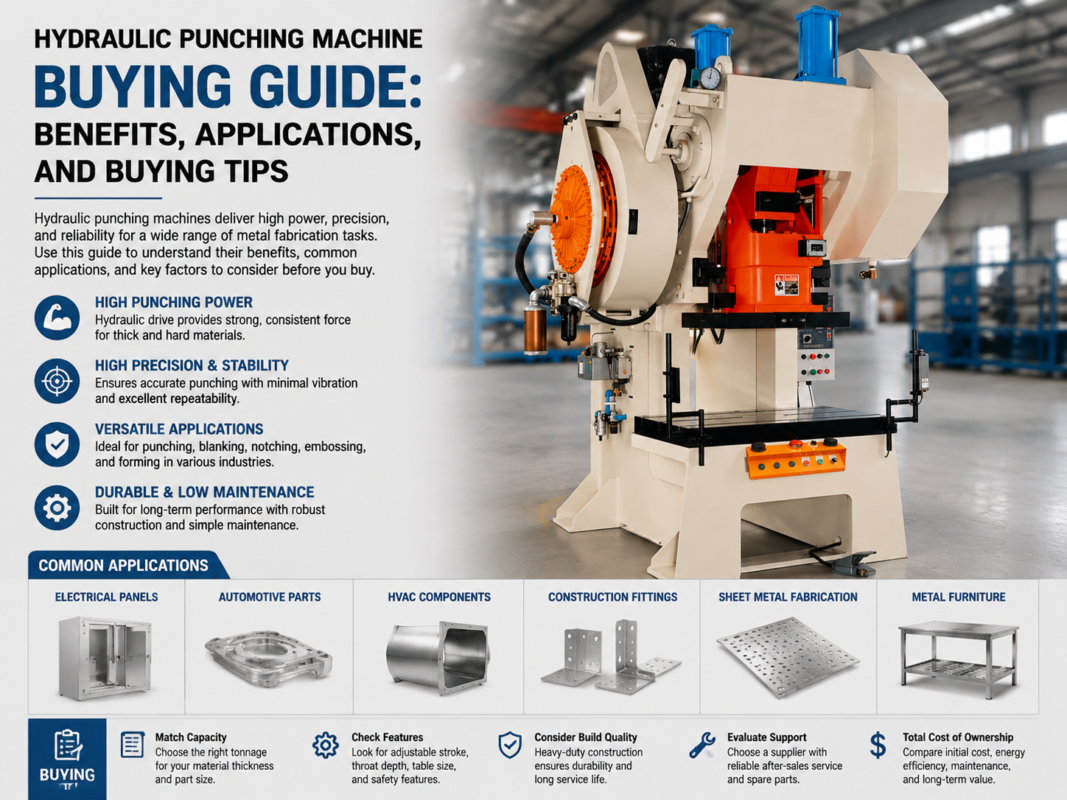
Hydraulic punching machines offer more control over the stroke and are often used for thicker materials or applications requiring consistent pressure throughout the punch. These units generally fall between $10,000 and $45,000. They are quieter than mechanical presses and offer better safety features, making them a popular choice for medium-sized fabrication shops.
High-End CNC Turret Punch Presses
The pinnacle of punching technology is the CNC Turret Punch Press. These machines can house dozens of tools and execute complex patterns automatically. Prices for these machines start at approximately $50,000 for entry-level CNC models and can exceed $300,000 for high-speed, servo-driven systems with automated loading and unloading capabilities. While the investment is significant, the productivity gains are transformative.
Main Cost Drivers: Why Prices Vary
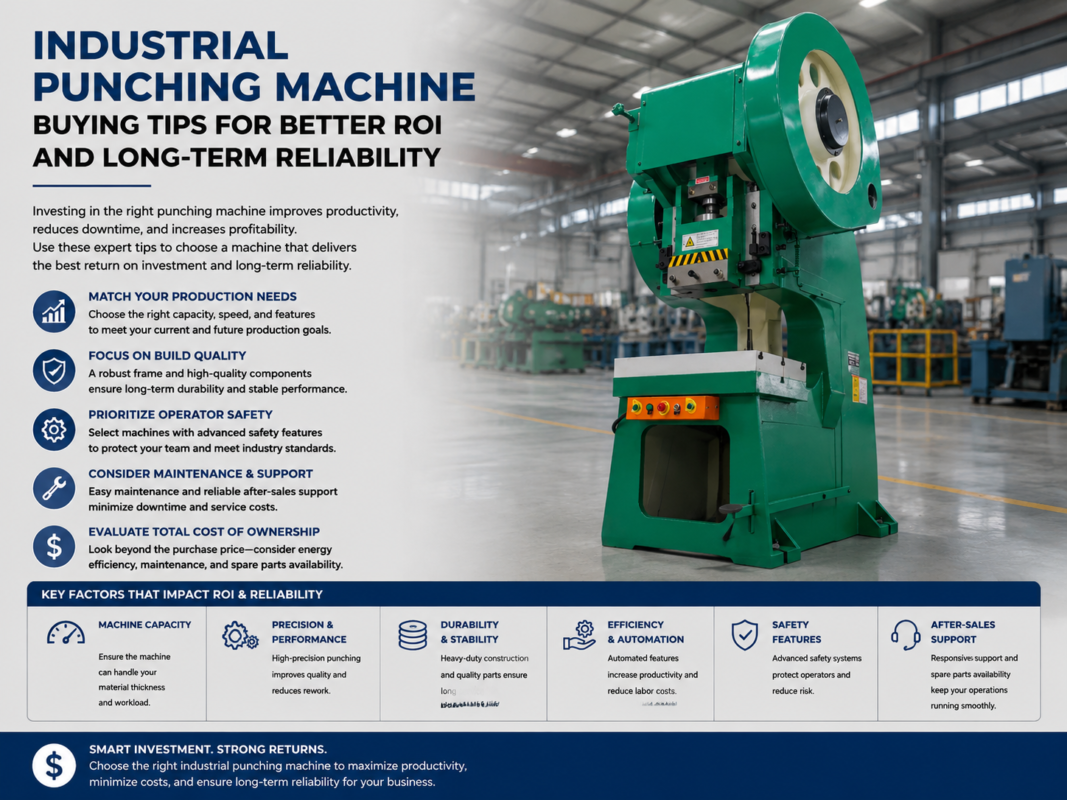
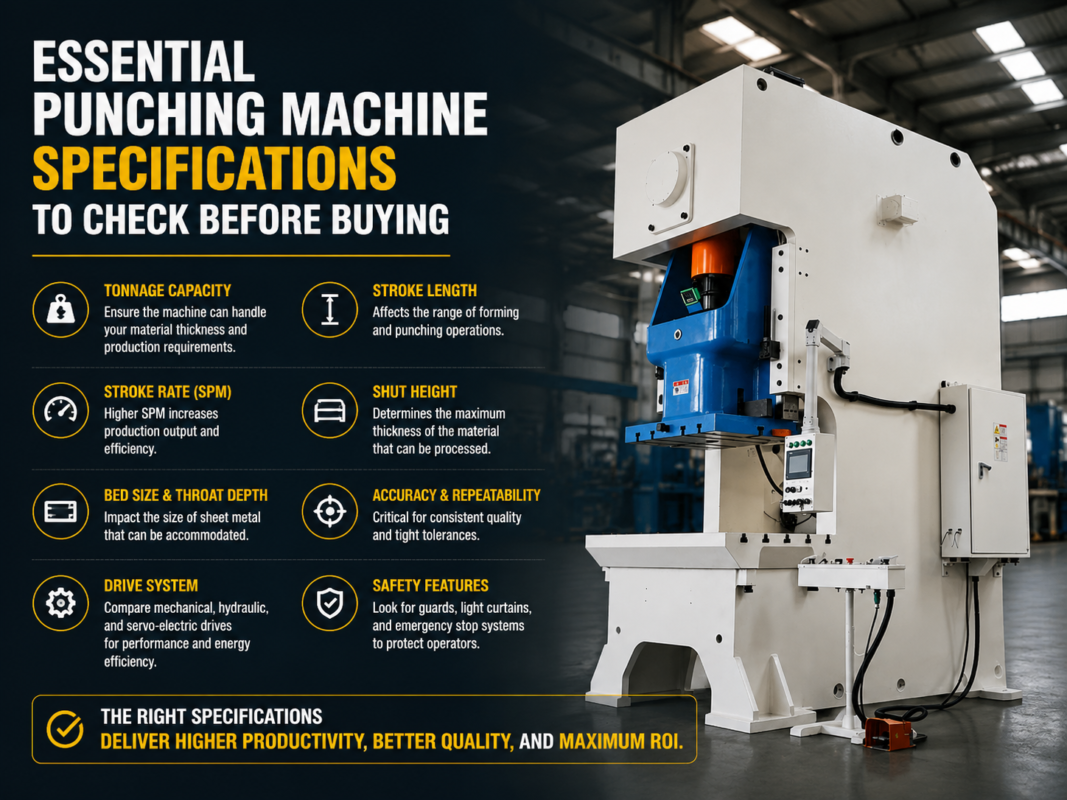
When evaluating the Best Punching Machine Buying Manufacturers: Features, Costs, Selection Tips, it is essential to look beyond the sticker price. Several technical factors drive the cost of these machines, and understanding them will help you decide where to invest and where to save.
Tonnage and Frame Capacity
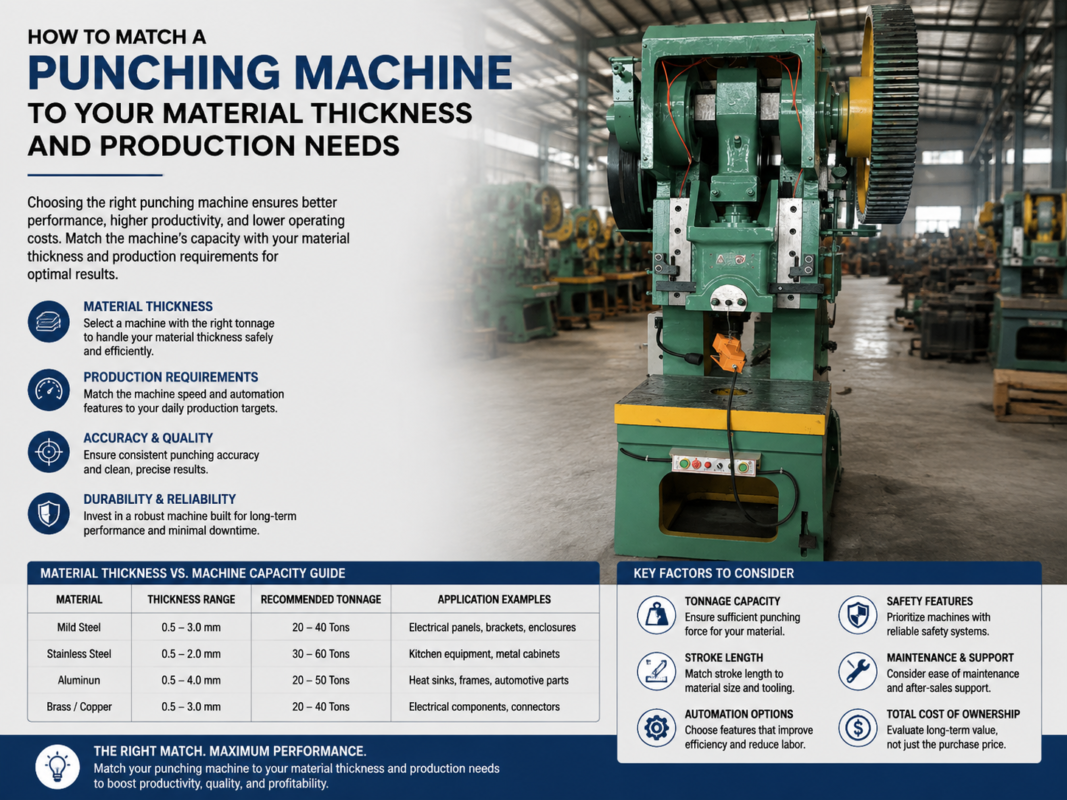
The tonnage, or the amount of force the machine can exert, is a primary cost driver. A 16-ton press is significantly cheaper than a 500-ton press. Manufacturers must calculate the maximum force required for their thickest and hardest materials. Furthermore, the frame design—whether it is a C-frame (open) or an H-frame (closed)—impacts the machine’s rigidity and price. H-frames are more expensive but offer less deflection, which is crucial for maintaining tool life and part accuracy during heavy-duty punching.
Drive System Technology
The method by which the punch is driven significantly affects both cost and performance. Mechanical flywheels are inexpensive but offer limited control. Hydraulic systems provide more flexibility but require more maintenance. The modern standard for high-end machines is the servo-electric drive. Servo drives offer the highest precision, lowest energy consumption, and fastest cycle times, but they come with a premium price tag. For many manufacturers, the energy savings alone justify the higher upfront cost of a servo-driven HARSLE machine.
Speed and Hit Rates
In high-volume manufacturing, time is money. The speed of a punching machine is measured in hits per minute (HPM). A machine capable of 600 HPM will naturally cost more than one limited to 200 HPM. This speed is influenced by the CNC controller’s processing power and the responsiveness of the drive system. If your production involves complex nesting and thousands of holes per sheet, investing in a high-speed machine is non-negotiable.
Configuration Impact: Customizing for Efficiency
The configuration of your punching machine determines its versatility. A machine that is perfectly configured for your workflow will reduce downtime and secondary operations.
Turret Capacity and Tooling Stations
The number of stations in a turret determines how many different tools the machine can access without manual intervention. Common configurations include 16, 24, or 32 stations. Furthermore, the inclusion of “Auto-Index” stations—which allow the tool to rotate to any angle—greatly increases the machine’s capability to create complex shapes with fewer tools. While adding auto-index stations increases the price, it significantly reduces the need for specialized, expensive custom tooling.
CNC Controller Sophistication
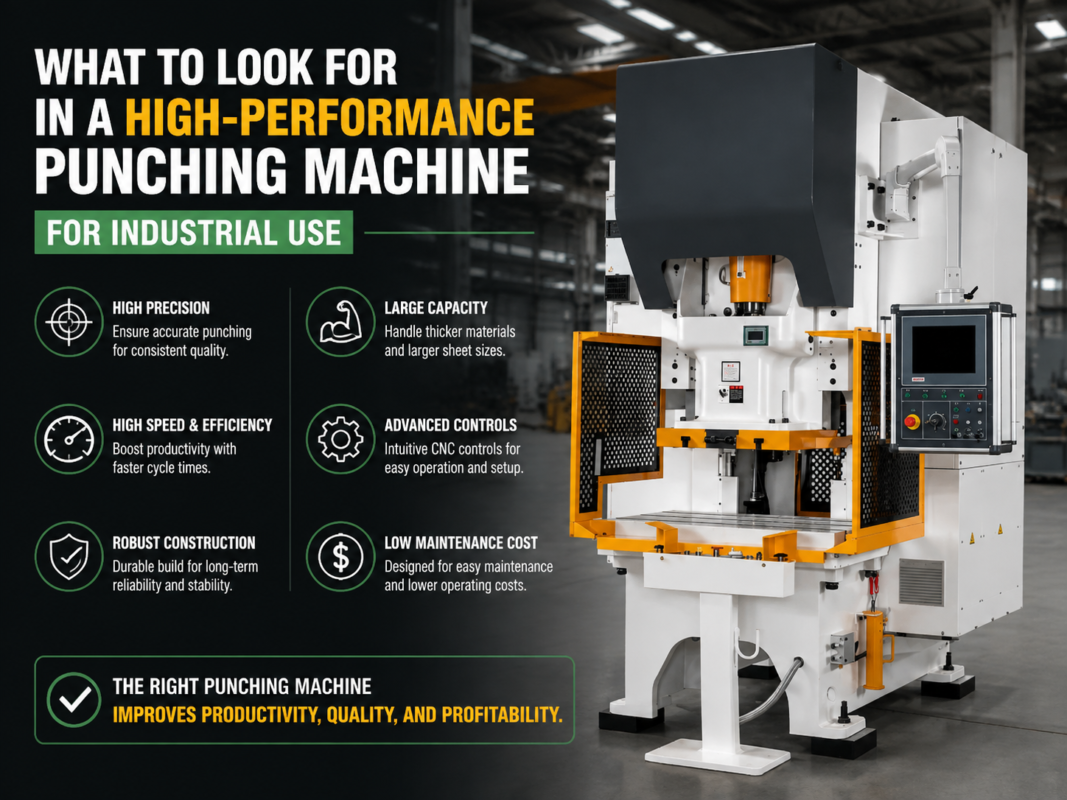
The “brain” of the machine is the CNC controller. Systems like FANUC, Siemens, or HARSLE’s proprietary interfaces offer varying levels of user-friendliness and feature sets. A high-end controller supports advanced nesting software, remote diagnostics, and 3D simulation, which helps prevent tool collisions and material waste. Choosing a controller that integrates well with your existing CAD/CAM software is vital for a seamless workflow.
Hidden Costs of Ownership
The purchase price is only the beginning. To truly understand the Best Punching Machine Buying Manufacturers: Features, Costs, Selection Tips, one must account for the “hidden” costs that arise during installation and operation.
- Foundation and Installation: Large punching machines generate significant vibration. You may need to pour a specialized reinforced concrete foundation, which can cost thousands of dollars. Additionally, professional rigging and installation services are required to ensure the machine is leveled and calibrated correctly.
- Tooling Investment: A punching machine is useless without high-quality punches and dies. A full set of turret tooling can cost between $5,000 and $20,000 depending on the variety and quality. Furthermore, tooling is a consumable; it requires regular sharpening and eventual replacement.
- Software Licenses: To get the most out of a CNC machine, you need nesting software. These programs optimize the layout of parts on a sheet to minimize waste. Annual subscription fees or one-time license costs for premium software should be factored into your budget.
- Maintenance and Spare Parts: Hydraulic seals, filters, and electronic components will eventually need service. Choosing a manufacturer like HARSLE, which provides excellent after-sales support and readily available spare parts, is crucial for minimizing downtime.
ROI Calculation: Justifying the Investment
Calculating the Return on Investment (ROI) is essential for any capital expenditure. For a punching machine, the ROI is typically realized through three channels: labor reduction, material savings, and increased throughput.
Consider a scenario where a manufacturer moves from a manual punching process to a CNC turret punch press. The manual process requires two operators and results in a 10% scrap rate due to human error. The CNC machine requires only one operator (who can also manage other tasks) and reduces scrap to less than 1%. If the machine increases production speed by 300%, the payback period for a $100,000 machine can often be less than 18 months. When performing your ROI calculation, be sure to include the energy efficiency of modern servo-driven models, which can reduce electricity bills by up to 40% compared to older hydraulic units.
Buying Advice: Selection Tips for Manufacturers
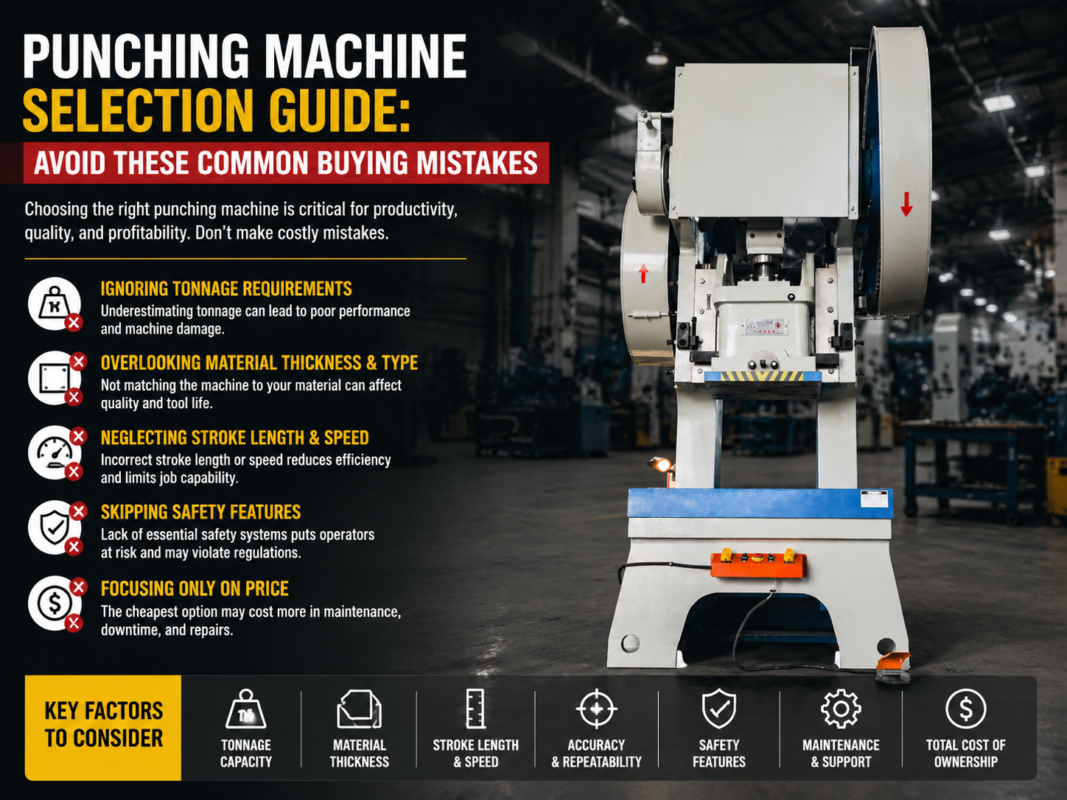
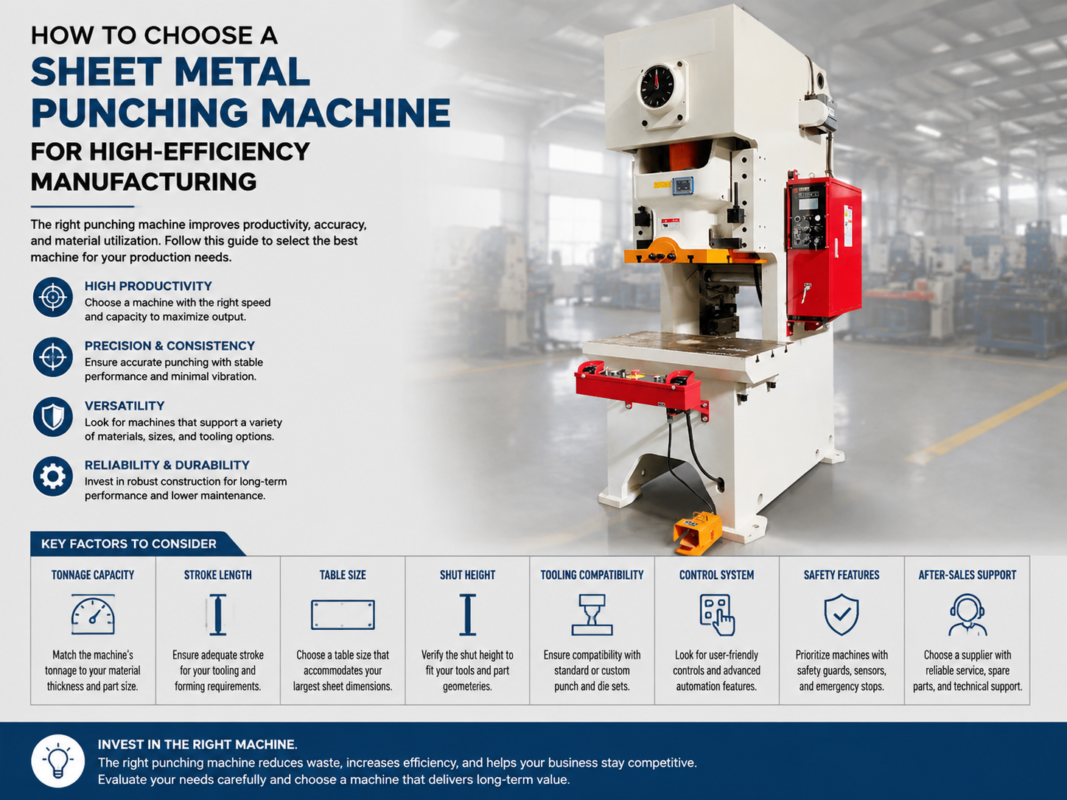
Choosing the right machine requires a systematic approach. Follow these tips to ensure you select the best fit for your facility:
- Analyze Your Material Mix: Don’t just buy for what you do today; buy for what you plan to do in three years. If you primarily work with 2mm aluminum but plan to expand into 6mm stainless steel, ensure your machine’s tonnage and tooling capacity can handle the tougher material.
- Evaluate the Table Size: The sheet size the machine can handle without repositioning is critical. Repositioning takes time and can introduce small accuracy errors. If you frequently work with 4’x8′ or 5’x10′ sheets, choose a machine with a large enough throat depth and table travel.
- Test the Software: Ask for a demonstration of the programming software. Is it intuitive? Does it support the file types your design team uses? A machine that is hard to program will become a bottleneck in your production line.
- Check Service Reputation: Research the manufacturer’s service record. Do they have technicians in your region? How quickly can they ship replacement parts? HARSLE prides itself on a global support network that ensures our clients’ machines stay operational.
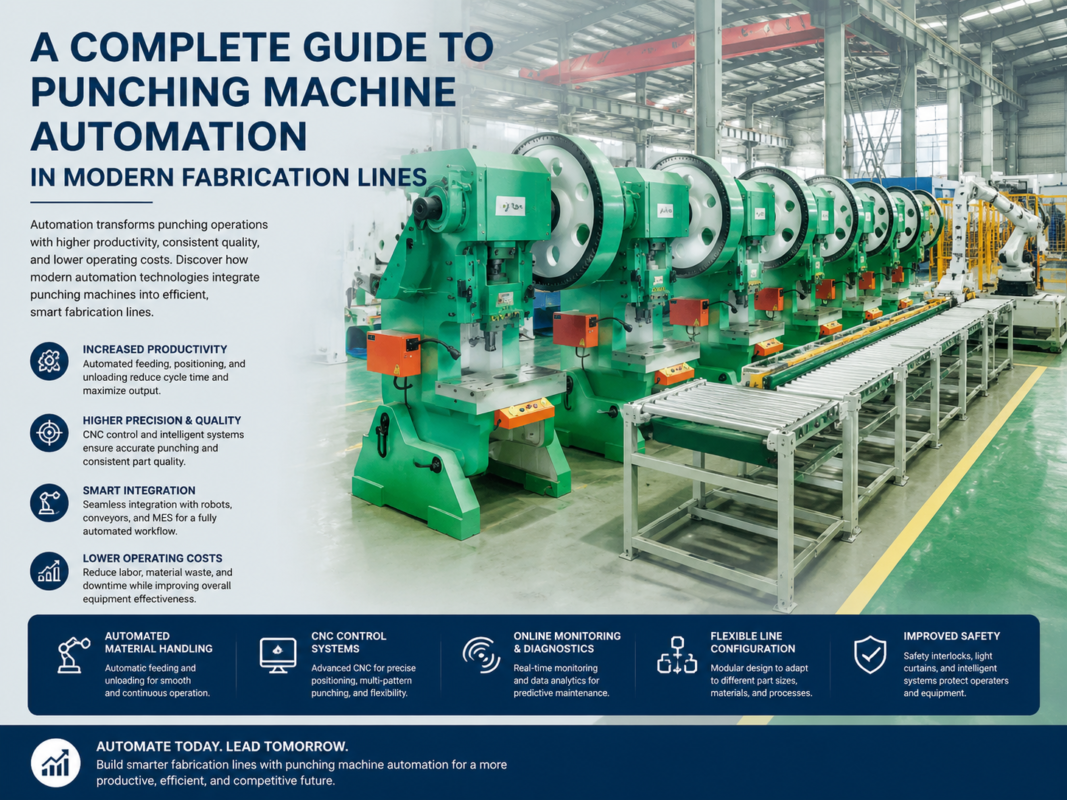
- Consider Automation Readiness: Even if you don’t need a robotic loader now, check if the machine is “automation-ready.” This allows you to add sheet loaders or part stackers in the future as your volume grows.
Frequently Asked Questions (FAQ)
What is the difference between a mechanical and a CNC punching machine?
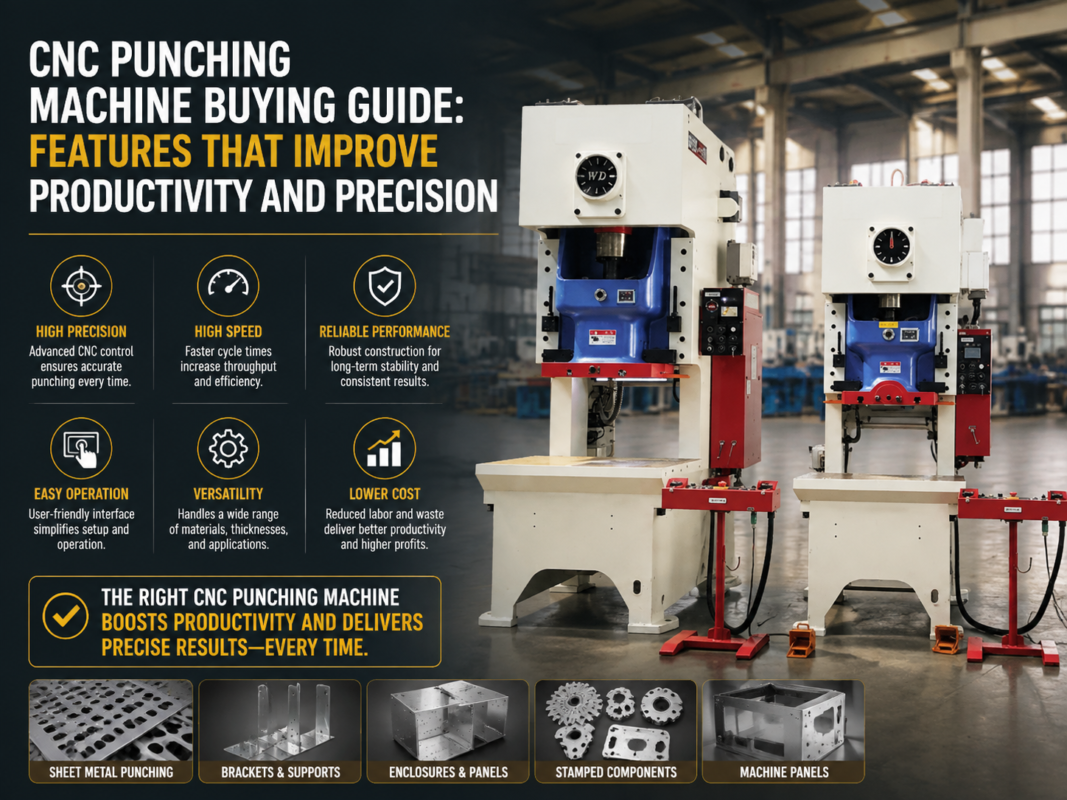
A mechanical punching machine uses a flywheel and clutch system to deliver a fixed stroke, best for high-volume, simple tasks. A CNC punching machine uses a computer to control the movement of the sheet and the selection of tools from a turret, allowing for complex shapes and varied patterns in a single setup.
How often does punching machine tooling need to be sharpened?
Tooling life depends on the material being punched. For mild steel, tools may need sharpening every 50,000 to 100,000 hits. For stainless steel, this interval is much shorter. Regular maintenance and using high-quality lubricants can significantly extend tool life.
Can a punching machine replace a laser cutter?
While they overlap, they serve different purposes. Punching machines are much faster for creating holes, louvers, and forms (like ribs or countersinks) that a laser cannot do. However, laser cutters are better for very intricate, irregular shapes and thicker materials where a punch might cause distortion.
What safety features should I look for?
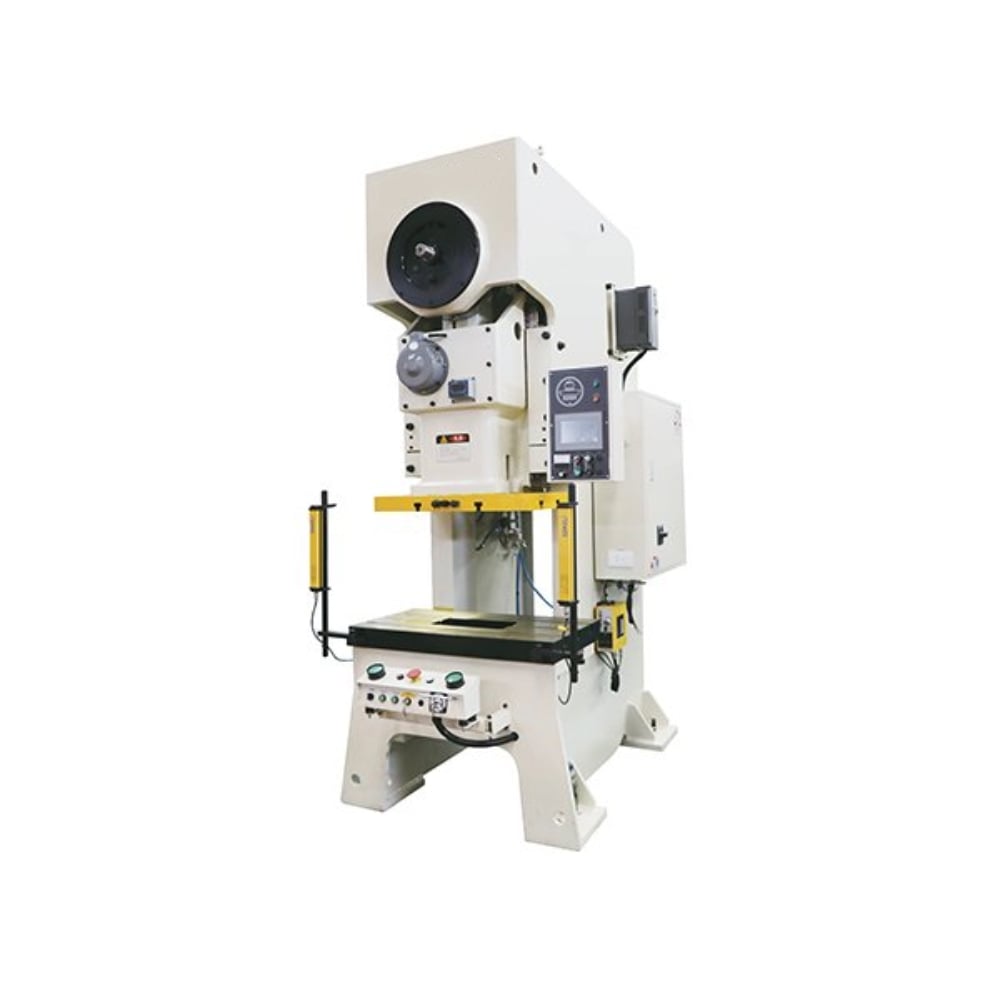
Modern machines should include light curtains, emergency stop buttons, and interlocked safety guards. For CNC machines, software-based collision detection is also a vital safety feature to protect both the operator and the expensive tooling.
Is a servo-driven punch press worth the extra cost?
In most cases, yes. The increased precision, reduced noise, lower maintenance (no hydraulic oil to change), and significant energy savings usually result in a lower total cost of ownership over the life of the machine compared to traditional hydraulic systems.
Conclusion
Selecting the Best Punching Machine Buying Manufacturers: Features, Costs, Selection Tips is a multifaceted decision that impacts every level of your production. By focusing on the right tonnage, drive technology, and configuration, and by accounting for the total cost of ownership, you can equip your facility with a tool that drives growth and profitability. HARSLE remains dedicated to providing high-quality, innovative punching solutions that meet the rigorous demands of global manufacturers. Whether you are a small shop or a large-scale industrial plant, the right punching machine is an investment in your company’s future excellence.