Buying A Punching Machine Metal Fabrication: Key Factors You Should Never Ignore


Introduction to Metal Punching Technology
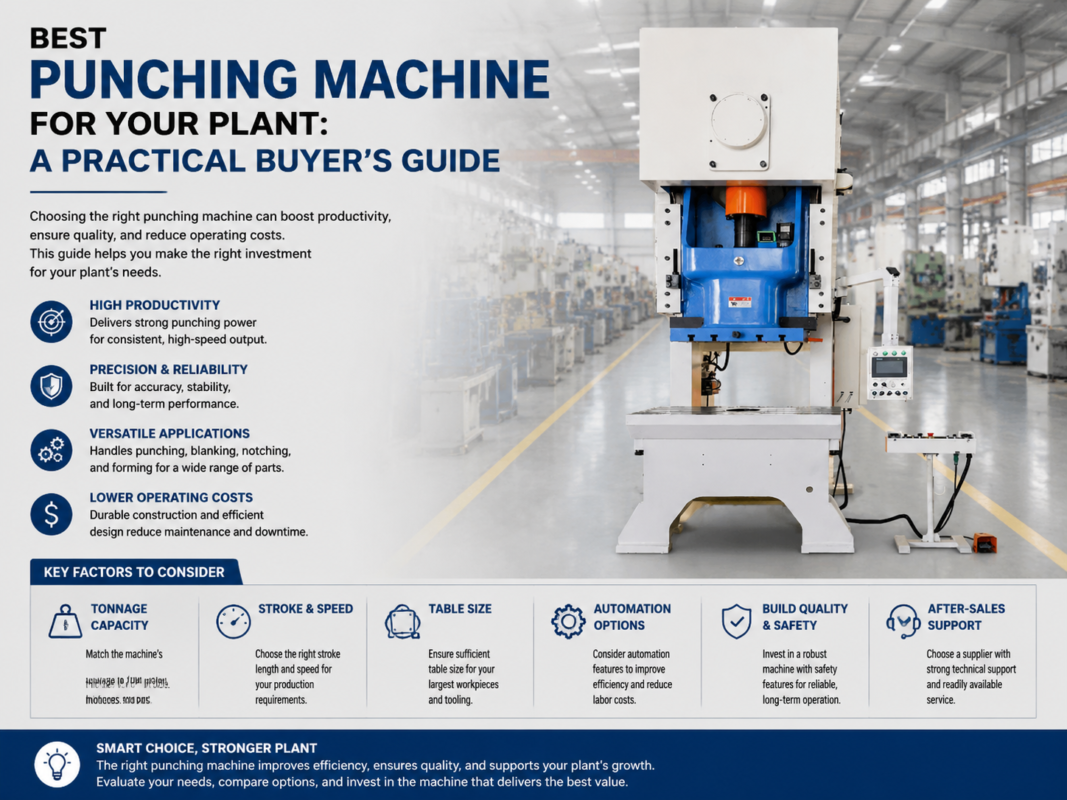
In the competitive landscape of modern manufacturing, the efficiency of your sheet metal processing line often dictates your bottom line. Among the various tools available, the punching machine remains a cornerstone of high-speed production. Whether you are producing simple brackets or complex perforated panels, the decision to invest in a new machine is significant. Buying A Punching Machine Metal Fabrication: Key Factors You Should Never Ignore is not just a catchy phrase; it is a strategic necessity for any shop looking to scale operations while maintaining precision.
HARSLE has long been at the forefront of providing robust, high-performance punching solutions. From traditional mechanical presses to advanced CNC turret punch presses, the technology has evolved to offer unprecedented levels of automation and accuracy. However, with this technological advancement comes a complex array of choices. A buyer must navigate through specifications like tonnage, throat depth, and control systems, all while balancing the initial capital expenditure against long-term operational costs.
This guide is designed to walk you through the critical aspects of the purchasing process. We will delve into the financial realities of the market, the technical configurations that impact performance, and the often-overlooked hidden costs that can derail a budget. By the end of this article, you will have a comprehensive framework for selecting a punching machine that aligns with your production goals and financial constraints.
Price Range Overview: What to Expect
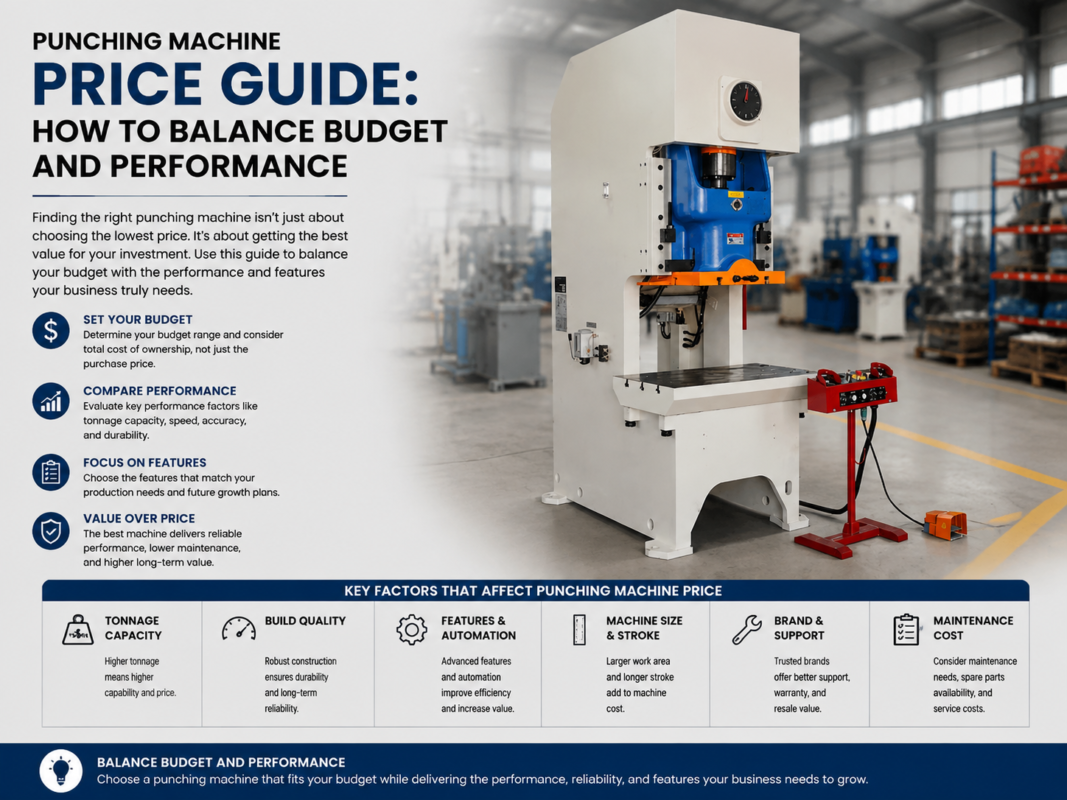
The market for punching machines is diverse, catering to everything from small artisanal workshops to massive industrial plants. Understanding the price spectrum is the first step in narrowing down your options. Generally, punching machines are categorized by their drive mechanism and level of automation. At the entry-level, you will find manual and mechanical punching machines. These units typically range from $2,000 to $10,000. They are ideal for low-volume work or simple hole-punching tasks where high speed and complex shapes are not required.
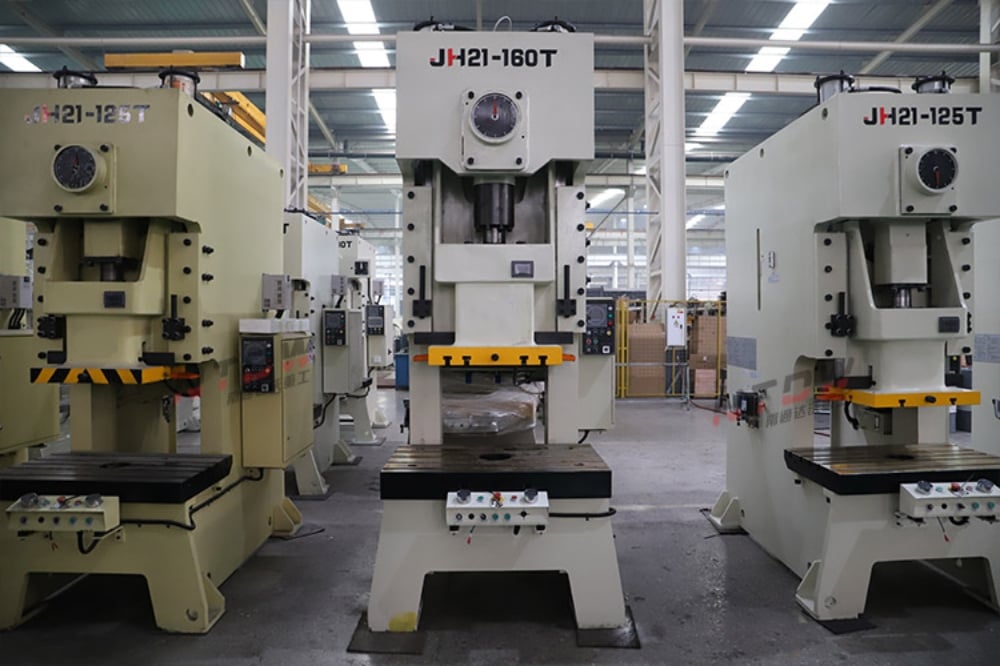
Moving into the mid-range, we encounter hydraulic punching machines and basic CNC-controlled units. These machines offer more power and better repeatability, with prices typically falling between $15,000 and $50,000. These are the workhorses of many small-to-medium fabrication shops, providing a balance between cost and capability. They can handle thicker materials and offer more consistent results than their manual counterparts.
At the high end of the spectrum are the CNC Turret Punch Presses and Servo-Electric machines. These are sophisticated systems capable of high-speed nesting, complex forming, and multi-tool operations. Prices for these machines start at around $60,000 and can easily exceed $250,000 for large-format, fully automated systems. While the price tag is high, the productivity gains are exponential, making them the preferred choice for high-volume manufacturers.
Main Cost Drivers in Punching Machinery
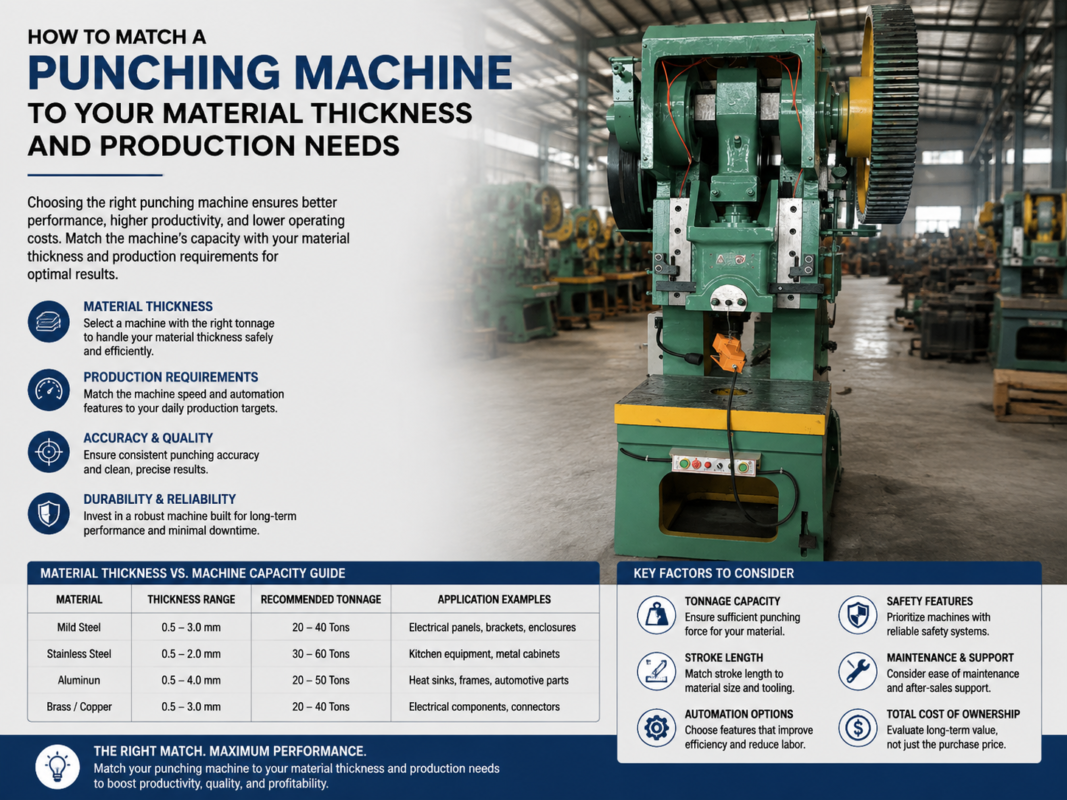
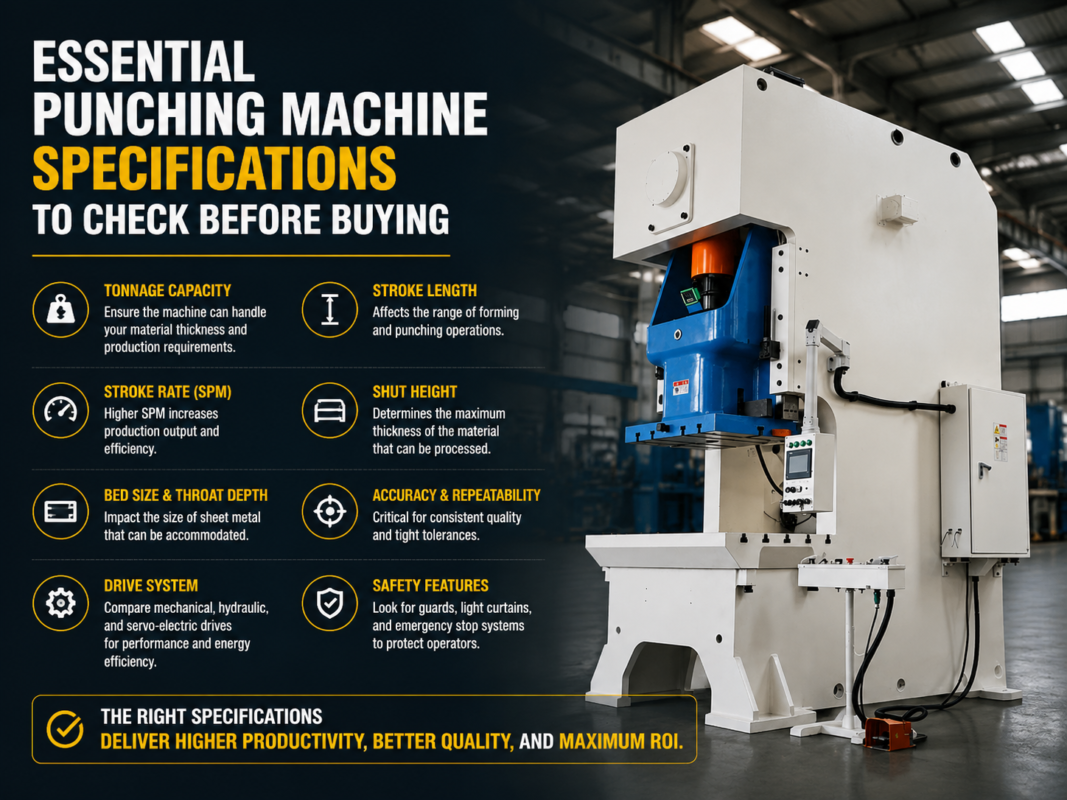
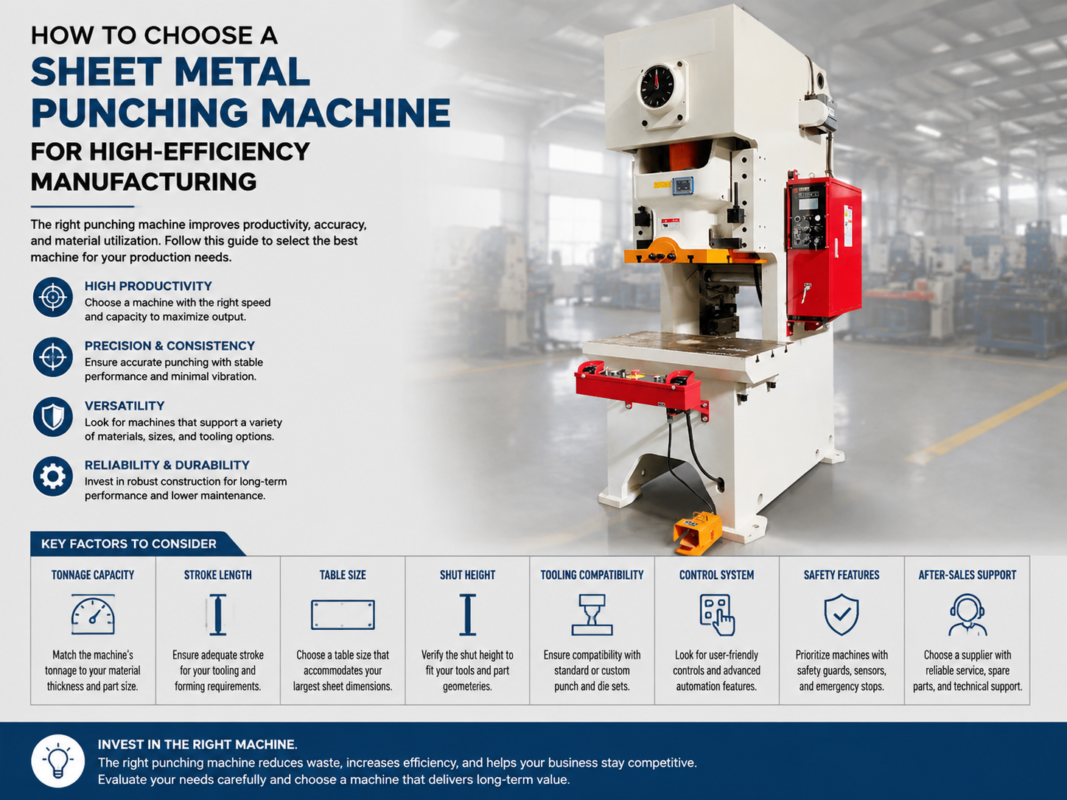
When evaluating the price of a punching machine, several key technical factors drive the cost upward. The most prominent of these is Tonnage. Tonnage refers to the amount of force the machine can apply to the workpiece. A 16-ton machine is significantly cheaper than a 100-ton or 500-ton machine. The required tonnage is determined by the material type, thickness, and the perimeter of the hole being punched. Investing in higher tonnage than you currently need can be a form of future-proofing, but it comes with a higher upfront cost.
Throat Depth is another critical driver. This is the distance from the center of the punch to the back of the machine frame. A deeper throat allows for the processing of larger sheets without needing to flip or reposition the material. However, increasing throat depth requires a much more rigid and heavy frame to prevent deflection under load, which adds to the manufacturing cost of the machine itself.
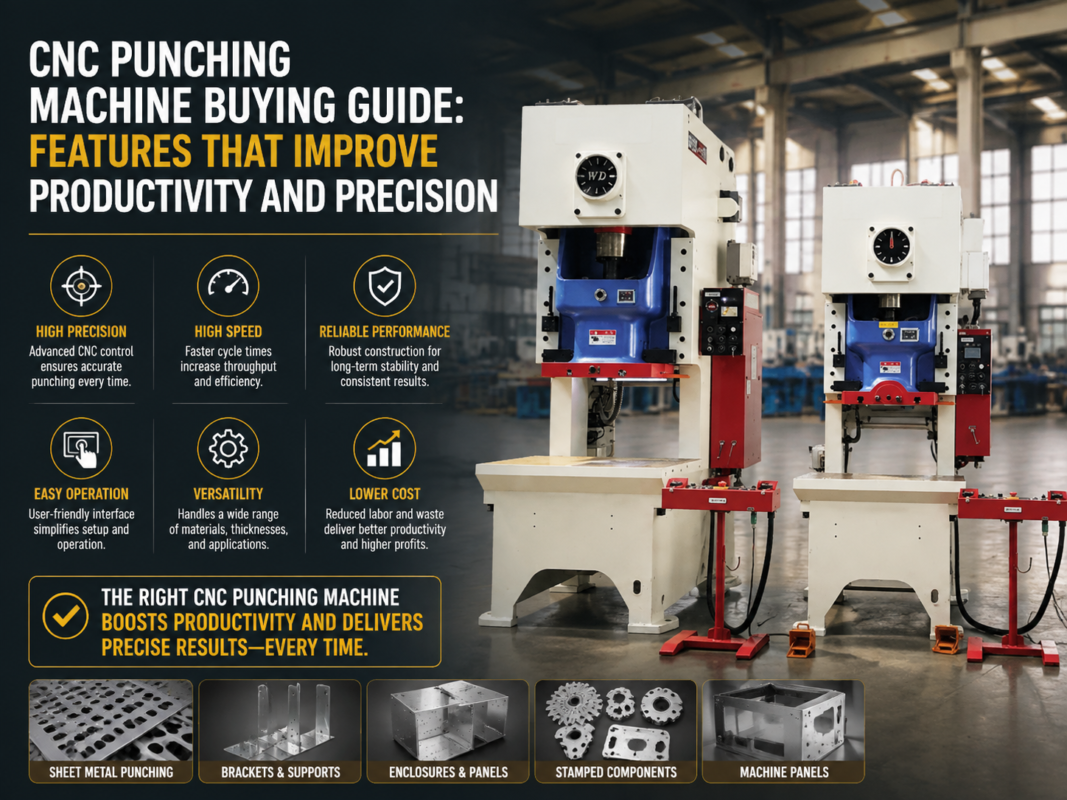
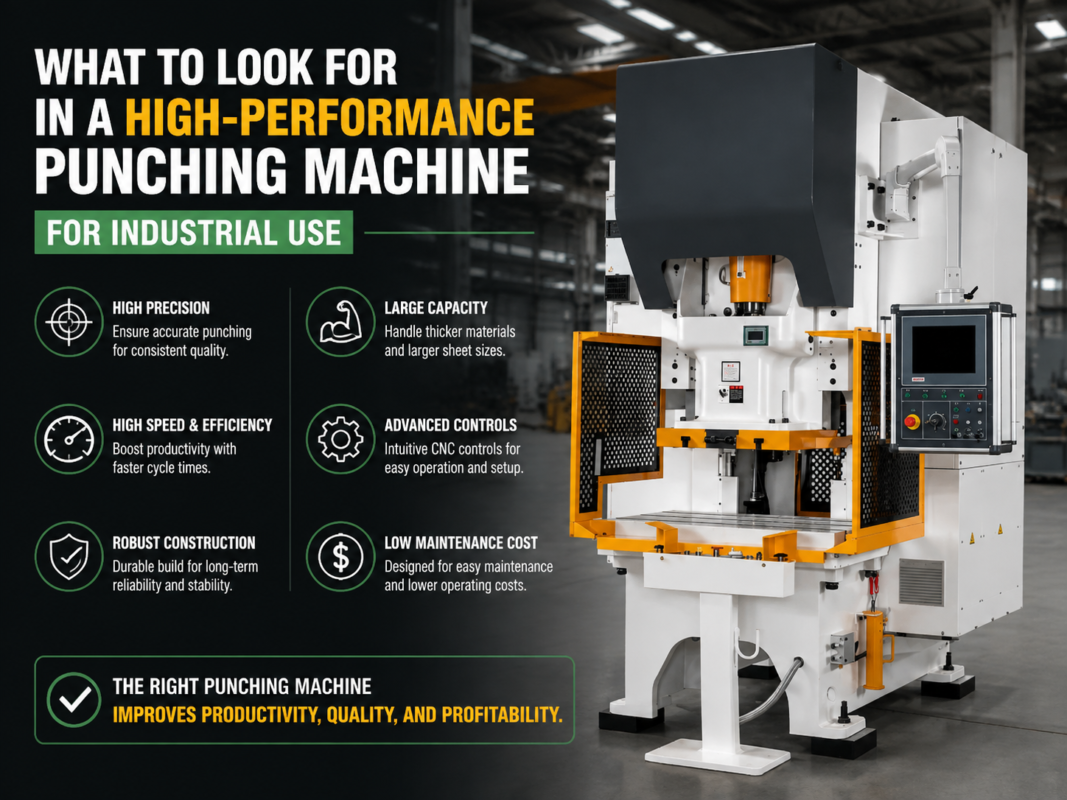
The Control System (CNC) also plays a massive role in pricing. A machine equipped with a basic PLC (Programmable Logic Controller) will be more affordable than one featuring a high-end Fanuc or Siemens CNC system. Advanced controllers offer better graphical interfaces, faster processing speeds, and compatibility with sophisticated nesting software, all of which contribute to the machine’s overall value and price.
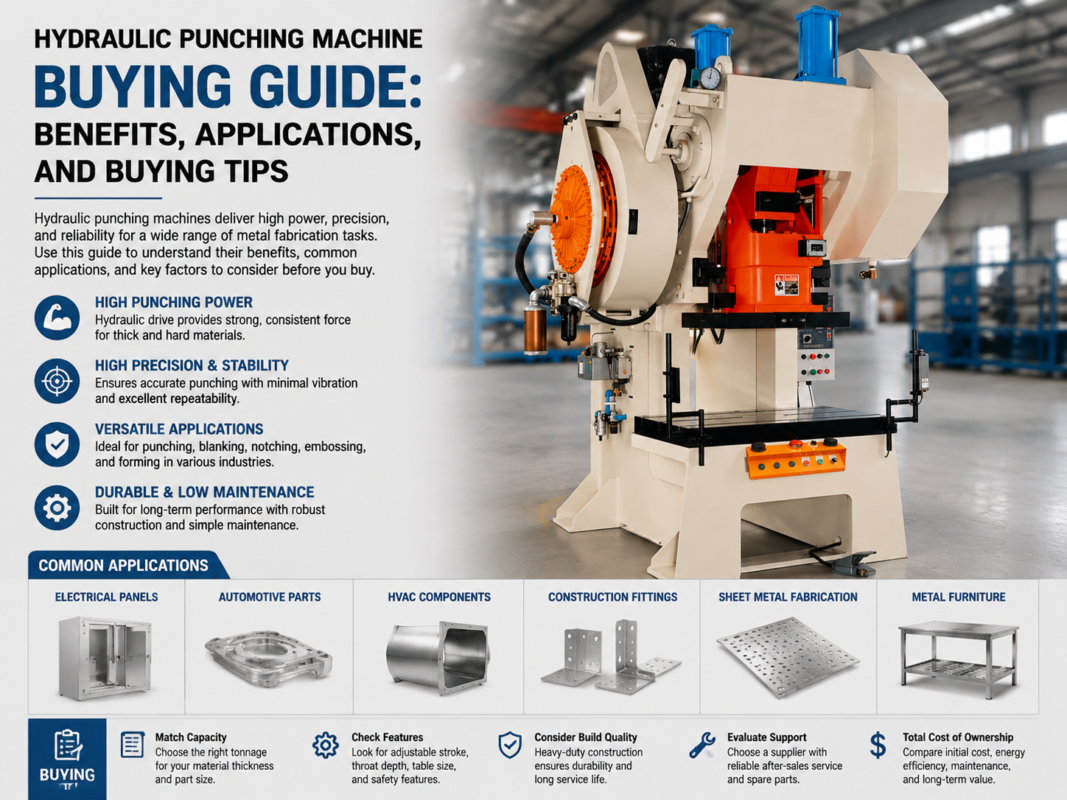
Finally, the Drive System—whether mechanical, hydraulic, or servo-electric—impacts the cost. Mechanical systems are generally the cheapest but offer less control. Hydraulic systems provide consistent power but require more maintenance. Servo-electric systems are the most expensive but offer the highest precision, energy efficiency, and speed, often justifying their cost through lower utility bills and higher output.
Configuration Impact on Performance and Price
The configuration of a punching machine determines its versatility. One of the most important configurations is the Turret Capacity. In a turret punch press, the number of tool stations (e.g., 12, 24, 32, or 50 stations) directly affects how many different shapes and sizes you can punch without stopping to change tools. A higher station count increases the machine’s price but drastically reduces setup time for complex jobs.
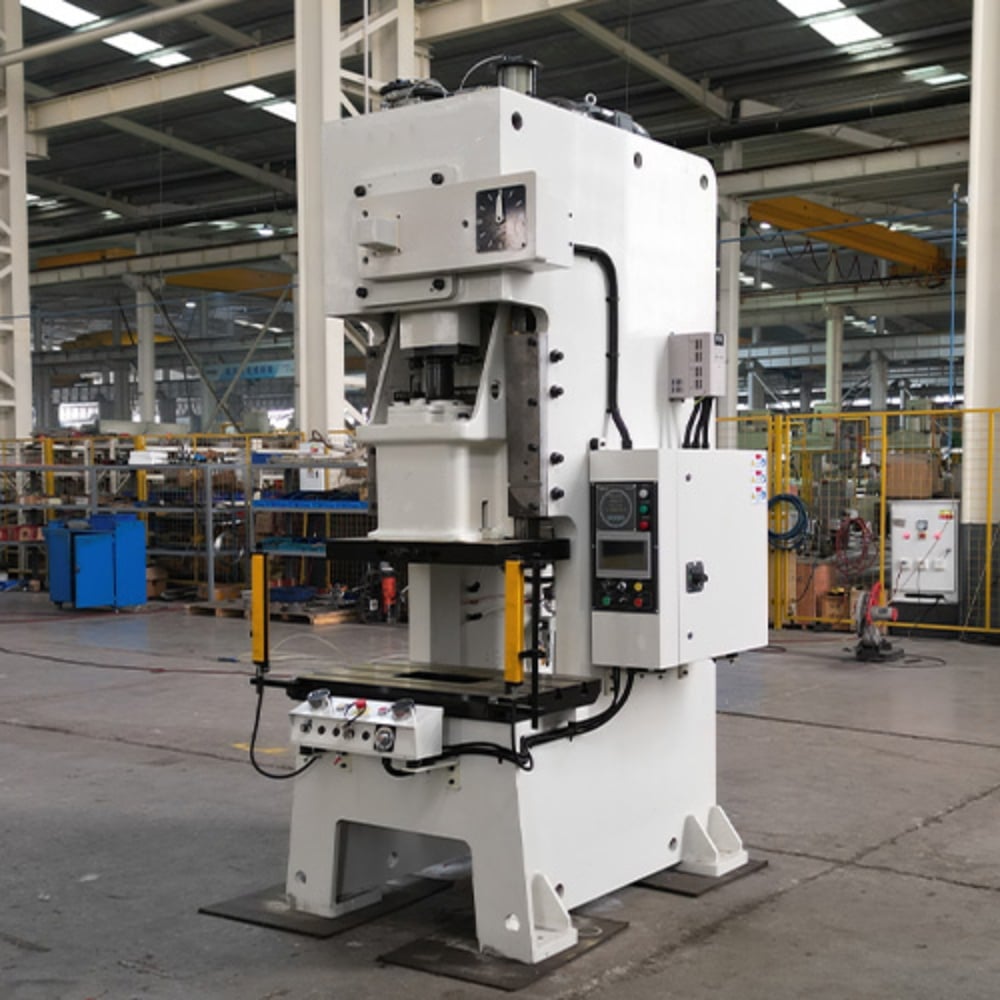
Auto-Index Stations are another premium feature. These stations allow the tool to rotate 360 degrees, enabling the machine to punch at any angle. Without auto-index, you might need multiple tools for the same shape at different orientations. Including two or more auto-index stations in your configuration will increase the machine’s cost but provides immense flexibility in design and material utilization.
The Frame Design (C-frame vs. O-frame) also impacts performance. C-frame machines offer easier access to the work area but are more prone to “yawing” or deflection under high pressure. O-frame (or bridge-frame) machines are inherently more stable and rigid, ensuring better tool alignment and longer tool life. While O-frame machines are typically more expensive, they are essential for high-precision, high-tonnage applications.
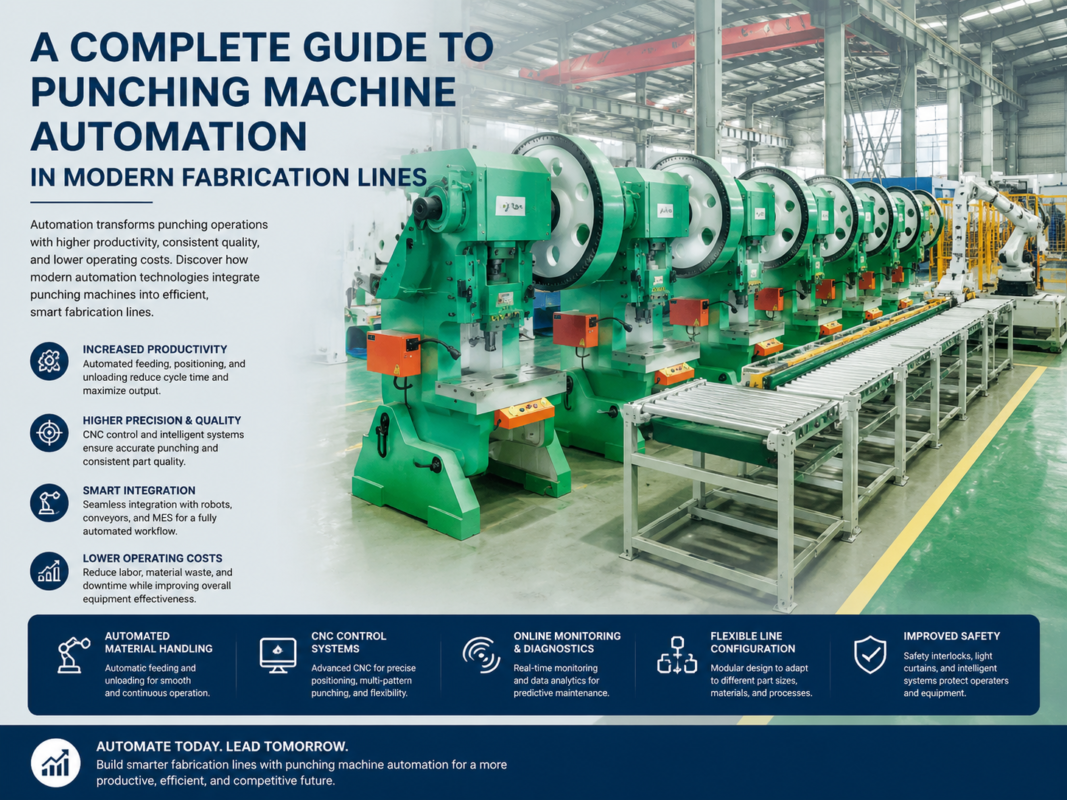
Additionally, consider the Material Handling System. Basic machines require manual loading and unloading. Adding automatic sheet loaders, unloaders, or part sorting systems can double the price of the installation. However, for 24/7 operations, these configurations are vital for reducing labor costs and maximizing the machine’s “green light” time.
Hidden Costs You Should Never Ignore
The purchase price of the machine is only the beginning. One of the most significant hidden costs is Tooling. Unlike a laser cutter, a punching machine requires physical dies and punches for every shape. A comprehensive starter set of high-quality “thick turret” or “thin turret” tooling can cost several thousand dollars. Furthermore, tools wear out and require regular sharpening or replacement, creating an ongoing operational expense.
Installation and Training are often overlooked. A CNC turret punch press is not a “plug-and-play” device. It requires a precision-leveled floor, often involving a specialized concrete foundation to dampen vibrations. Professional installation by HARSLE technicians ensures the machine is calibrated correctly. Furthermore, your operators will need training on the CNC interface and the CAD/CAM nesting software, which may involve additional fees or travel expenses.
Software Licensing is another recurring cost. To get the most out of a CNC punching machine, you need sophisticated nesting software that optimizes material usage and tool paths. These software packages often come with annual maintenance contracts or update fees. Without high-quality software, even the fastest machine will be bottlenecked by inefficient programming.
Lastly, consider Maintenance and Power Consumption. Hydraulic machines require regular oil changes and filter replacements. Servo-electric machines, while lower in maintenance, have complex electronic components. Additionally, the power required to run a 30-ton press all day is substantial. Buyers should calculate the estimated KWh usage based on their production schedule to avoid surprises in their monthly utility bills.
ROI Calculation: Is the Investment Worth It?
Calculating the Return on Investment (ROI) is crucial for justifying the purchase of a punching machine. The basic formula is: ROI = (Net Profit from Machine / Cost of Investment) x 100. To find the net profit, you must estimate the annual revenue generated by the machine and subtract all operating costs, including labor, power, tooling, and maintenance.
One of the primary drivers of ROI in punching is Throughput. A CNC turret punch press can often perform operations—like louvers, countersinks, and knockouts—that a laser cutter cannot do in a single pass. By eliminating secondary operations, the punching machine significantly reduces the cost per part. If a new HARSLE machine reduces your production time by 30%, that time can be sold to other customers, directly increasing your revenue.
Scrap Reduction is another factor. Advanced nesting software used with CNC punching machines can squeeze more parts out of a single sheet of metal. If you can reduce material waste by even 5-10%, the savings over a year can amount to thousands of dollars, especially when working with expensive materials like stainless steel or aluminum.
Finally, consider the Payback Period. Most fabrication shops aim for a payback period of 2 to 4 years. If the machine allows you to bring previously outsourced work in-house, the savings on markup and shipping can accelerate this timeline. A well-maintained HARSLE machine also retains a high resale value, which should be factored into the long-term financial analysis.
Buying Advice for Metal Fabricators
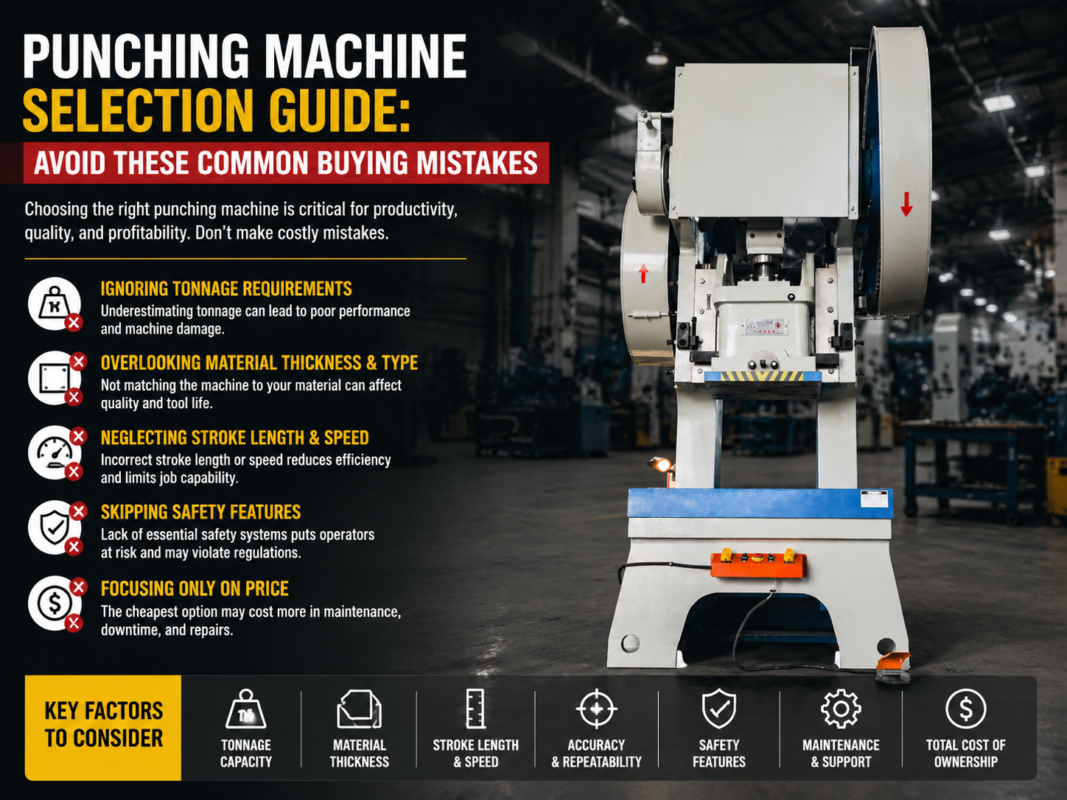
When you are ready to buy, start by conducting a thorough Application Audit. Look at the parts you currently produce and those you want to produce in the future. What is the maximum thickness? What is the largest sheet size? Don’t just buy for today’s needs; buy for the growth you expect in the next five years. If you frequently work with 6mm plate, don’t settle for a machine that maxes out at 4mm.
Always Request a Sample Cut. Any reputable manufacturer, including HARSLE, should be able to take your CAD file and produce a sample part on the machine you are considering. This allows you to inspect the edge quality, the accuracy of the hole placements, and the speed of the operation. It also gives you a chance to see the software interface in action.
Check the After-Sales Support. A machine is only an asset if it’s running. Inquire about the availability of spare parts, the location of service technicians, and the duration of the warranty. HARSLE prides itself on global support, but you should always confirm the specific support structure in your region. Ask for references from other customers who have owned the machine for more than two years.
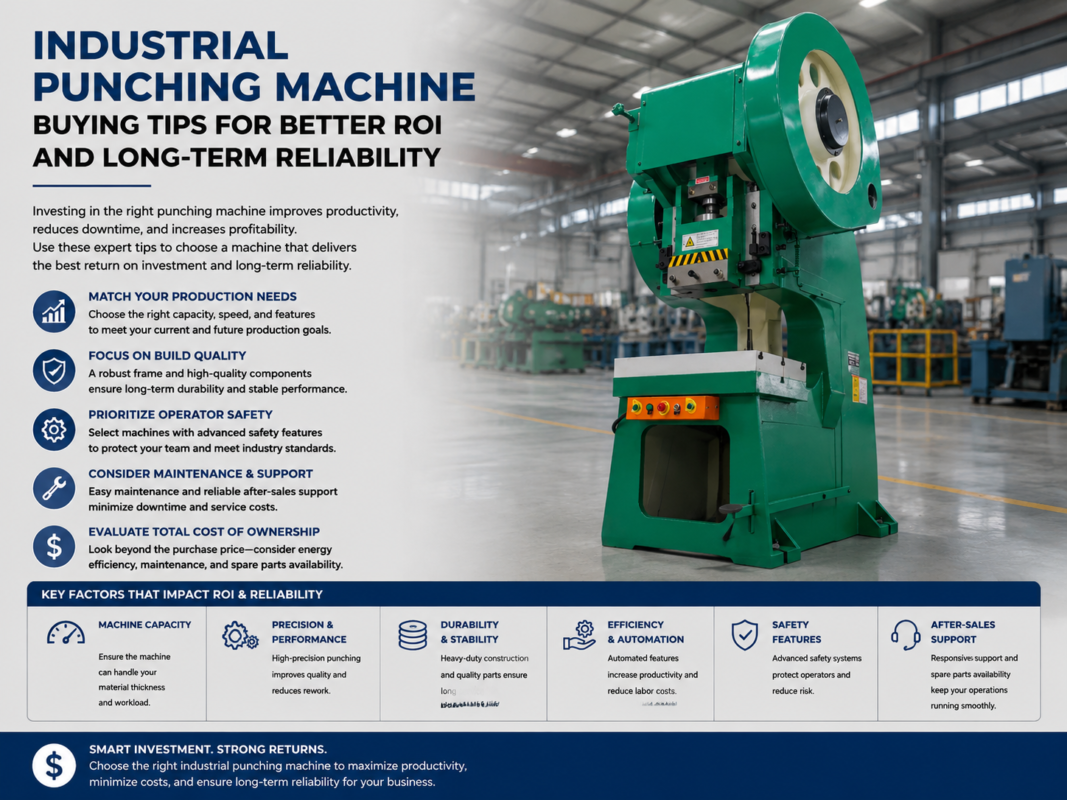
Finally, Compare Total Cost of Ownership (TCO), not just the sticker price. A cheaper machine that breaks down frequently or uses twice the electricity will eventually cost more than a premium, energy-efficient model. Look for features like automatic lubrication, energy-saving standby modes, and durable frame constructions that will extend the life of the machine.
Frequently Asked Questions (FAQ)
1. What is the difference between a mechanical and a hydraulic punching machine?
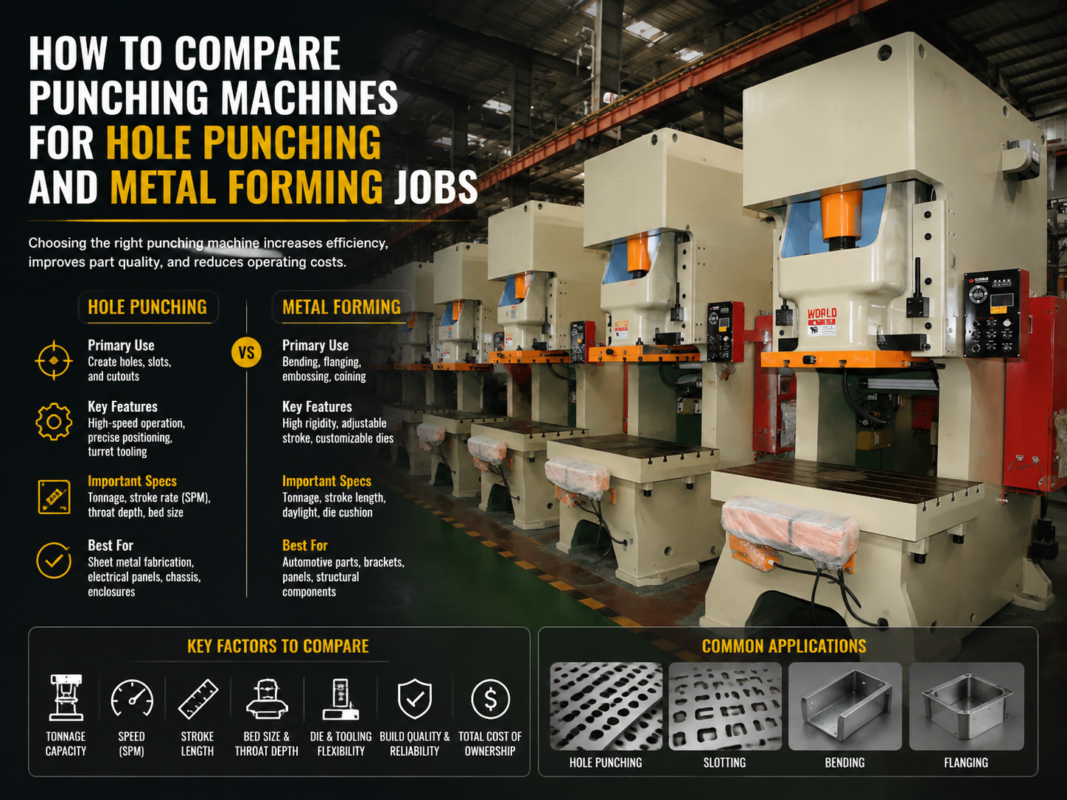
Mechanical punching machines use a flywheel and a clutch system to deliver a quick, high-impact strike. They are generally faster for simple holes but offer less control. Hydraulic punching machines use fluid pressure to drive the ram, allowing for full tonnage at any point in the stroke and better control for forming operations like louvers or embossing.
2. Can a punching machine replace a laser cutting machine?
While there is overlap, they are different tools. A punching machine is significantly faster for repetitive holes and can perform forming operations (ribs, tabs, countersinks). A laser cutter is better for complex, irregular contours and thicker materials where a punch might struggle. Many modern shops use both to maximize flexibility.
3. How often should I sharpen my punching tools?
Tool life depends on the material being punched. Stainless steel wears tools much faster than aluminum. As a general rule, tools should be inspected every 10,000 to 50,000 hits. Sharpening them early and often (removing only 0.1mm at a time) is much more cost-effective than waiting until the tool is chipped or dull.
4. What is ‘nibbling’ in the context of a punching machine?
Nibbling is a process where the machine makes a series of overlapping punches to create a large hole or a contoured shape that is bigger than any single tool in the turret. While slower than a single punch, it allows the machine to create complex shapes without needing custom-shaped tooling.
5. Is CNC training difficult for manual operators?
Modern CNC interfaces, like those found on HARSLE machines, are designed to be user-friendly and graphical. While there is a learning curve, an operator familiar with manual punching usually understands the physics of the process, making the transition to CNC programming relatively straightforward with a few days of dedicated training.
6. What tonnage do I need for 3mm stainless steel?
The required tonnage depends on the hole size. For a 20mm round hole in 3mm stainless steel, you would typically need about 18-20 tons of force. It is always recommended to have a safety margin, so a 30-ton machine would be a safer and more versatile choice for that application.