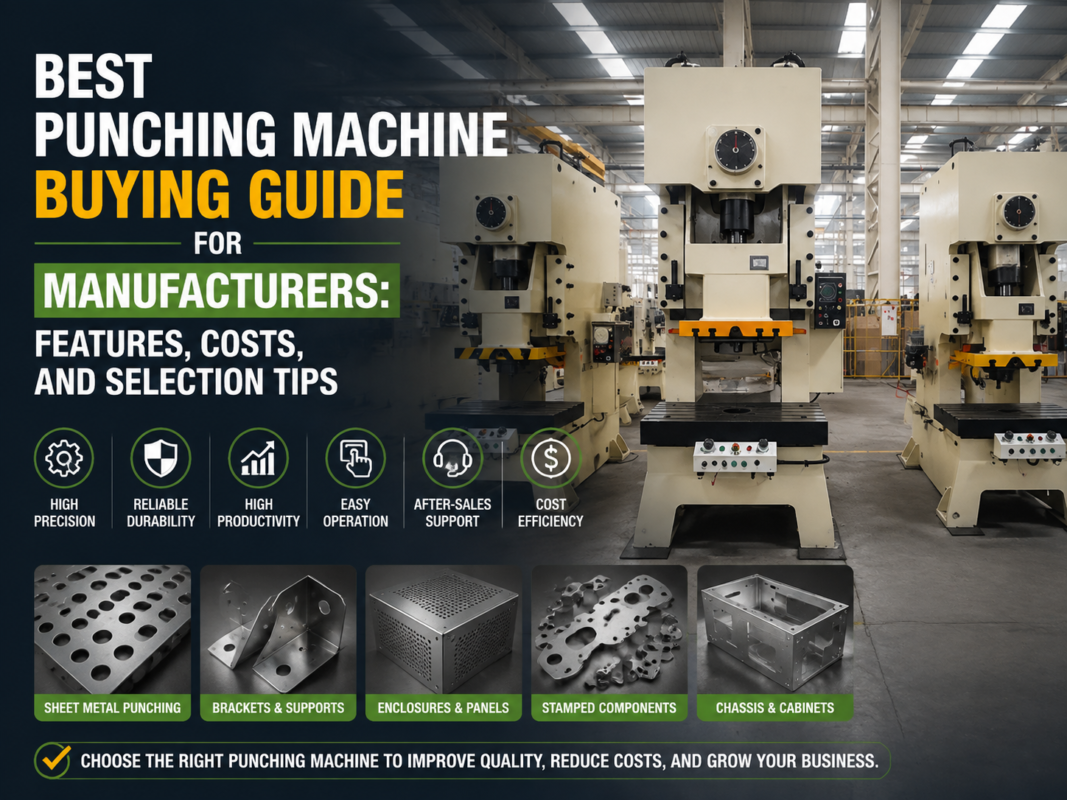
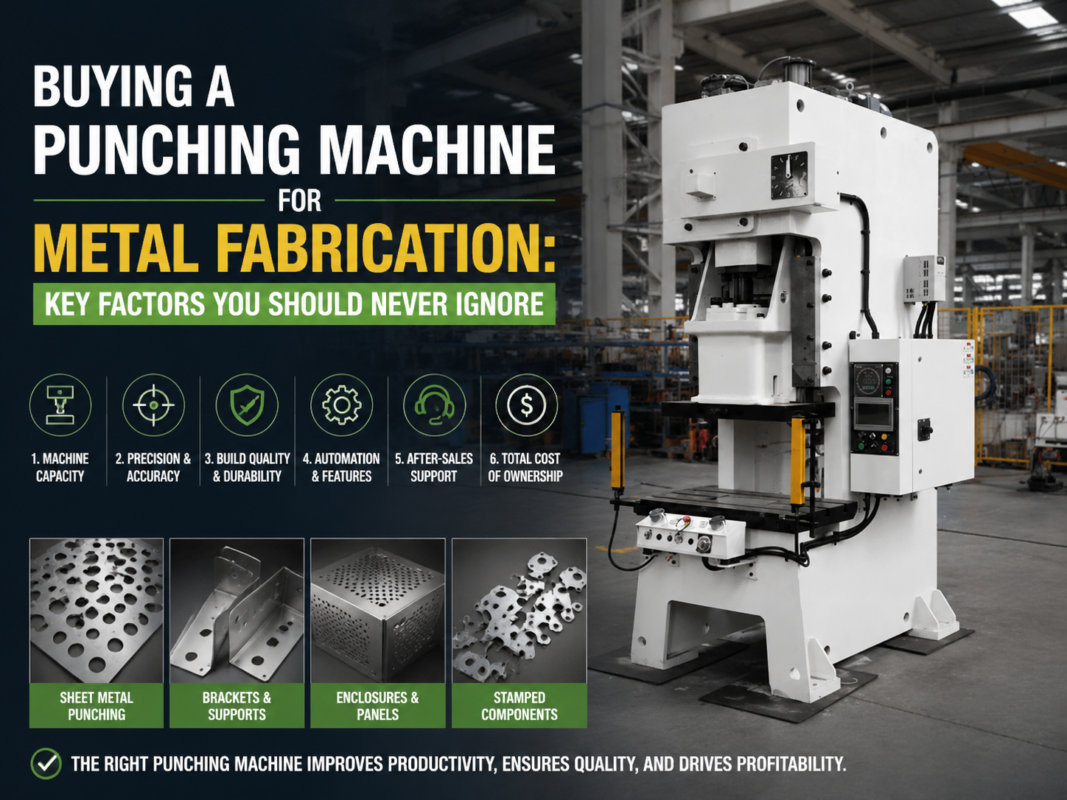
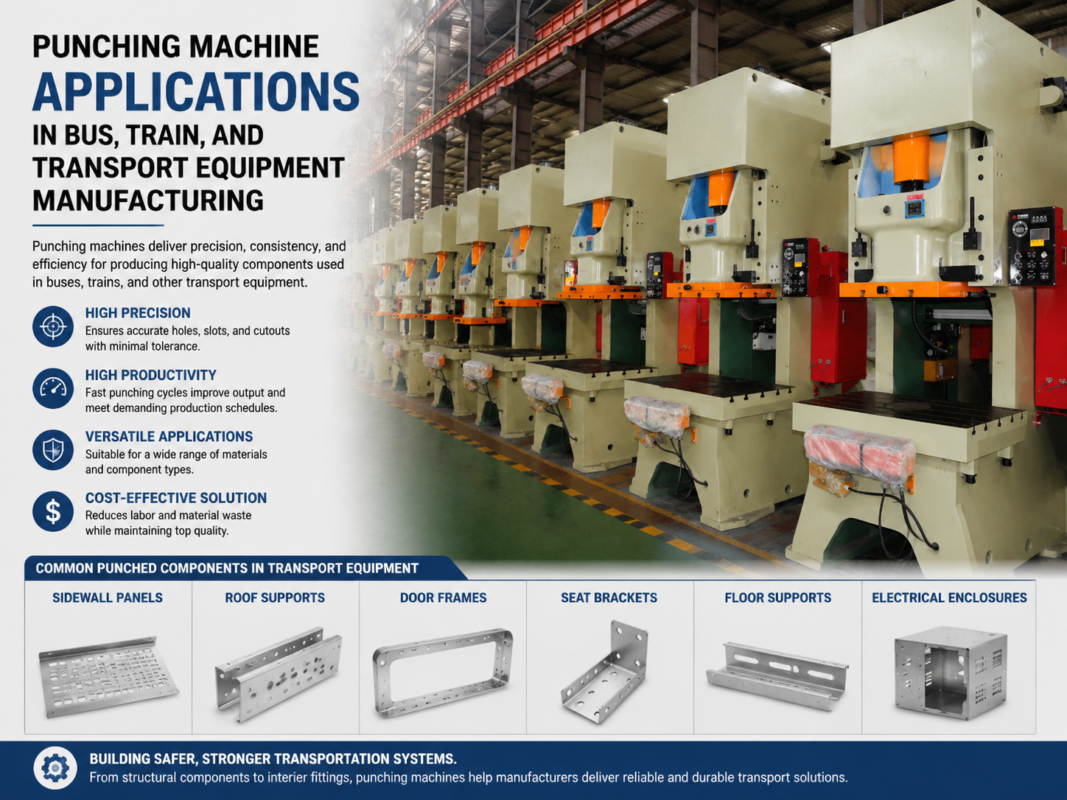
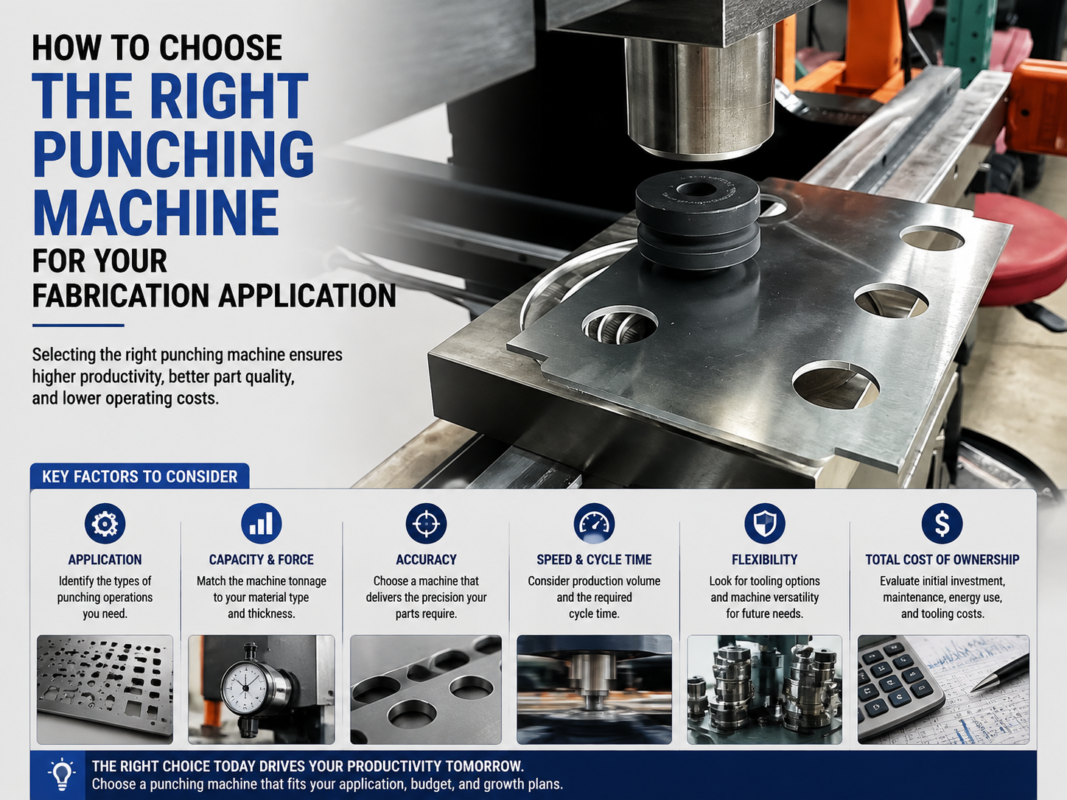
Comprehensive Guide to Sheet Metal Punching Machine Uses for Brackets, Panels, and Enclosures

Introduction to Modern Sheet Metal Punching
In the landscape of modern industrial manufacturing, the versatility and efficiency of metal fabrication equipment determine a facility’s competitive edge. Among the most critical tools in this sector is the sheet metal punching machine. While laser cutting often dominates the conversation regarding complex shapes, the punching machine remains the undisputed champion for high-speed production, forming operations, and repetitive hole patterns. HARSLE, a leader in metalworking machinery, provides advanced solutions that cater specifically to the intricate needs of bracket, panel, and enclosure fabrication.
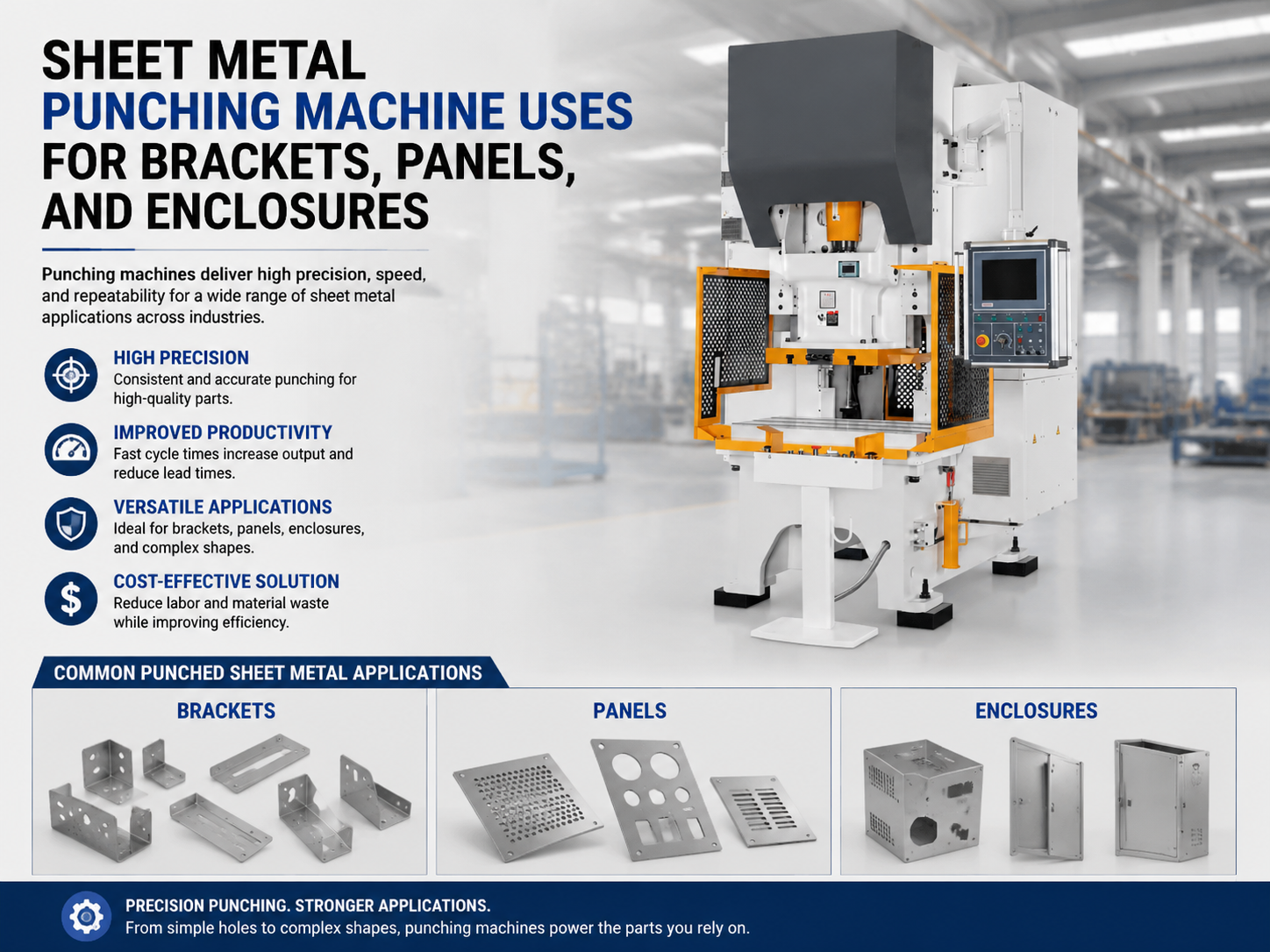
Sheet metal punching involves the use of a press to force a tool, called a punch, through the workpiece to create a hole via shearing. However, modern CNC (Computer Numerical Control) turret punch presses do much more than just create holes. They can perform forming, ribbing, louvering, and even threading. This multi-functionality is what makes them indispensable for producing the structural components found in electronics, automotive, and construction industries. Understanding the specific sheet metal punching machine uses for brackets, panels, and enclosures is essential for optimizing production workflows and ensuring high-quality output.
As we delve deeper into this guide, we will explore how these machines handle different materials, the technical nuances of the punching process, and how to select the right equipment for your specific application. Whether you are a small workshop or a large-scale industrial plant, mastering the use of punching machines for brackets, panels, and enclosures will significantly enhance your manufacturing capabilities.
Key Considerations for Brackets, Panels, and Enclosures
Fabricating Structural Brackets
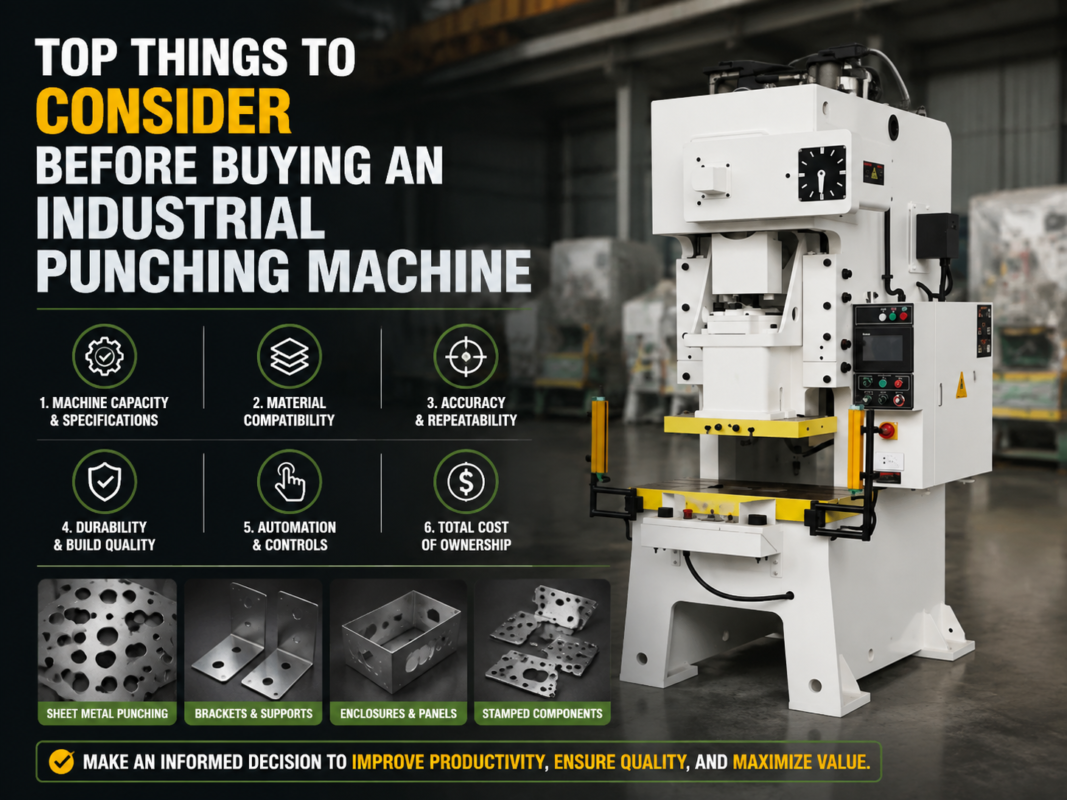
Brackets are the unsung heroes of the mechanical world, providing support, alignment, and structural integrity to countless assemblies. When using a sheet metal punching machine for brackets, the primary focus is on precision and strength. Brackets often require multiple mounting holes, slots for adjustment, and sometimes embossed features for added rigidity. A CNC punch press can execute these patterns with extreme repeatability, ensuring that every bracket in a batch of thousands is identical.
Material thickness is a major consideration for brackets. They are often made from thicker gauges of cold-rolled steel or stainless steel to handle load-bearing requirements. The punching machine must have sufficient tonnage to shear through these materials without excessive tool wear. Furthermore, the ability to punch and then immediately form a 90-degree flange or a stiffening rib in a single setup reduces handling time and improves the overall structural performance of the bracket.
Precision in Panel Manufacturing
Panels, whether they are for server racks, control desks, or architectural cladding, demand a high level of aesthetic and functional precision. The sheet metal punching machine uses for panels often involve creating large arrays of ventilation holes (perforations) or complex cutouts for HMI (Human-Machine Interface) components. The speed of a turret punch press is unmatched here; it can punch hundreds of holes per minute, a task that would be prohibitively slow and expensive on a laser cutter.
Another critical aspect of panel fabrication is the prevention of material distortion. Large panels with many holes are prone to internal stresses that can cause warping. Advanced HARSLE punching machines utilize sophisticated software and hydraulic control to manage the punching force and sequence, minimizing sheet deformation. Additionally, the use of specialized cluster tools allows for multiple holes to be punched in a single hit, further increasing efficiency and reducing the heat-affected zone compared to thermal cutting methods.
Complex Enclosure Fabrication
Enclosures are perhaps the most complex application for punching machines. An enclosure is not just a box; it is a protective housing that must accommodate wiring, cooling, and mounting hardware. This requires a combination of standard holes, knockouts for electrical conduits, louvers for airflow, and countersinks for flush-mounted screws. The versatility of a turret punch press allows all these features to be completed before the sheet is sent to a press brake for final bending.
For enclosures, the “nibbling” process is frequently used. Nibbling involves a series of overlapping punches to create large or irregular shapes that are bigger than any single tool in the turret. This capability, combined with the ability to create form features like offsets and card guides, makes the punching machine the heart of any enclosure production line. By integrating these processes, manufacturers can significantly reduce the number of secondary operations required, lowering the cost per part.
Technical Details of Punching Operations
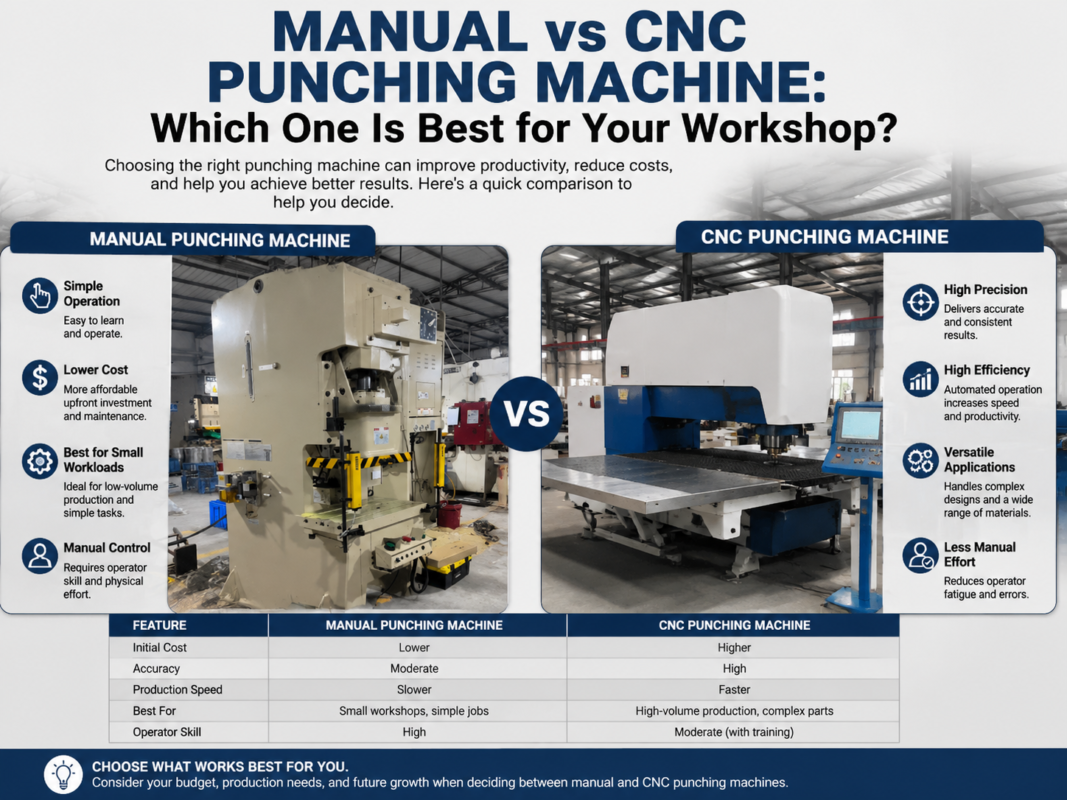
CNC Turret vs. Single Station Machines
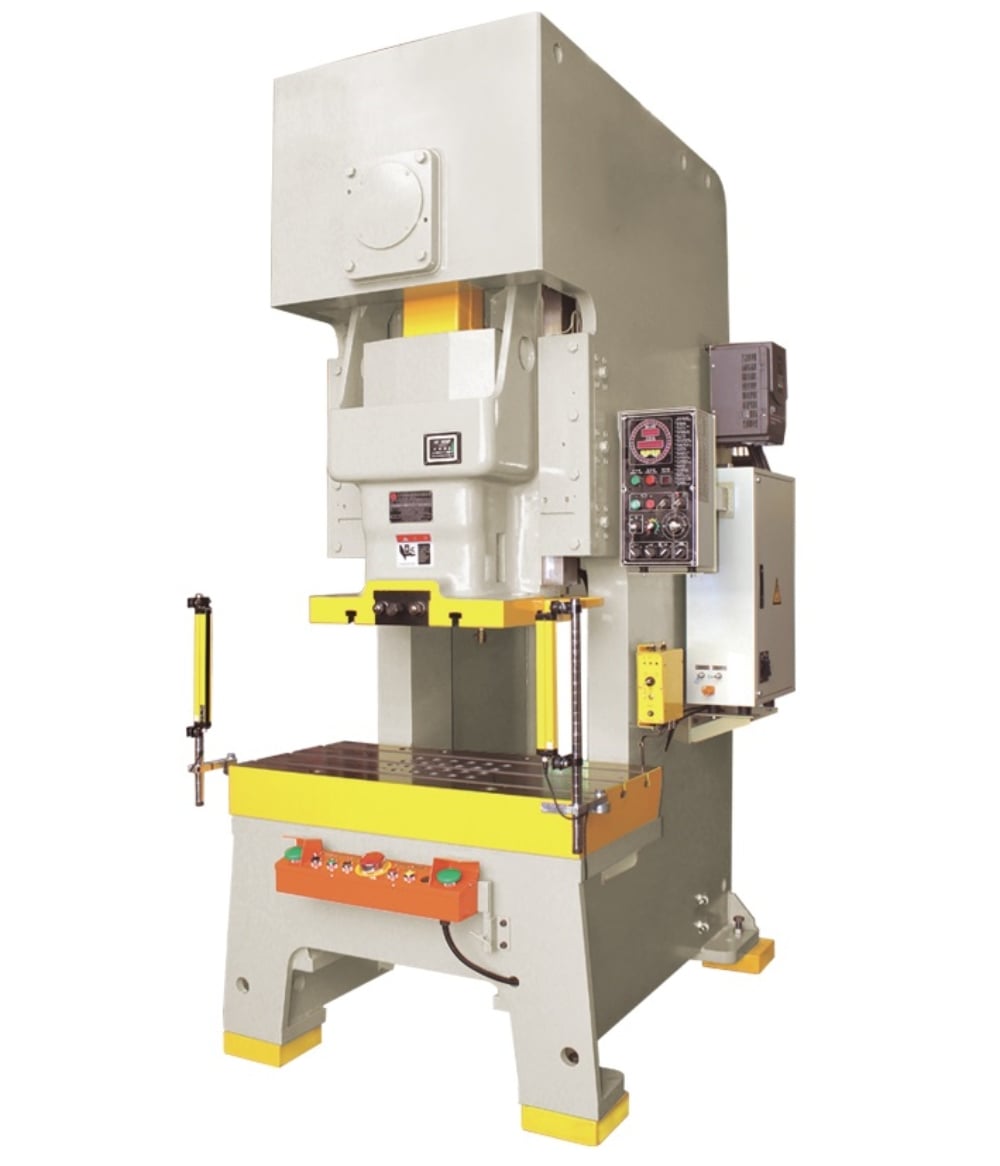
The choice between a CNC turret punch press and a single-station machine depends largely on the variety of tools required for a single part. A turret punch press houses dozens of tools in a rotating carousel, allowing the machine to switch between different hole sizes and shapes in milliseconds. This is ideal for complex panels and enclosures that require a diverse set of features. HARSLE’s turret designs focus on high-speed indexing and tool longevity, ensuring minimal downtime during tool changes.
Single-station machines, on the other hand, are often used for simpler tasks or very thick materials where high tonnage is the priority. While they lack the automated tool-changing speed of a turret, they are robust and cost-effective for specific bracket-making applications where only one or two hole sizes are needed. Understanding the volume and complexity of your parts is the first step in deciding which technical configuration suits your facility.
Hydraulic vs. Servo-Electric Systems
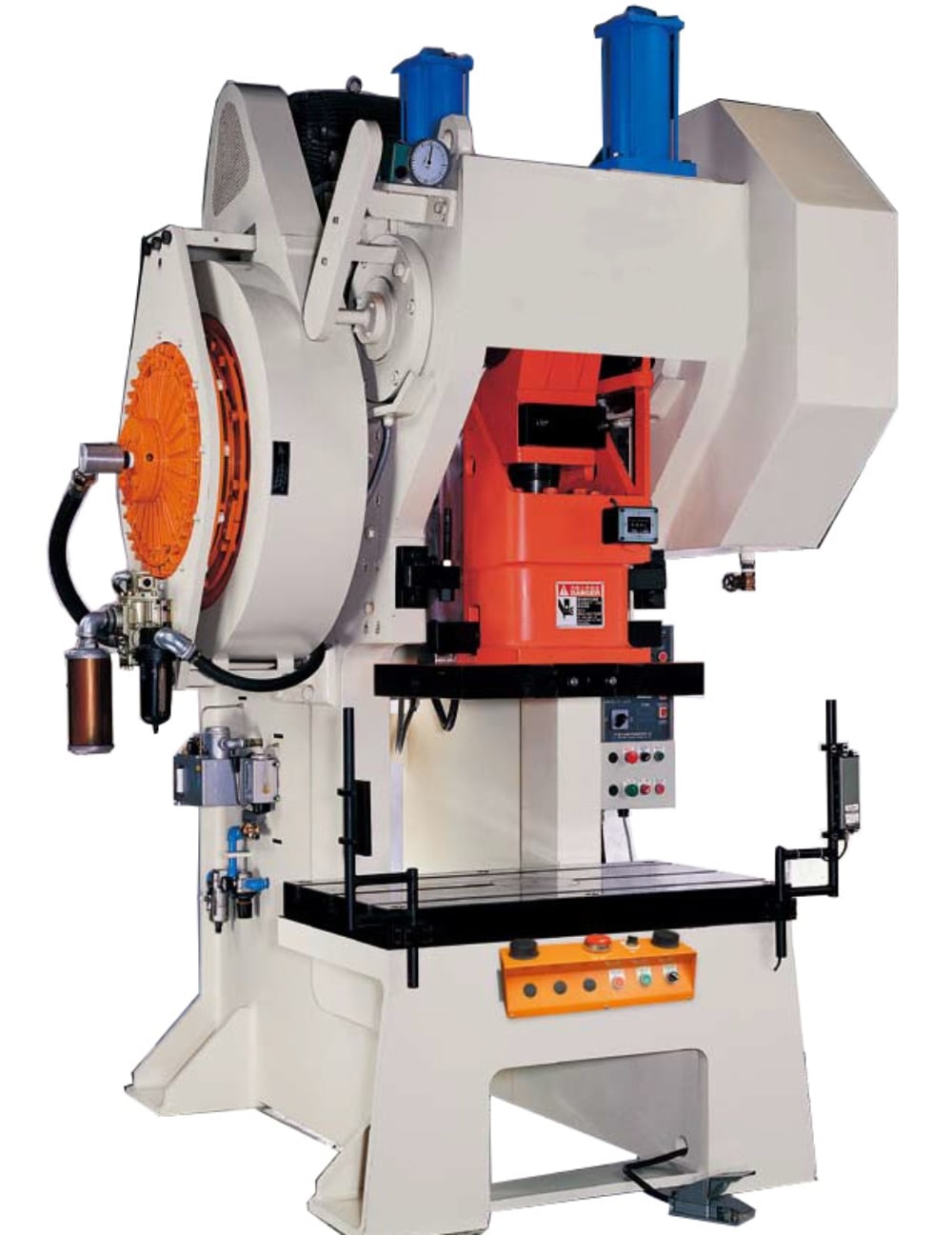
Modern punching machines generally utilize either hydraulic or servo-electric drive systems. Hydraulic systems are known for their immense power and reliability, making them suitable for heavy-duty punching of thick steel brackets. They offer excellent control over the stroke, allowing for precise forming operations. However, they require more maintenance regarding oil and cooling.
Servo-electric systems are the newer standard for high-speed, energy-efficient punching. They offer incredible precision in ram positioning, which is vital for delicate forming and high-speed nibbling on thin panels. Servo-electric machines are also quieter and have lower operational costs due to the absence of a hydraulic power unit. HARSLE offers both technologies, allowing customers to choose based on their specific balance of power, speed, and environmental considerations.
Tooling and Material Interaction
The interaction between the punch, the die, and the material is a science in itself. The “die clearance”—the gap between the punch and the die—must be perfectly calculated based on the material type and thickness. Incorrect clearance leads to excessive burrs, shortened tool life, and poor edge quality. For stainless steel enclosures, a tighter clearance is typically required, whereas aluminum panels might need more room to prevent material galling.
| Feature | Brackets | Panels | Enclosures |
|---|---|---|---|
| Primary Material | Heavy Gauge Steel | Thin Aluminum/Steel | Galvanized/Stainless Steel |
| Common Operation | Heavy Punching/Ribbing | Perforation/Ventilation | Knockouts/Louvers/Forming |
| Precision Requirement | High (Structural) | Very High (Aesthetic) | Moderate to High (Fitment) |
| Volume Type | High Repetition | Variable Patterns | Complex Multi-feature |
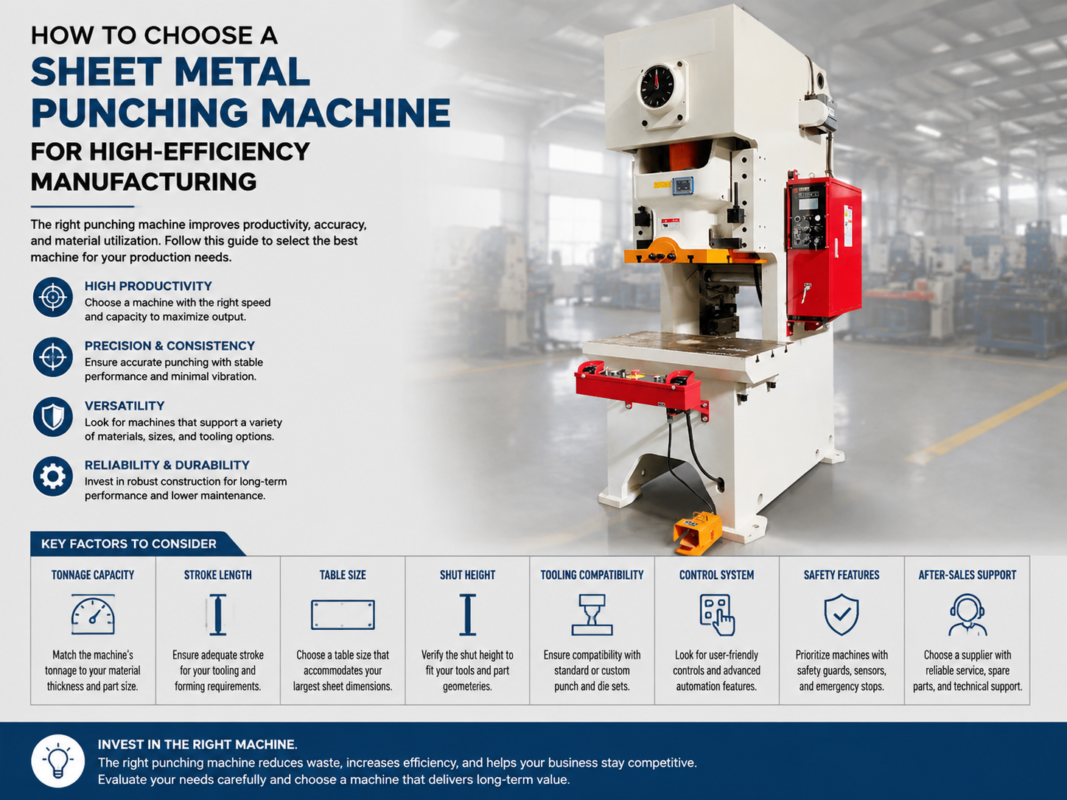
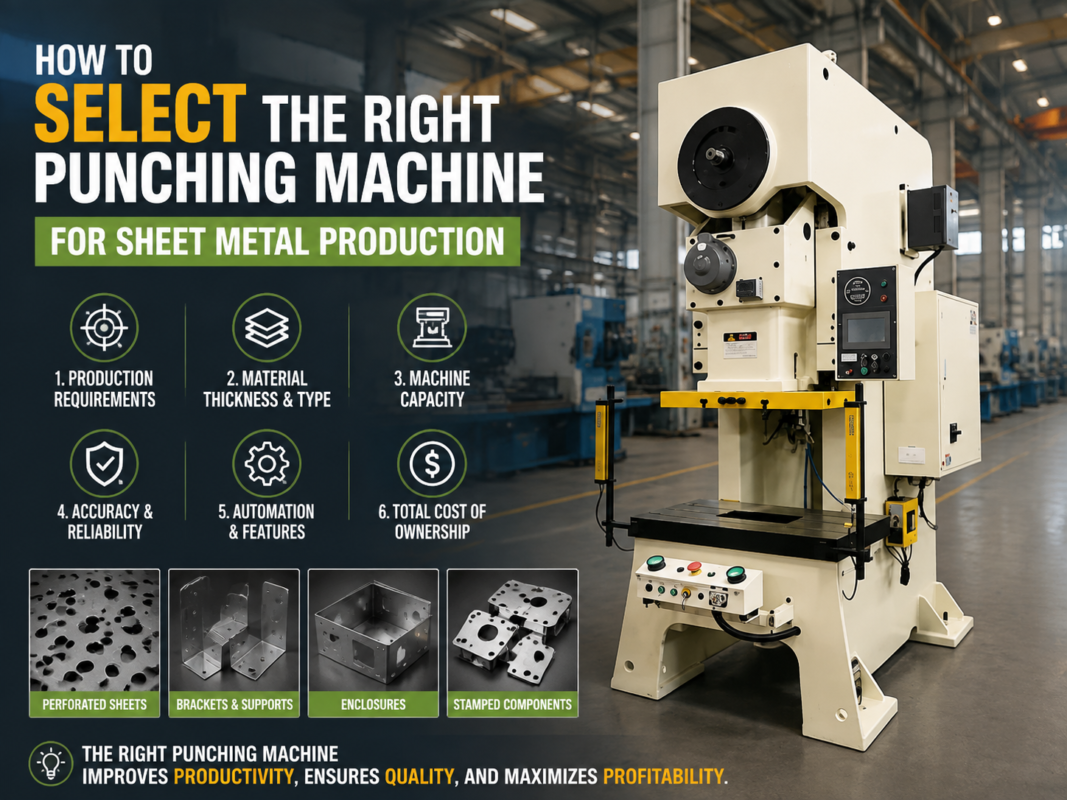
Selection Advice: Choosing the Right Machine
Assessing Production Volume and Variety
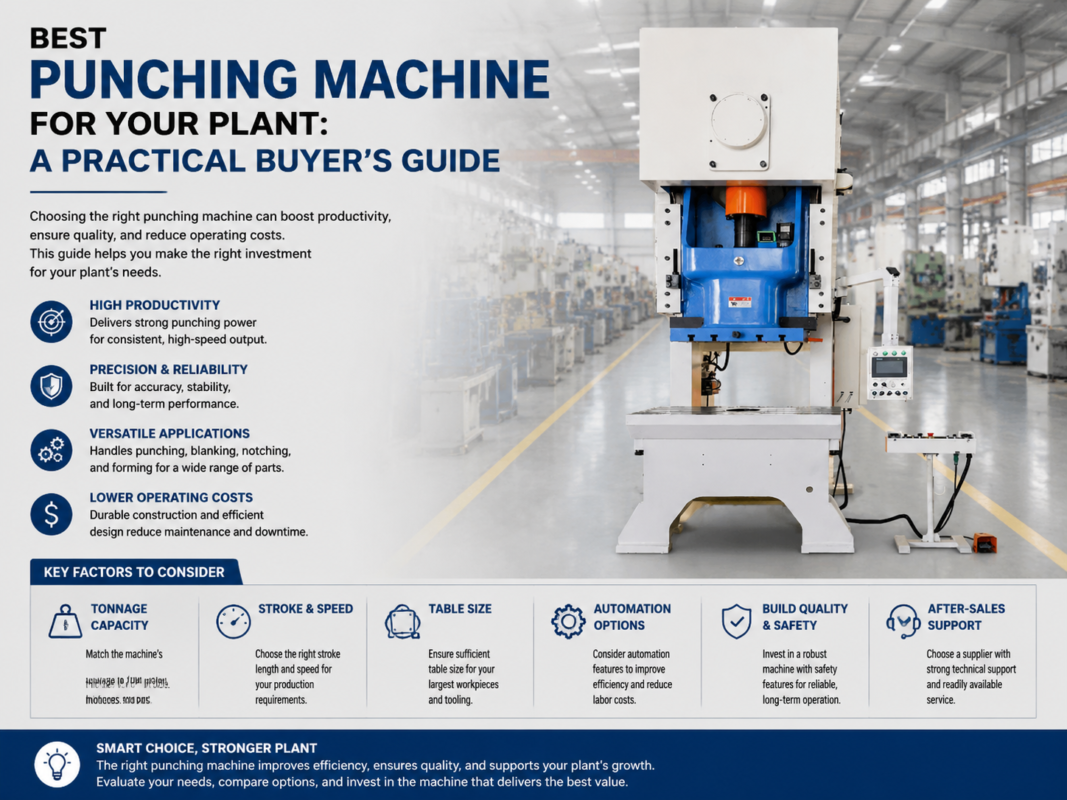
When selecting a sheet metal punching machine, the first question should be: “What is the primary goal?” If you are producing thousands of identical brackets, a high-speed mechanical or hydraulic press with a dedicated die set might be the most efficient. However, if your shop handles custom enclosures and varied panel designs, a CNC turret punch press is mandatory. The ability to store hundreds of programs and switch between them instantly is the key to profitability in a high-mix, low-volume environment.
Consider the maximum sheet size you intend to process. For large architectural panels, a machine with a large throat depth and a wide table is necessary to avoid excessive repositioning of the sheet, which can introduce inaccuracies. HARSLE provides various table sizes and auto-repositioning features to handle oversized workpieces with ease.
Evaluating Tonnage and Speed
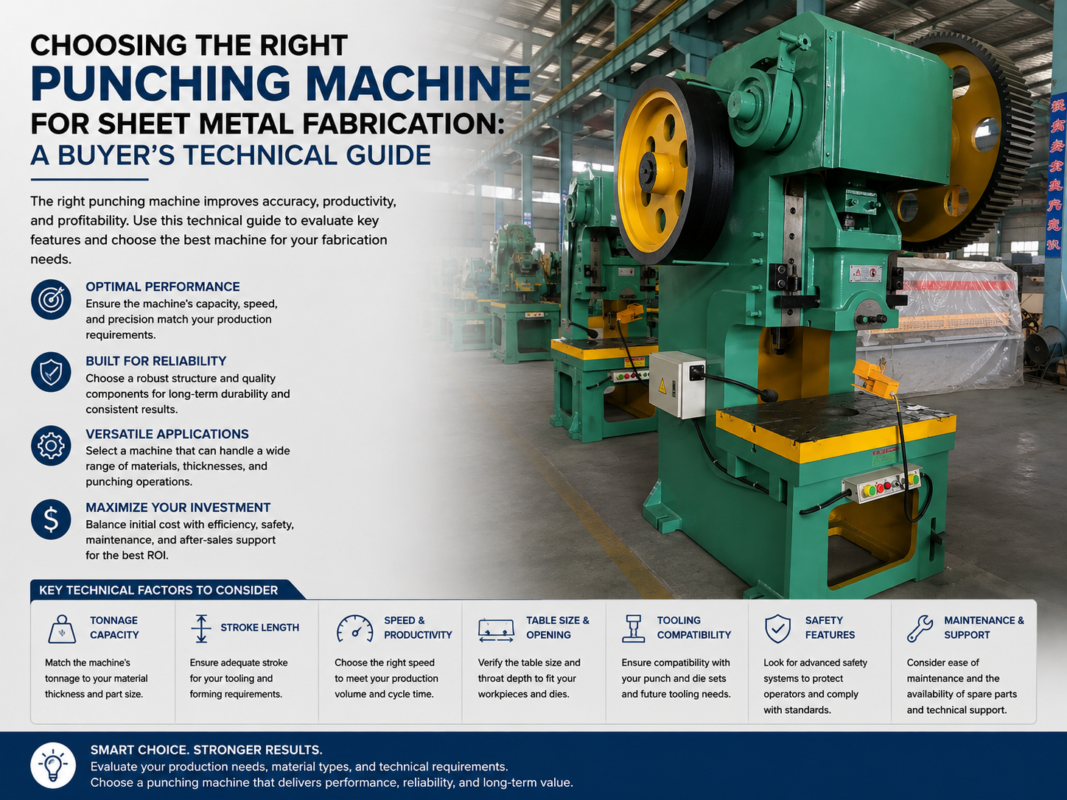
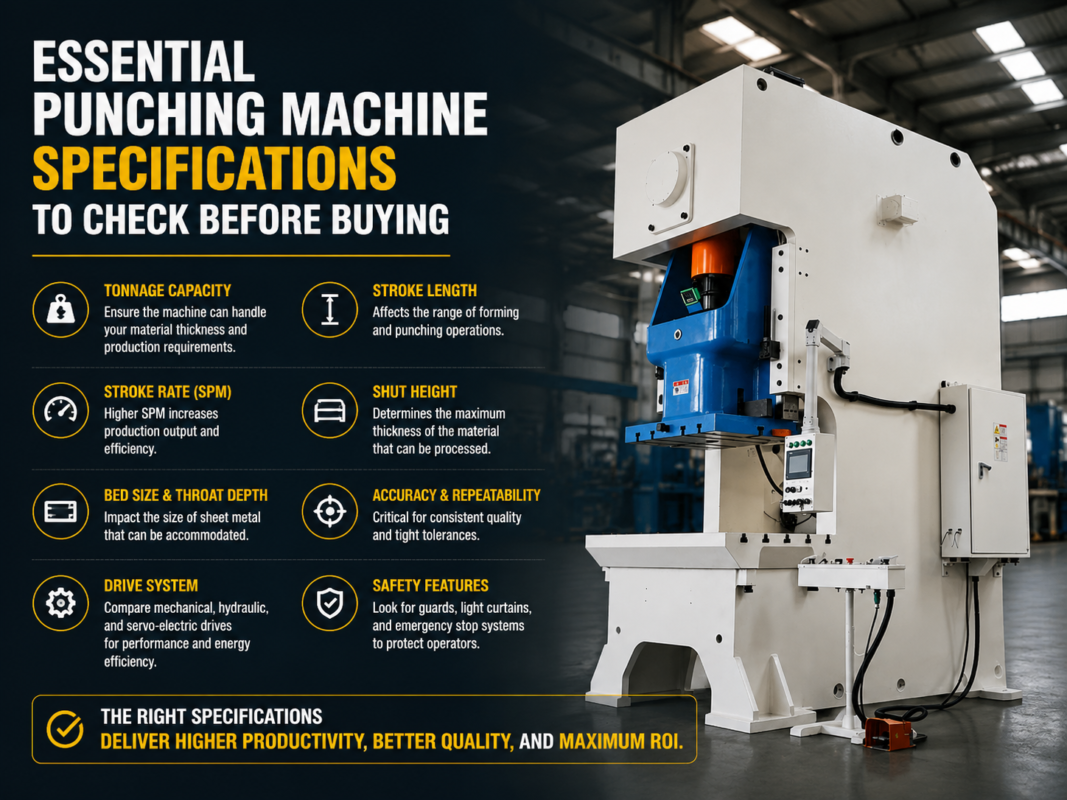
Tonnage refers to the force the machine can apply. For most bracket and enclosure work, a 20 to 30-ton machine is sufficient for materials up to 6mm thick. If you are working with thicker plates, you may need to look at 50-ton models. However, tonnage isn’t everything. For panels with thousands of holes, the “hit rate” (strokes per minute) is the more critical metric. A machine that can perform 600 to 1000 hits per minute will drastically outperform a slower, higher-tonnage machine in perforation tasks.
Software and Automation Integration
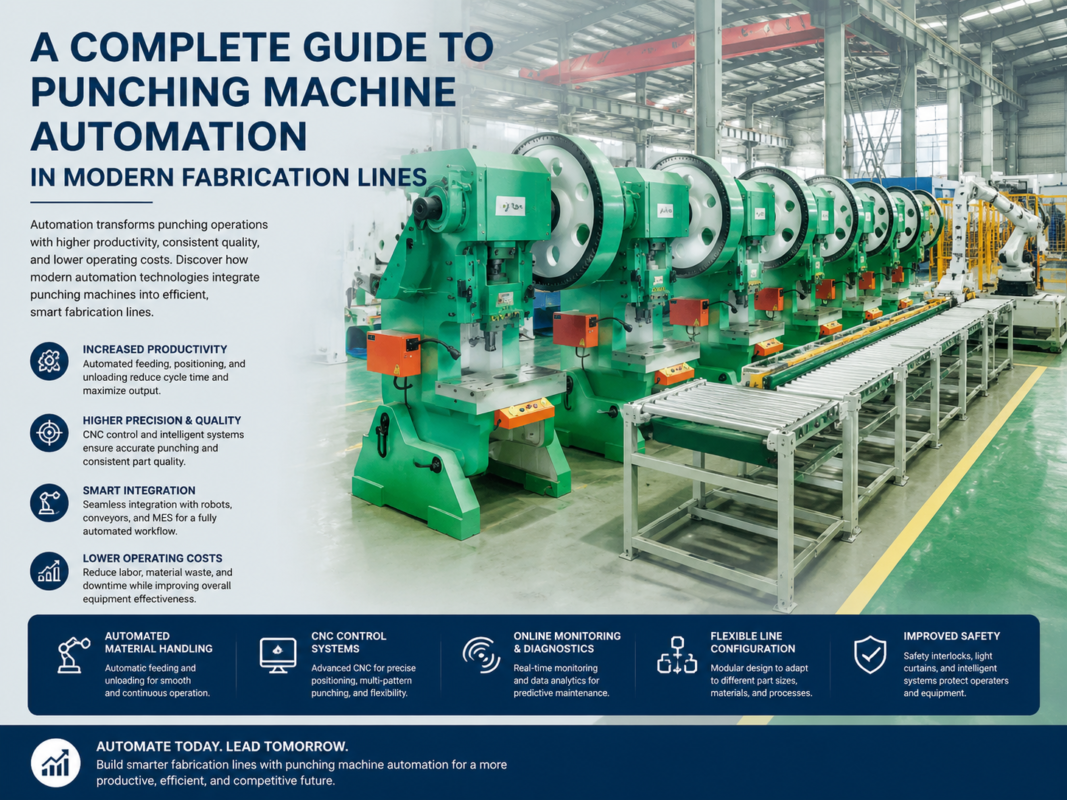
In the era of Industry 4.0, the software that drives the punching machine is as important as the hardware. Look for machines that come with intuitive CAD/CAM software that supports nesting. Nesting optimizes the layout of parts on a single sheet of metal to minimize waste—a crucial factor when working with expensive materials like stainless steel or copper. Furthermore, consider if the machine can be integrated with automated loading and unloading systems. For high-volume enclosure production, automation can allow for “lights-out” manufacturing, significantly reducing labor costs.
Frequently Asked Questions (FAQ)
What is the maximum thickness a punching machine can handle?
Most standard CNC turret punch presses are designed for materials between 0.5mm and 6.35mm. While some specialized heavy-duty machines can punch up to 12mm steel, these are less common and often slower. For brackets requiring thickness beyond 6mm, laser or plasma cutting followed by a dedicated drilling or punching station is often preferred.
How long does punching tooling last?
Tool life depends on the material being punched, the lubrication used, and the maintenance schedule. Typically, a high-quality punch can perform between 200,000 and 500,000 hits before needing sharpening. Punching stainless steel will wear tools faster than aluminum. Regular sharpening and ensuring correct die clearance are the best ways to extend tool life.
Can a punching machine replace a laser cutter?
They are complementary technologies. A punching machine is superior for repetitive holes, forming (louvers, ribs), and high-speed production of simple shapes. A laser cutter is better for extremely complex geometries, thick materials, and prototypes where you don’t want to invest in specific tooling. Many modern shops use both to cover all bases.
What maintenance is required for a HARSLE punching machine?
Routine maintenance includes daily lubrication of the turret and moving parts, checking hydraulic oil levels (if applicable), cleaning the worktable to prevent scratching of sheets, and inspecting tools for wear. HARSLE machines are designed for easy access to maintenance points to ensure minimal downtime.
Conclusion: Maximizing Efficiency with HARSLE
The diverse sheet metal punching machine uses for brackets, panels, and enclosures highlight the machine’s role as a cornerstone of the fabrication industry. From the structural reliability required for brackets to the aesthetic and functional demands of panels and the complex geometry of enclosures, the punching machine offers a unique combination of speed, versatility, and precision that other methods struggle to match. By integrating forming operations directly into the punching cycle, manufacturers can streamline their processes and deliver high-quality products faster than ever before.
Choosing the right equipment involves a careful balance of tonnage, speed, and software capabilities. HARSLE continues to innovate in this space, providing machinery that empowers fabricators to tackle increasingly complex designs with confidence. Whether you are looking to upgrade your current capabilities or establish a new production line, understanding the technical nuances and application-specific requirements of punching will ensure your investment yields the highest possible return. As the industry moves toward greater automation and precision, the sheet metal punching machine remains an essential tool for turning raw metal into the functional components that build our world.