Best Practices Using Punching Machines In Metal Workshop Operations: A Comprehensive Guide


Introduction to Punching Machines in Modern Metalworking
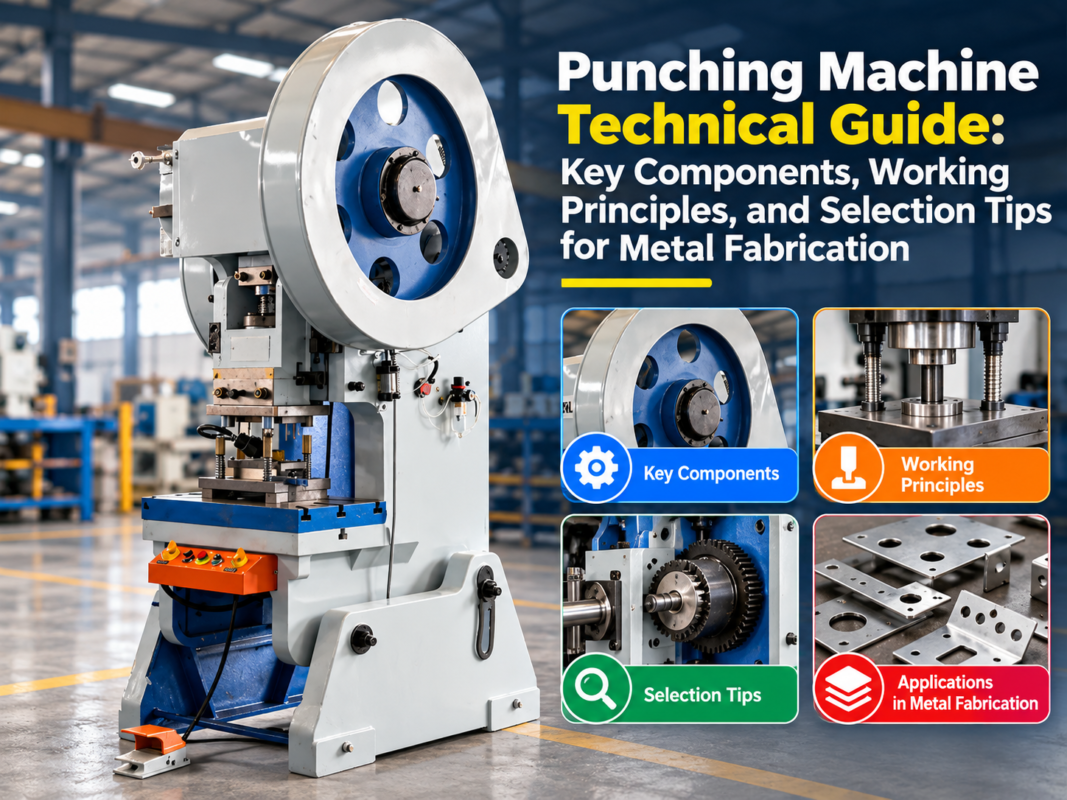
In the competitive landscape of modern metal fabrication, efficiency and precision are the cornerstones of success. Punching machines, ranging from manual mechanical presses to advanced CNC turret punch presses, serve as the workhorse of many workshops. These machines are designed to create holes, notches, and forms in sheet metal with incredible speed and repeatability. However, simply owning a high-quality machine like those offered by HARSLE is not enough to guarantee optimal results. To truly maximize the return on investment, operators and shop managers must implement Best Practices Using Punching Machines In Metal Workshop Operations.
The integration of punching technology into a production line requires a holistic approach that encompasses safety, technical knowledge, and proactive maintenance. Whether you are working with thin aluminum sheets or heavy-duty structural steel, the principles of proper operation remain consistent. By adhering to industry-standard best practices, workshops can significantly reduce material waste, extend the lifespan of expensive tooling, and ensure the safety of their workforce. This guide explores the essential strategies for optimizing your punching operations, ensuring that every stroke of the ram contributes to a high-quality finished product.
As we delve into the technicalities of punching, it is important to recognize that the machine is part of a larger ecosystem. From the initial CAD design to the final deburring process, every step influences the outcome. HARSLE, a leader in metal fabrication machinery, emphasizes that the synergy between a robust machine and a skilled operator is what defines a world-class workshop. In the following sections, we will break down the key considerations and technical details that define excellence in punching operations.
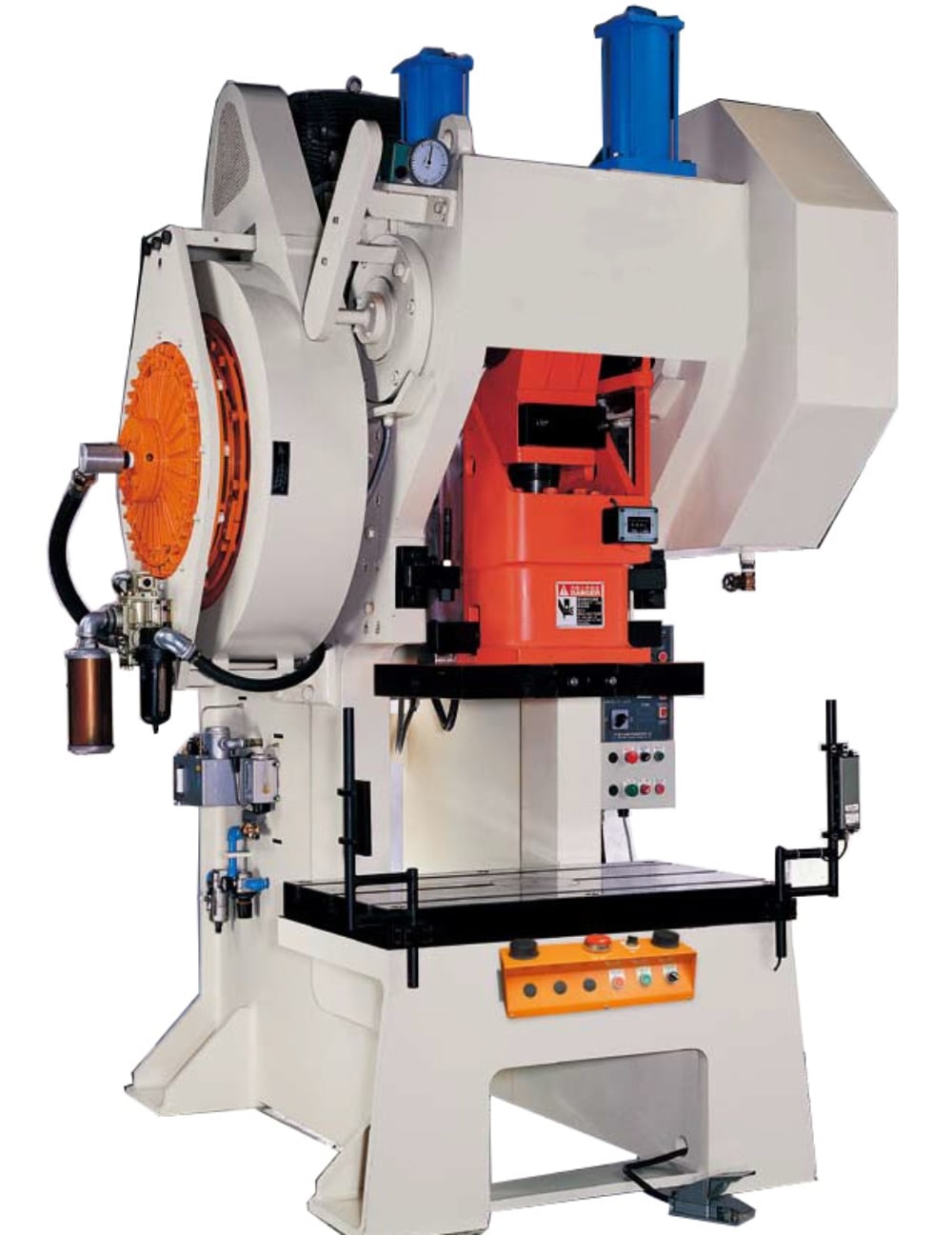
Key Considerations for Optimal Punching Operations
Prioritizing Operator Safety and Training
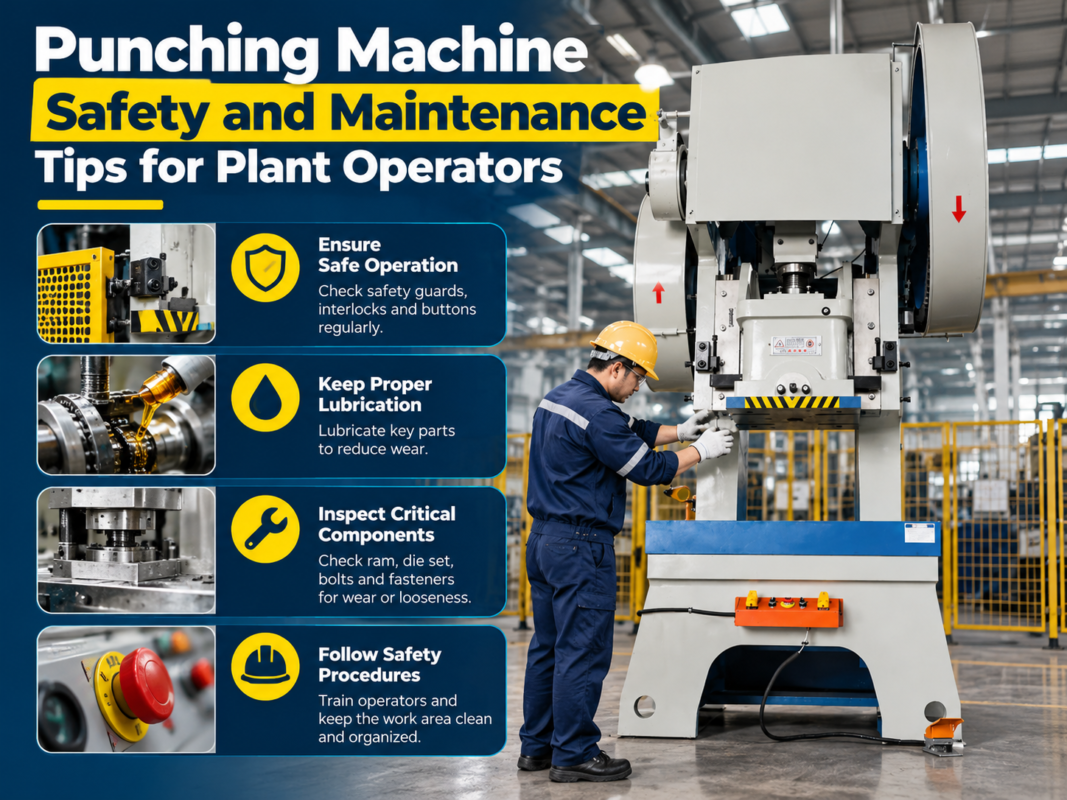
Safety is the most critical aspect of Best Practices Using Punching Machines In Metal Workshop Operations. Punching machines exert immense force, often measured in hundreds of tons, which can lead to catastrophic injuries if not handled correctly. Every operator must undergo rigorous training that covers not only the machine’s controls but also the fundamental physics of metal deformation. This includes understanding the ‘danger zone’ around the ram and the importance of using safety guards and light curtains. HARSLE machines are equipped with advanced safety features, but these are only effective when complemented by a culture of safety awareness.
Beyond physical safety, ergonomic considerations play a vital role in long-term productivity. Operators should be trained to handle materials in a way that minimizes strain. For large-scale operations, the use of automated loading and unloading systems can significantly reduce the risk of repetitive strain injuries while simultaneously boosting throughput. Regular safety audits and ‘toolbox talks’ should be a staple of any workshop, ensuring that safety protocols are always top-of-mind for the entire team.
Material Selection and Handling
The quality of the raw material directly impacts the performance of the punching machine. Best practices dictate that material should be inspected for flatness, surface contaminants, and thickness consistency before it reaches the machine bed. Scale, rust, or oil on the surface of the metal can lead to slippage or damage to the die surfaces. Furthermore, understanding the mechanical properties of the material—such as tensile strength and ductility—is essential for calculating the required tonnage and selecting the appropriate tooling.
Proper material storage is also a key consideration. Sheets should be stored horizontally in a dry environment to prevent warping and corrosion. When loading the machine, ensuring that the sheet is properly squared against the backgauges is critical for dimensional accuracy. Even the most advanced CNC system cannot compensate for a sheet that is incorrectly positioned at the start of the cycle. Implementing a systematic material handling protocol ensures that the machine spends more time punching and less time waiting for adjustments.
Tooling Management and Maintenance
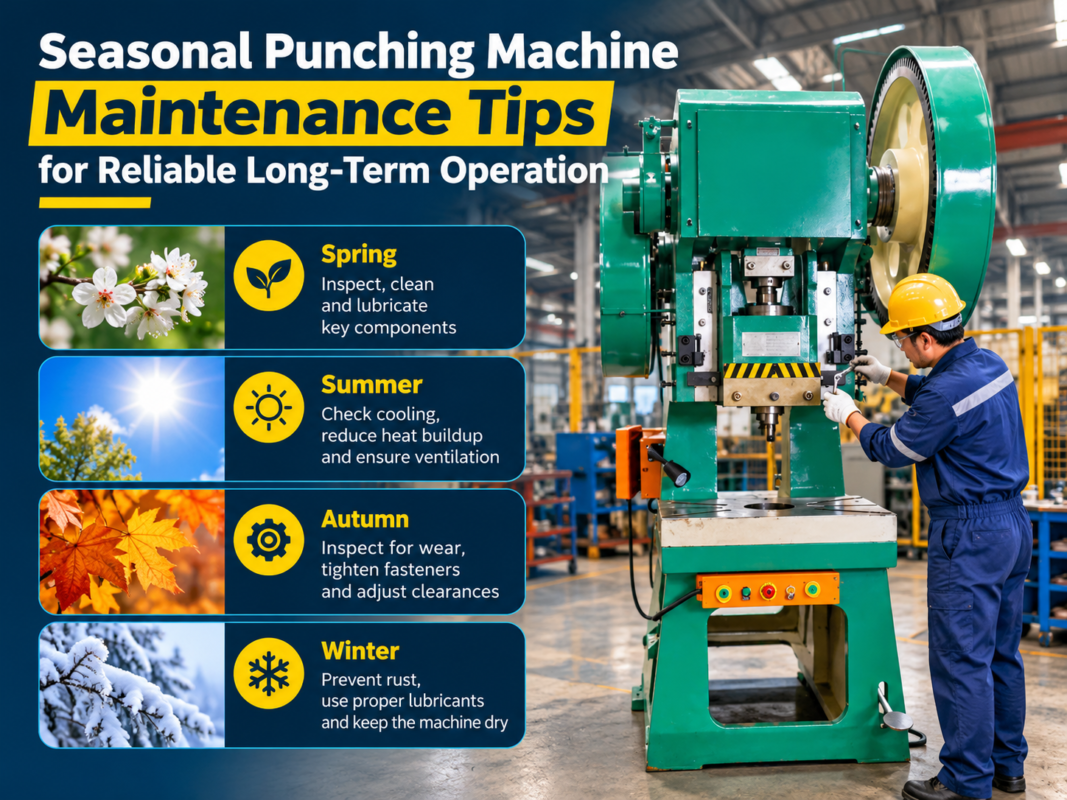
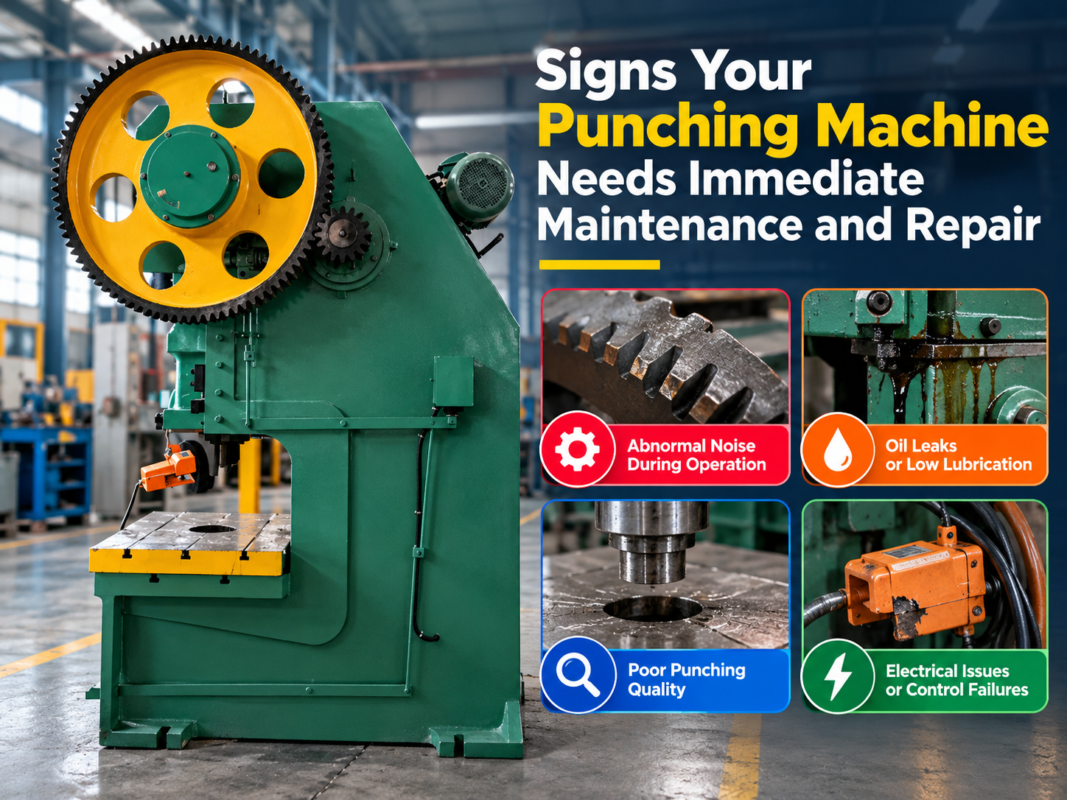
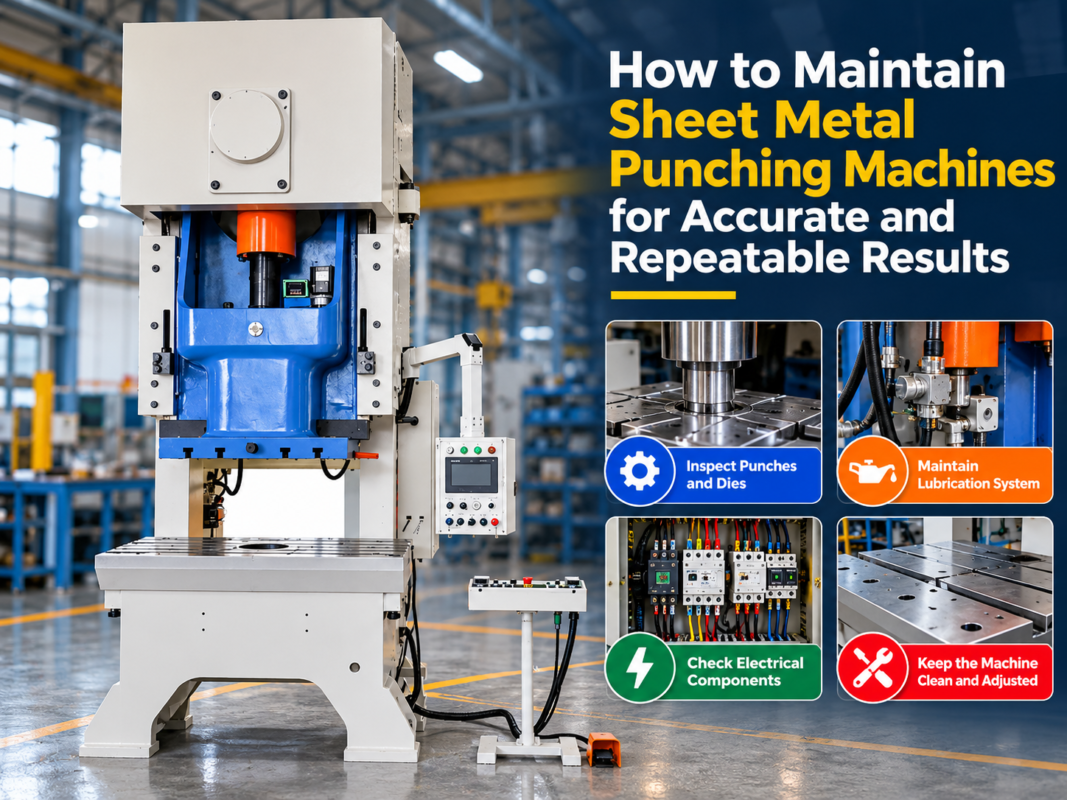
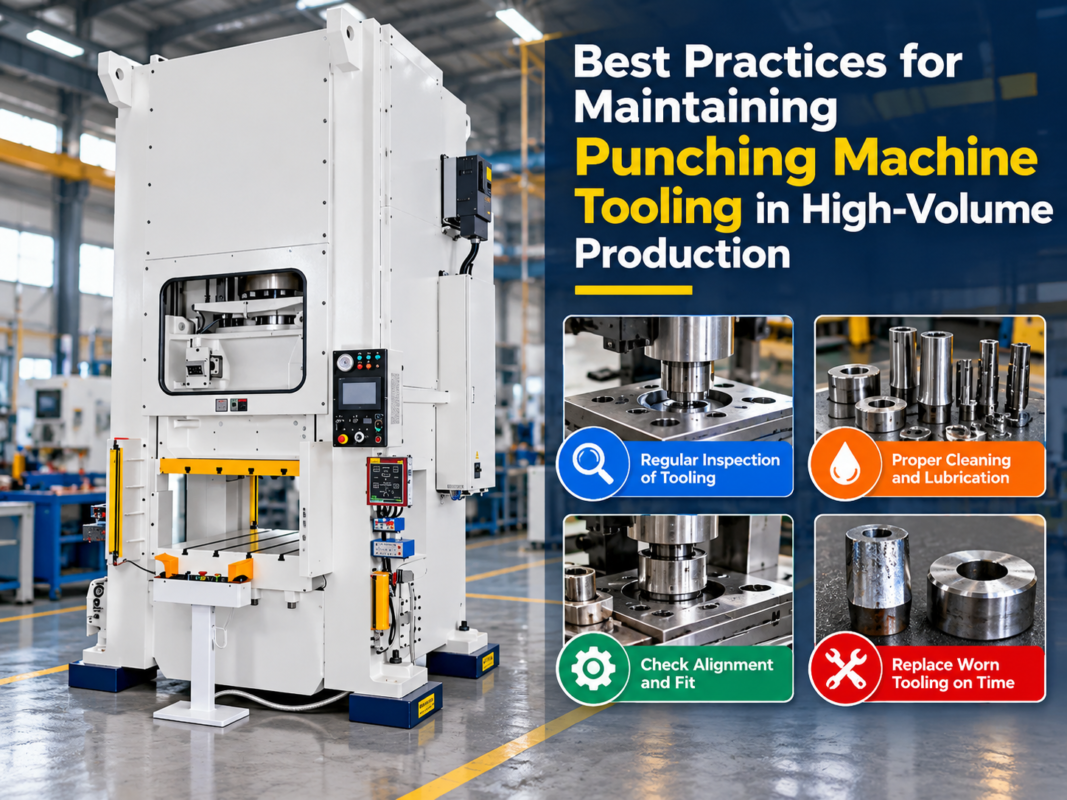
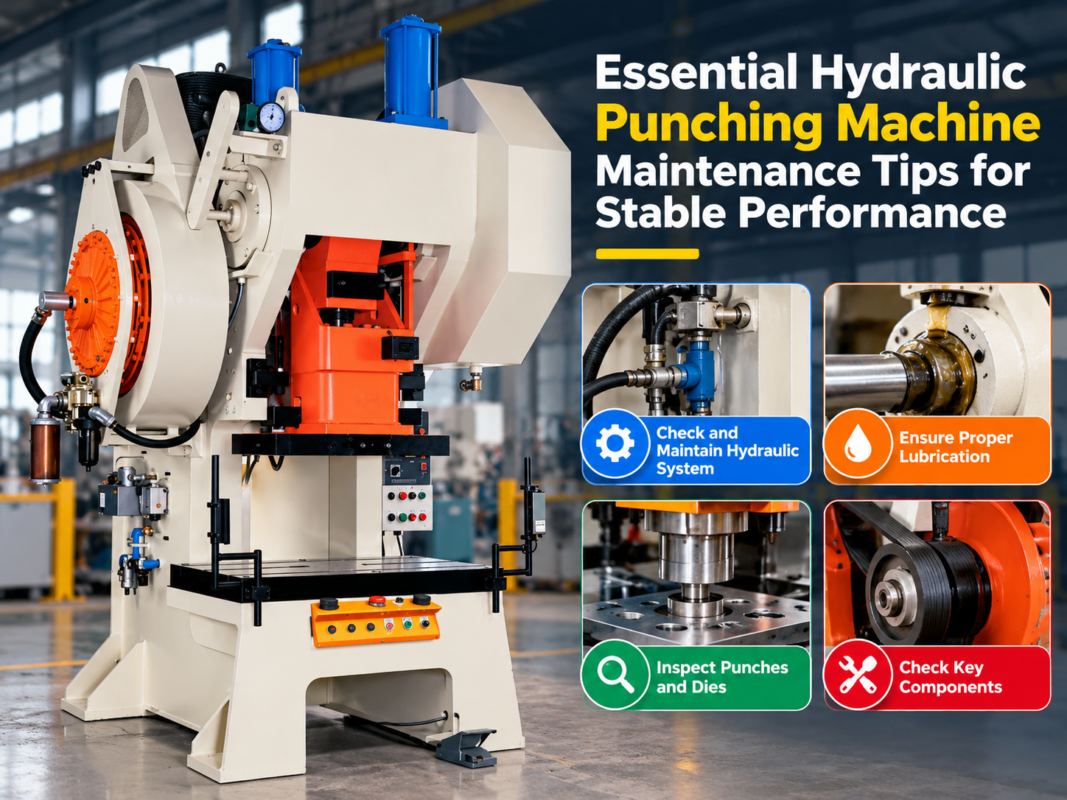
Tooling is the heart of the punching process. Using dull or improperly aligned tools is one of the most common causes of poor part quality and machine wear. A best practice for any workshop is to implement a strict tooling maintenance schedule. This involves regular inspection for wear, micro-cracking, and galling (material buildup on the punch). Sharpening tools before they reach a critical state of dullness not only improves the quality of the cut but also reduces the load on the machine’s hydraulic or mechanical systems.
Furthermore, the organization of the tool crib is essential for minimizing setup times. Tools should be clearly labeled and stored in a manner that prevents damage to the cutting edges. Utilizing a tool management software or a simple digital log can help track the number of hits each tool has performed, allowing for predictive maintenance. When tools are kept in peak condition, the resulting parts have cleaner edges, fewer burrs, and higher dimensional precision, which reduces the need for secondary finishing operations.
Technical Details: Precision and Calculation
Understanding Die Clearance
One of the most technical aspects of Best Practices Using Punching Machines In Metal Workshop Operations is the selection of the correct die clearance. Die clearance is the space between the punch and the die when the punch enters the die. This clearance is typically expressed as a percentage of the material thickness. If the clearance is too small, it leads to excessive tool wear and increased tonnage requirements. If it is too large, the material will develop large burrs and a heavy roll-over on the edge.
For most standard applications, a total clearance of 15% to 20% of the material thickness is recommended. However, this can vary based on the material type. For example, stainless steel often requires a tighter clearance than aluminum due to its higher shear strength. The following table provides a general guideline for die clearance based on material type:
| Material Type | Recommended Clearance (% of Thickness) | Notes |
|---|---|---|
| Mild Steel | 15% – 20% | Standard for most industrial applications. |
| Stainless Steel | 20% – 25% | Higher clearance helps prevent galling. |
| Aluminum | 10% – 15% | Requires tighter clearance for clean edges. |
| Copper/Brass | 12% – 18% | Soft materials need precise alignment. |
Tonnage Calculation and Machine Limits
Exceeding the rated tonnage of a punching machine is a recipe for mechanical failure. Operators must be proficient in calculating the force required for each hit. The basic formula for punching tonnage is: Tonnage = Perimeter of Hole × Material Thickness × Shear Strength / 2000 (for US tons). Understanding this formula allows the operator to determine if a specific job is within the machine’s capabilities or if a different approach, such as using a shear-angled punch, is necessary.
Using punches with a shear angle (roof-top or concave) can reduce the required tonnage by up to 30-50%. This is a crucial technique when punching large holes or working with thick materials that approach the machine’s limit. By spreading the cutting force over a longer stroke, the impact on the machine frame and the hydraulic system is significantly reduced, leading to a quieter operation and longer machine life. HARSLE provides detailed tonnage charts with their equipment to assist operators in these calculations.
Slug Management and Pulling Prevention
Slug pulling—where the waste material (the slug) sticks to the punch and is pulled back up out of the die—is a common issue that can cause significant damage to the workpiece and the tooling. Best practices to prevent slug pulling include using ‘slug-hugger’ dies, which have a specific internal geometry to grip the slug, or using punches with urethane ejectors. Additionally, maintaining proper lubrication is essential. While it might seem counterintuitive, too much oil can create a vacuum that causes the slug to stick, while too little oil increases friction and heat.
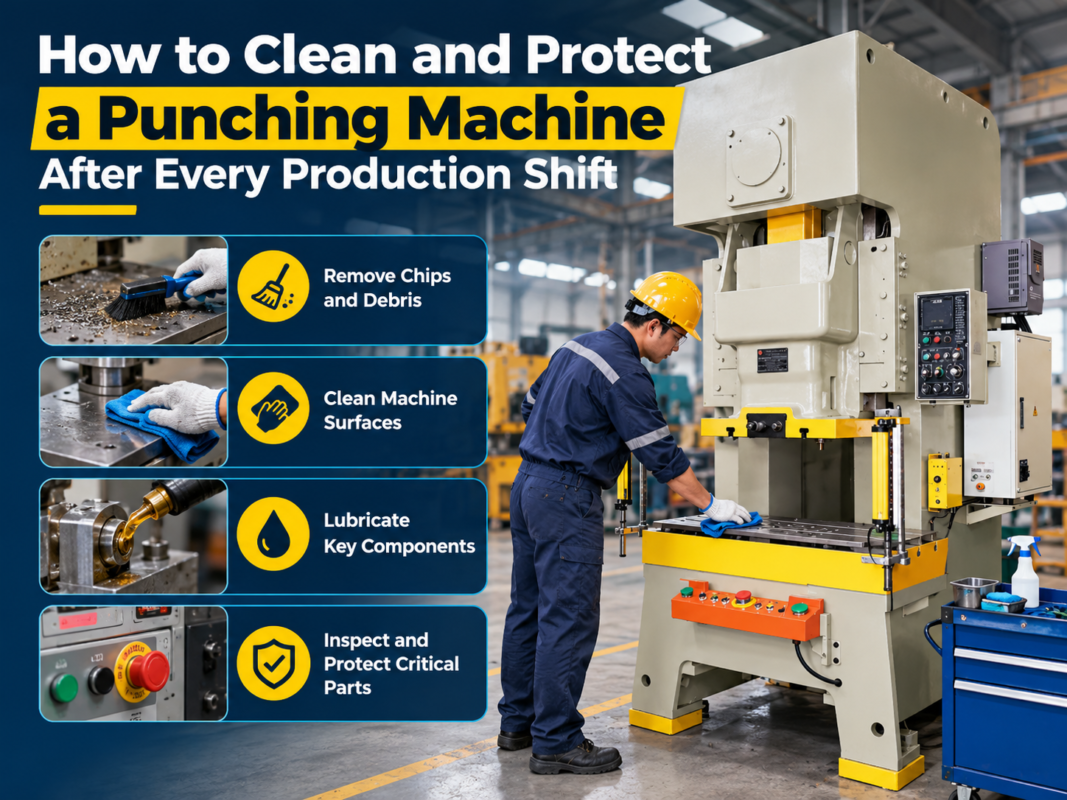
Regularly cleaning the die and ensuring that the vacuum or air-blow systems are functioning correctly are also vital steps. In high-speed CNC operations, a single pulled slug can lead to a collision that shuts down the machine for hours. Therefore, proactive slug management is a hallmark of a sophisticated metal workshop operation. Monitoring the sound of the punch can also provide clues; a change in the ‘pop’ sound often indicates that slugs are not clearing the die properly.
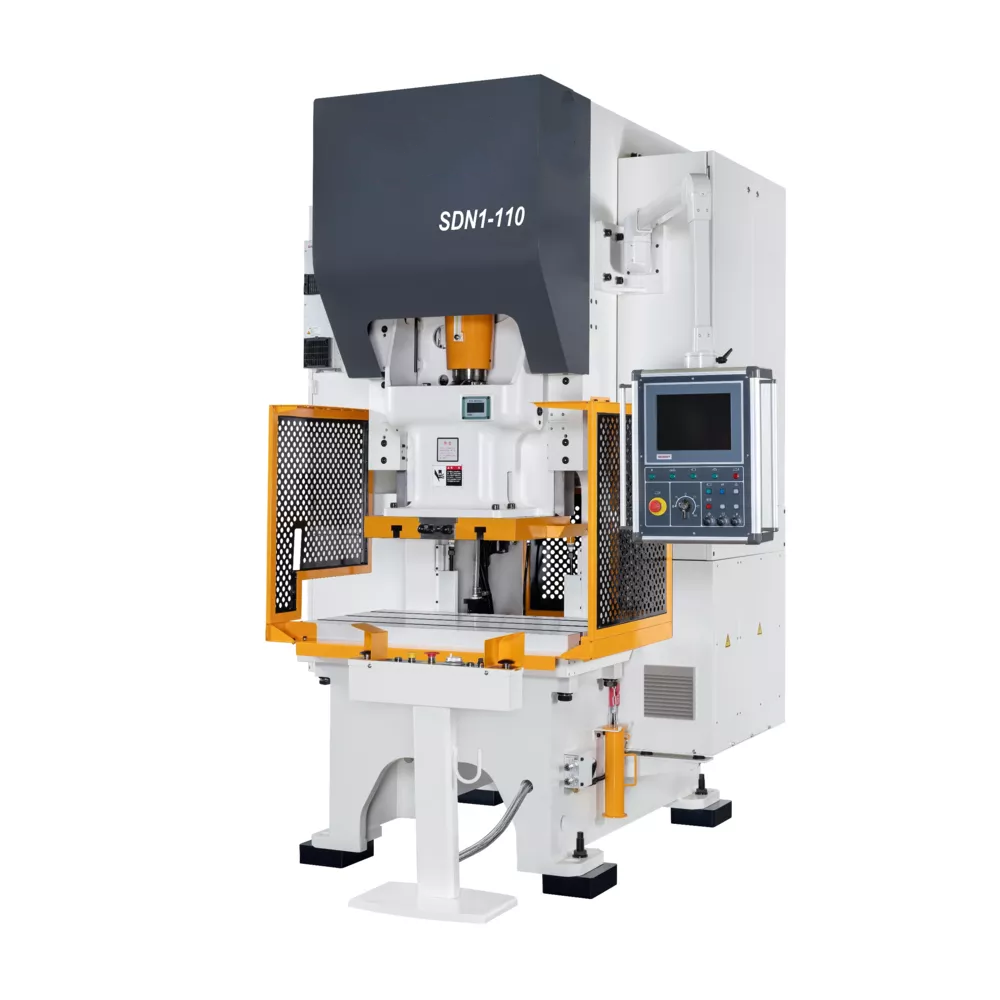
Selection Advice: Choosing the Right Punching Machine
Assessing Your Production Needs
When selecting a punching machine, the first step is a thorough analysis of your production requirements. Are you performing high-volume runs of the same part, or is your workshop a job shop that handles a wide variety of small batches? For high-volume, complex parts, a CNC Turret Punch Press is often the best choice due to its ability to hold multiple tools and perform complex nesting. For simpler, heavy-duty tasks, a single-station hydraulic punching machine or an ironworker might be more cost-effective and easier to operate.
Consider the maximum sheet size and thickness you intend to process. Throat depth is a critical specification; it determines how far into the sheet the machine can reach. If you frequently work with large panels, a machine with a deep throat or a large ‘X’ and ‘Y’ axis travel is necessary. HARSLE offers a range of machines with varying throat depths and tonnage capacities to suit different industrial scales, from small workshops to large manufacturing plants.
Mechanical vs. Hydraulic vs. Servo-Electric
The drive system of the punching machine significantly affects its performance and maintenance needs. Mechanical presses are known for their speed and simplicity but offer less control over the stroke. Hydraulic presses provide full tonnage throughout the entire stroke and are generally more versatile for forming operations like louvers or ribs. However, they require more maintenance regarding seals and oil quality.
The modern trend is moving toward Servo-Electric punching machines. These machines offer the highest level of precision, energy efficiency, and control. Because they do not use hydraulic oil, they are cleaner and quieter. While the initial investment may be higher, the reduced energy consumption and lower maintenance costs often result in a lower total cost of ownership. When choosing, evaluate the long-term operational costs alongside the initial purchase price to make the most informed decision for your workshop.
Software Integration and Automation
In the era of Industry 4.0, the software that drives the punching machine is just as important as the hardware. Look for machines that come with intuitive CAM software that supports efficient nesting. Good nesting software minimizes material waste by packing parts as tightly as possible on the sheet. It should also include features for ‘common line cutting’ and ‘tabbing’ to keep parts secure during the punching process.
Furthermore, consider the potential for future automation. Can the machine be retrofitted with an automatic sheet loader or a part-sorting robot? Even if you don’t need automation today, choosing a machine platform that supports it ensures that your workshop can grow and adapt to increasing market demands. HARSLE’s CNC systems are designed with compatibility in mind, allowing for seamless integration into digital factory workflows.
Frequently Asked Questions (FAQ)
How often should I sharpen my punching tools?
Tool sharpening frequency depends on the material being punched and the number of hits. A general rule of thumb is to sharpen the punch when the edge radius reaches 0.010 inches (0.25mm). Waiting too long increases the tonnage required and results in poor edge quality. Regular, light sharpening is much better for tool life than infrequent, heavy grinding.
What is the best way to prevent burrs on punched parts?
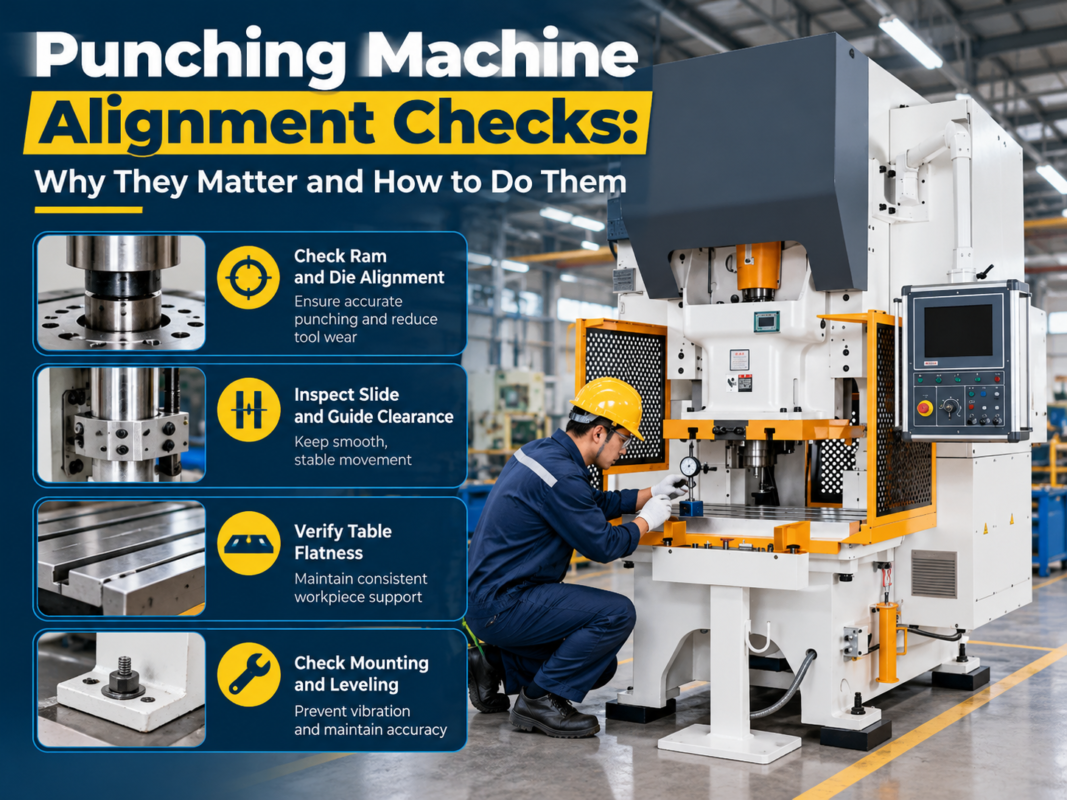
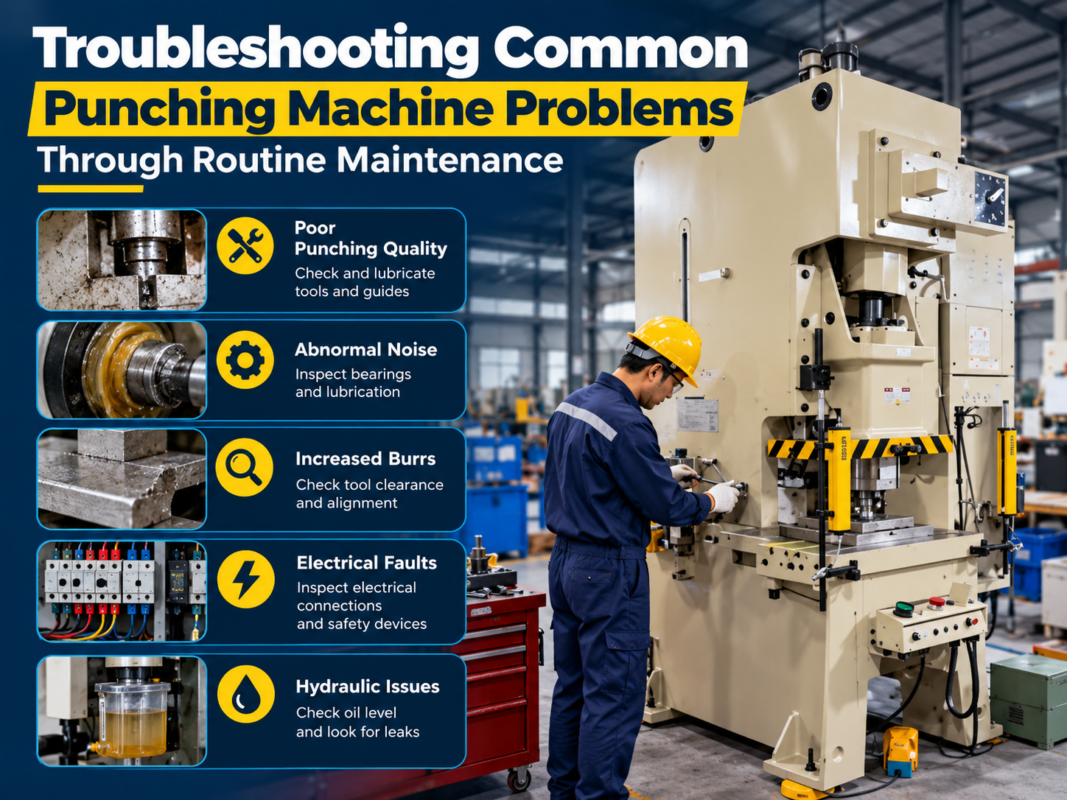
Burrs are primarily caused by incorrect die clearance or dull tooling. Ensure your clearance is matched to the material thickness and type. Additionally, using high-quality lubricants and ensuring the punch and die are perfectly aligned will significantly reduce burr height. If burrs persist, check for machine frame deflection or worn turret bushings.
Can I punch stainless steel on a standard machine?
Yes, but stainless steel is much harder and work-hardens quickly. You generally need a machine with higher tonnage capacity and tools made from high-speed steel (HSS) or with specialized coatings like TiCN. You should also increase the die clearance to approximately 20-25% of the material thickness to account for the material’s strength.
Why is my machine making a loud ‘banging’ noise?
While punching is naturally noisy, an excessively loud ‘banging’ or ‘shock’ noise often indicates ‘hydraulic shock’ or excessive tonnage. This can happen when punching thick materials with flat-faced punches. Using shear-angled punches can significantly dampen this noise and reduce the vibration transmitted through the machine and the floor.
How do I choose between a turret punch and a single-station punch?
Choose a turret punch if you need to perform multiple operations (different hole sizes, shapes, or forming) on a single part without manual tool changes. Choose a single-station punch if you primarily perform one type of punch on heavy materials or if your budget and space are limited. Turret punches are for complexity and speed; single-station punches are for simplicity and power.
Conclusion: Mastering the Art of Punching
Implementing Best Practices Using Punching Machines In Metal Workshop Operations is an ongoing journey of refinement and education. By focusing on the core pillars of safety, technical precision, and proactive maintenance, workshops can transform their punching operations from a simple fabrication step into a high-efficiency competitive advantage. The machine is a powerful tool, but its true potential is unlocked only through the expertise and diligence of the people who operate and maintain it.
As technology continues to evolve, staying informed about the latest advancements in tooling, software, and machine design is essential. HARSLE remains committed to providing the industry with the robust machinery and technical support needed to excel in this demanding field. Whether you are upgrading your current equipment or establishing a new facility, remember that quality starts with the right practices. By following the guidelines outlined in this guide, you ensure that your workshop remains productive, safe, and profitable for years to come.
Ultimately, the goal of every metal workshop should be the pursuit of ‘zero-defect’ manufacturing. While perfection is a high bar, the consistent application of best practices brings you closer to that goal every day. Invest in your equipment, invest in your people, and the results will be reflected in the quality of every part that leaves your shop floor.