How to Choose Between a C-Frame Hydraulic Press and an H-Frame Hydraulic Press


Comparison Summary: Understanding the Core Differences
In the world of metal fabrication, selecting the right machinery is the cornerstone of operational efficiency and product quality. When it comes to hydraulic presses, the two most prevalent designs are the C-frame (also known as a gap frame) and the H-frame (often referred to as a four-column or straight-side press). The decision to choose between a C-frame hydraulic press and an H-frame hydraulic press depends on several critical factors, including the required tonnage, the size of the workpiece, the precision of the application, and the available floor space in your facility.
A C-frame press is characterized by its open, three-sided access, which provides unparalleled flexibility for operators to handle parts from the front and sides. This makes it an ideal choice for smaller-scale operations, manual feeding, and applications where accessibility is more important than extreme rigidity. Conversely, the H-frame press is built with a closed, four-column structure that offers superior stability and resistance to deflection. This design is the industry standard for heavy-duty applications, high-tonnage requirements, and precision work where even the slightest frame movement could compromise the integrity of the finished part.
While both machines utilize hydraulic fluid to generate force, their structural differences dictate their performance limits. C-frames are generally more affordable and take up less space, but they are prone to ‘yawning’ or angular deflection under high pressure. H-frames, while more expensive and requiring a larger footprint, distribute the load evenly across four points, ensuring that the ram and bed remain perfectly parallel throughout the stroke. Understanding these fundamental trade-offs is the first step in making an informed investment for your workshop.
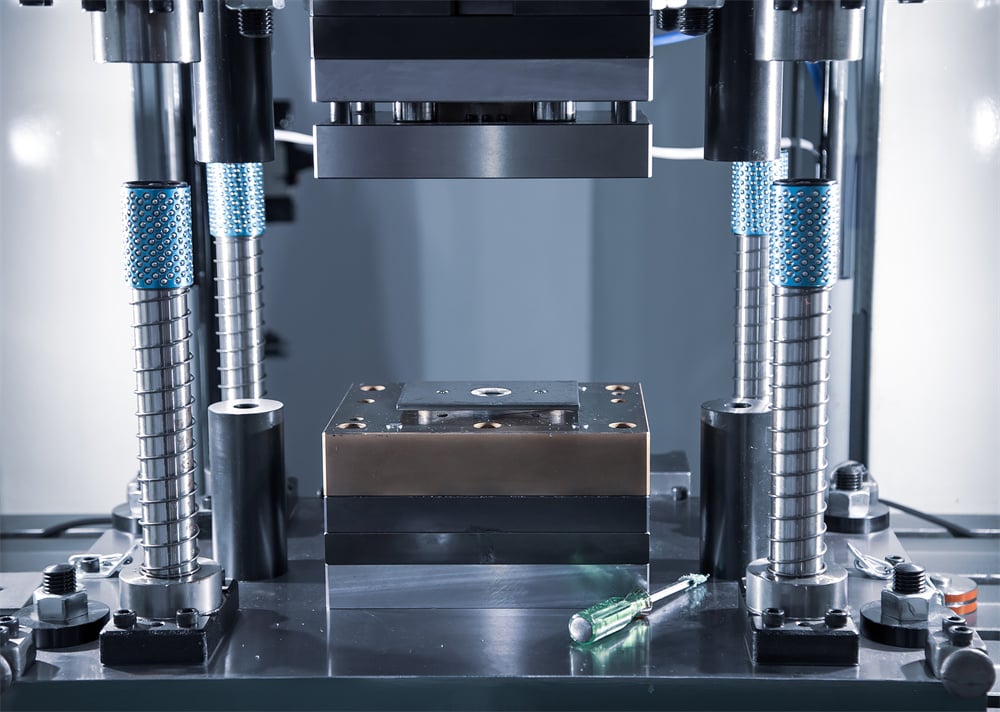
Machine A Overview: The C-Frame Hydraulic Press
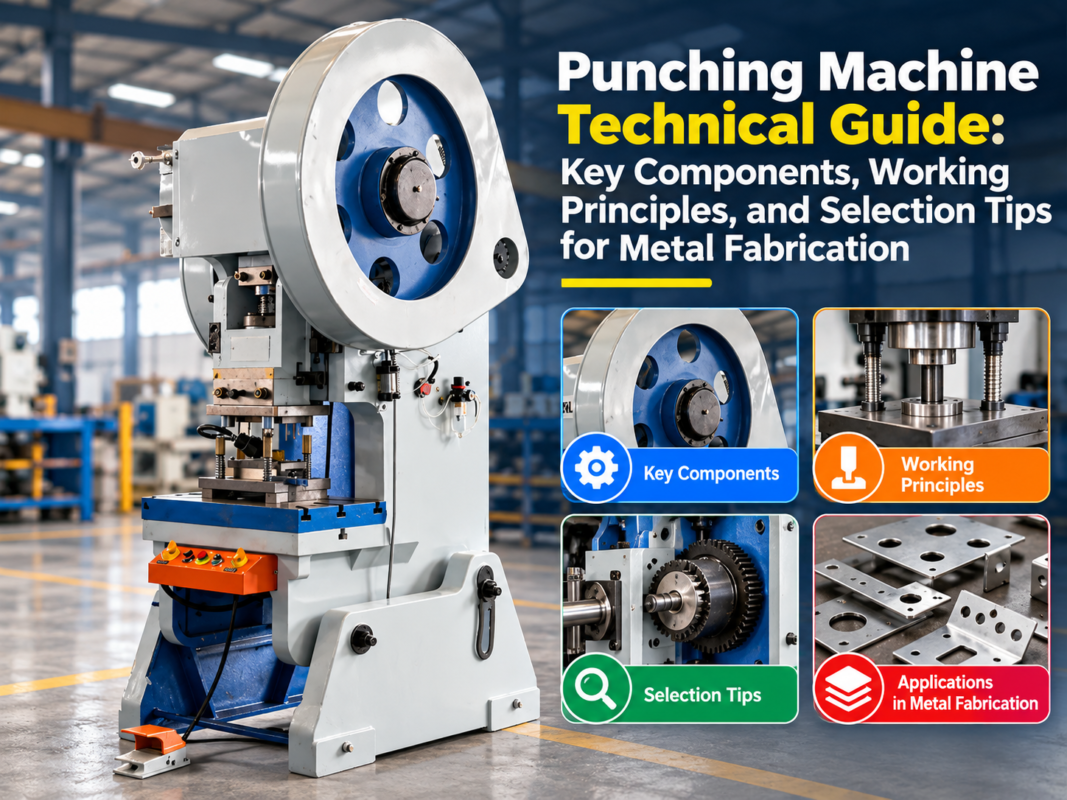
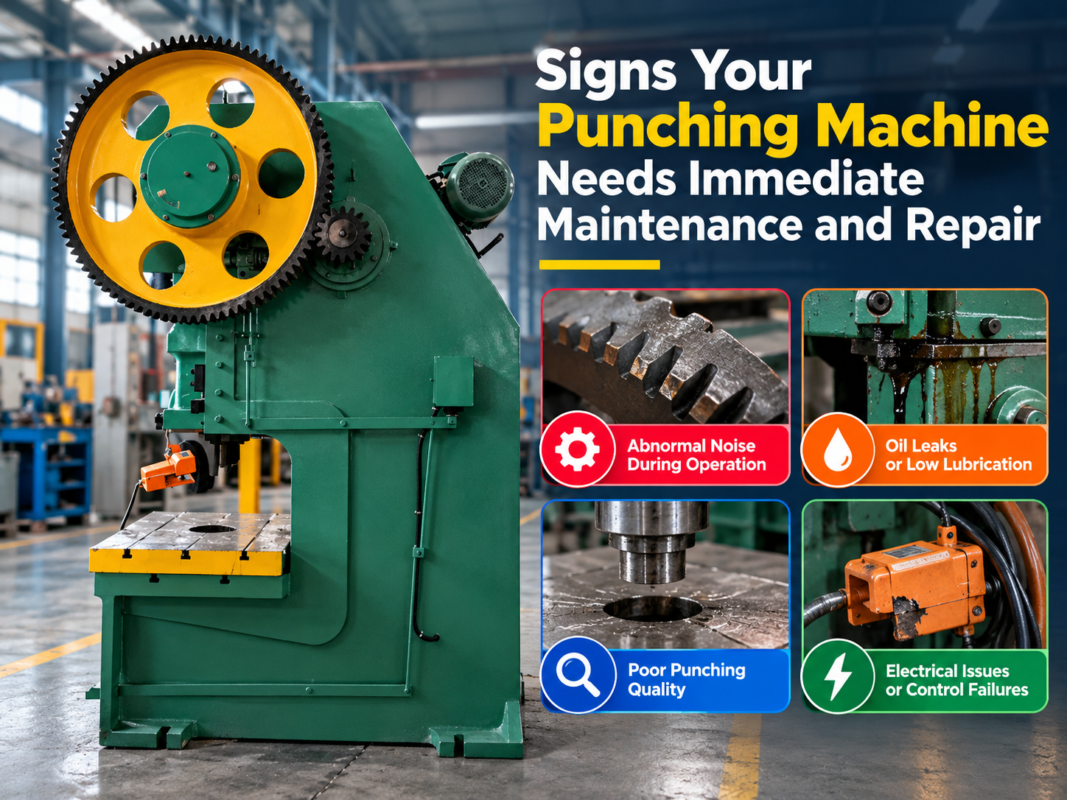
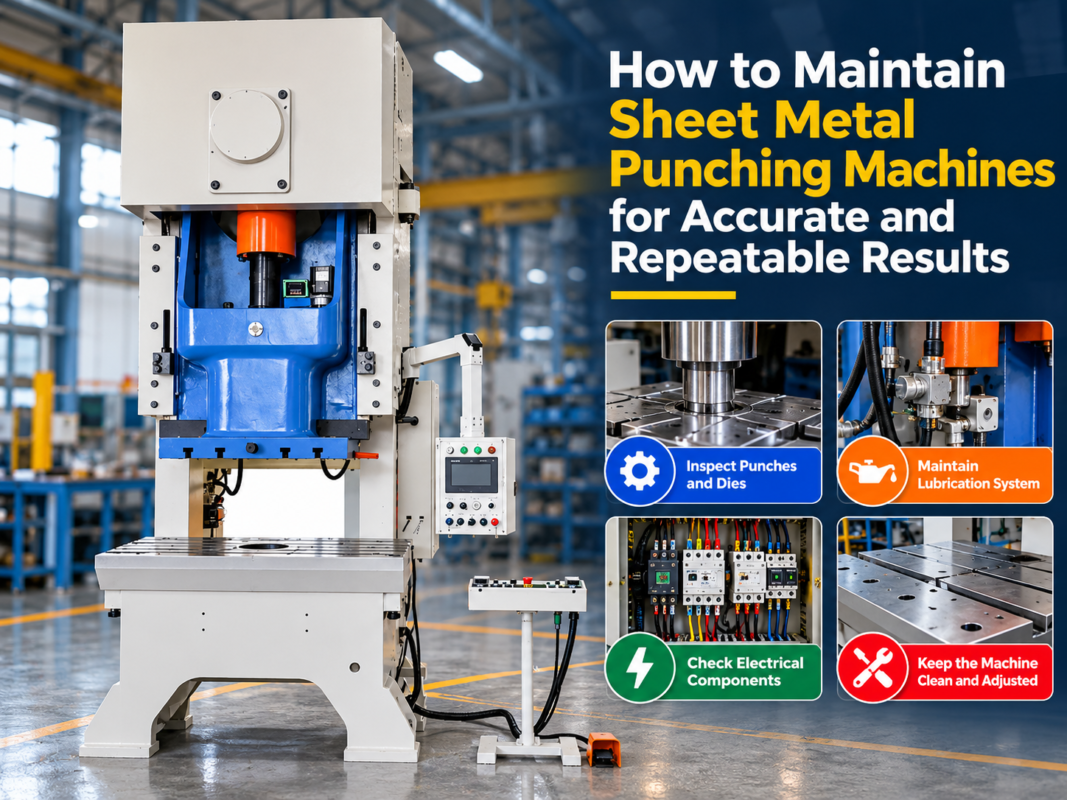
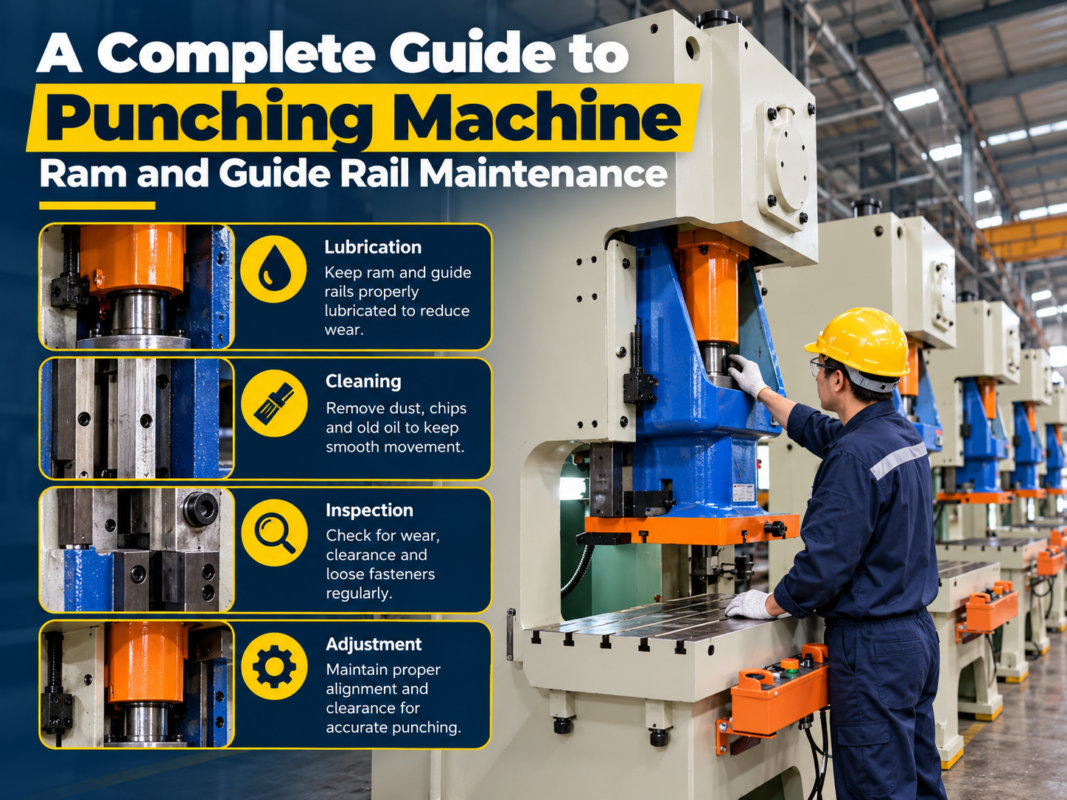
The C-Frame hydraulic press is named for its distinct ‘C’ shape, which creates a gap between the upper ram and the lower bed. This design is engineered to maximize accessibility. Because the sides are open, operators can easily feed material into the press from the left, right, or front. This is particularly beneficial for long or oddly shaped workpieces that would be obstructed by the columns of an H-frame press. C-frame presses are typically available in lower tonnage ranges, usually from 5 tons up to 250 tons, making them the workhorses of light-to-medium manufacturing.
One of the primary advantages of the C-frame design is its compact footprint. In many fabrication shops where floor space is at a premium, the C-frame offers a high force-to-size ratio. Furthermore, because of their simpler construction, they are generally easier to set up and maintain. The open design also facilitates the integration of automated feeding systems or conveyor belts, as there are no structural barriers to impede the flow of material. For tasks like riveting, punching, and small-scale assembly, the C-frame is often the most cost-effective solution.
However, the C-frame’s greatest strength is also its greatest weakness. The open ‘throat’ of the machine is susceptible to angular deflection. When the press applies high pressure, the ‘C’ structure has a natural tendency to open slightly, much like a spring. This ‘yawning’ effect can lead to misalignment between the upper and lower dies, which may result in uneven wear on the tooling or slight inaccuracies in the finished product. While modern engineering and high-strength steel have minimized this issue, it remains a factor that engineers must consider when choosing between a C-frame hydraulic press and an H-frame hydraulic press for high-precision tasks.
Despite the potential for deflection, C-frame presses remain incredibly popular due to their versatility. They are often equipped with adjustable stroke lengths and pressure controls, allowing them to be adapted for a wide variety of jobs. For many businesses, the ability to quickly switch between different dies and workpieces outweighs the need for the extreme rigidity offered by more expensive frame designs. If your production line involves frequent changeovers and manual handling, the C-frame is likely your best candidate.
Machine B Overview: The H-Frame Hydraulic Press
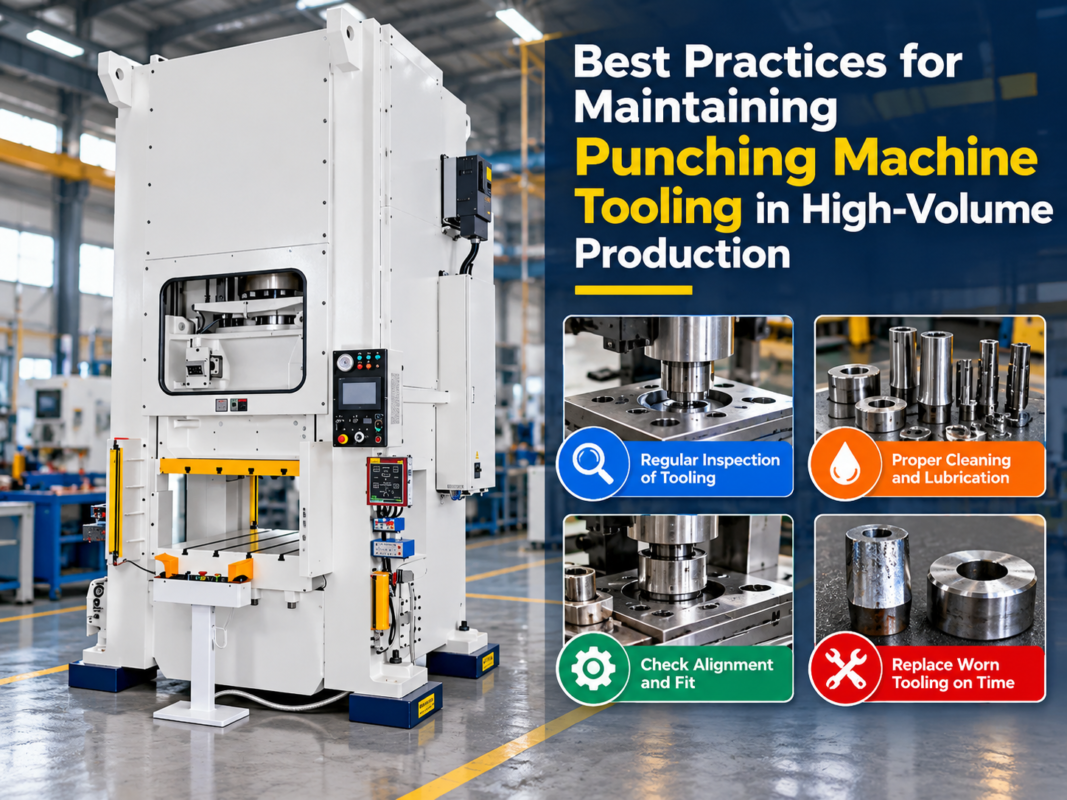
The H-Frame hydraulic press, often called a four-post or straight-side press, is the powerhouse of the industrial world. Its structure consists of a heavy-duty rectangular frame with four vertical columns supporting the upper crosshead and the lower bed. This ‘closed’ design is specifically engineered to handle massive amounts of pressure—often ranging from 100 tons to several thousand tons—without the structural deformation seen in C-frame models. The H-frame is the go-to choice for heavy-duty forging, deep drawing, and large-scale molding applications.
The defining characteristic of the H-frame is its rigidity. Because the force is distributed evenly across the four columns, the ram remains perfectly centered and parallel to the bed, even under off-center loading conditions. This level of precision is essential for complex die sets and high-tolerance parts where even a fraction of a millimeter of deviation can lead to a rejected part. For industries like aerospace and automotive manufacturing, where safety and precision are paramount, the H-frame is the non-negotiable standard.
While the H-frame offers unmatched stability, it does come with limitations in terms of accessibility. The four columns create a ‘cage’ around the work area, meaning that material can generally only be fed from the front or the back. This can make it difficult to work with exceptionally wide sheets or to perform side-loading operations. Additionally, H-frame presses are significantly larger and heavier than their C-frame counterparts, requiring a dedicated foundation and a larger portion of the factory floor. The initial investment is also higher, reflecting the increased amount of steel and the complexity of the hydraulic systems required to drive such a massive machine.
Maintenance for an H-frame press is also more involved. The four columns must be regularly inspected for alignment, and the lubrication systems for the large guide bushings require consistent attention. However, the longevity of an H-frame press is often superior to a C-frame. Because the frame is not subjected to the same bending stresses, it can withstand decades of heavy use without structural fatigue. When you need to choose between a C-frame hydraulic press and an H-frame hydraulic press for a high-volume, high-pressure production environment, the H-frame is almost always the superior long-term investment.
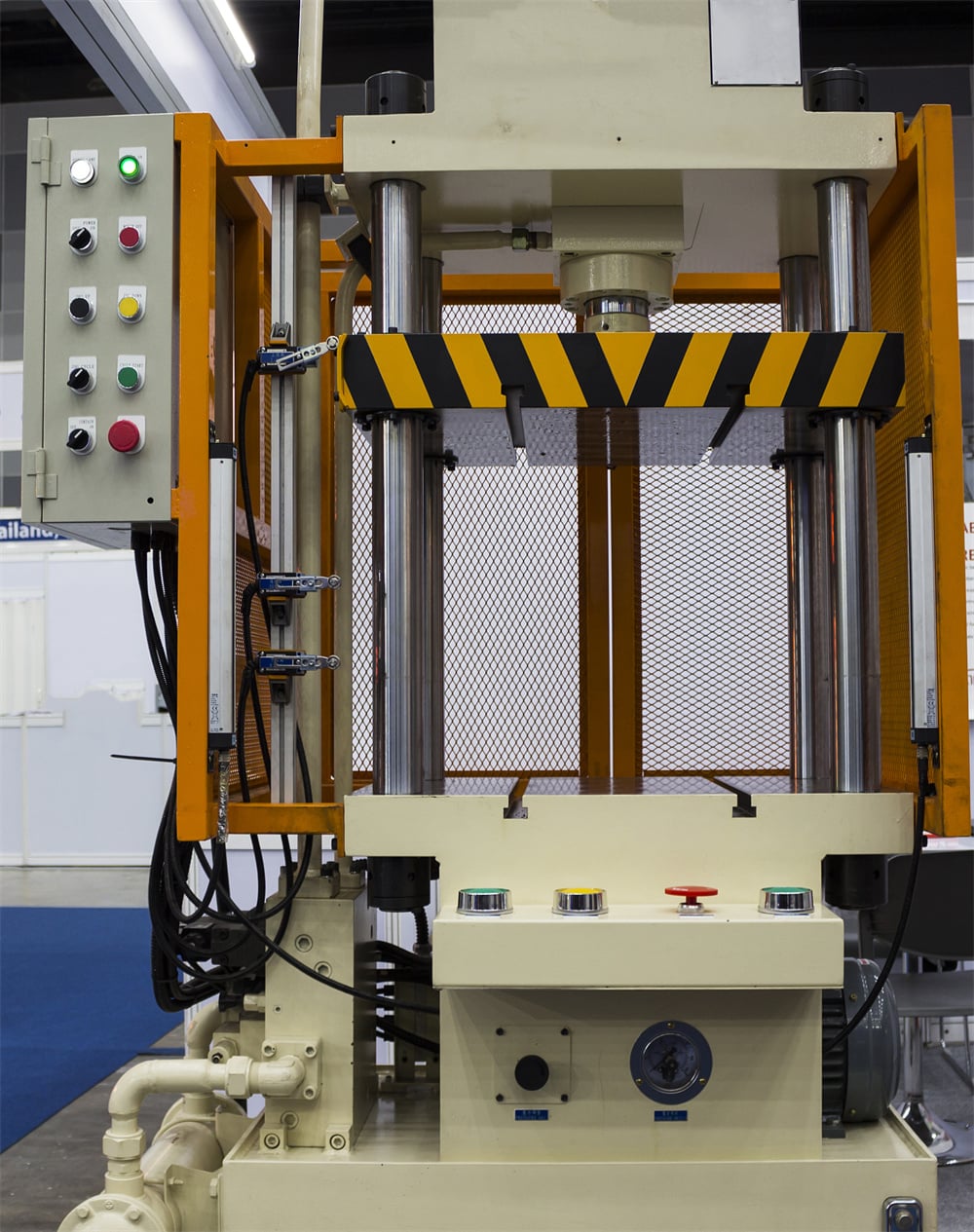
Specification Comparison Table
To help you better understand the technical differences, the following table compares the key specifications of C-frame and H-frame hydraulic presses. This data is essential when you need to choose between a C-frame hydraulic press and an H-frame hydraulic press for your specific project requirements.
| Feature | C-Frame Hydraulic Press | H-Frame Hydraulic Press |
|---|---|---|
| Typical Tonnage | 5 to 250 Tons | 100 to 5,000+ Tons |
| Accessibility | High (3 sides open) | Moderate (Front/Back only) |
| Rigidity | Moderate (Subject to yawning) | Excellent (Four-point support) |
| Precision | Good for standard tasks | Superior for high-tolerance work |
| Footprint | Compact / Space-saving | Large / Requires more space |
| Cost | Lower initial investment | Higher initial investment |
| Off-Center Loading | Not recommended | Highly capable |
| Common Uses | Stamping, Riveting, Assembly | Forging, Deep Drawing, Molding |
Best-fit Applications for Each Design
Choosing the right press is largely determined by the specific tasks you intend to perform. C-frame presses excel in high-speed, light-duty environments. They are the preferred choice for stamping and punching operations where the material is thin and the required force is relatively low. Because of the open access, they are also ideal for assembly and riveting, where operators need to reach into the work area to position components accurately. In the electronics and appliance industries, C-frames are used extensively for crimping and small-part forming.
Another area where C-frames shine is in laboratory and testing environments. Their smaller size and ease of use make them perfect for material testing or small-batch prototyping. If your workflow involves frequent tool changes or manual intervention, the C-frame’s ergonomic design will significantly improve operator productivity. However, it is important to note that if your application requires perfectly uniform pressure across a very large die, the C-frame may struggle to maintain the necessary parallelism.
H-frame presses, on the other hand, are designed for the ‘heavy lifting’ of the manufacturing world. They are the primary choice for deep drawing, a process where a metal sheet is pulled into a die to create a hollow shape (like a kitchen sink or an automotive body panel). The extreme rigidity of the H-frame ensures that the metal flows evenly into the die without wrinkling or tearing. They are also essential for heavy forging, where massive force is required to shape hot or cold metal billets into structural components.
In the plastics and rubber industries, H-frame presses are used for compression molding. The ability to maintain a constant, high pressure over a long period is crucial for curing materials correctly. Furthermore, H-frames are often used for straightening large shafts or beams. Because the frame can handle off-center loads, it can apply targeted pressure to specific points on a large workpiece to correct deformations. If your business focuses on heavy industrial components, the H-frame is the only viable option.
Cost and Maintenance Comparison
When you choose between a C-frame hydraulic press and an H-frame hydraulic press, the financial implications extend far beyond the initial purchase price. C-frame presses are generally more affordable upfront because they use less raw material in their construction and have simpler hydraulic circuits. For a small-to-medium enterprise (SME), this lower entry cost can be a deciding factor. Additionally, the maintenance costs for C-frames are typically lower. The hydraulic systems are less complex, and there are fewer structural components to inspect and align.
However, one must consider the cost of tooling. Because C-frames are prone to deflection, the dies used in them may experience faster wear if not properly aligned. This can lead to higher long-term costs in tool replacement and refurbishment. Furthermore, if a C-frame is pushed beyond its rated capacity, the frame itself can suffer permanent deformation, which is a costly and often irreparable issue. Therefore, it is vital to select a C-frame with a tonnage rating that comfortably exceeds your maximum requirements.
H-frame presses represent a significant capital investment. The sheer volume of steel required to build a rigid four-column frame, combined with high-capacity hydraulic pumps and cylinders, drives the price up. However, this investment is often offset by the machine’s durability and precision. An H-frame press is built to last for decades, and its rigidity protects expensive die sets from premature wear. In high-volume production, the reduction in scrap rates and the increase in tool life can lead to a lower total cost of ownership over the machine’s lifespan.
Maintenance for H-frames is more rigorous. The guide bushings on the four columns require regular lubrication to prevent friction and heat buildup. The hydraulic systems are often more sophisticated, featuring proportional valves and advanced filtration systems that require specialized technicians for servicing. You must also account for the cost of the floor space; an H-frame requires a much larger area and may even need a reinforced concrete foundation to handle the weight and vibration. When budgeting, ensure you include these hidden costs in your comparison.
Recommendation: How to Make the Final Choice
The final decision to choose between a C-frame hydraulic press and an H-frame hydraulic press should be based on a holistic view of your production needs. Start by analyzing your most demanding application. What is the maximum tonnage required? What are the dimensions of the largest part you will produce? If your tonnage requirements are under 200 tons and your parts are relatively small or require side-access, a C-frame press is likely the most efficient and cost-effective choice. It offers the flexibility and speed needed for modern, agile manufacturing.
If, however, your work involves high-precision dies, heavy-duty forging, or large-scale molding, the H-frame is the only choice that will guarantee the quality and consistency your customers demand. Do not try to save money by using a C-frame for a job that requires the rigidity of an H-frame; the resulting deflection will lead to poor part quality and damaged tooling. Consider the H-frame as a long-term asset that provides the stability needed for high-growth, high-output industrial operations.
Finally, consider your future growth. If you anticipate moving into heavier fabrication or more complex parts, investing in an H-frame now may save you from having to upgrade your machinery in just a few years. Conversely, if your business model relies on rapid prototyping and small-batch assembly, the versatility of multiple C-frame units might serve you better than a single large H-frame. At HARSLE, we recommend consulting with a technical expert who can review your specific blueprints and production goals to ensure you select the machine that offers the best return on investment.
Frequently Asked Questions (FAQ)
1. Can a C-frame press be as accurate as an H-frame press?
While modern C-frame presses are highly accurate, they cannot match the inherent rigidity of an H-frame. For most standard stamping and assembly tasks, a C-frame is more than accurate enough. However, for high-tolerance applications where parallelism is critical, the H-frame is superior because it eliminates the ‘yawning’ effect found in C-frame designs.
2. Which press is safer for the operator?
Both machines are safe when equipped with modern safety features like light curtains, two-hand controls, and emergency stops. C-frames offer better visibility and access, which can be safer for manual feeding. H-frames, due to their enclosed nature, often require more robust guarding but provide a more stable environment for high-pressure operations.
3. Is it possible to automate an H-frame press?
Yes, H-frame presses can be fully automated using robotic arms or front/back feeding systems. While they lack the side-access of a C-frame, they are frequently integrated into large-scale automated production lines in the automotive and aerospace sectors.
4. How do I know if I need a custom-built press?
If your workpiece has unusual dimensions, or if you require a specific stroke speed or pressure profile that standard models don’t offer, a custom-built press may be necessary. Both C-frame and H-frame designs can be customized with larger beds, longer strokes, or specialized hydraulic circuits to meet unique manufacturing challenges.
5. What is the lifespan of these machines?
With proper maintenance, both C-frame and H-frame hydraulic presses can last 20 to 30 years or more. H-frames tend to have a slight edge in longevity for heavy-duty work because their structure is better at absorbing stress without fatiguing the metal frame over time.