
Common Punching Machine Applications In Hardware Manufacturing: A Comprehensive Guide


Introduction to Punching Machines in Modern Hardware Production
In the vast landscape of industrial production, the punching machine stands as a cornerstone of efficiency and precision. Hardware manufacturing, which encompasses the creation of everything from tiny electronic connectors to massive automotive structural components, relies heavily on the ability to deform or pierce metal sheets with extreme accuracy. Common Punching Machine Applications In Hardware Manufacturing have evolved from simple manual operations to highly sophisticated, computer-controlled processes that can produce thousands of parts per hour with minimal human intervention.
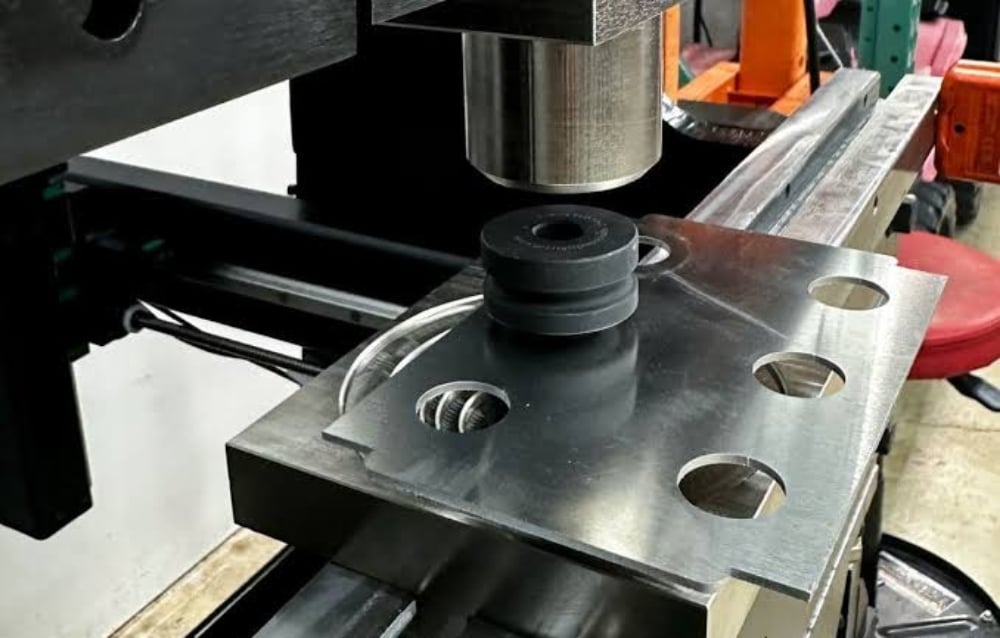
A punching machine, often referred to as a power press, works by applying a significant force to a die set. This die set consists of a punch (the male component) and a die (the female component). When the machine cycles, the punch descends into the die, shearing the material in between to create a specific shape or hole. The versatility of this process is what makes it indispensable. Whether it is blanking, piercing, forming, or drawing, the punching machine is the workhorse of the hardware industry.
As global demand for high-quality hardware grows, manufacturers are increasingly looking for ways to optimize their production lines. Understanding the breadth of Common Punching Machine Applications In Hardware Manufacturing is essential for any facility looking to upgrade its capabilities. From HARSLE’s perspective, providing robust and technologically advanced machinery is only half the battle; the other half is ensuring that operators and facility managers understand how to leverage these machines for maximum output and longevity.
This guide will delve deep into the various applications, technical nuances, and selection criteria for punching machines. We will explore how these machines integrate into modern workflows and why they remain the preferred choice for high-volume metal fabrication. By the end of this article, you will have a comprehensive understanding of why punching technology is vital to the hardware manufacturing sector.
Key Considerations for Punching Machine Implementation
Implementing a punching machine into a production line requires careful planning and a deep understanding of the manufacturing environment. One of the primary considerations is material compatibility. Not all metals react the same way under the pressure of a punch. For instance, stainless steel requires significantly more tonnage than aluminum due to its higher tensile strength. Manufacturers must calculate the required force based on the material thickness, shear strength, and the total perimeter of the cut to avoid overloading the machine.
Another critical factor is the production volume. For low-volume, high-variety production, a CNC turret punch press might be the most economical choice because it allows for quick tool changes and flexible programming. Conversely, for high-volume, low-variety production, a dedicated high-speed mechanical press with progressive dies is often more efficient. The choice between these two approaches dictates the overall ROI of the equipment purchase.
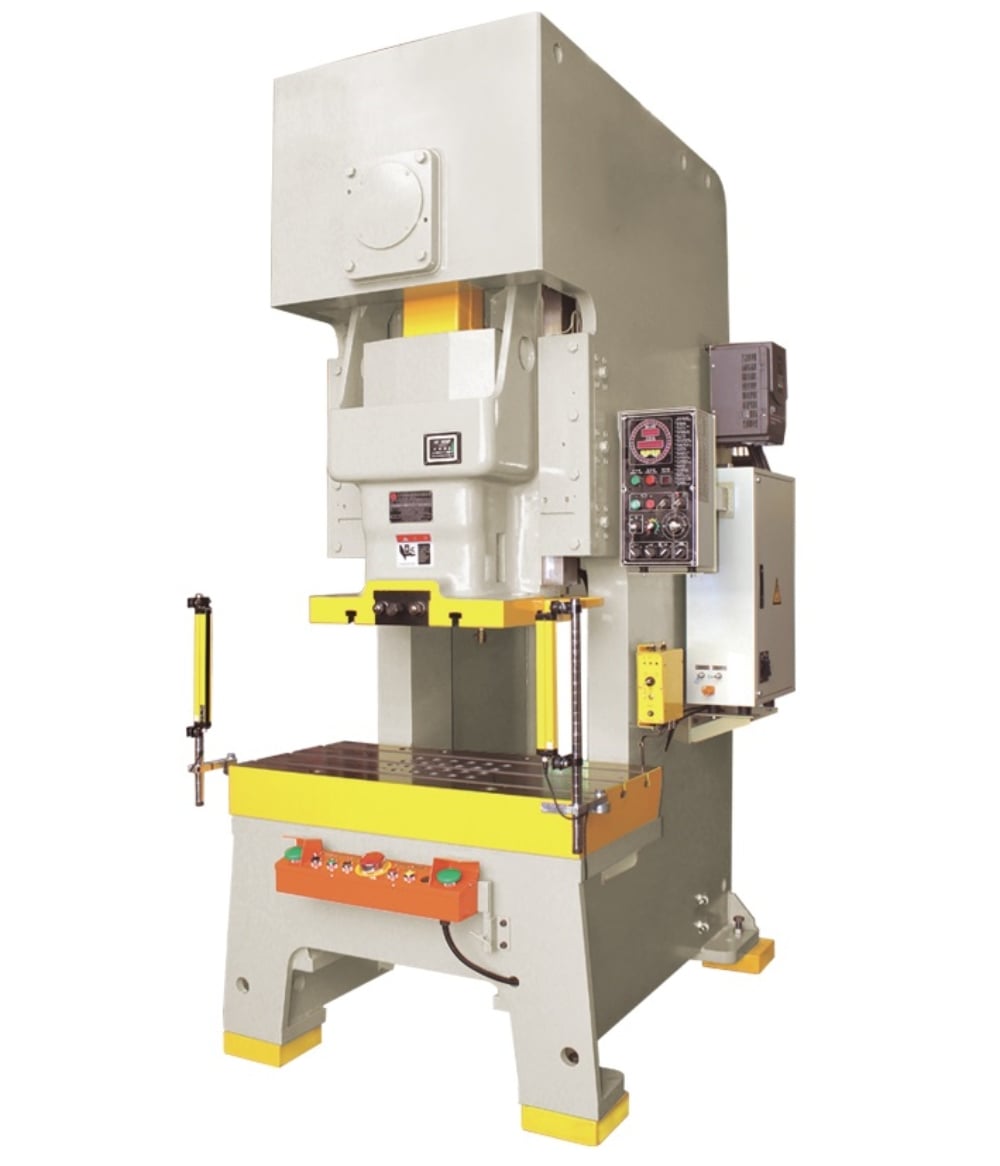
Precision and tolerances are also paramount. In industries like aerospace or medical device manufacturing, even a fraction of a millimeter can result in a rejected part. The rigidity of the machine frame—whether it is a C-frame or an H-frame—plays a significant role in maintaining this precision. H-frame presses, for example, offer superior stability and less deflection under heavy loads, making them ideal for high-precision hardware applications.
Safety and ergonomics cannot be overlooked. Modern punching machines are equipped with advanced safety features such as light curtains, dual-hand controls, and emergency stop systems. Ensuring that the machine is integrated with these safety protocols protects the workforce and reduces the risk of costly downtime due to accidents. Furthermore, the ease of maintenance and the availability of spare parts are essential for long-term operational success.
Finally, the integration of automation is a growing trend in hardware manufacturing. Automated feeders, robotic arm loading/unloading, and scrap removal systems can significantly increase the throughput of a punching machine. When considering Common Punching Machine Applications In Hardware Manufacturing, one must also consider how the machine will fit into a larger, potentially automated, ecosystem.
Technical Details: How Punching Machines Work
The technical heart of a punching machine lies in its drive mechanism. There are three primary types: mechanical, hydraulic, and pneumatic. Mechanical presses use a flywheel to store energy, which is then released through a clutch and crankshaft mechanism to drive the ram. These machines are known for their high speed and are perfect for blanking and simple stamping operations. However, they offer less control over the stroke speed and position compared to other types.
Hydraulic presses, on the other hand, use fluid pressure to move the ram. This allows for full tonnage throughout the entire stroke and provides the operator with precise control over the speed and pressure. Hydraulic machines are often preferred for deep drawing or forming operations where the material needs to flow into the die gradually. While generally slower than mechanical presses, their versatility makes them a staple in many hardware shops.
Pneumatic presses use compressed air to generate force. These are typically smaller machines used for light-duty applications like eyeletting, riveting, or punching small holes in thin materials. They are cost-effective and easy to maintain but lack the power required for heavy-duty hardware manufacturing. Understanding these drive systems is crucial for matching the machine to the specific application.
| Feature | Mechanical Press | Hydraulic Press | Pneumatic Press |
|---|---|---|---|
| Speed | Very High | Moderate | High |
| Control | Limited | Excellent | Moderate |
| Tonnage Range | Up to 2500+ Tons | Up to 5000+ Tons | Up to 50 Tons |
| Best Use Case | High-volume blanking | Deep drawing/Forming | Small parts/Assembly |
The die set is another technical marvel. It consists of the upper shoe (attached to the ram) and the lower shoe (attached to the bolster plate). The punch and die are mounted within these shoes. Precision alignment is maintained by guide pins and bushings. In progressive die applications, the material is fed through a series of stations, each performing a different operation (punching, bending, coining) until the finished part is ejected at the end. This technical setup allows for the creation of complex hardware components in a single continuous process.
Common Punching Machine Applications In Hardware Manufacturing
1. Automotive Component Production
The automotive industry is perhaps the largest consumer of punched hardware. From the structural frame of the vehicle to the smallest interior clips, punching machines are used to create a vast array of parts. Brackets, seat frames, door panels, and engine components are all produced using high-tonnage presses. The ability to work with high-strength steels and aluminum alloys makes punching machines ideal for meeting the rigorous safety and weight standards of the modern automotive sector.
2. Electronics and Telecommunications
In the world of electronics, precision is everything. Punching machines are used to create shielding cans, connectors, chassis for computers, and heat sinks. These parts often require intricate hole patterns and very tight tolerances to ensure proper fit and electromagnetic shielding. CNC turret punches are particularly popular in this sector because they can easily handle the complex geometries and frequent design changes common in the electronics industry.
3. Construction and Building Hardware
The construction industry relies on punching machines for a variety of hardware, including hinges, brackets, roofing connectors, and ventilation components. These parts are often made from galvanized steel to resist corrosion. Punching machines allow for the rapid production of these essential components, ensuring that construction projects stay on schedule. The durability and repeatability of the punching process are key here, as these parts must withstand significant structural loads.
4. Household Appliances
Look around your kitchen, and you will see the results of Common Punching Machine Applications In Hardware Manufacturing. The outer panels of refrigerators, the drums of washing machines, and the internal frames of ovens are all created using large-scale punching and forming presses. These machines allow manufacturers to produce large, aesthetically pleasing metal surfaces that are also structurally sound. The integration of punching and bending in a single production line is common in appliance manufacturing to maximize efficiency.
5. Aerospace and Defense
Aerospace applications require the highest levels of quality control and material traceability. Punching machines are used to fabricate airframe components, interior brackets, and specialized fasteners. Because aerospace materials like titanium and high-grade aluminum are expensive, the precision of the punching process is vital to minimize material waste. Advanced CNC punching machines with integrated sensors can monitor the punching force in real-time to ensure that every part meets the strict aerospace standards.
6. Medical Device Manufacturing
The medical industry uses punching machines to create surgical instruments, implant components, and diagnostic equipment housings. These applications often involve working with biocompatible materials like stainless steel and titanium. The ability to produce small, complex parts with smooth edges and no burrs is critical in medical manufacturing, often requiring specialized tooling and high-precision hydraulic presses.
Selection Advice: Choosing the Right Punching Machine
Selecting the right punching machine for your hardware manufacturing needs is a multi-faceted decision. The first step is to define your maximum tonnage requirement. This is calculated by multiplying the length of the cut by the material thickness and the shear strength of the material. It is always advisable to choose a machine with a tonnage rating at least 20-30% higher than your maximum calculated requirement to ensure longevity and prevent machine fatigue.
Next, consider the stroke length and the number of strokes per minute (SPM). If you are performing deep drawing or forming, you will need a longer stroke and a machine that can provide consistent pressure throughout that stroke. If you are doing high-speed blanking of thin materials, a high SPM is the priority. Mechanical presses are generally better for high-speed work, while hydraulic presses are superior for deep forming.
The size of the bed and the throat depth are also important. The bed size must be large enough to accommodate your largest dies, while the throat depth determines the maximum width of the sheet metal that can be processed. For large panels, such as those used in the appliance or automotive industries, a wide-bed H-frame press is often necessary. Additionally, consider the type of tooling the machine uses. Standardized tooling systems can save time and money in the long run.
Finally, evaluate the control system and automation compatibility. A modern CNC system with a user-friendly interface can significantly reduce setup times and operator errors. If you plan to add automated loaders or scrap conveyors in the future, ensure the machine has the necessary I/O ports and software capabilities to integrate with these systems. Investing in a machine from a reputable manufacturer like HARSLE ensures that you have access to technical support and high-quality components.
Frequently Asked Questions (FAQ)
What is the difference between punching and blanking?
While the terms are often used interchangeably, there is a technical difference. In punching, the piece removed from the sheet is the scrap, and the remaining sheet is the desired part. In blanking, the piece removed from the sheet is the desired part (the “blank”), and the remaining sheet is the scrap. Both processes use the same type of punching machine but different die configurations.
How often should I sharpen my punching tools?
Tool sharpening frequency depends on the material being punched and the volume of production. As a general rule, tools should be inspected every 50,000 to 100,000 hits. Signs that sharpening is needed include increased burr height on the parts, a change in the sound of the punch, or increased force required to complete the cycle. Regular sharpening extends the life of the tools and ensures part quality.
Can a punching machine handle different material thicknesses?
Yes, but it requires changing the die clearance. The clearance is the gap between the punch and the die. For thin materials, a very small clearance is needed to prevent the material from being drawn into the die. For thicker materials, a larger clearance is required to allow the material to fracture cleanly. Using the wrong clearance can result in poor part quality and excessive tool wear.
Is CNC punching better than laser cutting?
It depends on the application. CNC punching is significantly faster and more cost-effective for creating repetitive holes and simple shapes, especially in high volumes. It can also perform forming operations like louvers or ribs, which a laser cannot. However, laser cutting is better for very complex, non-repetitive shapes and thicker materials where the cost of a custom die would be prohibitive.
What maintenance is required for a hydraulic punching machine?
Hydraulic machines require regular oil changes, filter replacements, and inspections of the seals and hoses. It is also important to monitor the temperature of the hydraulic fluid, as overheating can lead to premature component failure. Keeping the machine clean and ensuring that the ram guides are properly lubricated are also essential maintenance tasks.
Conclusion: The Future of Punching in Hardware Manufacturing
Common Punching Machine Applications In Hardware Manufacturing continue to expand as technology advances. The integration of IoT (Internet of Things) and AI into punching machines is allowing for predictive maintenance and real-time optimization of production parameters. This means less downtime, higher quality, and lower costs for manufacturers. As we have seen, from the cars we drive to the appliances we use, punching technology is woven into the fabric of modern life.
Choosing the right partner for your machinery needs is just as important as choosing the right machine. HARSLE remains committed to providing the hardware manufacturing industry with the tools it needs to succeed in a competitive global market. By focusing on precision, durability, and innovation, we ensure that our customers can meet the challenges of today and the opportunities of tomorrow. Whether you are a small shop or a large-scale industrial facility, understanding and implementing the right punching solutions is the key to unlocking your production potential.
In summary, the punching machine is more than just a piece of equipment; it is a vital component of the global supply chain. Its ability to transform raw metal into functional hardware with speed and precision is unmatched. As materials science and automation continue to evolve, the Common Punching Machine Applications In Hardware Manufacturing will only become more diverse and sophisticated, cementing the punching machine’s role as an essential tool for the foreseeable future.












