Comparing Small Hydraulic Press vs. Heavy-Duty Hydraulic Press for Industrial Use: A Comprehensive Guide


Comparison Summary: Understanding the Hydraulic Spectrum
In the modern landscape of metal fabrication and industrial manufacturing, the hydraulic press remains a cornerstone of production. However, the choice between a small hydraulic press and a heavy-duty hydraulic press is rarely a simple matter of size. It involves a deep dive into force requirements, precision tolerances, cycle speeds, and long-term operational costs. When Comparing Small Hydraulic Press Heavy-Duty Hydraulic Press Industrial Use, manufacturers must evaluate their specific production goals against the mechanical capabilities of each machine class.
Small hydraulic presses, typically ranging from 1 to 100 tons, are designed for agility and precision. They are the workhorses of electronics, medical device manufacturing, and small-scale assembly. Conversely, heavy-duty hydraulic presses, which can exert forces from 200 tons to over 10,000 tons, are engineered for massive structural integrity and the ability to deform thick, high-strength materials. These machines are essential in the automotive, aerospace, and heavy infrastructure sectors.
The fundamental difference lies in the application of Pascal’s Law. While both machines utilize fluid pressure to generate force, the scale of the hydraulic cylinders, the rigidity of the frame, and the complexity of the control systems vary significantly. A small press might prioritize rapid cycle times and a compact footprint, whereas a heavy-duty press focuses on sustained pressure, deep-draw capabilities, and the ability to handle massive die sets. Understanding these nuances is critical for any facility looking to optimize its capital investment.
HARSLE, as a leader in metalworking machinery, recognizes that the right choice depends on a balance of current needs and future scalability. This guide provides an exhaustive analysis of both categories to help industrial buyers make an informed decision. Whether you are performing delicate laboratory testing or forging heavy industrial components, the distinction between these two classes of machinery will define your production efficiency for years to come.
Small Hydraulic Press Overview: Precision and Versatility
Small hydraulic presses are often characterized by their compact design and high degree of control. These machines are frequently found in laboratory settings, jewelry workshops, and light industrial assembly lines. One of the primary advantages of a small hydraulic press is its footprint. In facilities where floor space is at a premium, these machines provide significant force without requiring the massive foundations or high ceilings necessary for their heavy-duty counterparts.
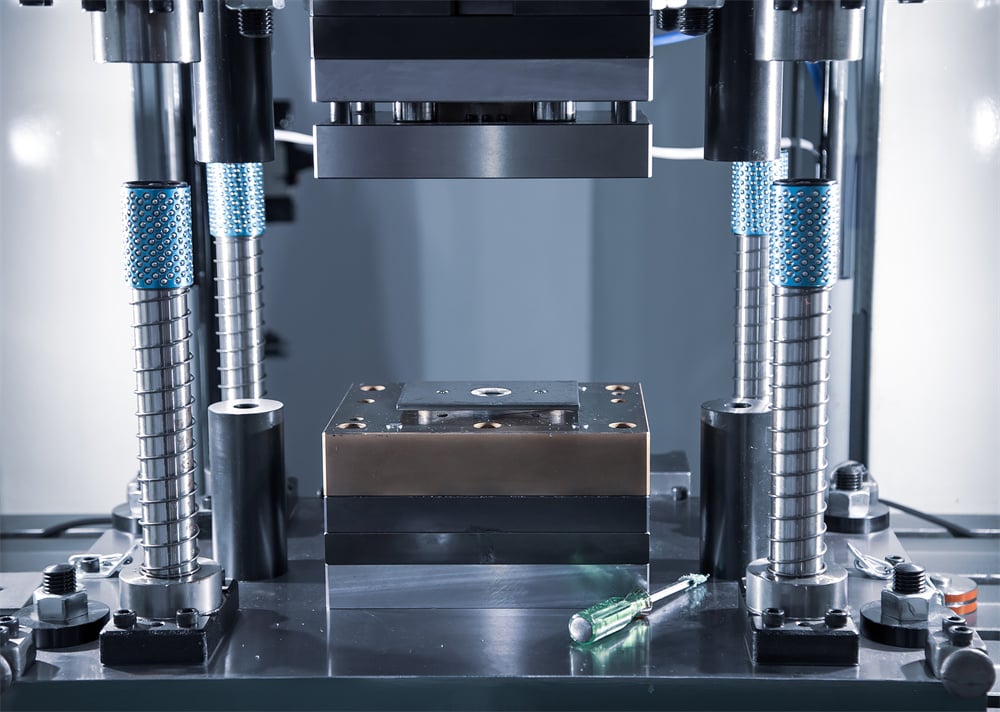
Technically, small presses often utilize C-frame (gap frame) or benchtop H-frame designs. The C-frame design is particularly popular because it provides three-sided access to the work area, making it ideal for manual loading and unloading of parts. These machines are frequently equipped with advanced servo-hydraulic systems that allow for extremely precise stroke control, often within microns. This level of accuracy is essential for applications like powder compaction, where the density of the final product depends on the exact positioning of the ram.
Speed is another critical factor for small hydraulic presses. Because the volume of hydraulic fluid required to move the smaller cylinders is relatively low, these machines can achieve rapid approach and retraction speeds. This makes them highly efficient for high-volume production of small components, such as electrical connectors, small automotive clips, or consumer electronics housings. Furthermore, the energy consumption of a small press is significantly lower, leading to reduced operational costs for businesses focused on light-duty manufacturing.
Maintenance for small hydraulic presses is generally straightforward. The hydraulic systems are less complex, and the components—such as seals, valves, and pumps—are smaller and more affordable to replace. However, users must still be diligent about fluid cleanliness, as the high-precision valves used in these machines can be sensitive to contamination. For many startups and specialized workshops, the small hydraulic press offers the perfect entry point into hydraulic forming technology, providing a blend of power and finesse that mechanical presses often lack.
Heavy-Duty Hydraulic Press Overview: Power and Durability
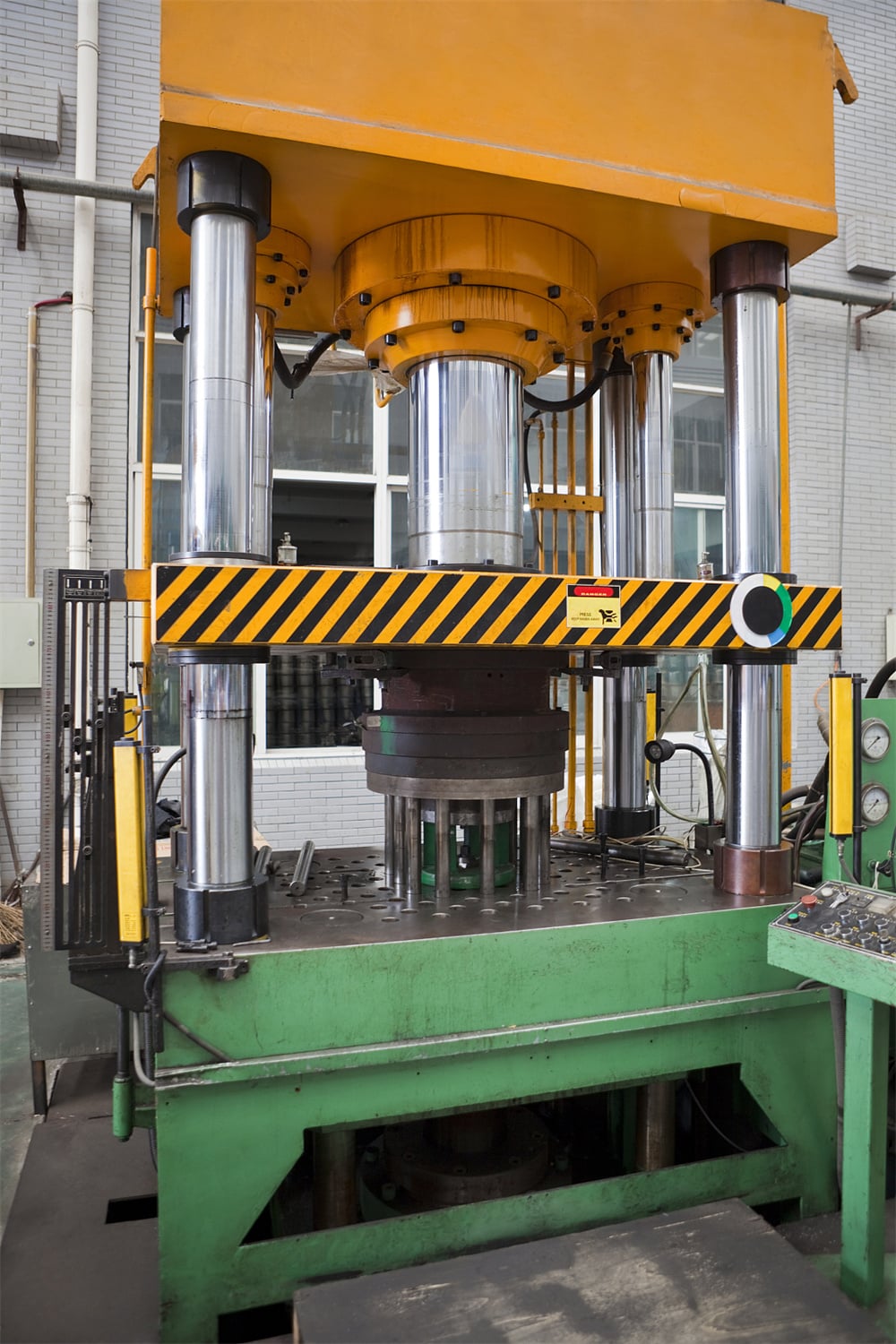
When the task involves shaping thick steel plates, deep-drawing large automotive panels, or forging aerospace alloys, the heavy-duty hydraulic press is the only viable solution. These machines are defined by their massive structural frames, often utilizing four-column or monolithic tie-rod constructions to withstand the immense internal stresses generated during operation. A heavy-duty press is not just a tool; it is a significant piece of industrial infrastructure.
The primary characteristic of a heavy-duty press is its tonnage capacity. These machines are built to deliver consistent pressure over a long stroke, which is essential for deep drawing processes where the metal must be stretched into complex shapes without tearing. Unlike mechanical presses, which have a fixed stroke and peak force at the bottom of the cycle, a heavy-duty hydraulic press can deliver its full rated tonnage at any point in the stroke. This flexibility allows for greater control over the material flow, reducing scrap rates in complex forming operations.
Heavy-duty presses also feature sophisticated hydraulic circuits designed to manage large volumes of oil. These systems often include pre-fill valves, high-capacity accumulators, and advanced cooling systems to maintain optimal fluid temperature during continuous operation. The control systems on these machines are equally robust, often integrating PLC (Programmable Logic Controller) systems that monitor everything from ram parallelism to die temperature. This ensures that even when exerting thousands of tons of force, the machine operates with a high degree of safety and repeatability.
The physical scale of these machines requires specialized installation. Heavy-duty presses often necessitate reinforced concrete foundations and overhead cranes for die changes. While the initial investment and setup costs are high, the ROI is found in the ability to produce large-scale, high-value components that smaller machines simply cannot handle. For industries like shipbuilding, rail transport, and heavy machinery manufacturing, the heavy-duty hydraulic press is an indispensable asset that enables the creation of the world’s largest structures.
Specification Comparison Table
To better understand the technical differences when Comparing Small Hydraulic Press Heavy-Duty Hydraulic Press Industrial Use, the following table outlines the typical specifications for each category.
| Feature | Small Hydraulic Press | Heavy-Duty Hydraulic Press |
|---|---|---|
| Tonnage Range | 1 – 100 Tons | 200 – 10,000+ Tons |
| Frame Type | C-Frame, Benchtop H-Frame | 4-Column, Monolithic, Tie-Rod |
| Typical Stroke Length | 50mm – 300mm | 400mm – 2000mm+ |
| Approach Speed | High (up to 400mm/s) | Moderate (100-250mm/s) |
| Control System | Simple PLC or Manual | Advanced PLC with HMI & Sensors |
| Footprint | Compact (Benchtop to 2m²) | Large (Requires dedicated foundation) |
| Primary Material Focus | Thin sheets, plastics, powders | Thick plates, high-strength alloys |
| Power Consumption | Low (2kW – 15kW) | High (30kW – 500kW+) |
Best-fit Applications: Choosing the Right Tool for the Job
Selecting between a small and heavy-duty press depends heavily on the intended application. Small hydraulic presses excel in environments where precision and speed are more important than raw power. For example, in the electronics industry, these presses are used for “staking” or “crimping” connectors onto circuit boards. The controlled force prevents damage to delicate components while ensuring a secure mechanical and electrical connection. They are also widely used in the medical field for stamping surgical instruments and assembling orthopedic implants.
In the realm of research and development, small hydraulic presses are used for material testing and sample preparation. Laboratories use them to create pellets for XRF (X-ray fluorescence) analysis or to test the compressive strength of new composite materials. The ability to precisely dial in a specific tonnage and hold it for a set duration is a key requirement in these scientific applications. Additionally, small-scale jewelry makers and artisans use these presses for embossing, die-striking, and forming precious metals into intricate designs.
Heavy-duty hydraulic presses, on the other hand, are the backbone of heavy industry. In the automotive sector, they are used to stamp out body panels, chassis components, and engine parts. The deep-drawing capability of a heavy-duty press is essential for creating fuel tanks and oil pans from a single sheet of metal. In the aerospace industry, these machines are used to form large wing sections and fuselage components from high-strength aluminum and titanium alloys. The immense pressure ensures that the metal conforms perfectly to the complex aerodynamic curves required for flight.
Beyond stamping and drawing, heavy-duty presses are used for forging and extrusion. In forging, the press uses slow, massive pressure to refine the grain structure of the metal, creating parts that are significantly stronger than cast or machined components. This is vital for safety-critical parts like aircraft landing gear and industrial crankshafts. In the construction industry, heavy-duty presses are used to straighten large steel beams or to bend heavy-walled pipes used in oil and gas pipelines. The sheer versatility of the heavy-duty press in handling massive workpieces makes it a foundational tool for global infrastructure.
Cost and Maintenance Comparison
When evaluating the total cost of ownership, there is a stark contrast between small and heavy-duty hydraulic presses. The initial purchase price of a small hydraulic press is relatively low, making it accessible for small businesses and specialized departments. However, the cost of a heavy-duty press can run into the hundreds of thousands or even millions of dollars, depending on the tonnage and customization. This CAPEX (Capital Expenditure) must be weighed against the projected production volume and the value of the parts being produced.
Operational costs (OPEX) also differ significantly. Small presses are energy-efficient, especially those equipped with modern servo-motors that only draw power when the ram is in motion. Heavy-duty presses, due to their large motors and the need to move massive volumes of hydraulic oil, have much higher electricity requirements. Furthermore, the cost of hydraulic fluid for a heavy-duty press is a significant factor; these machines can require hundreds of gallons of specialized oil, which must be filtered and replaced periodically to prevent system failure.
Maintenance requirements for heavy-duty presses are more intensive. The sheer force exerted by these machines leads to greater wear on seals, bushings, and guide rails. Regular ultrasonic testing of the frame and tie-rods is often recommended to detect fatigue cracks before they lead to catastrophic failure. In contrast, maintenance for a small press usually involves routine oil changes, seal inspections, and ensuring the safety light curtains are functioning correctly. While the parts for a small press are cheaper, the downtime for a heavy-duty press is far more expensive, often halting an entire production line. Therefore, a robust preventative maintenance program is essential for heavy-duty operations.
Another cost consideration is the tooling. Small presses use smaller, lighter dies that can often be changed manually by a single operator. Heavy-duty presses require massive die sets that need forklifts or overhead cranes for installation. The cost of designing and manufacturing these large dies is a significant part of the overall project budget. Manufacturers must also consider the cost of the floor space and the specialized foundation required for a heavy-duty machine, which can add 10-20% to the total installation cost.
Recommendation: How to Make the Final Decision
Choosing the right machine involves a strategic assessment of your current production needs and your five-year growth plan. If your primary goal is the assembly of small parts, high-speed stamping of thin-gauge materials, or laboratory work, a small hydraulic press is the most logical and cost-effective choice. It offers the precision and speed necessary for high-volume, light-duty work without the excessive overhead of a larger machine.
However, if your business is expanding into automotive, aerospace, or heavy industrial sectors, investing in a heavy-duty hydraulic press is a necessity. You should choose a heavy-duty model if you need to work with materials thicker than 6mm, require deep-draw depths over 100mm, or need to process high-strength alloys that resist deformation. When selecting a heavy-duty press, always look for features like programmable pressure dwell times, active leveling control, and energy-efficient hydraulic circuits to maximize your ROI.
At HARSLE, we recommend that buyers perform a “Tonnage Calculation” based on the material type, thickness, and the perimeter of the cut or the surface area of the form. Always add a 20% safety margin to your calculated tonnage to ensure the machine isn’t constantly running at its absolute limit, which will extend the lifespan of the hydraulic components. If you are unsure, consulting with a machinery expert who can perform a simulation of your forming process is the best way to ensure you are Comparing Small Hydraulic Press Heavy-Duty Hydraulic Press Industrial Use accurately for your specific needs.
Frequently Asked Questions (FAQ)
1. Can a small hydraulic press be used for heavy-duty tasks if the material is thin?
While a small press can handle thin materials, “heavy-duty” usually refers to the force required. If a task requires 150 tons of force, a 50-ton small press will fail or sustain damage, regardless of material thickness. Always match the machine’s tonnage to the required force of the application.
2. What are the signs that my hydraulic press needs maintenance?
Common signs include unusual noises (cavitation), slow ram movement, oil leaks around seals, and inconsistent pressure readings. For heavy-duty presses, keep an eye on the temperature of the hydraulic fluid; excessive heat is a primary cause of component failure.
3. Are servo-hydraulic presses better than standard hydraulic presses?
Servo-hydraulic presses offer better energy efficiency, lower noise levels, and more precise control over the stroke and pressure. They are excellent for both small and heavy-duty applications but come with a higher initial purchase price.
4. How long does a typical industrial hydraulic press last?
With proper maintenance, a high-quality hydraulic press from a reputable manufacturer like HARSLE can last 20 to 30 years or more. Many heavy-duty presses built in the mid-20th century are still in operation today after being retrofitted with modern control systems.
5. Is it better to buy a C-frame or a 4-column press?
C-frame presses offer better accessibility for the operator and are great for smaller tasks. 4-column presses provide superior rigidity and ensure the ram stays perfectly parallel to the bed, which is essential for large-scale, high-precision heavy-duty forming.
6. What safety features should I look for in an industrial hydraulic press?
Essential safety features include dual-hand start buttons, emergency stop buttons, light curtains to detect obstructions, and safety interlocks on all access doors. For heavy-duty presses, hydraulic safety blocks are also crucial to prevent the ram from falling in the event of a pressure loss.