Hydraulic Press vs Stamping Press: Which Is Ideal for High-Volume Production?


Comparison Summary: Navigating the High-Volume Production Landscape
In the competitive world of metal fabrication, choosing the right machinery is the cornerstone of operational efficiency and profitability. When it comes to high-volume production, the debate often centers on two heavyweights: the Hydraulic Press and the Stamping Press (specifically the mechanical variety). Both machines are designed to shape, cut, and form metal, but they operate on fundamentally different physical principles. Understanding these differences is crucial for manufacturers looking to optimize their floor space, energy consumption, and output quality.
A hydraulic press utilizes fluid pressure to generate force, offering a consistent tonnage throughout the entire stroke. This makes it incredibly versatile for deep drawing and complex forming. On the other hand, a mechanical stamping press uses a flywheel and crankshaft system to deliver a quick, powerful burst of energy at the bottom of the stroke. Traditionally, the mechanical stamping press has been the king of high-volume production due to its sheer speed. However, modern advancements in hydraulic technology, including servo-hydraulic systems, have blurred the lines, making the choice more nuanced than ever before.
For high-volume production, the primary metrics are strokes per minute (SPM), tool life, energy efficiency, and setup time. While a mechanical press might produce 500 parts per minute, a hydraulic press offers better protection for expensive dies and can handle a wider variety of material thicknesses. This comparison summary serves as a roadmap for decision-makers to evaluate which technology aligns best with their specific production goals, material types, and long-term growth strategies.
Machine A Overview: The Versatile Hydraulic Press
The hydraulic press is a staple in modern manufacturing, prized for its flexibility and controlled power. Operating on Pascal’s Principle, these machines use a pump to push hydraulic fluid into a cylinder, which then moves the ram. One of the most significant advantages of a hydraulic press is that it provides full rated tonnage at any point in the stroke. This is a stark contrast to mechanical presses, where the maximum force is only available near the bottom of the stroke. This feature allows for greater control over the forming process, especially when dealing with materials that require a slow, steady draw to prevent tearing or wrinkling.
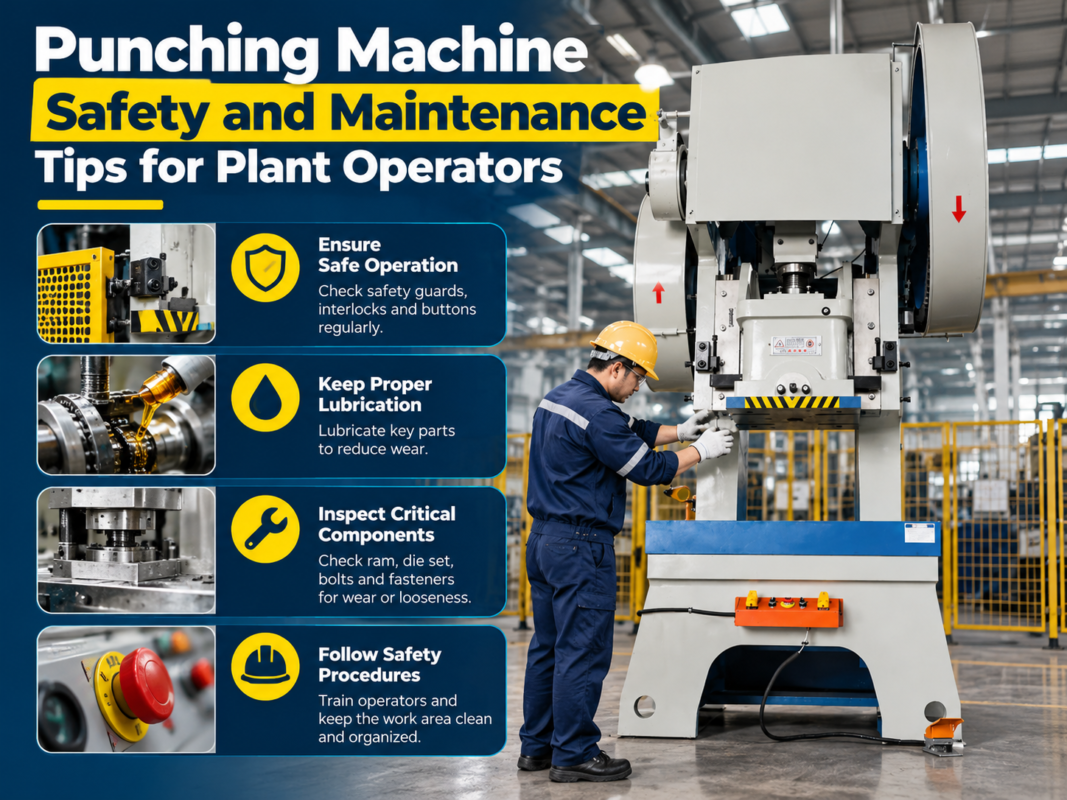
HARSLE hydraulic presses are engineered with precision manifolds and advanced control systems that allow operators to program the speed, pressure, and dwell time. This level of programmability is essential for complex parts that require multi-stage forming. Furthermore, hydraulic presses are inherently safer for the tooling. Because the pressure can be limited, the machine will stop if it encounters an obstruction or if the material is too thick, preventing catastrophic die failure. This “built-in” overload protection is a major selling point for shops that work with expensive, custom-made dies.
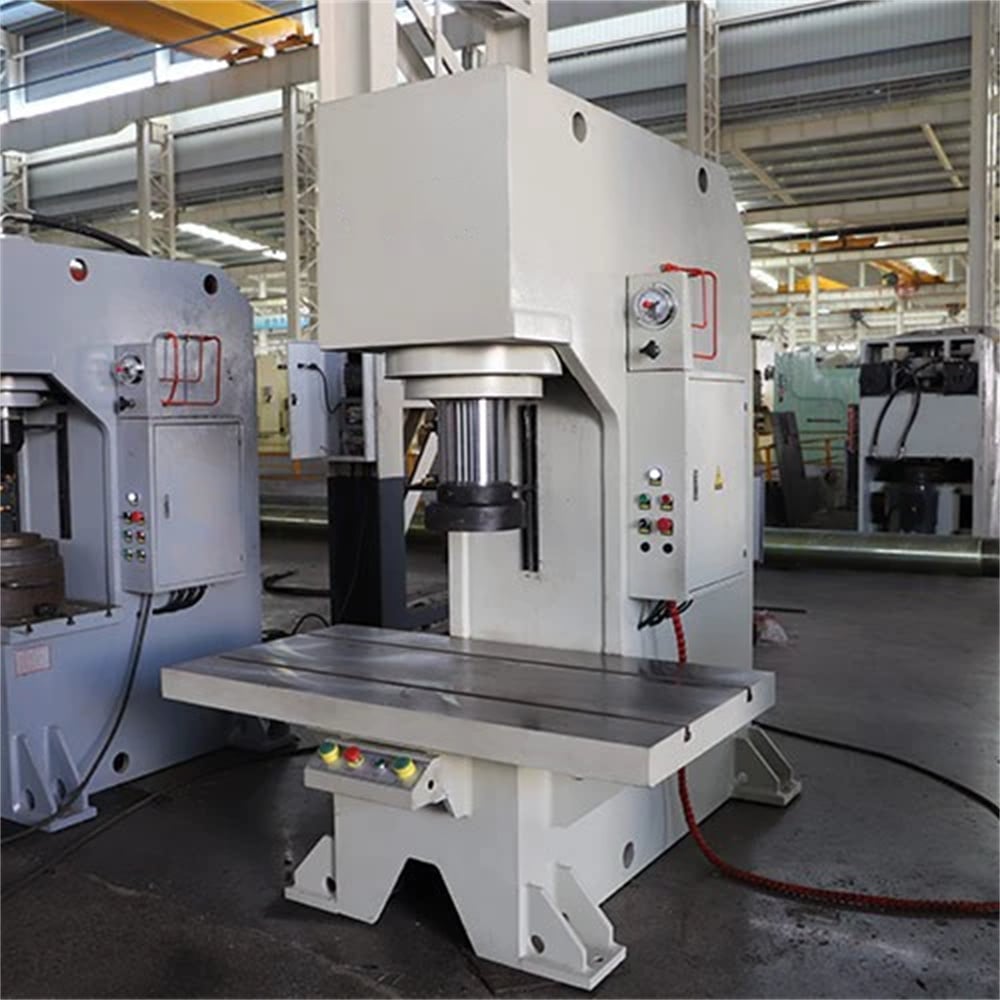
In terms of high-volume production, hydraulic presses have historically been viewed as slower than their mechanical counterparts. However, the introduction of “fast-acting” hydraulic valves and servo-motor driven pumps has significantly increased their cycle times. While they may not reach the 1,000 SPM of a high-speed mechanical press, they are more than capable of handling high-volume runs for parts that require deep drawing, such as kitchen sinks, automotive body panels, and fire extinguisher canisters. The ability to perform multiple functions—blanking, piercing, and forming—on a single machine also reduces the need for multiple setups, which can improve overall throughput in a high-volume environment.
Machine B Overview: The High-Speed Stamping Press
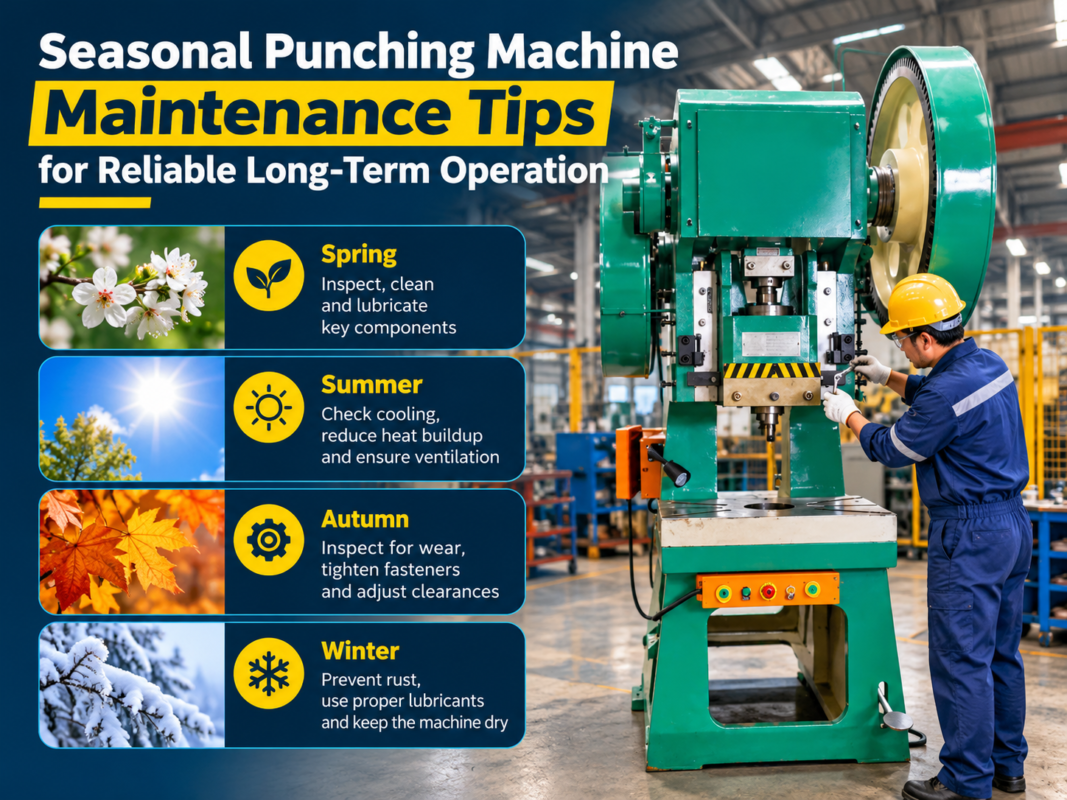
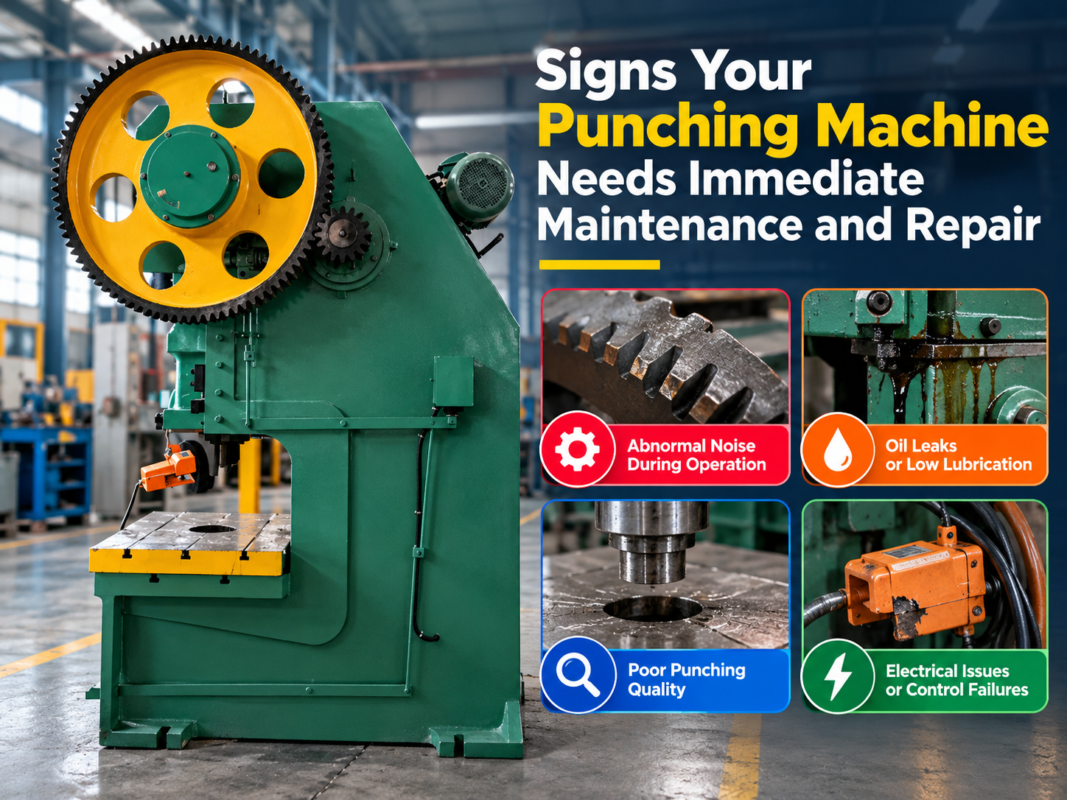
The mechanical stamping press is the traditional workhorse of the high-volume automotive and electronics industries. It operates by storing energy in a rotating flywheel, which is then transferred to a ram via a crankshaft or eccentric gear. This mechanism is designed for one thing: speed. Mechanical presses are capable of extremely high cycle rates, making them the ideal choice for producing millions of small, relatively simple parts like electrical connectors, washers, and simple brackets. The stroke of a mechanical press is fixed, meaning the ram moves a set distance every time, which ensures high repeatability and precision in high-speed environments.
One of the defining characteristics of a stamping press is its “tonnage curve.” The force delivered by the press increases as the ram approaches the bottom dead center (BDC). This makes it exceptionally efficient for blanking and shallow forming operations where the maximum force is needed right at the point of impact. Because the energy is stored in a flywheel, mechanical presses are also very energy-efficient when running at high speeds, as the motor only needs to maintain the flywheel’s momentum rather than generating the full force of the press for every stroke.
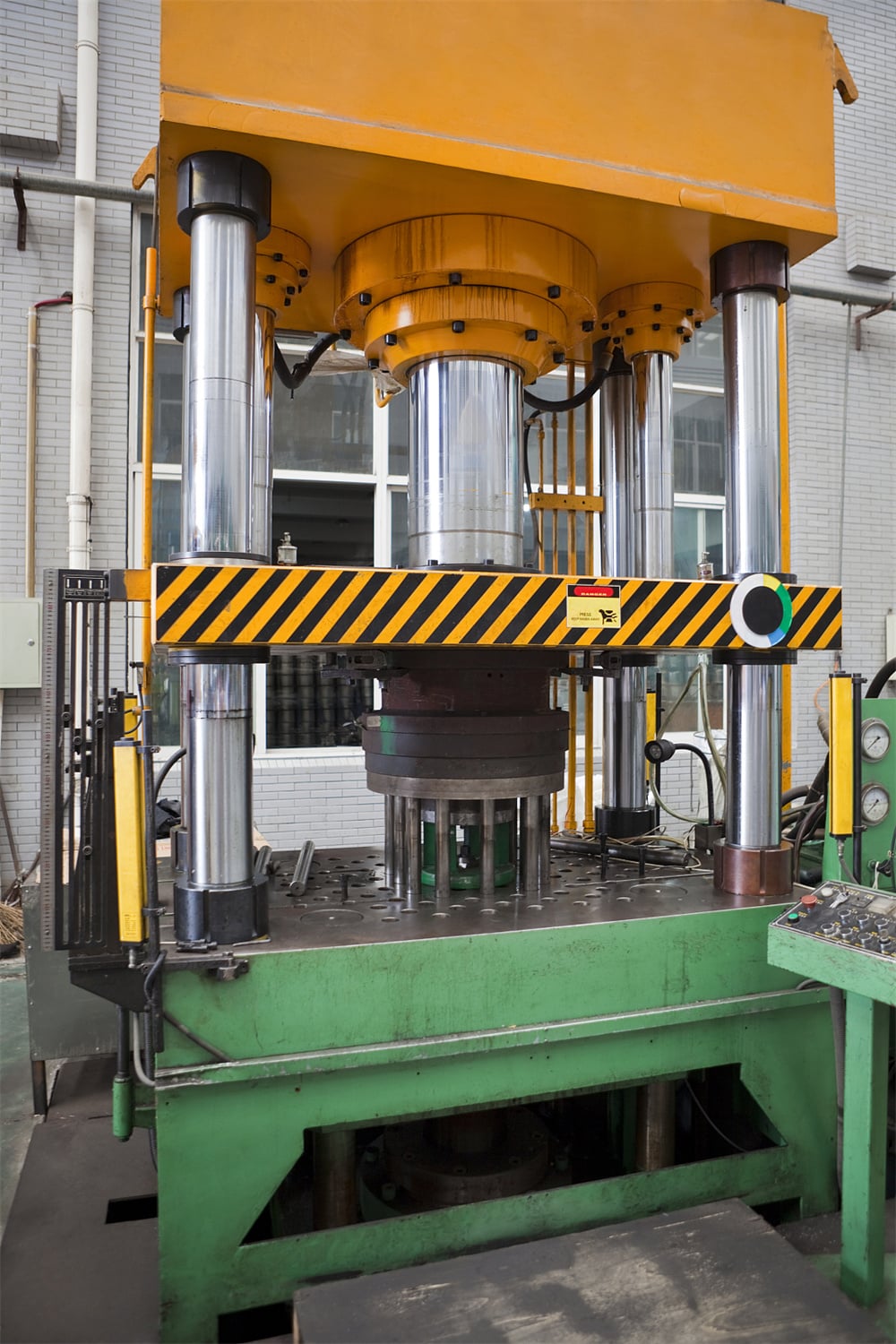
However, the mechanical press does have limitations. The fixed stroke length means it is less adaptable to different part heights or deep drawing applications. Additionally, the risk of “sticking at the bottom” is a common issue; if the press is overloaded near BDC, it can lock up, requiring significant effort to release. Despite these challenges, for pure high-volume output where the part geometry is consistent and the material is relatively thin, the mechanical stamping press remains the industry standard for speed and cost-per-part efficiency.
Specification Comparison Table
To better understand the technical differences between these two machines, the following table compares key specifications relevant to high-volume production environments.
| Feature | Hydraulic Press | Mechanical Stamping Press |
|---|---|---|
| Stroke Speed | Variable (Slower to Medium) | Fixed (High to Very High) |
| Force Delivery | Full tonnage throughout the stroke | Maximum tonnage near the bottom |
| Stroke Length | Fully adjustable | Fixed |
| Overload Protection | Inherent (Pressure relief valves) | Requires external shear plates/monitors |
| Setup Time | Fast (Programmable settings) | Longer (Mechanical adjustments) |
| Deep Drawing | Excellent | Limited |
| Maintenance | Focus on seals and fluid | Focus on bearings, clutch, and brake |
| Noise Level | Lower (Quiet during idle) | Higher (Constant flywheel noise) |
Best-fit Applications for High-Volume Production
Choosing between a hydraulic and a stamping press often comes down to the specific application. For high-volume production, the geometry of the part and the material thickness are the primary deciding factors. If your production line involves Deep Drawing, the hydraulic press is the clear winner. Applications such as manufacturing stainless steel cookware, gas cylinders, and complex automotive structural components require the steady, controlled pressure that only a hydraulic system can provide. In these cases, the “high volume” is achieved through the reliability and low scrap rate of the hydraulic process, even if the SPM is lower than a mechanical press.
Conversely, for Progressive Die Stamping of small parts, the mechanical press is unrivaled. In industries like electronics and telecommunications, where millions of tiny terminals or lead frames are needed, the mechanical press’s ability to run at hundreds of strokes per minute is essential. The high-speed mechanical press is also the go-to for Blanking Operations where the goal is to punch out simple shapes from a coil of metal as quickly as possible. The repetitive nature of these tasks plays perfectly to the strengths of the mechanical flywheel system.
Another consideration is Material Variability. If your high-volume production involves switching between different materials or thicknesses frequently, the hydraulic press offers a significant advantage. Its programmable nature allows for quick changeovers. However, if you are dedicated to a single product line with a consistent material spec for months at a time, the mechanical press’s high-speed efficiency will yield a lower cost-per-part over the long run. Automotive manufacturers often use a mix: mechanical presses for body panels and brackets, and hydraulic presses for more complex, deep-drawn engine or chassis components.
Cost and Maintenance Comparison
The total cost of ownership (TCO) for these machines involves the initial purchase price, energy costs, and ongoing maintenance. Generally, a hydraulic press has a lower initial purchase price than a high-speed mechanical press of the same tonnage. This makes it an attractive option for growing shops. However, in a high-volume setting, the energy consumption of a standard hydraulic press can be higher because the pump often runs continuously. Modern HARSLE hydraulic presses mitigate this with servo-drive technology, which only consumes power when the ram is moving, significantly closing the energy gap with mechanical presses.
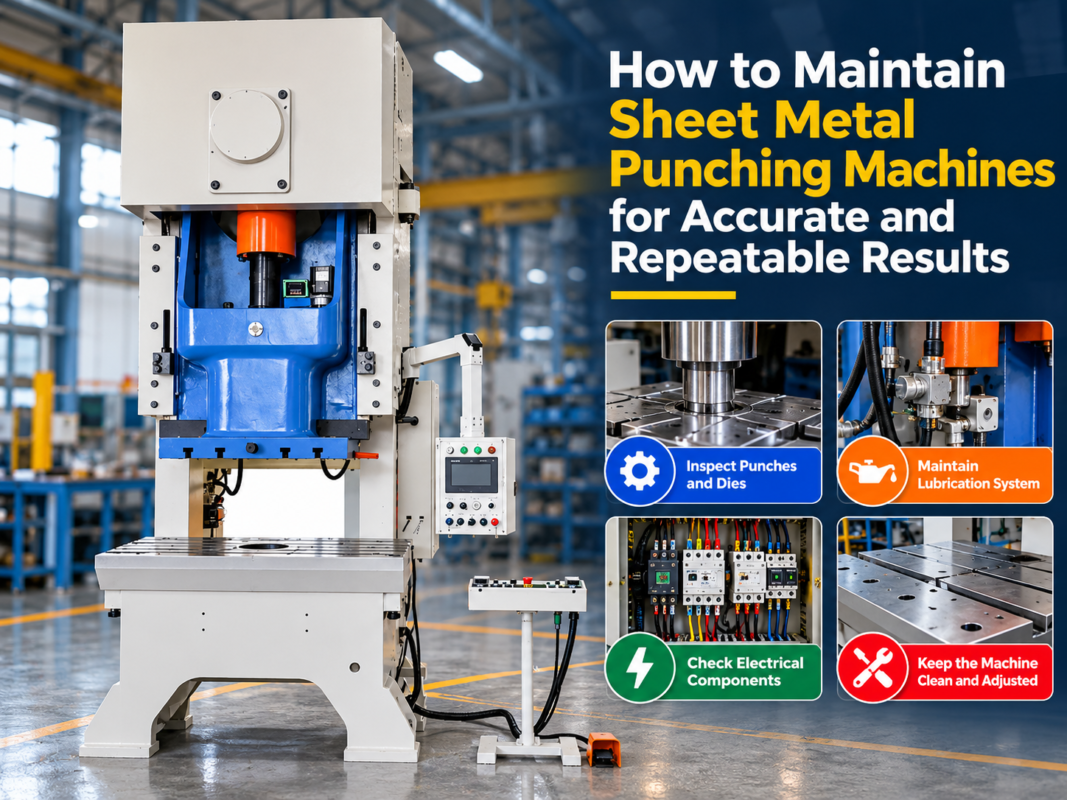
Maintenance requirements differ significantly between the two. Hydraulic presses are relatively simple machines, but they require diligent monitoring of fluid levels, oil cleanliness, and seal integrity. A leak in a hydraulic system can lead to downtime and safety hazards. Mechanical presses, while not prone to fluid leaks, have complex mechanical assemblies including clutches, brakes, and massive bearings. These components are subject to intense wear during high-speed operation. Replacing a main bearing or a clutch on a large mechanical press is a major undertaking that can result in weeks of downtime. Therefore, while hydraulic maintenance is more frequent (oil changes), mechanical maintenance is often more intensive and expensive when it does occur.
From a tool-life perspective, hydraulic presses often save money in high-volume scenarios. The ability to control the speed of the ram as it contacts the material reduces the “shock” to the die, extending the time between tool regrinds. Mechanical presses, with their high-impact nature, can be harder on tooling, especially if the press is not perfectly aligned. For manufacturers, the choice often boils down to whether they prefer the lower upfront cost and tool protection of a hydraulic press or the raw speed and lower energy-per-stroke of a mechanical press.
Making the Final Decision: A Buyer’s Checklist
Before investing in a HARSLE press for your high-volume production line, consider the following checklist to ensure you select the machine that will provide the best ROI:
- Part Complexity: Does the part require deep drawing or complex forming? (Choose Hydraulic). Is it a simple blank or shallow form? (Choose Mechanical).
- Required Speed: What is your target Strokes Per Minute (SPM)? If you need >100 SPM consistently, mechanical is likely the better choice.
- Material Thickness: Do you work with a wide range of thicknesses? Hydraulic presses handle variability much better without needing extensive re-tooling.
- Floor Space: Mechanical presses often have a larger footprint due to the flywheel and drive assembly. Hydraulic presses are generally more compact.
- Budget: Consider both the initial investment and the long-term energy costs. Servo-hydraulic presses offer a middle ground in both categories.
- Tooling Costs: Are your dies extremely expensive? The overload protection of a hydraulic press can be a form of insurance for your tooling investment.
Recommendation: Which Is Ideal for High-Volume Production?
The answer to “which is ideal” depends on how you define your high-volume needs. If your high-volume production is characterized by speed and repetition of simple parts, the Mechanical Stamping Press remains the superior choice. Its ability to maintain high cycle rates with extreme precision makes it the backbone of mass-production industries. For a shop producing millions of identical washers or simple brackets, the mechanical press’s efficiency is unbeatable.
However, if your high-volume production involves complexity, deep draws, or frequent material changes, the Hydraulic Press is the ideal solution. Modern hydraulic technology has narrowed the speed gap, and the benefits of full tonnage throughout the stroke, coupled with superior die protection, make it a more versatile and often more cost-effective choice for modern, flexible manufacturing environments. For most mid-to-large scale fabricators, a HARSLE hydraulic press provides the best balance of capability and reliability, ensuring that even as product designs evolve, the machinery remains a productive asset.
FAQ: Common Questions About Press Selection
1. Can a hydraulic press be as fast as a mechanical press?
While traditional hydraulic presses are slower, modern high-speed hydraulic presses with servo-technology can reach speeds that are competitive for many applications. However, for ultra-high-speed blanking (300+ SPM), mechanical presses still hold the advantage.
2. Which press is better for die life?
Hydraulic presses are generally better for die life because they allow for a controlled approach speed and have built-in overload protection, which prevents the press from exerting more force than the die can handle.
3. Is maintenance more expensive for hydraulic or mechanical presses?
Hydraulic maintenance is usually more frequent but less expensive (oil and seals). Mechanical maintenance is less frequent but can be very costly and time-consuming when major components like the clutch or crankshaft need repair.
4. Can I use a mechanical press for deep drawing?
It is possible, but difficult. Mechanical presses have a fixed stroke and the energy is delivered quickly, which can cause the metal to tear during a deep draw. Hydraulic presses are specifically designed for the slow, steady pressure required for deep drawing.
5. Which machine is more energy-efficient?
Mechanical presses are very efficient at high speeds due to the flywheel’s inertia. However, modern servo-hydraulic presses are also highly efficient because they only use power during the actual press cycle, unlike older hydraulic systems that run the pump constantly.