Complete Hydraulic Press Buying Guide: Price, Features, and Industrial Uses


Introduction to the Complete Hydraulic Press Buying Guide: Price, Features, and Industrial Uses
In the modern manufacturing landscape, the hydraulic press remains a cornerstone of metal fabrication. Whether you are a small workshop or a large-scale industrial facility, selecting the right machinery is a critical decision that impacts your production efficiency, product quality, and long-term profitability. This Complete Hydraulic Press Buying : Price, Features, Industrial Uses guide is designed to navigate the complexities of the market, helping you understand the technical nuances and financial considerations involved in acquiring a HARSLE hydraulic press.
Hydraulic presses utilize Pascal’s Principle to generate massive amounts of force through fluid pressure. This technology has evolved from simple manual pumps to sophisticated CNC-controlled systems capable of executing complex forming tasks with sub-millimeter precision. As global demand for lightweight automotive components and high-strength aerospace parts grows, the versatility of the hydraulic press has never been more relevant. In this guide, we will break down everything from initial capital expenditure to the specific configurations that drive performance in various industrial sectors.
Price Range Overview: What to Expect in the Current Market
The cost of a hydraulic press is primarily determined by its tonnage, frame design, and level of automation. When considering the Complete Hydraulic Press Buying : Price, Features, Industrial Uses, it is helpful to categorize machines into three main tiers based on their capacity and intended application. Understanding these price brackets allows businesses to align their budget with their technical requirements.
Entry-Level and Small Capacity (10 to 100 Tons): These machines are typically C-frame or small 4-column presses. They are ideal for light stamping, assembly, and laboratory testing. Prices in this category generally range from $5,000 to $25,000. While affordable, these machines often feature manual or semi-automatic controls and are best suited for low-volume production or specialized tasks.
Mid-Range Industrial Presses (100 to 500 Tons): This is the most common category for general metal fabrication, including deep drawing, bending, and punching. These machines often feature PLC controls and enhanced safety systems. Expect to invest between $30,000 and $150,000. The price variance here is largely driven by the stroke length, bolster size, and the inclusion of high-end hydraulic components from brands like Rexroth or Vickers.
Heavy-Duty and Specialized Presses (500 to 5,000+ Tons): Used in heavy industries like automotive body stamping and large-scale forging, these machines are significant capital investments. Prices start at $200,000 and can exceed $1.5 million for custom-engineered, multi-station transfer presses. These units require specialized foundations and high-voltage power supplies, which should be factored into the total cost of ownership.
Main Cost Drivers: Why Prices Vary Significantly
When reviewing the Complete Hydraulic Press Buying : Price, Features, Industrial Uses, many buyers are surprised by the price gap between seemingly similar machines. Several technical factors drive these costs. The most obvious is tonnage—the maximum force the press can exert. However, the structural integrity required to support that force is where the real cost lies. A 1000-ton press requires significantly more steel and advanced welding techniques than a 100-ton press to prevent frame deflection under load.
Speed is another major cost driver. Standard hydraulic presses operate at relatively slow speeds suitable for deep drawing. However, if your production line requires high-speed stamping, you will need a press equipped with high-flow pumps, larger valves, and advanced cooling systems to manage the heat generated by rapid cycles. These “high-speed” configurations can add 20% to 40% to the base price of the machine.
Precision and control systems also play a vital role. A basic press might use manual lever valves, whereas a high-end HARSLE model features a Siemens PLC with a touchscreen HMI, allowing for programmable stroke limits, pressure dwell times, and integration with robotic loaders. The transition from manual to fully automated CNC control represents a significant jump in price but offers unparalleled consistency and reduced labor costs.
Configuration Impact: Customizing for Performance
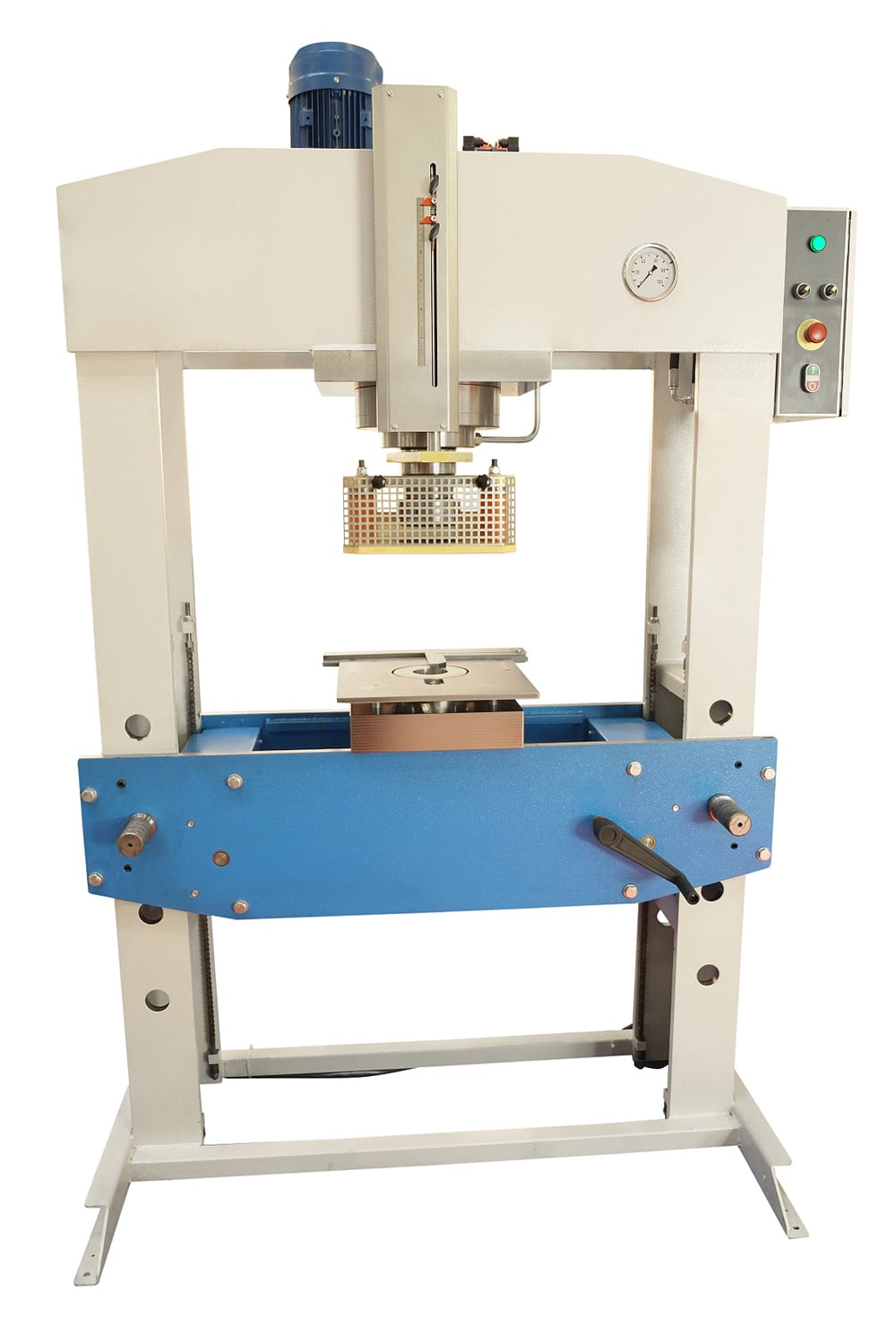
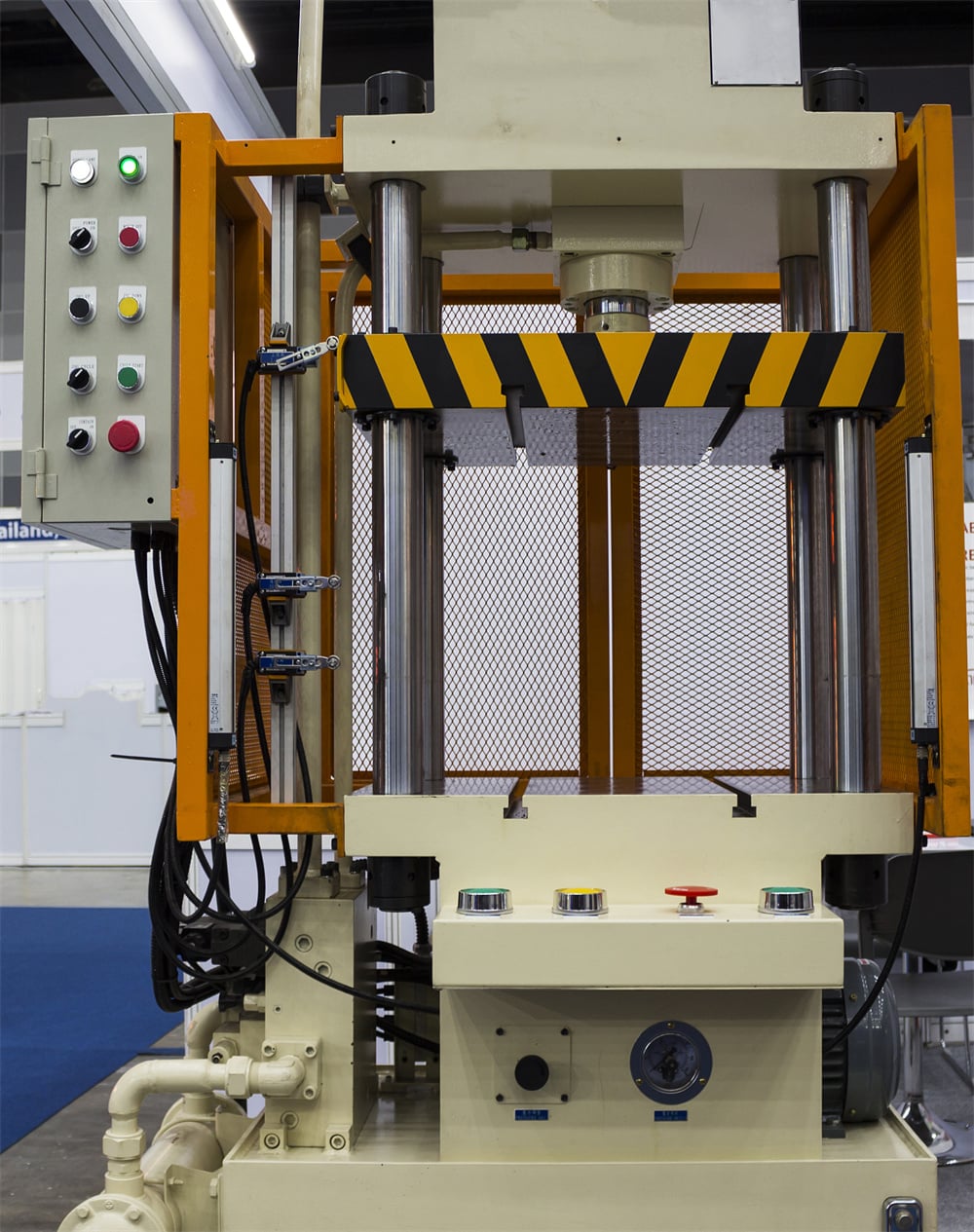
The configuration of a hydraulic press should be dictated by the specific parts you intend to manufacture. The frame style is the first major decision. C-Frame (Gap Frame) presses offer three-sided access, making them excellent for small parts and manual loading. 4-Column presses provide even pressure distribution across the entire bolster, which is essential for large dies and high-precision work. H-Frame presses are known for their rigidity and are preferred for heavy-duty applications where frame stretching must be minimized.
Hydraulic components are the heart of the machine. Choosing premium components like Rexroth valves or Schneider electronics ensures long-term reliability and easier sourcing of spare parts. Furthermore, the inclusion of a hydraulic cushion is vital for deep drawing applications. The cushion provides controllable resistance to the workpiece, preventing wrinkles and tears during the forming process. Adding a cushion or a blank holder system is a configuration choice that increases the machine’s versatility but also its price.
Energy efficiency is a growing concern in industrial settings. Modern HARSLE presses can be configured with servo-motor driven pumps. Unlike traditional motors that run constantly, servo-driven systems only consume energy when the press is in motion. While the initial cost of a servo-hydraulic system is higher, the energy savings—often up to 50%—can result in a rapid payback period, especially in regions with high electricity costs.
Hidden Costs: Beyond the Initial Purchase Price
A comprehensive Complete Hydraulic Press Buying : Price, Features, Industrial Uses guide must address the expenses that occur after the machine leaves the factory. Logistics is often the first hidden cost. Large hydraulic presses are heavy and oversized, requiring specialized flat-rack containers and heavy-lift cranes at both the port and your facility. Depending on the distance and the machine’s size, shipping and inland transportation can cost anywhere from $2,000 to over $20,000.
Installation and site preparation are equally important. A heavy-duty press cannot simply be placed on a standard factory floor. It often requires a reinforced concrete foundation to absorb vibrations and support the static and dynamic loads. Additionally, you must ensure your facility has the electrical capacity to handle the peak current draw of the hydraulic motors. Hiring specialized riggers and electricians for the setup is a necessary expense to ensure safety and warranty compliance.
Finally, consider the cost of tooling and maintenance. A hydraulic press is only as useful as the dies you put in it. Custom tooling can sometimes cost as much as the press itself. Regarding maintenance, you must budget for regular hydraulic oil changes (which can involve hundreds of gallons), seal replacements, and periodic calibration. Training your staff to operate and maintain the machine safely is also an investment in time and money that prevents costly accidents and downtime.
Industrial Uses: Where Hydraulic Presses Excel
The versatility of the hydraulic press makes it indispensable across various sectors. In the automotive industry, these machines are used to form everything from structural chassis components to intricate interior trim. Deep drawing presses are particularly important for creating fuel tanks and body panels, where the ability to control pressure throughout the stroke is essential for maintaining material thickness.
In the aerospace sector, hydraulic presses are used to form high-strength alloys like titanium and inconel. These materials require precise temperature and pressure control, often involving heated platens within the press. The ability of hydraulic systems to maintain a constant force over a long stroke makes them superior to mechanical presses for these complex, high-value components.
Beyond metal, hydraulic presses are widely used in the plastics and rubber industries for compression molding. They are also found in the electronics industry for laminating circuit boards and in the construction industry for manufacturing large-scale composite panels and structural beams. The adaptability of the hydraulic press to different materials and shapes is why it remains a top choice for diverse manufacturing needs.
ROI Calculation: Measuring the Value of Your Investment
Calculating the Return on Investment (ROI) for a HARSLE hydraulic press involves more than just looking at the purchase price. You must evaluate the total cost of ownership against the projected revenue gains. The formula for ROI is: (Net Profit from Investment / Cost of Investment) x 100. To get an accurate figure, consider the following factors:
- Increased Production Capacity: How many more parts per hour can the new press produce compared to your current method?
- Scrap Reduction: Advanced PLC controls and hydraulic cushions reduce material waste by ensuring consistent forming and fewer defects.
- Labor Savings: Automation features like light curtains and auto-loaders allow a single operator to manage multiple machines or focus on quality control.
- Energy Savings: If opting for a servo-driven system, calculate the monthly reduction in utility bills.
For example, if a $100,000 press reduces scrap by 5% and increases output by 20%, the machine could potentially pay for itself within 18 to 24 months. Furthermore, the long lifespan of a well-maintained HARSLE press—often exceeding 20 years—means that once the initial investment is recouped, the machine becomes a highly profitable asset for decades.
Buying Advice: A Step-by-Step Selection Process
Choosing the right machine requires a systematic approach. First, define your maximum requirements. What is the largest part you will ever need to make? What is the thickest material? Always buy a press with slightly more tonnage and bolster area than you currently need to allow for future growth. However, avoid over-speccing excessively, as a 2000-ton press running 100-ton jobs is inefficient and unnecessarily expensive.
Second, evaluate the supplier’s reputation. HARSLE has built a global reputation for providing high-quality machinery with robust after-sales support. Check for certifications like CE and ISO, and ask for references from other customers in your industry. A supplier that offers comprehensive manuals, remote technical support, and a ready stock of spare parts is worth a premium price.
Third, conduct a technical review of the machine’s components. Ensure the hydraulic valves, pumps, and electrical systems are from reputable international brands. This ensures that if a component fails five years down the line, you can find a replacement locally rather than waiting weeks for an international shipment. Finally, always request a video demonstration or a factory visit to see the machine in operation before finalizing the purchase.
Frequently Asked Questions (FAQ)
1. How long does a typical hydraulic press last?
With proper maintenance, a high-quality industrial hydraulic press can last 20 to 30 years. The frame itself is virtually indestructible; most long-term maintenance involves replacing seals, hoses, and electronic components as they age.
2. Can I use a hydraulic press for both metal and plastic?
Yes, many hydraulic presses are versatile enough to handle both. However, plastic compression molding often requires heated platens and specific dwell time controls, so you should specify these requirements during the buying process.
3. What is the difference between a 4-column and a C-frame press?
A C-frame press offers better access to the work area from three sides, which is great for manual operations. A 4-column press provides more uniform pressure distribution and is better for large dies or high-precision tasks where frame deflection must be minimized.
4. Is a servo-hydraulic press worth the extra cost?
If you have high production volumes and high energy costs, yes. The energy savings and reduced heat generation (which extends oil life) usually justify the higher initial investment within a few years.
5. What safety features should I look for?
At a minimum, your press should have dual-hand start buttons, emergency stop buttons, and light curtains to prevent the press from operating if a person enters the work zone. HARSLE machines comply with international safety standards to protect operators.
6. How often should the hydraulic oil be changed?
This depends on usage, but generally, the oil should be tested every 2,000 hours of operation and changed if it shows signs of oxidation or contamination. Keeping the oil clean is the single most important factor in extending the life of your pumps and valves.