Hydraulic Press Price vs Performance: Choosing the Right Machine for Your Budget


Understanding the Balance: Hydraulic Press Price Vs Performance: Choosing Machine Budget
In the world of metal fabrication, the acquisition of a hydraulic press is a significant capital investment that can define a workshop’s productivity for decades. However, the market is flooded with options ranging from budget-friendly entry-level models to high-performance, automated systems. Navigating the landscape of Hydraulic Press Price Vs Performance: Choosing Machine Budget requires more than just looking at the sticker price; it demands a deep understanding of how technical specifications translate into long-term profitability. At HARSLE, we believe that the best machine isn’t necessarily the most expensive one, but the one that offers the highest return on investment (ROI) for your specific application.
When evaluating a hydraulic press, manufacturers often fall into the trap of over-speccing or under-budgeting. Over-speccing leads to wasted capital on features that are never utilized, while under-budgeting results in frequent downtime, high maintenance costs, and poor product quality. This guide aims to break down the complexities of hydraulic press pricing, helping you identify where to invest your money for maximum performance and where you can afford to be more economical.
The relationship between price and performance is rarely linear. In many cases, a 20% increase in investment can lead to a 50% increase in production speed or a 30% reduction in energy costs. Conversely, the cheapest machine on the market might end up costing three times its purchase price in repairs and lost production over its first five years of operation. By the end of this article, you will have a clear framework for evaluating Hydraulic Press Price Vs Performance: Choosing Machine Budget effectively.
Price Range Overview: From Workshop Basics to Industrial Giants
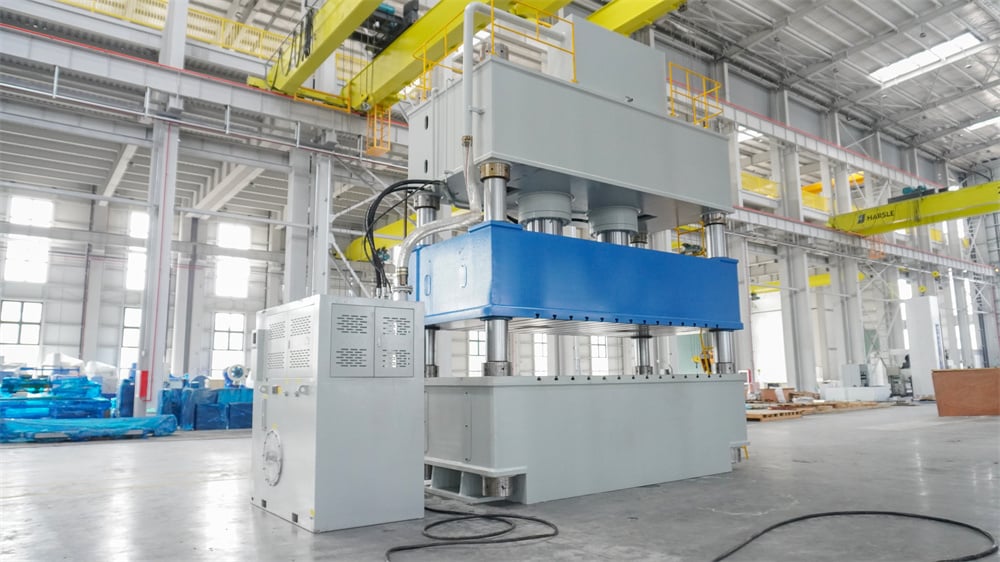
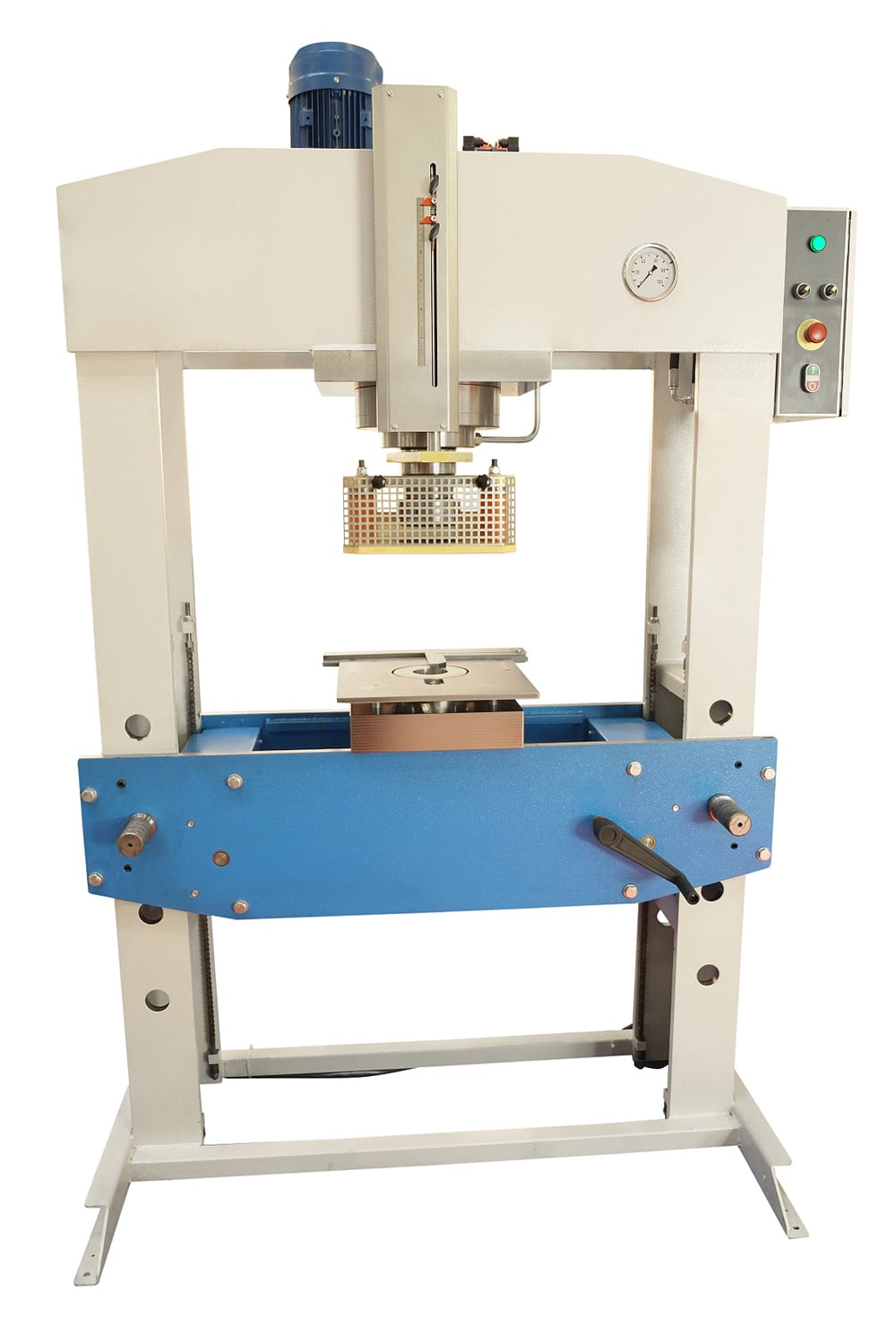
The price of a hydraulic press is primarily dictated by its tonnage, frame type, and level of automation. To understand the market, it is helpful to categorize machines into three broad price tiers. The first tier consists of light-duty workshop presses, typically ranging from 10 to 50 tons. These are often C-frame or simple H-frame designs used for assembly, straightening, or light punching. Prices in this category are relatively low, but these machines lack the precision and duty cycle required for continuous industrial production.
The second tier represents the “sweet spot” for most small to medium-sized fabrication shops. These are industrial-grade machines ranging from 100 to 500 tons. They feature more robust frames, better hydraulic components, and basic PLC controls. In this tier, the Hydraulic Press Price Vs Performance: Choosing Machine Budget becomes critical. You are looking at machines that can handle multi-shift operations and offer repeatable accuracy. Prices here vary significantly based on the quality of the hydraulic valves, the sophistication of the control system, and the inclusion of safety features like light curtains.
The third tier involves heavy-duty, high-tonnage, or specialized presses (1000 tons and above). These machines are often custom-engineered for specific tasks like deep drawing, large-scale automotive stamping, or aerospace component manufacturing. These presses feature advanced CNC controls, servo-driven hydraulics, and integrated material handling systems. While the initial investment is high, the performance metrics—such as cycle time, energy efficiency, and part consistency—are unparalleled. For large-scale manufacturers, the high price is justified by the massive volume of high-quality parts they can produce.
Main Cost Drivers in Hydraulic Press Manufacturing
To make an informed decision on Hydraulic Press Price Vs Performance: Choosing Machine Budget, you must understand what actually drives the cost of the machine. The most obvious driver is tonnage. Higher tonnage requires thicker steel plates for the frame, larger hydraulic cylinders, and more powerful pumps. However, the frame’s construction method also plays a role. A cast-iron frame might be cheaper to produce but less rigid than a precision-welded, stress-relieved steel plate frame. Rigidity is essential for maintaining parallelism between the bolster and the ram, which directly impacts tool life and part accuracy.
The hydraulic system itself is another major cost driver. High-end machines utilize components from reputable brands like Rexroth, Bosch, or Vickers. These components offer better reliability, faster response times, and easier sourcing of spare parts. A cheaper machine might use generic hydraulic valves that are prone to leaking or inconsistent pressure delivery. While the generic components lower the initial price, they often lead to higher long-term costs due to maintenance and scrap rates.
Control systems and electronics also significantly influence the price. A basic manual control system is inexpensive but relies heavily on operator skill. Moving up to a PLC (Programmable Logic Controller) with a touch-screen HMI (Human Machine Interface) increases the price but allows for stored recipes, precise stroke control, and better diagnostic capabilities. The most expensive systems are full CNC controls that can manage multiple axes, integrate with robotic loaders, and provide real-time data monitoring for Industry 4.0 environments.
Configuration Impact: How Features Affect Performance
The configuration of a hydraulic press is where the Hydraulic Press Price Vs Performance: Choosing Machine Budget trade-off becomes most apparent. One of the most significant modern advancements is the introduction of servo-driven hydraulic systems. Traditional presses use a constant-speed motor that runs the pump continuously, even when the press is idle. Servo systems, however, only run the motor at the speed required for the current phase of the cycle. This can reduce energy consumption by up to 70%, reduce noise, and significantly lower the heat generated in the hydraulic oil, which extends the life of seals and components.
Another configuration choice is the type of frame: C-frame (gap frame), H-frame (four-column), or side-frame. C-frames offer excellent access to the work area from three sides, making them ideal for small parts and manual loading. However, they are prone to “yawning” or deflection under high loads. H-frames and four-column presses provide superior rigidity and are better suited for high-precision work and large dies. Choosing the wrong frame type for your application can lead to premature tool wear, which is a hidden cost that far outweighs any initial savings on the machine price.
Speed is also a critical performance factor. A standard hydraulic press might have a slow approach and return speed. Investing in a “high-speed” configuration involves larger pumps and specialized valves that allow the ram to move quickly to the work zone, slow down for the pressing stroke, and then retract rapidly. If your production involves high volumes, the reduced cycle time provided by a high-speed configuration can pay for the additional cost of the machine in just a few months.
Hidden Costs: Beyond the Initial Purchase Price
When calculating the Hydraulic Press Price Vs Performance: Choosing Machine Budget, many buyers overlook the “hidden” costs associated with owning and operating the machine. Shipping and logistics are the first of these. A 500-ton press is a massive piece of equipment that requires specialized transport and heavy-duty cranes for offloading. Depending on your location and the machine’s origin, shipping can add thousands of dollars to the total cost.
Installation and foundation work are also significant. Large hydraulic presses require a reinforced concrete foundation to handle the static weight and the dynamic forces generated during operation. If your shop floor isn’t rated for the load, you may need to excavate and pour a new pad. Furthermore, the machine will need a substantial power supply. Upgrading your facility’s electrical infrastructure to support a large hydraulic motor is a cost that must be factored into the budget from the beginning.
Maintenance and consumables should not be ignored. Hydraulic oil is expensive, and a large press can require hundreds of gallons. High-quality filters, seal kits, and regular professional servicing are necessary to keep the machine running at peak performance. Additionally, consider the cost of training. A sophisticated CNC hydraulic press is only as good as the person operating it. Budgeting for comprehensive operator and maintenance training ensures that you get the most out of your investment and avoid costly mistakes caused by improper use.
ROI Calculation: Justifying the Investment
To truly master Hydraulic Press Price Vs Performance: Choosing Machine Budget, you must perform a Return on Investment (ROI) calculation. This involves comparing the total cost of ownership (TCO) against the projected revenue and savings the machine will generate. Start by estimating the increase in production capacity. If a new, faster press allows you to produce 20% more parts per shift, calculate the additional profit those parts represent over a year.
Next, factor in the reduction in scrap and rework. A more precise machine with better control over pressure and stroke will produce fewer defective parts. If your current scrap rate is 5% and the new machine reduces it to 1%, the savings in material and labor can be substantial. Energy savings are another major component, especially if you opt for a servo-driven system. In regions with high electricity costs, the energy savings alone can often justify the higher price of a servo press over a five-year period.
Finally, consider the impact on tool life. A rigid frame with precise parallelism ensures that your expensive dies wear evenly and last longer. Frequent tool regrinding and replacement are significant expenses in metal fabrication. By investing in a higher-performance machine that protects your tooling, you are effectively lowering your long-term operational costs. When all these factors are combined, it often becomes clear that a higher-priced, higher-performance machine has a much shorter payback period than a cheaper, less efficient alternative.
Buying Advice: How to Choose the Right Machine
When it comes to Hydraulic Press Price Vs Performance: Choosing Machine Budget, our best advice is to start with your application, not your budget. Define the maximum tonnage you will need, the largest die size you will use, and the required precision for your most demanding parts. Once you have these technical requirements, you can begin looking at machines that meet them. Never buy a machine that is “just enough” for your current needs; always allow for a 20-30% buffer in tonnage and capacity to accommodate future growth and heavier jobs.
Research the manufacturer’s reputation for service and support. A cheap machine from a company with no local service technicians or spare parts inventory is a liability. At HARSLE, we pride ourselves on providing not just the machine, but the technical support and expertise needed to keep it running. Ask for references and, if possible, visit a facility that is already using the model you are considering. Seeing the machine in a real-world production environment is the best way to gauge its true performance.
Lastly, consider the resale value. High-quality machines from reputable brands hold their value much better than generic alternatives. If your business needs change in five or ten years, a well-maintained HARSLE press will still be a valuable asset on the used equipment market. This residual value is a crucial part of the Hydraulic Press Price Vs Performance: Choosing Machine Budget equation that is often forgotten during the initial purchase phase.
Frequently Asked Questions (FAQ)
1. Is a servo-driven hydraulic press worth the extra cost?
For most high-volume or precision applications, yes. The energy savings, reduced noise, and improved control over the pressing cycle usually result in a quick ROI. However, for occasional use or simple assembly tasks, a standard motor may be more cost-effective.
2. How do I determine the tonnage I need?
Tonnage is calculated based on the material type, thickness, and the length of the cut or the area of the form. It is always recommended to consult with a professional engineer or the machine manufacturer to ensure you select a press with adequate capacity for your specific dies.
3. What is the difference between a 4-column press and a C-frame press?
A C-frame press offers better accessibility but is prone to minor frame deflection under high loads. A 4-column (H-frame) press is much more rigid and provides better parallelism, making it the preferred choice for high-precision and high-tonnage applications.
4. How often does a hydraulic press need maintenance?
Daily checks of oil levels and safety systems are essential. A more thorough inspection, including oil filtration and seal checks, should be performed every 2,000 operating hours or at least once a year. Proper maintenance is key to protecting your investment.
5. Can I upgrade an older hydraulic press with new controls?
Yes, retrofitting is possible and can be a cost-effective way to improve performance. However, you must evaluate if the mechanical condition of the frame and cylinders justifies the investment in new electronics and hydraulics.
6. What are the most important safety features to look for?
At a minimum, a modern hydraulic press should have dual palm button controls (two-hand start), emergency stop buttons, and light curtains or physical guarding to prevent access to the pinch point during operation. Safety should never be sacrificed for a lower price.