Punching Machine Not Punching Properly: Common Causes and Quick Fixes


Introduction to Punching Machine Performance Issues
In the fast-paced world of metal fabrication, the punching machine is a cornerstone of productivity. Whether you are using a high-speed CNC turret punch or a traditional mechanical power press, these machines are designed to deliver precision and force consistently. However, even the most robust equipment from industry leaders like HARSLE can encounter operational hurdles. When a Punching Machine Not Punching Properly: Common Causes Quick Fixes becomes the focus of your workday, it often signals a disruption in the delicate balance between mechanical force, tooling precision, and material properties.
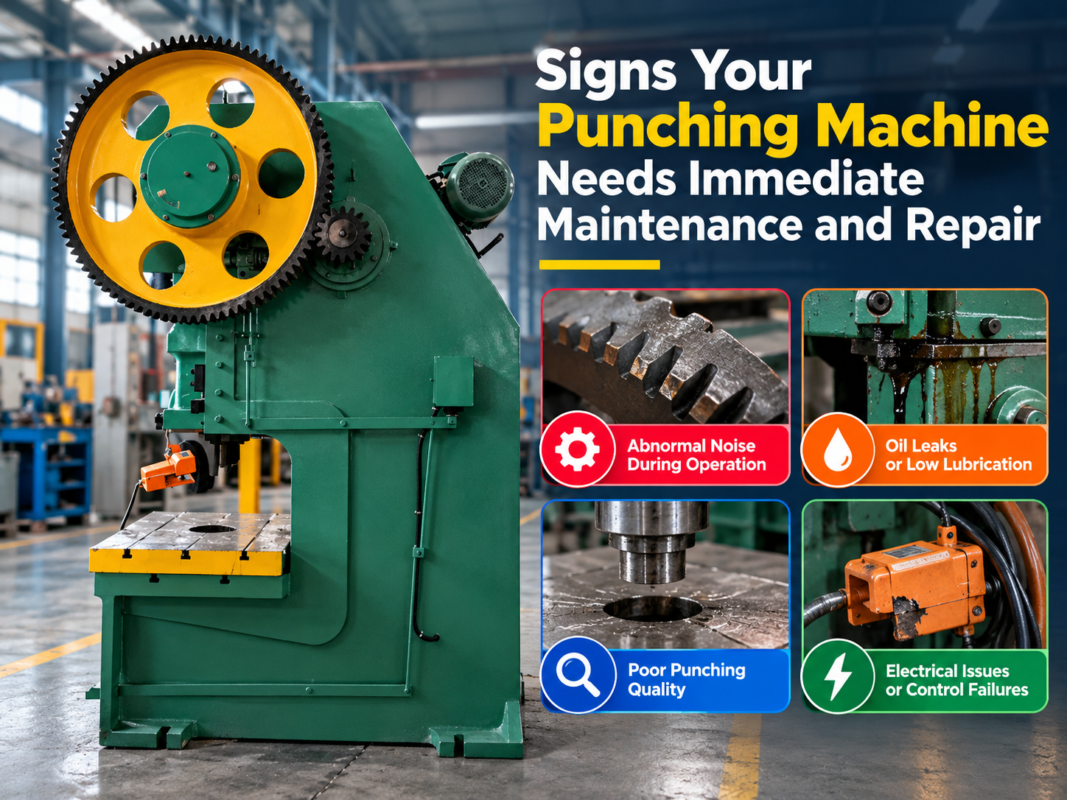
A machine that fails to punch properly doesn’t just slow down production; it can lead to wasted raw materials, damaged tooling, and potential safety hazards for operators. The symptoms can range from incomplete holes and excessive burrs to the machine stalling mid-stroke or producing loud, unusual noises. Understanding the root causes of these issues is essential for any shop manager or technician aiming to minimize downtime and maintain high-quality output. This guide provides a comprehensive deep dive into why these failures occur and how to address them efficiently.
At HARSLE, we understand that industrial machinery is a significant investment. Maintaining that investment requires a proactive approach to troubleshooting. By identifying whether the problem lies in the hydraulic system, the electrical controls, the tooling, or the material itself, you can apply the correct fix without unnecessary trial and error. In the following sections, we will explore the technical nuances of punching machine failures and provide actionable advice to get your production line back on track.
Key Considerations Before Troubleshooting
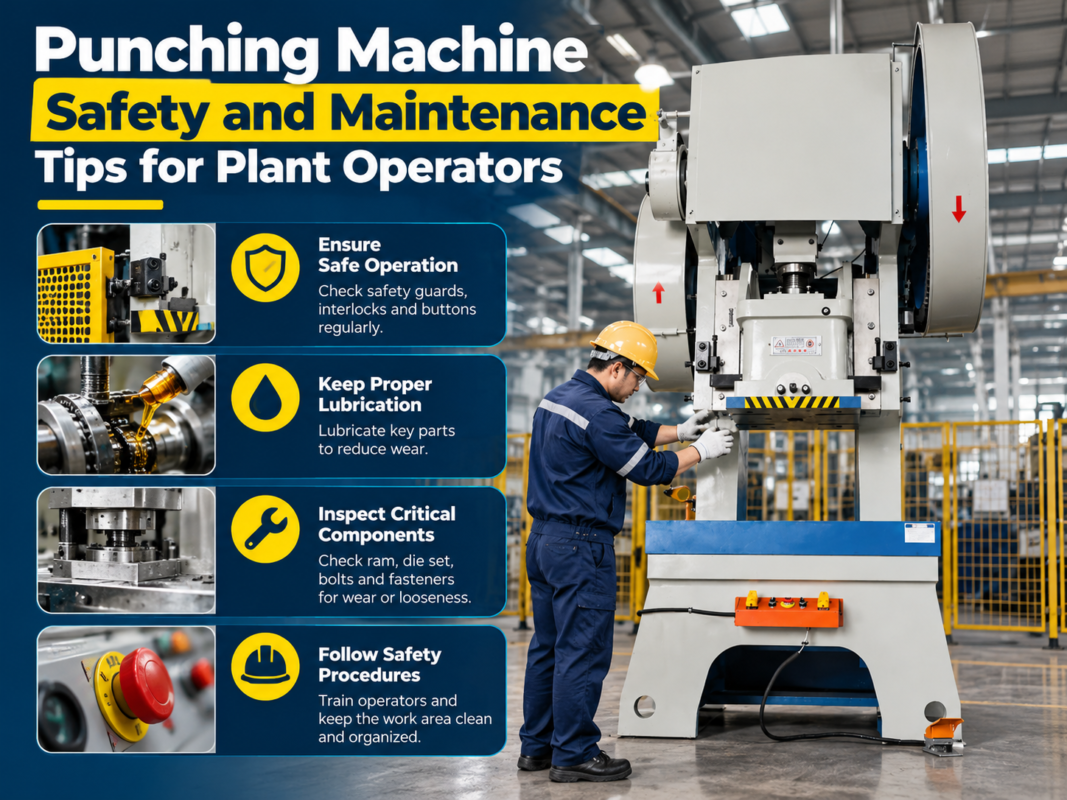
Before diving into the mechanical or electrical specifics, it is crucial to establish a baseline for safety and operational standards. Troubleshooting a punching machine involves high-pressure systems and heavy moving parts. Always ensure that the machine is properly locked out and tagged out (LOTO) before performing any physical inspections or repairs. Safety is the first and most important consideration in any industrial environment.
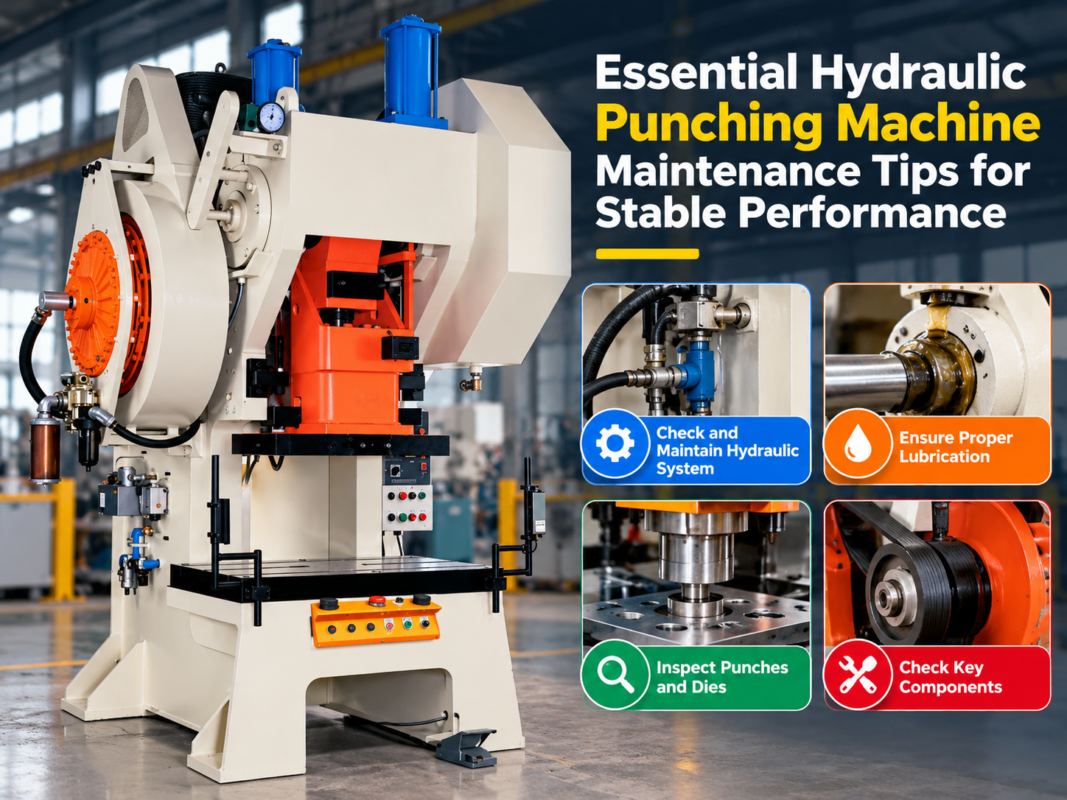
Another key consideration is the distinction between the types of punching machines. A hydraulic punching machine relies on fluid dynamics and valve timing, whereas a mechanical punching machine utilizes a flywheel, clutch, and crankshaft mechanism. The “Quick Fixes” for a hydraulic unit may involve bleeding air from lines or checking solenoid valves, while a mechanical unit might require adjusting the brake tension or inspecting the pitman screw. Knowing the fundamental drive mechanism of your HARSLE machine is the first step in narrowing down the cause of the malfunction.
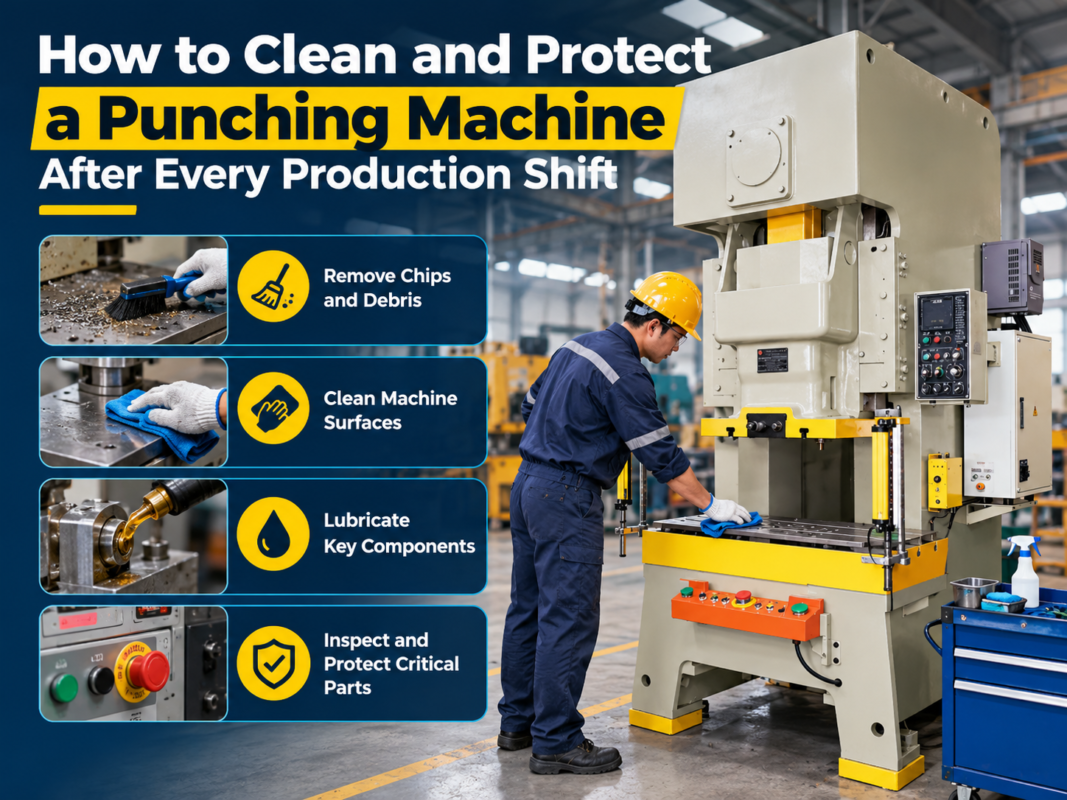
Environmental factors also play a significant role. Is the machine operating in an exceptionally cold or hot environment? Temperature fluctuations can affect the viscosity of hydraulic oil, causing the machine to act sluggishly or fail to reach full tonnage. Similarly, dust and metal shavings can accumulate in sensitive areas like the limit switches or the lubrication channels, leading to intermittent failures. A clean and climate-controlled environment is often the unsung hero of machine longevity.
Finally, consider the material being processed. If the machine was punching 2mm mild steel perfectly but struggles with 4mm stainless steel, the issue might not be a fault in the machine but rather an application error. Exceeding the rated capacity of the machine or using the wrong die clearance for a specific material thickness are common reasons why a machine might appear to be “not punching properly.” Always cross-reference your material specs with the machine’s tonnage chart.
Technical Details: Common Causes and Quick Fixes
1. Tooling Wear and Improper Die Clearance
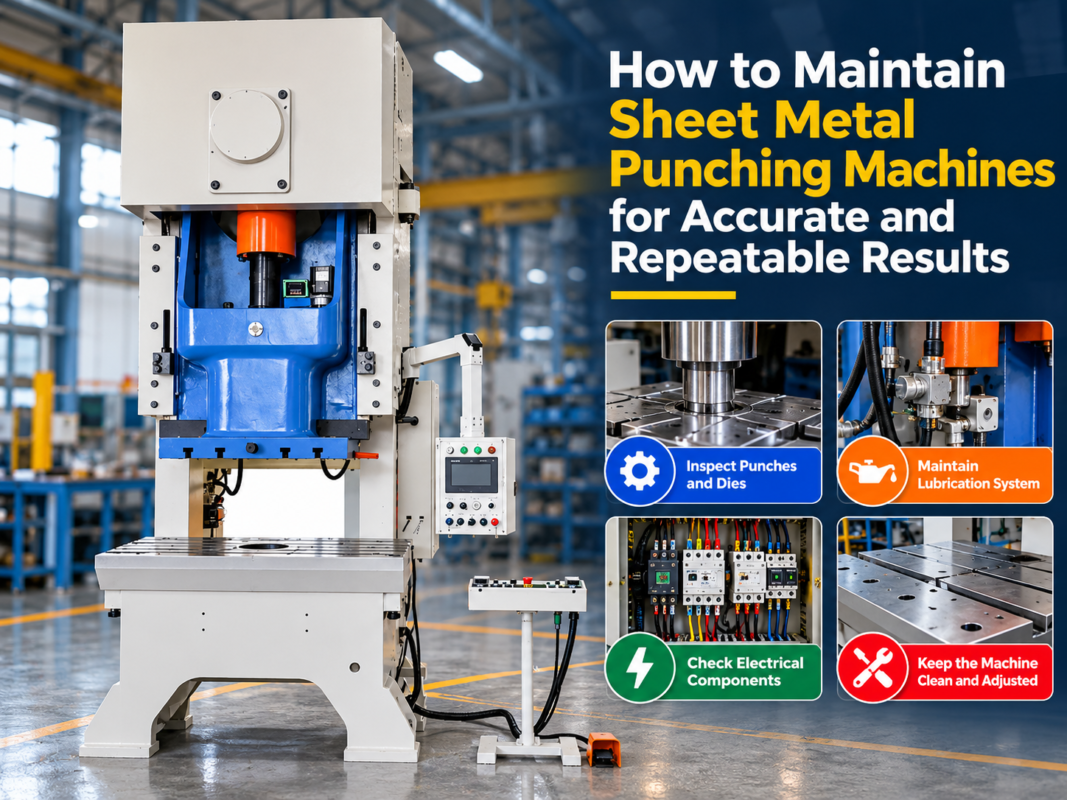
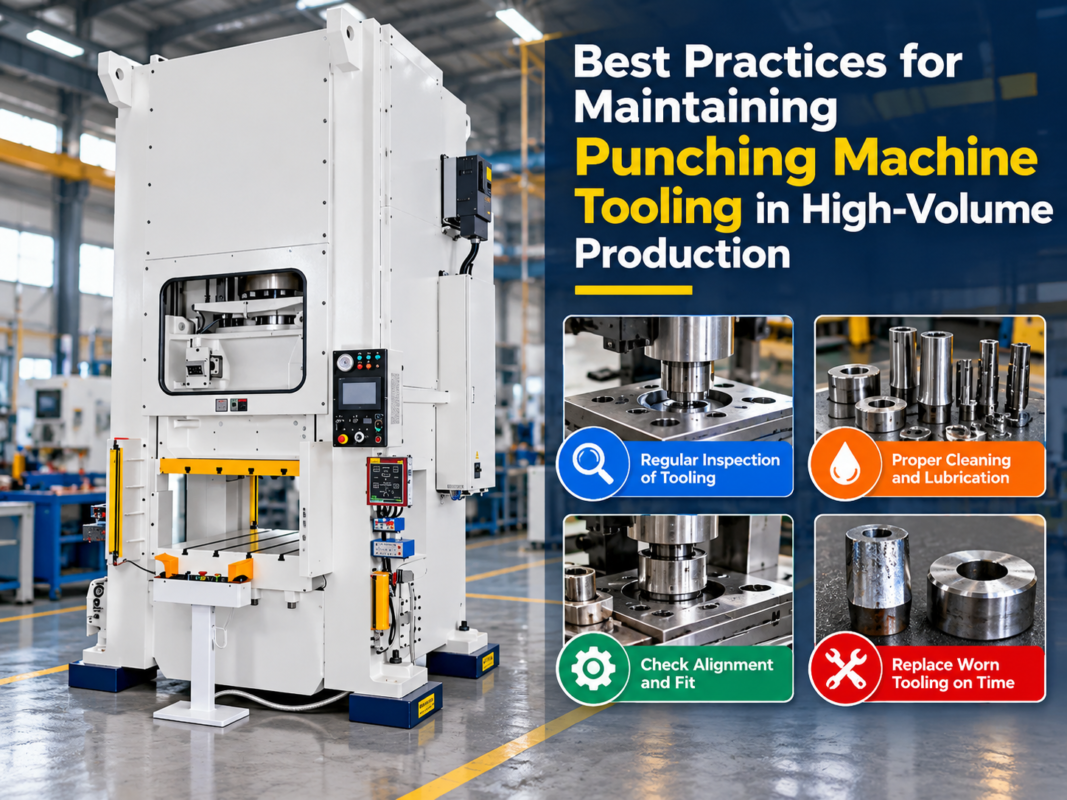
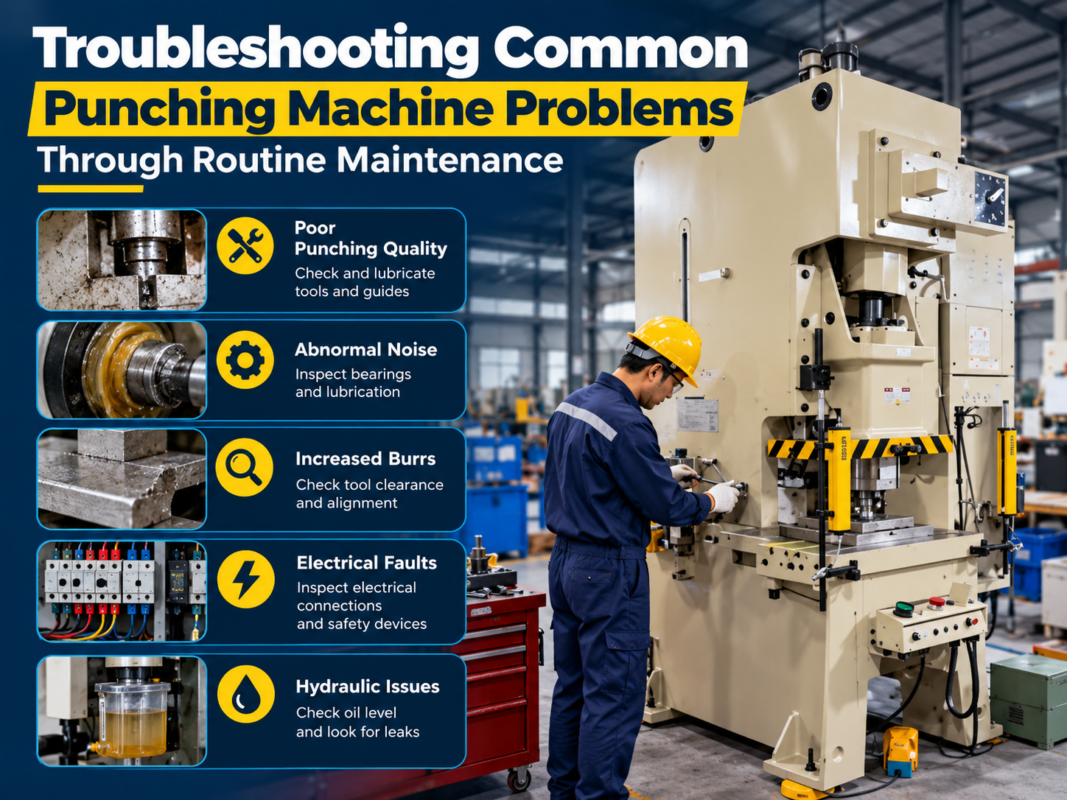
The most frequent cause of poor punching quality is the condition of the punch and die. Over time, the sharp edges of the tooling become rounded. This dullness increases the required force to penetrate the metal, leading to “slug pulling,” excessive burrs, and even machine stalling. If the edges of the hole look torn rather than sheared, your tooling likely needs sharpening or replacement.
Die clearance—the space between the punch and the die—is equally critical. If the clearance is too tight, it puts immense strain on the machine and the tool, leading to premature wear. If it is too loose, the material will be drawn into the die, resulting in a large burr and a deformed hole. The general rule of thumb is a total clearance of 15% to 20% of the material thickness, though this varies by material type. Checking and adjusting the die clearance is a primary “Quick Fix” for many punching issues.
2. Hydraulic System Failures
For hydraulic punching machines, the fluid system is the lifeblood of the operation. If the machine is not punching with enough force, the first place to look is the hydraulic pressure gauge. Low pressure can be caused by a failing pump, a leaking seal, or a malfunctioning relief valve. If the pressure is fluctuating, there may be air trapped in the hydraulic lines, which requires bleeding the system.
Contaminated oil is another silent killer. Microscopic metal particles or moisture in the oil can damage the precision-machined surfaces of the valves. If the oil appears milky or dark, it needs to be changed immediately, and the filters should be replaced. A quick fix for sluggish performance is often as simple as checking the oil level and ensuring the cooling system is functioning to prevent the oil from thinning out due to overheating.
3. Mechanical Misalignment and Lubrication
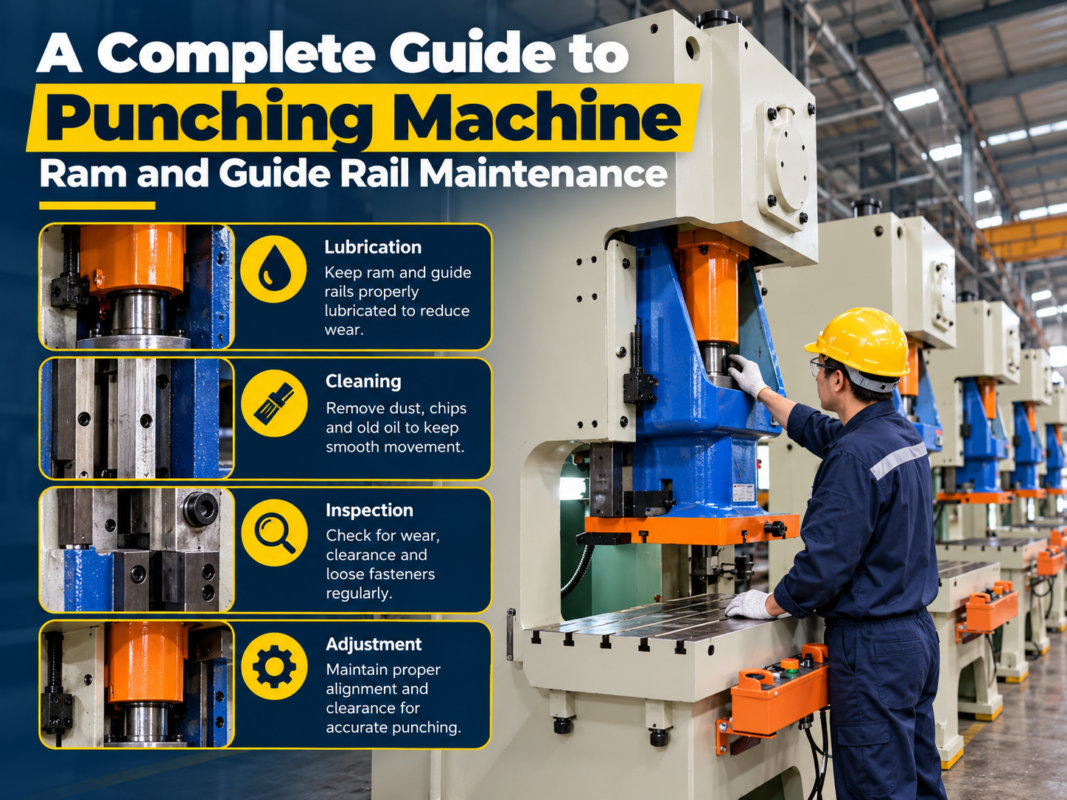
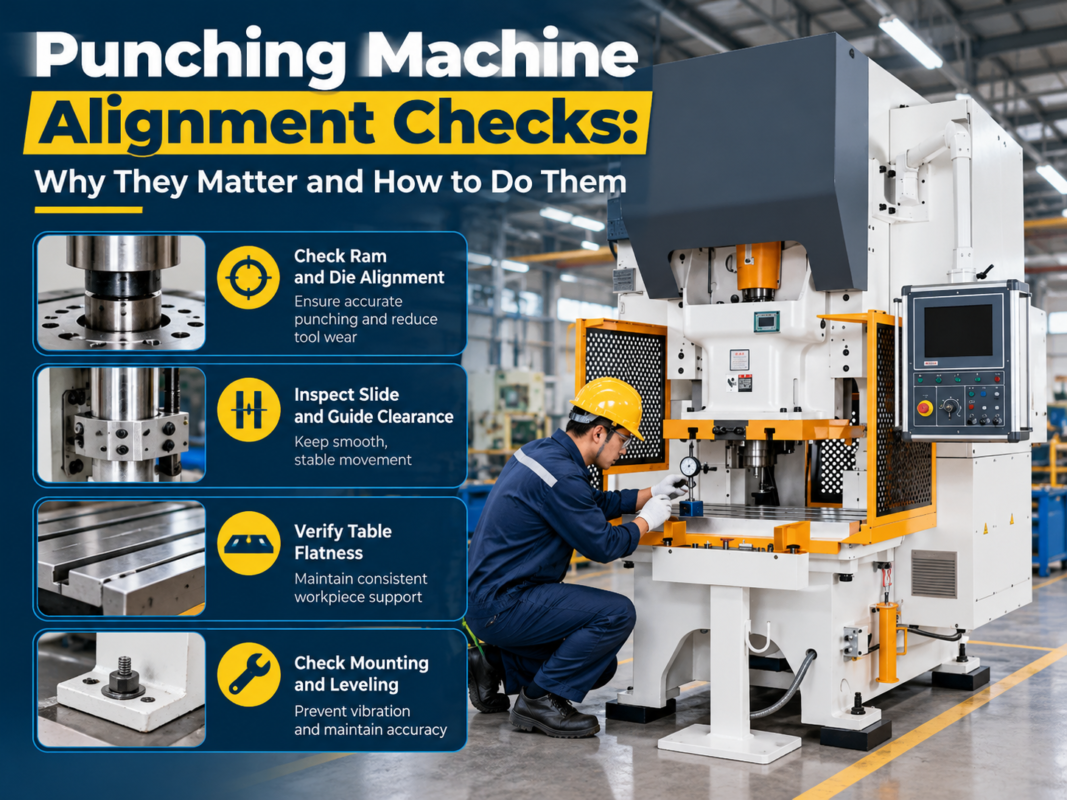
In mechanical presses, the alignment of the ram and the bolster plate is paramount. If the ram is not perfectly perpendicular to the bed, the punch will enter the die at an angle. This not only produces poor quality holes but can also shatter the tooling. Regularly checking the gibs (the guides that the ram slides on) for wear and ensuring they are properly adjusted can prevent this. If you notice the machine “shuddering” during the stroke, misalignment or loose gibs are likely culprits.
Lubrication is the simplest yet most overlooked maintenance task. A punching machine has numerous high-friction points. If the automatic lubrication system fails or if manual grease points are ignored, the friction can become so great that the motor cannot overcome it, causing the machine to stop. Ensure that the lubricant is reaching all intended areas and that you are using the grade of oil or grease recommended by HARSLE.
4. Electrical and Sensor Issues
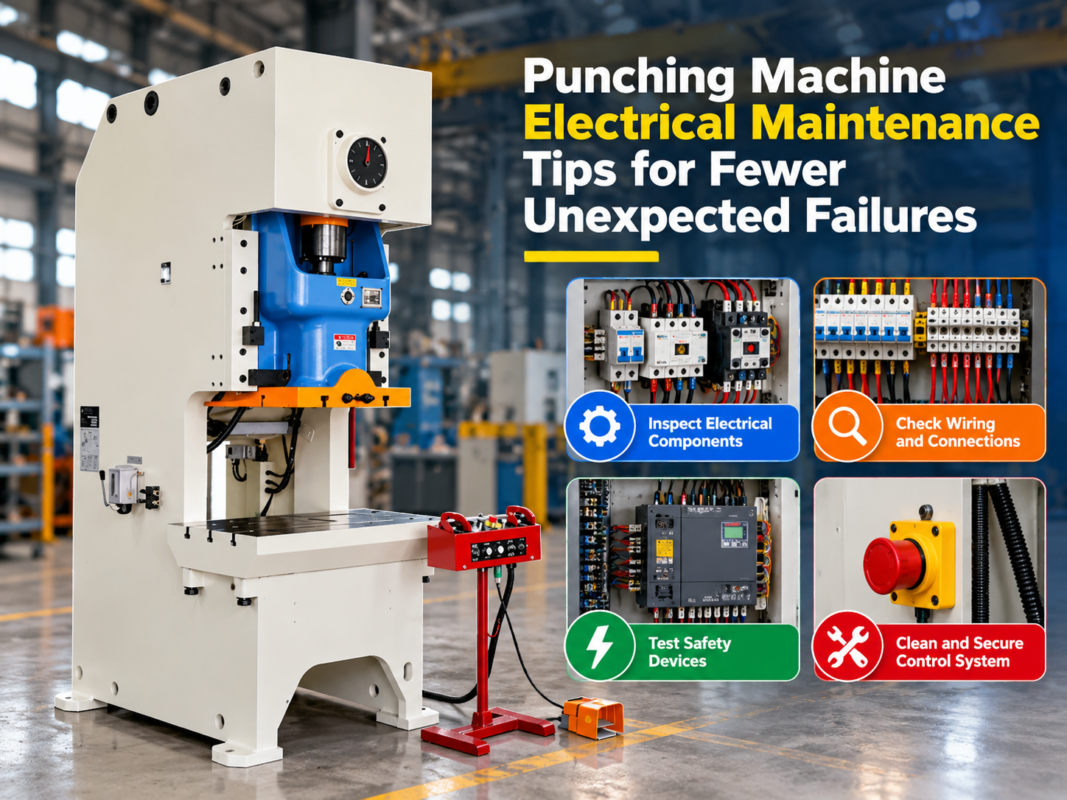
Modern punching machines are controlled by sophisticated electronics. If the machine refuses to initiate a stroke, it might be due to a faulty limit switch or a safety sensor. For example, if the light curtain is misaligned or the “home position” sensor is dirty, the PLC (Programmable Logic Controller) will prevent the machine from firing as a safety precaution. Cleaning the sensors and checking the wiring for loose connections can often resolve what appears to be a major mechanical failure.
CNC-specific issues might involve the software parameters. If the stroke depth is set incorrectly in the controller, the punch may not travel far enough to penetrate the material fully. Re-calibrating the Z-axis or checking the tool offset values in the CNC interface is a quick software fix that can restore proper operation without touching a wrench.
Selection Advice: Choosing the Right Machine to Minimize Issues
When purchasing a new punching machine, selecting a model that matches your specific production needs is the best way to avoid future “not punching properly” scenarios. At HARSLE, we recommend evaluating the following criteria before making a selection:
- Tonnage Capacity: Always choose a machine with a capacity at least 20-30% higher than your maximum calculated requirement. Operating a machine at its absolute limit consistently will lead to faster wear and more frequent breakdowns.
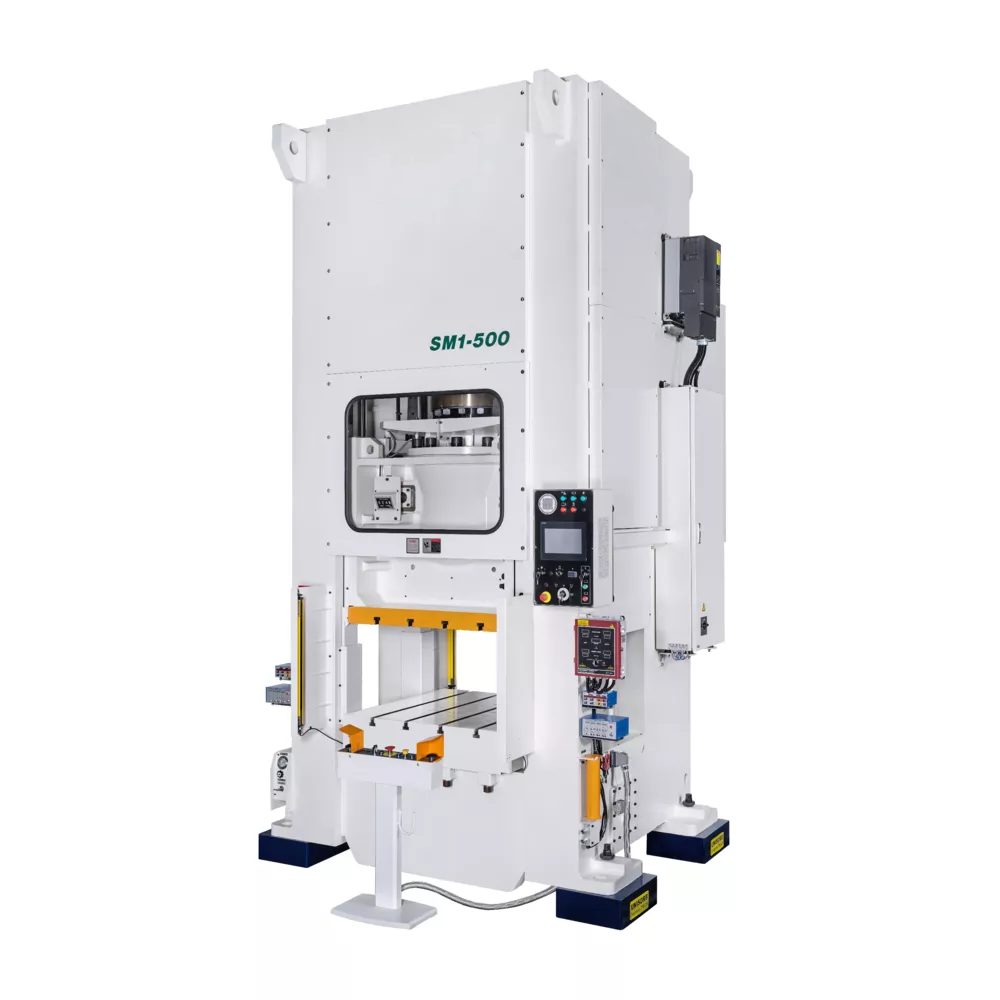
- Frame Rigidity: A “C-frame” press is excellent for accessibility, but for high-precision or heavy-duty punching, an “H-frame” or “Gantry” style provides superior rigidity, reducing frame deflection that causes misalignment.
- Control Systems: Look for machines with intuitive CNC interfaces and robust diagnostic tools. Systems that provide real-time feedback on pressure, temperature, and error codes make troubleshooting much faster.
- Brand Reputation and Support: Choosing a reputable manufacturer like HARSLE ensures that you have access to high-quality spare parts and technical expertise when issues do arise.
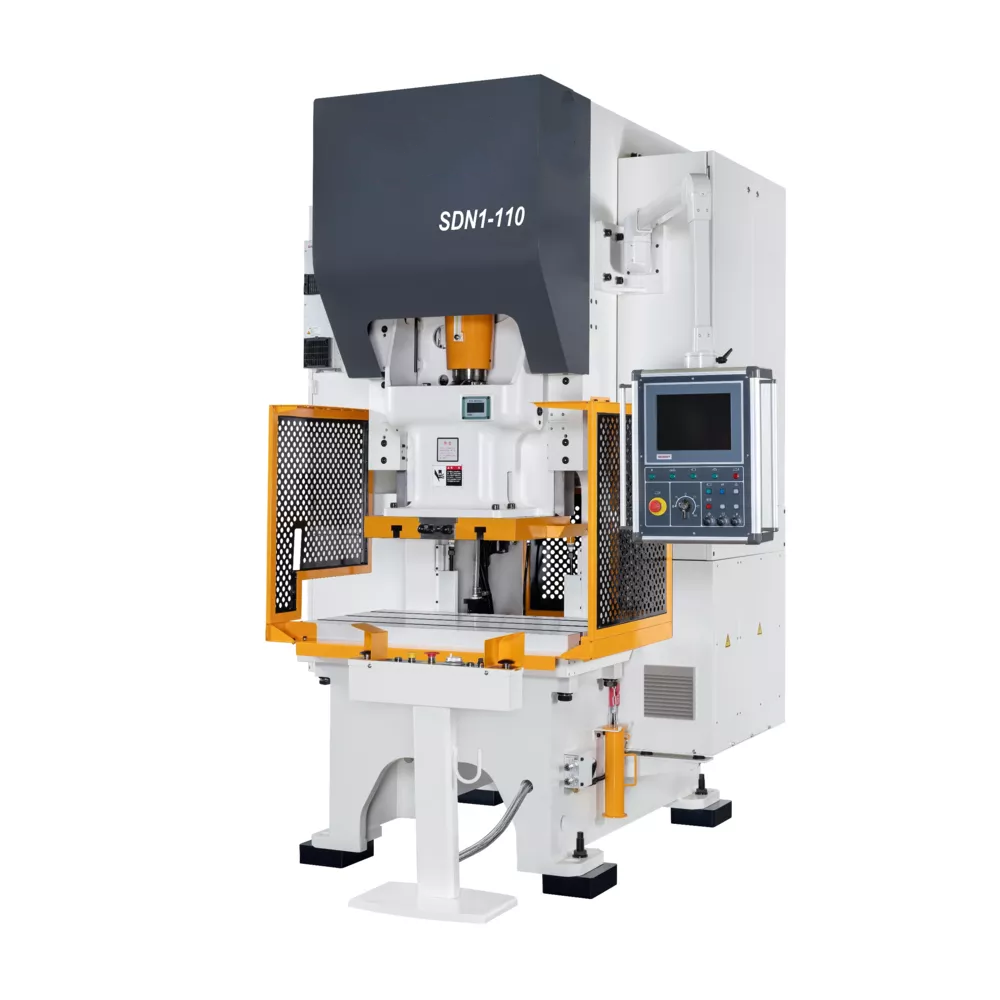
Furthermore, consider the ease of tool changes. Machines equipped with quick-change tooling systems encourage operators to swap out dull tools more frequently, as it takes less effort. This proactive behavior significantly reduces the likelihood of the machine “not punching properly” due to neglected maintenance. Investing in a machine with a reliable automatic lubrication system also removes the human error factor from one of the most critical maintenance tasks.
Maintenance Checklist for Peak Performance
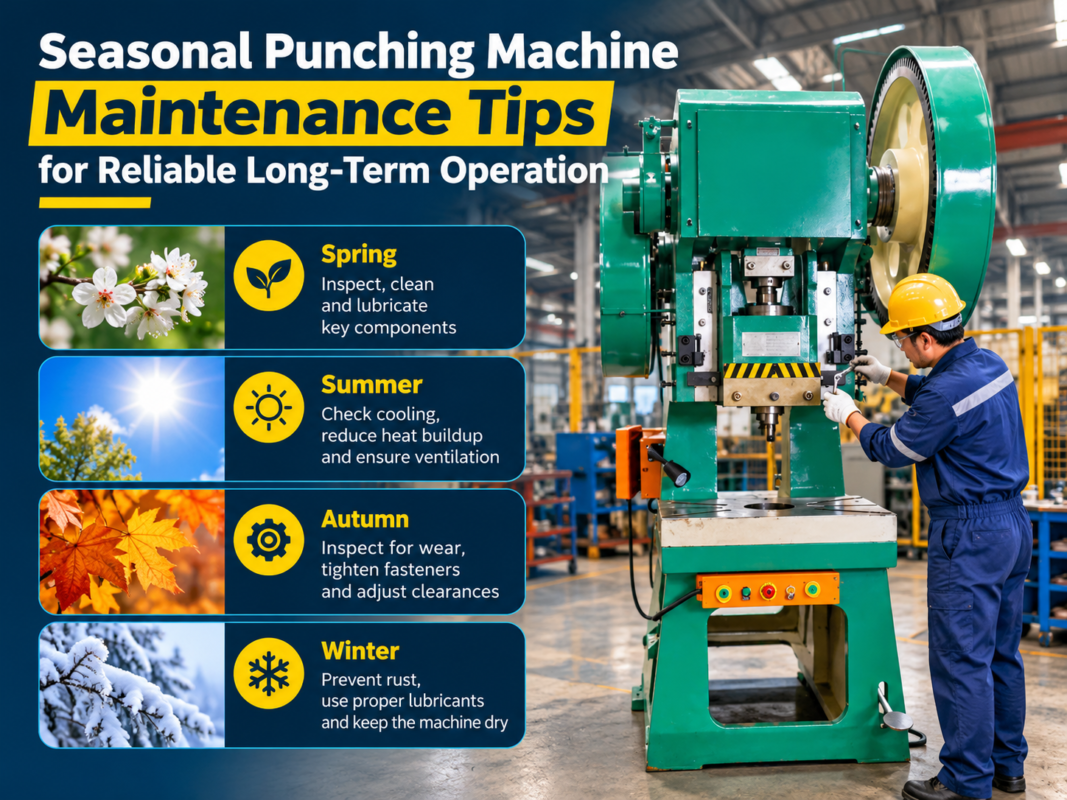
To prevent the need for “Quick Fixes,” a structured maintenance schedule is essential. Use the following checklist as a guide for your HARSLE punching machine:
| Frequency | Task | Benefit |
|---|---|---|
| Daily | Check oil levels and lubrication reservoirs | Prevents friction-related wear and overheating. |
| Daily | Inspect tooling for chips or dullness | Ensures clean cuts and protects the machine frame. |
| Weekly | Clean sensors and limit switches | Prevents intermittent electrical stops and safety errors. |
| Monthly | Check and tighten all bolts and fasteners | Maintains structural integrity and alignment. |
| Quarterly | Inspect hydraulic hoses and fittings for leaks | Prevents pressure loss and environmental hazards. |
| Bi-Annually | Calibrate the ram and bed alignment | Ensures long-term precision and tool life. |
Frequently Asked Questions (FAQ)
Why is my punching machine leaving a large burr on the bottom of the hole?
A large burr is typically caused by excessive die clearance or dull tooling. When the gap between the punch and die is too large, the material is stretched and pushed into the die rather than being cleanly sheared. Check your die clearance against the material thickness and sharpen your tools.
The machine makes a loud ‘bang’ but doesn’t punch through. What’s wrong?
This often indicates that the machine is hitting its tonnage limit or there is a mechanical obstruction. It could also be a sign of “bottoming out” if the stroke depth is set too low. Verify the material thickness and the machine’s rated capacity. If it’s a mechanical press, check the clutch and brake adjustment.
How often should I sharpen my punching tools?
There is no fixed timeframe, as it depends on the material being punched. However, a good rule is to inspect tools every 10,000 to 50,000 hits. If you notice a 10% increase in the burr height or if the machine requires more pressure than usual, it is time to sharpen the tools.
Can I use the same die for different thicknesses of metal?
Technically yes, but it is not recommended for high-quality results. Using a die with clearance meant for 6mm steel on 1mm steel will result in terrible burrs. Conversely, using a 1mm clearance die on 6mm steel can break the punch or damage the machine. Always use the correct die for the specific thickness.
Why does my hydraulic punching machine lose power after running for a few hours?
This is usually due to the hydraulic oil overheating. As oil heats up, its viscosity decreases (it becomes thinner), which can lead to internal leakage in the pump or valves, reducing the effective pressure. Check your oil cooling system and ensure the heat exchanger is clean.
Conclusion
Dealing with a Punching Machine Not Punching Properly: Common Causes Quick Fixes is a challenge that every metal fabricator will face at some point. However, by understanding the interplay between tooling, hydraulics, mechanics, and electronics, you can transform these challenges into routine maintenance tasks rather than production-stopping crises. Most issues can be traced back to simple factors like dull dies, incorrect clearances, or neglected lubrication.
By choosing high-quality machinery from HARSLE and adhering to a strict preventive maintenance schedule, you can significantly reduce the frequency of these problems. Remember that a punching machine is a precision instrument that requires respect and care. When you take care of your machine, it takes care of your production goals, delivering the accuracy and speed your customers demand. For more technical guides or to explore our range of high-performance punching solutions, stay tuned to our latest industrial machinery articles.