Essential Shearing Machine Safety Checks Before and After Operation: A Comprehensive Guide


The Critical Importance of Shearing Machine Maintenance
In the high-stakes environment of metal fabrication, the shearing machine stands as a cornerstone of production. Whether you are using a hydraulic swing beam shear or a guillotine shearing machine, the precision and power involved necessitate a rigorous safety and maintenance protocol. Implementing Essential Shearing Machine Safety Checks Before After Operation is not merely a recommendation; it is a fundamental requirement for ensuring operator safety, maintaining cut quality, and extending the lifespan of your HARSLE equipment.
Regular maintenance serves as the first line of defense against mechanical failure. A shearing machine operates under immense pressure, often processing heavy-duty steel plates hour after hour. Without consistent checks, small issues like a loose bolt or a minor hydraulic leak can quickly escalate into catastrophic failures. This not only leads to expensive repairs and significant downtime but also poses a severe risk to the personnel operating the machinery. By prioritizing safety checks, companies can foster a culture of responsibility and technical excellence.
Furthermore, the precision of a shearing machine is directly tied to its mechanical integrity. A well-maintained machine ensures that the blade gap remains consistent, the backgauge stays calibrated, and the hydraulic pressure is stable. This results in clean, burr-free cuts that meet strict industrial tolerances. For manufacturers looking to optimize their ROI, the correlation between maintenance and machine longevity is undeniable. A HARSLE shearing machine, when cared for through systematic safety checks, can provide decades of reliable service.
Finally, compliance with international safety standards such as CE or OSHA requires documented proof of regular inspections. Keeping a detailed log of these checks protects the business legally and operationally. In the following sections, we will break down the specific steps required to keep your shearing machine in peak condition, focusing on the pre-operation and post-operation phases that define a successful production cycle.
Daily Inspection: Pre-Operation Safety Protocols
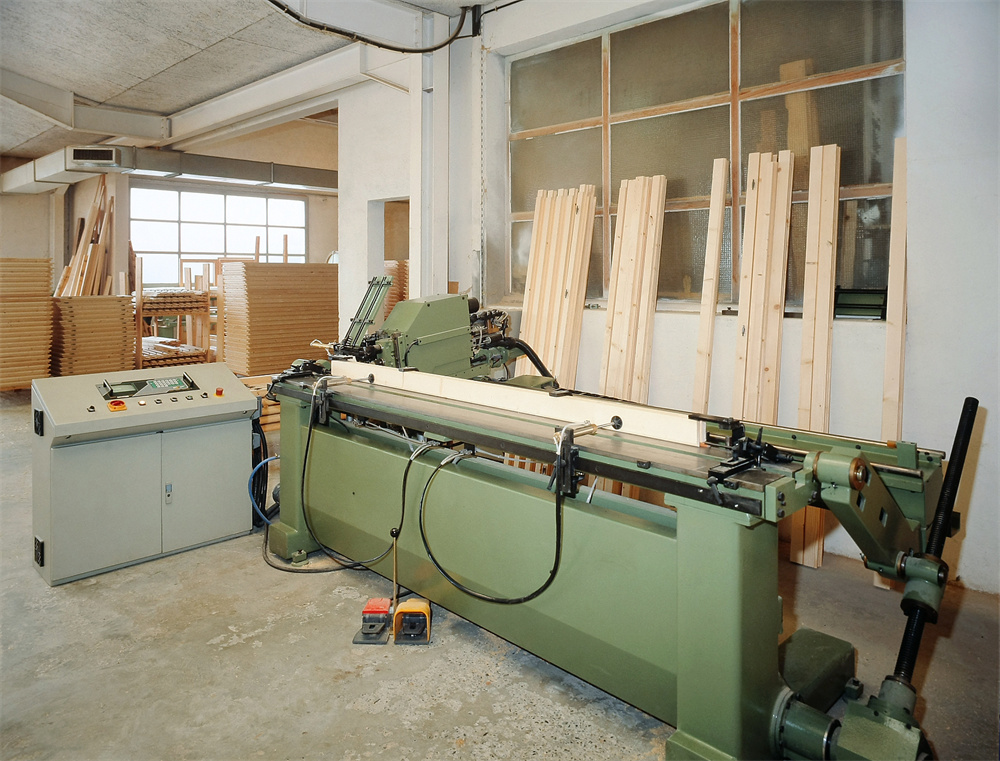
Before the first cut of the day is made, a comprehensive visual and functional inspection must be performed. This phase of the Essential Shearing Machine Safety Checks Before After Operation ensures that the machine is in a safe state to be powered on and that no external factors will interfere with its movement. The operator should begin by clearing the work area of any debris, offcuts, or tools that might have been left behind from the previous shift.
The first step is a visual inspection of the blades. Check for any visible chips, cracks, or excessive wear on both the upper and lower blades. Even a small nick in the blade can cause uneven stress distribution during the shearing process, potentially leading to a blade fracture. Ensure that the blade bolts are tightened to the manufacturer’s specifications. A loose blade is one of the most dangerous conditions in a metal fabrication shop.
Next, examine the worktable and the hold-down cylinders. The hold-downs are responsible for securing the metal sheet before the shearing action begins. If these cylinders are leaking or if the padding is worn out, the material may shift during the cut, leading to inaccurate dimensions and potential kickback. Verify that the finger guards are in place and securely fastened. These guards are designed to prevent the operator’s hands from entering the point of operation while the machine is active.
Finally, check the surrounding environment. Ensure there are no oil spills on the floor which could cause a slip hazard. Verify that the lighting is sufficient for the operator to see the cutting line and the backgauge display clearly. Once the physical environment and the machine’s exterior are cleared, the operator can proceed to the electrical and hydraulic system checks.
Hydraulic System Checks: Ensuring Power and Stability
The hydraulic system is the heart of a HARSLE shearing machine. It provides the force necessary to shear through thick metal plates with ease. Therefore, checking the hydraulic components is a vital part of the Essential Shearing Machine Safety Checks Before After Operation. Start by checking the oil level in the reservoir. The oil should be at the recommended level indicated on the sight glass. Low oil levels can lead to aeration, which causes jerky movements and can damage the hydraulic pump.
Inspect all hydraulic hoses and connections for signs of leakage or weeping. High-pressure hydraulic fluid can be extremely dangerous; a pinhole leak can inject fluid directly under the skin, causing serious injury. If any hose shows signs of fraying, cracking, or bulging, it must be replaced immediately before the machine is operated. Additionally, check the temperature of the hydraulic oil after the machine has been running for a short period. Excessive heat often indicates a clogged filter or a failing pump.
The nitrogen return cylinder (in swing beam models) also requires attention. Ensure that the nitrogen pressure is within the specified range. This cylinder is responsible for returning the upper beam to its starting position after a cut. If the pressure is too low, the beam may return slowly or not at all, disrupting the production cycle. Conversely, if the pressure is too high, it can put unnecessary strain on the hydraulic seals.
Lastly, listen for unusual noises coming from the pump or the valve manifold. A high-pitched whining sound often suggests cavitation, while a knocking sound might indicate air in the system or mechanical wear. Addressing these hydraulic issues during the pre-operation check prevents them from becoming major failures during a production run.
Electrical and Control System Inspections
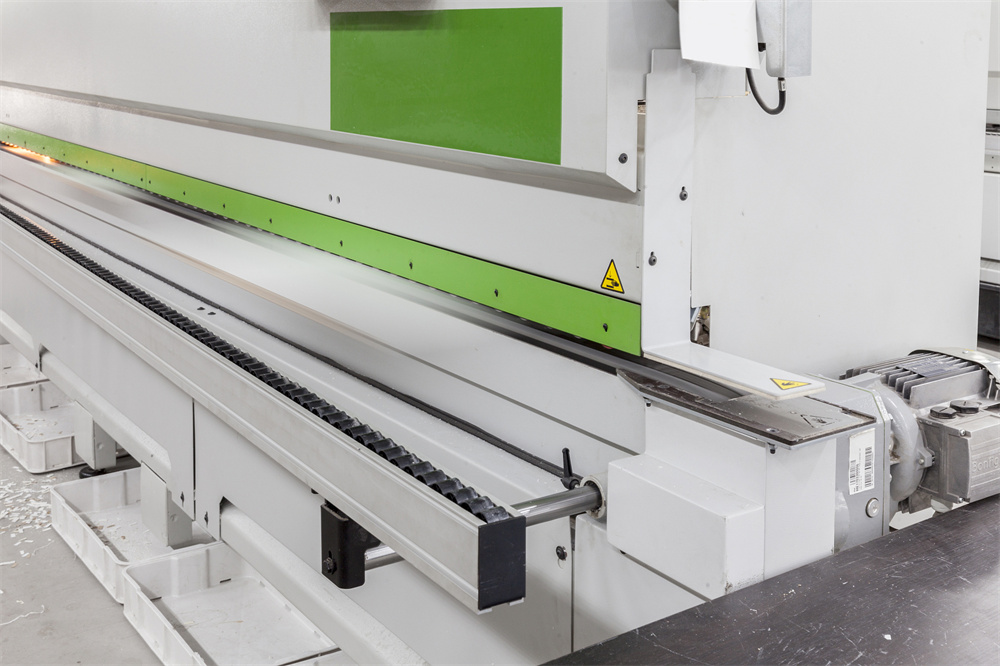
Modern shearing machines are equipped with sophisticated electrical systems and CNC controllers. Ensuring these systems are functioning correctly is paramount for both safety and accuracy. Begin by testing the Emergency Stop (E-Stop) buttons. Every E-Stop on the machine—usually located on the main control panel and the foot pedal—must be tested to ensure it immediately halts all machine movement. This is the most critical safety feature on the machine.
Check the control panel for any error codes or warning lights. If the machine uses a CNC system like the Delem or Cybelec, verify that the software loads correctly and that the backgauge responds accurately to manual commands. Move the backgauge through its full range of travel to ensure there are no obstructions or grinding noises. The limit switches, which prevent the backgauge or the beam from over-traveling, should also be checked for proper engagement.
Inspect the electrical cabinet for signs of dust accumulation or overheating. In industrial environments, metallic dust can settle on electrical components, leading to short circuits. Ensure that the cooling fans for the electrical cabinet are operational. Furthermore, check the foot pedal and its protective cover. The cover is essential to prevent accidental activation of the machine if something falls on the pedal.
Wiring should be inspected for any signs of wear or damage caused by vibration or contact with sharp metal edges. Secure any loose wires and ensure that all grounding connections are tight. A stable electrical supply is necessary for the consistent operation of the solenoid valves that control the hydraulic flow. Any fluctuation in power can lead to inconsistent cutting speeds or unexpected machine behavior.
Mechanical Integrity and Blade Gap Adjustment
The mechanical structure of the shearing machine must be rigid and well-aligned. During the Essential Shearing Machine Safety Checks Before After Operation, pay close attention to the blade gap adjustment mechanism. The gap between the upper and lower blades must be set according to the thickness and type of material being cut. If the gap is too wide, the metal will bend rather than shear; if it is too tight, you risk damaging the blades and the machine frame.
For machines with manual blade gap adjustment, ensure the handle moves smoothly and the scale is legible. For CNC-controlled machines, verify that the motorized adjustment is reaching the programmed position. Check the parallelism of the blades. If the blades are not parallel, the cut will be tapered, and the stress on the machine will be unevenly distributed. This can be checked using feeler gauges at multiple points along the length of the blade.
Examine the main pivot points and bearings. In swing beam shears, the upper beam pivots on large bearings that must be kept in excellent condition. Any play or looseness in these bearings will result in poor cut quality and increased vibration. Check the tightness of the foundation bolts as well. A shearing machine generates significant force, and if it is not securely anchored to the floor, it can shift over time, leading to misalignment.
Finally, inspect the backgauge assembly. The lead screws and linear guides should be clean and lightly lubricated. Any buildup of metal dust or old grease can cause the backgauge to bind, leading to inaccuracies in the cut length. Ensure that the backgauge fingers are straight and that the flip-up function (if equipped) works correctly for shearing long plates.
Comprehensive Lubrication Plan
Lubrication is the lifeblood of mechanical longevity. A shearing machine has numerous moving parts that operate under high loads, making a consistent lubrication plan a core component of Essential Shearing Machine Safety Checks Before After Operation. Most HARSLE machines feature either a centralized manual lubrication pump or an automatic system. Regardless of the type, the operator must ensure that the lubricant reaches all critical points.
Key areas requiring lubrication include the slide ways of the upper beam, the backgauge lead screws, the pivot bearings, and the adjustment mechanisms. Use only the lubricants recommended by the manufacturer. Using the wrong grade of grease or oil can lead to gumming or insufficient film strength, both of which accelerate wear. For automatic systems, check the reservoir level daily and ensure the timer is set correctly for the production volume.
During the lubrication process, observe the old grease being pushed out. If the grease appears black or contains metallic particles, it indicates excessive wear in that component, and further investigation is required. Conversely, if no grease appears to be moving through a particular line, the line may be blocked, which can lead to rapid failure of the unlubricated part. Regular lubrication not only reduces friction but also helps to seal out contaminants like metal dust and moisture.
Post-Operation Safety Checks and Shutdown
The Essential Shearing Machine Safety Checks Before After Operation do not end when the last cut is made. The post-operation phase is crucial for preparing the machine for the next shift and identifying any issues that arose during production. Start by thoroughly cleaning the machine. Remove all scrap metal, small offcuts, and metal dust from the worktable, the blade area, and the backgauge. This prevents debris from interfering with the machine’s movement or scratching the next workpiece.
Once cleaned, perform a final visual inspection. Look for any new leaks that may have developed under load or any bolts that may have vibrated loose. If any issues are found, they should be tagged and reported immediately to the maintenance department. Never leave a known issue for the next operator to discover. This “tag-out” procedure is a vital part of industrial safety management.
Position the machine in its “home” or “safe” position. Usually, this means the upper beam is at the top of its stroke and the backgauge is retracted. Turn off the CNC controller and the main power switch. If the machine will be idle for an extended period, such as over a weekend, consider applying a light coat of rust-preventative oil to the blades and the machined surfaces of the table to prevent corrosion, especially in humid environments.
Troubleshooting Signals: What to Watch For
Even with the best maintenance, components will eventually wear out. Being able to recognize the early warning signs of trouble is a key skill for any shearing machine operator. One of the most common signals is a change in the sound of the machine. A rhythmic thumping often indicates a chip in the blade, while a high-pitched squeal from the hydraulic system suggests a restriction in flow or a pump issue.
Watch the quality of the cut. If the edges of the metal start to show excessive burrs or if the cut is not square, it is a clear sign that the blade gap needs adjustment or the blades need sharpening. If the machine seems to struggle or slow down during a cut that it previously handled easily, check the hydraulic pressure and the condition of the hydraulic oil. Vibration is another critical signal; excessive vibration can lead to the loosening of electrical connections and mechanical fasteners.
If the backgauge dimensions start to drift, it may indicate wear in the lead screw nut or a problem with the encoder. Addressing these signals early through the Essential Shearing Machine Safety Checks Before After Operation framework can save thousands of dollars in repair costs and prevent dangerous machine failures.
Maintenance Schedule Table
| Frequency | Task Description | Component |
|---|---|---|
| Daily | Check oil levels, E-stop function, and clear debris. | Hydraulics / Safety |
| Weekly | Lubricate backgauge lead screws and check blade bolts. | Mechanical |
| Monthly | Inspect hydraulic filters and electrical connections. | Systems |
| Bi-Annually | Check blade sharpness and parallelism; test nitrogen pressure. | Precision |
| Annually | Complete hydraulic oil change and professional calibration. | Full Service |
Frequently Asked Questions (FAQ)
1. How often should I sharpen the shearing machine blades?
The frequency of sharpening depends on the material type and thickness you are cutting. Generally, for standard carbon steel, blades should be inspected every 6 months. If you notice increased burrs or the machine requires more pressure to cut, it is time to rotate or sharpen the blades. Most HARSLE blades have four cutting edges that can be rotated before needing a full regrind.
2. What type of hydraulic oil is best for HARSLE shearing machines?
Most hydraulic shearing machines use anti-wear hydraulic oil, typically ISO VG 46 or VG 68, depending on the ambient temperature of your workshop. Always refer to your specific HARSLE user manual for the exact specification to ensure compatibility with seals and pump components.
3. Why is my shearing machine making a loud banging noise during the return stroke?
A loud bang during the return stroke is often related to the nitrogen return system. It could indicate that the nitrogen pressure is too high or that the mechanical buffers/stoppers are worn out. Check the nitrogen pressure gauge and inspect the dampening components of the upper beam.
4. Can I cut stainless steel on a machine rated for mild steel?
Stainless steel is much harder than mild steel. Generally, a machine’s capacity for stainless steel is about 50-60% of its rated capacity for mild steel. Cutting thick stainless on a machine not rated for it can cause immediate blade damage and strain the hydraulic system. Always check the machine’s capacity chart before proceeding.
5. What should I do if the backgauge is not accurate?
First, check for any mechanical obstructions or debris on the lead screws. If the mechanics are clear, you may need to recalibrate the backgauge through the CNC controller. This usually involves moving the backgauge to a known position, measuring the actual distance, and entering the offset into the system parameters.