How to Extend the Service Life of a Guillotine Shearing Machine: A Comprehensive Industrial Guide


The Critical Importance of Maintenance for Guillotine Shearing Machines
In the high-stakes world of metal fabrication, the guillotine shearing machine stands as a cornerstone of production. Whether you are processing mild steel, stainless steel, or aluminum, the precision and longevity of your equipment directly impact your bottom line. To extend the service life of a guillotine shearing machine, one must move beyond reactive repairs and embrace a philosophy of proactive, preventative maintenance. A well-maintained machine not only lasts decades but also ensures that every cut is clean, accurate, and free of burrs, reducing the need for secondary finishing processes.
The economic argument for rigorous maintenance is undeniable. Industrial machinery represents a significant capital investment. When a machine fails prematurely, the costs are multifaceted: the price of replacement parts, the labor for emergency repairs, and, most significantly, the cost of lost production time. By implementing a structured care regimen, fabricators can maximize their Return on Investment (ROI) and maintain a competitive edge in the market. HARSLE machines are engineered for durability, but even the most robust engineering requires consistent oversight to perform at its peak.
Furthermore, safety is intrinsically linked to machine condition. A guillotine shear that is poorly maintained poses a higher risk to operators. Worn-out hydraulic seals can lead to unpredictable ram movements, while dull blades can cause material to kick back or jam. Extending the service life of your machine is, therefore, not just about productivity; it is about creating a safe working environment for your team. This guide provides a deep dive into the technical and practical steps required to keep your guillotine shearing machine in top-tier condition for years to come.
Daily Inspection Protocols: The First Line of Defense
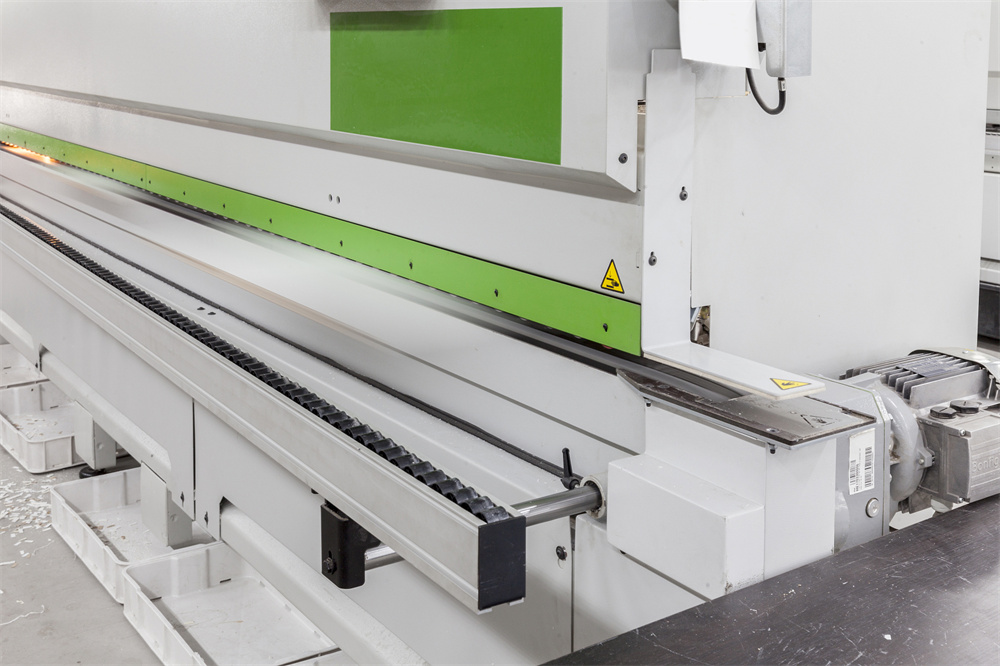
The most effective way to prevent major breakdowns is through a disciplined daily inspection routine. Before the first sheet of metal is fed into the machine, the operator should perform a comprehensive “walk-around.” This starts with a visual check for any obvious signs of wear, such as loose bolts, oil leaks on the floor, or debris caught in the backgauge mechanism. Small issues identified during a five-minute morning check can prevent catastrophic failures later in the shift.
Cleaning is a vital part of daily maintenance. Metal dust, scale, and small offcuts can accumulate around the worktable and the blade area. If left unchecked, this debris can interfere with the precision of the backgauge or even score the surface of the blades. Using compressed air or industrial vacuums to clear the work area ensures that the material sits flat against the table, which is essential for maintaining a square cut. Additionally, checking the emergency stop buttons and safety light curtains daily is non-negotiable to ensure operator protection.
Operators should also pay close attention to the sound of the machine during its initial cycles. A guillotine shear should operate with a consistent, rhythmic sound. Any unusual grinding, squealing, or heavy thumping suggests that a component is misaligned or lacks lubrication. By documenting these daily checks in a logbook, management can track the machine’s health over time and identify patterns that might indicate an emerging technical issue.

In-Depth Hydraulic System Maintenance
The hydraulic system is the heart of a guillotine shearing machine, providing the force necessary to shear through thick metal plates. To extend the service life of a guillotine shearing machine, the hydraulic oil must be kept clean and at the correct temperature. Contaminated oil is the leading cause of hydraulic component failure. Microscopic particles can erode the internal surfaces of pumps and valves, leading to a loss of pressure and eventual system failure. It is recommended to change the hydraulic oil after the first 500 hours of operation for a new machine, and then every 2,000 to 3,000 hours thereafter, depending on the intensity of use.
Monitoring the oil temperature is equally critical. Most hydraulic systems are designed to operate optimally between 30°C and 50°C. If the oil exceeds 60°C, its viscosity drops, leading to poor lubrication and accelerated wear of the seals. Excessive heat also causes the oil to oxidize, forming sludge that can clog filters and small orifices in the control valves. Ensure that the cooling system, whether air-cooled or water-cooled, is functioning correctly and that the heat exchanger fins are free of dust and debris.
Finally, the integrity of the hydraulic seals and hoses must be checked regularly. Hydraulic hoses have a finite lifespan and can become brittle over time due to heat and pressure fluctuations. Look for signs of “sweating” or bulging on the hoses. Replacing a suspect hose during scheduled maintenance is far cheaper than dealing with a high-pressure oil spray during a production run. Additionally, ensure the nitrogen return cylinders are charged to the manufacturer’s specifications, as they are vital for the smooth return stroke of the upper blade beam.
Electrical System Integrity and Safety
Modern guillotine shears, especially those from HARSLE, utilize sophisticated CNC or NC controllers to manage the backgauge and cutting angle. The electrical system requires a clean, stable power supply to function correctly. Dust is the primary enemy of electrical components. In a metal fabrication shop, conductive metallic dust can settle on circuit boards, leading to short circuits. The electrical cabinet should remain closed at all times, and the cooling fans should be checked to ensure they are drawing air through clean filters.
Wiring and connections should be inspected periodically for tightness. Vibration from the shearing process can cause terminal screws to loosen over time, leading to intermittent faults or localized overheating. If your machine uses an inverter or a PLC, ensure that the software is backed up and that the battery (if applicable) is replaced according to the manufacturer’s schedule. A sudden loss of parameters can lead to significant downtime while the machine is recalibrated.
Grounding is another often-overlooked aspect of electrical maintenance. Proper grounding protects the sensitive electronics from voltage surges and static interference. Ensure that the machine’s grounding rod is securely connected and that there is no corrosion at the contact points. If the machine displays erratic behavior in the backgauge positioning, it is often a sign of electrical interference or a failing encoder, both of which require immediate professional attention.
Mechanical Component Precision and Care
The mechanical structure of a guillotine shear is designed to withstand immense stress, but precision components like the blades and backgauge require careful management. The blade gap—the distance between the upper and lower blades—is the most critical setting for cut quality and machine health. If the gap is too wide, the metal will bend rather than shear, creating heavy burrs and putting unnecessary strain on the frame. If the gap is too tight, the blades can clash, leading to chipping or catastrophic breakage. Always adjust the blade gap according to the material thickness and type, following the chart provided by HARSLE.
Blade maintenance is paramount. Most guillotine blades are rectangular and have four cutting edges. When one edge becomes dull, the blade can be rotated to a fresh edge. However, once all four edges are worn, the blades must be professionally reground. Attempting to shear with dull blades increases the required cutting force by up to 50%, which significantly shortens the life of the hydraulic pump and the mechanical pivots. Regularly check the blades for nicks or cracks, especially after shearing harder materials like stainless steel.
The backgauge system, which determines the length of the cut, relies on precision lead screws or ball screws. These must be kept clean and lightly lubricated to ensure accuracy. If the backgauge becomes misaligned, the machine will produce trapezoidal rather than rectangular cuts. Periodically verify the backgauge calibration using a manual measuring tape to ensure the digital readout matches the physical distance. Additionally, inspect the hold-down cylinders; these hydraulic or spring-loaded feet must apply even pressure to the workpiece to prevent it from shifting during the cut.
Developing a Comprehensive Lubrication Plan
Lubrication is the simplest yet most effective way to extend the service life of a guillotine shearing machine. Without adequate lubrication, the friction between moving parts generates heat and causes rapid wear. Most modern shears feature a centralized lubrication system that delivers oil or grease to the main pivot points, guideways, and backgauge screws. However, the operator must still ensure that the reservoir is full and that the delivery lines are not blocked.
Different parts of the machine require different types of lubricants. For example, the heavy-duty guideways of a guillotine shear often require a high-pressure grease that can stay in place under load, while the backgauge screws might require a lighter oil to prevent the accumulation of dust. Using the wrong type of lubricant can be as damaging as using none at all. Always refer to the HARSLE manual for the specific grades of oil and grease recommended for your model.
A lubrication schedule should be strictly followed. Pivot pins and bushings should be lubricated daily or weekly, depending on the shift structure. If the machine is equipped with a manual lubrication pump, the operator should be trained to give it the required number of strokes at the start of every shift. Over-lubrication should also be avoided, as excess grease can attract metal shavings and create an abrasive paste that actually accelerates wear.
Recognizing Troubleshooting Signals and Early Warnings
To truly master machine longevity, operators and maintenance staff must become “tuned in” to the machine’s behavior. Early warning signs of trouble are often subtle. For instance, if the machine starts to produce a “bowing” effect in the sheared strip, it may indicate that the rake angle is too high or that the hold-downs are not gripping the material sufficiently. If the cut edge shows a heavy burr on only one side, the blade gap is likely uneven across the length of the bed.
Vibration is another key indicator. While shearing is inherently a high-impact process, excessive vibration in the frame or the hydraulic lines suggests that something is loose or that the system is bypassing oil. Check the foundation bolts of the machine; if the machine is not perfectly level and securely anchored to the shop floor, the frame can twist slightly over time, leading to permanent misalignment and uneven blade wear.
Finally, monitor the power consumption if possible. A sudden increase in the amperage drawn by the main motor during a standard cut can indicate that the blades are dull or that there is mechanical binding in the system. By catching these signals early, you can schedule a brief maintenance window to address the root cause, rather than waiting for a total system failure that could stop production for days.
Comprehensive Maintenance Schedule Table
Use the following table as a baseline for your guillotine shearing machine maintenance program. Adjust the frequency based on your specific production volume and material types.
| Frequency | Component | Action Required |
|---|---|---|
| Daily | Worktable & Blades | Clean debris, check for nicks, and verify blade gap. |
| Daily | Safety Systems | Test E-stops, light curtains, and foot pedal. |
| Daily | Lubrication | Check oil levels and operate manual/auto lube pumps. |
| Weekly | Hydraulic System | Check for leaks, inspect hoses, and monitor oil temp. |
| Weekly | Backgauge | Clean and grease lead screws/ball screws. |
| Monthly | Electrical Cabinet | Vacuum dust, check fan operation, and tighten terminals. |
| Monthly | Mechanical Fasteners | Check and tighten all structural and foundation bolts. |
| 6 Months | Hydraulic Oil | Test oil quality; replace filters. |
| Yearly | Full Calibration | Professional inspection of blades, hydraulics, and CNC. |
Frequently Asked Questions (FAQ)
1. How often should I sharpen the blades of my guillotine shear?
There is no fixed timeframe, as it depends on the material hardness and thickness. However, you should rotate the blades to a new edge as soon as you notice increased burrs or a “tearing” appearance on the cut edge. Generally, for high-volume shops, a full regrind is needed every 1-2 years. Always ensure the regrinding is done by a specialist to maintain the correct blade geometry.
2. What type of hydraulic oil is best for a HARSLE shearing machine?
Most HARSLE guillotine shears use anti-wear hydraulic oil, typically ISO VG 46 or ISO VG 68, depending on your local climate. In colder environments, a thinner oil (VG 32) may be used to ensure smooth flow during startup. Always consult your specific machine manual before refilling.
3. Why is my machine making a loud banging noise during the return stroke?
This is often caused by low nitrogen pressure in the return cylinders. The nitrogen acts as a cushion and a return spring for the upper beam. If the pressure is too low, the beam may drop too quickly or hit its mechanical stops with too much force. Have a technician check and recharge the nitrogen levels.
4. Can I shear stainless steel with the same blade gap as mild steel?
No. Stainless steel is much harder and has a higher tensile strength. It typically requires a tighter blade gap (often 5-8% of material thickness) compared to mild steel (8-10%). Using the wrong gap for stainless steel will dull your blades very quickly and can strain the hydraulic system.
5. How do I know if my hydraulic pump is failing?
Common signs of pump failure include a high-pitched whining noise (cavitation), slow cycle times, and the inability to reach full shearing pressure. If the pump is running hot to the touch, it is likely internal wear is causing excessive friction. Immediate inspection is required to prevent metal shavings from the pump from contaminating the entire hydraulic circuit.
6. Is it necessary to warm up the machine in winter?
Yes. In cold weather, hydraulic oil becomes thick and sluggish. Running the machine through several “dry cycles” (shearing without material) for 5-10 minutes allows the oil to circulate and reach an optimal operating temperature, protecting the pump and valves from cold-start damage.