How to Fix Hydraulic Oil Leaks in a Shearing Machine: A Comprehensive Industrial Guide


Introduction to Hydraulic Systems in Shearing Machines
In the world of metal fabrication, the shearing machine stands as a cornerstone of production efficiency. Whether it is a guillotine shear or a swing beam shear, the hydraulic system is the lifeblood that provides the necessary force to cut through thick steel plates with precision. However, like any high-pressure industrial system, hydraulic leaks are an inevitable challenge that operators and maintenance teams must face. Knowing how to Fix Hydraulic Oil Leaks In A Shearing Machine is not just about cleanliness; it is about maintaining system pressure, ensuring operator safety, and preventing costly downtime.
A hydraulic leak in a shearing machine can manifest in several ways, from a slow drip at a fitting to a catastrophic hose failure. Beyond the immediate loss of expensive hydraulic fluid, leaks introduce contaminants into the system, lead to overheating, and can cause erratic machine behavior. For a high-performance HARSLE shearing machine, maintaining the integrity of the hydraulic circuit is paramount to achieving the tight tolerances required in modern manufacturing. This guide provides a deep dive into the technical aspects of diagnosing and repairing these leaks.
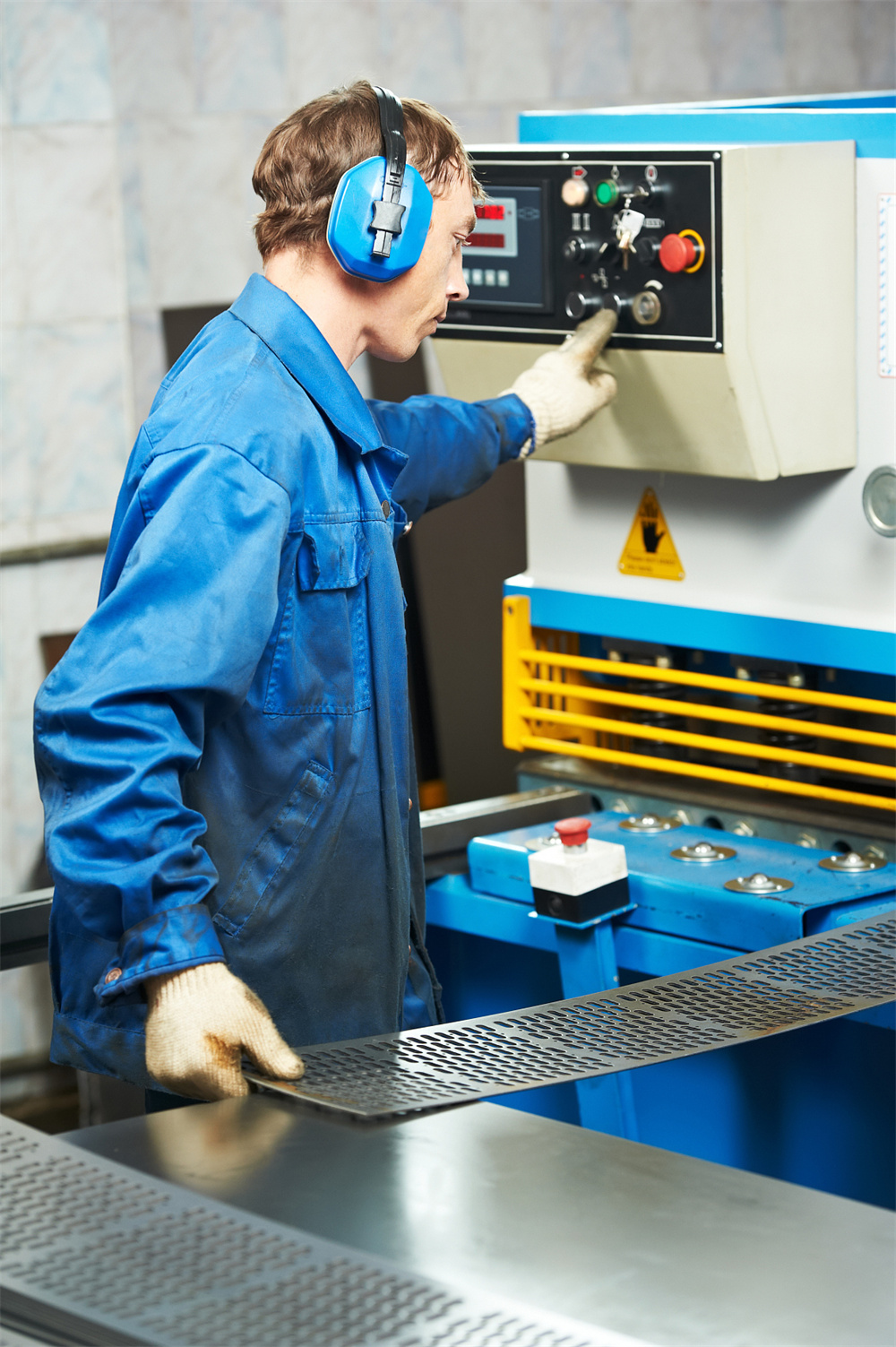
Understanding the mechanics of a hydraulic leak requires a basic grasp of Pascal’s Law, which states that pressure applied to a confined fluid is transmitted undiminished in every direction. In a shearing machine, this pressure can exceed 3000 PSI. At such high pressures, even a microscopic orifice can result in significant fluid loss and potential danger. This article will walk you through the systematic process of identifying the source, selecting the right replacement components, and executing a professional repair that lasts.
Key Considerations Before Starting Repairs
Before you attempt to Fix Hydraulic Oil Leaks In A Shearing Machine, safety must be your primary concern. Hydraulic systems store immense amounts of energy, even when the machine is turned off. Fluid injection injuries, caused by high-pressure oil penetrating the skin, are medical emergencies that can lead to amputation if not treated immediately. Always use a piece of cardboard or wood—never your hand—to search for suspected pinhole leaks.
Lockout/Tagout (LOTO) procedures are mandatory. Ensure the machine is disconnected from its power source and that all residual pressure is bled from the system. Many shearing machines utilize accumulators to maintain pressure; these must be safely discharged according to the manufacturer’s specifications. Additionally, ensure the cutting beam is either fully lowered or securely blocked with mechanical supports to prevent accidental descent during maintenance.
Environmental impact is another critical consideration. Hydraulic oil is a pollutant, and even small leaks can contaminate the workshop floor, creating slip hazards and violating environmental regulations. Always have spill kits, absorbent mats, and waste disposal containers ready before opening any part of the hydraulic circuit. Cleaning the area around the leak before starting work is also vital to prevent dirt from entering the system during the repair process.
Finally, consider the “cost of the leak.” Industry statistics suggest that a leak of one drop per second equates to over 400 gallons of lost oil per year. When you factor in the cost of the oil, the labor for cleanup, and the potential for component failure due to low oil levels or contamination, the ROI on immediate repair is undeniable. Proactive maintenance is always more cost-effective than reactive crisis management.
Technical Details: Identifying and Fixing Common Leak Points
1. Hydraulic Seal Failures in Cylinders
The hydraulic cylinders are the primary actuators in a shearing machine. Over time, the dynamic seals (U-cups, V-packings, or piston seals) wear out due to friction, heat, and the reciprocating motion of the piston rod. If you notice oil weeping from the rod end of the cylinder, the rod seal is likely compromised. Internal leaks, where oil bypasses the piston seal inside the cylinder, are harder to spot but result in a loss of cutting power or the beam “drifting” down when not in use.
To fix a cylinder leak, the cylinder must often be removed and disassembled. Inspect the piston rod for scoring or pitting; if the rod surface is damaged, a new seal will fail almost immediately. Use high-quality polyurethane or Viton seals that match the original HARSLE specifications. Ensure that the cylinder bore is honed and clean before reassembly, and always use a seal installation tool to avoid nicking the new components.
2. Hose and Tubing Degradation
Hydraulic hoses are flexible components subject to constant pressure fluctuations and external abrasion. Common causes of hose failure include improper bend radii, aging (cracking of the outer cover), and heat embrittlement. A hose that feels stiff or shows exposed wire reinforcement is a ticking time bomb. When you Fix Hydraulic Oil Leaks In A Shearing Machine involving hoses, always replace the entire hose assembly rather than attempting a localized patch.
When installing new hoses, ensure they are routed away from sharp edges and moving parts of the shearing mechanism. Use protective sleeves in high-friction areas. It is also critical to use hoses with the correct SAE rating for the machine’s operating pressure. A common mistake is using a low-pressure return line hose in a high-pressure supply application, which leads to immediate failure.
3. Fittings and Connections
Fittings are the most frequent source of external leaks. In shearing machines, these are typically JIC (Joint Industry Council) flared fittings or ORFS (O-Ring Face Seal) fittings. Leaks at fittings are often caused by over-tightening, which cracks the flare, or under-tightening, which allows fluid to bypass the mating surfaces. For ORFS fittings, the most common culprit is a pinched or hardened O-ring.
To repair a fitting leak, first, clean the area and identify if the leak is coming from the thread or the seal interface. Disassemble the connection and inspect for cracks or deformation. If it is an O-ring seal, replace the O-ring with one of the correct durometer and material. When reassembling, follow the “Flats From Finger Tight” (FFFT) method or use a torque wrench to ensure the connection is secure without being over-stressed.
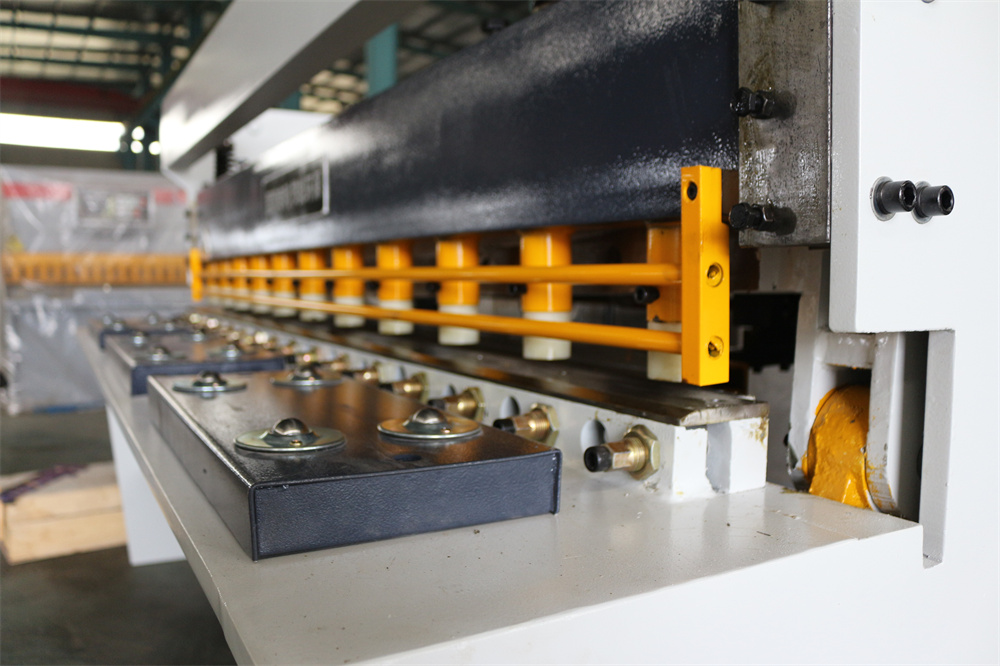
4. Control Valves and Manifolds
The valve manifold directs the flow of oil to the cylinders. Leaks here can occur at the spool seals or the mounting interface (sub-plate). If a solenoid valve is leaking, it may be due to a worn O-ring at the base or a failure of the internal seals. Because manifolds are complex, it is essential to document the orientation of valves before removal. Use a lint-free cloth to clean the mounting surfaces, as even a single hair can prevent a proper seal on a high-pressure manifold.
Selection Advice: Choosing the Right Components and Fluids
When it comes to maintaining a shearing machine, the quality of replacement parts is non-negotiable. Not all seals and hoses are created equal. When you Fix Hydraulic Oil Leaks In A Shearing Machine, you must select components that are compatible with the hydraulic fluid being used. Most industrial shears use mineral-based hydraulic oils (such as ISO VG 46 or 68), but some high-temperature environments might use fire-resistant fluids which require specific seal materials like EPDM or Viton.
For hoses, look for “no-skive” options that allow for easier assembly and better corrosion resistance at the fitting interface. Ensure the hose has a burst pressure rating at least four times higher than the maximum operating pressure of the machine. When selecting fittings, prefer stainless steel or high-quality carbon steel with zinc-nickel plating to prevent rust, which is a common precursor to leaks in humid factory environments.
Another critical aspect of selection is the hydraulic oil itself. Using oil with the wrong viscosity can lead to increased internal leakage (if too thin) or cavitation and sluggish performance (if too thick). Always refer to the HARSLE operator manual for the recommended oil grade. Furthermore, consider installing a high-quality return-line filter. Keeping the oil clean reduces the abrasive wear on seals, significantly extending the interval between leak repairs.
| Component | Common Leak Cause | Recommended Action |
|---|---|---|
| Cylinder Rod Seal | Abrasive dust, rod scoring | Replace seal, polish rod |
| Hydraulic Hose | Vibration, aging, heat | Replace entire assembly |
| JIC Fitting | Over-tightening, cracked flare | Replace fitting, use torque specs |
| Pump Shaft Seal | Misalignment, bearing wear | Replace seal and check alignment |
Step-by-Step Guide to Fixing a Leak
- Identify the Source: Clean the suspected area thoroughly with a degreaser. Run the machine briefly and watch for the first sign of moisture. Use a diagnostic dye if the leak is particularly elusive.
- Depressurize the System: Shut down the pump, cycle the control valves to release trapped pressure, and ensure the accumulator is drained. Verify zero pressure using the machine’s built-in gauges.
- Disassemble with Care: Use the correct size wrenches (preferably flare nut wrenches for fittings) to avoid rounding off corners. Cap open lines immediately to prevent oil drainage and contamination entry.
- Inspect and Clean: Examine the failed part. Is the O-ring flat? Is the hose frayed? Understanding why it failed helps prevent a recurrence. Clean all mating surfaces with a lint-free cloth.
- Install New Components: Lubricate new seals with fresh hydraulic oil before installation. Hand-tighten all fittings before applying final torque. Ensure hoses are not twisted during installation.
- Bleed and Test: Refill the oil reservoir if necessary. Start the pump and cycle the shearing beam slowly. Bleed air from the system through the bleed valves on the cylinders. Check for leaks under full load.
FAQ: Troubleshooting Shearing Machine Hydraulics
Why does my shearing machine leak more when the oil is hot?
As hydraulic oil heats up, its viscosity decreases (it becomes thinner). Thinner oil can more easily escape through worn seals or loose fittings that might remain sealed when the oil is cold and thick. Additionally, heat causes components to expand at different rates, which can exacerbate existing gaps in joints.
Can I use thread sealant or Teflon tape on hydraulic fittings?
Generally, no. Most hydraulic fittings (JIC, ORFS, BSPP) rely on metal-to-metal contact or O-rings for sealing, not the threads. Teflon tape is particularly dangerous in hydraulic systems because small shreds can break off, enter the fluid stream, and clog sensitive valves or orifices, leading to system failure.
How often should I check for leaks?
A visual inspection should be part of the daily pre-shift checklist. A more thorough inspection of hoses and cylinder rods should be conducted weekly. Early detection is the best way to Fix Hydraulic Oil Leaks In A Shearing Machine before they become major repairs.
What does it mean if the hydraulic oil is milky?
Milky oil indicates water contamination. Water lowers the lubrication capability of the oil and can cause internal corrosion and seal swelling. If the oil is milky, you must find the source of water entry (often a faulty heat exchanger or reservoir breather), fix it, and flush the entire system with fresh oil.
Conclusion: Maintaining Peak Performance
Successfully learning how to Fix Hydraulic Oil Leaks In A Shearing Machine is a vital skill for any maintenance professional or machine operator. By taking a systematic approach—prioritizing safety, accurately diagnosing the source, and using high-quality replacement parts—you can ensure that your HARSLE shearing machine operates at peak efficiency for years to come. Remember that a leak is often a symptom of an underlying issue, such as excessive vibration, overheating, or fluid contamination. Addressing these root causes is just as important as replacing a worn seal.
In the competitive landscape of metal fabrication, machine reliability is a key differentiator. A well-maintained hydraulic system translates to cleaner cuts, faster cycle times, and a safer working environment. Stay proactive with your maintenance schedules, keep your hydraulic fluid clean, and never ignore a small drip. With the right knowledge and tools, managing hydraulic leaks becomes a routine part of a successful production strategy, keeping your shearing operations sharp and profitable.