Why Your Shearing Machine Is Overheating and What to Check First


Introduction to Shearing Machine Thermal Management
In the high-stakes environment of metal fabrication, the reliability of your equipment is the backbone of your production schedule. Among the most critical tools in any workshop is the hydraulic shearing machine. However, operators often encounter a frustrating and potentially costly issue: overheating. When your Shearing Machine Is Overheating Check First the most common culprits before assuming a catastrophic failure has occurred. Excessive heat in a hydraulic system is more than just a minor inconvenience; it is a warning sign that energy is being wasted and components are being subjected to premature wear.
Hydraulic shearing machines, whether they are swing beam or guillotine types, rely on the incompressible nature of hydraulic fluid to exert massive force on metal sheets. This process naturally generates some heat due to friction and fluid resistance. However, when the temperature of the hydraulic oil exceeds the recommended operating range—typically between 40°C and 55°C (104°F to 131°F)—the efficiency of the machine begins to plummet. High temperatures cause the oil to thin out, reducing its lubricating properties and leading to internal leakage, seal degradation, and eventually, total system failure.
Understanding why your shearing machine is overheating requires a systematic approach to troubleshooting. By identifying the root cause early, you can avoid the expensive replacement of hydraulic pumps, cylinders, and valves. This guide will walk you through the essential checks, technical explanations of heat generation, and advice on selecting the right machinery to ensure your operations remain cool, efficient, and profitable. At HARSLE, we prioritize engineering excellence to minimize these issues, but even the best machines require proper maintenance and environmental awareness.

Immediate Troubleshooting: What to Check First
When the alarm sounds or the oil temperature gauge climbs into the red zone, the first step is not to panic but to perform a series of rapid visual and physical inspections. The phrase Shearing Machine Is Overheating Check First should lead you directly to the hydraulic reservoir. The oil level is the most frequent cause of overheating. If the oil level is too low, the fluid does not have enough time to sit in the tank and dissipate heat before being sucked back into the pump. This creates a rapid heat-cycling effect where the oil temperature climbs exponentially.
Next, inspect the hydraulic oil filters. A clogged filter creates a restriction in the flow, forcing the pump to work harder to push the fluid through. This increased workload translates directly into heat energy. Many modern shearing machines are equipped with filter bypass indicators; if these are showing red, it is time for an immediate change. Furthermore, check the condition of the oil itself. If the oil appears milky or dark and smells burnt, it has likely oxidized. Oxidized oil has a higher viscosity and generates more friction, contributing to the very overheating that caused the oxidation in the first place.
The third immediate check should be the cooling system. Most industrial shears use either an air-cooled heat exchanger (radiator) or a water-cooled system. For air-cooled units, check for a buildup of dust, metal shavings, or grease on the cooling fins. In a fabrication shop, the air is often thick with particulates that can quickly coat a radiator, insulating it and preventing heat transfer. If the fan is not spinning or the fins are blocked, the machine will overheat within minutes of heavy use. For water-cooled systems, ensure that the water flow is consistent and that the heat exchanger is not scaled up with mineral deposits.
Technical Causes of Excessive Heat in Hydraulic Shears
Beyond the simple maintenance checks, several technical factors can lead to a shearing machine overheating. One of the primary technical culprits is internal leakage within the hydraulic components. As pumps and valves wear down, the tight tolerances required to maintain pressure begin to widen. When high-pressure oil leaks across these gaps into low-pressure areas, the pressure energy is converted directly into heat. This is known as the “pressure drop” phenomenon. If your machine is struggling to maintain cutting force while simultaneously running hot, internal leakage in the main pump or the ram cylinders is a likely candidate.
Another common technical issue involves the relief valve settings. The relief valve is a safety component designed to limit the maximum pressure in the system. If the relief valve is set too low, or if it is stuck in a partially open position, the pump will constantly dump high-pressure oil back to the tank. This constant bypass is one of the fastest ways to overheat a hydraulic system because 100% of the pump’s energy is being converted into heat rather than mechanical work. Technicians should use a pressure gauge to verify that the relief valve is opening only when the machine reaches its maximum rated capacity.
Pump cavitation and aeration also play a significant role in thermal issues. Cavitation occurs when the pump cannot get enough oil, often due to a restricted suction line or a clogged suction strainer. This creates vacuum bubbles that implode violently when they reach the pressure side of the pump, generating localized spots of extreme heat and eroding the metal surfaces of the pump. Aeration, on the other hand, is when air is sucked into the system through a loose fitting or a damaged shaft seal. Air bubbles in the oil compress and decompress rapidly, a process that generates significant heat and causes the oil to foam, further reducing its cooling efficiency.
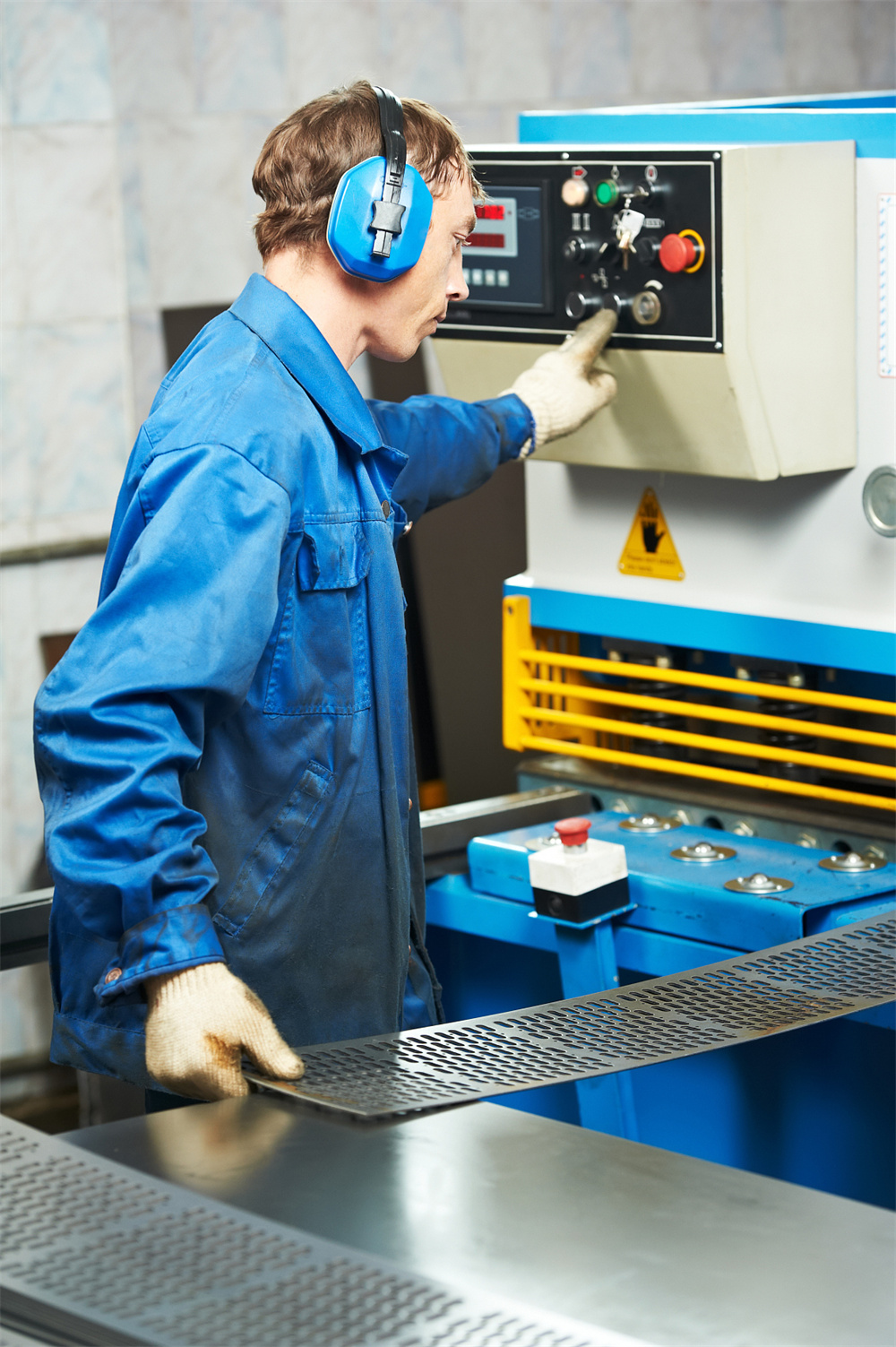
The Impact of Overheating on Machine Longevity
Allowing a shearing machine to operate while overheating is a recipe for long-term mechanical disaster. The most immediate victim of high heat is the seal kit. Hydraulic seals are typically made of nitrile, viton, or polyurethane. While these materials are durable, they have specific thermal limits. When exposed to excessive heat, seals become brittle and lose their elasticity. Once a seal hardens, it can no longer provide a tight interface, leading to external leaks and further internal bypass, which exacerbates the heating cycle.
Furthermore, the lubricating film thickness of the hydraulic oil is temperature-dependent. As the oil heats up and thins (lowers in viscosity), it can no longer keep the moving metal parts of the pump and valves separated. This leads to metal-to-metal contact, resulting in increased friction and the shedding of fine metal particles into the oil. These particles then act as an abrasive, wearing down every component in the system, from the precision-ground valve spools to the cylinder walls. This process is often called “mechanical suicide,” where the machine effectively grinds itself down from the inside out.
Finally, the chemical structure of the hydraulic fluid itself breaks down at high temperatures. Oxidation occurs when the oil reacts with oxygen, a process accelerated by heat. This creates sludge and varnish—sticky substances that can clog small orifices in the hydraulic manifold and cause valves to stick. Once varnish begins to form, it is very difficult to remove without a complete system flush and chemical cleaning. By addressing the Shearing Machine Is Overheating Check First protocol, you are not just fixing a temporary problem; you are preserving the multi-year investment you made in your fabrication equipment.
Selecting the Right Shearing Machine for High-Volume Production
When purchasing a new shearing machine, it is vital to consider the duty cycle and the environment in which it will operate. Not all machines are designed for continuous, multi-shift operation. If your production requirements are high, you must select a machine with a robust hydraulic design and an integrated cooling system. At HARSLE, we design our shearing machines with oversized hydraulic reservoirs. A larger reservoir provides a greater surface area for natural heat dissipation and allows the oil more “dwell time” to release entrained air and settle contaminants.
Another factor in selection is the type of hydraulic pump used. Variable displacement piston pumps are generally more efficient than fixed displacement gear pumps because they only deliver the amount of oil required for the task. By reducing the amount of excess oil being pumped and subsequently bypassed through the relief valve, these pumps significantly reduce the heat load on the system. While the initial cost may be higher, the long-term savings in energy and maintenance make them a superior choice for high-volume shops.
Additionally, look for machines that feature high-quality hydraulic manifolds and integrated blocks. These designs reduce the amount of external piping and fittings, which are common points for leaks and air ingestion. A well-designed manifold ensures smooth fluid flow with minimal turbulence, which helps keep the oil temperature stable. When evaluating a machine, ask the manufacturer about the cooling capacity of the heat exchanger and whether it is rated for the ambient temperatures of your specific geographic location. A machine designed for a temperate climate may struggle in a tropical or high-desert environment without an upgraded cooling package.
Comparison Table: Air-Cooled vs. Water-Cooled Systems
| Feature | Air-Cooled (Radiator) | Water-Cooled (Shell & Tube) |
|---|---|---|
| Installation | Simple; requires only electrical for fan. | Complex; requires water supply and drainage. |
| Maintenance | High; fins must be cleaned frequently. | Moderate; requires descaling and leak checks. |
| Efficiency | Dependent on ambient air temperature. | Highly efficient; independent of air temp. |
| Cost | Lower initial and operating cost. | Higher cost; requires water infrastructure. |
| Best For | Standard shops with good ventilation. | High-duty cycles in hot environments. |
Maintenance Best Practices to Prevent Overheating
Prevention is always more cost-effective than repair. To ensure your shearing machine stays within its optimal temperature range, implement a rigorous preventative maintenance (PM) schedule. This schedule should include weekly inspections of the oil level and clarity. If you notice a change in the oil’s appearance, perform a patch test or send a sample to a lab for analysis. This can reveal the presence of water, metal shavings, or chemical breakdown before they lead to a system-wide failure.
Cleaning the cooling system should be a monthly task, or more frequent in dusty environments. Use compressed air to blow out the radiator fins from the inside out to remove trapped debris. Additionally, check the tension and condition of the fan belts if your cooling system is belt-driven. A slipping belt can reduce fan speed by 20-30%, which is enough to cause a significant rise in oil temperature during a busy shift. For water-cooled units, check the strainers on the water inlet to ensure that the flow is not restricted by debris from the cooling tower or city water line.
Finally, monitor the machine’s cycle times. If the machine is taking longer to complete a stroke than it used to, it is likely that internal leakage is increasing. This loss of speed is often accompanied by an increase in heat. By tracking these performance metrics, you can schedule a hydraulic pump rebuild or seal replacement during a planned shutdown, rather than waiting for an emergency breakdown in the middle of a critical project. Remember, a well-maintained machine is a cool-running machine.
FAQ: Common Questions About Shearing Machine Overheating
1. What is the maximum safe temperature for hydraulic oil?
For most shearing machines, the maximum safe operating temperature is 60°C (140°F). However, for optimal component life, you should aim to keep the oil between 45°C and 50°C. Once the oil reaches 65°C (150°F), the chemical breakdown of the fluid accelerates rapidly, and you should stop the machine to investigate the cause.
2. Can using the wrong type of hydraulic oil cause overheating?
Yes, absolutely. If the oil viscosity is too high (too thick), it creates excessive internal friction and resistance to flow, generating heat. If the viscosity is too low (too thin), it increases internal leakage across pumps and valves, which also generates heat. Always use the ISO viscosity grade recommended by the manufacturer, typically ISO 46 or ISO 68 for shearing machines.
3. Why does my machine overheat only in the afternoon?
This is usually related to ambient temperature and ventilation. As the shop warms up throughout the day, the temperature differential between the hydraulic oil and the cooling air decreases, making the heat exchanger less effective. Ensure the machine is not placed in direct sunlight and that there is adequate airflow around the hydraulic unit.
4. Does the thickness of the metal being cut affect the temperature?
Yes. Cutting materials at the maximum rated capacity of the machine requires higher hydraulic pressure. Higher pressure leads to more internal bypass and more work for the pump, which naturally generates more heat. If you are constantly cutting at the machine’s limit, you may need to install an auxiliary cooling system.
5. How often should I change the hydraulic oil to prevent heating issues?
Generally, hydraulic oil should be changed every 2,000 to 4,000 operating hours, or at least once a year. However, if the machine has experienced an overheating event, the oil should be inspected immediately, as its service life may have been significantly shortened by thermal degradation.
Conclusion
Maintaining the thermal health of your hydraulic shearing machine is essential for ensuring precision, longevity, and safety in your metal fabrication shop. When your Shearing Machine Is Overheating Check First the oil levels, the cleanliness of the filters, and the functionality of the cooling system. By understanding the technical mechanics of heat generation—such as internal leakage and relief valve bypass—you can move beyond simple fixes to comprehensive system management.
Investing in high-quality machinery from reputable manufacturers like HARSLE provides a significant advantage, as these machines are engineered with the thermal demands of industrial production in mind. However, even the most advanced equipment requires a dedicated maintenance routine and an observant operator. By following the guidelines outlined in this article, you can minimize downtime, reduce repair costs, and keep your production line moving smoothly. Keep your oil clean, your coolers clear, and your machine will provide years of reliable service in even the most demanding environments.