How to Choose the Right Punching Machine for Your Fabrication Workshop


Introduction to Punching Machine Selection
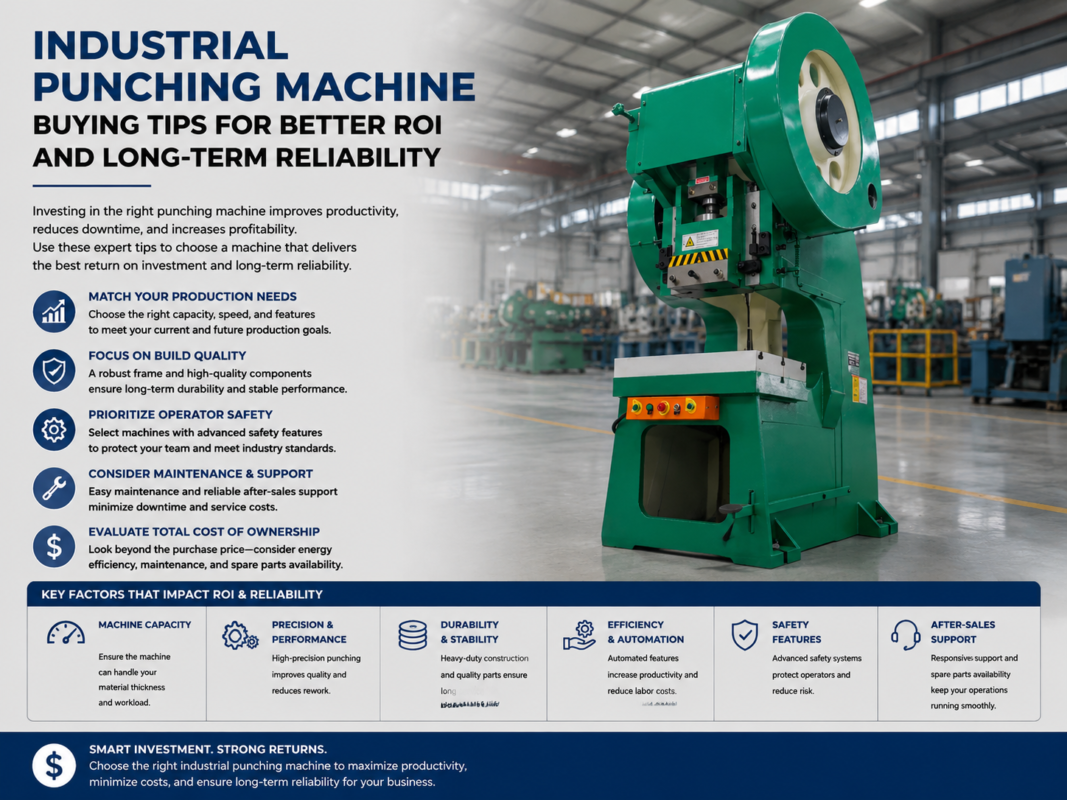
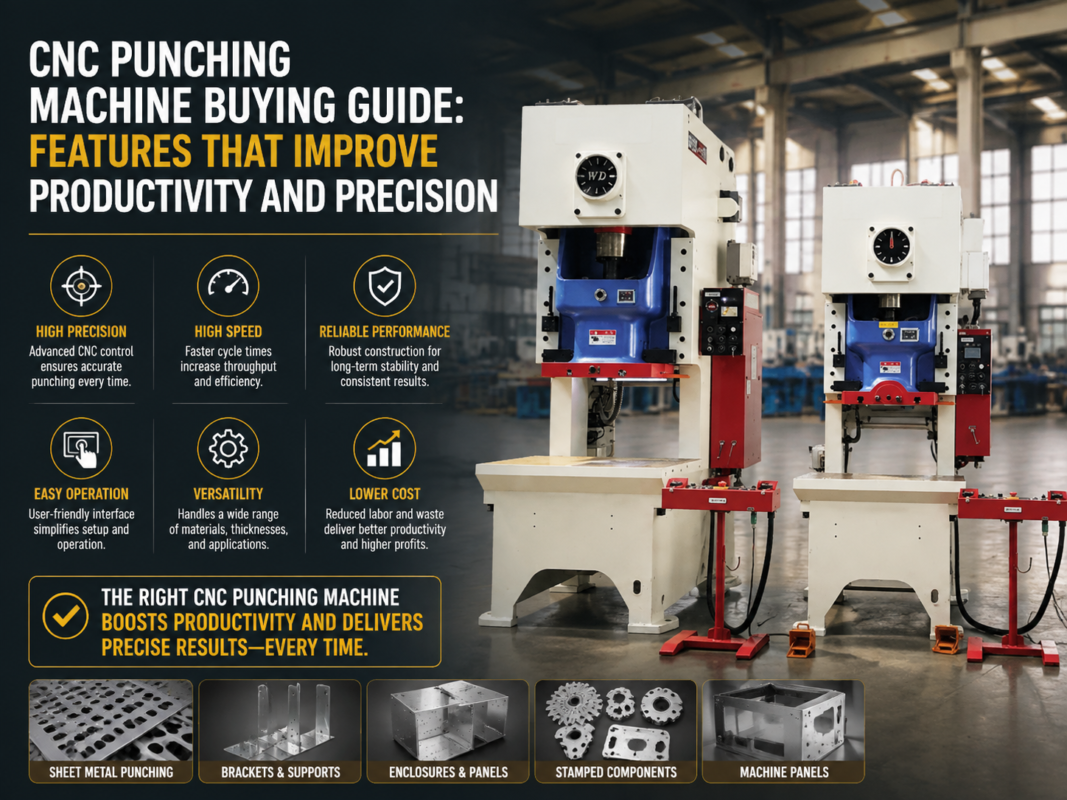
In the competitive landscape of modern metalworking, the ability to produce high-quality components quickly and accurately is the cornerstone of success. For many workshops, the decision to choose punching machine fabrication workshop equipment is one of the most significant capital investments they will make. A punching machine is not merely a tool for creating holes; it is a versatile workhorse capable of forming, nibbling, and extruding sheet metal with remarkable efficiency. However, the market is flooded with various types of machines, ranging from simple manual presses to sophisticated CNC turret punching centers. Selecting the wrong machine can lead to bottlenecks, excessive maintenance costs, and a poor return on investment.
This guide is designed to navigate the complexities of the selection process. We will explore the technical nuances that differentiate various models, the financial implications of your choice, and the long-term operational factors that determine whether a machine is a true asset to your workshop. Whether you are a small job shop looking to upgrade from manual methods or a large-scale manufacturer seeking to automate your production line, understanding the core principles of punching machine technology is essential. At HARSLE, we emphasize that the right machine is the one that balances your current production needs with your future growth aspirations.
Price Range Overview: Understanding the Market Tiers
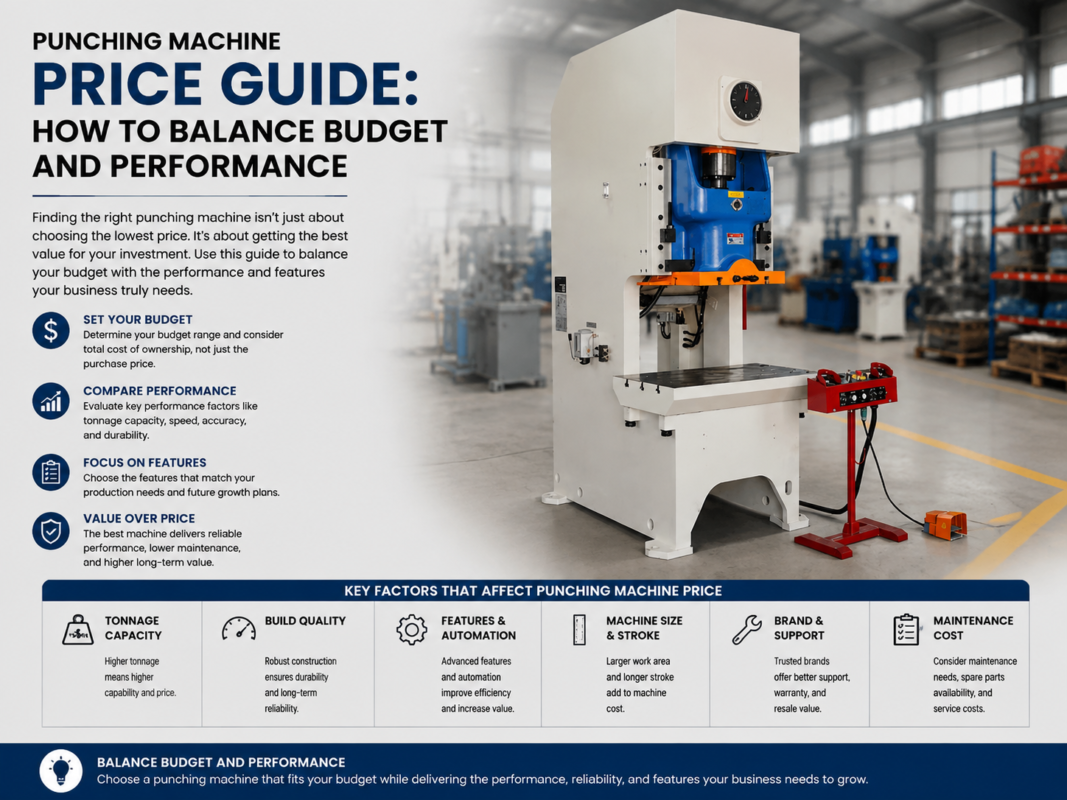
When you begin to choose punching machine fabrication workshop solutions, the first thing you will notice is the vast disparity in pricing. The cost of a punching machine is dictated by its automation level, tonnage, and technological sophistication. Generally, the market can be divided into three primary tiers:
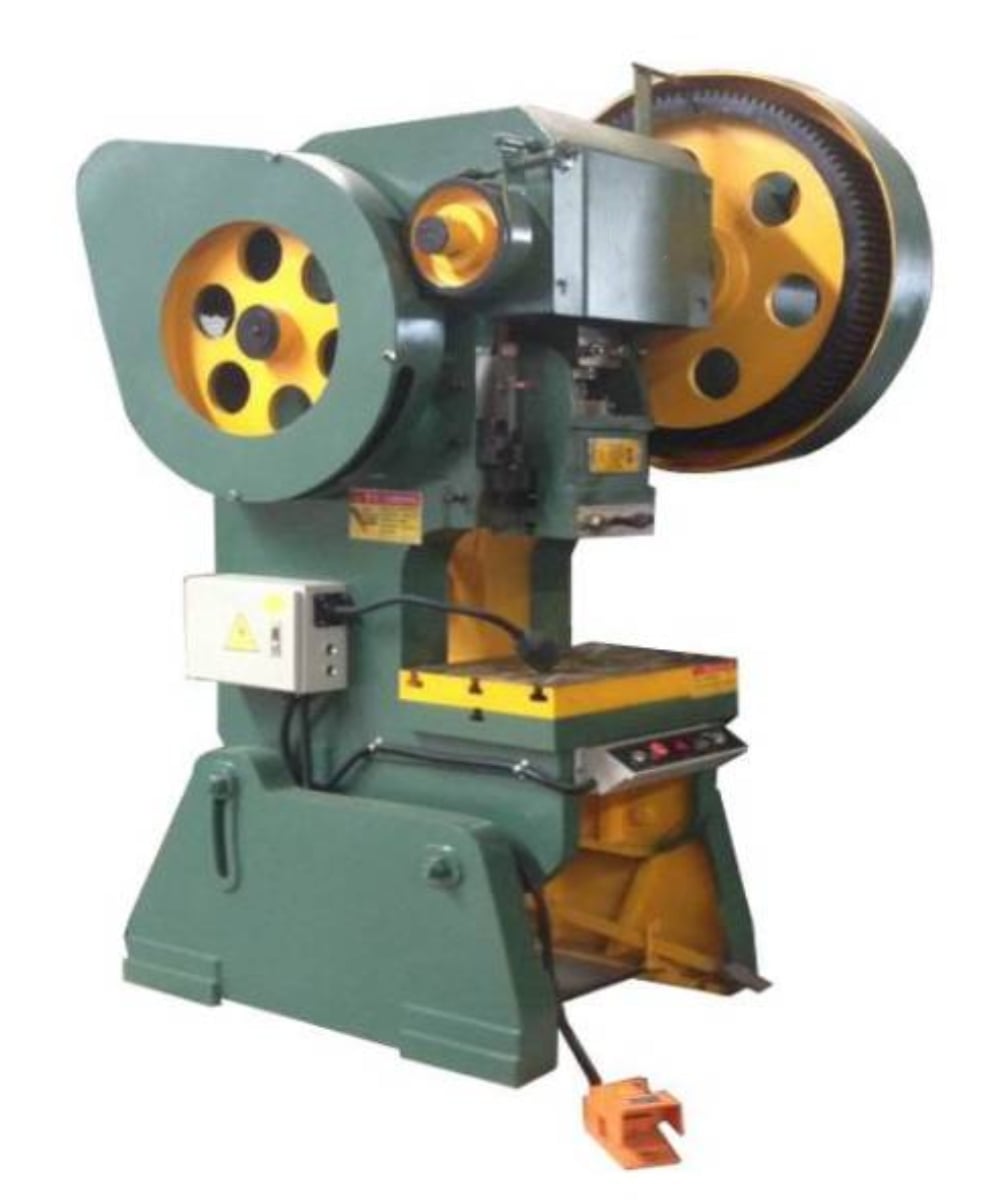
- Entry-Level Manual and Mechanical Presses ($2,000 – $15,000): These are typically single-station machines. Manual machines are suitable for very low-volume work or prototyping, while mechanical flywheel presses offer higher speeds for simple, repetitive tasks. They lack the precision of CNC systems but are highly affordable for startups.
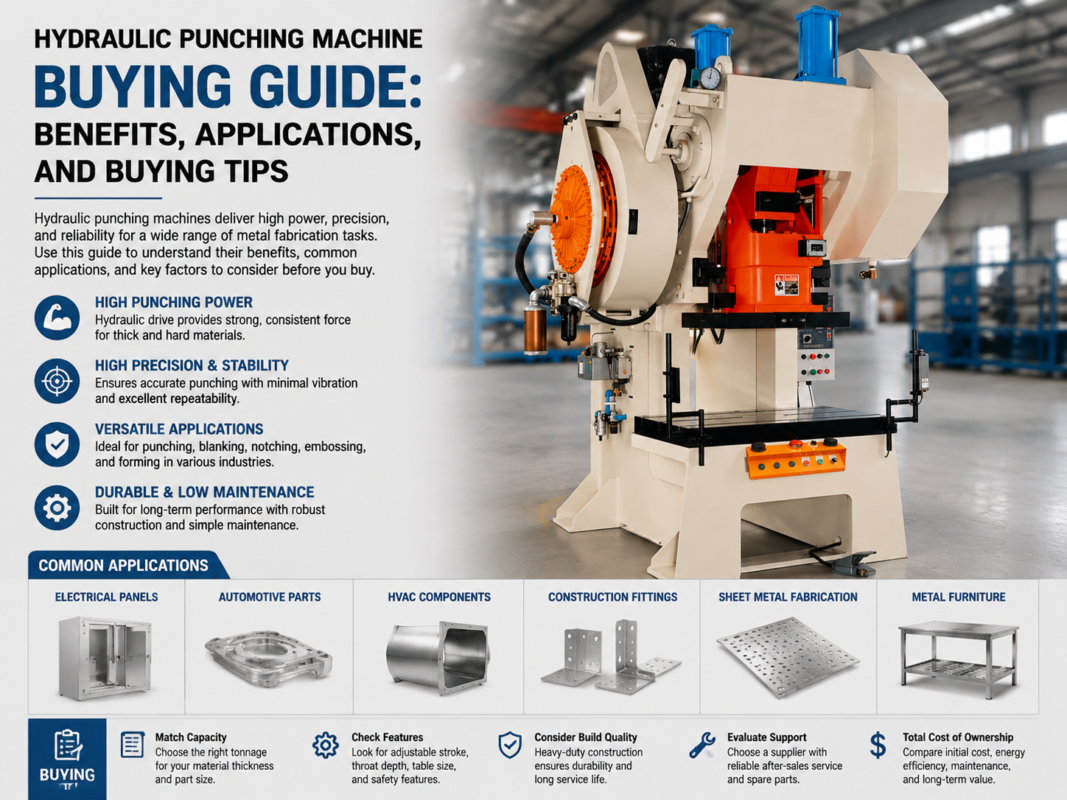
- Mid-Range Hydraulic Punching Machines ($20,000 – $55,000): This category includes high-quality hydraulic single-station punches and basic CNC-controlled machines. These offer better control over the punching stroke and are capable of handling thicker materials. They are the “sweet spot” for many medium-sized fabrication shops that require versatility without the massive footprint of a turret punch.
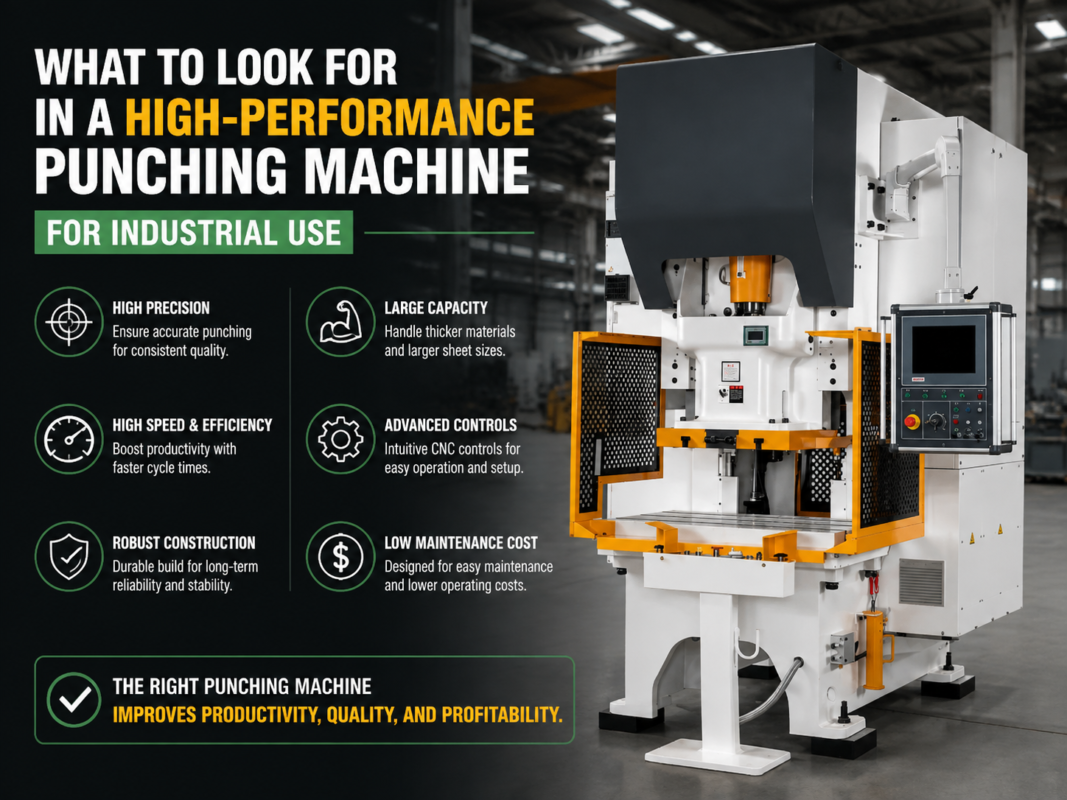
- High-End CNC Turret Punching Machines ($60,000 – $250,000+): These are the giants of the industry. Featuring a rotating turret that holds dozens of tools, these machines can perform complex patterns and multiple operations in a single setup. They are designed for high-volume production where speed and automation are paramount.
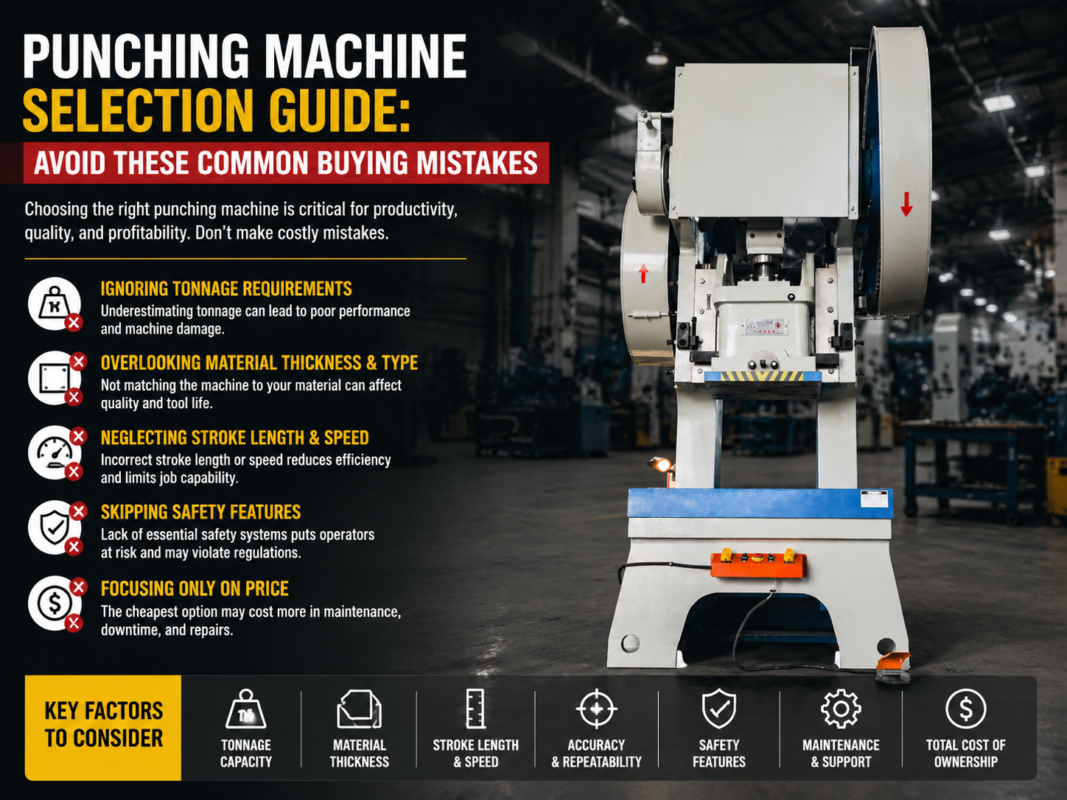
It is important to note that while the initial purchase price is a major factor, it is only one part of the total cost of ownership. A cheaper machine might require more manual labor, leading to higher operational costs over time. Conversely, a high-end CNC machine requires a significant upfront investment but can drastically reduce the cost per part through automation and high-speed processing.
Main Cost Drivers in Punching Machinery
To effectively choose punching machine fabrication workshop equipment, you must understand what actually drives the price up. It isn’t just the brand name; it is the engineering and components inside the machine. The following factors are the primary contributors to the final price tag:
1. Tonnage and Capacity
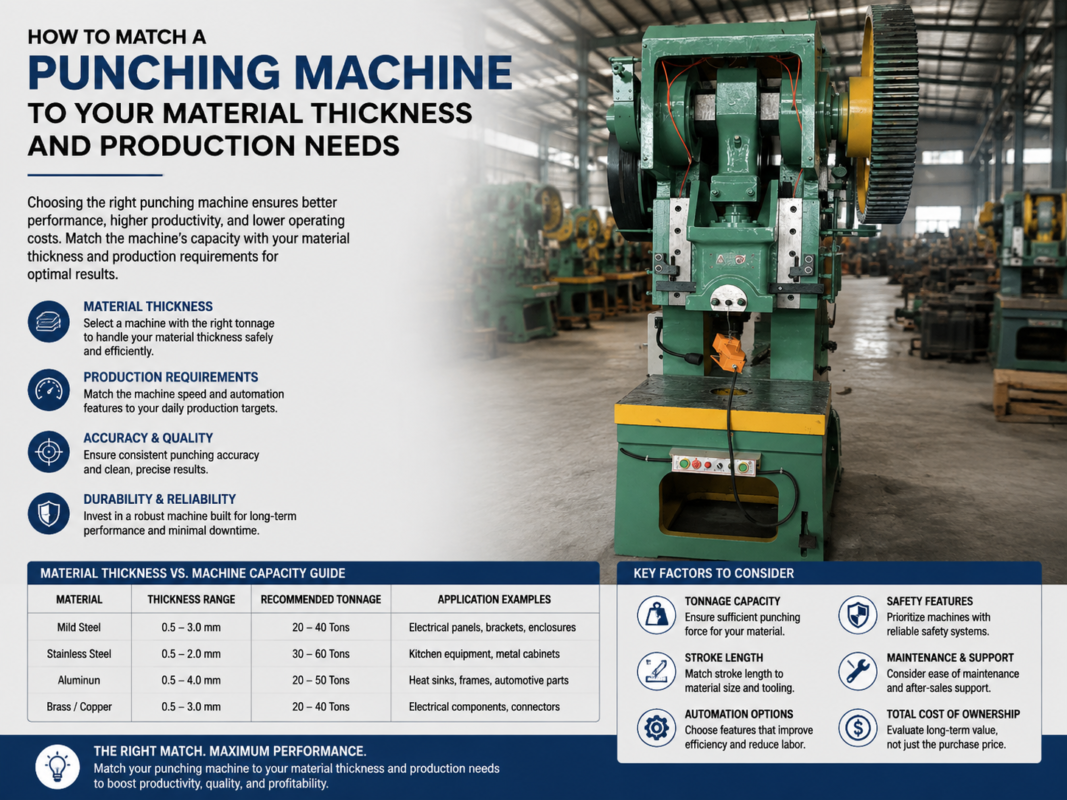
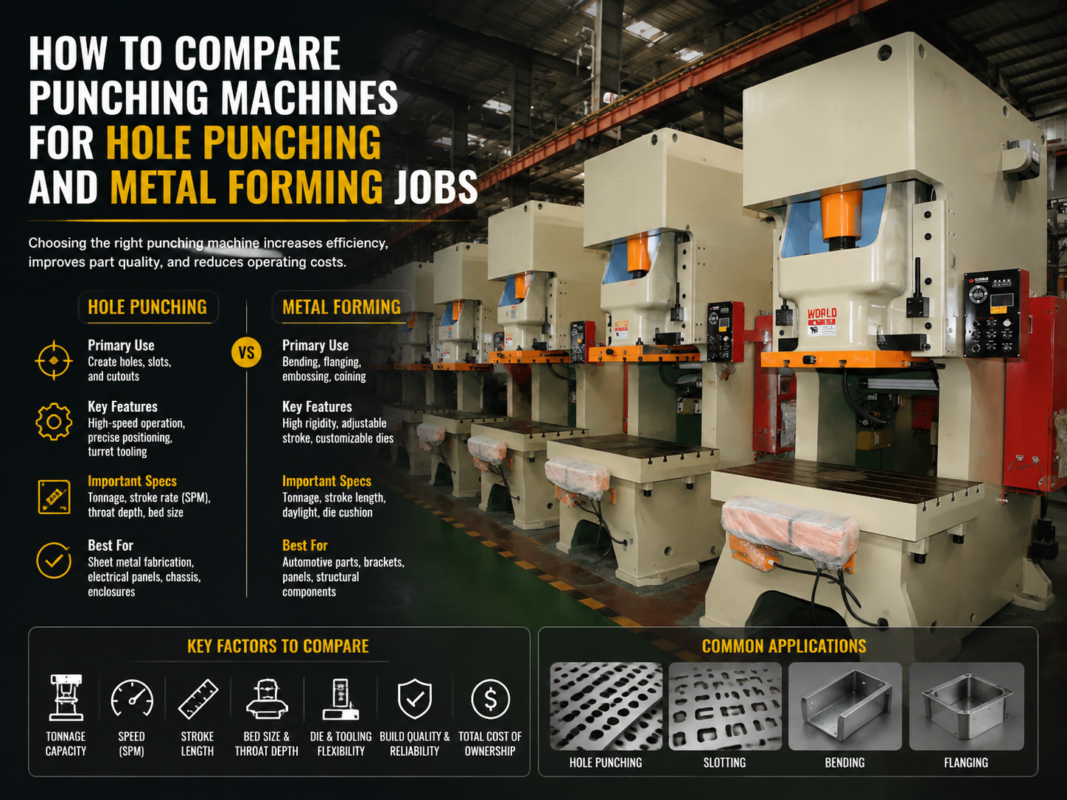
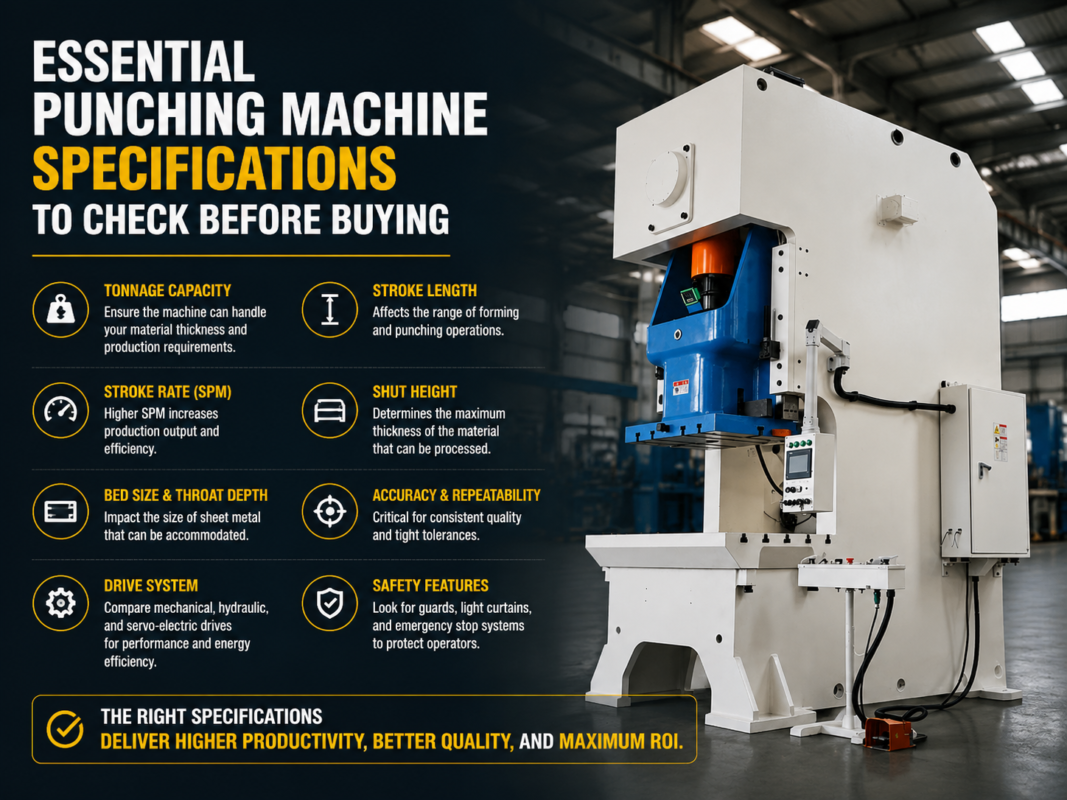
Tonnage refers to the amount of force the machine can apply. A 30-ton machine is standard for most sheet metal work, but if you are working with thick stainless steel or heavy plate, you may need 50 tons or more. Increasing tonnage requires a more robust frame, larger hydraulic cylinders, and more powerful motors, all of which increase the cost. Over-specifying tonnage is a common mistake; you should calculate the maximum force required for your thickest material and largest hole size to find the optimal balance.
2. Throat Depth and Work Area
The throat depth determines the maximum width of the sheet the machine can handle. A deeper throat allows you to process larger sheets without flipping them, which improves accuracy and reduces handling time. However, a deeper throat requires a much stiffer frame to prevent “yawing” or deflection during the punch, which adds significant weight and cost to the machine’s construction.
3. Hit Rate and Processing Speed
In high-volume environments, time is money. The speed at which the machine can move the sheet (axis speed) and the number of hits it can perform per minute (HPM) are critical. High-speed machines utilize advanced servo-hydraulic systems or full-electric servo drives. These systems are more expensive than traditional hydraulics but offer much higher throughput and better energy efficiency.
Configuration Impact on Performance
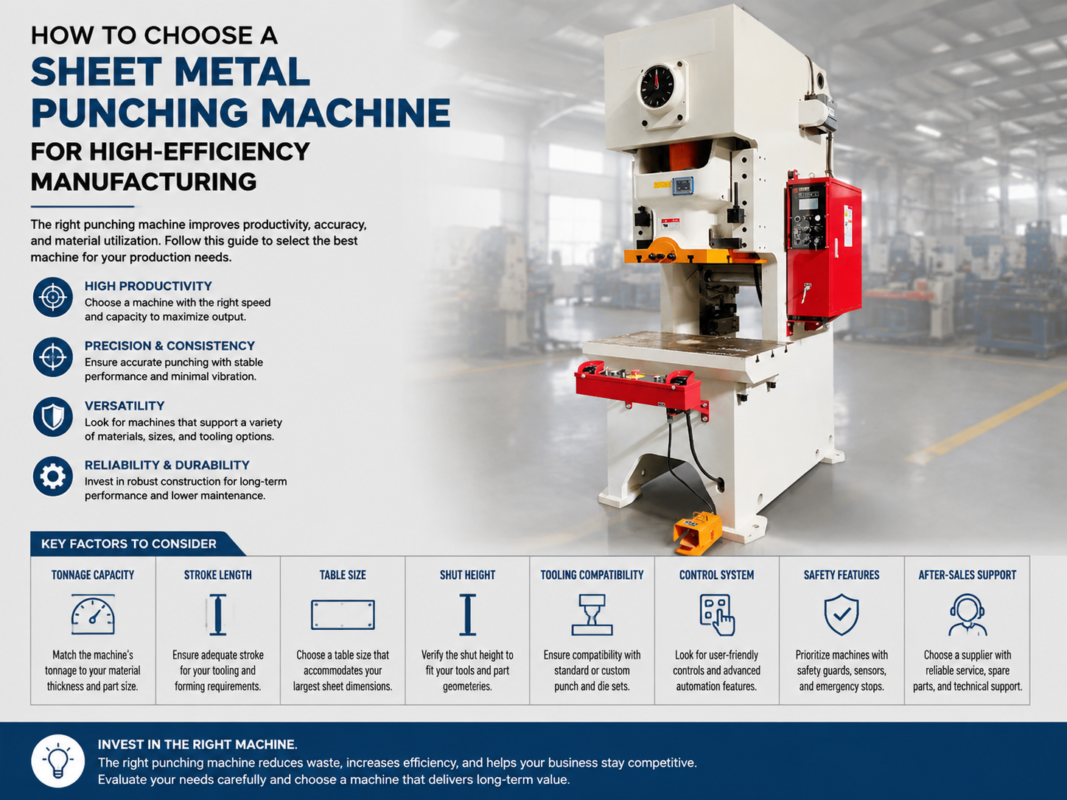
The configuration of the machine determines its flexibility and the types of jobs it can take on. When you choose punching machine fabrication workshop setups, consider how the following configurations will impact your daily operations:
CNC Systems and Software
The “brain” of the machine is the CNC controller. High-end controllers from brands like Fanuc or Siemens offer better reliability, easier programming, and more advanced features like 3D simulation and remote diagnostics. Furthermore, the nesting software used to prepare jobs is vital. Good software minimizes material waste and optimizes the tool path, which can save thousands of dollars in material costs annually.
Tooling Stations and Auto-Index
For turret machines, the number of stations in the turret is a major configuration choice. More stations mean fewer tool changes and less downtime. Even more important is the presence of “Auto-Index” stations. These allow the tool to rotate to any angle, enabling the machine to punch complex shapes and angles with a limited set of tools. Without auto-index, you are often forced to buy specialized tools for every different angle required by a design.
Frame Design: C-Frame vs. O-Frame
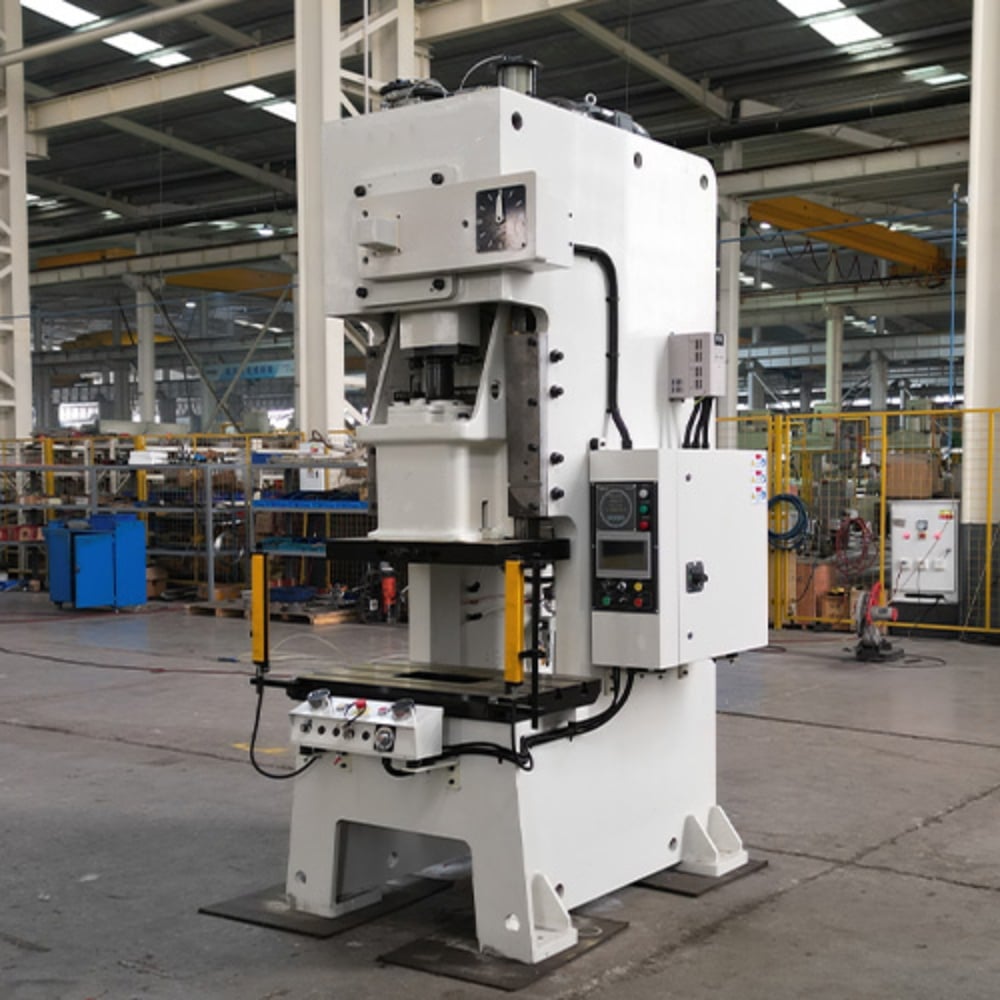
The physical structure of the machine matters. C-frame machines offer easier access for loading and unloading but are prone to slight deflection under high loads. O-frame (or bridge-frame) machines enclose the punching area, providing superior rigidity and precision, especially for high-tonnage applications. Your choice here depends on the tolerance requirements of your finished parts.
Hidden Costs of Owning a Punching Machine
The sticker price is rarely the final cost. When you choose punching machine fabrication workshop equipment, you must budget for several “hidden” expenses that can catch an unprepared buyer off guard:
- Tooling Sets: A punching machine is useless without high-quality punches and dies. A basic set of tools can cost several thousand dollars, and specialized forming tools (for louvers, countersinks, or ribs) are even more expensive. Tooling is a consumable; it wears out and requires sharpening or replacement.
- Installation and Training: Modern CNC machines are complex. You will need professional installation to ensure the machine is leveled and calibrated correctly. Furthermore, your operators will need training on the CNC interface and the nesting software. Budgeting for a week of professional training is highly recommended.
- Maintenance and Spare Parts: Hydraulic systems require oil changes and filter replacements. CNC systems may require electronic components or sensor replacements over time. Choosing a brand like HARSLE ensures that spare parts are readily available and affordable.
- Power Consumption: High-tonnage hydraulic machines consume significant electricity. If your workshop has limited power capacity, you might need to upgrade your electrical infrastructure, which is a major hidden cost.
ROI Calculation: Is the Investment Worth It?
Before you finalize your decision to choose punching machine fabrication workshop machinery, you must perform a Return on Investment (ROI) calculation. This helps justify the purchase to stakeholders and ensures the machine will actually pay for itself.
To calculate ROI, consider the following formula: ROI = (Net Profit from Machine / Cost of Investment) x 100. To find the net profit, look at:
- Labor Savings: How many man-hours will this machine save compared to your current process? A CNC punch can often do the work of three or four manual operators.
- Material Utilization: Advanced nesting software can reduce scrap by 10-15%. Calculate the annual savings based on your current material spend.
- Increased Throughput: If the machine allows you to take on more jobs or finish existing jobs faster, that extra revenue goes directly into the ROI calculation.
- Secondary Operation Elimination: Modern punching machines can perform tapping, countersinking, and forming. If you can eliminate a secondary drilling or tapping station, you save on both labor and floor space.
Most well-chosen punching machines in a busy workshop should show a full ROI within 18 to 36 months.
Buying Advice for Workshop Owners
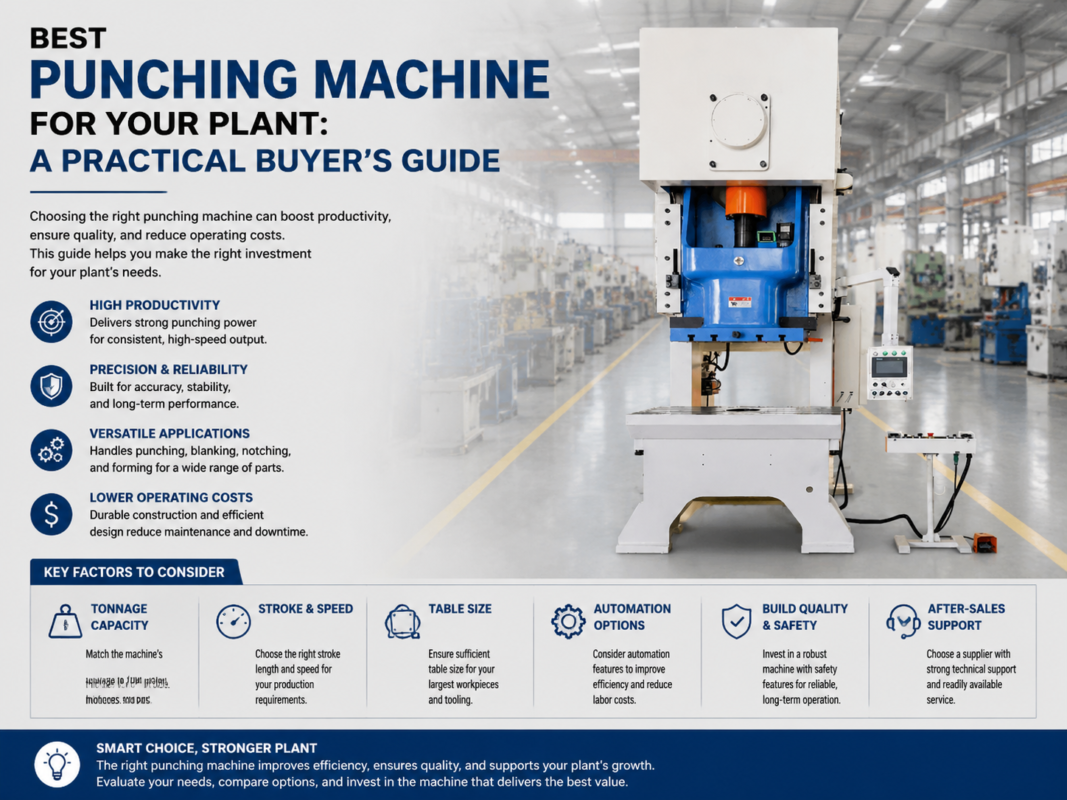
Navigating the purchase process requires a strategic approach. Here is some practical advice to help you choose punching machine fabrication workshop equipment that lasts:
Assess Your Current and Future Workload
Don’t just buy for the jobs you have today. Look at the trends in your industry. Are your customers asking for larger parts? Thicker materials? More complex geometries? It is often better to buy a machine with slightly more capacity than you currently need to allow for business growth.
Verify the Manufacturer’s Reputation
In the world of industrial machinery, after-sales support is everything. Research the manufacturer’s reputation for service and parts availability. A machine that is down for three weeks waiting for a part from overseas is a liability, not an asset. HARSLE provides comprehensive support and a robust supply chain for all our punching solutions.
Request a Live Demonstration
Never buy a machine based solely on a brochure. Request a live demonstration, preferably using your own CAD files and material samples. This allows you to see the actual cycle time, the quality of the edge finish, and the ease of use of the software interface. Pay attention to the noise levels and the vibration of the machine during operation.
Check for Safety Compliance
Safety is paramount in any fabrication environment. Ensure the machine is equipped with modern safety features such as light curtains, emergency stop buttons, and protective guarding. Compliance with international safety standards (like CE or UL) is non-negotiable for protecting your workforce and avoiding legal liabilities.
Frequently Asked Questions (FAQ)
What is the difference between a mechanical and a hydraulic punching machine?
Mechanical punching machines use a flywheel to store energy, which is released in a quick, forceful strike. They are fast but offer little control over the stroke. Hydraulic machines use fluid pressure to drive the ram, allowing for full control over the speed, position, and force of the punch throughout the entire stroke. Hydraulic machines are generally more versatile and quieter.
How often should I sharpen my punching tools?
Tool life depends on the material being punched. Stainless steel wears tools much faster than aluminum. As a general rule, tools should be inspected every 10,000 to 50,000 hits. Sharpening them early and often (removing only 0.01mm to 0.05mm) is much better than waiting until the tool is chipped or dull, which requires removing significant material and shortens the overall life of the tool.
Can a punching machine replace a laser cutter?
Not entirely, but they complement each other. Laser cutters are better for very complex, organic shapes and very thick materials. However, punching machines are significantly faster for creating repetitive holes, and they can perform forming operations (like louvers and ribs) that a laser cannot. Many high-efficiency shops use both.
What kind of maintenance does a CNC turret punch require?
Daily maintenance includes cleaning the work table and checking oil levels. Weekly tasks involve lubricating the turret and X/Y axes. Monthly, you should check the alignment of the turret and inspect the hydraulic filters. Annual professional servicing is recommended to calibrate the electronics and check for hydraulic leaks.
Is CNC software difficult to learn?
Modern CAD/CAM software is designed to be intuitive. Most operators with a basic understanding of metalworking can become proficient in basic programming within a few days. However, mastering advanced nesting and optimization features may take a few weeks of consistent use.
Conclusion
To choose punching machine fabrication workshop equipment is to define the future capabilities of your business. By carefully considering the price tiers, understanding the technical cost drivers, and calculating a realistic ROI, you can make an informed decision that enhances your production efficiency. Remember that the cheapest machine is rarely the best value, and the most expensive machine may be overkill for your specific needs. Focus on build quality, software integration, and the reliability of the manufacturer. With the right punching machine, your workshop will be well-equipped to handle the challenges of modern metal fabrication and deliver superior results to your clients for years to come.