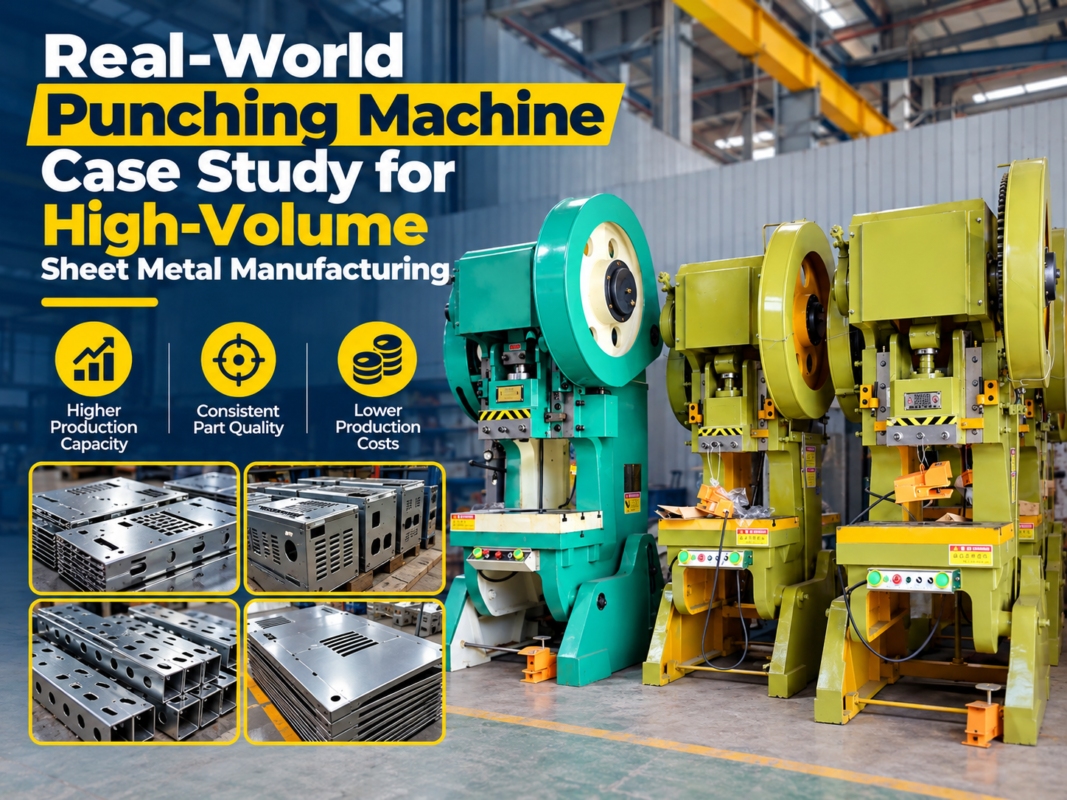
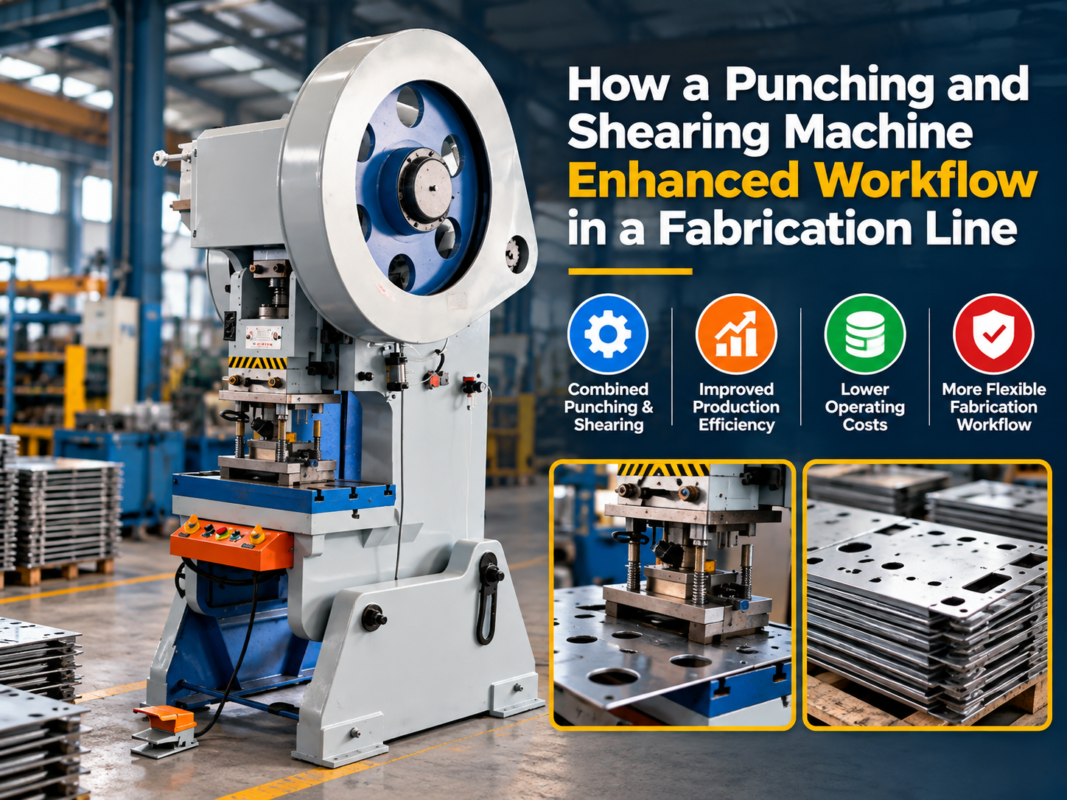
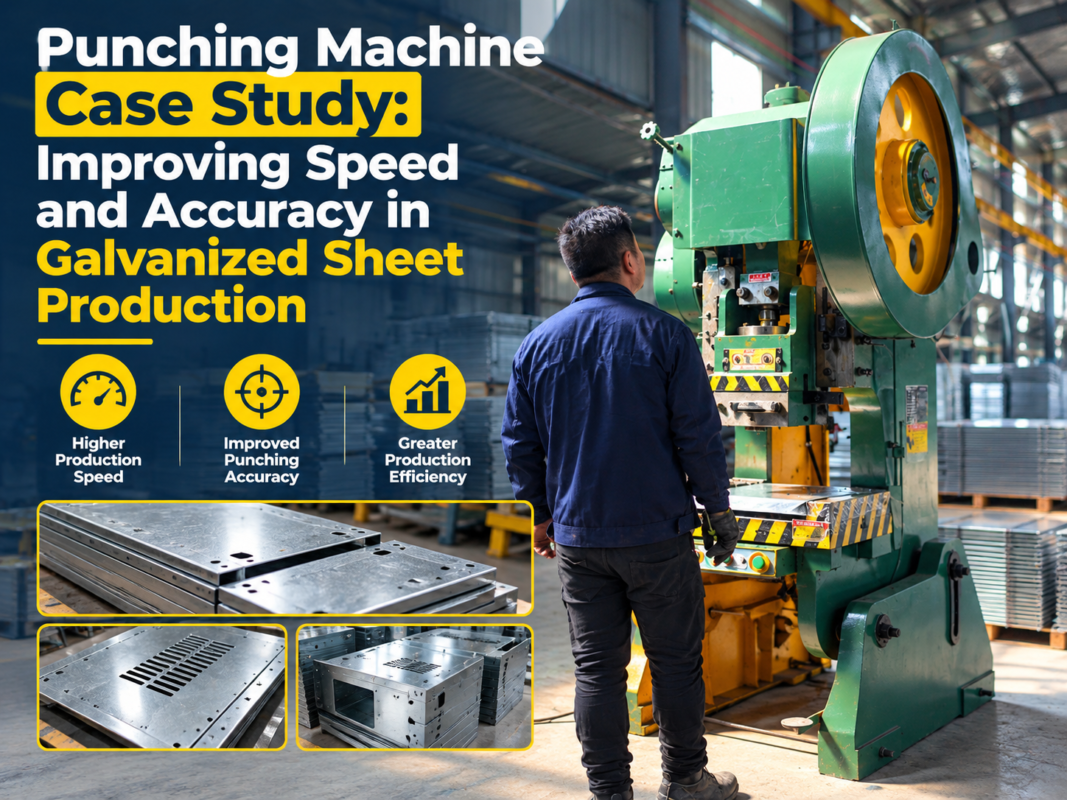
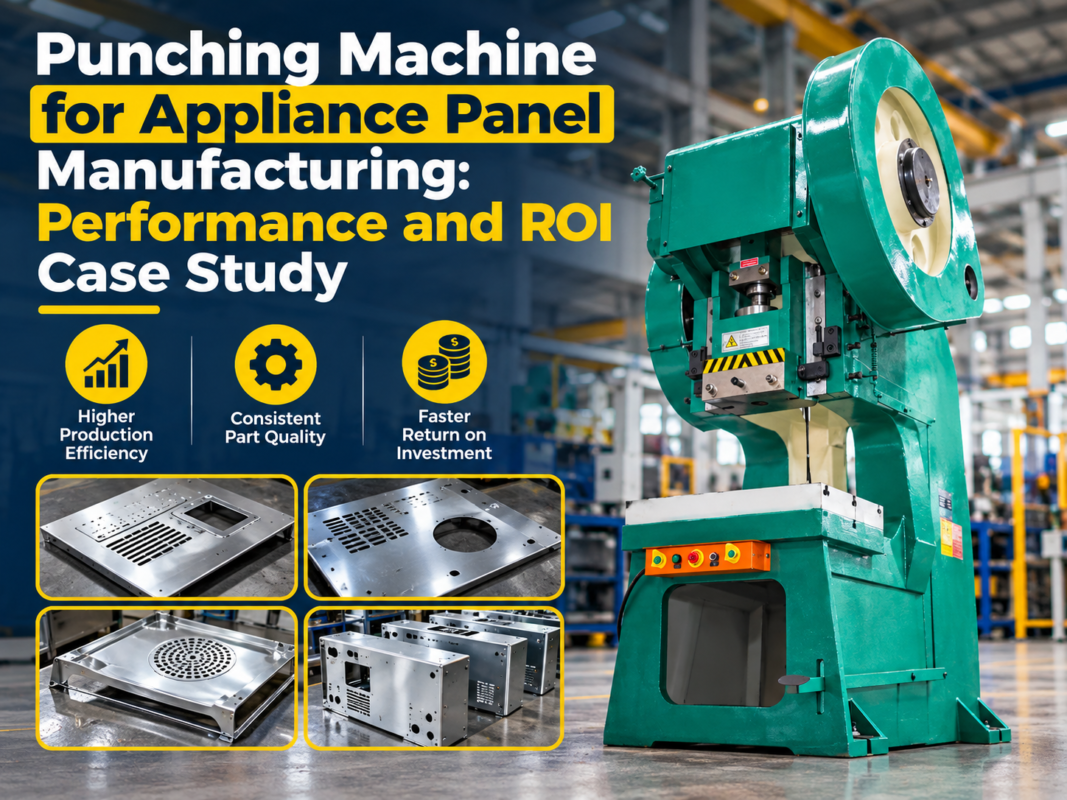
Hydraulic Press Case Study: Improving Safety and Reliability on the Shop Floor


Introduction: The Evolution of Hydraulic Press Safety and Reliability
In the modern metal fabrication landscape, the hydraulic press remains a cornerstone of production. From deep drawing and punching to assembly and molding, these machines provide the immense force necessary to shape the world around us. However, as production demands increase, so do the risks associated with high-pressure machinery. This Hydraulic Press Case Study: Improving Safety Reliability On Shop Floor examines how modern engineering, specifically from HARSLE, has transformed the shop floor from a high-risk environment into a streamlined, safe, and highly reliable production hub.
Historically, hydraulic presses were often viewed as dangerous necessities. Legacy machines lacked the sophisticated feedback loops and safety interlocks that define today’s equipment. Operators were frequently exposed to mechanical failures, hydraulic leaks, and the inherent dangers of manual material handling. Today, the focus has shifted. Reliability is no longer just about the machine running; it is about the machine running predictably, safely, and efficiently over decades of service. This case study explores the transition of a mid-sized automotive component manufacturer that overhauled its production line with HARSLE hydraulic solutions.
The primary objective of this study is to demonstrate that safety and productivity are not mutually exclusive. In fact, they are deeply intertwined. A machine that is designed with safety at its core is inherently more reliable because it utilizes higher-quality components, better monitoring systems, and more robust structural designs. By analyzing the technical upgrades and operational shifts, we can see a clear roadmap for any fabrication shop looking to modernize its operations.
Key Considerations for Shop Floor Safety and Reliability
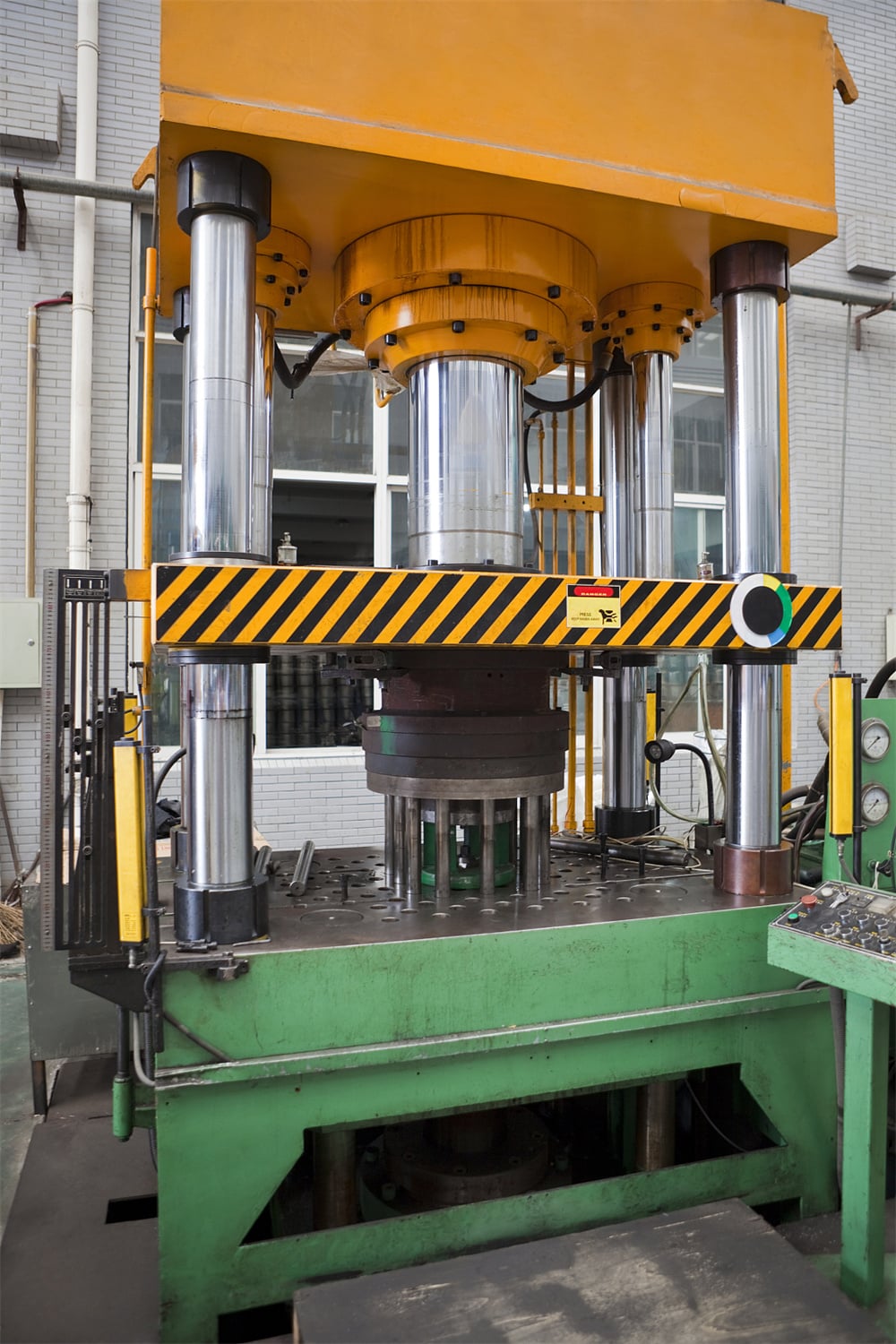
When evaluating a hydraulic press for a modern shop floor, safety must be the first consideration. This involves more than just adding a few emergency stop buttons. It requires a holistic approach to machine design. For HARSLE, this begins with the structural integrity of the frame. Whether it is a C-frame, H-frame, or a four-column press, the frame must be engineered to withstand repetitive high-stress cycles without deformation. A rigid frame ensures that the die remains aligned, which prevents catastrophic tool failure and reduces the risk of shrapnel or material ejection.
Reliability, on the other hand, is often a function of the hydraulic circuit’s complexity and the quality of its components. In our case study, the manufacturer struggled with frequent downtime due to valve failures and oil leaks in their older machinery. The transition to HARSLE equipment introduced high-performance Rexroth or Vickers valves and multi-stage filtration systems. These components are designed to handle the thermal stresses of continuous operation, ensuring that the press maintains consistent pressure throughout the shift.
Another critical consideration is the integration of light curtains and dual-hand control stations. These are no longer optional add-ons but essential components of a safe work environment. Light curtains create an invisible barrier that immediately halts the ram if an object or limb enters the danger zone. Dual-hand controls ensure that the operator’s hands are safely away from the pressing area during the downward stroke. In this case study, the implementation of these features reduced workplace accidents to zero over a 24-month period.
Finally, the role of the Human-Machine Interface (HMI) cannot be overstated. Modern HARSLE presses utilize intuitive touchscreens that provide real-time diagnostics. When an operator can see the exact pressure, temperature, and cycle count, they can identify potential issues before they lead to a breakdown. This proactive approach to maintenance is the bedrock of shop floor reliability.
Technical Details: Engineering for Performance
The technical superiority of modern hydraulic presses lies in their control systems and hydraulic architecture. In this Hydraulic Press Case Study: Improving Safety Reliability On Shop Floor, we look at the specific technical specifications that contributed to the manufacturer’s success. One of the standout features was the implementation of a servo-driven hydraulic system. Unlike traditional systems where the motor runs at a constant speed, servo-driven systems only consume energy when the ram is moving. This not only reduces energy costs by up to 50% but also significantly reduces the heat generated in the hydraulic oil.
Lower oil temperatures are directly linked to seal longevity. In high-heat environments, hydraulic seals become brittle and fail, leading to leaks and pressure drops. By maintaining a stable operating temperature, the HARSLE press extended the service life of the seals by three times compared to the previous equipment. Furthermore, the use of a PLC (Programmable Logic Controller) allows for precise control over the ram’s speed and position. This precision is vital for applications like deep drawing, where the material must flow into the die at a controlled rate to prevent tearing.
| Feature | Legacy Press Technology | Modern HARSLE Hydraulic Press |
|---|---|---|
| Control System | Manual/Relay Logic | Siemens/Schneider PLC with HMI |
| Safety Features | Basic Mechanical Guards | Light Curtains, Dual-Hand Controls, Interlocks |
| Energy Efficiency | Low (Constant Motor Speed) | High (Servo-Driven Technology) |
| Precision | +/- 0.5mm | +/- 0.01mm |
| Maintenance | Reactive (Fix when broken) | Predictive (Real-time diagnostics) |
The case study also highlighted the importance of the manifold block design. By minimizing the number of external pipes and fittings, HARSLE reduces the potential points of failure. A compact, integrated manifold ensures that the hydraulic fluid follows the shortest path possible, reducing pressure drops and improving the overall responsiveness of the machine. This technical refinement is what allows for the high-speed operation required in modern packaging and assembly lines.
Selection Advice: Choosing the Right Press for Your Needs
Selecting the right hydraulic press is a complex process that requires a deep understanding of your production requirements. The first step is determining the required tonnage. It is a common mistake to buy a press that is exactly at the limit of your needs. For long-term reliability, it is advisable to select a press with a capacity 20-30% higher than your maximum requirement. This ensures the machine is not constantly running at its peak stress level, which significantly extends its lifespan.
Next, consider the stroke and daylight requirements. The stroke is the distance the ram can move, while the daylight is the total space between the bed and the ram in its fully retracted position. If you are working with large dies or deep parts, you need a press with generous daylight. HARSLE offers customizable options for these dimensions, allowing manufacturers to tailor the machine to their specific tooling. This flexibility was a key factor for the automotive manufacturer in our case study, as they needed to accommodate various die sets for different car models.
Furthermore, evaluate the speed requirements. In high-volume environments, the approach speed, pressing speed, and return speed are critical metrics. A press that moves too slowly will bottleneck the entire production line. Conversely, a press that moves too fast without proper control can damage the material or the tooling. Modern HARSLE presses feature adjustable speed settings, allowing operators to optimize the cycle for each specific job.
Finally, do not overlook the importance of after-sales support and parts availability. A reliable machine is only as good as the support behind it. When choosing a supplier, ensure they have a robust supply chain for critical components like pumps, valves, and PLC modules. HARSLE’s global presence ensures that replacement parts and technical expertise are always within reach, minimizing potential downtime in the event of a component failure.
The Impact of Industry 4.0 on Hydraulic Press Reliability
As we move further into the era of Industry 4.0, the hydraulic press is becoming more than just a piece of iron; it is becoming a data-generating asset. In our case study, the manufacturer integrated their HARSLE presses into their factory-wide ERP system. This allowed for the automatic tracking of production metrics, but more importantly, it enabled remote monitoring. Maintenance teams could receive alerts on their mobile devices if the machine’s vibration levels or oil temperatures exceeded pre-set thresholds.
This level of connectivity transforms reliability from a goal into a measurable outcome. By analyzing the data collected over months of operation, the manufacturer was able to identify patterns that preceded component failures. For example, they noticed that a slight increase in cycle time often indicated a clogged filter. By replacing the filter during a scheduled break, they avoided an unplanned shutdown during a critical production run. This is the essence of modern shop floor reliability.
Moreover, the safety aspect is enhanced through digital logging. Every time a safety curtain is tripped or an emergency stop is pressed, the event is logged with a timestamp. This data allows safety officers to identify high-risk areas or behaviors and implement targeted training for operators. In this way, the technology doesn’t just protect the operator; it helps create a culture of safety throughout the organization.
FAQ: Common Questions About Hydraulic Press Safety and Reliability
1. What are the most critical safety features for a hydraulic press?
The most critical features include light curtains, dual-hand control buttons, emergency stop switches, and safety interlocks on all access doors. Additionally, a hydraulic safety valve that prevents the ram from falling in the event of a power failure or hose burst is essential for operator protection.
2. How often should I perform maintenance on my hydraulic press?
Routine maintenance should be performed daily (checking oil levels and leaks), weekly (inspecting filters and lubrication), and monthly (checking bolt tightness and electrical connections). A comprehensive annual inspection by a certified technician is also recommended to ensure the machine meets all safety and performance standards.
3. Can I upgrade my old hydraulic press with modern safety features?
While some retrofitting is possible, such as adding light curtains, it is often more cost-effective and safer to invest in a modern press. Older frames may not be designed to handle the precision of modern controls, and legacy hydraulic circuits may not support the necessary safety valves required for full compliance with current standards.
4. How does a servo-driven system improve reliability?
Servo-driven systems improve reliability by reducing the heat generated in the hydraulic oil. Heat is the primary enemy of hydraulic components, leading to seal failure and oil degradation. By keeping the system cool and only running the motor when needed, the overall stress on the machine is significantly reduced.
5. What is the difference between an H-frame and a four-column press?
An H-frame press offers a rigid structure with excellent access from the front and back, making it ideal for general fabrication. A four-column press provides even better access from all four sides and is typically used for large-scale molding or deep drawing where die accessibility is paramount. Both can be engineered for high reliability and safety.
6. How do I calculate the tonnage I need for my application?
Tonnage is calculated based on the material type, thickness, and the length of the cut or the area of the form. The formula typically involves the shear strength of the material. It is always best to consult with a HARSLE engineer to ensure you select a press with sufficient capacity for your specific application.
Conclusion: A Safer, More Reliable Future
The findings of this Hydraulic Press Case Study: Improving Safety Reliability On Shop Floor are clear: the investment in modern, high-quality hydraulic machinery pays dividends in both safety and productivity. By moving away from outdated technology and embracing the precision and safety of HARSLE hydraulic presses, the manufacturer in our study was able to eliminate workplace accidents, reduce energy consumption by 40%, and increase their overall equipment effectiveness (OEE) by 25%.
Safety is not a burden; it is a competitive advantage. A shop floor where operators feel safe and where machines run reliably is a shop floor that can meet the rigorous demands of the modern global market. As we have seen, the combination of robust mechanical design, advanced hydraulic components, and intelligent control systems creates a synergy that drives manufacturing excellence. Whether you are a small job shop or a large-scale industrial manufacturer, the principles of safety and reliability remain the same. Choosing the right partner, like HARSLE, ensures that your shop floor is prepared for the challenges of today and the innovations of tomorrow.