Comprehensive Guide: How to Solve Low Cutting Force in a Shearing Machine


Introduction to Shearing Machine Performance
In the high-stakes world of metal fabrication, the efficiency of your workshop often hinges on the reliability of your cutting equipment. A shearing machine is the workhorse of the sheet metal industry, designed to provide clean, straight cuts across various thicknesses of steel, aluminum, and stainless steel. However, operators frequently encounter a frustrating technical hurdle: a sudden or gradual decrease in cutting power. Understanding how to Solve Low Cutting Force In A Shearing Machine is not just about fixing a mechanical glitch; it is about preserving the longevity of your investment and ensuring the quality of your finished products.
Low cutting force manifests in several ways. You might notice the machine struggling to penetrate the material, the appearance of excessive burrs on the cut edge, or the machine stalling mid-cycle. These symptoms indicate that the force generated by the hydraulic or mechanical system is no longer sufficient to overcome the shear strength of the workpiece. This guide provides a deep dive into the technical causes of this issue and offers actionable solutions to restore your machine to its peak performance levels.
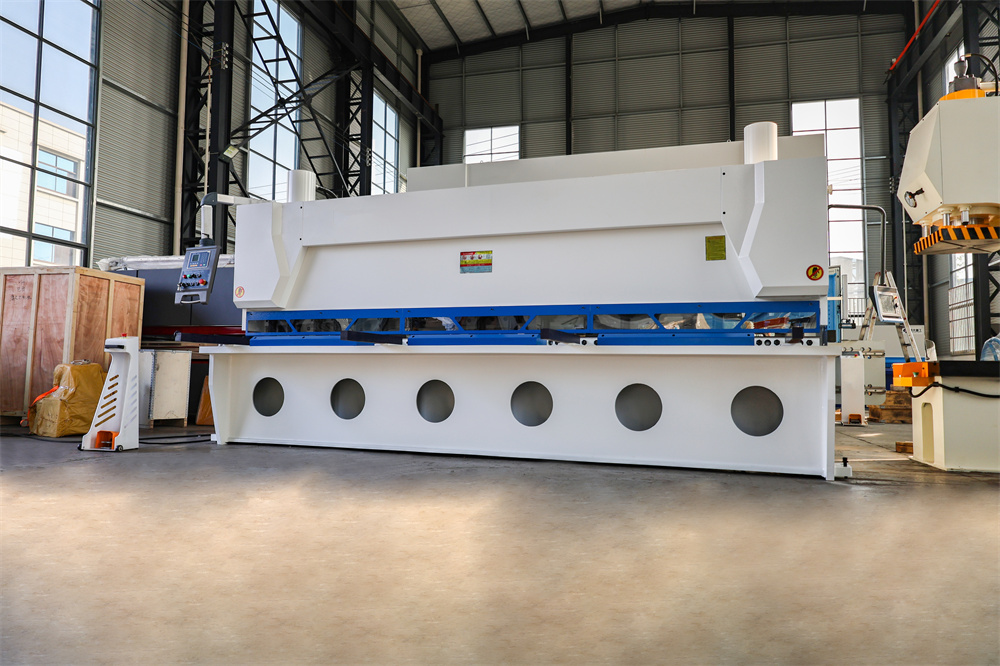
At HARSLE, we understand that downtime is costly. Whether you are using a swing beam shear or a guillotine shear, the principles of force generation remain consistent. By systematically addressing the hydraulic, mechanical, and operational variables, you can effectively solve low cutting force in a shearing machine and maintain a competitive edge in your fabrication projects. Let’s explore the key considerations and technical steps required to diagnose and fix these common issues.
Key Considerations Before Troubleshooting
Before diving into the internal components of the machine, it is essential to evaluate the external factors that influence cutting performance. Often, the perceived lack of force is not a failure of the machine itself but a mismatch between the machine’s settings and the material being processed. The first consideration is the material’s tensile strength. If you are attempting to cut high-strength alloys or stainless steel using settings intended for mild steel, the machine will naturally appear underpowered. Always verify the material specifications against the machine’s rated capacity chart.
Another critical factor is the power supply. For hydraulic shearing machines, the motor driving the pump requires a stable and correct voltage. If the workshop’s electrical grid experiences fluctuations or if the motor is not receiving the full rated current, the hydraulic pump cannot generate the necessary pressure to drive the cylinders. Check your electrical cabinet and ensure that all contactors and breakers are functioning correctly. A simple drop in voltage can lead to a significant loss in hydraulic output.
Furthermore, the condition of the hydraulic oil is frequently overlooked. Hydraulic systems rely on the incompressibility of oil to transmit force. If the oil is contaminated with air, moisture, or particulates, its efficiency drops. Old oil that has lost its viscosity due to thermal degradation will also fail to provide the necessary pressure. Regular oil analysis and filter changes are foundational to preventing low cutting force. If the oil looks cloudy or smells burnt, it is time for a replacement.
Finally, consider the environmental temperature. In extremely cold workshops, hydraulic oil becomes thick and sluggish, leading to slow cycles and reduced force. Conversely, overheating can thin the oil too much, causing internal leakage within the valves and pumps. Maintaining an optimal operating temperature is vital for consistent force delivery. Once these external factors are ruled out, you can proceed to the more technical aspects of the machine’s internal systems.
Technical Details: Diagnosing and Solving Force Issues
1. Hydraulic Pressure Regulation and Relief Valves
The most common cause when you need to Solve Low Cutting Force In A Shearing Machine is a malfunction in the hydraulic pressure regulation system. The system pressure is typically controlled by a main relief valve. If this valve is set too low, or if the internal spring has weakened over time, the system will bypass oil back to the tank before the required cutting force is reached. To fix this, locate the pressure gauge and check the reading during a cut. If the pressure does not reach the manufacturer’s specified level, the relief valve may need adjustment or cleaning.
Internal leakage in the hydraulic cylinders is another technical culprit. If the piston seals are worn, high-pressure oil can leak from the pressure side to the return side, effectively neutralizing the force. This is often diagnosed by checking if the cylinder gets excessively hot or by observing if the ram drifts down when the machine is under load but not actively cutting. Replacing cylinder seals is a precision task but is often necessary for machines that have seen years of heavy service.
2. Blade Gap and Sharpness Calibration
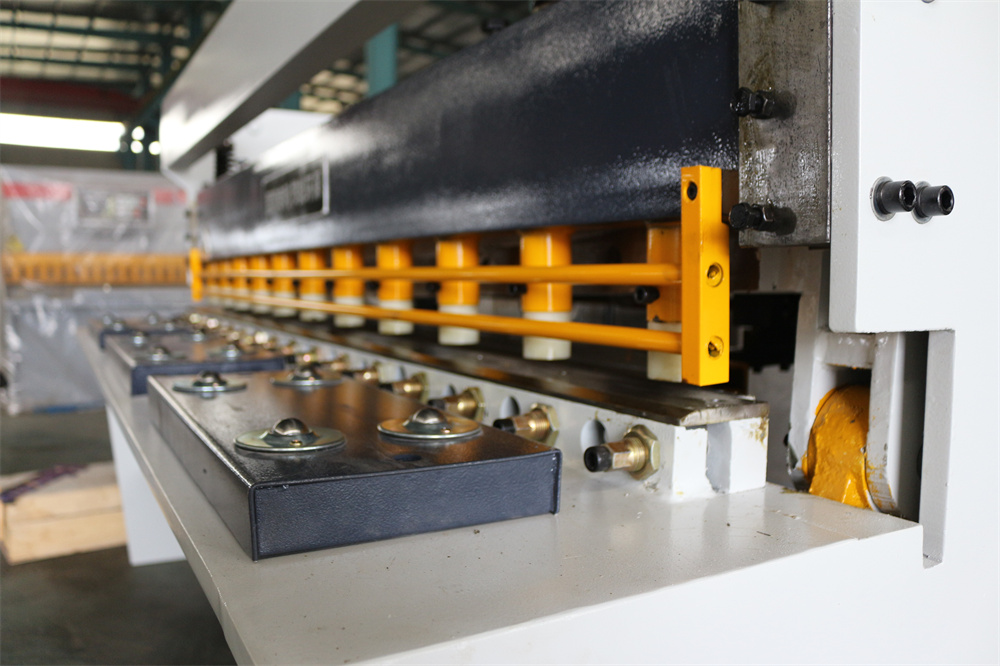
Mechanical resistance plays a massive role in how much force is required to shear a plate. If the blade gap (the distance between the upper and lower blades) is too wide, the material will tend to bend or “fold” between the blades rather than being sheared. This increases the required force exponentially and results in a poor-quality cut. Conversely, if the gap is too tight, the blades may rub, causing excessive friction and potential damage. Proper blade gap adjustment, usually based on 8-10% of the material thickness, is essential.
Blade sharpness is equally important. A dull blade acts like a blunt instrument, requiring significantly more tonnage to push through the metal. Inspect the cutting edges for chips, rounding, or dullness. Most shearing machine blades are four-sided; if one edge is dull, you can rotate the blade to a fresh edge. If all edges are worn, professional regrinding is required. Sharp blades reduce the load on the hydraulic system and are the easiest way to solve low cutting force in a shearing machine.
3. Nitrogen Return Cylinder Pressure
Many modern shearing machines, especially swing beam models, use nitrogen return cylinders to bring the ram back to its top position. If the nitrogen pressure is too high, it acts as a counter-force against the downward cutting stroke, effectively reducing the net force available for shearing. If the nitrogen pressure is too low, the ram may not return properly or may move sluggishly. Checking and recharging the nitrogen accumulators to the correct specification (as per the HARSLE manual) ensures that the hydraulic system isn’t fighting unnecessary resistance.
4. Pump Performance and Solenoid Valves
The hydraulic pump is the heart of the machine. Over time, internal wear in gear pumps or piston pumps can lead to a drop in volumetric efficiency. If the pump cannot move the required volume of oil at high pressure, the cutting speed and force will suffer. Additionally, check the solenoid valves that direct the oil flow. If a valve spool is partially stuck or if the solenoid coil is weak, the valve may not open fully, restricting oil flow and causing a pressure drop. Cleaning the valve manifold and testing the solenoids can often resolve mysterious force losses.
Selection Advice: Choosing the Right Machine for the Job
Sometimes, the issue isn’t that the machine is broken, but that it was the wrong choice for the application. When purchasing a shearing machine, it is vital to look beyond just the maximum thickness rating. Consider the “duty cycle” and the types of materials you process most frequently. For example, if you primarily cut stainless steel, you should select a machine with a rated capacity significantly higher than your maximum thickness, as stainless steel requires roughly 50% more force to shear than mild steel.
HARSLE offers a variety of models, such as the QC11K Hydraulic Guillotine Shear and the QC12K Hydraulic Swing Beam Shear. The Guillotine models allow for adjustable rake angles. Increasing the rake angle (the angle of the upper blade) reduces the required cutting force because less of the blade is in contact with the material at any given moment. This is a crucial feature for shops that need to cut thick plates without overloading the machine. However, a higher rake angle can increase the twist in narrow strips, so a balance must be struck.
When selecting a machine, also evaluate the backgauge system and the hold-down cylinders. A machine with strong, independent hydraulic hold-downs ensures the plate does not move during the cut. If the plate shifts, it can create lateral forces that bind the blades and make the machine appear to have low cutting force. Investing in a machine with a robust frame and high-quality hydraulic components from brands like Rexroth or Sunny (often used in HARSLE machines) will minimize the likelihood of force-related issues in the future.
Frequently Asked Questions (FAQ)
Why does my shearing machine cut thin sheets but struggle with thick ones?
This is usually a sign that the relief valve is set too low or the hydraulic pump is beginning to fail. Thin sheets require less pressure, so the machine can handle them even with a compromised system. Thick sheets demand the full rated pressure; if the system cannot reach that threshold, it will stall. Check the pressure gauge during a heavy cut to confirm.
How often should I sharpen the blades to maintain cutting force?
There is no fixed timeframe, as it depends on the material type and volume. However, a good rule of thumb is to inspect the blades every 500 working hours. If you notice a “rolled” edge on your workpieces or an increase in noise during the cut, it is time to rotate or grind the blades. Keeping blades sharp is the most cost-effective way to solve low cutting force in a shearing machine.
Can air in the hydraulic lines cause low cutting force?
Yes, air is compressible. If air is trapped in the cylinders or lines, the hydraulic energy will be spent compressing the air bubbles rather than moving the ram. This results in a “spongy” feel and a significant loss of force. Bleeding the hydraulic system and checking for leaks on the suction side of the pump can solve this.
Does the rake angle affect the force required?
Absolutely. A higher rake angle reduces the amount of material being cut at any single millisecond, which lowers the total tonnage required from the hydraulics. If your machine allows for rake angle adjustment, increasing it can help you cut thicker materials that the machine might otherwise struggle with, though it may affect the flatness of the off-cut.
Conclusion: Maintaining Peak Shearing Power
To effectively Solve Low Cutting Force In A Shearing Machine, one must adopt a holistic approach that combines regular maintenance with technical troubleshooting. From ensuring the hydraulic oil is clean and at the correct temperature to calibrating the blade gap and maintaining sharp edges, every detail contributes to the machine’s overall performance. A shearing machine is a precision instrument, and its ability to exert tons of force onto a metal plate depends on the perfect harmony of its hydraulic and mechanical components.
By following the steps outlined in this guide—checking relief valves, inspecting cylinder seals, and verifying electrical stability—you can diagnose most force-related issues before they lead to significant downtime. Remember that HARSLE machines are designed for durability and ease of maintenance, providing you with the tools necessary to keep your production line moving. Consistent care not only solves current problems but also prevents future failures, ensuring that your shearing machine remains a reliable asset for years to come. For further technical support or to explore our range of high-force shearing solutions, always consult with professional technicians and refer to your specific machine’s documentation.