Comprehensive Guide to Troubleshooting Electrical Faults In A Hydraulic Shearing Machine


Introduction to Electrical Systems in Hydraulic Shearing Machines
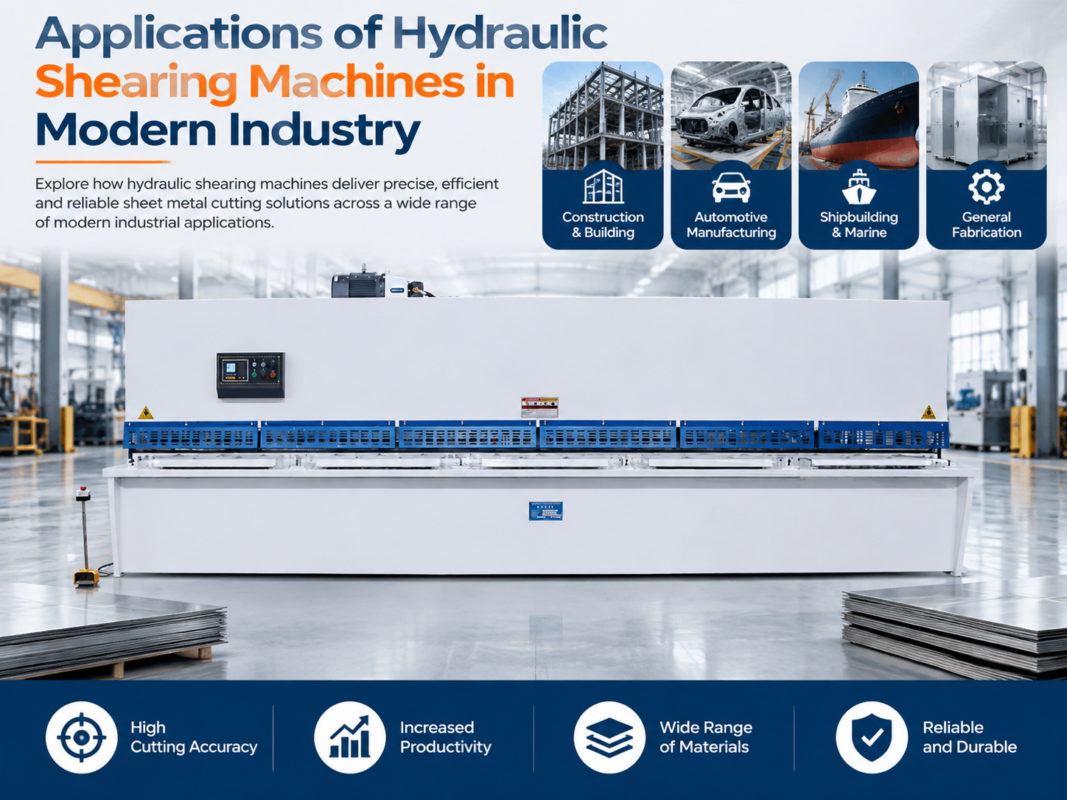
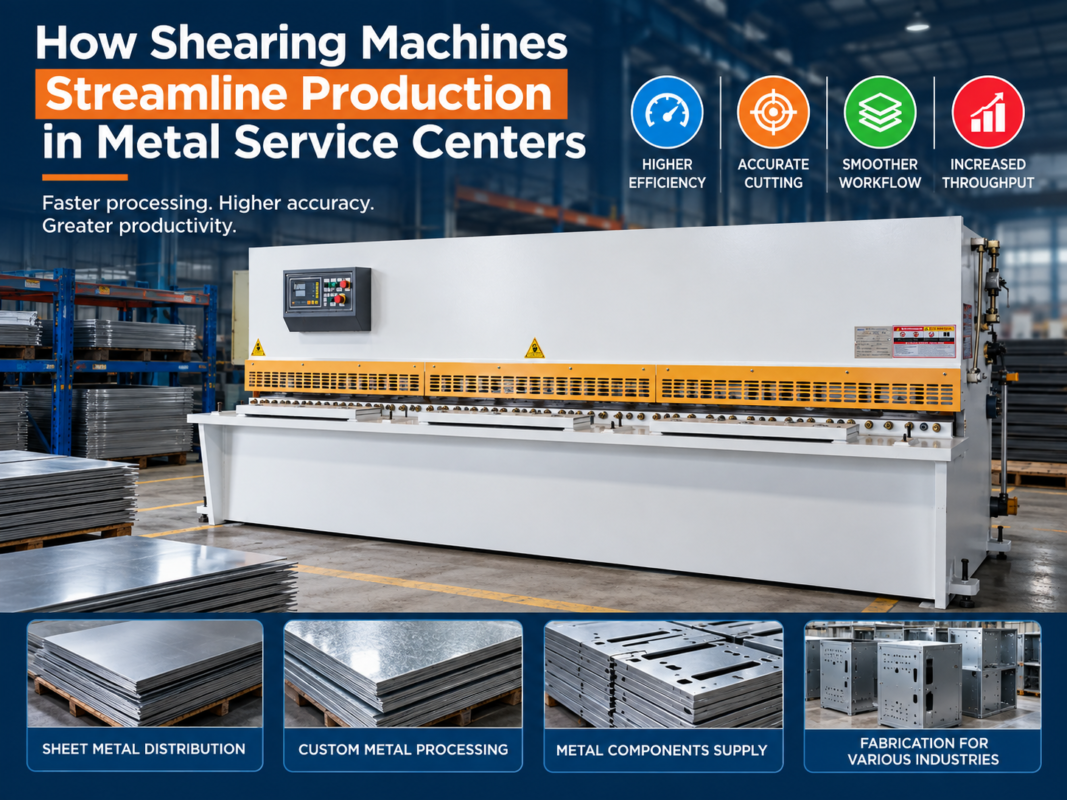
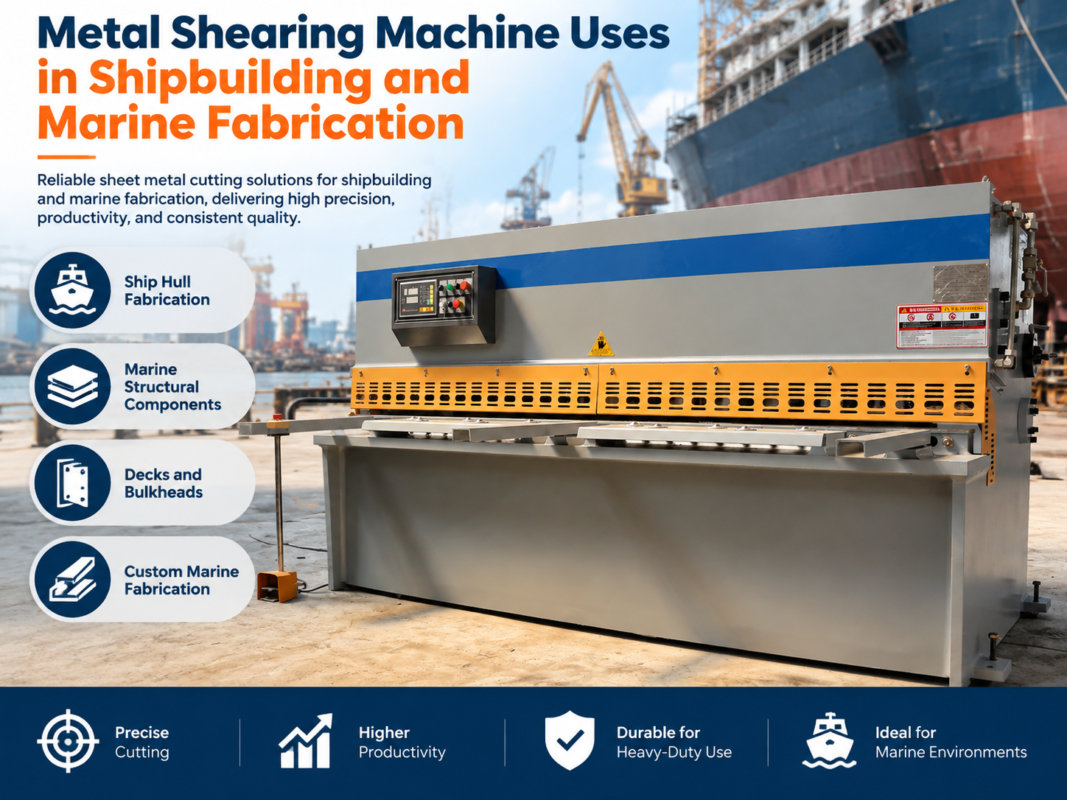
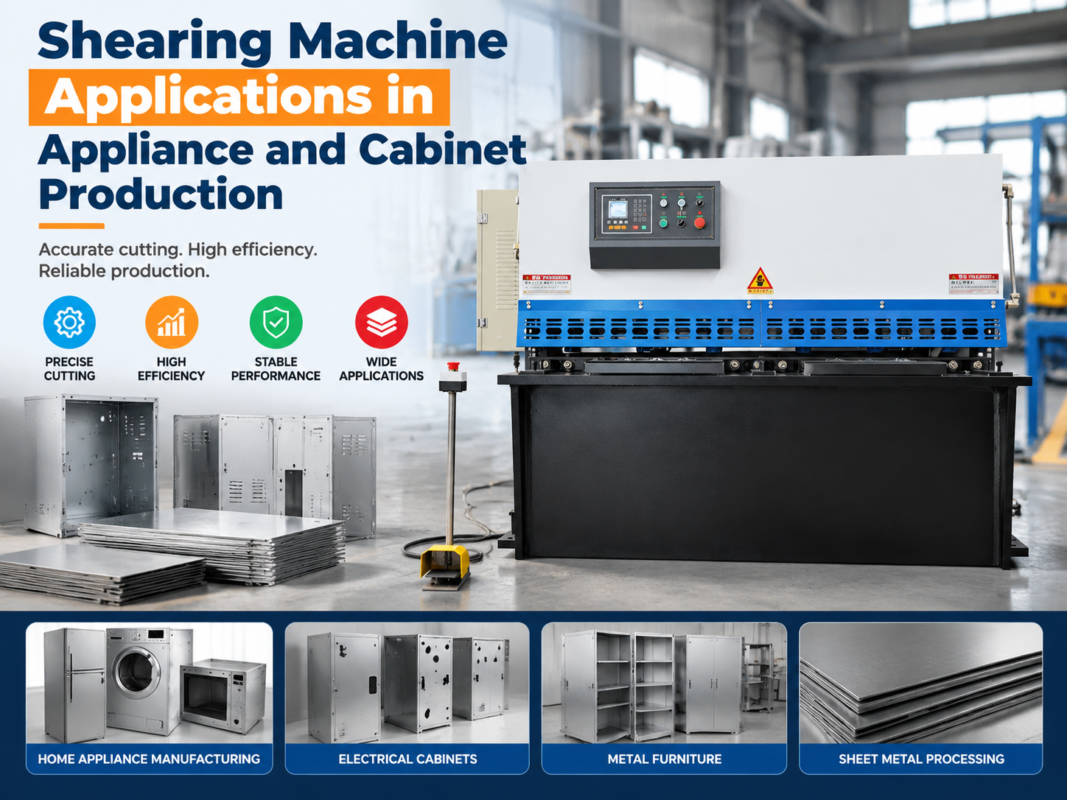
In the world of metal fabrication, the hydraulic shearing machine stands as a cornerstone of production efficiency. While the hydraulic cylinders and heavy-duty blades provide the brute force necessary to cut through thick steel plates, the electrical system serves as the critical ‘brain’ of the operation. Troubleshooting Electrical Faults In A Hydraulic Shearing Machine is a vital skill for maintenance engineers and machine operators alike, as even a minor electrical glitch can bring an entire production line to a standstill. HARSLE, a leader in metalworking technology, emphasizes that understanding the synergy between electrical commands and hydraulic responses is the first step toward effective machine management.
Modern shearing machines have evolved from simple manual controls to complex systems involving Programmable Logic Controllers (PLCs), digital readouts, and intricate safety interlocks. This evolution has increased precision but also added layers of complexity to the diagnostic process. When a machine fails to cycle, or the backgauge refuses to move, the culprit is often found within the electrical cabinet or a faulty sensor rather than a mechanical failure. This guide aims to provide a deep dive into the systematic approach required to identify, isolate, and rectify electrical issues, ensuring your equipment maintains peak performance with minimal downtime.
Before diving into specific faults, it is essential to recognize that electrical troubleshooting in industrial environments requires a blend of theoretical knowledge and practical safety awareness. A hydraulic shear operates under high voltage and high pressure; therefore, any diagnostic work must be performed by qualified personnel. By following a structured troubleshooting methodology, you can transform a daunting technical failure into a manageable repair task, extending the lifespan of your HARSLE machinery and optimizing your fabrication workflow.

Key Considerations for Electrical Diagnostics
Safety Protocols and LOTO Procedures
The foremost consideration when Troubleshooting Electrical Faults In A Hydraulic Shearing Machine is safety. Industrial shears typically operate on three-phase power (220V, 380V, or 480V), which poses a significant risk of arc flash and electrocution. Before opening any electrical cabinet, Lockout/Tagout (LOTO) procedures must be strictly enforced. This involves disconnecting the main power source and securing it with a personal lock to prevent accidental re-energization while a technician is probing the circuits.
Beyond high voltage, one must also consider stored energy. Capacitors in motor drives or residual pressure in hydraulic lines (controlled by electrical solenoids) can cause unexpected movement. Always use a verified multimeter to check for the absence of voltage before touching terminals. Safety isn’t just a regulation; it is the foundation of professional industrial maintenance.
The Importance of Wiring Diagrams
Attempting to troubleshoot a HARSLE shearing machine without its specific electrical schematic is like navigating a strange city without a map. Every machine is shipped with a detailed wiring diagram that labels every wire, relay, contactor, and PLC input/output. These diagrams use standardized symbols to represent components, allowing a technician to trace the flow of electricity from the main breaker to the smallest limit switch.
When a fault occurs, the diagram helps you identify ‘checkpoints.’ For instance, if the motor won’t start, you can use the schematic to find which relay should be energized and then test for voltage at that specific point. Keeping these documents clean, legible, and accessible near the machine is a hallmark of a well-run fabrication shop.
Environmental Factors in the Workshop
Metal fabrication environments are notoriously harsh on electrical components. Fine metallic dust, oil mist, and vibration are the primary enemies of electrical reliability. Metallic dust is conductive; if it accumulates on a circuit board or between contactor terminals, it can cause short circuits or ‘ghost’ signals that are incredibly difficult to diagnose. Similarly, the constant vibration from the shearing action can loosen screw terminals over time, leading to intermittent connections.
When troubleshooting, always perform a visual inspection for environmental damage. Look for charred wires, swollen capacitors, or loose connections. Often, the ‘fix’ for a complex electrical fault is as simple as tightening a terminal block or cleaning a sensor lens that has been obscured by grease and dust.
Technical Details: Common Electrical Faults and Solutions
1. Main Motor Fails to Start
When the main pump motor refuses to turn over, the problem usually lies in the primary power circuit or the start-command logic. First, verify that all three phases of power are reaching the machine. A ‘single-phasing’ condition, where one phase is lost due to a blown fuse or a tripped circuit breaker at the main distribution board, will prevent the motor from starting and can cause it to burn out if not protected by an overload relay.
If the power is present, check the thermal overload relay. If the machine was pushed beyond its capacity or if the motor is overheating, this relay will trip to protect the windings. Resetting it might solve the problem temporarily, but you must investigate the root cause of the overload. Additionally, check the ‘Emergency Stop’ circuit. A depressed E-stop button or a frayed wire in the E-stop string is a frequent cause of a ‘dead’ machine. The E-stop circuit is usually a normally closed (NC) loop; any break in this loop will prevent the master contactor from engaging.
2. PLC and Control Logic Issues
Most modern HARSLE shearing machines utilize a PLC to manage the timing and sequencing of the cut. The PLC receives inputs from the foot pedal, limit switches, and pressure sensors, and then sends outputs to the hydraulic solenoids. Troubleshooting Electrical Faults In A Hydraulic Shearing Machine often involves ‘reading’ the PLC’s status lights. Most PLCs have LEDs for ‘Power,’ ‘Run,’ and ‘Error,’ as well as individual lights for each Input (I) and Output (O).
If the foot pedal is pressed but the blade doesn’t move, look at the PLC input light corresponding to the foot switch. If the light doesn’t turn on, the switch or its wiring is faulty. If the input light turns on but no output light activates, the PLC might be waiting for a safety condition to be met (like the backgauge being in position) or there may be an internal software error. This logical approach allows you to isolate whether the problem is ‘field-side’ (switches and wires) or ‘control-side’ (PLC logic).
3. Faulty Limit Switches and Sensors
Limit switches are the most common point of failure in a shearing machine’s electrical system. These devices are physically struck by moving parts to signal the end of a stroke or the position of the backgauge. Because they are mechanical, they are subject to wear, and because they are located near the cutting area, they are exposed to flying debris and oil.
A common symptom of a failed limit switch is the machine ‘over-traveling’ or failing to return to the top of its stroke. For example, if the ‘Top Dead Center’ switch fails to signal that the blade has returned, the PLC may prevent the next cut from initiating. To test a switch, use a multimeter to check for continuity when the switch is manually depressed. If the switch clicks but the electrical state doesn’t change, the internal contacts are likely pitted or broken.
4. Solenoid Valve Failures
The interface between the electrical system and the hydraulic system is the solenoid valve. These valves use an electromagnetic coil to move a spool, directing oil flow to the cylinders. If the electrical system sends a signal but the hydraulics don’t respond, the solenoid coil may be burnt out. You can test this by measuring the resistance of the coil with an ohmmeter; an ‘open’ reading (infinite resistance) indicates a dead coil.
Another common issue is a ‘sticky’ solenoid. Even if the coil is working, dirt in the hydraulic oil can jam the mechanical spool. Many solenoids have a manual override button. If pressing the manual button causes the machine to move but the electrical signal does not, the problem is definitely in the coil or the wiring leading to it. This distinction is crucial for rapid Troubleshooting Electrical Faults In A Hydraulic Shearing Machine.
Selection Advice: Choosing Machines with Reliable Electricals
Prioritize Brand-Name Components
When purchasing a new hydraulic shearing machine, the quality of the internal electrical components is just as important as the thickness of the steel frame. HARSLE recommends selecting machines equipped with internationally recognized brands such as Schneider, Siemens, or Omron. These components are built to higher tolerances, offer better heat resistance, and—most importantly—are easily replaceable anywhere in the world. Using generic or ‘no-name’ electrical parts may save money upfront, but it leads to significant headaches when a proprietary relay fails and a replacement cannot be found locally.
Cabinet Design and Accessibility
A well-designed electrical cabinet is a sign of a high-quality machine. Look for cabinets that are spacious, well-organized, and properly ventilated. Heat is the silent killer of electronics; therefore, a cabinet with integrated cooling fans or heat sinks for the motor drives is essential for longevity. Furthermore, ensure that all wires are clearly numbered with heat-shrink labels that match the wiring diagram. This level of organization significantly reduces the time required for Troubleshooting Electrical Faults In A Hydraulic Shearing Machine in the future.
Advanced Diagnostic Features
Modern CNC shearing machines now offer on-screen diagnostics. Instead of probing terminals with a meter, the operator can look at the HMI (Human Machine Interface) to see exactly which safety gate is open or which sensor is failing to trigger. When selecting a machine, consider the ‘user-friendliness’ of its diagnostic software. A machine that tells you “Error: Backgauge Limit Switch Blocked” is far more valuable than one that simply displays a generic “System Fault” light. Investing in better control technology pays for itself through reduced technician fees and faster repairs.
Frequently Asked Questions (FAQ)
Why does my shearing machine’s circuit breaker trip immediately upon starting?
This usually indicates a ‘hard short’ to ground or a seized motor. Check the wiring leading to the main motor for any signs of rubbing or insulation failure. If the wiring is intact, the motor windings may have shorted internally. Another possibility is a failed start capacitor or a faulty contactor that is sticking and causing a phase-to-phase short.
The backgauge moves but the digital display doesn’t update. What’s wrong?
This is typically an issue with the encoder or the shielded cable connecting the encoder to the controller. Encoders translate mechanical rotation into electrical pulses. If the cable is damaged or if there is electrical ‘noise’ from a nearby motor drive, the pulses won’t reach the controller. Ensure the encoder cable is shielded and routed away from high-voltage power lines.
How often should I tighten the electrical connections in my HARSLE machine?
In a high-production environment, it is good practice to perform a ‘torque check’ on all major terminal blocks every six months. Vibration from the shearing process can gradually loosen screws. A loose connection creates high resistance, which generates heat and can eventually melt the terminal block or cause intermittent machine behavior.
Can I bypass a safety limit switch just to finish a job?
Absolutely not. Bypassing safety features is extremely dangerous and can lead to catastrophic machine damage or severe personal injury. If a limit switch is faulty, it must be replaced with an identical component before the machine is returned to service. Troubleshooting Electrical Faults In A Hydraulic Shearing Machine should always prioritize restoring the machine to its original, safe operating condition.
What does it mean when the PLC ‘Battery’ light is on?
Many PLCs use a small lithium battery to retain their internal memory (the program) when the main power is turned off. If this light comes on, the battery is low. You should replace it immediately while the machine is powered on (to prevent memory loss). If the battery dies while the power is off, you may lose the machine’s operating parameters, requiring a factory reload.
Conclusion: Maintaining Electrical Integrity
Troubleshooting Electrical Faults In A Hydraulic Shearing Machine is an essential discipline for any modern metal fabrication facility. By understanding the relationship between the PLC, sensors, and hydraulic solenoids, maintenance teams can move from reactive ‘firefighting’ to proactive system management. The key to success lies in a combination of proper documentation, high-quality components, and a systematic approach to diagnostics. HARSLE continues to innovate by integrating smarter electronics into their shearing machines, making it easier for users to identify issues and maintain high levels of productivity.
Remember that the best way to handle electrical faults is to prevent them. Regular cleaning of the electrical cabinet, ensuring proper ventilation, and performing routine inspections of limit switches and cables will significantly reduce the frequency of unexpected breakdowns. When a fault does occur, stay calm, follow the wiring diagram, and always put safety first. With the right knowledge and a well-built machine, even the most complex electrical challenge can be resolved efficiently, keeping your shop’s blades moving and your production on schedule.