How to Troubleshoot Material Slippage in a Shearing Machine: A Comprehensive Industrial Guide


Introduction to Shearing Precision and the Challenge of Material Slippage
In the world of metal fabrication, precision is the cornerstone of quality. Whether you are producing components for the aerospace industry or structural elements for construction, the accuracy of your cuts determines the success of subsequent processes like welding, bending, and assembly. However, one of the most frustrating issues operators face is material slippage. When you attempt to troubleshoot material slippage in a shearing machine, you are essentially looking for the root cause of why a workpiece moves during the cutting stroke, leading to tapered cuts, burrs, and wasted material.
HARSLE has long been a leader in providing high-performance shearing machines designed to minimize these issues. Yet, even the best machinery requires proper calibration and maintenance to function at peak efficiency. Material slippage occurs when the clamping force provided by the machine is insufficient to overcome the lateral forces generated by the descending blade. This guide will delve deep into the mechanics of shearing, identifying why slippage happens and providing a systematic approach to resolving it.
Understanding the physics of the shear is vital. As the upper blade descends, it first penetrates the material, and then the material fractures. During this process, the metal wants to move away from the blade. If the hold-down system fails to secure the sheet firmly against the table, the resulting cut will be inaccurate. This article serves as a technical manual for operators and maintenance managers to diagnose and fix these common yet costly problems.
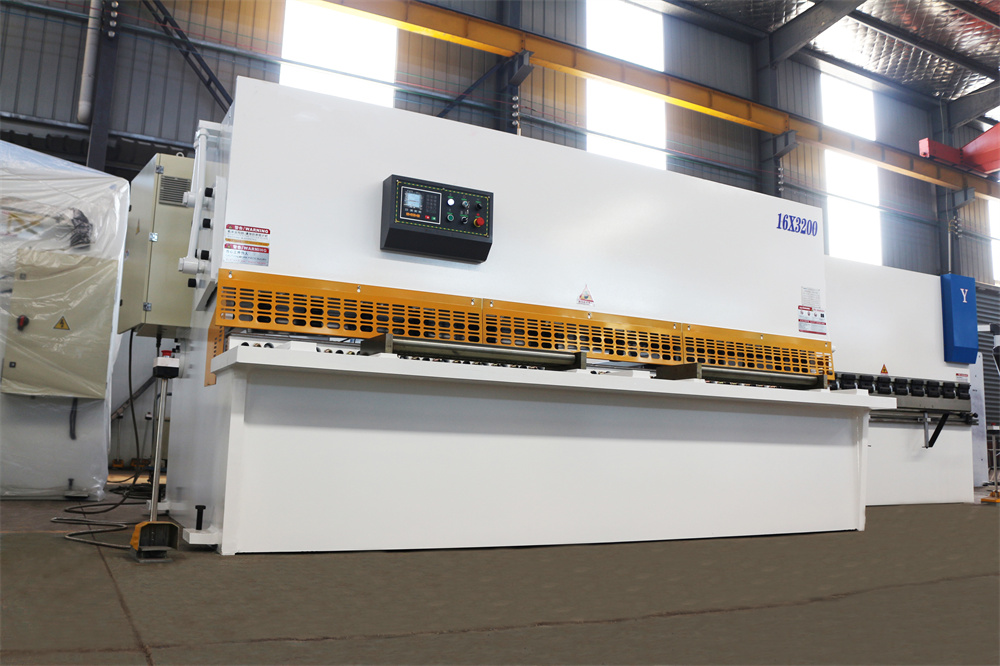
Key Considerations: Why Material Slippage Occurs
Before diving into the technical fixes, it is essential to understand the primary factors that contribute to material instability. The most common culprit is the hydraulic hold-down system. These cylinders are responsible for exerting downward pressure on the metal sheet before the blade makes contact. If the pressure is uneven, or if the seals in these cylinders are leaking, the material will inevitably shift. Operators should regularly check the pressure gauges to ensure the hold-down force is consistent with the material thickness being processed.
Another critical consideration is the condition of the machine’s table and the hold-down feet themselves. Over time, the friction-inducing surfaces of the hold-down pads can wear down or become coated in oil and metal dust. When the surface becomes smooth or lubricated, it loses its grip. Similarly, if the material itself is coated in heavy mill scale or protective oils, the coefficient of friction is significantly reduced, making it much easier for the sheet to slide during the high-pressure phase of the shear.
Blade sharpness and clearance also play a pivotal role. Dull blades require more force to penetrate the metal, which in turn increases the lateral force pushing against the material. If the blade gap (clearance) is set too wide for the material thickness, the metal tends to “pull” into the gap rather than being cleanly sheared. This pulling action is a frequent cause of what operators perceive as slippage. Therefore, troubleshooting must always involve a thorough inspection of the cutting edges and the clearance settings.
Finally, the backgauge system must be evaluated. While the backgauge is primarily for positioning, if it is not rigid or if the material is not properly squared against it, the initial impact of the blade can cause the sheet to pivot. A loose backgauge or worn lead screws can lead to subtle movements that ruin the precision of the cut. Ensuring that the backgauge is calibrated and mechanically sound is a prerequisite for slip-free operation.
Technical Details: The Mechanics of the Hold-Down System
To effectively troubleshoot material slippage in a shearing machine, one must understand the hydraulic circuit governing the hold-downs. In most HARSLE hydraulic shearing machines, the hold-down cylinders are synchronized with the main cutting cylinders. When the foot pedal is depressed, the hold-down cylinders engage first. They must reach a specific pressure threshold before the ram begins its descent. If there is a lag in this synchronization, the blade may strike the material before it is fully secured.
Hydraulic Pressure and Valve Calibration
The hydraulic system relies on a sequence valve that directs fluid to the hold-downs before the main cylinders. If this valve is sticking or improperly adjusted, the clamping force may be insufficient at the moment of impact. Technicians should use a pressure gauge to verify that the hold-down pressure matches the manufacturer’s specifications. For thicker materials, higher clamping forces are required to counteract the increased shearing resistance. If the pressure is too low, the material will slide; if it is too high, it may mar the surface of sensitive materials like aluminum or stainless steel.
The Role of Friction and Surface Contact
The physics of clamping relies on the formula: Friction Force = Coefficient of Friction × Normal Force. The “Normal Force” is provided by the hydraulic hold-downs. If you cannot increase the force, you must look at the coefficient of friction. Many industrial shearing machines use polyurethane or hardened rubber inserts on the hold-down feet to increase grip without damaging the material. If these inserts are missing or worn, the metal-on-metal contact provides much less grip, especially on oily cold-rolled steel. Replacing these inserts is often the simplest and most effective fix for slippage.
Blade Clearance and Material Thickness Ratios
Blade clearance is the distance between the upper and lower blades as they pass each other. The general rule of thumb is that clearance should be approximately 5% to 10% of the material thickness. When the clearance is too large, the material undergoes excessive plastic deformation before the fracture occurs. This deformation creates a horizontal force component that pushes the material out from under the hold-downs. By tightening the clearance to the correct specification, you reduce this horizontal force, thereby reducing the likelihood of slippage.
Step-by-Step Troubleshooting Protocol
When slippage is detected, follow this systematic protocol to identify and resolve the issue efficiently:
- Inspect the Hold-Down Pads: Check for wear, oil accumulation, or damage. Clean the pads with a degreaser and replace any worn polyurethane inserts.
- Verify Hydraulic Pressure: Monitor the pressure gauge during a test cut. Ensure the hold-downs engage fully before the ram moves. Adjust the sequence valve if necessary.
- Check Blade Sharpness: Look for rounded edges or nicks on both the upper and lower blades. Dull blades are a primary cause of increased lateral force.
- Adjust Blade Clearance: Use a feeler gauge or the machine’s automated clearance adjustment to set the gap based on the specific material thickness you are cutting.
- Examine Material Condition: If the material is excessively oily, wipe the clamping area. For very thin or very hard materials, consider using a sacrificial backing sheet to increase stability.
- Calibrate the Backgauge: Ensure the backgauge is parallel to the blade and that there is no play in the movement mechanism.
| Component | Common Issue | Recommended Action |
|---|---|---|
| Hold-down Cylinders | Leaking seals or low pressure | Replace seals and check hydraulic pump output |
| Shear Blades | Dullness or improper gap | Rotate or grind blades; reset clearance |
| Machine Table | Debris or lack of level | Clean table surface and verify machine leveling |
| Backgauge | Mechanical play or misalignment | Tighten drive belts and recalibrate CNC settings |
Selection Advice: Choosing a Machine to Minimize Slippage
When purchasing a new shearing machine, selecting a model with advanced clamping features can prevent slippage issues before they start. HARSLE offers various models, from swing beam shears to guillotine shears, each with specific advantages. For high-precision tasks, a hydraulic guillotine shear is often preferred because it allows for adjustable rake angles. By reducing the rake angle, you decrease the amount of material being cut at any one time, which reduces the total force required and, consequently, the tendency for the material to slip.
Look for machines that feature independent hydraulic hold-downs. Some lower-end models use a single bar for clamping, which can be problematic if the material is not perfectly flat. Independent cylinders can compensate for slight variations in material thickness or waviness, ensuring that every inch of the sheet is firmly held. Additionally, machines equipped with CNC-controlled blade clearance and rake angle adjustment allow for rapid setup changes, ensuring that the machine is always optimized for the specific task at hand, which is the best defense against material movement.

Another factor to consider is the throat depth and the table design. A machine with a solid, heavy-duty table and high-quality ball transfers makes it easier to position large sheets accurately without causing physical strain on the operator or the backgauge. When the material is easy to position and stays level, the clamping system can do its job much more effectively. HARSLE’s commitment to robust frame construction ensures that the machine does not deflect under load, which is a hidden cause of slippage in lighter, less rigid machines.
Maintenance Tips for Long-Term Precision
Preventive maintenance is the key to avoiding the need to troubleshoot material slippage in a shearing machine in the middle of a production run. Establish a daily, weekly, and monthly checklist. Daily tasks should include cleaning the table and hold-downs. Weekly tasks should involve checking hydraulic fluid levels and inspecting the blades for any signs of wear. Monthly, the machine’s leveling should be checked, as a machine that has shifted on its foundation can experience twisting forces that affect clamping uniformity.
Lubrication is also vital. While it might seem counterintuitive to lubricate a machine where you want to avoid slippage, the moving parts of the hold-down cylinders and the ram guides must be well-lubricated to ensure smooth, consistent movement. Use only the lubricants recommended by HARSLE to avoid damaging seals or attracting excessive dust. Furthermore, keep an eye on the hydraulic oil temperature; overheated oil loses its viscosity, leading to erratic pressure and potential clamping failure.
Frequently Asked Questions (FAQ)
1. Why does my material only slip when cutting stainless steel?
Stainless steel is significantly harder than carbon steel, requiring much higher shearing forces. This increased force translates into higher lateral pressure. To prevent slippage with stainless steel, you must ensure your blades are extremely sharp, the clearance is set precisely (usually tighter than for mild steel), and the hold-down pressure is at its maximum safe setting.
2. Can I use a shearing machine if one of the hold-down cylinders is leaking?
It is not recommended. A leaking cylinder results in uneven clamping force across the length of the cut. This will cause the material to pivot or “fan out,” leading to a tapered cut and potentially damaging the blades or the machine frame due to uneven loading.
3. How often should I rotate the blades on my HARSLE shearing machine?
Blade life depends on the material type and thickness being cut. However, a general rule is to inspect the edges every 500 to 1,000 hours of operation. Most HARSLE blades have four cutting edges; rotating them as soon as you notice a decrease in cut quality or an increase in material slippage will save you money on professional grinding and prevent machine downtime.
4. Does the rake angle affect material slippage?
Yes, significantly. A higher rake angle reduces the total tonnage required to shear the plate but increases the tendency for the material to twist and slip. If you are experiencing slippage on thicker plates, try reducing the rake angle if your machine allows it, though this will increase the load on the hydraulic system.
5. What is the best way to clean hold-down pads?
Use a non-residue industrial degreaser and a stiff brush. Avoid using lubricants or silicone-based sprays near the clamping area. If the pads are made of polyurethane and have become glazed, a light sanding with fine-grit sandpaper can restore their grip.
Conclusion
Successfully learning how to troubleshoot material slippage in a shearing machine is a vital skill for any metal fabrication professional. By focusing on the hydraulic hold-down system, maintaining sharp blades with correct clearances, and ensuring the machine is properly calibrated, you can eliminate the errors that lead to wasted material and lost time. Precision shearing is not just about the power of the machine, but the control it exerts over the workpiece.
HARSLE continues to innovate in the field of metal fabrication, providing machines that offer the rigidity and technological features necessary to handle the most demanding cutting tasks. Whether you are upgrading your current equipment or looking for a new solution, understanding these technical nuances will ensure your operations remain productive and your cuts remain perfect. Regular maintenance and a keen eye for the symptoms of wear will keep your shearing machine performing at its peak for years to come.