What Causes Shearing Machine Blade Chipping and How to Prevent It


Introduction to Shearing Machine Blade Integrity
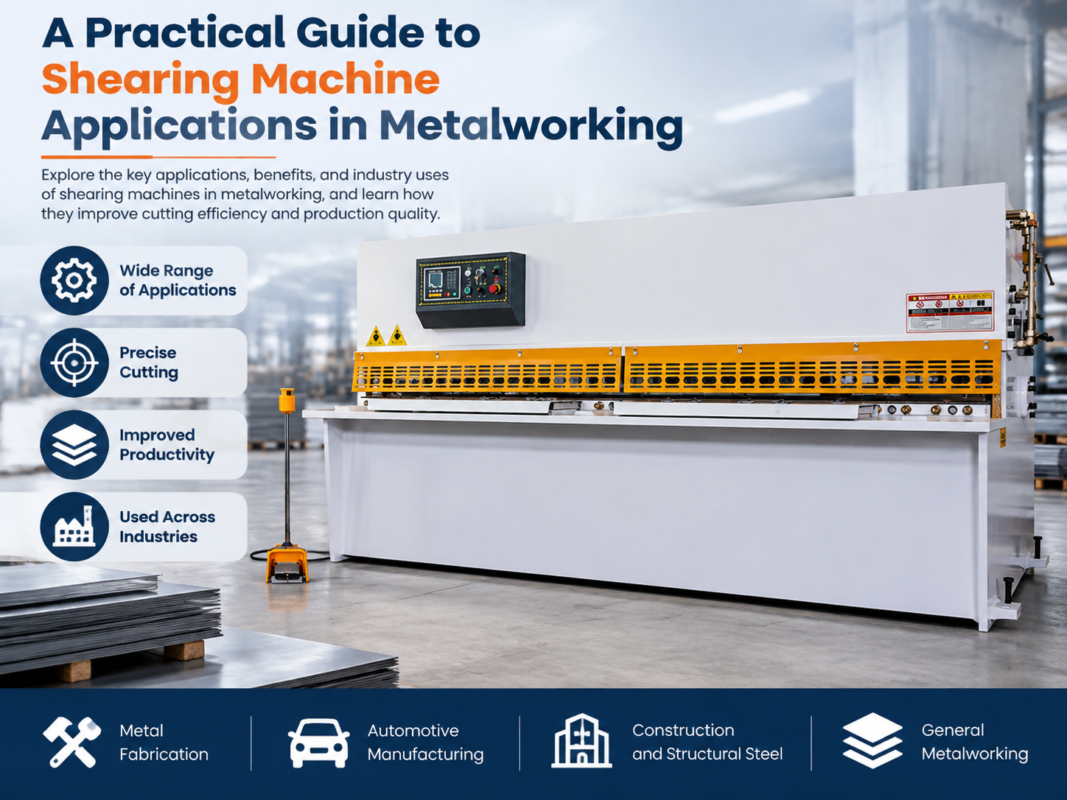
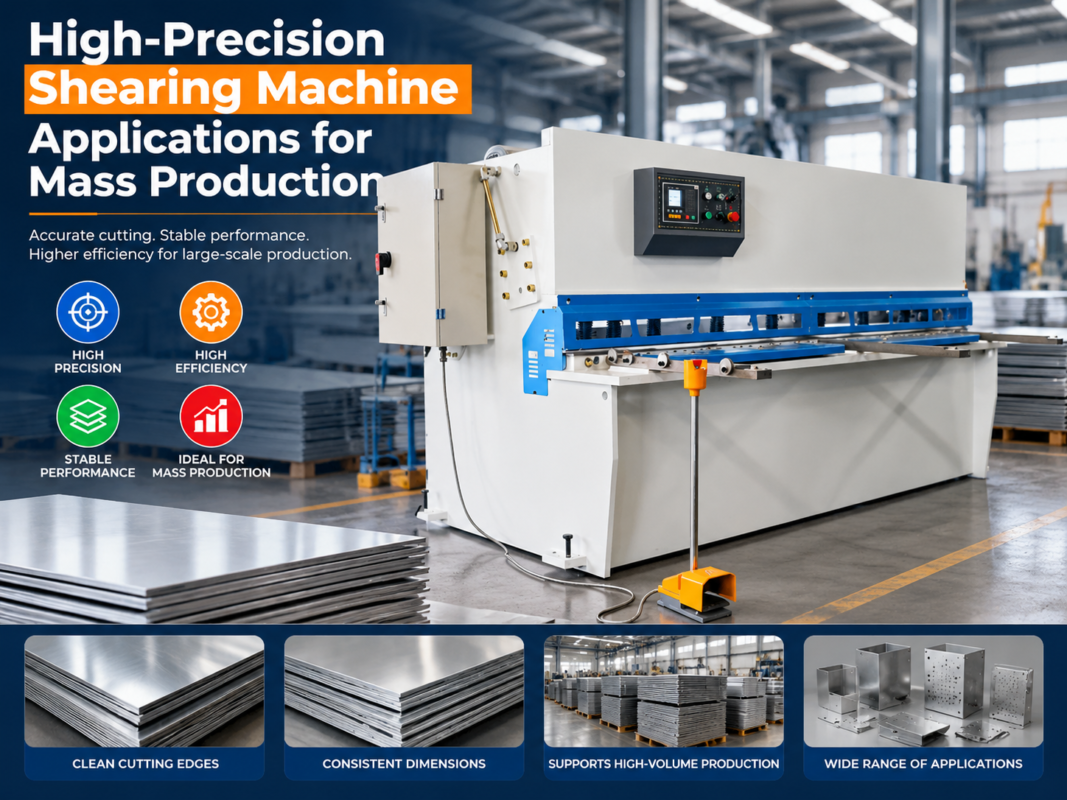
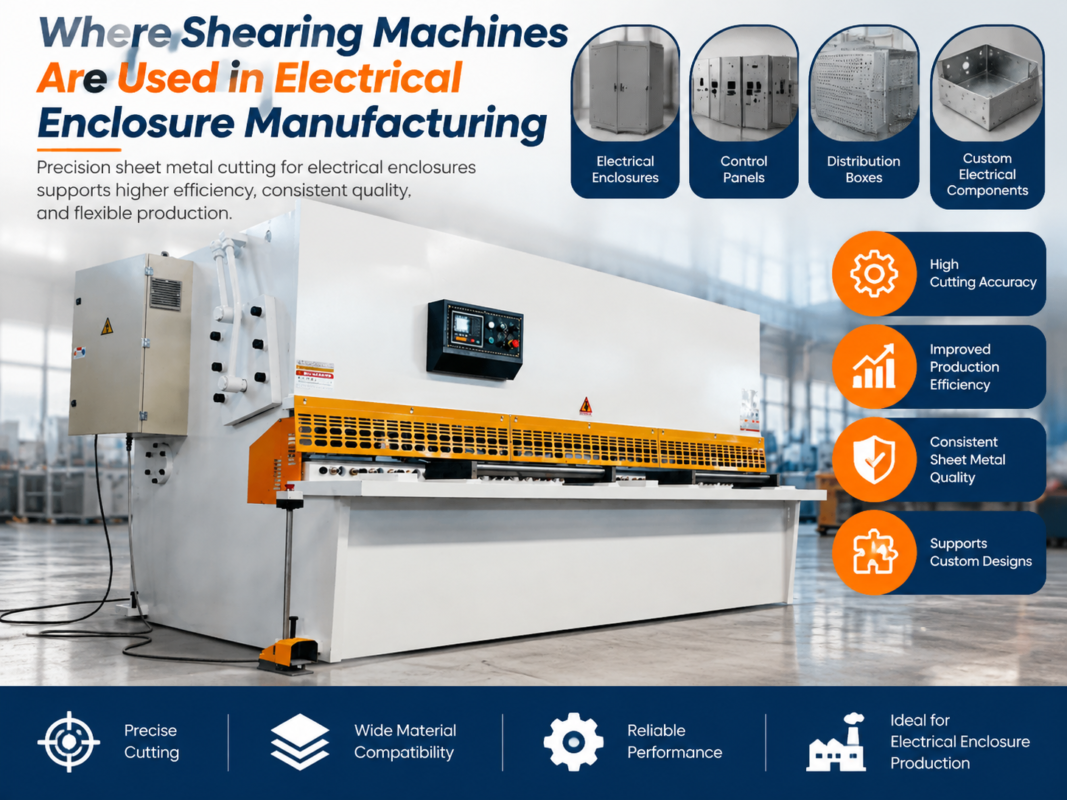
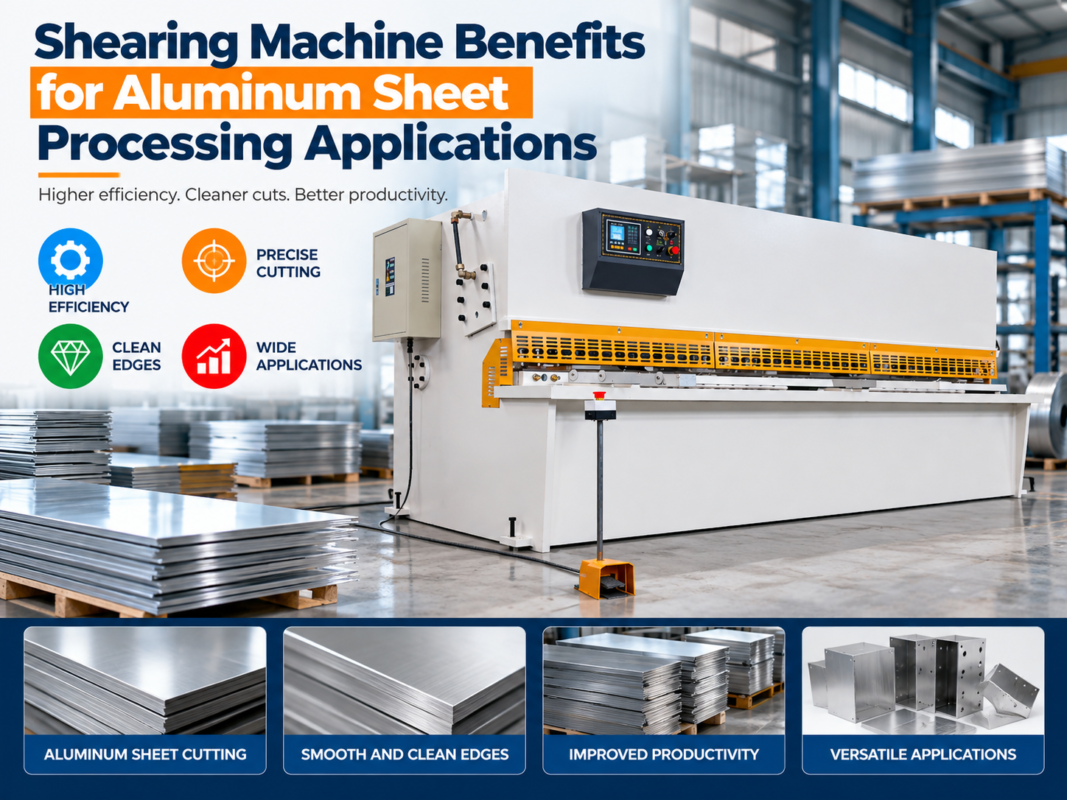
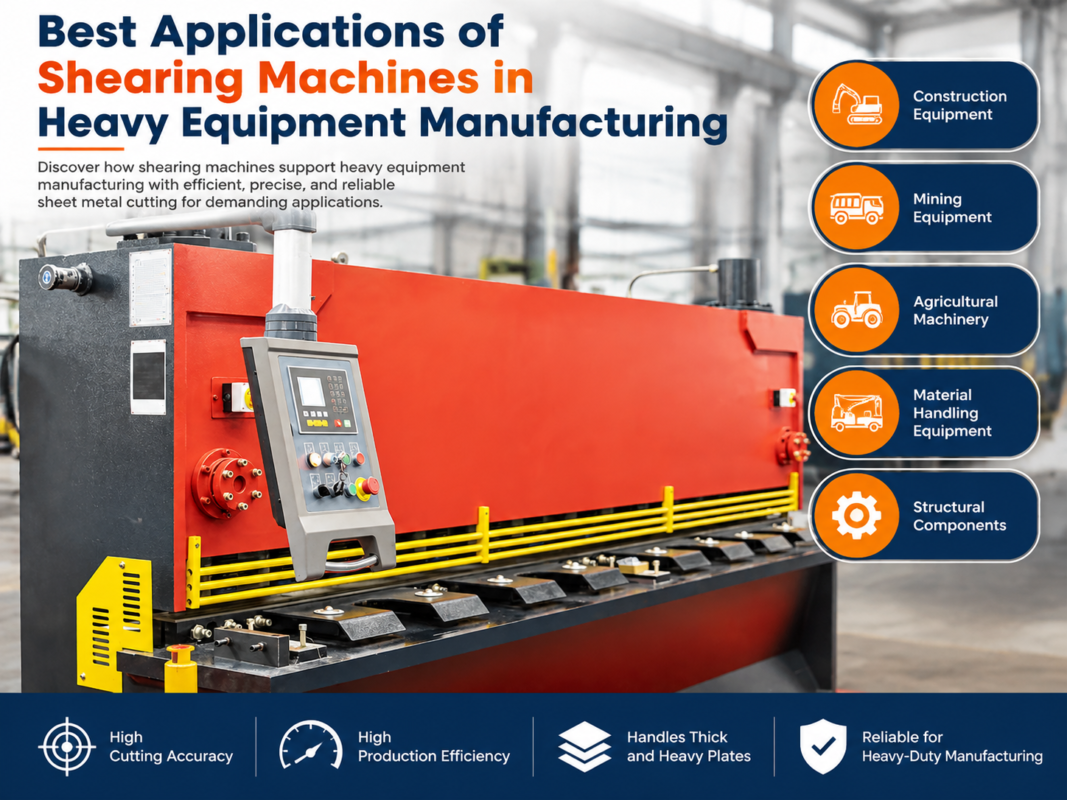
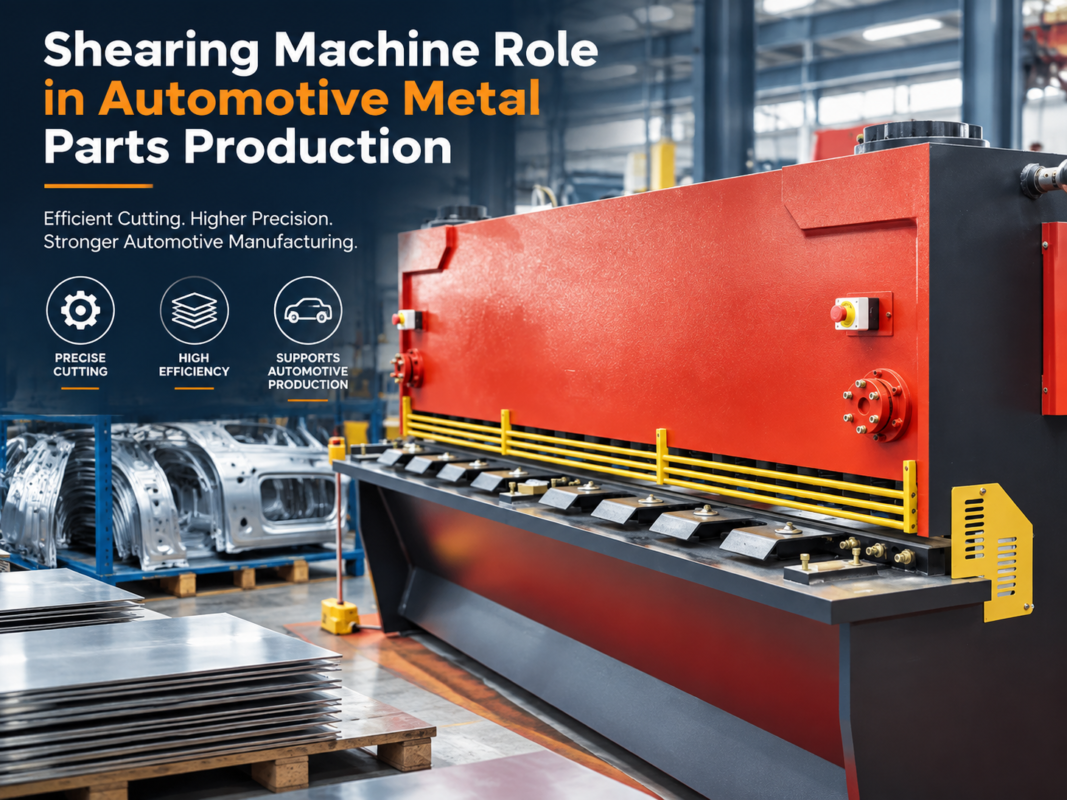
In the world of metal fabrication, the shearing machine is a workhorse, essential for cutting sheet metal and plates to precise dimensions. However, one of the most frustrating and costly issues operators face is blade chipping. When a blade chips, it doesn’t just affect the quality of the cut; it can lead to machine downtime, increased operational costs, and potential safety hazards. Understanding the causes shearing machine blade chipping prevent it is crucial for any fabrication shop looking to maintain high productivity and extend the lifespan of their equipment.
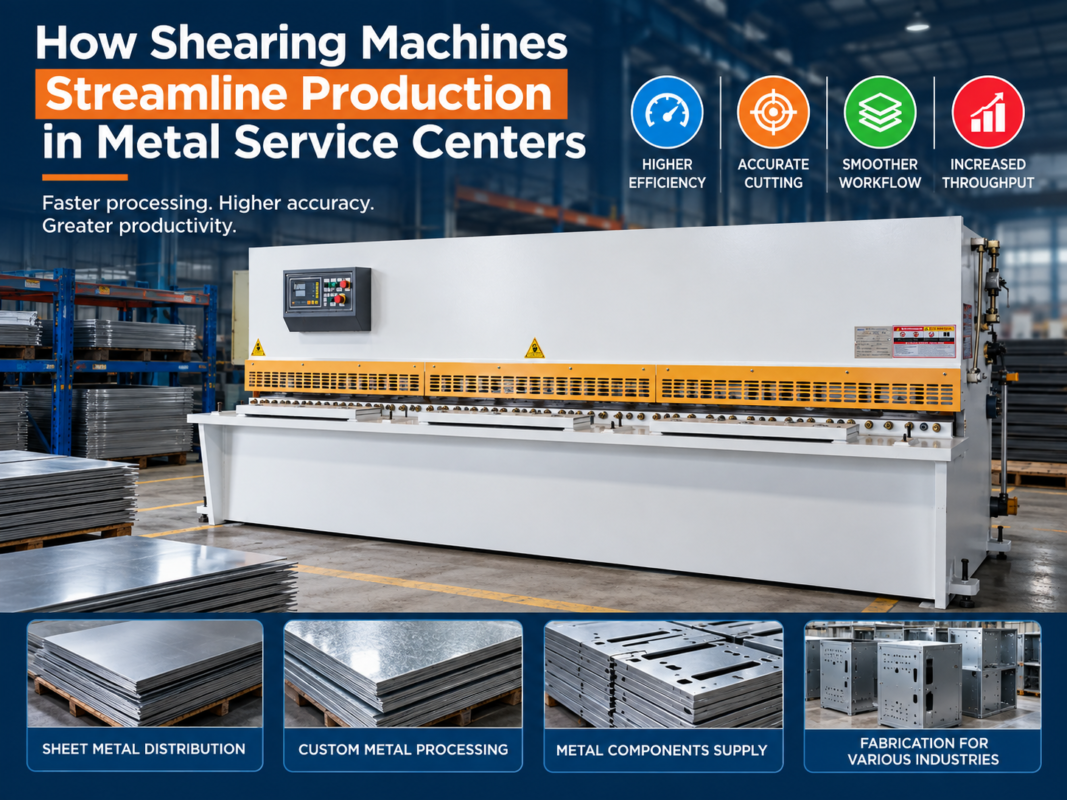
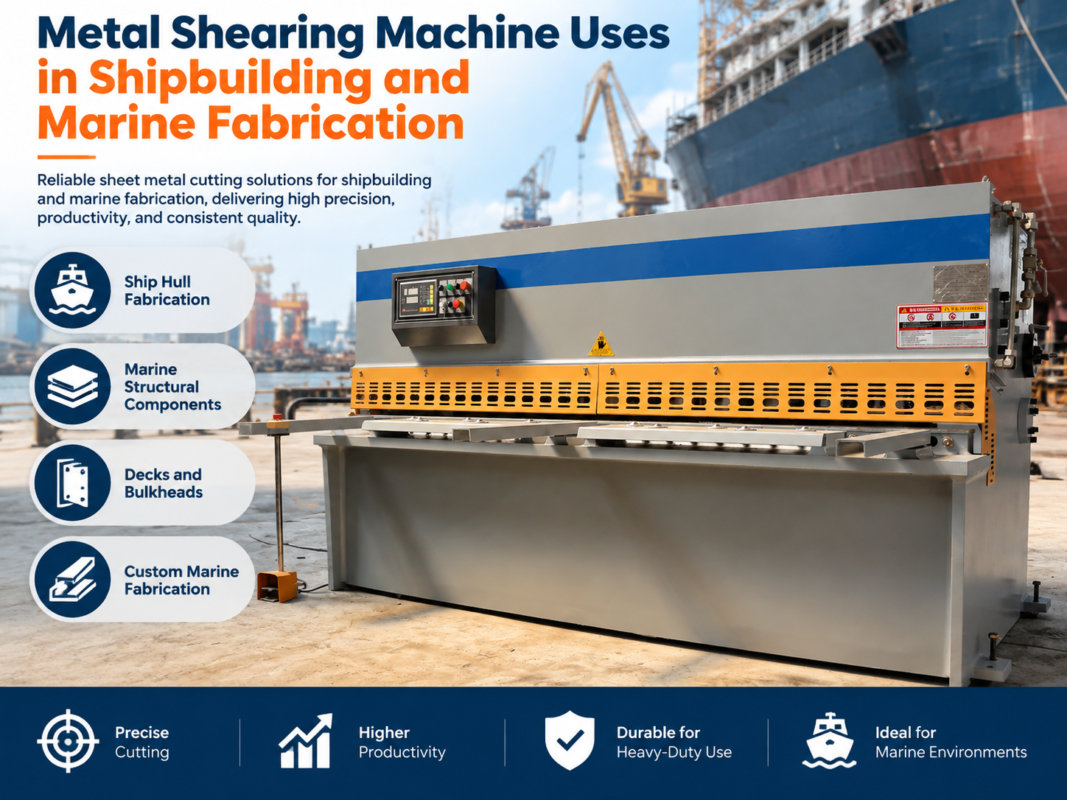
Blade chipping refers to the breaking away of small or large fragments from the cutting edge of the shear blade. Unlike gradual wear, which rounds the edge over time, chipping is often sudden and indicative of underlying mechanical or operational issues. At HARSLE, we emphasize that a shearing machine is only as good as its blades. Whether you are using a hydraulic swing beam shear or a guillotine shear, the integrity of the cutting edge determines the burr level, the flatness of the workpiece, and the overall efficiency of your production line.
This comprehensive guide will delve into the technical reasons behind blade failure, the metallurgical factors involved, and practical strategies to ensure your blades remain sharp and intact. By identifying the root causes, you can implement a preventative maintenance program that saves thousands of dollars in replacement parts and lost labor hours.
Key Considerations: Why Blades Chip
Identifying the causes shearing machine blade chipping prevent it starts with a thorough examination of the shearing process. Several factors contribute to the stress placed on the blade’s edge. The most common culprit is improper blade clearance. If the gap between the upper and lower blades is too tight, the blades may rub against each other, causing extreme friction and localized heat that leads to brittle fracturing. Conversely, if the gap is too wide, the material will tend to bend or tear rather than shear, putting lateral pressure on the blade edge that can cause it to snap.
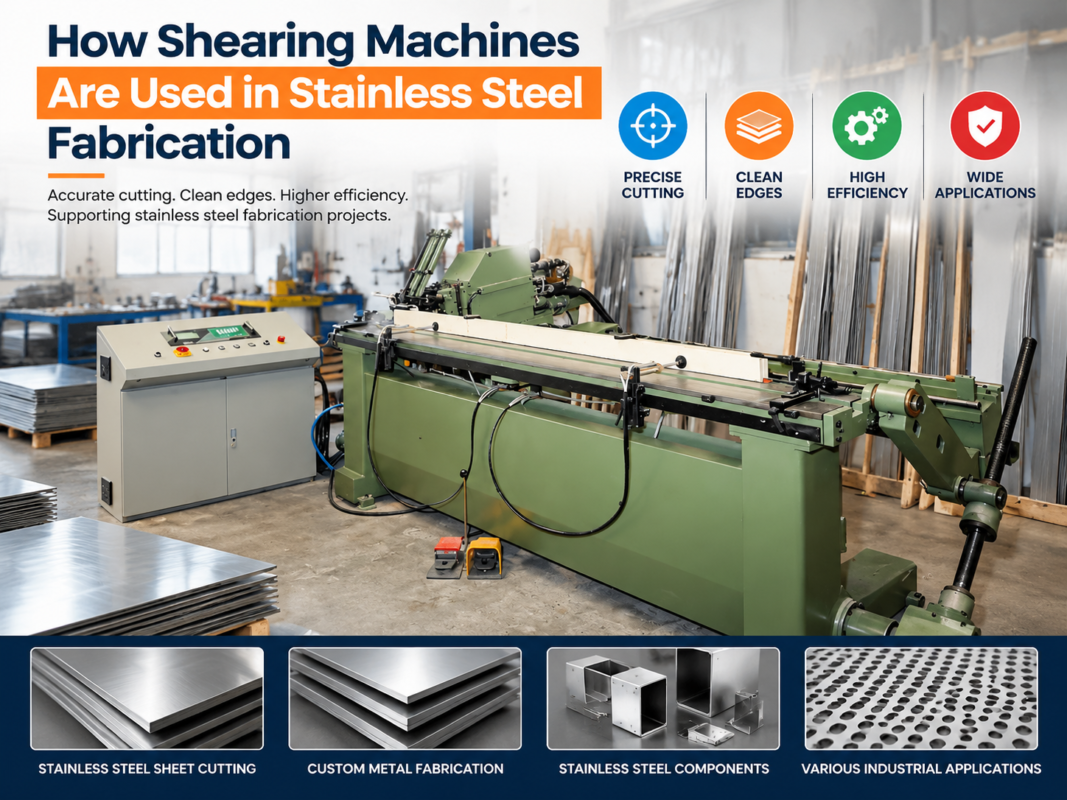
Another significant factor is the material being cut. Every shearing machine has a rated capacity based on mild steel with a specific tensile strength (usually around 450 N/mm²). If an operator attempts to cut stainless steel or high-carbon alloys without adjusting the machine or using the appropriate blade grade, the increased resistance can exceed the blade’s structural limits. Stainless steel, in particular, work-hardens rapidly, which can be devastating to a standard blade not designed for such toughness.
Environmental factors and cleanliness also play a role. The presence of mill scale, rust, or foreign debris on the surface of the metal sheet can act as an abrasive or a sudden point of impact. If a piece of hardened slag or a stray bolt passes through the blades, the concentrated force at that single point is often enough to cause a significant chip. Furthermore, the mechanical condition of the machine itself—such as worn-out ram guides or loose blade bolts—can cause the blades to shift during the cutting stroke, leading to catastrophic edge failure.
Technical Details: Metallurgy and Machine Dynamics
The Role of Blade Material and Heat Treatment
The performance of a shearing blade is largely dictated by its metallurgical composition. Common materials include 9CrSi, 6CrW2Si, Cr12MoV, and H13. Each of these alloys offers a different balance of hardness and toughness. For instance, Cr12MoV is excellent for high-wear resistance but can be brittle if not tempered correctly. H13 is often preferred for hot-shearing applications or when high impact resistance is required. If the heat treatment process results in a blade that is too hard (high HRC), it becomes susceptible to chipping under impact. If it is too soft, it will dull quickly and deform.
Shear Angle and Cutting Force Distribution
The shear angle—the angle at which the upper blade meets the lower blade—is a critical technical parameter. A higher shear angle reduces the total force required to cut the material because it shears a smaller section at any given moment. However, a high shear angle can also cause the material to twist or bow. In terms of chipping, an inconsistent shear angle or a sudden change in the angle due to hydraulic fluctuations can create uneven stress distribution across the blade. Modern HARSLE machines utilize precision hydraulic systems to maintain a constant shear angle, which significantly reduces the risk of edge chipping.
Hydraulic Pressure and Overload Protection
In hydraulic shearing machines, the pressure applied to the cylinders must be carefully regulated. If the pressure is set too high, the machine may attempt to force the blade through material that is beyond its capacity. Most high-quality shears are equipped with hydraulic overload protection valves. When the resistance exceeds a safe threshold, the valve opens, and the ram stops or returns. If this system is bypassed or malfunctioning, the sheer force can cause the blade to shatter or chip as it tries to overcome the resistance of the metal plate.
Selection Advice: Choosing the Right Setup
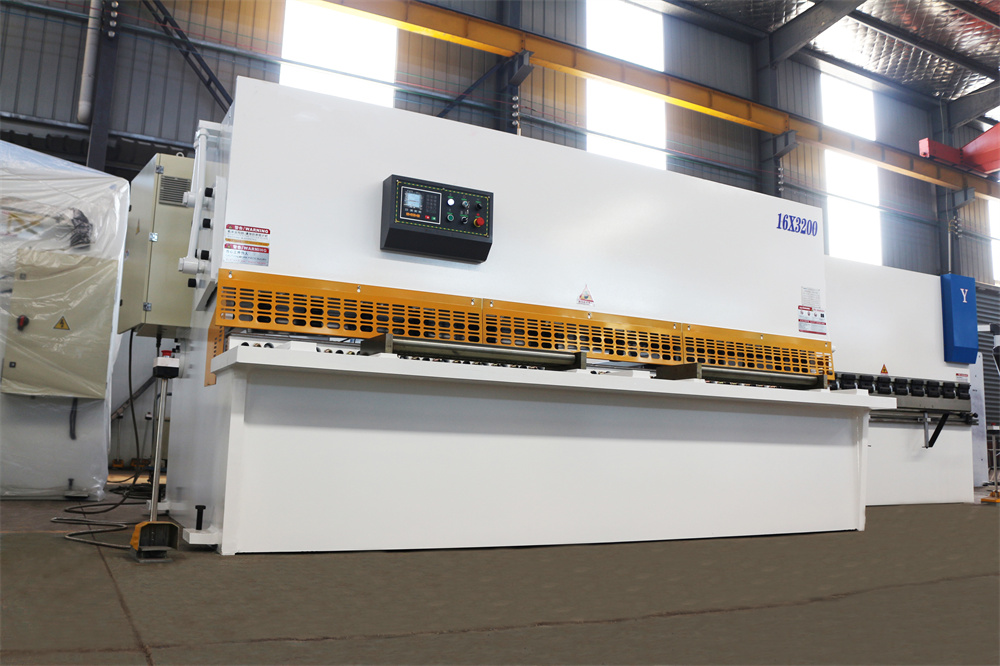
To effectively prevent it (blade chipping), you must start with the right equipment and components. When selecting a shearing machine or replacement blades, consider the following criteria:
- Match Blade Grade to Material: If your shop primarily processes stainless steel, invest in high-chrome, high-carbon blades (like Cr12MoV or D2) specifically heat-treated for toughness. Standard blades for mild steel will not last in a high-production stainless environment.
- Automated Gap Adjustment: Look for machines that offer CNC-controlled blade gap adjustment. This ensures that the clearance is perfectly set for every thickness, removing the risk of human error that often leads to chipping.
- Machine Rigidity: A machine with a heavy-duty, welded steel frame will vibrate less. Vibration is a hidden cause of micro-chipping, as the blade “chatters” against the material during the cut.
- Blade Quality: Not all blades are created equal. Ensure your blades are precision-ground and have undergone cryogenic treatment if possible, which stabilizes the molecular structure and reduces internal stresses.
When purchasing from HARSLE, our engineers provide a detailed material compatibility chart. This helps operators understand the limits of their specific machine model. For example, a machine rated for 10mm mild steel might only be capable of shearing 5mm or 6mm stainless steel. Adhering to these guidelines is the first step in preventing premature blade failure.
Step-by-Step Prevention Strategies
Implementing a rigorous maintenance and operational protocol is the best way to prevent it. Follow these steps to safeguard your shearing blades:
- Daily Visual Inspections: Before starting the shift, operators should check the blade edge for any signs of nicks or buildup. Small chips can often be ground out before they grow into larger cracks.
- Proper Lubrication: While shearing is a dry process for the material, the moving parts of the machine—the ram guides and the blade seats—must be well-lubricated to ensure smooth movement and prevent misalignment.
- Material Cleaning: Ensure the metal plates are free of heavy rust, sand, or weld spatters. A quick wipe or a pass with a wire brush can prevent a hard particle from damaging the blade.
- Regular Blade Rotation: Most shearing blades have four cutting edges. Do not wait until one edge is completely destroyed before rotating. Regular rotation ensures even wear and allows for more effective regrinding later.
- Verify Backgauge Alignment: If the backgauge is not parallel to the blade, the material may kick or shift during the cut, creating lateral forces that chip the blade.
FAQ: Common Questions About Blade Chipping
1. Can a chipped blade be repaired?
Yes, small chips can often be removed by professional regrinding. However, the blade must be ground down past the depth of the deepest chip to ensure a clean, sharp edge. If the chip is too deep, the blade may become too narrow to meet the clearance requirements of the machine, necessitating replacement.
2. How often should I check the blade clearance?
Blade clearance should be checked every time you change the thickness of the material being cut. Even a difference of 1mm in plate thickness requires a corresponding adjustment in the gap to prevent excessive stress on the blade edge.
3. Why does my blade chip only at the ends?
Chipping at the ends of the blade often indicates that the machine’s stroke is not properly calibrated or that the material is not being held securely by the hold-down cylinders. If the material tips at the end of the cut, it can “pinch” the blade edge.
4. Does the temperature of the material affect chipping?
Extremely cold metal can be more brittle and harder to shear, increasing the risk of impact-related chipping. In very cold environments, it is advisable to let the material reach room temperature before processing.
5. Is it better to have a tighter or looser blade gap?
Neither is ideal, but a slightly loose gap is generally safer for the blade than a gap that is too tight. A tight gap causes immediate friction and heat, while a loose gap primarily results in a poor-quality cut (burrs). However, both should be avoided by following the manufacturer’s clearance chart.
Conclusion: Maximizing Blade Life and Machine ROI
Understanding the causes shearing machine blade chipping prevent it is an essential skill for any fabrication professional. By focusing on the three pillars of blade health—correct metallurgy, precise machine setup, and diligent maintenance—you can significantly reduce the frequency of blade failures. Chipping is rarely a random occurrence; it is usually a symptom of a specific mechanical or operational discrepancy.
Investing in a high-quality HARSLE shearing machine provides you with the structural stability and advanced control systems needed to minimize these risks. However, the responsibility ultimately lies with the operator to respect the machine’s limits and maintain the cutting tools. By following the guidelines outlined in this article, you will not only extend the life of your blades but also improve the quality of your finished products and the safety of your workspace. Remember, a sharp, intact blade is the heart of a productive shearing operation.
| Problem | Probable Cause | Prevention Strategy |
|---|---|---|
| Micro-chipping | Blade too hard or vibration | Check HRC levels; tighten frame bolts |
| Large Edge Fractures | Foreign objects or overloading | Clean material; adhere to capacity charts |
| Localized Chipping | Uneven blade gap | Recalibrate blade clearance across full length |
| Rapid Dulling | Incorrect blade material | Upgrade to Cr12MoV for high-tensile steel |