How a CNC Laser Cutting Machine Helped Lower Labor Costs in Sheet Metal Processing


Introduction to Modern Sheet Metal Processing
In the competitive landscape of modern manufacturing, the pressure to reduce operational overhead while increasing output has never been higher. For decades, sheet metal fabrication relied heavily on manual labor, involving complex layouts, manual shearing, and labor-intensive punching processes. However, the advent of advanced fiber laser technology has revolutionized the shop floor. Specifically, A CNC Laser Cutting Machine Helped Lower Labor Costs In Sheet Metal Processing by streamlining workflows that previously required multiple skilled technicians and extensive manual intervention.
Labor costs in traditional metalworking are not limited to hourly wages. They encompass the time spent on material handling, the cost of human error leading to scrapped parts, and the extensive secondary processing required to clean up rough edges. As manufacturers seek to remain profitable, the transition to CNC (Computer Numerical Control) systems has become a necessity rather than a luxury. HARSLE, a leader in metal fabrication machinery, has observed a significant shift where clients are prioritizing automation to combat the rising costs of skilled labor and the scarcity of experienced operators.
This article explores the multifaceted ways in which a CNC laser cutting machine transforms the economic profile of a fabrication business. By integrating high-speed cutting with intelligent software, these machines allow a single operator to perform the work that once required a whole team. We will delve into the technical mechanisms, the strategic advantages, and the long-term ROI that makes this technology the cornerstone of modern industrial efficiency.
Key Considerations: How Labor Costs are Reduced
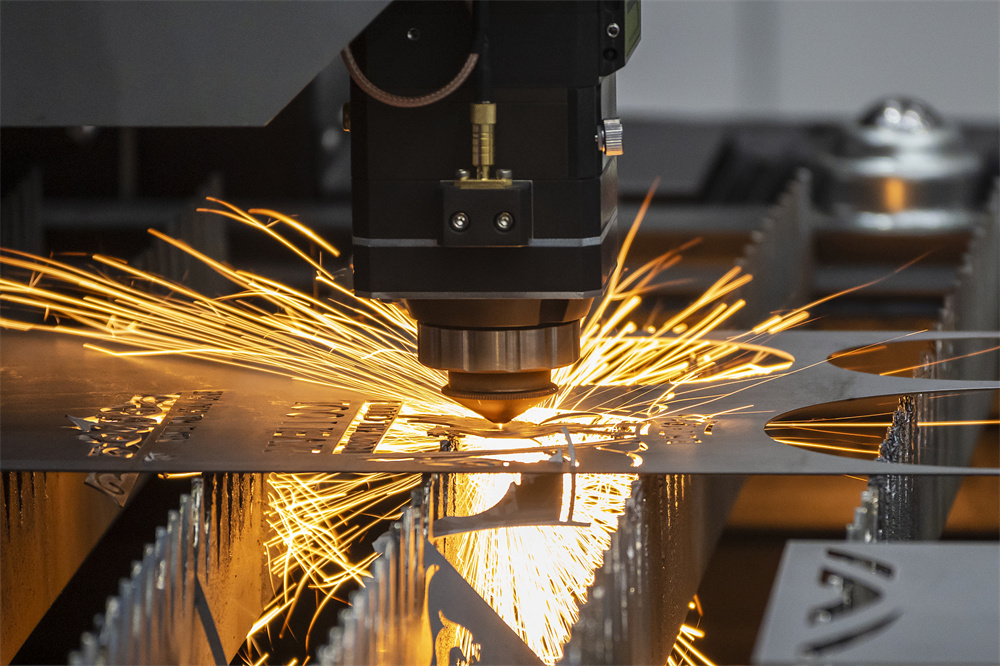
When analyzing how A CNC Laser Cutting Machine Helped Lower Labor Costs In Sheet Metal Processing, it is essential to look at the specific stages of production where human effort is minimized. The most immediate impact is seen in the pre-processing stage. Traditional methods required manual marking and template creation. With CNC laser machines, the integration of CAD/CAM software allows for digital designs to be uploaded directly to the machine. This eliminates the need for manual layout specialists, significantly reducing the man-hours required before the first cut is even made.
Another critical factor is the reduction of secondary operations. Manual cutting methods, such as plasma or mechanical shearing, often leave burrs, dross, or distorted edges. These imperfections require workers to spend hours grinding, deburring, and straightening parts. Fiber lasers produce such a clean and precise edge that parts are often ready for assembly or welding immediately after cutting. By removing the need for a dedicated deburring station, a company can reallocate those labor resources to more value-added tasks, effectively lowering the cost per part.
Furthermore, the automation of material handling plays a pivotal role. Modern CNC laser systems often feature automatic pallet changers. This allows the machine to continue cutting on one table while an operator unloads finished parts and loads a new sheet on the second table. This “lights-out” or semi-automated capability means the machine’s uptime is maximized without requiring constant human supervision. In many cases, one operator can manage two or even three machines simultaneously, a feat impossible with manual fabrication equipment.
- Elimination of Manual Layout: Digital nesting replaces manual marking and measuring.
- Reduced Secondary Finishing: High-quality cuts eliminate the need for grinding and deburring.
- Increased Throughput: Faster cutting speeds mean more parts produced per labor hour.
- Material Optimization: Intelligent nesting reduces waste, which indirectly lowers the labor needed for scrap handling.
- Multi-Machine Operation: One technician can oversee multiple automated units.
Technical Details of CNC Laser Efficiency
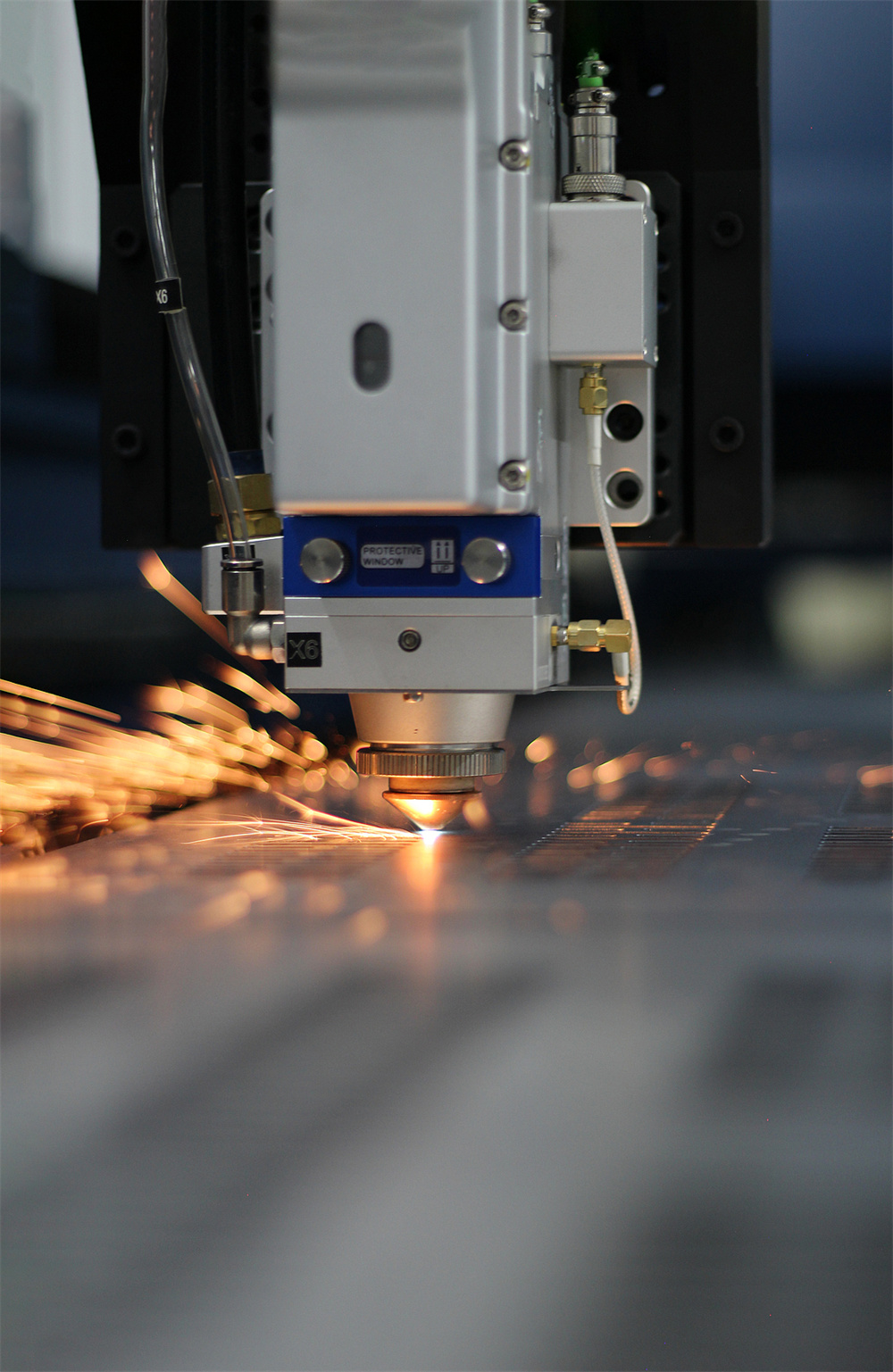
The technical prowess of a CNC laser cutting machine is what enables these labor savings. At the heart of the system is the fiber laser source, which provides a stable and concentrated beam of light. Unlike CO2 lasers, fiber lasers require significantly less maintenance and have no moving parts or mirrors in the light-generating source. This technical reliability means maintenance teams spend less time troubleshooting and more time on preventative measures, reducing the labor cost associated with machine downtime.
The CNC controller is the brain of the operation. Modern controllers, such as those used in HARSLE machines, feature intuitive interfaces that simplify the operation process. Advanced features like “Automatic Edge Seeking” allow the machine to detect the position of the metal sheet on the bed and adjust the cutting program accordingly. This removes the need for the operator to perfectly align heavy sheets of metal, a task that is both physically demanding and time-consuming. By automating the alignment, the risk of human error is virtually eliminated.
Nesting software is another technical marvel that contributes to labor reduction. By calculating the most efficient way to fit parts onto a single sheet of metal, the software minimizes scrap. While this saves on material costs, it also reduces the labor required to manage and dispose of large amounts of waste. Additionally, the software can generate reports that help management track production times and labor efficiency with precision, allowing for better resource planning.
| Feature | Impact on Labor | Technical Benefit |
|---|---|---|
| Automatic Pallet Changer | Reduces idle time | Allows simultaneous loading and cutting |
| Auto-Focus Cutting Head | Eliminates manual adjustment | Adjusts focal point based on material thickness |
| Intelligent Nesting | Reduces prep time | Optimizes part placement for maximum yield |
| High-Speed Servo Motors | Increases output | Provides rapid acceleration and precise positioning |
| Remote Monitoring | Reduces supervision | Allows operators to monitor status via mobile apps |
Selection Advice for Maximizing ROI
Choosing the right machine is crucial to ensuring that A CNC Laser Cutting Machine Helped Lower Labor Costs In Sheet Metal Processing in your specific facility. The first step is to assess your typical material thickness and volume. While a 12kW laser offers incredible speed, it may be overkill for a shop that primarily processes thin-gauge aluminum. Matching the power of the laser to your production needs ensures you aren’t overpaying for energy or maintenance while still achieving the labor-saving speeds you require.
Consider the software ecosystem. A machine is only as good as the instructions it receives. Ensure the CNC laser you select comes with or is compatible with industry-standard nesting software. This software should be user-friendly enough that a new operator can be trained quickly. The faster an employee becomes proficient, the lower your training-related labor costs will be. HARSLE provides comprehensive training and support to ensure that the transition from manual to CNC is as seamless as possible.
Don’t overlook the importance of the machine’s build quality. A lightweight frame may be cheaper initially, but it will vibrate at high speeds, leading to poor cut quality and frequent recalibration. A heavy-duty, heat-treated bed ensures the machine remains accurate over years of high-speed operation. This durability reduces the long-term labor costs associated with repairs and part replacements. When evaluating a machine, ask about the brand of the key components, such as the laser source (e.g., Raycus or IPG) and the servo motors (e.g., Yaskawa), as these determine the machine’s reliability.
Buyer’s Checklist for Labor-Saving Features:
- Does it have an automatic nozzle changer? This saves minutes per job change, which adds up to hours per week.
- Is the software capable of common-line cutting? This reduces the number of cuts and the total time the machine is running.
- What is the maximum acceleration rate? Higher acceleration reduces the time spent moving between cuts.
- Is there a local support team? Fast technical support reduces the labor lost during machine downtime.
- Does it include a smoke extraction system? A clean environment reduces the labor needed for cleaning the shop and protects worker health.
Frequently Asked Questions (FAQ)
How much can I expect to save on labor costs?
While results vary, many shops report a 30% to 60% reduction in labor costs per part. This is achieved by replacing multiple manual processes with a single CNC operation and reducing the need for secondary finishing. The ability to run the machine with minimal supervision also allows for better staff utilization.
Do I need a highly skilled engineer to operate the machine?
Modern CNC laser machines are designed with user-friendly interfaces. While a basic understanding of computers and metalworking is necessary, the advanced software handles most of the complex calculations. Most operators can be fully trained within a week, significantly lowering the barrier to entry compared to traditional skilled craftsmanship.
Can a CNC laser machine handle different types of metals?
Yes, fiber lasers are incredibly versatile. They can cut carbon steel, stainless steel, aluminum, brass, and copper. The CNC controller stores “cutting parameters” for different materials and thicknesses, allowing the operator to switch between jobs with just a few clicks, further reducing setup labor.
What maintenance is required to keep labor costs low?
Routine maintenance includes cleaning the protective lenses, checking the water chiller levels, and lubricating the guide rails. Because fiber lasers have fewer consumable parts than CO2 lasers or plasma cutters, the labor required for maintenance is substantially lower, ensuring the machine stays in production longer.
Is the initial investment worth the labor savings?
For most high-volume or high-precision shops, the ROI is typically achieved within 12 to 24 months. The combination of labor savings, reduced material waste, and the ability to take on more complex projects usually justifies the capital expenditure quickly.
Conclusion: The Future of Fabrication
In conclusion, the evidence is clear: A CNC Laser Cutting Machine Helped Lower Labor Costs In Sheet Metal Processing by introducing a level of efficiency and precision that manual methods simply cannot match. By automating the most time-consuming aspects of fabrication—from layout and cutting to material handling—manufacturers can significantly reduce their reliance on a shrinking pool of skilled manual laborers. This shift not only lowers costs but also improves the consistency and quality of the finished products.
As we look toward the future, the integration of AI and even more advanced automation will continue to drive labor costs down. For businesses looking to stay competitive, investing in a high-quality CNC laser cutting machine from a reputable manufacturer like HARSLE is a strategic move. It transforms the production floor from a labor-heavy environment into a streamlined, high-tech operation capable of meeting the demands of the modern global market.
Ultimately, the goal of any fabrication shop is to deliver high-quality parts at the lowest possible cost. By embracing CNC laser technology, you are not just buying a machine; you are investing in a more profitable, efficient, and sustainable future for your business. The reduction in labor costs is just the beginning of the benefits you will experience as you modernize your sheet metal processing capabilities.