How a Laser Cutting Machine Streamlined Stainless Steel Fabrication for a Manufacturer


Introduction: The Evolution of Stainless Steel Fabrication
In the competitive world of industrial manufacturing, efficiency and precision are the twin pillars of success. For decades, manufacturers dealing with stainless steel faced significant hurdles. Stainless steel, known for its durability, corrosion resistance, and aesthetic appeal, is notoriously difficult to process using traditional mechanical methods. It is prone to work hardening, requires immense force to shear, and often suffers from heat-induced warping when cut with plasma or older CO2 lasers. However, the landscape changed dramatically when a laser cutting machine streamlined stainless steel fabrication a manufacturer could rely on for high-volume, high-accuracy output.
This article explores a detailed case study of a mid-sized industrial manufacturer that transitioned from traditional mechanical shearing and CNC punching to advanced fiber laser technology. By integrating a HARSLE fiber laser cutting machine into their workflow, they were able to overcome the inherent challenges of stainless steel, such as edge discoloration and mechanical deformation. We will delve into the technical nuances of how this transition occurred and why fiber laser technology has become the gold standard for modern metal fabrication shops.
The shift toward automation and high-speed thermal cutting is not merely a trend; it is a necessity for survival in a global market. As we examine how a laser cutting machine streamlined stainless steel fabrication a manufacturer‘s operations, we will look at the specific technical advantages, the economic impact of reduced secondary processing, and the long-term sustainability of investing in high-end CNC machinery. Whether you are a small shop owner or a production manager at a large plant, understanding this transformation is key to optimizing your own fabrication line.
Key Considerations for Stainless Steel Fabrication
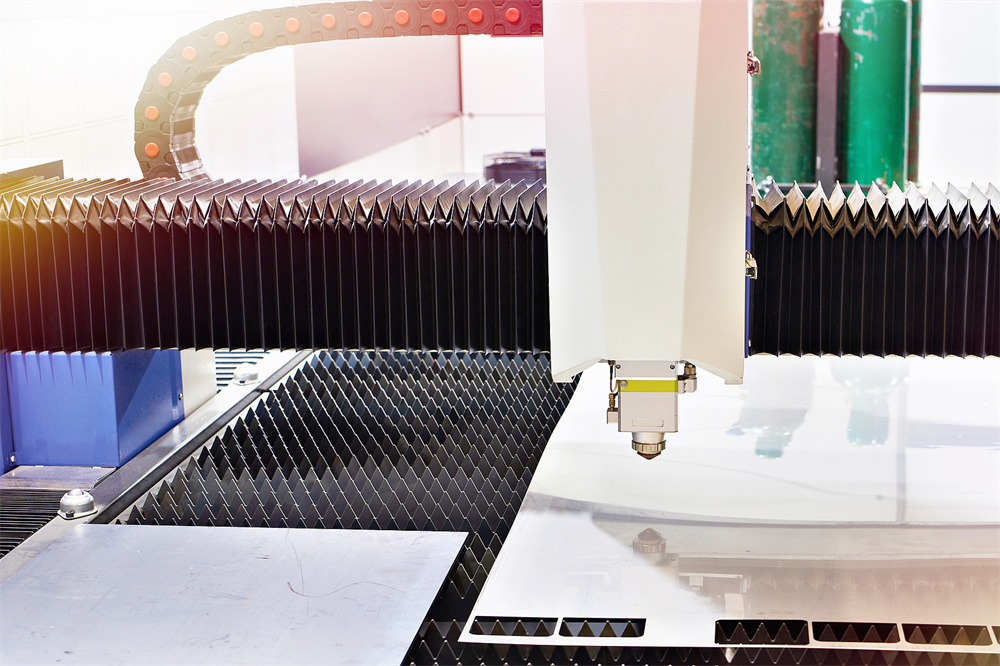
When a manufacturer decides to upgrade their facility, they must first understand the unique properties of the material they are working with. Stainless steel, particularly the 300 and 400 series, possesses thermal and mechanical properties that differ significantly from carbon steel. It has a lower thermal conductivity and a higher thermal expansion coefficient, meaning that heat management during the cutting process is critical to prevent warping and maintain dimensional stability.
One of the primary reasons a laser cutting machine streamlined stainless steel fabrication a manufacturer was looking for was the elimination of tool wear. In traditional punching or shearing, the hardness of stainless steel leads to rapid degradation of expensive die sets and blades. Fiber lasers, being a non-contact cutting method, eliminate this variable entirely. There is no physical tool to dull, ensuring that the first cut of the day is just as precise as the thousandth cut.
Furthermore, the aesthetic requirements of stainless steel are often much higher than those for mild steel. Many stainless steel components are used in the food service, medical, or architectural industries, where a clean, burr-free edge is mandatory. Traditional methods often leave jagged edges or mechanical marks that require hours of manual grinding and polishing. The implementation of a fiber laser machine allows for a “ready-to-ship” edge quality directly off the machine bed, significantly reducing labor costs and lead times.
Finally, the manufacturer had to consider the complexity of the parts being produced. As product designs become more intricate, with complex geometries and tight tolerances, mechanical tools often reach their physical limits. A CNC-controlled laser cutting machine offers the flexibility to cut virtually any shape without the need for custom tooling, making it the ideal solution for both prototyping and large-scale production runs.
Technical Details: How Fiber Lasers Transform Production
The technical superiority of fiber laser technology lies in its wavelength and delivery system. Fiber lasers operate at a wavelength of approximately 1.06 microns, which is much more readily absorbed by metals like stainless steel compared to the 10.6-micron wavelength of CO2 lasers. This higher absorption rate translates directly into faster cutting speeds and the ability to cut thinner materials with extreme precision. For the manufacturer in our case study, this meant a 300% increase in throughput for 3mm stainless steel sheets.
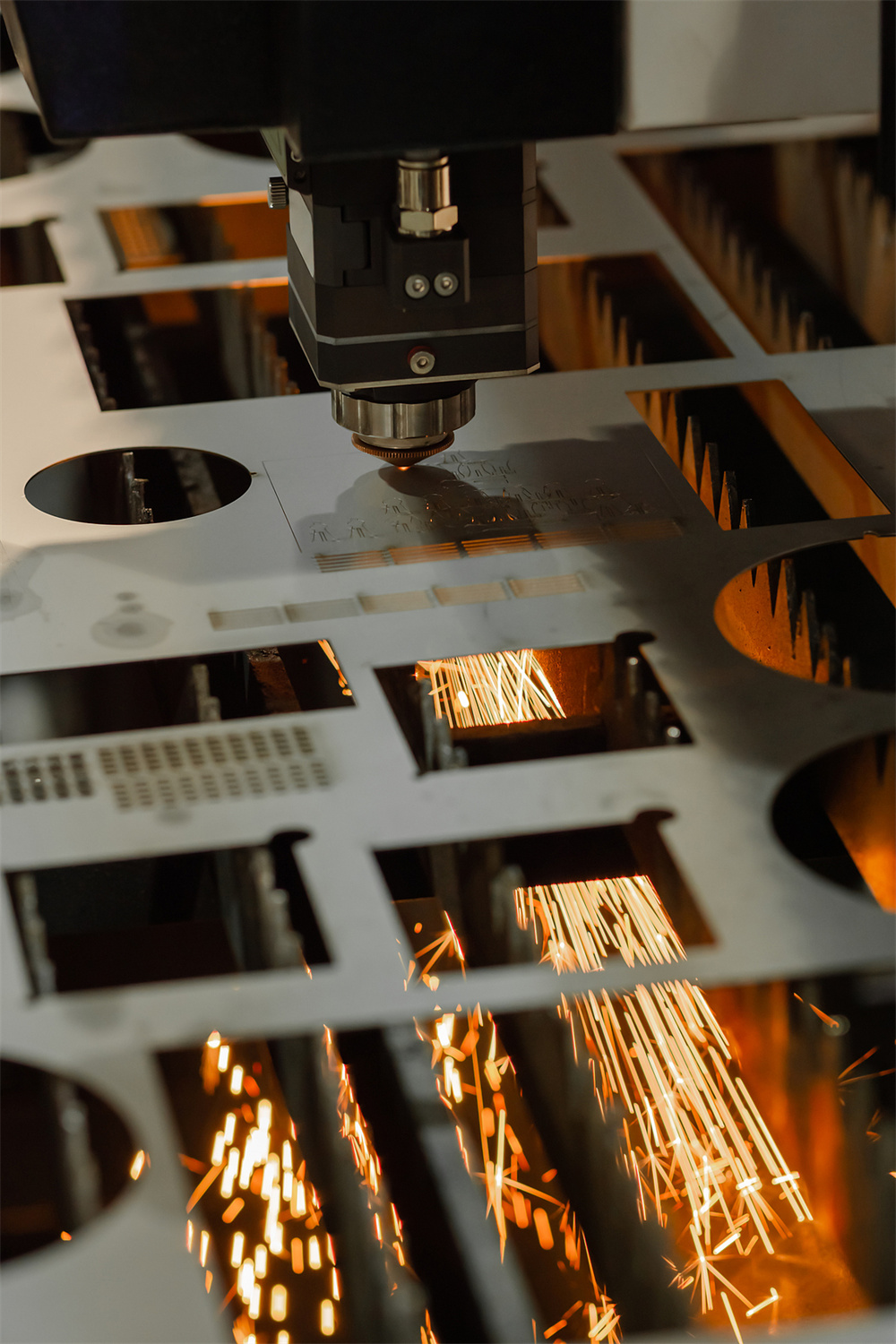
Another critical technical aspect is the use of assist gases. When cutting stainless steel, Nitrogen is typically used as the assist gas to perform a “fusion cut.” Unlike Oxygen, which causes an exothermic reaction and leaves an oxidized (black) edge, Nitrogen acts as a shielding gas, blowing away the molten metal while preventing oxidation. This results in a bright, silver edge that is ready for welding or immediate assembly. The ability to switch between gas types and pressures via CNC control is a major factor in how a laser cutting machine streamlined stainless steel fabrication a manufacturer‘s workflow.
| Feature | Traditional Shearing/Punching | Fiber Laser Cutting |
|---|---|---|
| Edge Quality | Rough, requires deburring | Smooth, oxide-free (with N2) |
| Tooling Cost | High (dies, blades, sharpening) | Zero (non-contact) |
| Material Waste | High (large skeletons) | Low (advanced nesting) |
| Flexibility | Limited to tool shapes | Infinite geometric freedom |
| Setup Time | Long (tool changes) | Minimal (software-driven) |
The motion control system of a modern HARSLE laser machine also plays a vital role. Utilizing high-torque servo motors and precision rack-and-pinion systems, these machines can achieve accelerations of up to 2G and positioning accuracies within microns. For a manufacturer producing components for the aerospace or medical sectors, this level of repeatability is non-negotiable. The integration of intelligent software, such as CypCut or similar CNC platforms, allows for real-time monitoring of the cutting process, automatic height sensing, and collision avoidance, further streamlining the operation.
Selection Advice: Choosing the Right Machine for Your Shop
Selecting the right equipment is a daunting task, but it begins with a clear assessment of your production needs. The first factor to consider is the laser power. For stainless steel, power is the primary driver of speed and maximum thickness. While a 1kW or 2kW machine can handle thin gauges, a manufacturer looking to cut 10mm or 12mm stainless steel efficiently will need to look at 6kW to 12kW sources. Higher power doesn’t just mean thicker cuts; it means significantly faster speeds on medium-thickness materials, which lowers the cost-per-part.
The second consideration is the bed size and machine configuration. If you are processing standard 4×8 or 5×10 foot sheets, a standard flatbed machine is sufficient. However, if your fabrication involves tubes or profiles, a dual-purpose machine with a rotary attachment might be a better investment. Additionally, consider the importance of an exchange table. An exchange table allows the operator to load a new sheet while the machine is still cutting, effectively doubling the machine’s duty cycle and ensuring that the laser is almost always in operation.
Don’t overlook the importance of the laser source brand and the cutting head. Brands like IPG, Raycus, and nLight offer different performance profiles and service networks. Similarly, an auto-focus cutting head is essential for manufacturers who switch between different material thicknesses frequently. Auto-focus eliminates the manual adjustment time and reduces the risk of operator error, which is a key component in how a laser cutting machine streamlined stainless steel fabrication a manufacturer‘s daily routine.
Finally, evaluate the software and support. A machine is only as good as the code that runs it. Look for machines that come with robust nesting software to minimize material waste. Furthermore, ensure that the manufacturer, such as HARSLE, provides comprehensive training and local or remote technical support. The initial cost of the machine is only one part of the ROI; long-term reliability and the ability to quickly troubleshoot issues are what determine the true profitability of the investment.
The Impact of Advanced Nesting and Material Utilization
One of the most overlooked ways a laser cutting machine streamlined stainless steel fabrication a manufacturer‘s process is through advanced nesting software. In the past, manual layout on a sheet of stainless steel was time-consuming and often resulted in significant scrap. Modern CNC laser systems utilize sophisticated algorithms to pack parts as tightly as possible, often achieving material utilization rates of over 85%.
This reduction in waste is particularly important when working with expensive alloys like 316L stainless steel. By saving even a small percentage of material on every sheet, a high-volume manufacturer can save tens of thousands of dollars annually. Furthermore, features like “common line cutting”—where two parts share a single cut line—further reduce the total cutting time and gas consumption. This level of optimization is simply impossible with traditional mechanical methods.
The software also allows for better inventory management. Manufacturers can track exactly how much material is used for each job, allowing for more accurate bidding and cost analysis. When the entire process from CAD design to finished part is digitized, the margin for error shrinks, and the speed of the entire supply chain increases. This digital integration is a cornerstone of the Industry 4.0 movement, and the fiber laser is the primary tool driving this change in the metal fabrication sector.
Maintenance and Longevity of Fiber Laser Systems
To ensure that a laser cutting machine streamlined stainless steel fabrication a manufacturer continues to perform at peak levels, a consistent maintenance schedule is required. Unlike CO2 lasers, which require complex mirror alignments and gas refills for the laser resonator, fiber lasers are largely solid-state. This means they have fewer moving parts and a much longer lifespan—often exceeding 100,000 hours of operation.
However, the peripheral systems still require attention. The chiller unit, which keeps the laser source and cutting head at a stable temperature, must be checked for coolant levels and cleanliness. The dust extraction system is also critical, especially when cutting stainless steel, as the fine metallic dust can be hazardous and can settle on sensitive optical components if not properly managed. Regularly cleaning the protective windows in the cutting head and ensuring the rails are lubricated will prevent premature wear and maintain the machine’s high precision.
Training operators to recognize the signs of a degrading cut—such as increased dross or a change in the spark pattern—is also vital. Most modern machines include diagnostic sensors that alert the operator to issues before they result in scrapped parts. By investing in a small amount of preventative maintenance, manufacturers can ensure their laser cutting machine remains a reliable workhorse for decades, providing a consistent return on investment.
Frequently Asked Questions (FAQ)
1. Why is Nitrogen preferred over Oxygen for cutting stainless steel?
Nitrogen is used as an inert shielding gas to prevent oxidation at the cutting edge. This results in a clean, shiny, and silver edge that does not require secondary cleaning or grinding before welding or painting. Oxygen, while faster for thick carbon steel, causes a black oxide layer on stainless steel that must be removed manually.
2. What is the maximum thickness of stainless steel a fiber laser can cut?
The maximum thickness depends on the laser’s power. A 3kW fiber laser can typically cut up to 10-12mm of stainless steel, while a 12kW or 20kW machine can handle thicknesses up to 40mm or more. However, for most industrial applications, the “sweet spot” for high-quality production is usually within the 1mm to 20mm range.
3. How does a laser cutting machine improve ROI for a manufacturer?
ROI is improved through several factors: significantly faster cutting speeds, the elimination of expensive tooling and die maintenance, reduced material waste through better nesting, and the near-total elimination of secondary processes like deburring and polishing. Most manufacturers see a full return on investment within 12 to 24 months depending on their volume.
4. Is it difficult to learn how to operate a CNC laser cutting machine?
Modern CNC interfaces are designed to be user-friendly. Most operators with a basic understanding of computers can learn the fundamentals of the software and machine operation within a few days of training. Advanced features like automatic edge seeking and parameter libraries make the process even more accessible.
5. Can a fiber laser cut other materials besides stainless steel?
Yes, fiber lasers are incredibly versatile. They can cut carbon steel, aluminum, brass, copper, and various alloys. Their ability to cut highly reflective materials like copper and brass is a significant advantage over older CO2 laser technology.
Conclusion: The Future of Metal Fabrication
The case study of how a laser cutting machine streamlined stainless steel fabrication a manufacturer serves as a blueprint for the future of the industry. The transition from labor-intensive, imprecise mechanical methods to the high-speed, high-precision world of fiber lasers is no longer an option—it is a requirement for any business looking to remain competitive. The benefits are clear: better edge quality, higher throughput, lower material waste, and the flexibility to tackle complex designs that were previously impossible.
As laser technology continues to evolve, with power levels reaching 30kW and beyond and AI-driven software optimizing every movement, the gap between traditional shops and modern fabrication centers will only widen. Investing in a HARSLE fiber laser cutting machine is not just about buying a piece of equipment; it is about adopting a philosophy of continuous improvement and technical excellence. By understanding the technical details and selection criteria outlined in this guide, manufacturers can make informed decisions that will propel their business into a new era of productivity and profitability.
In conclusion, the integration of laser technology is the single most impactful change a metal fabricator can make today. It solves the historical headaches associated with stainless steel and opens up new markets and opportunities. As we have seen, when a laser cutting machine streamlined stainless steel fabrication a manufacturer, it didn’t just change their process—it changed their entire business trajectory for the better.