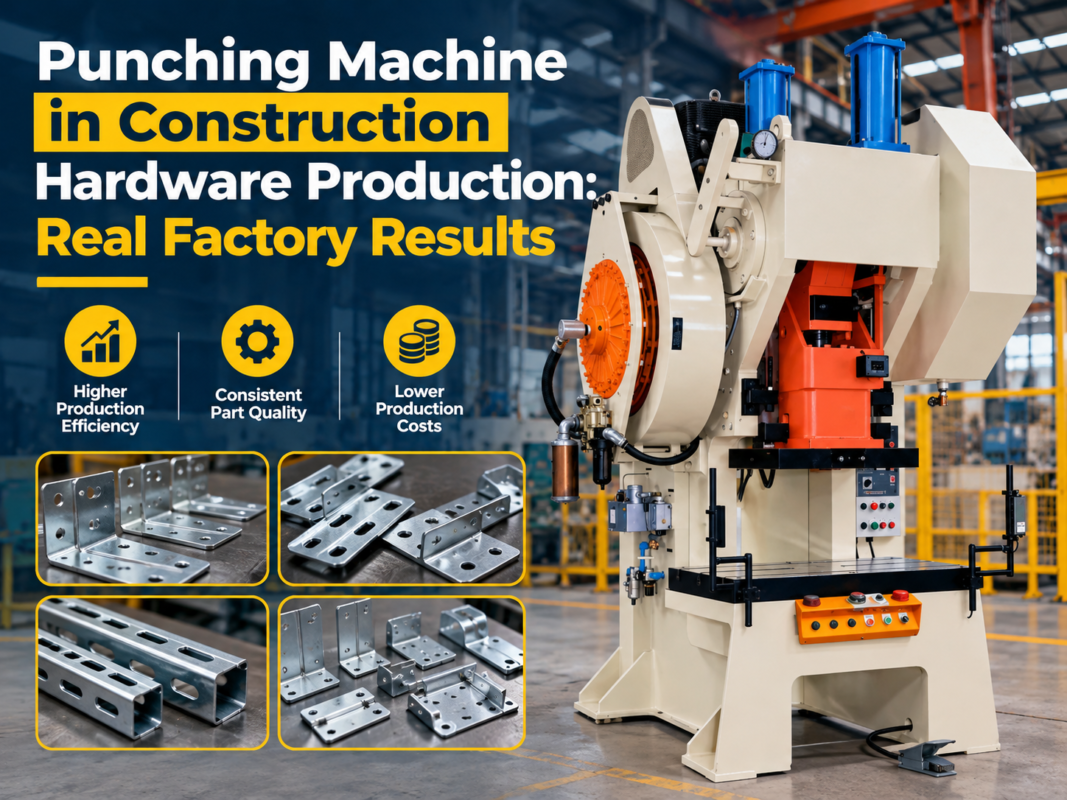
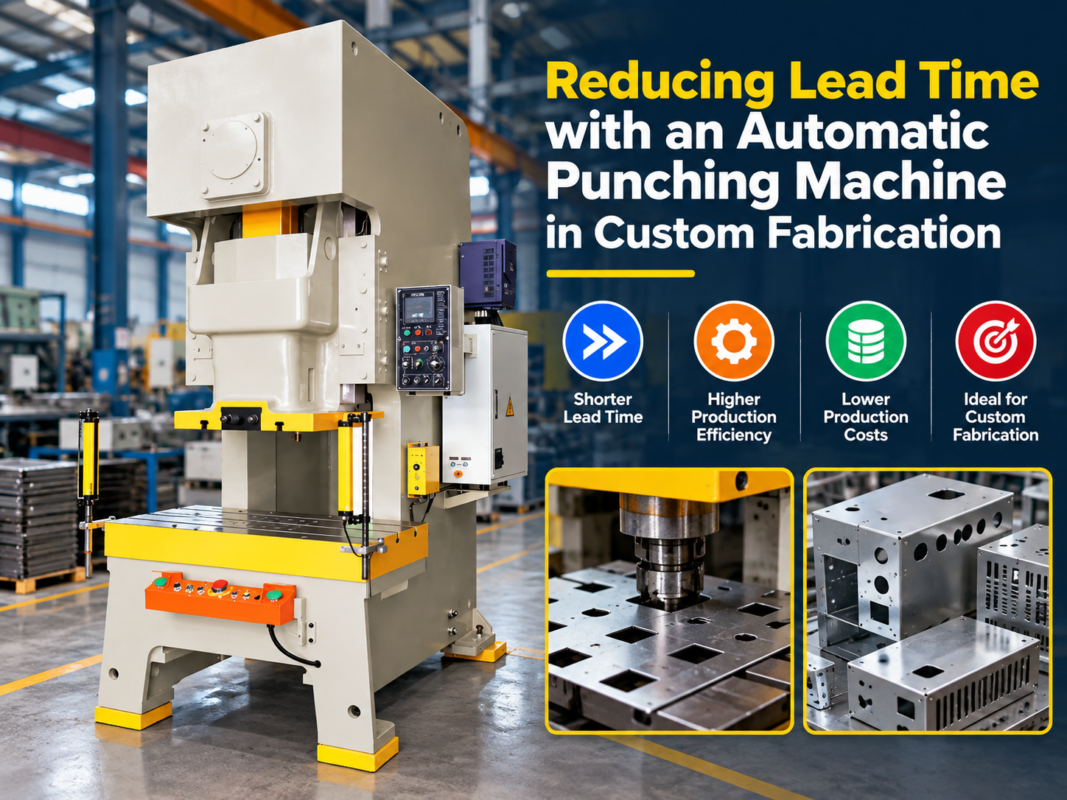
Case Study of Shorter Lead Times with Automated Laser Cutting Equipment


Introduction to Modern Metal Fabrication Efficiency
In the rapidly evolving landscape of global manufacturing, the ability to deliver high-quality components within tight deadlines has become the primary differentiator between market leaders and their competitors. This Case Study Of Shorter Lead Times Automated Laser Cutting Equipment examines how the integration of advanced CNC fiber laser systems has revolutionized the production floor. Traditionally, metal fabrication was plagued by manual bottlenecks, inconsistent cutting speeds, and significant downtime during material changeovers. However, the advent of automated laser cutting technology has fundamentally shifted the paradigm, allowing shops to move from design to finished product in a fraction of the time previously required.
HARSLE, a leader in the metalworking machinery industry, has observed a growing trend among its clients: the transition from standalone manual machines to fully integrated automated cells. This shift is not merely about the speed of the laser beam itself, but about the holistic optimization of the entire workflow. By analyzing real-world applications, we can see that the reduction in lead times is achieved through a combination of high-wattage fiber sources, intelligent nesting software, and automated loading and unloading systems. This article provides a comprehensive look at the technical and operational factors that contribute to these efficiencies.
The pressure to reduce lead times comes from various sectors, including automotive, aerospace, and electronics, where just-in-time (JIT) manufacturing is the standard. For a fabrication shop, being able to promise a 48-hour turnaround instead of a two-week window can secure high-value contracts. This case study explores the specific mechanisms by which automation facilitates this agility, focusing on the technical prowess of modern fiber laser machines and the strategic implementation of automated material handling.
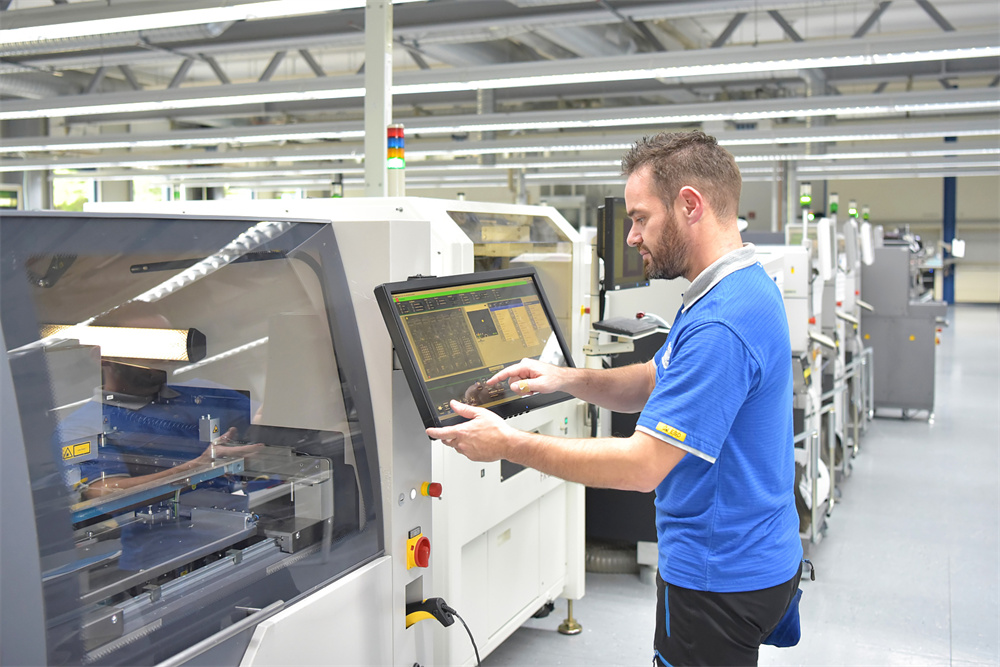
As we delve deeper into this Case Study Of Shorter Lead Times Automated Laser Cutting Equipment, it becomes clear that the investment in automation is no longer a luxury but a necessity for survival in the industrial sector. The following sections will break down the key considerations, technical specifications, and selection criteria that define a successful transition to automated laser cutting.
Key Considerations for Reducing Lead Times
When evaluating the impact of automation on lead times, one must look beyond the raw cutting speed. While a 12kW fiber laser can cut through 10mm stainless steel significantly faster than a 2kW model, the real time-savings often occur during the “non-cutting” phases of production. These include material handling, machine setup, part sorting, and maintenance. In a manual setup, these phases can account for up to 60% of the total production time. Automation targets these inefficiencies directly.
One of the primary considerations is the implementation of automated loading and unloading systems. These systems, often referred to as pallet changers or tower systems, allow the machine to continue cutting while the operator removes finished parts and loads a new sheet. This “lights-out” capability means that the machine can operate through breaks, shift changes, and even overnight without constant supervision. By maximizing the duty cycle of the laser, shops can effectively double their daily output without increasing their footprint or labor costs.
Another critical factor is the role of sophisticated nesting software. Modern CAD/CAM solutions integrated with HARSLE laser machines can automatically arrange parts on a sheet to minimize waste and optimize the cutting path. This software also calculates the most efficient sequence of cuts to prevent heat distortion and reduce the travel distance of the laser head. When lead times are tight, the minutes saved on each sheet through optimized pathing accumulate into hours of saved production time over a week.
Furthermore, the consistency of automated systems plays a vital role in lead time predictability. Manual processes are subject to human error, fatigue, and variability. An automated laser cutting machine performs with the same precision on the 100th part as it did on the first. This eliminates the need for time-consuming rework and quality control inspections that often delay shipments. In our Case Study Of Shorter Lead Times Automated Laser Cutting Equipment, we found that shops utilizing automation reported a 95% reduction in scrap rates, which directly translates to faster order fulfillment.
Finally, the integration of the laser cutting machine into the broader Enterprise Resource Planning (ERP) system is a key consideration. When the machine can communicate its status, material usage, and completion times back to the management software, the entire supply chain becomes more transparent. This allows for better scheduling of downstream processes like bending, welding, and painting, ensuring that the shortened lead time at the cutting stage isn’t lost in a bottleneck later in the production line.
Technical Details of Automated Laser Cutting Systems
The technical heart of an automated laser cutting system is the fiber laser source. Unlike CO2 lasers, which use a gas mixture and mirrors, fiber lasers generate the beam through a doped optical fiber and deliver it via a flexible cable. This technology is inherently more efficient, with higher wall-plug efficiency and a much smaller focal spot. For the purposes of this Case Study Of Shorter Lead Times Automated Laser Cutting Equipment, it is important to note that fiber lasers are particularly effective at cutting thin to medium-thickness metals at incredible speeds, which is where the majority of lead-time gains are realized.
The CNC control system acts as the brain of the machine. High-end HARSLE machines utilize advanced controllers that can process thousands of lines of code per second, ensuring smooth motion even at high speeds. These controllers manage the synchronization between the laser power, gas pressure, and axis movement. Features like “FlyCut” allow the laser to cut a series of holes or shapes without stopping the head movement, significantly reducing the time spent on complex geometries.
| Feature | Technical Specification | Impact on Lead Time |
|---|---|---|
| Laser Power | 3kW to 30kW Fiber Source | Faster cutting speeds across various thicknesses. | Acceleration | Up to 2.0G | Reduces time spent on corners and small details. | Positioning Accuracy | ±0.03mm | Eliminates rework due to dimensional errors. | Pallet Change Time | 15 – 20 Seconds | Minimizes idle time between sheets. | Auto-Focus Head | Precitec or Raytools | Reduces setup time when switching materials. |
The mechanical structure of the machine also contributes to its speed and reliability. A heavy-duty, heat-treated gantry and bed ensure stability during high-acceleration movements. Linear motors or high-precision rack-and-pinion systems provide the necessary torque to move the laser head at speeds exceeding 100 meters per minute. This mechanical robustness is essential for maintaining accuracy over long production runs, which is a recurring theme in any Case Study Of Shorter Lead Times Automated Laser Cutting Equipment.
Automation components such as the suction-cup loading arms and the rake-style unloading systems are engineered for speed and safety. These components must be perfectly synchronized with the CNC’s pallet exchange cycle. Sensors detect the thickness and weight of the sheet to adjust the lifting force, preventing double-sheet loading which could damage the machine. This level of technical integration ensures that the machine spends the maximum amount of time doing what it was designed for: cutting metal.
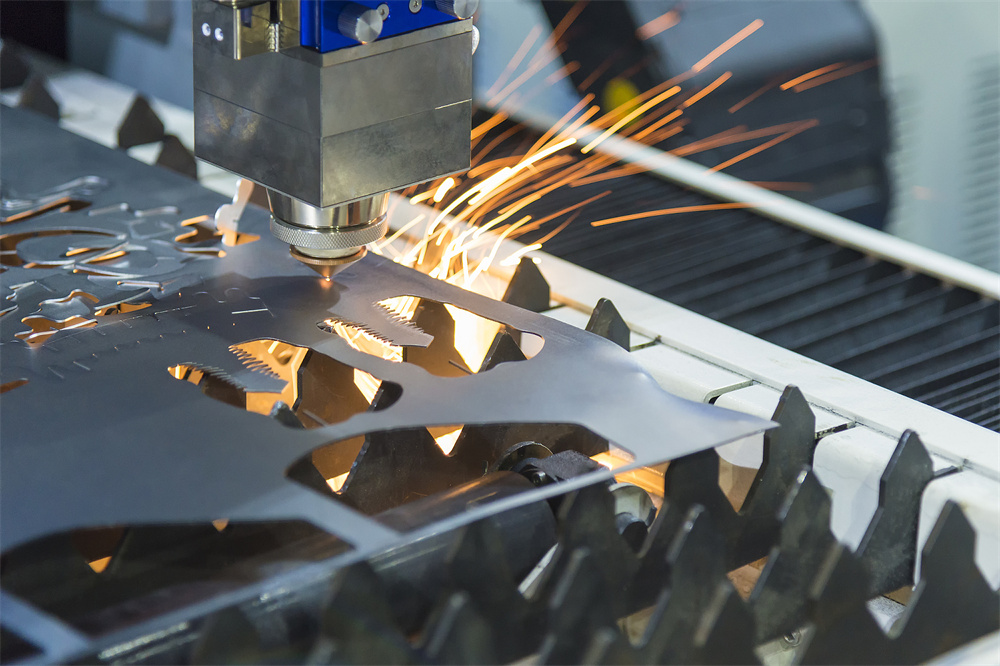
Another technical aspect often overlooked is the gas control system. Automated machines feature electronic proportional valves that precisely control the flow of assist gases (Oxygen, Nitrogen, or Air). By optimizing gas consumption and pressure for each specific cut, the machine can achieve a cleaner edge, often eliminating the need for secondary deburring or finishing processes. This “cut-to-ship” capability is a major factor in reducing the overall lead time for a project.
Selection Advice for Automated Laser Cutting Equipment
Choosing the right equipment is a critical decision that requires a deep understanding of your current production needs and future growth goals. When looking to replicate the success seen in this Case Study Of Shorter Lead Times Automated Laser Cutting Equipment, the first step is to conduct a thorough audit of your current lead times. Identify where the delays are occurring. If your machine is sitting idle while waiting for a forklift to bring a new sheet, then a pallet changer or tower system should be your priority.
Power selection is the next major hurdle. While it is tempting to go for the highest wattage available, it is important to match the power to your most common material thicknesses. A 6kW laser is often the “sweet spot” for many general fabrication shops, offering a balance between speed in thin materials and the ability to cut thicker plates when necessary. However, if your business focuses on heavy industrial components, moving to a 12kW or 20kW system will provide the throughput necessary to keep lead times short on thick carbon steel and stainless steel.
Consider the software ecosystem. The best hardware in the world will underperform if it is paired with difficult-to-use or inefficient software. Look for machines that offer seamless integration with popular CAD packages and provide robust nesting algorithms. The ability to simulate the cutting process before it hits the floor can prevent costly errors and help in providing accurate lead time estimates to your customers. HARSLE machines are designed to be compatible with industry-standard software, ensuring a smooth learning curve for your team.
Don’t ignore the importance of after-sales support and maintenance. Automated systems are complex, and any downtime can be catastrophic for your lead times. Choose a manufacturer like HARSLE that offers comprehensive training, readily available spare parts, and remote diagnostic capabilities. A machine that can be fixed via a software update or a quick sensor replacement by a trained operator is far more valuable than one that requires a week-long wait for a technician.
Finally, evaluate the total cost of ownership (TCO) rather than just the initial purchase price. An automated system has a higher upfront cost but significantly lower operating costs per part. Calculate the ROI based on the increased capacity and the ability to take on more work with the same number of employees. In most cases, the reduction in lead times and the increase in throughput allow the machine to pay for itself within 18 to 24 months.
Frequently Asked Questions (FAQ)
How much can automation actually reduce lead times?
Based on our Case Study Of Shorter Lead Times Automated Laser Cutting Equipment, many shops see a reduction in lead times of 30% to 50%. This is achieved by eliminating manual loading/unloading, reducing setup times through auto-focus heads, and increasing cutting speeds with fiber laser technology.
Is automated laser cutting suitable for small batch production?
Yes, absolutely. Modern CNC software makes it very easy to switch between different jobs. Automated nesting can combine multiple small orders onto a single sheet of material, maximizing efficiency even when individual order quantities are low. This flexibility is key to maintaining short lead times for a diverse customer base.
What kind of maintenance does an automated laser cutting machine require?
While fiber lasers require less maintenance than CO2 lasers (no mirrors to align or gas to refill), the automation components like rails, suction cups, and pallet changers require regular cleaning and lubrication. Most HARSLE machines include automated lubrication systems and diagnostic alerts to simplify this process.
Do I need highly skilled operators for automated equipment?
While the machine handles the complex cutting and movement, you still need operators who understand the software and can perform basic troubleshooting. However, because the machine is automated, one operator can often manage two or three machines simultaneously, which helps mitigate the impact of the current skilled labor shortage.
Can I upgrade my existing manual laser to an automated one?
In some cases, yes. Many HARSLE machines are designed with a modular approach, allowing for the addition of pallet changers or loading systems at a later date. However, for maximum efficiency, it is usually recommended to purchase a system that was engineered from the ground up for automation.
Conclusion: The Future of Fabrication
The findings of this Case Study Of Shorter Lead Times Automated Laser Cutting Equipment point to a clear conclusion: automation is the most effective tool available for modern metal fabricators to meet the demands of a fast-paced market. By significantly reducing the time spent on non-value-added tasks, automated fiber laser systems allow businesses to focus on growth, quality, and customer satisfaction. The transition from manual to automated processes is not just a technical upgrade; it is a strategic move that secures the long-term viability of a manufacturing operation.
As fiber laser technology continues to advance, with higher power levels and even more intelligent control systems, the gap between automated shops and manual ones will only widen. For companies like HARSLE, the goal is to continue providing the tools that make this transition accessible and profitable for shops of all sizes. Whether you are a small job shop or a large-scale industrial manufacturer, the path to shorter lead times and higher profitability runs through the implementation of automated laser cutting equipment.
In summary, the integration of high-speed fiber lasers, automated material handling, and intelligent software creates a synergy that transforms the production floor. The result is a more agile, more consistent, and more competitive business. As we look toward the future of metal fabrication, those who embrace these technologies will be the ones setting the pace for the rest of the industry.