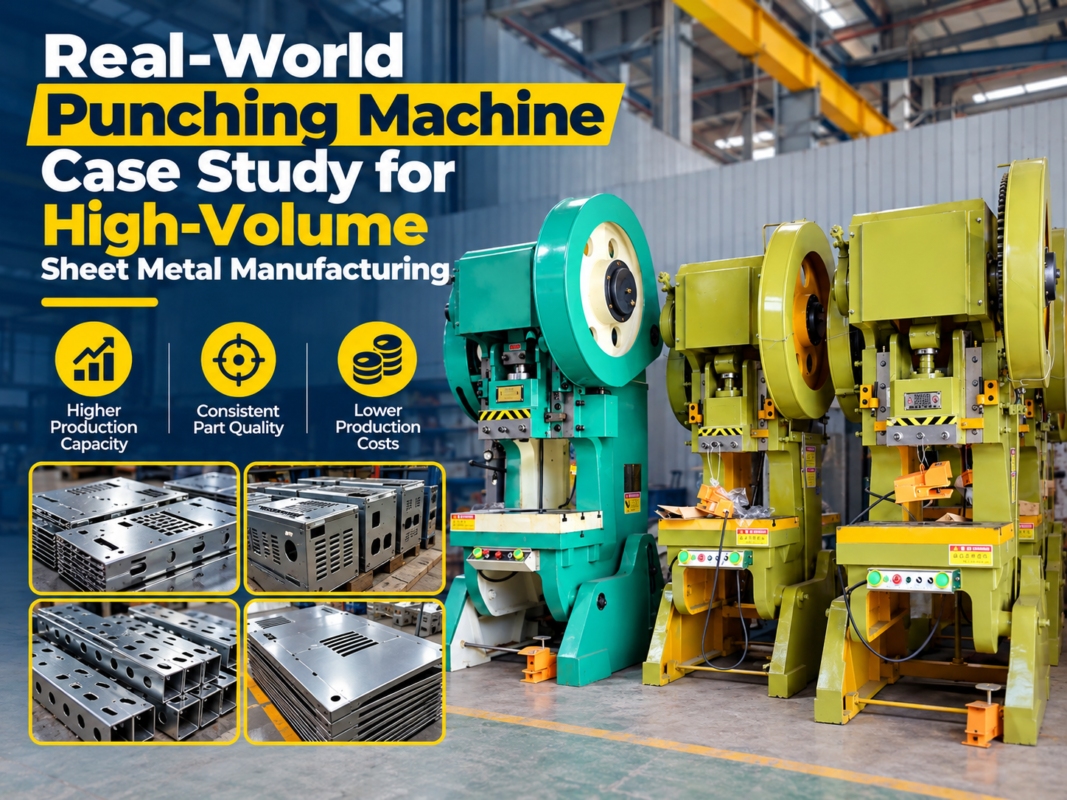
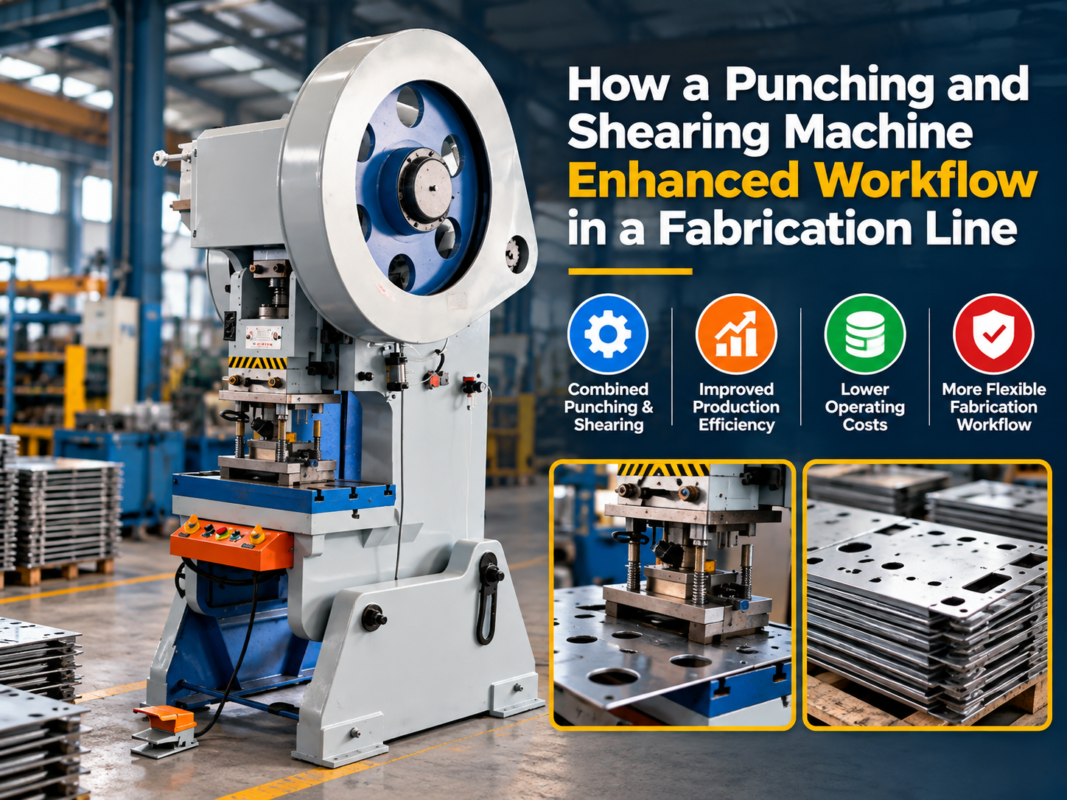
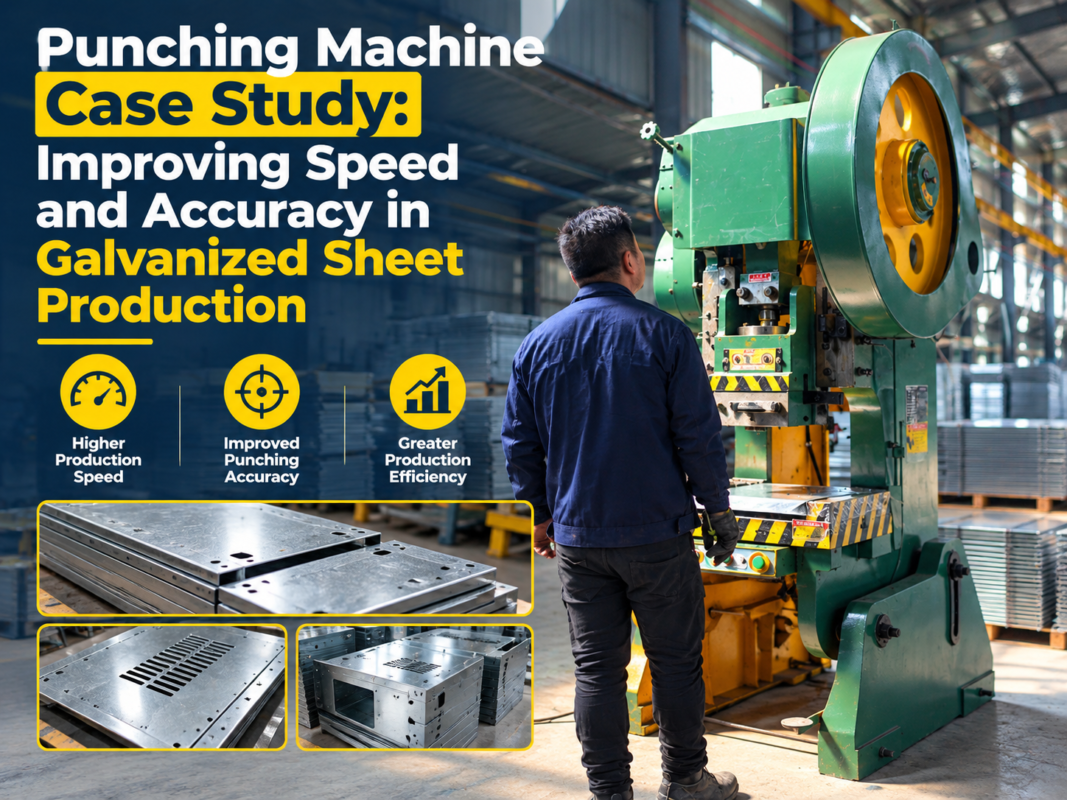
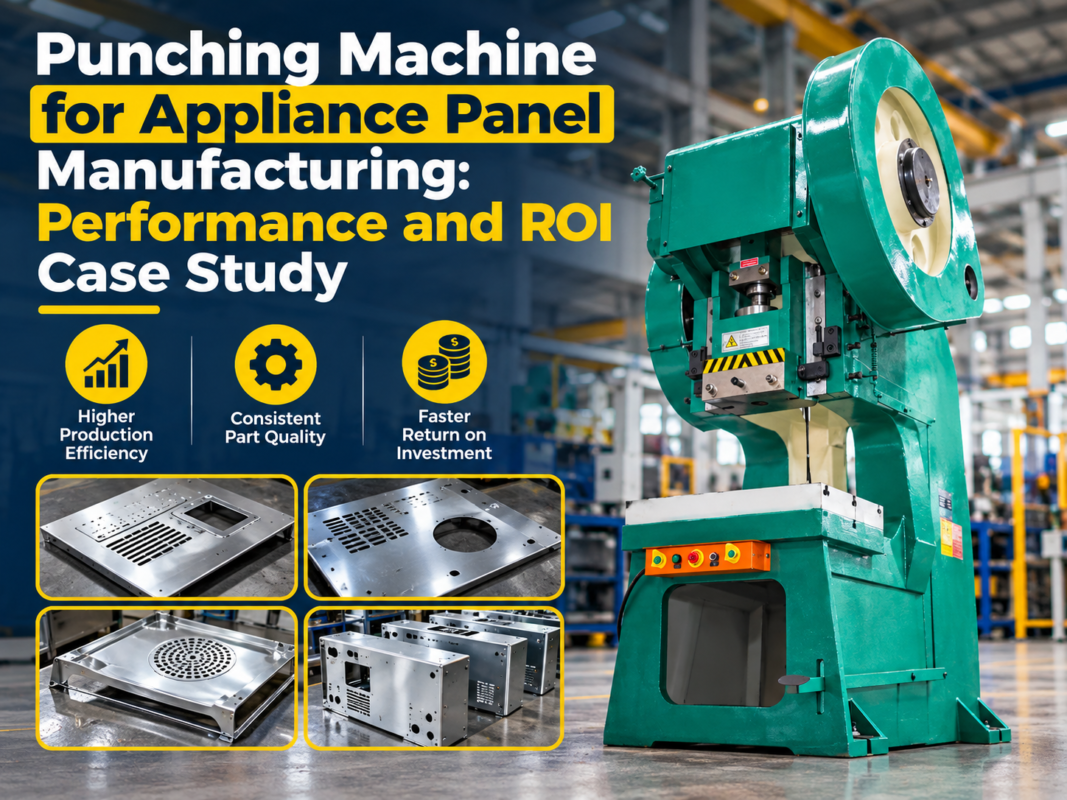
Hydraulic Press Case Study: Solving Bottlenecks In Industrial Assembly Lines


Introduction: The Challenge of Modern Industrial Assembly
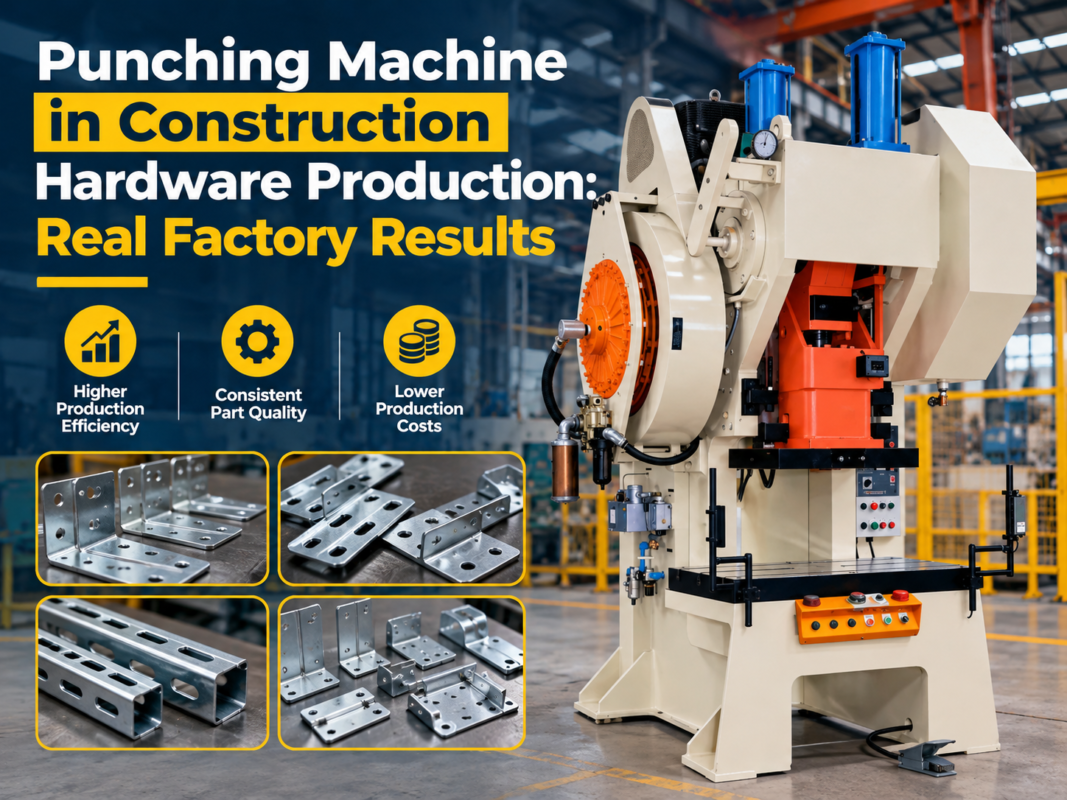
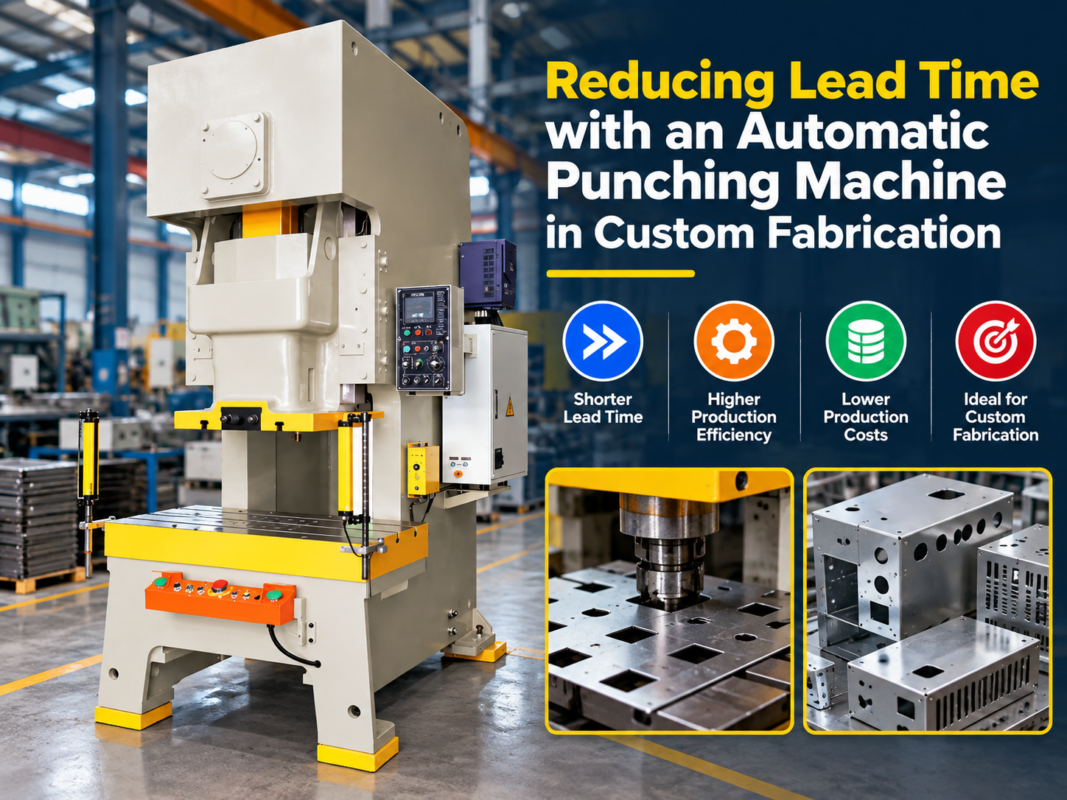
In the fast-paced world of modern manufacturing, the efficiency of an assembly line is the primary determinant of a company’s profitability and market competitiveness. As industries move toward higher levels of automation and tighter production schedules, the presence of a single bottleneck can disrupt the entire supply chain, leading to increased costs, delayed deliveries, and reduced product quality. One of the most critical components in many metalworking and assembly environments is the hydraulic press. Whether it is used for deep drawing, punching, stamping, or precision assembly, the performance of this machine often dictates the rhythm of the entire facility.
This Hydraulic Press Case Study: Solving Bottlenecks In Industrial Assembly Lines explores how advanced hydraulic pressing technology can transform a sluggish production environment into a streamlined, high-output operation. Many manufacturers struggle with legacy equipment that lacks the speed, precision, or integration capabilities required for today’s complex parts. By examining the technical hurdles and the strategic implementation of modern HARSLE hydraulic presses, we can understand how to eliminate these production chokepoints effectively.
The role of the hydraulic press has evolved from a simple force-delivery tool to a sophisticated, data-driven machine capable of communicating with upstream and downstream equipment. In this article, we will delve into the key considerations for identifying bottlenecks, the technical specifications that drive performance, and a comprehensive guide on selecting the right machinery to ensure your assembly line operates at peak efficiency. For any industrial facility looking to scale, understanding the synergy between hydraulic power and assembly line flow is essential.
Key Considerations: Identifying and Addressing Bottlenecks
Before implementing a solution, it is vital to identify where and why a bottleneck occurs. In many industrial assembly lines, the hydraulic press station becomes a bottleneck due to slow cycle times. If the press cannot keep up with the speed of the robotic loaders or the manual assembly stations preceding it, work-in-progress (WIP) inventory begins to pile up. This not only wastes floor space but also ties up capital in unfinished goods. Modern hydraulic presses address this by utilizing high-speed valves and servo-driven pumps that significantly reduce the approach and retraction times of the ram.
Another common consideration is the lack of precision and repeatability. In high-precision industries like automotive or aerospace manufacturing, a deviation of even a fraction of a millimeter can result in a rejected part. If a press produces inconsistent results, the subsequent assembly stages will face fitment issues, leading to manual rework or scrapped materials. A modern hydraulic press with electronic stroke control and pressure monitoring ensures that every cycle is identical, thereby eliminating the bottleneck caused by quality control failures.
Integration with automation is a third critical factor. Older hydraulic systems often operate in isolation, requiring manual intervention to start cycles or move parts. This creates a disconnect in the assembly line. By choosing a press that supports PLC (Programmable Logic Controller) integration and industrial IoT protocols, manufacturers can synchronize the press with the rest of the line. This allows for seamless part transfer and real-time adjustments based on the flow of the entire factory, effectively smoothing out any potential disruptions.
Finally, downtime for maintenance or tool changes is a significant contributor to assembly line bottlenecks. Traditional presses may require hours of manual adjustment for a new production run. In contrast, modern HARSLE machines feature quick-change die systems and digital recipe management, allowing operators to switch between different parts in minutes. Reducing setup time is one of the most effective ways to increase the overall equipment effectiveness (OEE) of the assembly line.
Technical Details: The Engineering Behind Efficiency
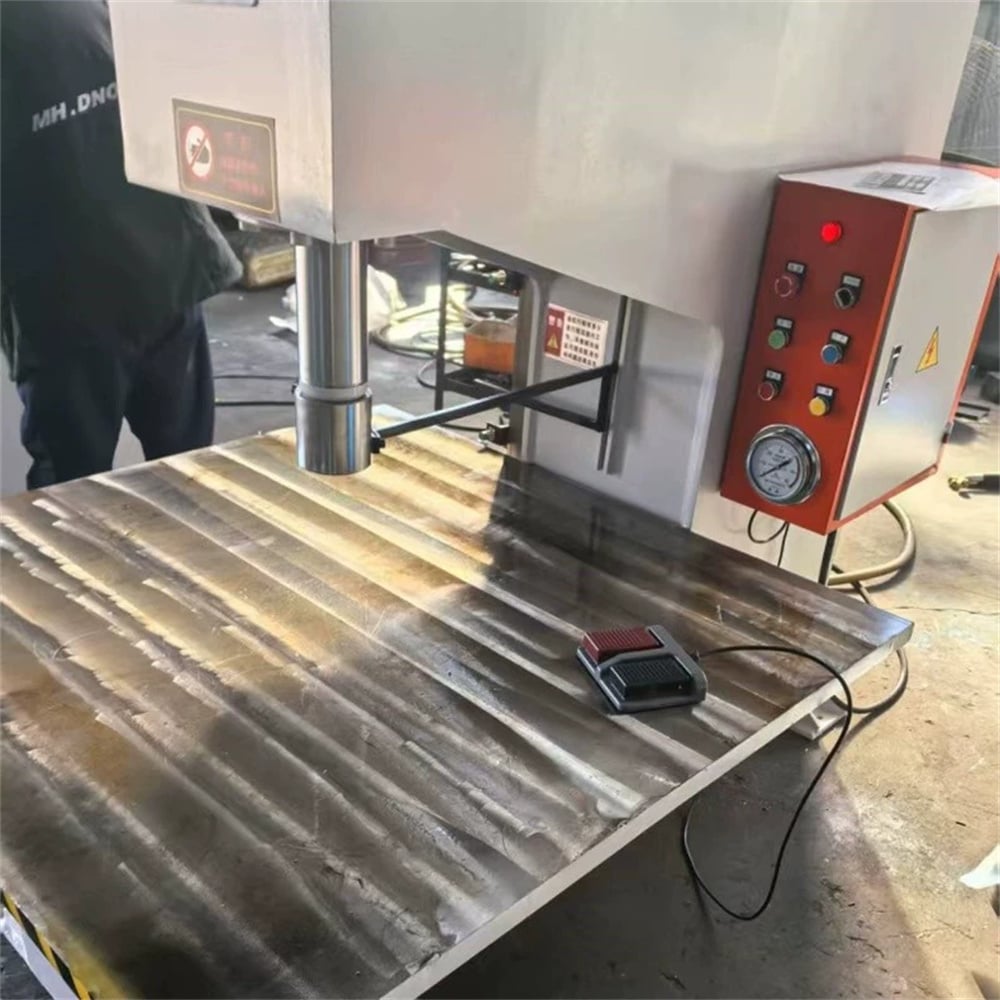
The technical superiority of a hydraulic press is what ultimately solves the bottleneck. At the heart of a modern system is the hydraulic circuit design. HARSLE utilizes advanced manifold blocks that minimize piping, reducing the risk of leaks and pressure drops. This ensures that the maximum force is delivered exactly when and where it is needed. Furthermore, the use of proportional valve technology allows for infinitely variable control over the ram’s speed and pressure, which is crucial for delicate assembly tasks that require a soft touch followed by high force.
Frame rigidity is another technical aspect that cannot be overlooked. In this Hydraulic Press Case Study: Solving Bottlenecks In Industrial Assembly Lines, we emphasize that a press is only as good as its frame. Under high pressure, a weak frame will flex, leading to misalignment of the dies and premature wear on the machine components. HARSLE employs heavy-duty, stress-relieved steel frames (often in H-frame or Four-Column configurations) to ensure absolute parallelism between the bolster and the ram. This structural integrity is what allows the machine to run at high speeds for multiple shifts without losing accuracy.
Energy efficiency has also become a technical priority. Traditional hydraulic presses use constant-delivery pumps that run at full speed even when the press is idle, wasting enormous amounts of electricity and generating heat. Modern HARSLE presses often incorporate servo-motor driven pumps. These systems only consume energy during the pressing cycle and can reduce power consumption by up to 50-70%. Lower heat generation also means the hydraulic oil lasts longer and the cooling requirements are reduced, further decreasing the likelihood of thermal-related downtime.
Comparison of Hydraulic Press Frame Types
| Frame Type | Key Advantages | Best Application | Bottleneck Solution |
|---|---|---|---|
| Four-Column | Excellent accessibility, uniform load distribution. | Large die sets, deep drawing. | Reduces setup time for complex parts. |
| C-Frame (Gap) | Small footprint, easy manual access. | Punching, riveting, small assembly. | Optimizes floor space in tight lines. |
| H-Frame (Straight-Side) | Maximum rigidity, minimal deflection. | High-tonnage stamping, heavy forging. | Eliminates quality-related bottlenecks. |
The control system is the “brain” that manages these technical components. HARSLE presses are equipped with user-friendly touch-screen interfaces (HMIs) that provide real-time diagnostics. If a sensor detects an anomaly—such as a temperature spike or a pressure deviation—the system can alert the operator or even pause the line before a failure occurs. This proactive approach to maintenance is a cornerstone of modern industrial assembly, ensuring that the press remains a reliable link in the production chain rather than a point of failure.
Selection Advice: Choosing the Right Press for Your Line
Selecting the right hydraulic press requires a deep understanding of both the part being produced and the dynamics of the assembly line. The first step is calculating the required tonnage. It is a common mistake to choose a press that is exactly at the limit of the required force. For long-term reliability and to avoid bottlenecks caused by machine strain, it is advisable to select a press with a capacity 20-30% higher than the maximum force required for your application. This “buffer” ensures the machine operates within its comfort zone, reducing wear and tear.
Next, consider the stroke and daylight requirements. Daylight refers to the vertical opening between the bolster and the ram. If the daylight is too small, loading and unloading parts becomes difficult, creating a manual bottleneck. Conversely, a stroke that is unnecessarily long will increase cycle times. HARSLE offers customizable stroke lengths and adjustable limit switches, allowing manufacturers to fine-tune the ram’s movement to the specific dimensions of the workpiece, thereby shaving seconds off every cycle.
Speed is perhaps the most critical factor in solving assembly line bottlenecks. You must evaluate the “Approach Speed,” “Pressing Speed,” and “Return Speed.” In many assembly tasks, the actual pressing takes only a fraction of a second, while the approach and return take much longer. A press with a high-speed “fast-drop” feature can significantly increase the number of parts produced per hour. When consulting with HARSLE, provide your desired cycle time so our engineers can recommend a hydraulic power unit (HPU) that meets those specific throughput goals.
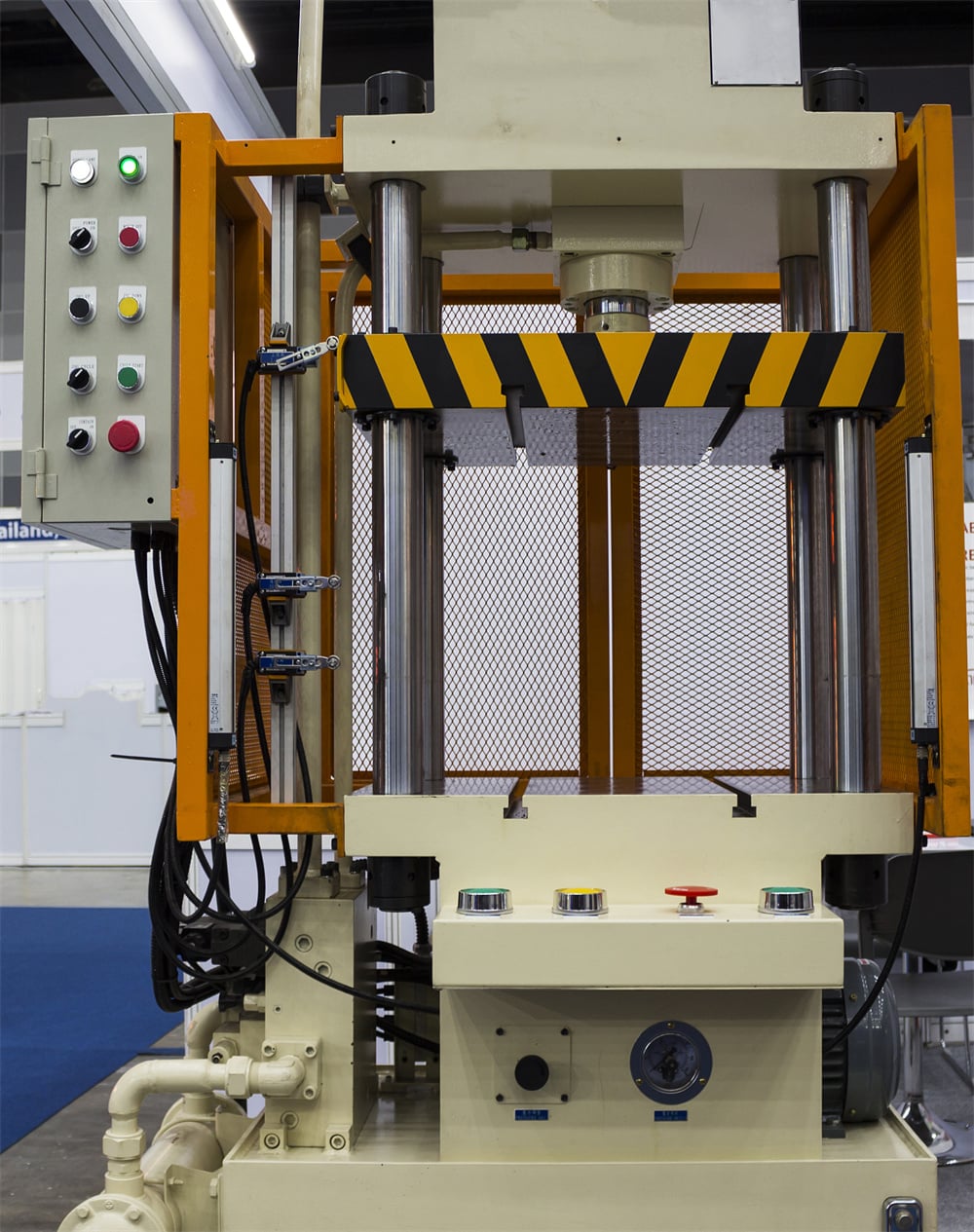
Finally, think about future-proofing. An assembly line that meets today’s needs might be inadequate in two years. Choosing a hydraulic press with modular components and expandable PLC inputs/outputs allows you to add automation features—such as robotic arms, conveyors, or automatic lubrication systems—at a later date. Investing in a high-quality HARSLE press today ensures that your assembly line remains flexible and capable of adapting to new product designs and increased demand without requiring a complete overhaul of the pressing station.
Buyer’s Checklist for Hydraulic Presses
- Tonnage Capacity: Does it exceed your maximum requirement by at least 20%?
- Cycle Time: Are the approach and return speeds compatible with your line’s rhythm?
- Control System: Does it offer PLC integration and digital pressure/stroke monitoring?
- Safety Features: Are light curtains, dual-hand controls, and emergency stops included?
- Maintenance: Is there easy access to filters, valves, and the hydraulic reservoir?
- Footprint: Does the machine fit within your allocated floor space while allowing for maintenance access?
FAQ: Common Questions About Hydraulic Press Bottlenecks
1. How do I know if my hydraulic press is the primary bottleneck?
The easiest way to identify a bottleneck is to look for accumulated work-in-progress (WIP) right before the press station. If the preceding machines are frequently idling while waiting for the press to finish its cycle, or if the press is constantly running while the subsequent stations are waiting for parts, the press is your bottleneck. Monitoring the “Cycle Time vs. Takt Time” will provide a mathematical confirmation of this issue.
2. Can I speed up an old hydraulic press to solve a bottleneck?
While some minor improvements can be made by upgrading valves or pumps, older presses are often limited by their frame design and control systems. Attempting to run an old machine beyond its rated speed can lead to safety hazards and frequent breakdowns. In most cases, replacing the legacy unit with a modern, high-speed HARSLE hydraulic press is a more cost-effective and safer long-term solution.
3. What role does automation play in solving press-related bottlenecks?
Automation is crucial. Even the fastest press can be slowed down by manual loading and unloading. Integrating the press with pick-and-place robots or conveyor systems ensures that the machine is always working at its maximum capacity. Modern HARSLE presses are designed with “Automation-Ready” interfaces to make this integration seamless.
4. How does servo-hydraulic technology help in assembly lines?
Servo-hydraulic technology allows for precise control over the motor speed, which in turn controls the hydraulic flow. This means the press can move very quickly during the approach phase and slow down precisely for the pressing phase. It reduces energy consumption, lowers noise levels, and provides much higher accuracy, all of which contribute to a more efficient and reliable assembly line.
5. Is a Four-Column press better than a C-Frame press for assembly?
It depends on the application. A C-Frame press offers better access for operators and is great for smaller parts, but it can suffer from “yaw” or deflection under high loads. A Four-Column press provides much better stability and parallelism, which is essential for larger or more complex dies. For solving bottlenecks, the Four-Column design is often preferred for high-precision, high-volume tasks.
6. How often should a hydraulic press be maintained to avoid downtime?
Preventative maintenance should be performed daily (visual checks), weekly (lubrication and filter checks), and monthly (detailed inspection of hydraulic oil and electrical systems). HARSLE machines feature built-in maintenance alerts on the HMI to help operators stay on top of these tasks, preventing the unexpected breakdowns that cause major assembly line bottlenecks.
Conclusion: Streamlining Your Production Future
As we have explored in this Hydraulic Press Case Study: Solving Bottlenecks In Industrial Assembly Lines, the hydraulic press is far more than a simple piece of machinery; it is a pivotal component that can either hinder or harmonize your entire production process. By focusing on high-speed operation, precision control, and seamless automation integration, manufacturers can eliminate the delays that eat into profit margins. The transition from legacy systems to advanced HARSLE hydraulic solutions represents a strategic investment in the future of your facility.
Solving bottlenecks requires a holistic approach—analyzing technical specifications, understanding the structural requirements of the press, and ensuring that the machine can grow with your business. With the right selection advice and a commitment to modern engineering standards, the hydraulic press becomes a catalyst for growth rather than a point of frustration. HARSLE remains dedicated to providing the metal fabrication industry with the tools necessary to achieve this level of excellence, ensuring that every assembly line we touch operates at its absolute potential.
In conclusion, the key to a successful industrial assembly line lies in the balance of power and intelligence. A hydraulic press that offers both will not only solve today’s bottlenecks but will also provide the foundation for a more agile, responsive, and profitable manufacturing operation. Whether you are stamping automotive components or assembling delicate electronics, the principles of efficiency remain the same: minimize waste, maximize speed, and never compromise on precision.