From Manual Work to Automation: A Hydraulic Press Case Study


Introduction: The Evolution of Metal Forming
The landscape of modern manufacturing is undergoing a seismic shift. For decades, the metal fabrication industry relied heavily on the skilled hands of operators to manage hydraulic presses. While manual operation allowed for a certain level of flexibility, it increasingly became a bottleneck in an era defined by high-volume demands, stringent safety standards, and the need for micron-level precision. This From Manual Work Automation: A Hydraulic Press Case Study explores the transformative journey of moving from traditional manual setups to fully integrated automated systems.
In the past, a manual hydraulic press required an operator to physically load the workpiece, initiate the stroke, monitor the pressure gauge, and manually unload the finished part. This process was not only slow but also prone to human error. Variations in positioning or timing could lead to high scrap rates, and the physical toll on workers often resulted in fatigue-related accidents. Today, the integration of CNC systems, robotic arms, and advanced sensor technology has redefined what a hydraulic press can achieve.
HARSLE has been at the forefront of this transition, helping manufacturers worldwide upgrade their facilities. Automation is no longer a luxury reserved for automotive giants; it is a necessity for any fabrication shop looking to remain competitive. By analyzing the technical and economic facets of this transition, we can better understand how automation serves as the backbone of Industry 4.0 in the metalworking sector.
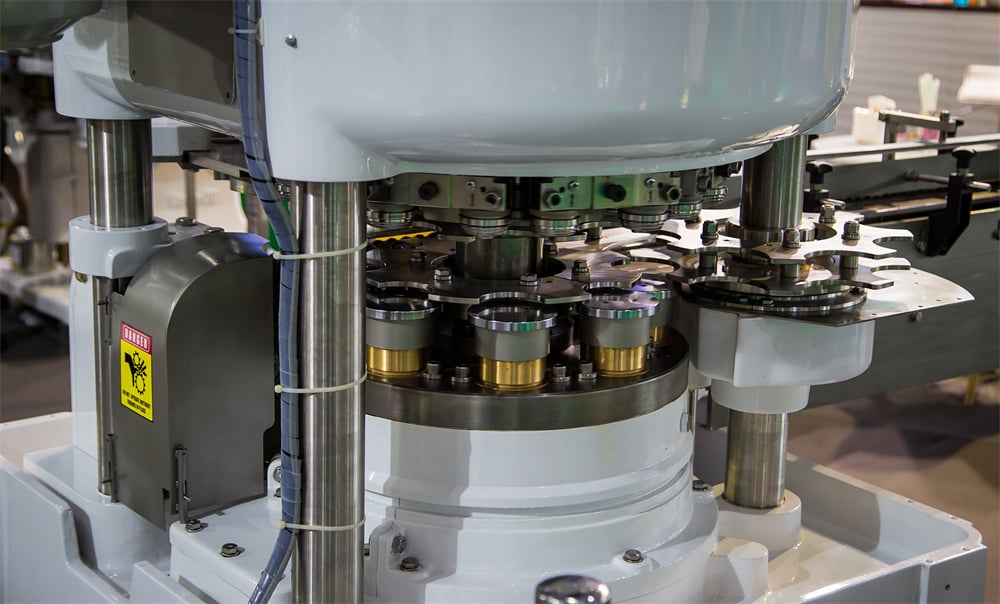
This article provides a deep dive into the considerations, technical specifications, and selection criteria involved in moving from manual work to automation. Whether you are a small workshop owner or a production manager at a large plant, understanding this case study will provide the roadmap needed for your next capital investment.
Key Considerations for Transitioning to Automation
1. Labor Efficiency and Cost Reduction
The primary driver for automation is often the rising cost of skilled labor. In a manual environment, one operator is tied to one machine. In an automated environment, a single technician can oversee a cell of multiple hydraulic presses. This shift doesn’t just reduce headcount; it reallocates human intelligence to higher-value tasks like programming and quality control. Over a three-to-five-year period, the reduction in labor costs often offsets the initial capital expenditure of the automated system.
2. Precision and Repeatability
Human operators, no matter how skilled, cannot match the consistency of a PLC-controlled hydraulic system. In our From Manual Work Automation: A Hydraulic Press Case Study, we observed that manual operations often had a 3-5% variance in part dimensions due to inconsistent loading. Automation reduces this variance to near zero. Automated systems use linear encoders and pressure transducers to ensure that every stroke is identical, which is critical for industries like aerospace and medical device manufacturing.
3. Safety and Risk Mitigation
Safety is perhaps the most significant benefit of automation. Manual hydraulic presses are inherently dangerous, involving high pressures and heavy moving parts. Transitioning to automation allows for the implementation of light curtains, safety mats, and interlocked fencing. By removing the operator’s hands from the “point of operation,” manufacturers can drastically reduce workplace injuries and the associated insurance and legal costs.
4. Throughput and Cycle Time Optimization
Manual work is limited by human speed and the need for breaks. An automated hydraulic press can operate 24/7 with minimal downtime. Furthermore, automated material handling—such as sheet feeders or robotic pick-and-place units—eliminates the “dead time” between strokes. In many case studies, we have seen production rates increase by 150% to 300% after the introduction of automation.
Technical Details: The Anatomy of an Automated Hydraulic Press
To understand the transition, one must look at the technical components that make automation possible. An automated hydraulic press is far more than just a manual press with a computer attached; it is a synchronized system of mechanical, hydraulic, and electronic components.
The Control System (PLC and HMI)
The brain of the automated press is the Programmable Logic Controller (PLC). Modern HARSLE machines utilize high-end PLCs from brands like Siemens or Schneider. These controllers manage the timing of the hydraulic valves, the position of the ram, and the integration with external robots. The Human-Machine Interface (HMI) allows operators to input specific parameters, such as pressure, stroke length, and dwell time, into a digital recipe that can be saved and recalled for future jobs.
Servo-Hydraulic Technology
One of the biggest technical leaps in recent years is the move from standard induction motors to servo-driven pump systems. Servo-hydraulics allow the machine to only use energy when the ram is moving, leading to energy savings of up to 50%. Additionally, servo motors provide much finer control over the flow and pressure of the hydraulic oil, allowing for complex forming cycles that are impossible on manual machines.
| Feature | Manual Hydraulic Press | Automated Hydraulic Press |
|---|---|---|
| Control Method | Hand levers / Foot pedals | PLC / CNC Touchscreen |
| Positioning Accuracy | +/- 0.5mm | +/- 0.01mm |
| Energy Consumption | Constant (Motor always runs) | Variable (Servo-driven efficiency) |
| Safety Features | Basic guards | Light curtains, Laser sensors, E-stops |
| Data Logging | None (Manual logs) | Real-time IoT data tracking |
Sensors and Feedback Loops
Automation relies on constant feedback. Linear encoders track the exact position of the ram to within microns. Pressure transducers monitor the force being applied in real-time. If the system detects a deviation—such as a double-fed blank or a material defect—it can automatically stop the cycle before damage occurs to the tooling. This level of “intelligence” is what separates modern automation from simple mechanized movement.
Selection Advice: Choosing the Right Path to Automation
Moving from manual work to automation is a significant investment. Making the right choice requires a deep understanding of your current production needs and future goals. Here is a guide to selecting the right equipment for your transition.
Assess Your Production Volume
If you are producing small batches of 50-100 parts, a semi-automated system might be more cost-effective. However, for high-volume production (thousands of units per week), a fully automated cell with robotic loading is the only way to achieve the necessary ROI. Analyze your “takt time”—the rate at which you need to complete a product to meet customer demand—to determine the level of automation required.
Evaluate Material Handling Requirements
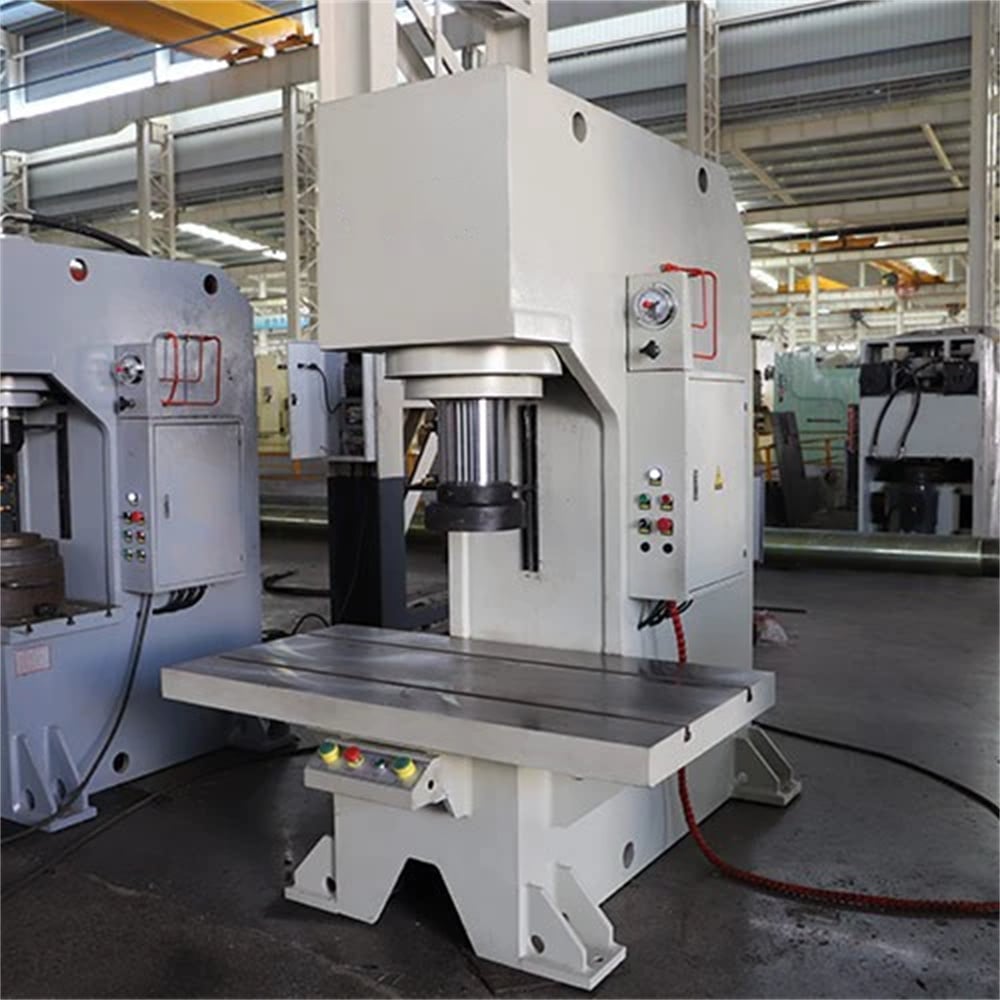
Automation isn’t just about the press; it’s about how the material gets in and out. Consider whether you need a coil feeder for continuous strip processing or a robotic arm for discrete part handling. The physical layout of your shop floor will also dictate whether you choose a compact C-frame press or a larger H-frame (four-column) press that allows for side-loading automation.
Software Compatibility and Industry 4.0
Ensure that the hydraulic press you select can communicate with your existing ERP (Enterprise Resource Planning) or MES (Manufacturing Execution System). Modern automated presses should be “IoT-ready,” meaning they can send data to the cloud for remote monitoring and predictive maintenance. This allows you to track OEE (Overall Equipment Effectiveness) in real-time.
Tooling and Die Compatibility
When moving to automation, your tooling must be designed for it. Automated systems require precise locating pins and sensors within the die to ensure the part is seated correctly. If you are repurposing old manual dies, they may need significant modification to work safely and effectively in an automated environment.
The Economic Impact: A Case Study Perspective
In a recent implementation for a kitchenware manufacturer, the transition from manual deep drawing to an automated HARSLE hydraulic press line yielded startling results. Previously, the company employed six operators across two shifts to produce 800 units per day. The scrap rate was roughly 4% due to inconsistent lubrication and positioning.
After installing a 500-ton automated hydraulic press with a robotic transfer system, the company reduced its labor requirement to one technician per shift. The production rate jumped to 2,200 units per day, and the scrap rate fell to less than 0.5%. The total project cost was recouped in just 14 months. This From Manual Work Automation: A Hydraulic Press Case Study highlights that while the upfront cost is higher, the long-term profitability is undeniable.
FAQ: Common Questions About Hydraulic Press Automation
How much does it cost to automate a manual hydraulic press?
Retrofitting an old manual press can cost anywhere from $10,000 to $50,000 depending on the complexity. However, it is often more cost-effective to purchase a new, purpose-built automated press from HARSLE, as the structural integrity and hydraulic circuits are already optimized for high-speed automated cycles.
Is automation difficult for operators to learn?
Modern HMIs are designed to be intuitive, often featuring graphical interfaces and touchscreens. While there is a learning curve for programming, most operators can be trained to run an automated cell within a few days. The focus shifts from physical labor to system monitoring.
What maintenance does an automated press require?
Automated presses require more rigorous preventative maintenance than manual ones. This includes regular calibration of sensors, checking the cooling system for the servo motors, and ensuring the PLC software is up to date. However, because the machines monitor themselves, they often alert you to issues before a breakdown occurs.
Can automation handle different types of parts?
Yes. One of the biggest myths is that automation is only for “one-part” factories. With quick-change tooling and saved HMI recipes, an automated hydraulic press can switch between different parts in a matter of minutes, making it ideal for “high-mix, low-volume” manufacturing as well.
Does automation eliminate the need for human workers?
No. It changes the nature of the work. Instead of performing repetitive, dangerous tasks, workers become skilled technicians, programmers, and quality assurance specialists. Automation creates a safer and more intellectually stimulating work environment.
Conclusion: Embracing the Future of Metal Fabrication
The transition detailed in this From Manual Work Automation: A Hydraulic Press Case Study is not just a trend; it is the future of the industry. As global competition intensifies, the ability to produce high-quality metal parts at a lower cost and with higher safety standards will define the winners in the manufacturing sector.
By moving from manual work to automation, companies can unlock unprecedented levels of productivity. The combination of servo-hydraulic efficiency, PLC precision, and robotic integration allows for a manufacturing process that is faster, safer, and more profitable. HARSLE remains committed to providing the technology and expertise needed to guide manufacturers through this transition, ensuring that the leap to automation is a successful and rewarding investment.
As we look toward the future, the integration of Artificial Intelligence (AI) and machine learning into hydraulic press systems will further refine these processes, allowing machines to self-correct in real-time. The journey from manual work to automation is just the beginning of a new era in metal forming excellence.