Industrial Applications of Hydraulic Shearing Machines in Heavy-Duty Fabrication


Introduction to Hydraulic Shearing in Modern Industry
In the realm of heavy-duty metal fabrication, the ability to cut large, thick metal plates with precision and efficiency is the cornerstone of production. The Industrial Applications Of Hydraulic Shearing Machines In Heavy-Duty Fabrication have evolved significantly over the last few decades, moving from manual, labor-intensive processes to highly automated, CNC-controlled operations. HARSLE, a leader in the manufacturing of metalworking machinery, has been at the forefront of this evolution, providing robust solutions that cater to the demanding needs of global industries.
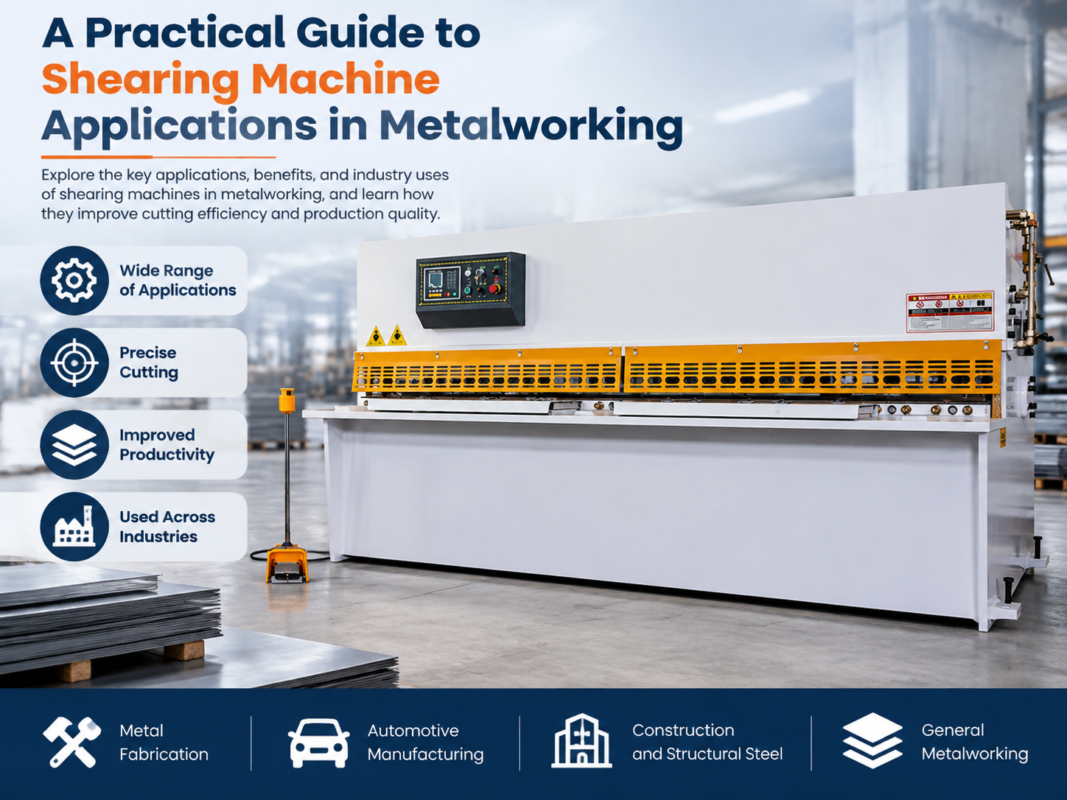
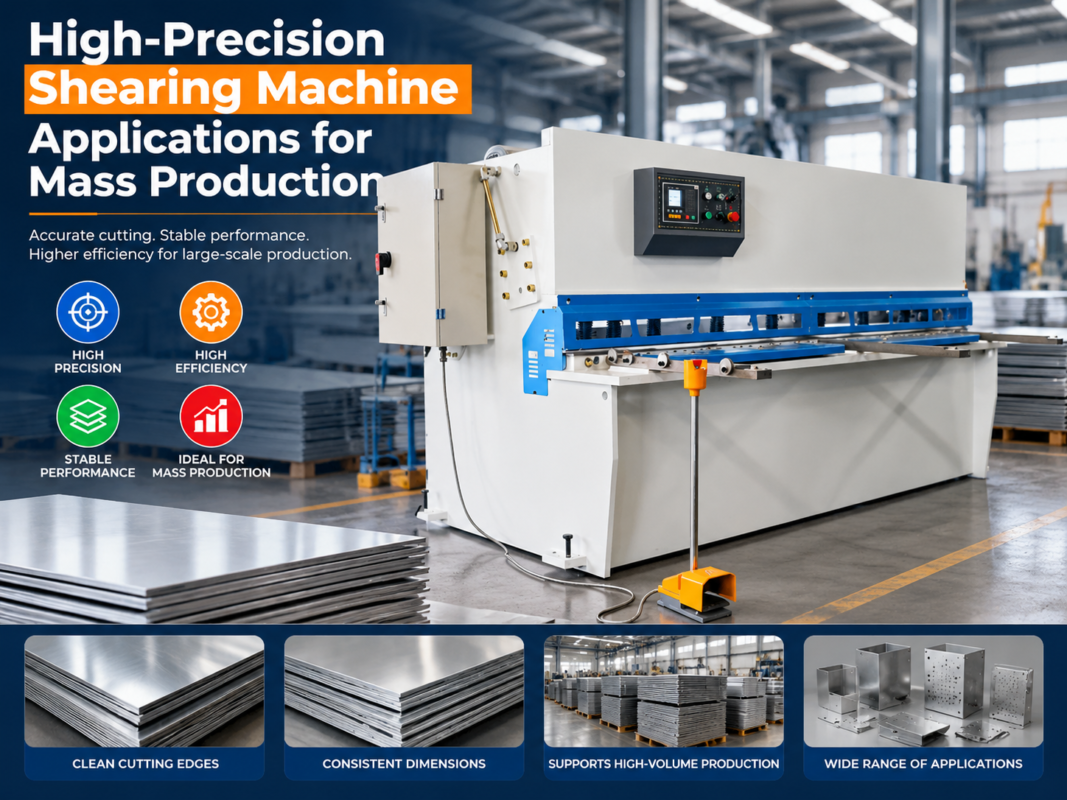
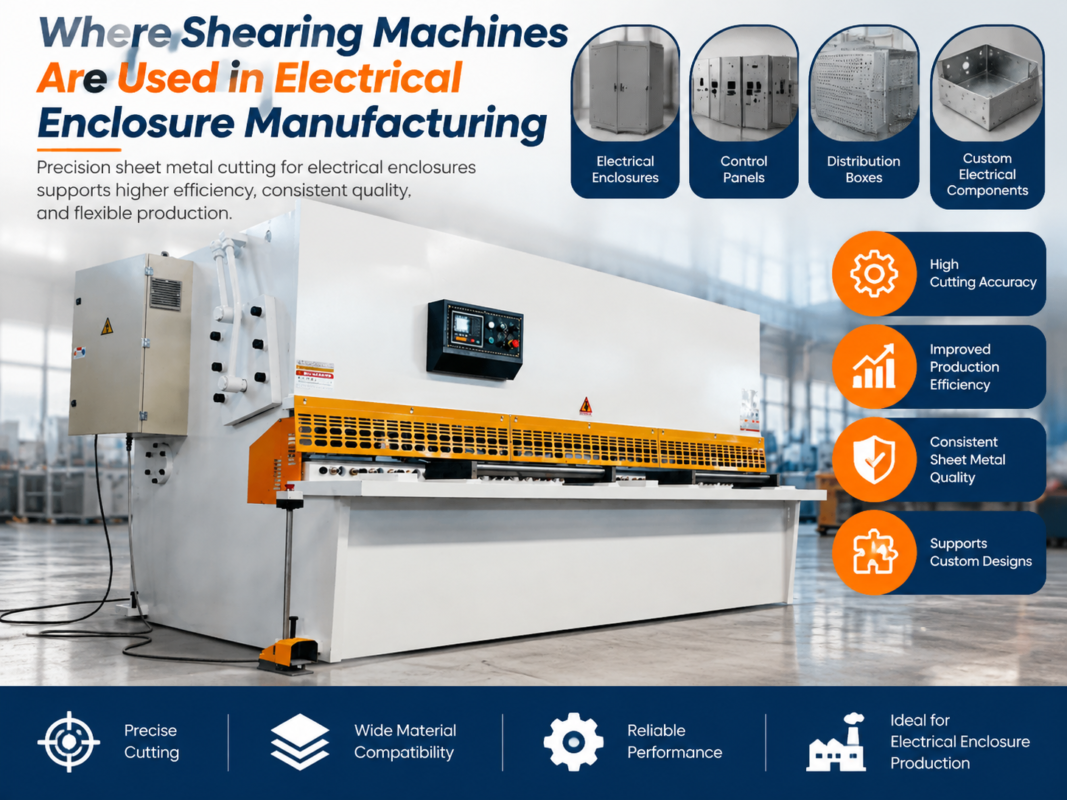
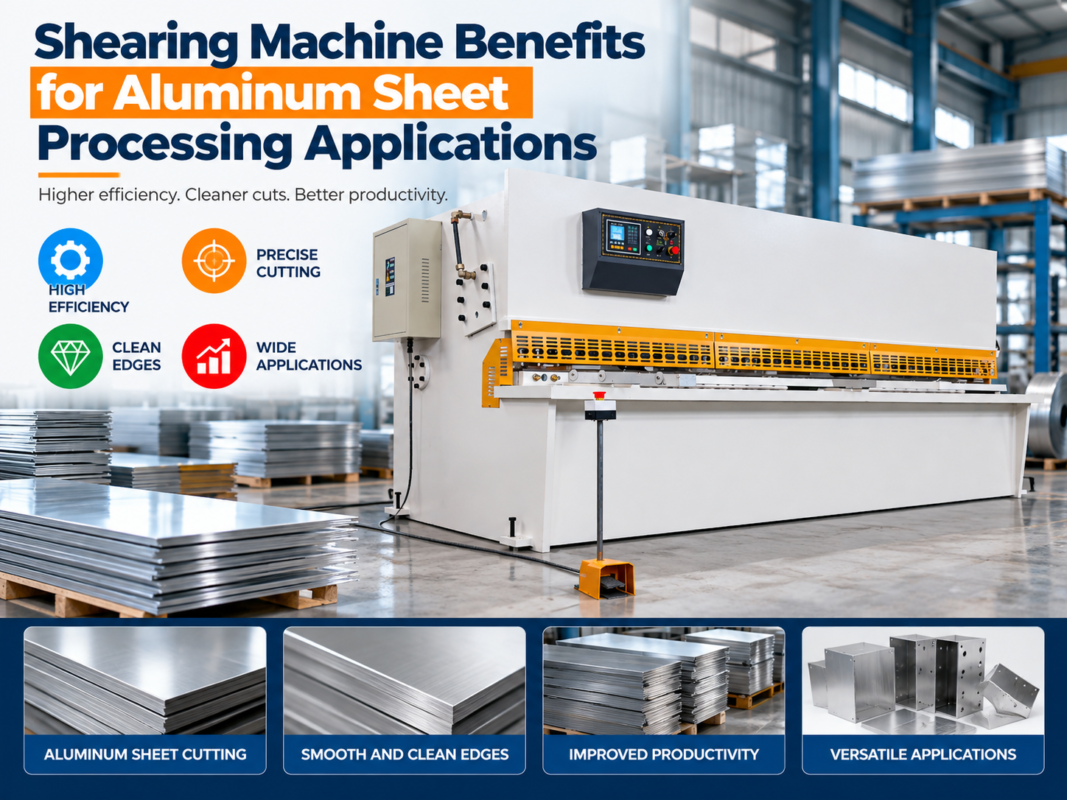
Hydraulic shearing machines utilize a moving blade and a fixed blade to apply a shearing force to metal plates of various thicknesses. Unlike thermal cutting methods like plasma or laser, shearing is a cold-cutting process. This means there is no heat-affected zone (HAZ), which is critical for maintaining the structural integrity of the material. In heavy-duty fabrication, where materials like high-tensile steel and thick aluminum are common, the hydraulic shear remains an indispensable tool due to its speed, cost-effectiveness, and ability to handle massive workloads.
As industries strive for higher throughput and tighter tolerances, the role of the hydraulic shear has expanded. It is no longer just a basic cutting tool but a sophisticated piece of equipment integrated into complex manufacturing workflows. From shipbuilding to aerospace, the demand for precise straight-line cuts is universal. This article explores the technical nuances, diverse applications, and strategic selection criteria for hydraulic shearing machines in the modern industrial landscape.
Key Considerations for Heavy-Duty Shearing Operations
When discussing the Industrial Applications Of Hydraulic Shearing Machines In Heavy-Duty Fabrication, several critical factors must be considered to ensure optimal performance and longevity of the equipment. The first and most vital consideration is the material thickness and tensile strength. Heavy-duty fabrication often involves plates exceeding 20mm in thickness. A machine must be rated not just for the thickness but for the specific shear strength of the material, such as stainless steel versus carbon steel.
Another essential factor is the rake angle. The rake angle is the angle of the upper blade relative to the lower blade. In heavy-duty applications, a higher rake angle can reduce the required shearing force, allowing the machine to cut thicker materials. However, a high rake angle can also increase the risk of “twist” or “bow” in the cut piece. Modern HARSLE machines often feature adjustable rake angles, allowing operators to balance cutting power with part quality based on the specific job requirements.
Blade gap adjustment is equally important. The clearance between the upper and lower blades must be precisely set according to the material thickness. If the gap is too wide, the metal will bend rather than shear, resulting in a heavy burr. If it is too tight, the blades will experience excessive wear and potential damage. Automated blade gap adjustment, controlled via CNC systems, has become a standard requirement for heavy-duty shops that switch between different material gauges frequently throughout the day.
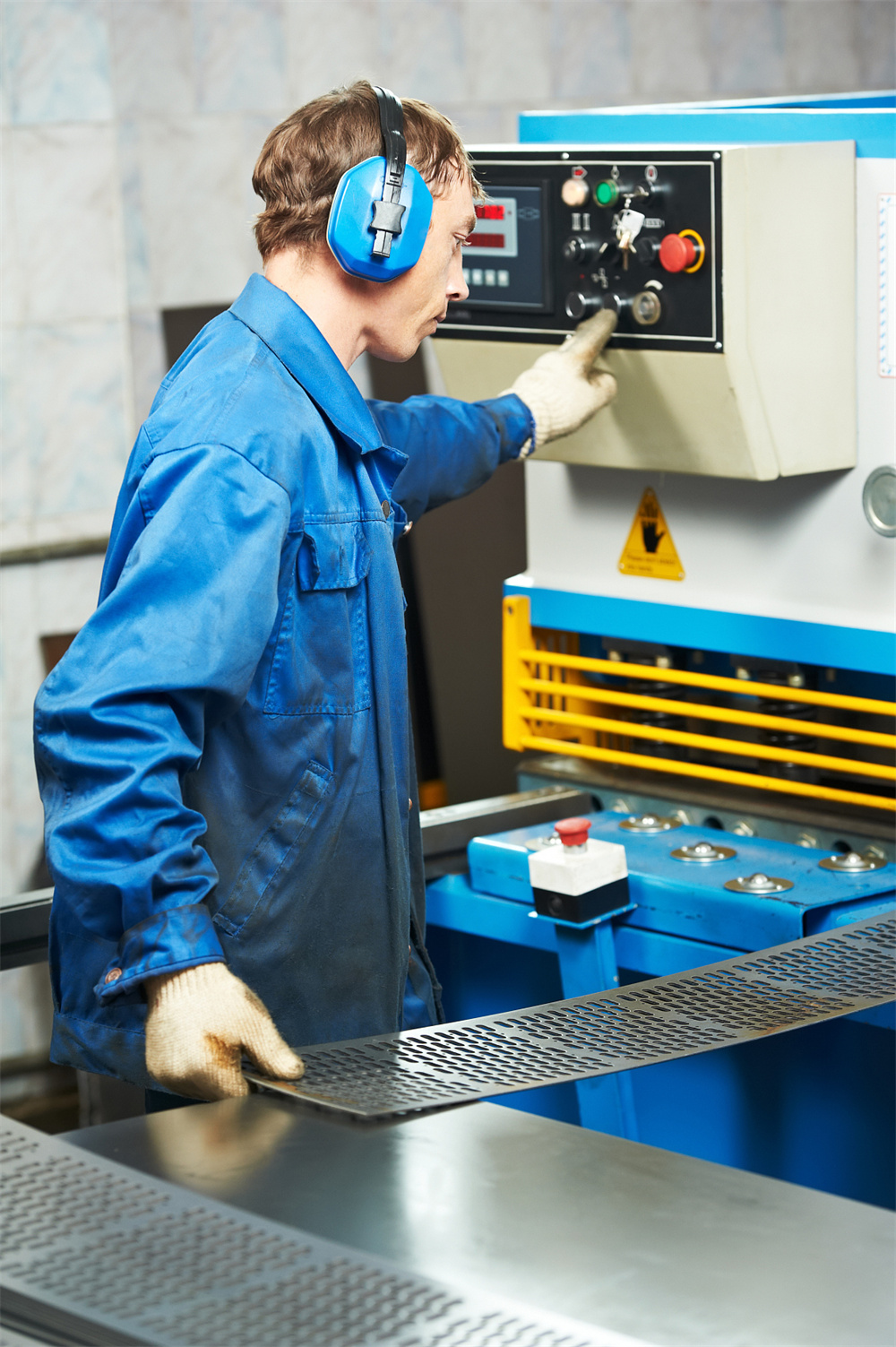
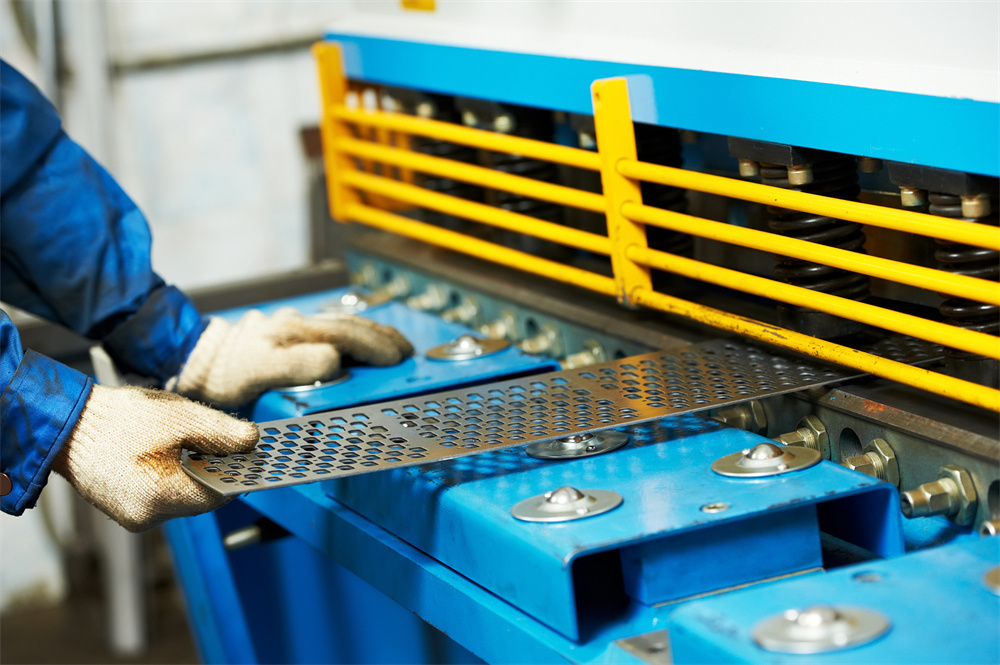
Safety and ergonomics cannot be overlooked. Heavy-duty shearing involves handling large, heavy plates that pose significant risks to operators. Advanced safety features, such as light curtains, emergency stop buttons, and hydraulic hold-downs, are essential. Furthermore, the integration of front support arms and ball-transfer tables helps operators maneuver heavy sheets with minimal physical strain, improving both safety and productivity.
Technical Details: Swing Beam vs. Guillotine Shears
In the context of Industrial Applications Of Hydraulic Shearing Machines In Heavy-Duty Fabrication, two primary designs dominate the market: the Swing Beam Shear (QC12Y series) and the Guillotine Shear (QC11Y series). Understanding the technical differences between these two is crucial for any fabrication facility.
The Swing Beam Shear (QC12Y)
The swing beam shear features an upper blade that moves in an arc. It is pivoted at the sides, and the hydraulic cylinders push the beam down to perform the cut. This design is generally simpler and more cost-effective. It is highly suitable for light to medium-heavy applications. Because the blade moves in an arc, the blade gap naturally increases as the cut progresses, which helps the material drop away easily. However, the fixed rake angle in many swing beam models limits their flexibility compared to guillotine designs.
The Hydraulic Guillotine Shear (QC11Y)
The guillotine shear is the powerhouse of heavy-duty fabrication. The upper blade moves vertically in a straight line, guided by precision gibs. This vertical movement allows for an adjustable rake angle, which is a game-changer for cutting very thick plates without excessive distortion. The guillotine design is inherently more rigid, making it the preferred choice for high-precision tasks and extremely thick materials. HARSLE’s guillotine shears are often equipped with advanced CNC controllers that automatically calculate the optimal rake angle and blade gap based on the input material data.
| Feature | Swing Beam Shear (QC12Y) | Guillotine Shear (QC11Y) |
|---|---|---|
| Blade Movement | Circular Arc | Vertical Straight Line |
| Rake Angle | Usually Fixed | Adjustable |
| Precision | Standard | High |
| Heavy-Duty Suitability | Moderate | Excellent |
| Maintenance | Lower | Moderate |
Industrial Applications Across Sectors
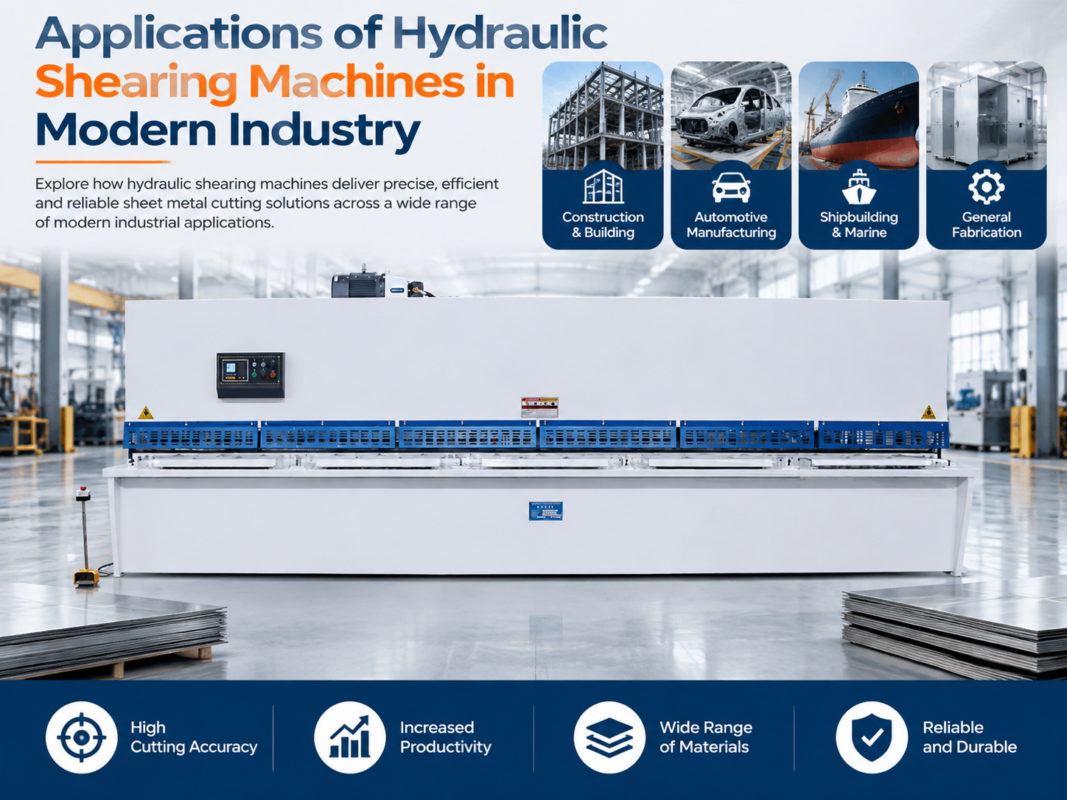
The Industrial Applications Of Hydraulic Shearing Machines In Heavy-Duty Fabrication span across almost every sector that relies on metal infrastructure. The versatility of these machines allows them to be the first step in the production of everything from skyscrapers to cargo ships.
1. Shipbuilding and Marine Engineering
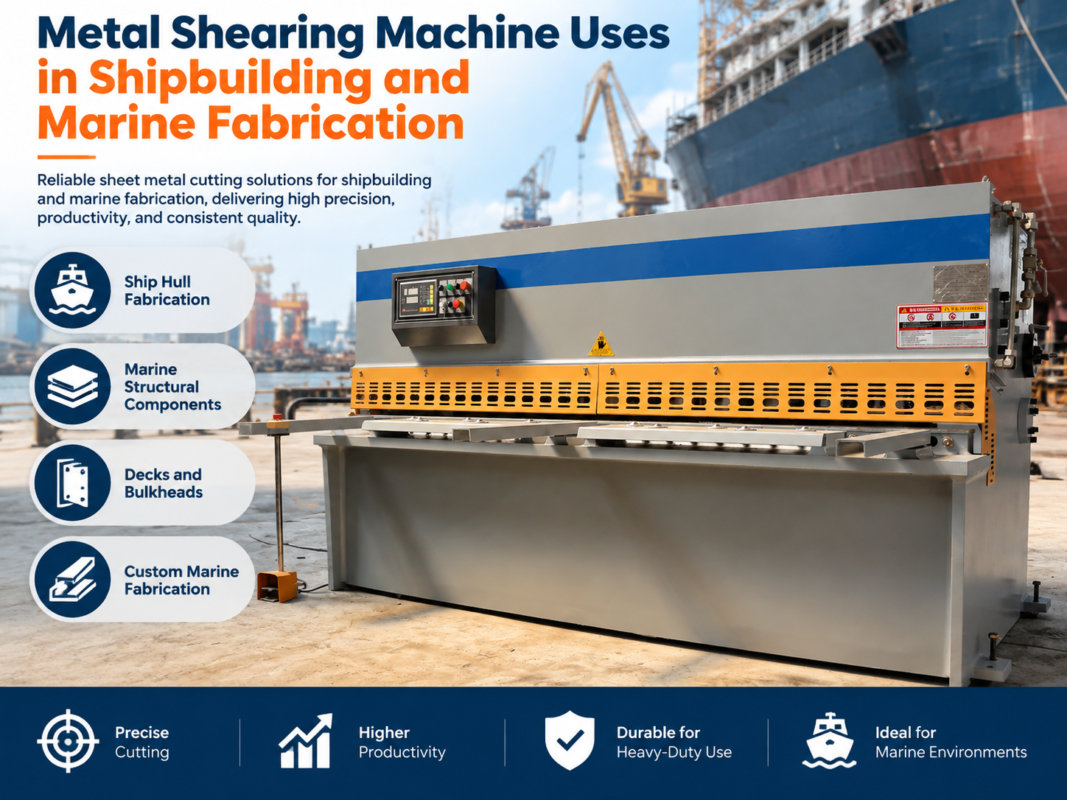
The shipbuilding industry requires the processing of massive steel plates, often with high corrosion resistance. Hydraulic shears are used to cut hull plates, bulkheads, and deck sections. The ability to produce long, straight cuts with minimal edge deformation is critical for the subsequent welding processes. In this sector, machines with large throat depths and long cutting lengths (often exceeding 6 meters) are standard.
2. Construction and Infrastructure
From bridge girders to structural steel for high-rise buildings, the construction industry relies on hydraulic shearing for base plates, gussets, and connecting elements. The speed of hydraulic shearing makes it more economical than laser cutting for simple rectangular shapes, which are prevalent in structural steel fabrication. The reliability of HARSLE machines ensures that construction projects stay on schedule by providing a steady supply of accurately cut components.
3. Automotive and Heavy Transportation
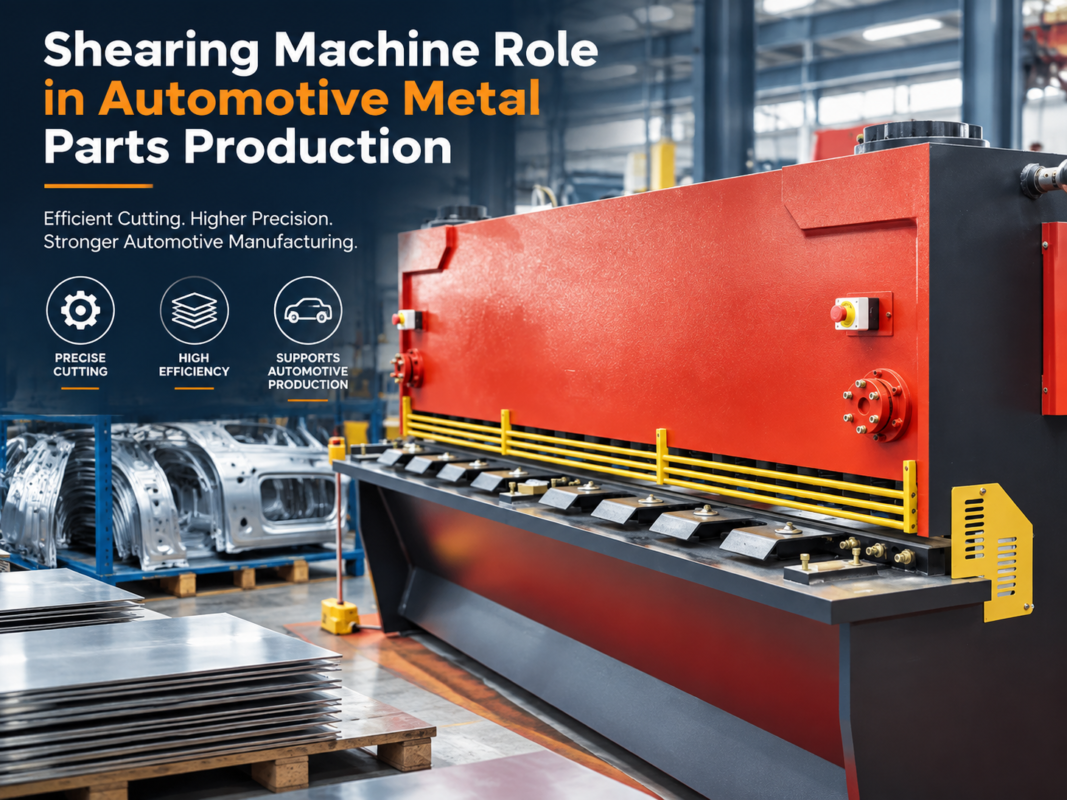
While much of the automotive industry uses stamping, the production of heavy trucks, trailers, and railcars involves thicker materials that require shearing. Chassis frames, side panels, and flooring for transport vehicles are often cut using hydraulic shears. The precision of the backgauge system is vital here to ensure that parts fit perfectly during assembly, reducing the need for secondary grinding or trimming.
4. Energy and Power Generation
In the renewable energy sector, specifically wind power, hydraulic shears are used to cut the steel plates that form the conical sections of wind turbine towers. Similarly, in the oil and gas industry, shears process plates for storage tanks and offshore platform components. These applications often involve high-strength alloys that require the immense force only a heavy-duty hydraulic system can provide.
5. Agricultural and Earthmoving Equipment
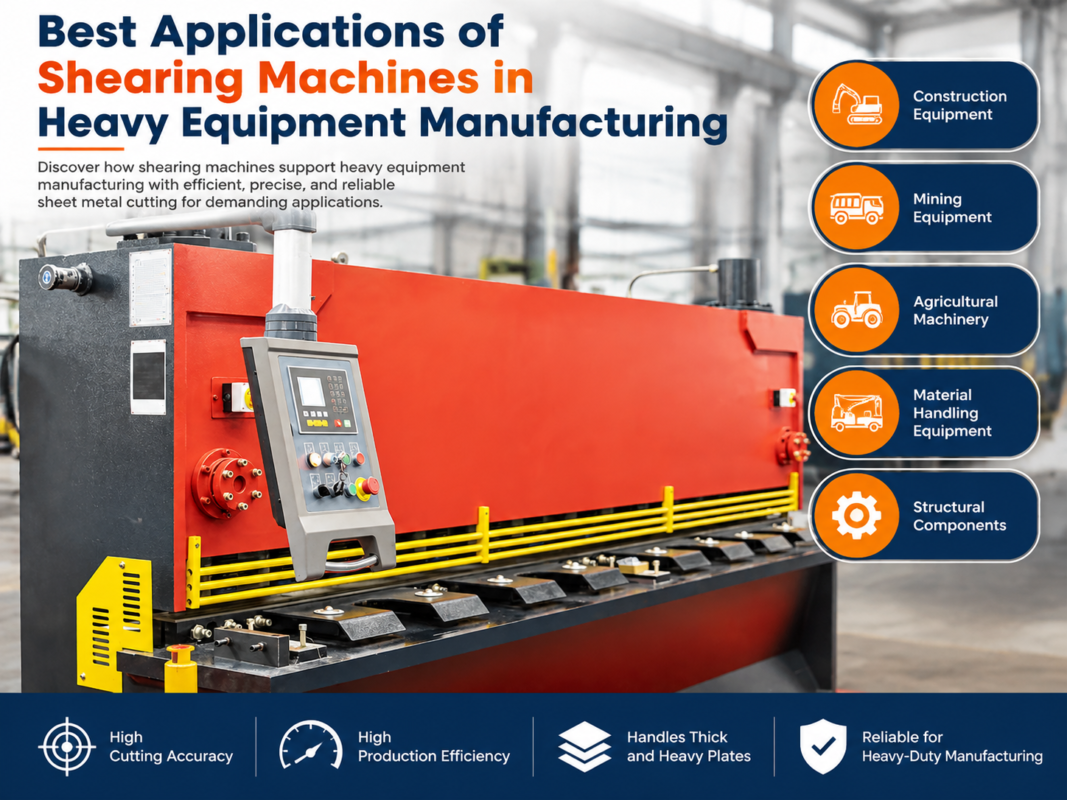
The manufacturing of tractors, excavators, and harvesters involves thick, wear-resistant steels. Hydraulic shearing machines are used to create the basic shapes for buckets, blades, and frames. The durability of the shearing blades is a key factor here, as they must withstand the abrasive nature of high-carbon steels used in these industries.
Selection Advice for Industrial Buyers
Choosing the right machine for Industrial Applications Of Hydraulic Shearing Machines In Heavy-Duty Fabrication requires a strategic approach. It is not just about the lowest price; it is about the total cost of ownership and the machine’s ability to meet production demands. Here is a checklist for potential buyers:
- Capacity Rating: Always choose a machine with a capacity slightly higher than your maximum requirement. If you regularly cut 16mm plate, a 20mm capacity machine will experience less stress and last longer.
- Blade Quality: Ensure the machine comes with high-quality, high-carbon, high-chrome blades. For heavy-duty work, 6CrW2Si or Cr12MoV blades are recommended for their toughness and edge retention.
- CNC Control System: Look for reputable controllers like Delem, Cybelec, or ESTUN. A good controller simplifies operation, stores cutting programs, and automates the backgauge, rake angle, and blade gap settings.
- Hydraulic Components: The reliability of the machine depends on its hydraulic heart. HARSLE utilizes world-class components from brands like Bosch-Rexroth or Sunny to ensure smooth operation and easy sourcing of spare parts.
- After-Sales Support: Heavy machinery requires maintenance and occasional troubleshooting. Choose a manufacturer that offers comprehensive technical support, readily available spare parts, and clear documentation.
Maintenance and Longevity of Hydraulic Shears
To maximize the return on investment in Industrial Applications Of Hydraulic Shearing Machines In Heavy-Duty Fabrication, a rigorous maintenance schedule is mandatory. The hydraulic oil is the lifeblood of the machine; it must be kept clean and changed at recommended intervals. Contaminated oil can damage valves and pumps, leading to costly downtime.
Blade maintenance is the next priority. Dull blades increase the load on the hydraulic system and produce poor-quality cuts. Blades should be rotated or sharpened as soon as the cut quality begins to degrade. Most shearing blades have multiple cutting edges (two for the upper and four for the lower in guillotine shears), which can be rotated to extend their life before needing a full regrind.
Lubrication of the moving parts, such as the backgauge lead screws and the slide guides, prevents friction-related wear. In heavy-duty environments, dust and metal particles can accumulate quickly, so regular cleaning of the machine’s work area and internal components is necessary to prevent mechanical interference.
Frequently Asked Questions (FAQ)
What is the maximum thickness a hydraulic shear can cut?
Standard industrial hydraulic shears can typically cut up to 25mm or 30mm of mild steel. However, specialized heavy-duty machines can be custom-built to handle even thicker plates, sometimes up to 40mm or more, depending on the hydraulic pressure and frame rigidity.
How does the rake angle affect the cutting process?
The rake angle reduces the amount of force required to cut the metal by shearing it gradually across the length rather than all at once. A higher rake angle allows for thicker cuts but can cause the cut strip to twist. An adjustable rake angle allows the operator to optimize the setting for each specific thickness.
Can hydraulic shears cut stainless steel?
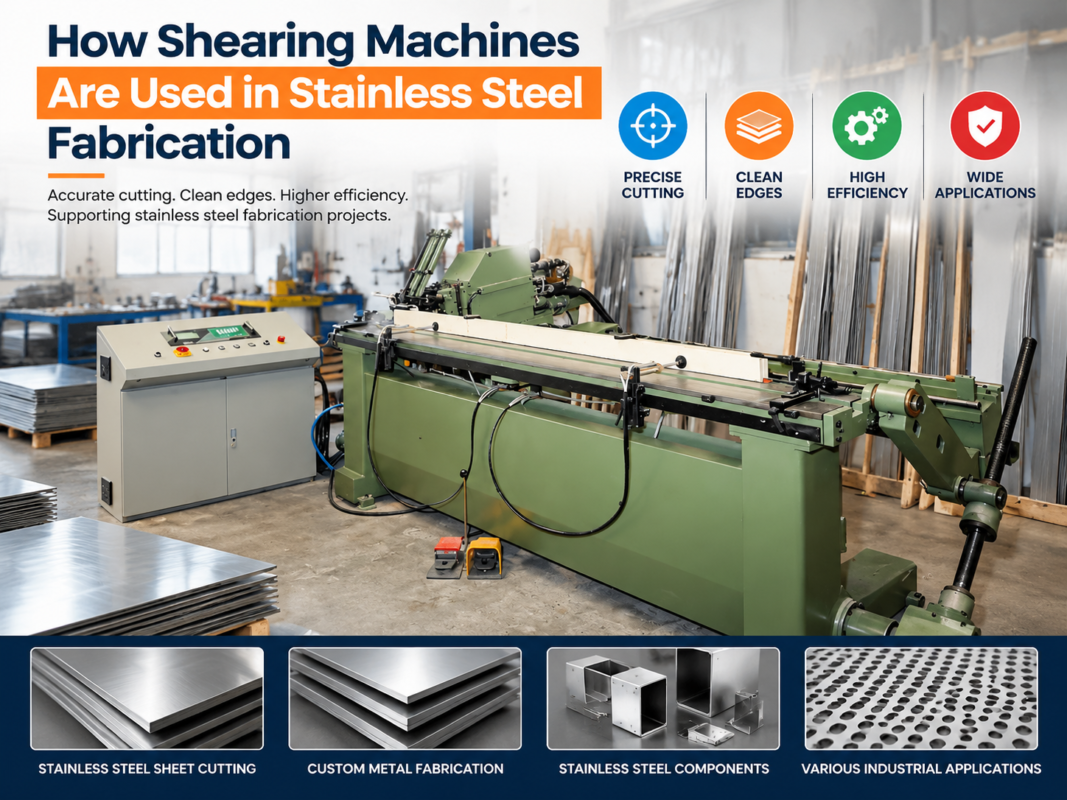
Yes, but stainless steel is much harder than mild steel. Generally, a machine’s capacity for stainless steel is about 50-60% of its rated capacity for mild steel. You must also ensure the blades are specifically hardened for stainless steel applications.
Why choose a hydraulic shear over a laser cutter?
For straight-line cuts on thick plates, a hydraulic shear is significantly faster and cheaper to operate than a laser cutter. It requires no expensive gases, uses less electricity per cut, and has lower maintenance costs for simple geometric shapes.
What is the purpose of the backgauge?
The backgauge is a motorized stop that determines the length of the piece being cut. In modern CNC machines, the backgauge is highly accurate (within 0.1mm) and can be programmed to move automatically between cuts for complex jobs.
Conclusion: The Future of Heavy-Duty Shearing
The Industrial Applications Of Hydraulic Shearing Machines In Heavy-Duty Fabrication continue to be a fundamental pillar of the manufacturing world. While new technologies like fiber lasers and waterjets offer incredible precision for complex shapes, the sheer power, speed, and cost-efficiency of the hydraulic shear for straight-line plate processing remain unmatched. As we look to the future, the integration of Industry 4.0 features—such as remote diagnostics, IoT connectivity, and even more advanced automation—will further enhance the value of these machines.
For companies involved in heavy-duty fabrication, investing in a high-quality hydraulic shearing machine from a trusted manufacturer like HARSLE is a strategic move. It ensures that the very first step of the production process is handled with the precision and reliability required to compete in today’s fast-paced global market. By understanding the technical requirements and maintaining the equipment properly, fabricators can ensure their shearing operations remain a source of strength and profitability for decades to come.