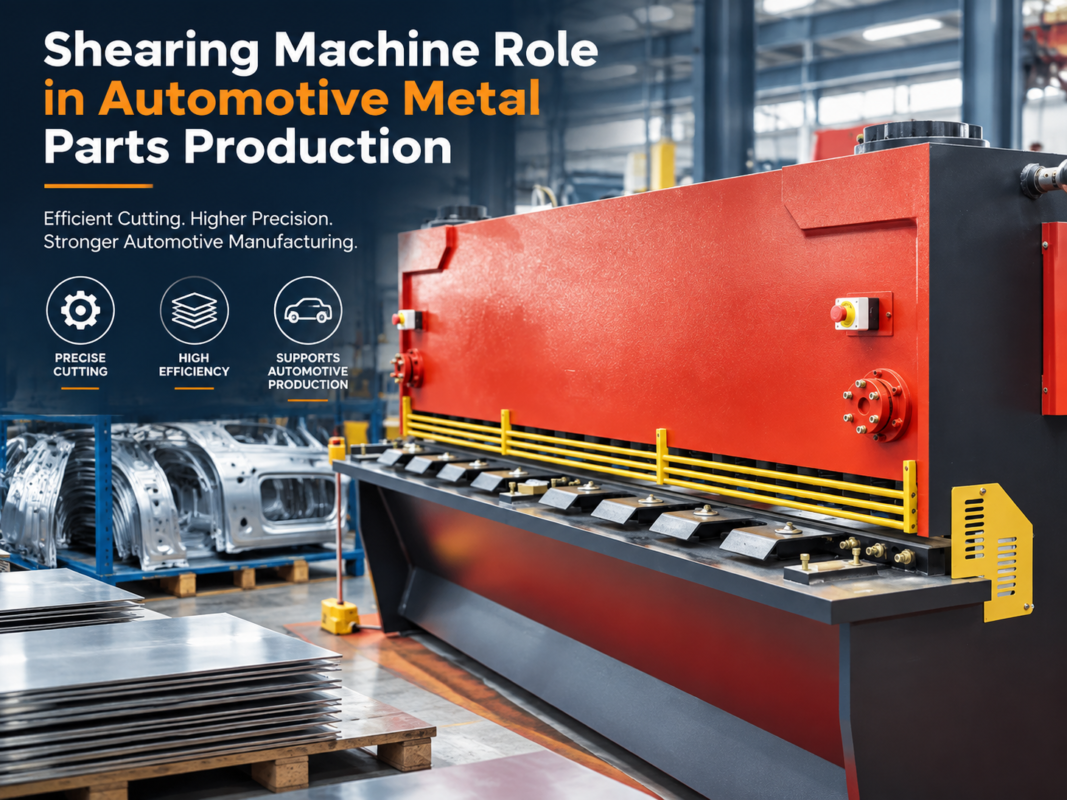
How to Maintain a Hydraulic Shearing Machine for Stable Daily Performance


How to Maintain a Hydraulic Shearing Machine for Stable Daily Performance
In the high-stakes world of metal fabrication, the hydraulic shearing machine stands as a cornerstone of production. Whether you are cutting thin sheet metal or heavy plate, the precision and reliability of your shear directly impact your bottom line. However, like any sophisticated piece of industrial equipment, these machines require a disciplined approach to upkeep. To maintain a hydraulic shearing machine for stable daily performance, operators and maintenance managers must look beyond simple repairs and embrace a proactive, preventative strategy. This guide provides an exhaustive roadmap to ensuring your HARSLE shearing machine operates at peak efficiency for years to come.
The Critical Importance of Regular Maintenance for Hydraulic Shears
The primary goal of any maintenance program is to prevent unplanned downtime. In a busy workshop, a single day of a shearing machine being out of commission can ripple through the entire production line, delaying subsequent bending, welding, and finishing processes. Beyond avoiding delays, regular maintenance ensures the safety of the operator. Hydraulic systems operate under immense pressure; a neglected hose or a faulty valve can lead to catastrophic failures that pose significant risks to personnel.
Furthermore, the quality of the cut is intrinsically linked to the machine’s condition. A well-maintained shear produces clean, burr-free edges, reducing the need for secondary grinding or rework. When you maintain a hydraulic shearing machine for stable daily performance, you are also protecting your investment. These machines represent a significant capital expenditure, and extending their service life through proper care ensures a much higher return on investment (ROI). Consistency in performance also means consistency in material yield, as accurate cuts minimize scrap and waste.
Finally, a disciplined maintenance routine helps in identifying minor issues before they escalate into expensive repairs. For instance, catching a small hydraulic leak early is a matter of replacing a seal, whereas ignoring it could eventually lead to pump failure or contamination of the entire hydraulic circuit. In the following sections, we will break down the specific steps required to keep your machinery in top-tier condition.
Daily Inspection Checklist: The Foundation of Machine Longevity
The first step to maintain a hydraulic shearing machine for stable daily performance begins before the machine is even turned on. A daily walk-around inspection is the most effective way to spot obvious problems. Operators should start by cleaning the work surface and the area around the machine. Metal shavings, dust, and debris can interfere with the backgauge movement or contaminate the hydraulic fluid if allowed to accumulate.
Check the oil level in the hydraulic reservoir. Most machines feature a sight glass for easy monitoring. The oil should be clear and at the recommended level; if it appears milky or dark, it may be contaminated with water or oxidized from overheating. Next, inspect all visible hydraulic hoses and connections for signs of weeping or moisture. Even a small damp spot on a hose can indicate a pending burst under high-pressure cycles.
Examine the cutting blades. Look for chips, cracks, or excessive dullness. A dull blade doesn’t just produce a poor cut; it increases the load on the hydraulic system and the machine frame, leading to premature wear. Additionally, verify that the safety guards and emergency stop buttons are fully functional. Never operate a machine with bypassed safety features. Lastly, check the backgauge for smooth movement and ensure the digital readout (if applicable) is zeroed correctly to maintain dimensional accuracy throughout the shift.
Deep Dive: Hydraulic System Maintenance and Oil Management
The hydraulic system is the heart of the shearing machine. To maintain a hydraulic shearing machine for stable daily performance, you must prioritize the health of the hydraulic fluid. Hydraulic oil serves three purposes: it transmits power, lubricates moving parts, and carries heat away from the system. Over time, the oil breaks down due to thermal stress and contamination.
One of the most overlooked aspects of hydraulic maintenance is temperature control. If the oil becomes too hot (typically above 60°C or 140°F), its viscosity drops, leading to poor lubrication and internal leakage in the pump and valves. Ensure that the cooling system—whether it is an air-cooled heat exchanger or a water-cooled system—is clean and functioning. Dust buildup on cooling fins is a common cause of overheating in fabrication shops.
Filter replacement is equally critical. Most hydraulic shears have suction filters and return-line filters. These should be changed according to the manufacturer’s schedule, or sooner if the environment is particularly dusty. When adding oil, always use the specific grade recommended by HARSLE. Mixing different types of oil can lead to chemical reactions that clog valves. It is also advisable to perform an oil analysis once a year to check for microscopic metal particles, which can provide early warning of internal component wear.

Electrical and Control System Integrity
Modern hydraulic shearing machines rely heavily on electrical components and PLC (Programmable Logic Controller) systems to manage stroke length, backgauge positioning, and safety interlocks. To maintain a hydraulic shearing machine for stable daily performance, the electrical cabinet must be kept clean and dry. Dust, especially metallic dust from the shop floor, can cause short circuits or overheating of sensitive electronic components.
Periodically check all electrical connections for tightness. Vibrations from the shearing process can loosen terminal screws over time, leading to intermittent faults or arcing. Inspect the foot pedal and its cable; since these are often moved around the floor, they are prone to physical damage. If your machine uses limit switches or proximity sensors to control the ram’s travel, ensure they are free of debris and securely mounted.
Voltage stability is another factor. Fluctuations in the power supply can damage the motor or the PLC. If your facility experiences frequent power surges, consider installing a voltage stabilizer. Additionally, keep the software or control parameters backed up. If the machine’s battery-backed memory fails, having a record of the original parameters will save hours of recalibration work.
Mechanical Components: Blade Care and Backgauge Precision
The mechanical integrity of the shear determines the quality of the finished product. The most important mechanical factor is the blade gap (clearance). To maintain a hydraulic shearing machine for stable daily performance, the blade gap must be adjusted according to the thickness and type of material being cut. A gap that is too wide will result in a “folded” edge or heavy burrs, while a gap that is too narrow can cause the blades to collide or wear prematurely.
Blade rotation is a cost-effective way to maintain performance. Most shearing blades have four cutting edges. When one edge becomes dull, the blade can be flipped or rotated to a fresh edge. However, this must be done with precision, ensuring the blades are seated perfectly and the mounting bolts are torqued to the correct specification. If the blades are significantly worn, they should be professionally reground by a specialist who understands the specific rake angles required for your machine.
The backgauge system also requires attention. The lead screws or ball screws that drive the backgauge should be checked for play or backlash. If the backgauge is not perfectly parallel to the bottom blade, every cut will be tapered. Regularly verify the parallelism using a dial indicator and adjust the coupling or the software offsets as needed. Keeping the guide rails clean and lightly oiled will prevent the backgauge from sticking or stuttering during adjustment.
Developing a Robust Lubrication Plan
Friction is the enemy of any mechanical system. A comprehensive lubrication plan is essential to maintain a hydraulic shearing machine for stable daily performance. There are several key points on a shearing machine that require regular greasing: the ram guideways, the backgauge lead screws, and the pivot points of the cylinders. Guideways, in particular, bear immense pressure during the cutting stroke; without a consistent film of lubricant, they can score or gall, leading to expensive structural repairs.
Use the correct type of lubricant. High-pressure grease is typically required for the guideways, while a lighter machine oil might be appropriate for the backgauge rails. Many modern HARSLE machines come equipped with a centralized lubrication system. If your machine has one, ensure the reservoir is full and check that the distribution lines are actually delivering grease to the intended points. It is common for a single line to become blocked, leaving one part of the machine dry while the rest appears fine.
Establish a frequency for lubrication based on usage. For a machine running a single shift, a weekly deep-lubrication cycle might suffice, but for high-volume, multi-shift operations, daily lubrication of the most active components is necessary. Documenting these actions in a logbook ensures accountability and helps track the consumption of lubricants, which can also be an indicator of machine health.
Troubleshooting Common Performance Issues
Even with the best maintenance, issues can arise. Knowing how to interpret the signals your machine is giving you is vital to maintain a hydraulic shearing machine for stable daily performance. Unusual noises are often the first sign of trouble. A high-pitched squeal from the pump might indicate air in the system or a clogged suction filter. A heavy thumping sound during the cut could suggest that the blade mounting bolts are loose or the material is too hard for the current blade gap setting.
If the machine is cutting at an angle or the cut is “bowed,” check the hold-down cylinders. These cylinders must apply enough pressure to keep the sheet from moving during the shear. If one cylinder is leaking or has a worn seal, it won’t hold the material securely, leading to inaccuracies. Another common issue is the ram failing to return to the top position. This is often related to the nitrogen return cylinders (if equipped) losing pressure or a faulty solenoid valve in the hydraulic circuit.
Slow operation is usually a sign of hydraulic inefficiency. This could be due to a worn pump, internal leakage in the main cylinders, or oil that has become too thin from overheating. By systematically checking the pressure at various points in the circuit using a pressure gauge, a technician can isolate the failing component without unnecessary guesswork.
Comprehensive Maintenance Schedule Table
To help you maintain a hydraulic shearing machine for stable daily performance, use the following table as a template for your maintenance department.
| Frequency | Component | Action Required |
|---|---|---|
| Daily | Work Area & Machine | Clean debris, dust, and metal shavings. |
| Daily | Hydraulic Oil | Check level and color via sight glass. |
| Daily | Safety Systems | Test E-stops, light curtains, and foot pedal. |
| Daily | Blades | Visual inspection for chips or dullness. |
| Weekly | Guideways | Clean and apply fresh high-pressure grease. |
| Weekly | Backgauge | Lubricate lead screws and check for parallelism. |
| Weekly | Hydraulic Hoses | Inspect for leaks, cracks, or abrasions. |
| Monthly | Electrical Cabinet | Vacuum dust and check for loose connections. |
| Monthly | Blade Gap | Verify accuracy with feeler gauges. |
| Quarterly | Hydraulic Filters | Replace suction and return-line filters. |
| Annually | Hydraulic Oil | Perform oil analysis or full oil change. |
| Annually | Main Motor | Check bearings and cooling fan functionality. |
Frequently Asked Questions (FAQ)
1. How often should I sharpen the shearing blades?
There is no fixed timeframe, as it depends on the material type and thickness. However, if you notice increased burrs, a “tearing” sound during the cut, or if the machine requires more pressure than usual, it is time to rotate or sharpen the blades. Generally, high-production shops rotate blades every 6 to 12 months.
2. What type of hydraulic oil is best for a HARSLE shearing machine?
Most hydraulic shears use ISO VG 46 or ISO VG 68 anti-wear hydraulic oil. You should always consult your specific machine manual, as the choice depends on your local ambient temperature. Using the wrong viscosity can lead to sluggish performance or overheating.
3. Why is my shearing machine vibrating excessively?
Excessive vibration is often caused by an incorrect blade gap, loose foundation bolts, or air trapped in the hydraulic system. Ensure the machine is properly leveled and anchored to a reinforced concrete floor to minimize resonance during high-speed operation.
4. Can I cut stainless steel on a standard hydraulic shear?
Yes, but stainless steel is much harder than mild steel. You must reduce the rated capacity of the machine (usually by about 50%) and ensure your blades are made of high-chrome, high-carbon steel suitable for stainless applications. The blade gap must also be adjusted specifically for the harder material.
5. How do I bleed air from the hydraulic system?
Air usually enters the system after a hose replacement or if the oil level drops too low. Most systems are self-bleeding through repeated cycling of the ram to its full extent. If air persists, you may need to crack a fitting at the highest point of the cylinder while under low pressure, but this should only be done by a trained technician.
6. What is the purpose of the nitrogen return cylinders?
Many hydraulic shears use nitrogen-filled accumulators or cylinders to return the ram to the top position quickly. This is faster and more energy-efficient than using hydraulic power for the return stroke. If the ram returns slowly, the nitrogen pressure likely needs to be recharged.
Conclusion
To maintain a hydraulic shearing machine for stable daily performance requires a blend of daily vigilance and scheduled technical deep-dives. By following the steps outlined in this guide—from the simple daily walk-around to the complex management of hydraulic fluid chemistry—you ensure that your HARSLE equipment remains a reliable asset in your production arsenal. Remember, maintenance is not a cost; it is an investment in the precision, safety, and longevity of your metal fabrication operations. Keep your blades sharp, your oil clean, and your guideways lubricated, and your shearing machine will reward you with years of trouble-free service.